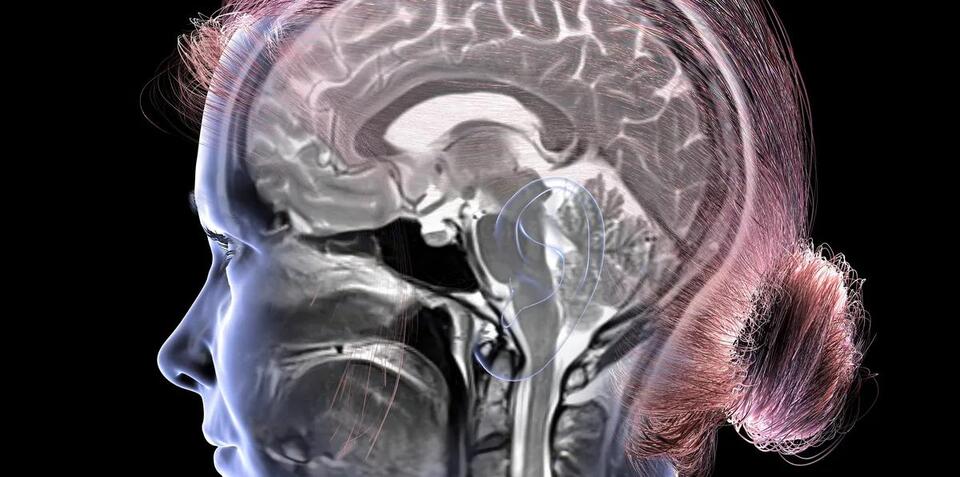
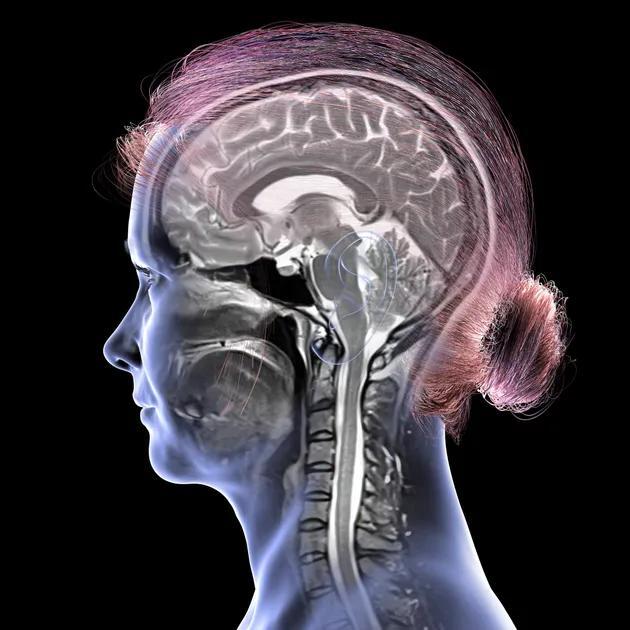
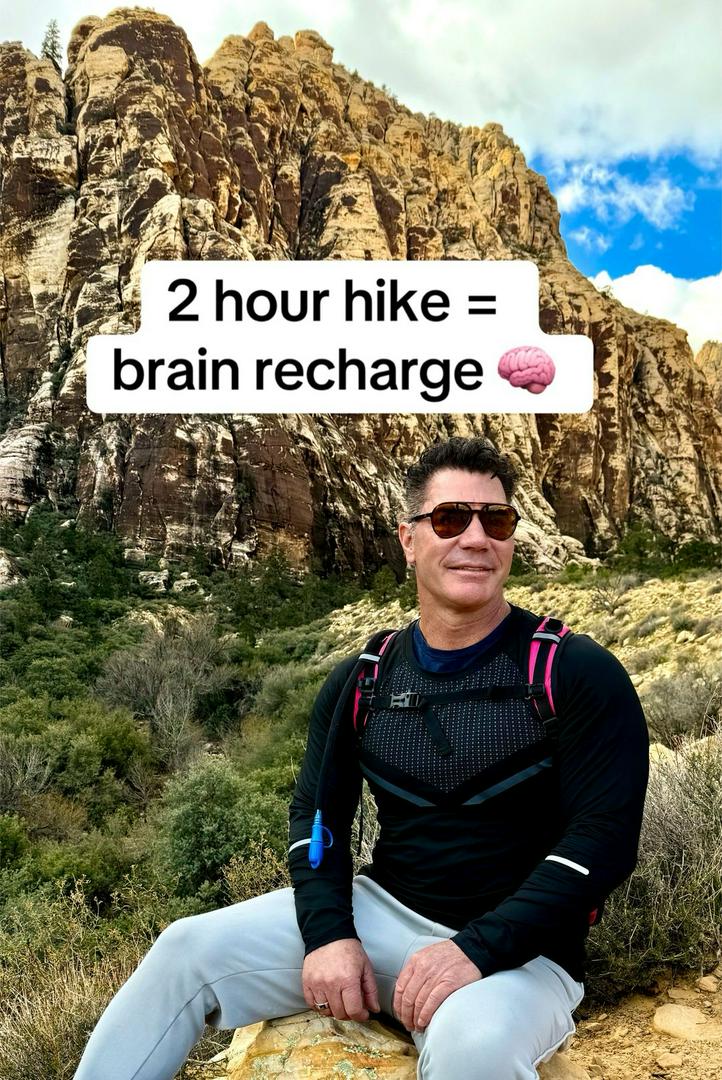
shermandarlene+FollowRed Light Therapy: Brain Armor?Who knew a little red light could be a game-changer for brain health? Scientists tested red light therapy on college football players and found it might actually protect the brain from all those repeated hits. Instead of waiting for damage to show up, this therapy could help keep brains healthier during the season. Early scans show less inflammation and stress in players who got the real treatment. Could this be the future for athletes, soldiers, and first responders? #Health #BodyHealth #BrainHealth00Share
Stephanie Edwards+FollowCan Hearing Aids Really Hack Brain Health?Here’s a conversation starter: A new study suggests that using a hearing aid could slash your risk of dementia by a third. That’s a huge number for such a simple device. But here’s the twist—while the risk drops, memory and processing speed don’t seem to get a boost. Is this a game-changer for aging tech, or just another data point in the cognitive health debate? Would you wear one early if it meant protecting your brain? #Tech #TechForGood #BrainHealth00Share
Aaron Rodriguez+Follow3 Surprising Ways to Dodge DementiaDid you know nearly half of dementia cases could be avoided with just three lifestyle tweaks? Experts say regular physical exercise (think: getting out of breath a few times a week), keeping your brain challenged (not just puzzles—anything new and fun counts!), and eating a clean, veggie-packed diet can seriously lower your risk. Bonus: Better sleep and less sugar help too. Who knew brain health could be this doable? #Health #BodyHealth #BrainHealth30Share
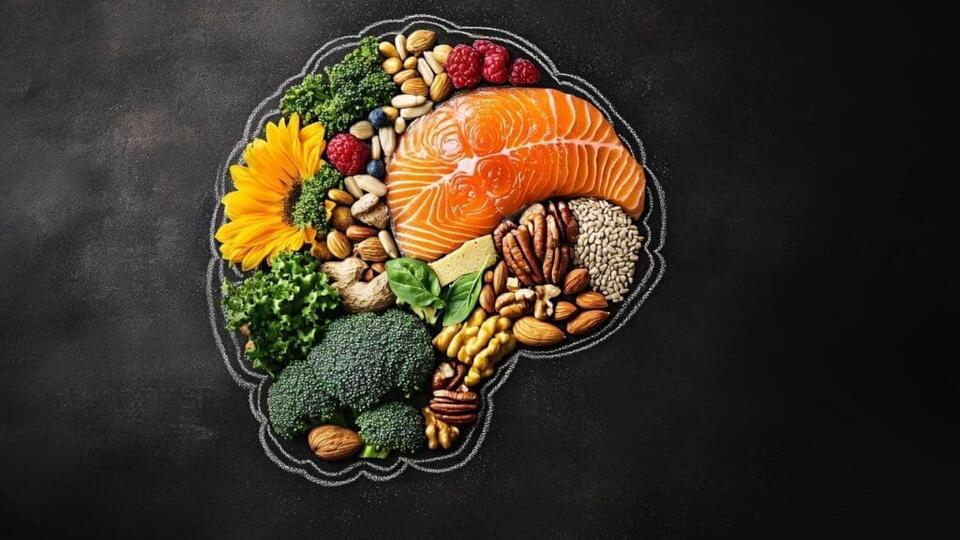
Jacqueline Howard DDS+Follow7 Easy Habits to Outsmart DementiaTurns out, what’s good for your heart is also a win for your brain! A top neurologist just dropped her 7 must-do tips to lower your risk of dementia: keep blood pressure and cholesterol in check, eat your veggies, move your body, quit smoking, stay social, and challenge your mind. No magic bullet, but these habits seriously stack the odds in your favor. Who knew brain health could be this doable? #Health #BodyHealth #BrainHealth10Share
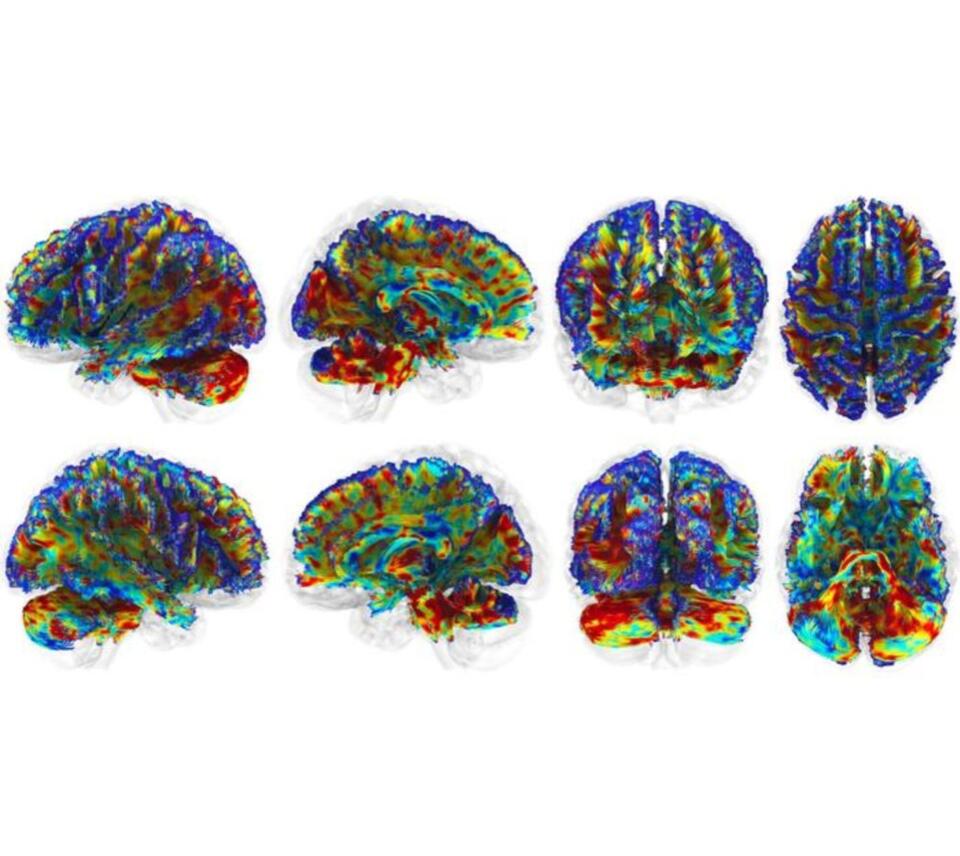
margaret39+FollowYour Grip Strength = Brain Health Clue?Turns out, how hard you can squeeze isn’t just about muscle—it’s a sneak peek into your brain’s aging process! Scientists found that grip strength in older adults is linked to activity in a deep brain region called the caudate nucleus. Basically, a simple hand squeeze could help spot early signs of frailty before you even notice any weakness. Who knew your handshake could reveal so much about your brain? #Fitness #BrainHealth #Aging00Share
Steven Smith+FollowHow your daily habits could predict dementiaTurns out, the way we move, think, and handle everyday tasks might say a lot about our future brain health. Ohio University researchers found that a person’s 'intrinsic capacity'—basically, their combined physical and mental abilities—can help spot who’s at higher risk for dementia down the road. This isn’t just about memory tests; it’s about your overall well-being. Imagine if simple changes in how we stay active or engaged could make a real difference. What small habits do you think help keep your mind and body sharp? Let’s share ideas and support each other! #Health #MentalHealth #BrainHealth20Share
Aaron Rodriguez+FollowYour Sleep Routine Could Save Your BrainTurns out, your body clock isn’t just about when you feel sleepy—it could be a major player in keeping your brain sharp as you age. A big study found that people with a strong, steady circadian rhythm had almost half the risk of developing dementia. Messy sleep schedules? They might mess with your brain health, too. Best tip: get outside and move during the day to help keep your rhythm on track! #Health #BodyHealth #BrainHealth10Share
rachel60+FollowIs Your Sleep Schedule Messing With Your Brain?Wild new research says your body clock might be more important than you think—especially for your brain! People with disrupted daily rhythms (think: weird sleep patterns, late-night energy, or random naps) could have a higher risk of developing dementia. Even being a night owl or having a super inconsistent routine may put you at risk. Time to rethink those late-night Netflix binges? Your future self might thank you! #Health #BodyHealth #BrainHealth00Share
Charles Christensen+FollowIs Your Sleep Schedule Messing With Your Brain?Wild new study alert: your sleep and activity habits might be telling you more about your brain health than you think. Researchers found that people with weaker, more irregular circadian rhythms had a way higher risk of developing dementia. Even the time of day you’re most active matters—late risers, beware! It’s not proof that your sleep is causing issues, but maybe it’s time to get serious about that bedtime routine? #Health #BodyHealth #BrainHealth00Share
Jennifer Wilson+FollowFull-Fat Cheese & Cream: Brain Food?Okay, this is wild—new research tracked 27,000+ Swedes for 25 years and found that people who ate more high-fat cheese and cream had a lower risk of dementia! But before you start loading up on brie, the study didn’t find the same perks for low-fat dairy or butter, and it’s all about long-term habits, not quick fixes. Still, maybe that cheese board isn’t such a guilty pleasure after all? #Health #BodyHealth #BrainHealth00Share