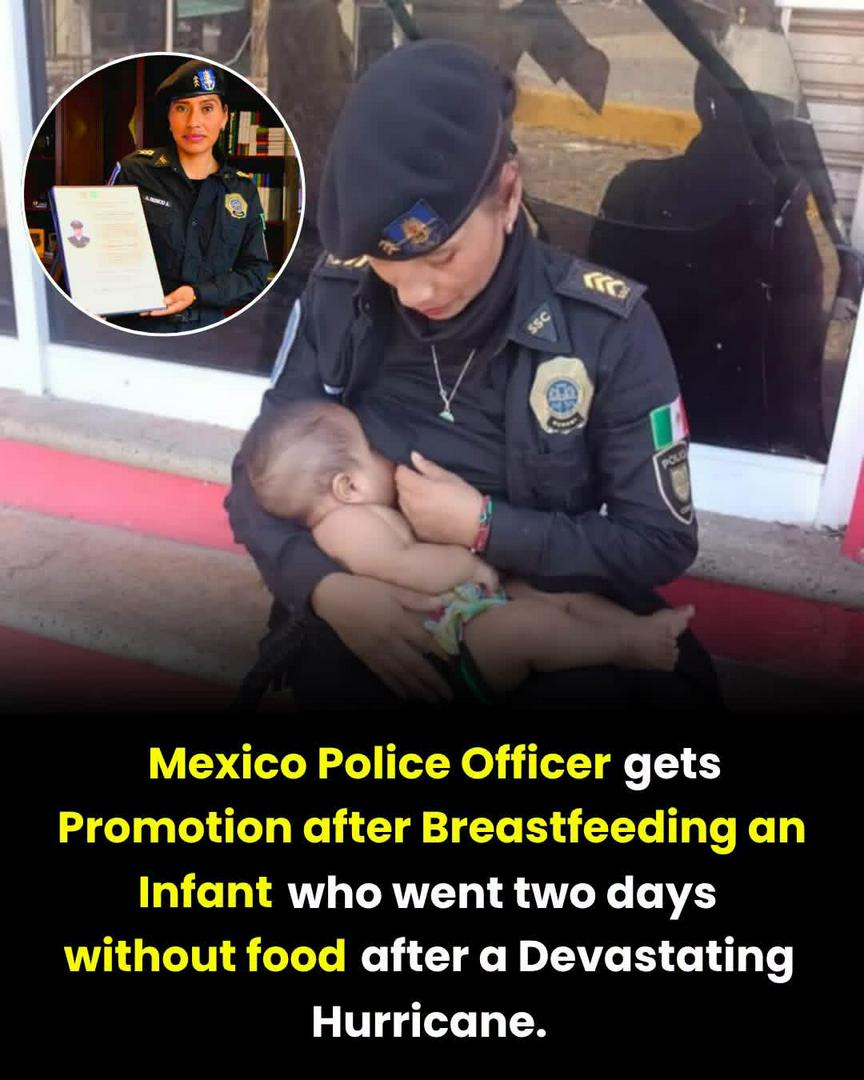
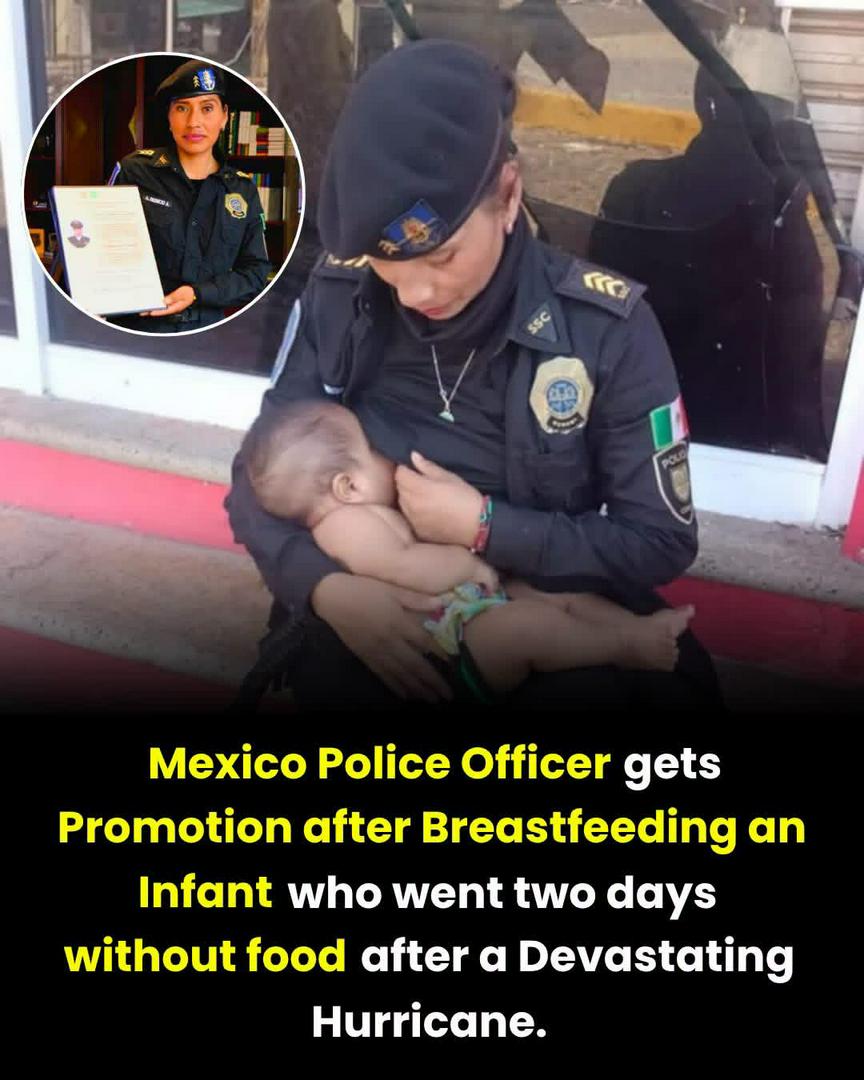
Eb X Jay+FollowMexico City police officer Arizbeth Dionisio Ambrosio was promoted for breastfeeding a starving 4-month-old infant. Hurricane Otis struck Acapulco as a destructive Category 5 storm, leaving widespread food and supply shortages. Ambrosio-a mother of two who was also nursing her own child—was deployed to the area for relief and debris-clearing efforts. While working, she heard a baby crying. A distressed mother explained that her 4-month-old son had not eaten in 48 hours and no formula was available. With the mother's permission, Ambrosio nursed the infant, calming him immediately. A photograph of the tender moment was captured and shared widely across social media and news outlets, praised as a powerful symbol of human empathy. Mexican police authorities honored her compassion, promoting her from Policía Primero to Suboficial and commending her deep sense of humanism in the line of duty. You can read more about the event. #MexicoCity #Police #4montholdbaby #Policelnvestigation #PoliceActivity #Arizbeth #ArizbethDionisioAmbrosio #Breastfeeding #Infant #Mexican #Socialmedia #Praised #News #duty #Motivation #Humanempathy00Share
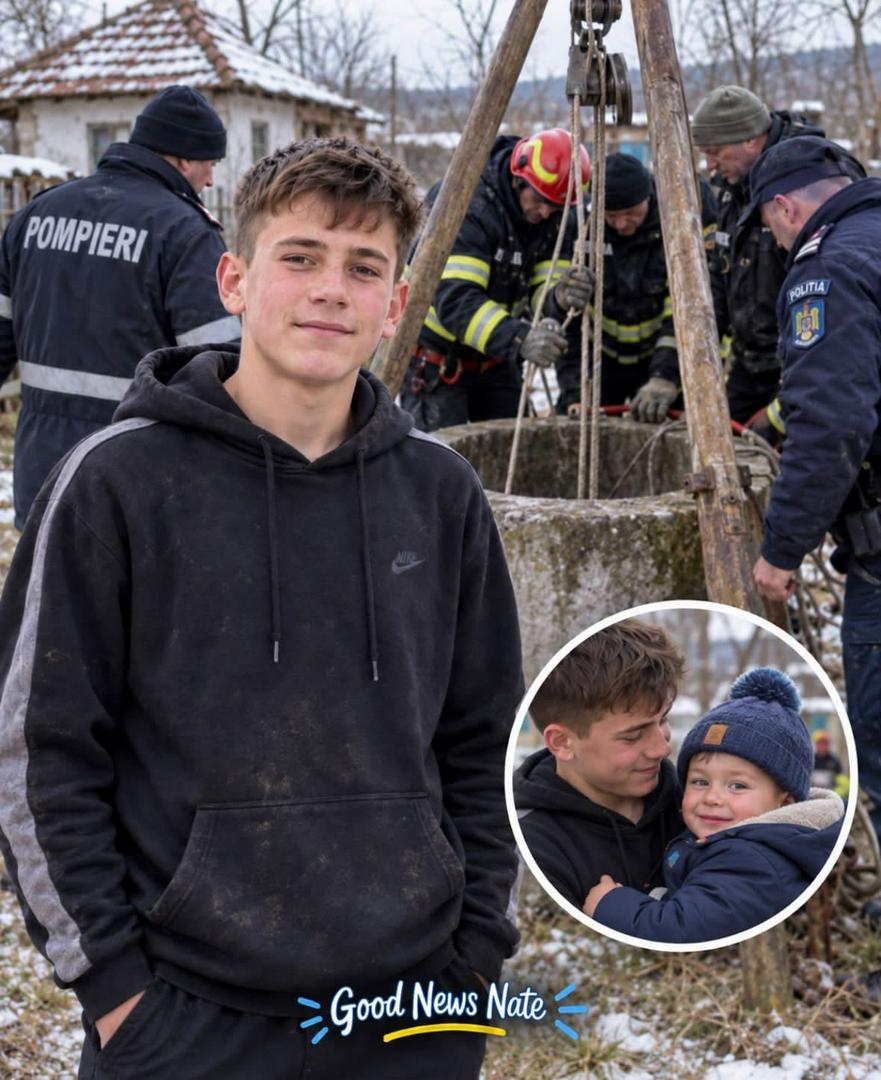
justme +FollowA 3-year-old boy fell nearly 50 feet down a well so narrow that none of the adult rescuers could fit inside. Firefighters tried digging around it and even brought in heavy equipment, but the little boy was still trapped far below and they were running out of options. That’s when 14-year-old Cristian Becheanu stepped forward. Cristian was small enough to fit, so rescuers tied a rope around his legs and slowly lowered him headfirst into the shaft. He disappeared deeper and deeper until he finally reached the 3-year-old at the bottom. Cristian grabbed hold of him, and the rescuers above began pulling both boys back toward the surface. Minutes later, Cristian emerged still holding the little boy he had gone down to save. Gabriel was taken to the hospital conscious and survived. Cristian was only 14, but when no one else could reach him, he became the one person who could. That’s the kind of young hero people should know about. 💙00Share
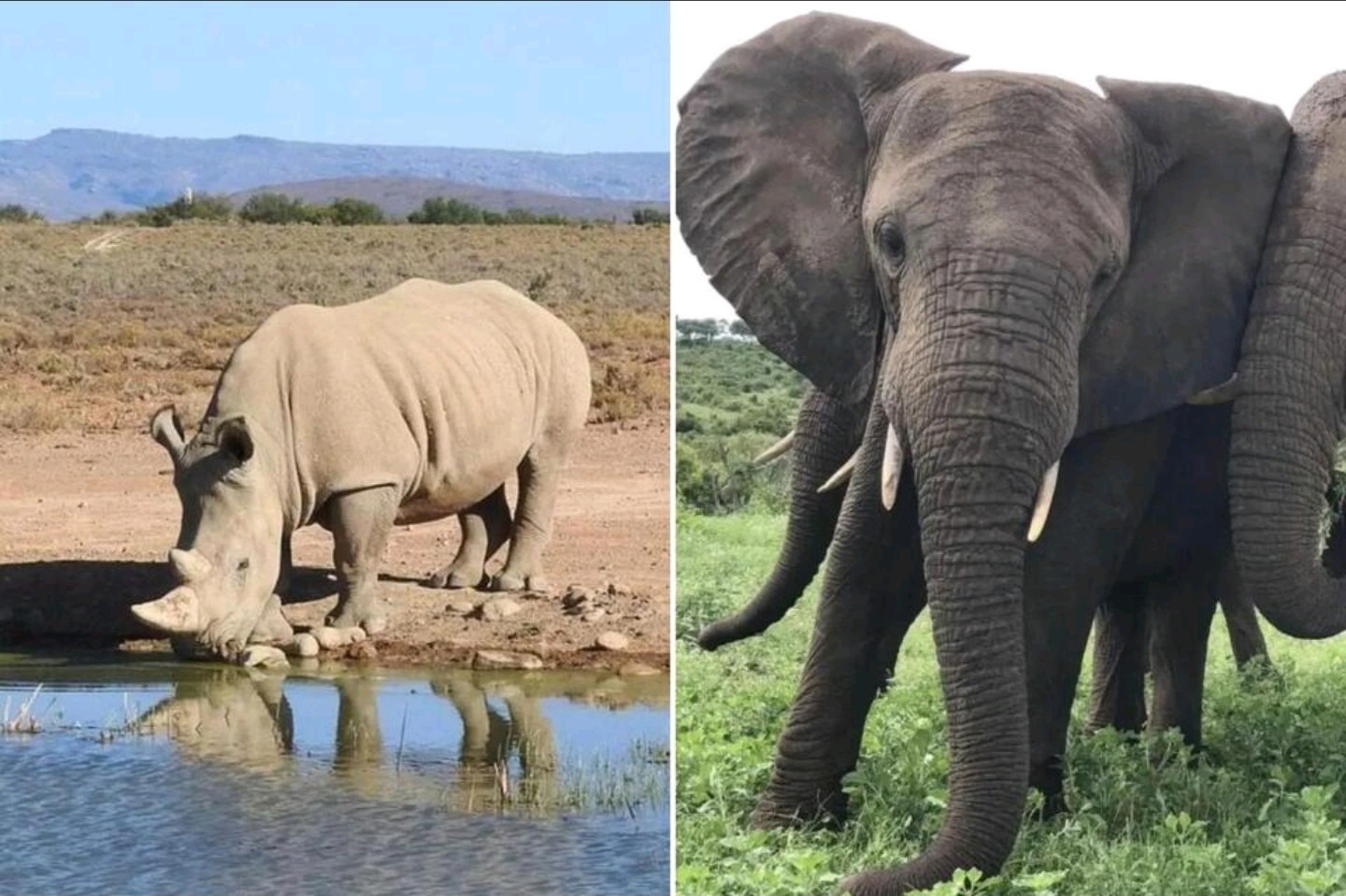
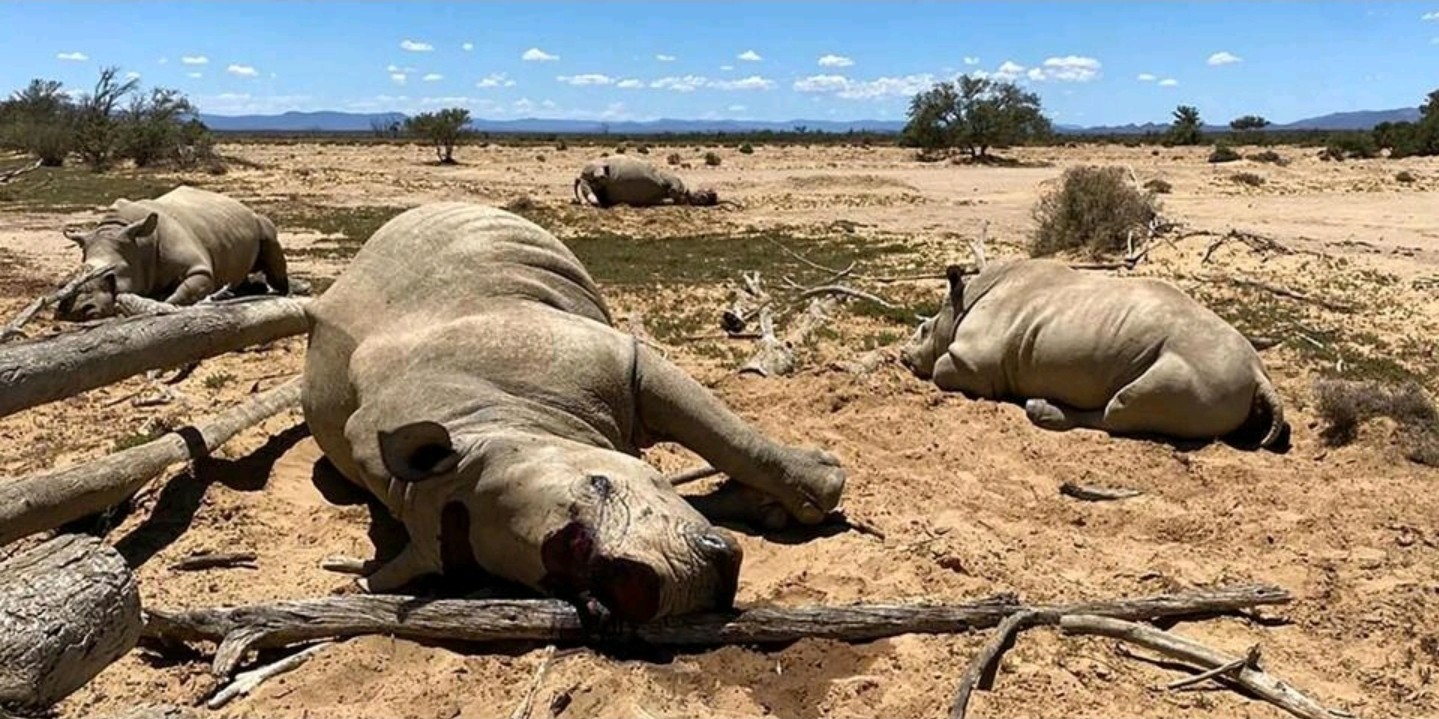
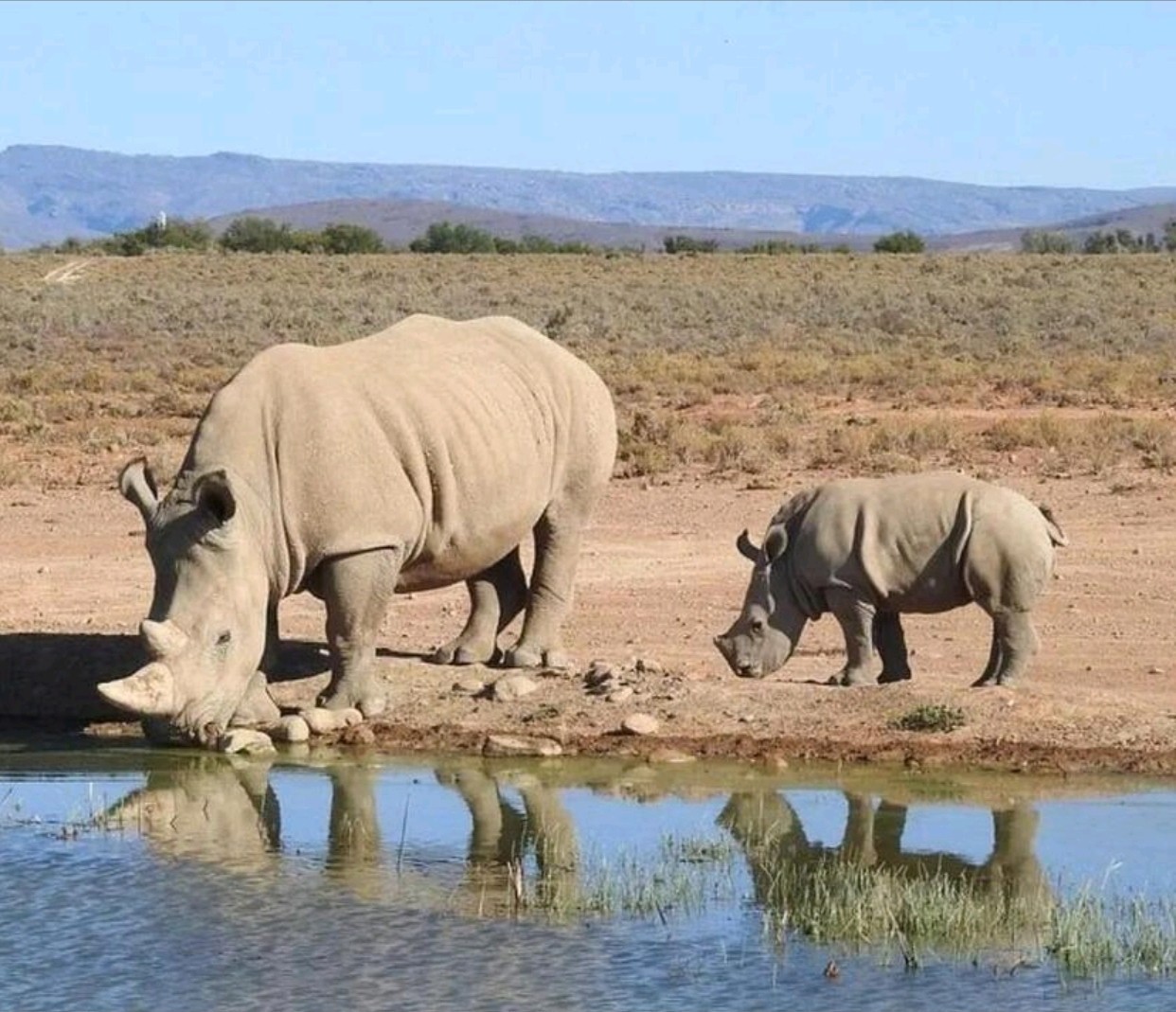
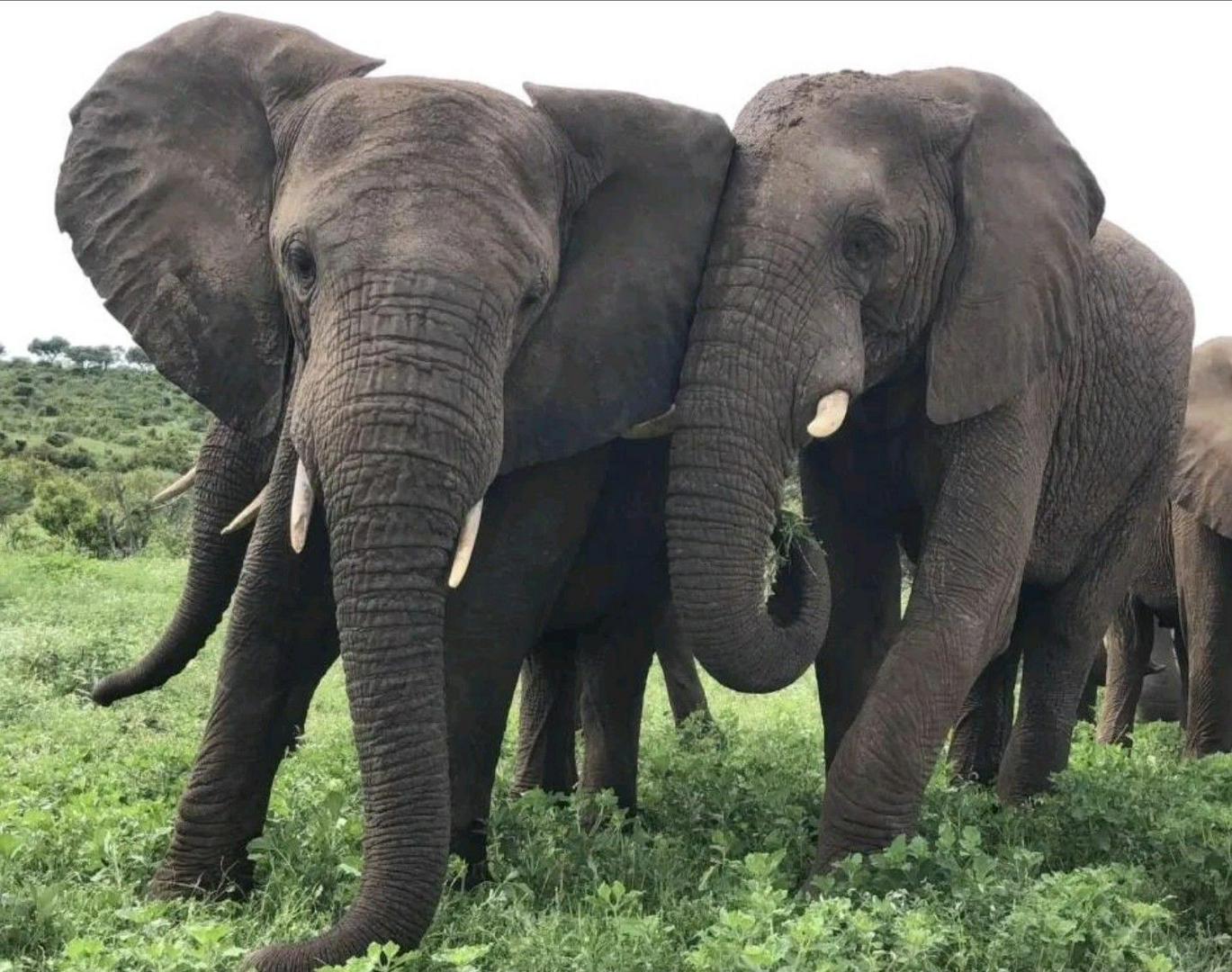
✅ AMERICAN CHAUNCEY+FollowA suspected poacher was trampled to death by a herd of elephants inside South Africa’s Kruger National Park while reportedly preparing to shoot a white rhino. According to the report, two men entered the park armed with a rifle and an axe, allegedly hoping to kill a rhino and sell its horn. As they approached a rhino herd near a watering hole, a family of African elephants suddenly charged from the bush. The men ran in different directions, but the man reportedly lining up the shot was overtaken and fatally trampled. His accomplice escaped the immediate attack but was later arrested. White rhino horn is extremely valuable on the illegal black market. The report says it can sell for around £10,000 and has been described as being worth more than its weight in gold or cocaine. Kruger National Park is home to roughly 1,850 white rhinos, making the animals a major target for illegal poaching operations seeking to profit from their horns.10Share
SportAnalyist+FollowMexico City police officer Arizbeth Dionisio Ambrosio was promoted for breastfeeding a starving 4-month-old infant. Hurricane Otis struck Acapulco as a destructive Category 5 storm, leaving widespread food and supply shortages. Ambrosio-a mother of two who was also nursing her own child—was deployed to the area for relief and debris-clearing efforts. While working, she heard a baby crying. A distressed mother explained that her 4-month-old son had not eaten in 48 hours and no formula was available. With the mother's permission, Ambrosio nursed the infant, calming him immediately. A photograph of the tender moment was captured and shared widely across social media and news outlets, praised as a powerful symbol of human empathy. Mexican police authorities honored her compassion, promoting her from Policía Primero to Suboficial and commending her deep sense of humanism in the line of duty. You can read more about the event. #police #GoodPeopleExist 00Share