1/1
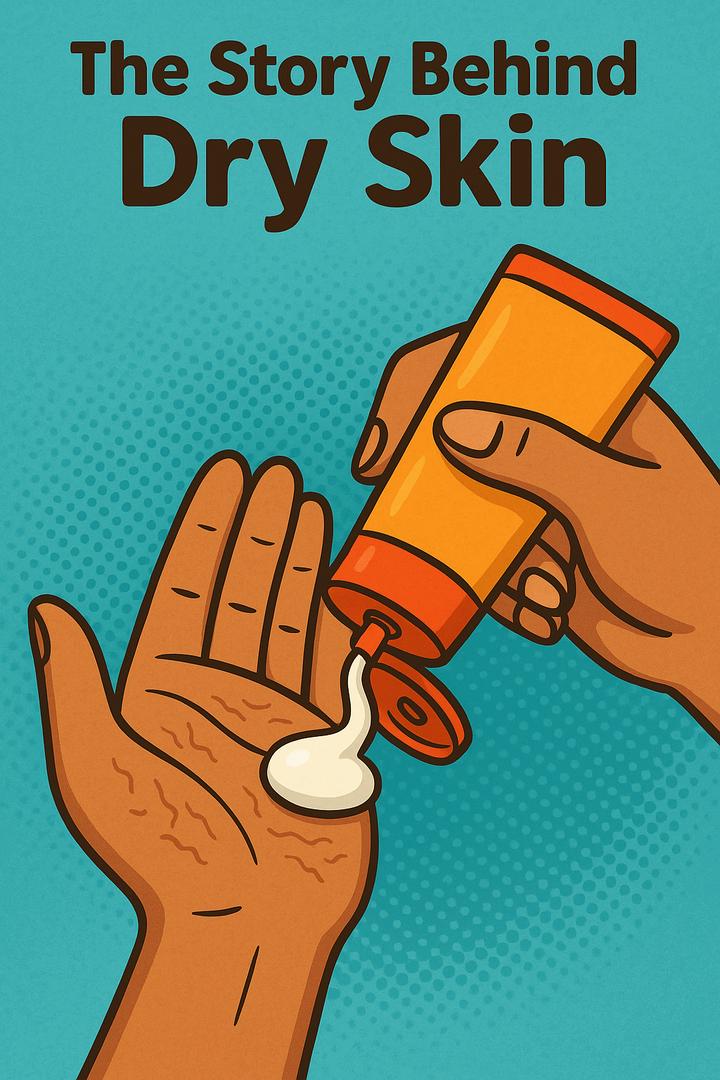
Dry skin has been around as long as humans have. The moment early people stepped out into the sun, wind, cold, and dusty air… boom, their skin was fighting for moisture. But the real story starts with how the skin is built. The top layer of your skin, the stratum corneum, is basically a wall made of dead cells stacked like bricks, with natural oils acting as the “mortar.” When that oil disappears? The wall cracks. And that’s what we call dryness. Ancient civilizations were battling dry skin way before lotions existed. Egyptians used olive oil, honey, milk, and animal fats to keep their skin soft in the desert heat. Greeks used beeswax balms. Romans soaked in baths with oils afterward so the skin wouldn’t flake. Even in early African cultures, people used shea butter long before the beauty industry “discovered” it. But why do we get dry today? Modern life makes it worse. Hot showers strip oils. Winter air steals humidity. Indoor heating dries the skin out faster. Soap (especially cheap soap) rips away protective oils. Even genetics can decide if you stay moisturized or look like you’ve been rolling in flour. By the 1900s, scientists finally figured out that skin needs both water AND oil to stay healthy. That’s when commercial lotions started showing up, using things like glycerin, lanolin, petroleum jelly, and plant butters. Today, the skincare industry is worth billions… all because humans never stopped trying to fix the same simple problem our ancestors faced: staying moisturized. Dry skin isn’t just about looks… it’s a window into how our bodies try to protect us. And the solutions we use now? They’re all rooted in what people were trying thousands of years ago. The ancient problem that turned into a billion-dollar industry. #TheStoryBehind #DrySkin #SkinFacts #EverydayHistory #HealthFacts #DidYouKnow #ScienceFacts #SkincareHistory #LearnOnNewsBreak
2025-12-01
write a comment...