Tag Page TheStoryBehind

#TheStoryBehind
The Story Behind...

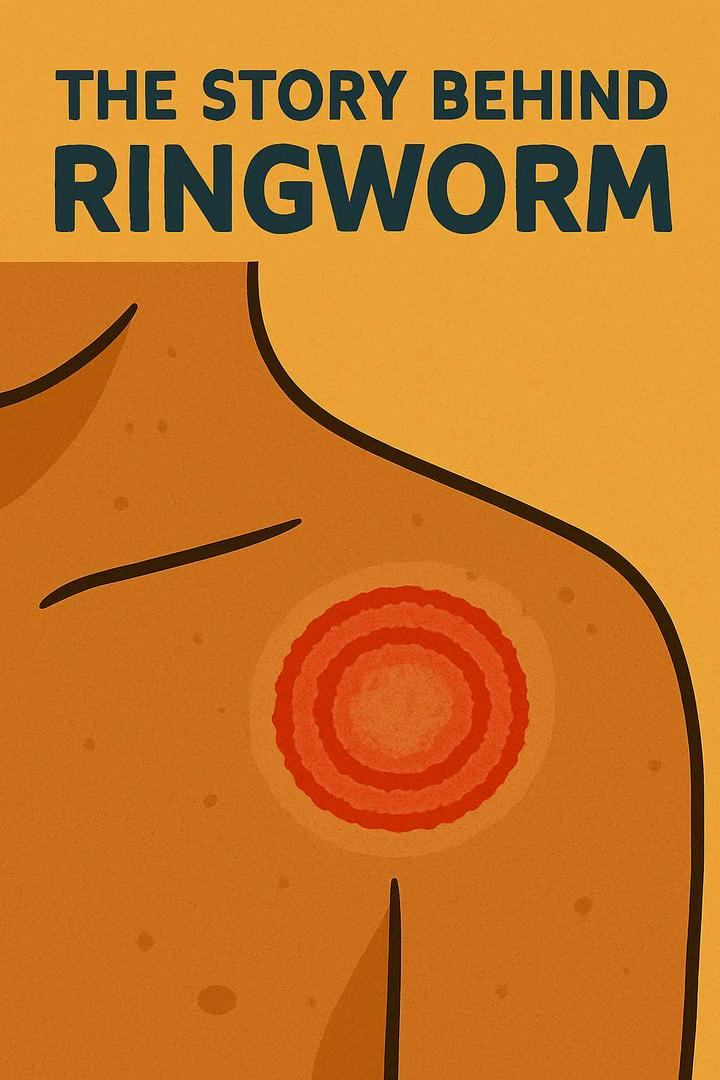
For starters, ringworm is messy for lying about being a worm. There is not one worm involved. Not a tiny worm. Not a hidden worm. Nothing. Ringworm is a fungus that rolled up with the worst PR team in history and never corrected the record. This little fungus has been around since ancient times. Old medical texts describe circular rashes people didn’t understand, so they blamed worms because humans have always tried to name things before they truly knew them. The fungus got the title and never gave it back. It spreads because it loves warm places, crowded places, shared places. Gyms. Locker rooms. Kids playing sports. Pets. Anywhere sweat lives and hygiene is hit-or-miss, ringworm is lurking like “oh yeah, I’m finna act up.” It doesn’t care about social status. Your favorite celebrity has had ringworm. Your neighbor. Your cousin. Everybody gets a turn. Scientifically, ringworm is just dermatophytes eating the dead skin on the surface. They don’t go deep. They don’t ruin your life. They just irritate the skin, draw a perfect circle like they’re signing their artwork, and make you itch until you start questioning your skincare routine. But here’s the real story. Ringworm thrives off shame. People get embarrassed and hide it instead of treating it. They whisper about it like it makes them dirty, when really it makes them human in a world full of microbes waiting for a slip-up. The fungus wins when people stay quiet. It disappears when people get informed. Treatment is simple. Antifungal creams. Clean linens. Wash what needs to be washed. Keep the area dry. And boom… the circle fades, the fungus leaves, and life goes back to normal. No curses. No worms. No lifelong saga. #TheStoryBehind #EverydayHealth #SkinFacts #TruthOverStigma

The Story Behind...

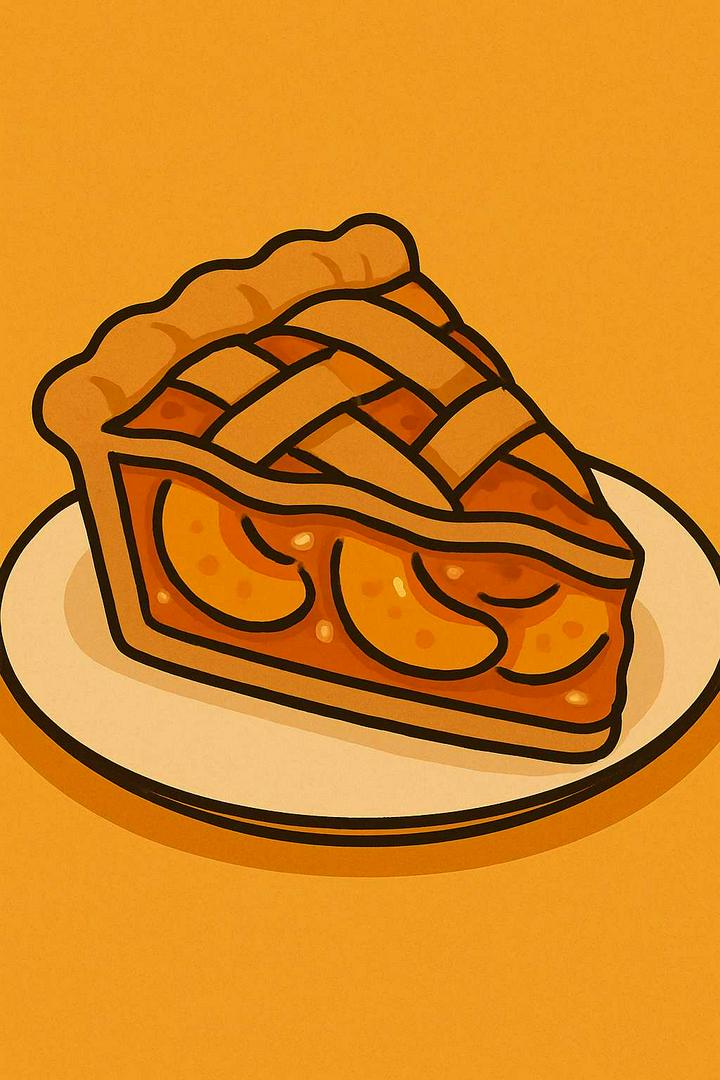
Peach cobbler didn’t show up to the cookout by accident. It was born out of survival, creativity, and the quiet genius of people who learned how to turn leftovers into legacy. When early American settlers and enslaved cooks didn’t have the ingredients or equipment to make European pies, they improvised. They took peaches that were bruised or too ripe, mixed them with sugar and spices, and baked them under a rough layer of dough that “cobbled” together like a broken road. That imperfect top gave the dish its name. Southerners took that idea and ran with it. Fresh peaches in the summer. Canned peaches in the winter. Butter that talked back. Cinnamon that warmed the whole room. Peach cobbler became a staple because it didn’t need perfection to be delicious. It just needed heart, heat, and someone willing to pray over the pan. In Black households, peach cobbler grew into a tradition. A celebration dessert. A Sunday dessert. A “who made the cobbler?” level of respect that could crown or revoke someone’s kitchen credentials. This wasn’t just food. It was proof of skill. Proof of care. Proof that comfort could be baked into a dish the way memories bake into childhood. But the real story behind peach cobbler is simple. It’s resilience. It’s joy. It’s the taste of making the best out of what you have and turning it into something people gather around. It reminds us that sweetness doesn’t come from perfection. It comes from hands that keep creating even when the recipe has to be rewritten. #TheStoryBehind #FoodHistory #SouthernTraditions #CulturalHeritage

The Story Behind...

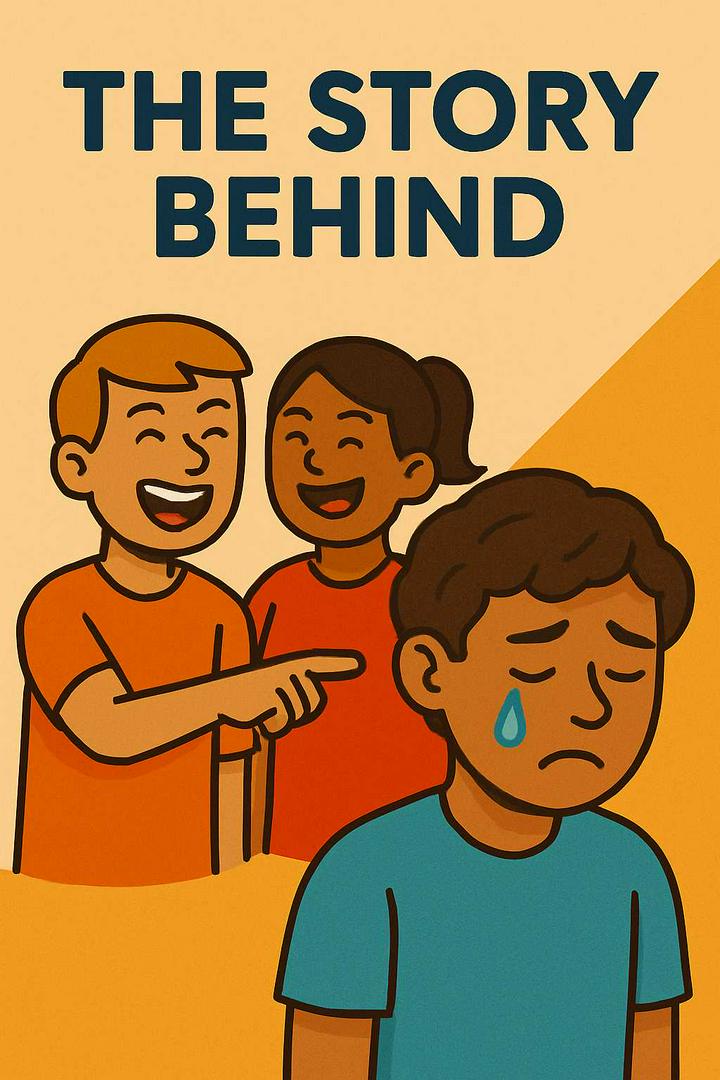
Bullying didn’t just pop up on playgrounds like bad fashion trends. It’s been around since humans figured out how to form groups and then immediately decided someone had to be the target. At its core, bullying is insecurity wearing a loud outfit trying to look powerful. People who feel small learn to make others feel smaller. It’s an ancient coping mechanism that never learned how to grow up. The story starts with fear. Fear of not fitting in. Fear of being exposed. Fear of being the one who gets picked last, left out, talked about. Instead of facing that mirror, some folks break it and use the shards to cut other people. That’s what bullying really is… wounded egos lashing out. And the wild part is bullying thrives in silence. It feeds off people not wanting to get involved, not wanting to rock the boat, not wanting to be next. It hides in hallways, comment sections, workplaces, even families. Anywhere someone thinks their cruelty won’t be checked, bullying rolls out the red carpet. But here’s the twist. Bullying never says anything new. It repeats the same tired script. It attacks what it thinks you’ll believe about yourself. Yet every time you stand up, speak up, or refuse to shrink, the whole play falls apart. Bullies need an audience. They hate when the crowd gets wise. The truth is healing ends the cycle. Teaching kids emotional intelligence. Teaching adults accountability. Teaching ourselves that strength isn’t found in breaking others but in refusing to let broken people break us. Bullying survives off power. It dies in the presence of courage. #TheStoryBehind #EmotionalHealth #BullyingAwareness #HumanBehavior

The Story Behind...

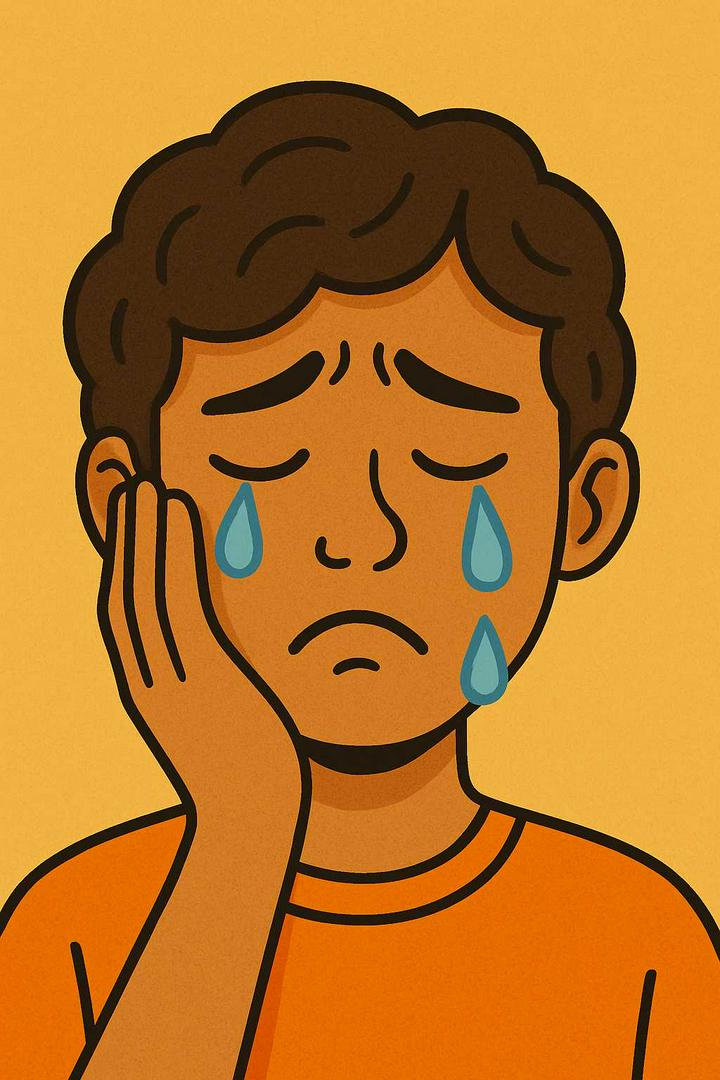
Tears look simple, but they are one of the oldest languages the body speaks. Before we learn words, before we learn how to pretend we are fine, the body gives us tears to say what the mouth can’t shape. They show up for joy, for grief, for frustration, for that slow breaking that happens when life keeps throwing punches you never trained for. Scientists say tears release stress hormones. They say crying is the body’s reset button. But let’s be real. Tears are also truth tellers. They snatch the mask right off you and force you to stand in whatever your heart has been whispering. They don’t care about pride. They don’t care about timing. When it’s time to pour, they pour. There are three types of tears. Basal tears keep your eyes from drying out. Reflex tears show up when something irritates you. Emotional tears are the ones that drag your soul into the room. They hit different. They hold stories. They feel like memories melting down your face. The wild part is that emotional tears are chemically different. They literally carry pieces of your pain out of your body. That is the oldest kind of healing, older than scripture, older than medicine, older than language itself. So the next time someone asks why you’re crying, remember this. Tears are not weakness. They are release. They are history. They are the water your spirit uses to rinse off what tried to break you. They are the proof that your heart is still awake. Still fighting. Still human. #TheStoryBehind #HealingJourney #EmotionalWellness #HumanExperience

The Story Behind...

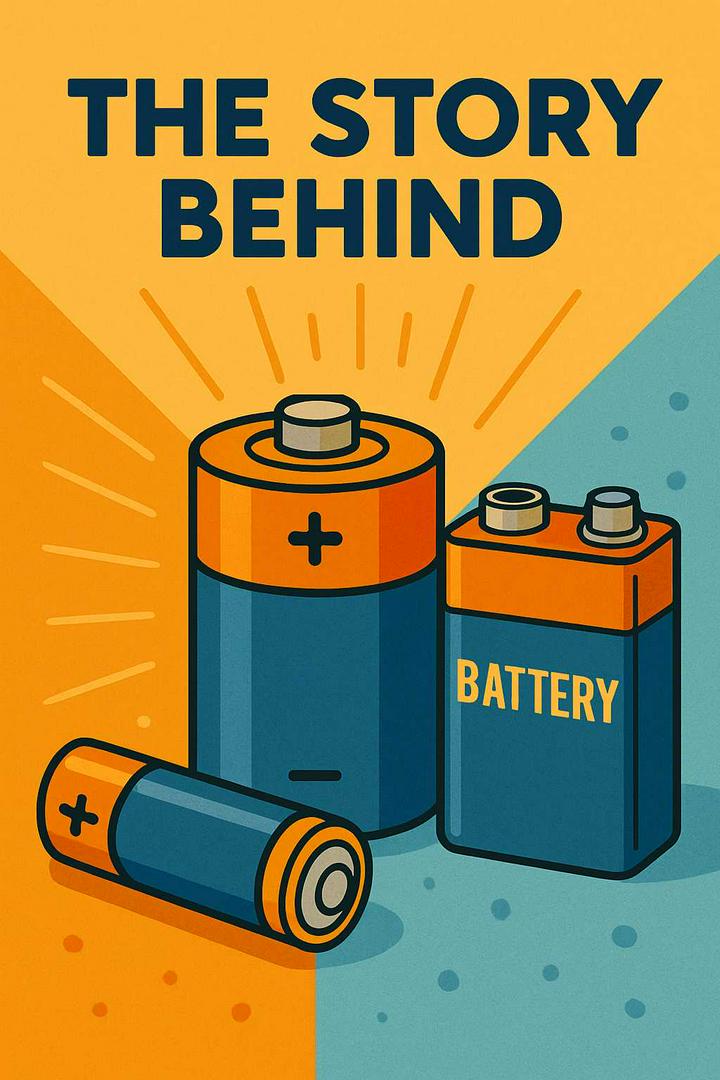
Before batteries became the tiny bricks that keep our whole lives running, they were an idea that honestly felt like magic. Electricity was still this mysterious force, more rumor than reality, and people were arguing about what it even was. Yet in 1800, Alessandro Volta stacked a bunch of metal discs, soaked some cloth in saltwater, and created the first steady flow of electric energy. It looked simple. It became legendary. Volta called his invention the voltaic pile, but it was really the first time humans held lightning in their hands. The world changed quietly in that moment. No fireworks. No TikTok announcement. Just a stack of coins that decided to power the future. From there batteries became the heartbeat of progress. Telegraphs. Early medical devices. Experiments that pushed the line between science and wild imagination. For every invention we celebrate today, there is some early battery humming beneath it, doing its job without applause. And now these little cylinders sit in junk drawers, remotes, toys, and phones like they run nothing important. But they’ve been running everything the whole time. They are small lessons in stored power. Quiet strength. Energy waiting on a mission. They remind us that not everything powerful has to be loud. Not everything that lights up the world announces itself. #TheStoryBehind #ScienceHistory #Innovation #EverydayObjects

The Story Behind...

Swear words didn’t just appear out of nowhere. They came from the old world, where language was tied to power, class, religion, and control. In medieval Europe, “bad words” were usually tied to the body, the bathroom, or the bedroom, and anything considered too earthy or too honest got labeled as impolite. The church played a huge role in this too. Words that took holy names in vain were treated as the worst offense, and people could actually be punished for saying them. So cursing wasn’t just rude. It was criminal. Over time, society changed, but the taboo stayed. Swear words became emotional shortcuts… verbal pressure valves people used when something hurt, shocked them, or pushed them past their limit. The strange part is that every culture has them, but what counts as a “bad word” changes from place to place. Some languages use insults tied to family. Others target luck or misfortune. Some cultures don’t even flinch at the words Americans treat like nuclear bombs, while American cursing sounds tame to them. Today, swear words sit in a weird limbo. They’re not illegal anymore, but they carry weight. They can show anger, humor, rebellion, honesty, stress, or solidarity depending on who says them and why. People use them to release tension, to emphasize a point, or to say the thing polite language won’t cover. The truth is, swear words stick around because humans need them. They’re emotional punctuation marks… messy, powerful, honest, and universal. #TheStoryBehind #LanguageHistory #WhyWeCuss #CulturalOrigins #EverydayHistory #CommunityFeed
The Story Behind...

Birthdays didn’t start as candles, cake, and people yelling “make a wish.” The earliest birthday celebrations came from ancient Egypt, but they weren’t celebrating a person’s birth… they were celebrating the moment a Pharaoh was crowned and “became a god.” That’s the first record of marking a life-changing moment and calling it a “birth.” The idea shifted in ancient Greece, where people honored Artemis, the goddess of the moon, with round cakes that symbolized her glowing light. They added candles to make the cake shine… and that became the ancestor of today’s birthday candles. So every candle we blow out today is tied to an old ritual of light, power, and wishes. But birthdays still weren’t for everyday people. In ancient Rome, only men had their birthdays officially celebrated. Women weren’t recognized at all. Romans were also the first to throw public birthday parties and give gifts, especially to leaders or soldiers. Over time, the idea spread into everyday homes. It wasn’t until the 1800s that modern birthdays took shape. Germany introduced the “kinderfest,” a celebration for children with cake, candles, and one special tradition… letting the child make a wish before blowing them out. When the U.S. caught on, businesses jumped in, creating decorations, songs, and party items. That’s how birthdays became a global tradition instead of a ritual for the powerful. Today, birthdays are personal holidays that mark survival, growth, aging, and everything you learned along the way. It’s one of the few traditions that every culture touches, even if they celebrate it differently. Behind the candles and cake is a long history of human beings trying to mark the moment they entered the world and the life they’ve built since. A simple celebration with a very old story behind it. #TheStoryBehind #Birthdays #HistoryFacts #EverydayHistory #Traditions #DidYouKnow #LearnOnNewsBreak

The Story Behind...

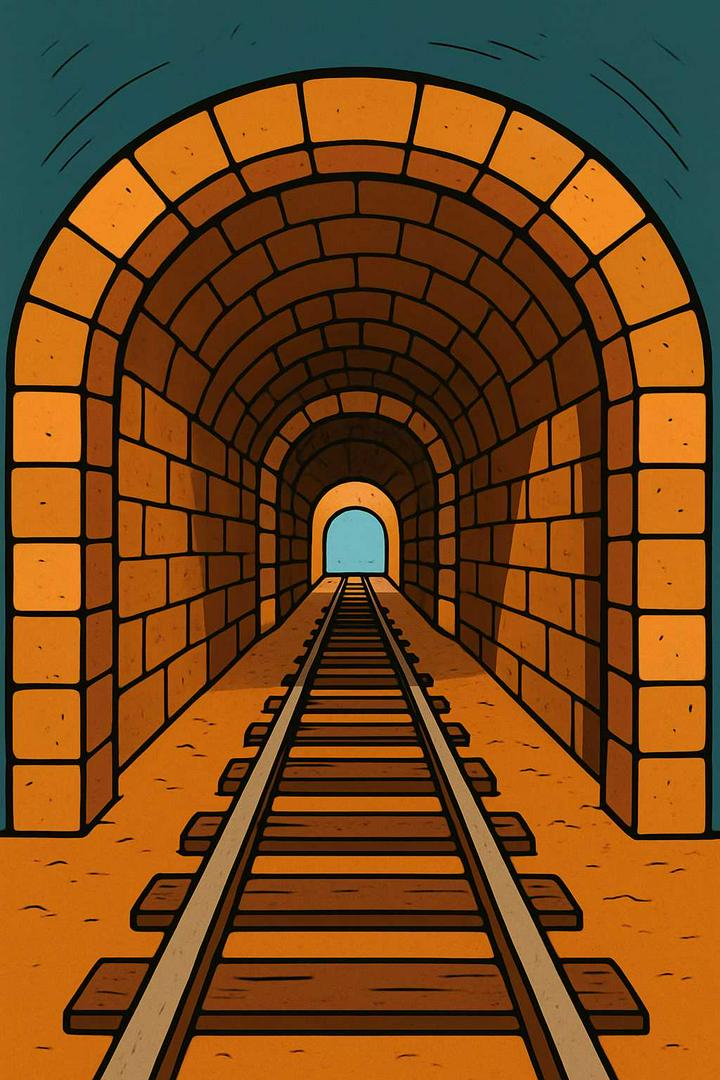
Tunnels are one of the oldest human engineering tricks. Long before trains or highways, ancient people carved tunnels to reach water, hide from enemies, and store food where the temperature stayed cool. The earliest known tunnels go back more than 4,000 years, built by civilizations in the Middle East who used simple tools to dig through rock just so their cities could survive. As time went on, tunnels became a symbol of power and protection. In ancient Rome, underground passages connected temples, homes, and baths. Some were built to move water… others to move soldiers. Medieval Europe used tunnels for escape routes during invasions. Secret pathways ran beneath castles so royalty could disappear before attackers reached the gates. The industrial era changed everything. Stronger tools made it possible to dig longer and deeper, turning tunnels into highways for progress. Railroads carved through mountains. Mines sank deep underground. Cities began building tunnels for sewage, electricity, and eventually, subways. The first underground train system, built in London in the 1860s, shocked the world… people were riding through the earth instead of over it. Today, tunnels are everywhere even when we don’t notice them… beneath freeways, under rivers, beneath entire neighborhoods. Some are massive engineering marvels built with giant machines. Others are small, rough, hand-dug paths used by workers, migrants, rebels, or people trying to survive dangerous conditions. No matter the purpose, tunnels have always represented one thing… the human instinct to push through obstacles instead of going around them. Tunnels changed the way we travel, survive, and build our world. #TheStoryBehind #Tunnels #HistoryFacts #Engineering #UndergroundWorld #DidYouKnow

The Story Behind...

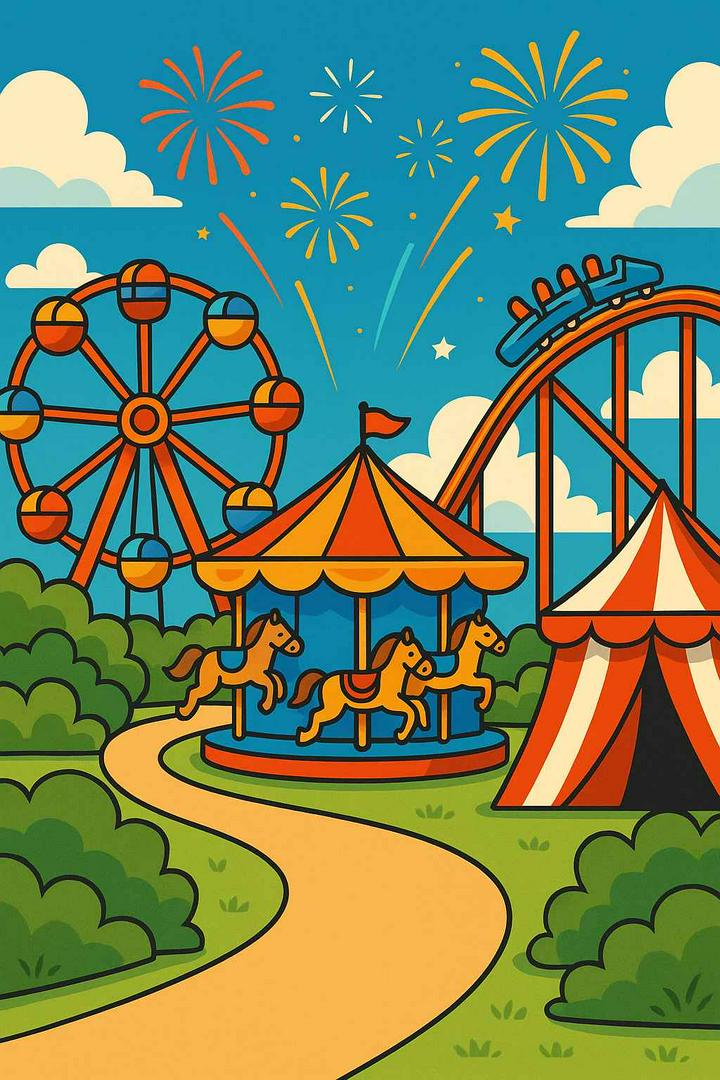
Roller coasters… cotton candy… long lines… and that one uncle who always swears he’s “not getting on that ride.” Theme parks feel modern, but the idea goes way back. The earliest versions appeared in medieval Europe with “pleasure gardens,” places where people listened to music, watched performers, and escaped their everyday lives. One of the most famous was London’s Vauxhall Gardens, which opened in the 1600s and featured shows, art displays, fireworks, and food stalls… the blueprint for everything we call entertainment today. By the late 1800s, America got in on it. Coney Island changed the game with giant rides, electric lights, and attractions people traveled miles to see. Its success inspired cities everywhere to build their own amusement parks. Then in 1955, Disneyland opened and transformed the entire industry. It wasn’t just rides anymore… it was storytelling. Every corner had a theme, a world, a feeling. It set the standard for what a theme park could be. Today they’re bigger, faster, louder, and more immersive, but the purpose hasn’t changed. Theme parks give people a break from reality… a space where adults can be kids again and kids can feel like the world is magic. The story behind them is simple… humans have always needed fun, wonder, and a place that lets the imagination run wild. Fun has a history too. Here’s where theme parks really began. #TheStoryBehind #ThemeParks #HistoryFacts #DidYouKnow #FunFacts #ConeyIsland #Disneyland #AmusementParks #LearnSomethingNew #CommunityPost

The Story Behind...

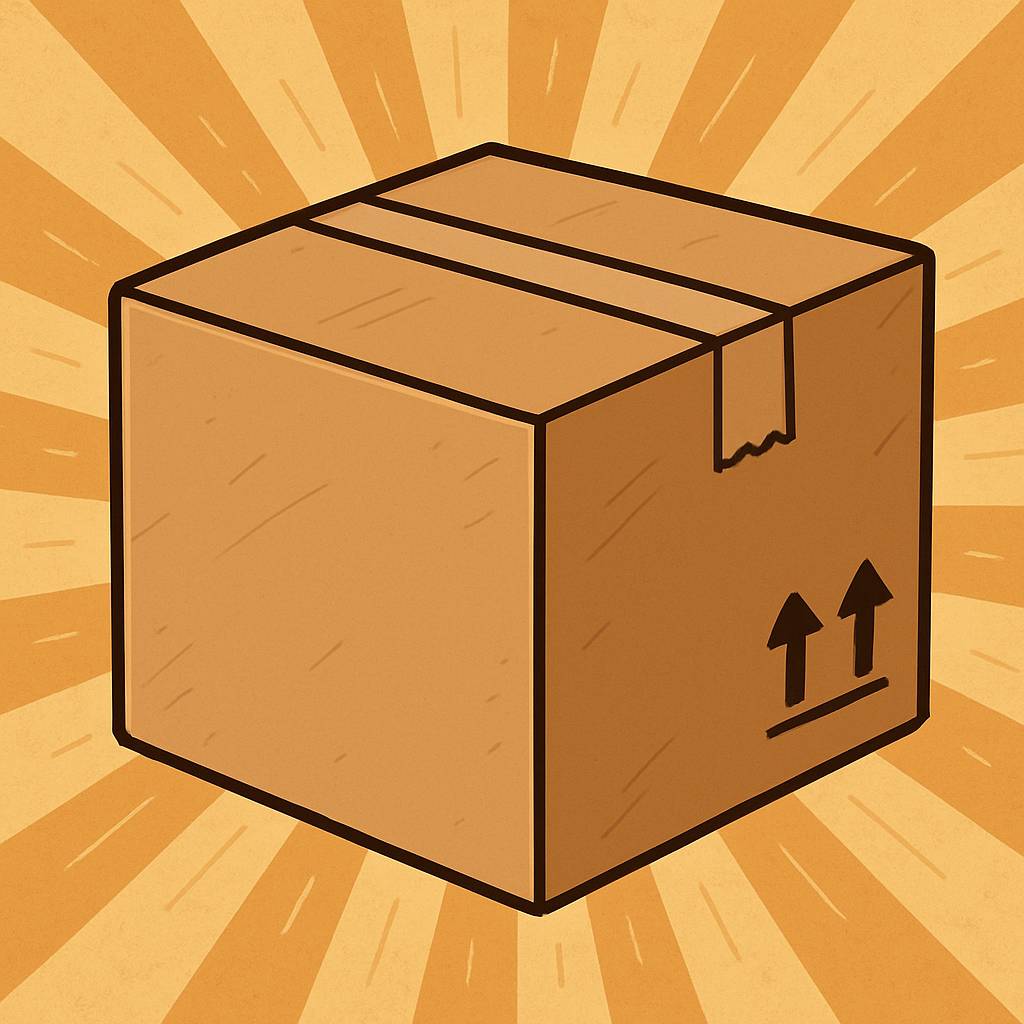
It’s wild to think about it… the thing holding Amazon boxes, cereal, shoe boxes, moving boxes… all that everyday stuff? Cardboard is one of the most important inventions of the modern world, and its story starts long before two-day shipping. The earliest version showed up in China over 1,500 years ago, back when paper itself was still new. People used thick, layered paper to protect goods, kind of like a baby version of cardboard. But the real transformation came in the 1800s. In 1856, two Englishmen patented “corrugated paper,” but it wasn’t for boxes… it was for lining men’s tall hats so the hats wouldn’t collapse. Yep… cardboard started as hat support. In 1871, an American named Albert Jones figured out that this wavy “corrugated” paper was perfect for wrapping delicate items like glass. A few years later, Oliver Long added flat sheets to both sides, creating the sandwich-style corrugated cardboard we use today. That changed everything. Suddenly, goods could be shipped farther, cheaper, and safer than ever before. By the early 1900s, cardboard boxes replaced wooden crates. Companies could ship faster, businesses could expand, and entire industries took off. It’s one of those inventions that hides in plain sight but built the modern world from behind the scenes. Thin… light… recyclable… and tough enough to move a whole house. Cardboard might look boring, but it’s an innovation that literally holds life together. The everyday invention that quietly changed the world. #TheStoryBehind #Cardboard #HistoryFacts #EverydayHistory #FunFacts #Packaging #Innovation #DidYouKnow #LearnOnNewsBreak