Tag Page TheStoryBehind

#TheStoryBehind
The Story Behind...

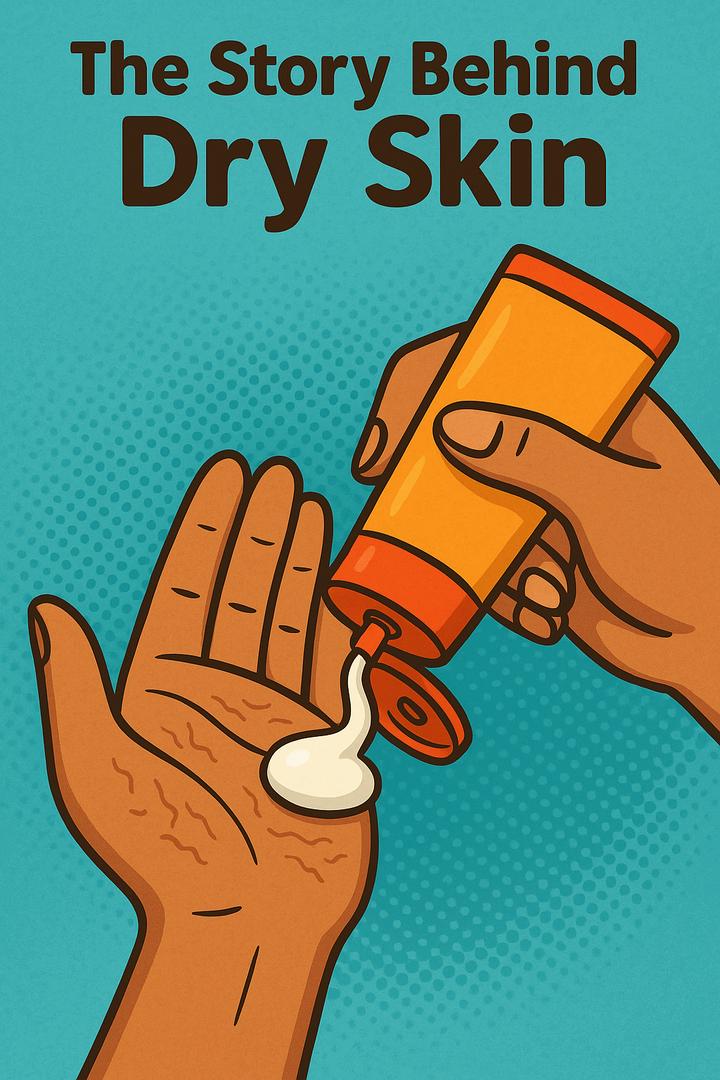
Dry skin has been around as long as humans have. The moment early people stepped out into the sun, wind, cold, and dusty air… boom, their skin was fighting for moisture. But the real story starts with how the skin is built. The top layer of your skin, the stratum corneum, is basically a wall made of dead cells stacked like bricks, with natural oils acting as the “mortar.” When that oil disappears? The wall cracks. And that’s what we call dryness. Ancient civilizations were battling dry skin way before lotions existed. Egyptians used olive oil, honey, milk, and animal fats to keep their skin soft in the desert heat. Greeks used beeswax balms. Romans soaked in baths with oils afterward so the skin wouldn’t flake. Even in early African cultures, people used shea butter long before the beauty industry “discovered” it. But why do we get dry today? Modern life makes it worse. Hot showers strip oils. Winter air steals humidity. Indoor heating dries the skin out faster. Soap (especially cheap soap) rips away protective oils. Even genetics can decide if you stay moisturized or look like you’ve been rolling in flour. By the 1900s, scientists finally figured out that skin needs both water AND oil to stay healthy. That’s when commercial lotions started showing up, using things like glycerin, lanolin, petroleum jelly, and plant butters. Today, the skincare industry is worth billions… all because humans never stopped trying to fix the same simple problem our ancestors faced: staying moisturized. Dry skin isn’t just about looks… it’s a window into how our bodies try to protect us. And the solutions we use now? They’re all rooted in what people were trying thousands of years ago. The ancient problem that turned into a billion-dollar industry. #TheStoryBehind #DrySkin #SkinFacts #EverydayHistory #HealthFacts #DidYouKnow #ScienceFacts #SkincareHistory #LearnOnNewsBreak

justme

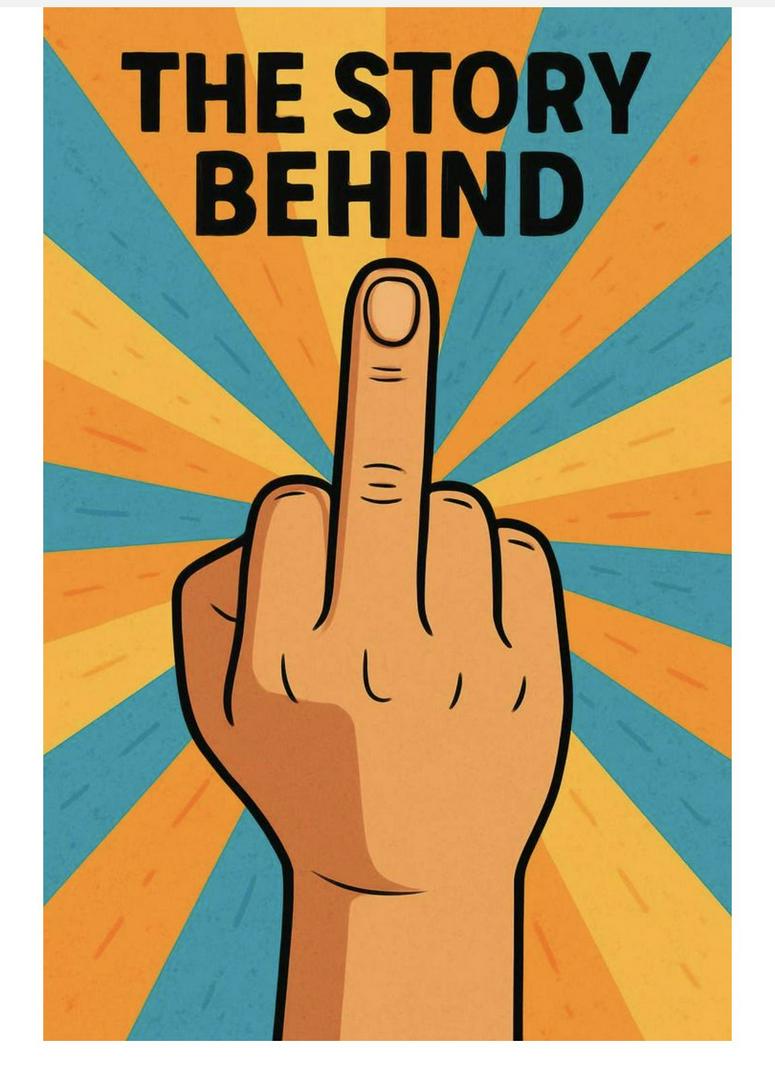
People throw the middle finger like it was born on Facebook in 2010, but this gesture is ancient. Long before it became the universal “I’m done with you,” the middle finger showed up in ancient Greece as an insult tied to mockery, humiliation, and dominance. It wasn’t random anger… it was symbolic. The Greeks used it to represent disrespect in its rawest form, and the Romans adopted it too. They called it “digitus impudicus,” which meant “the shameless finger.” Even back then, people knew exactly what it meant when someone held it up. Over time, the gesture faded in and out of cultures, but it always kept the same message… bold disrespect delivered through one simple motion. In medieval Europe, the middle finger took on new meaning. People believed that raising it could ward off evil spirits or bad luck. It didn’t stick as a positive gesture for long though. By the time the modern world rolled around, the middle finger returned to its original purpose… frustration, defiance, and a quick way to say “I’m not here for your nonsense.” In the 1800s, American baseball players were caught flashing the finger in old photographs, helping cement it in American culture. And today, it’s universal. One gesture that crosses languages, age groups, and social class. Whether someone’s driving, arguing, or joking, the meaning never needs translation. The middle finger is one of the oldest forms of human communication… a message that doesn’t need sound. Fast, sharp, and to the point. And no matter how the world changes, the gesture stays the same. A simple finger holding centuries of attitude. #TheStoryBehind #MiddleFinger #HumanBehavior #RandomFacts

The Story Behind...

People have been pouring their secrets onto paper for thousands of years, long before cute notebooks and lock-and-key diary sets ever existed. Ancient civilizations kept personal journals to record dreams, prayers, confessions, and warnings for the future. These weren’t just “dear diary” moments… they were survival notes. People wrote to remember what their minds tried to forget. By the Middle Ages, diaries turned into a quiet rebellion. When you couldn’t speak freely in public, you spoke on the page. When society told you to stay quiet, the ink said otherwise. And when real life got too heavy, the diary became the one place you could say the truth without getting judged, punished, or silenced. In the 1800s, diaries became more personal and emotional, especially for women and young people whose voices the world didn’t value yet. Their diaries became proof that they lived, felt, loved, struggled, and survived in ways history books didn’t care to record. A lot of what we know about everyday life back then comes from people who never thought anyone would read their pages. Today, diaries look different—notes apps, voice memos, private folders, journaling apps—but the purpose is the same. A diary is the place you tell the truth you don’t feel safe saying out loud. It’s where you sort your emotions before they spill out in the wrong direction. It’s where you keep track of who you used to be and who you’re becoming. No matter what the world looks like, people will always need a place to put their heart when it feels too full. Diaries aren’t just books… they’re mirrors, release valves, healing tools, and time capsules of our inner world. #TheStoryBehind #Diaries #HistoryFacts #DidYouKnow #LearnSomethingNew

The Story Behind...

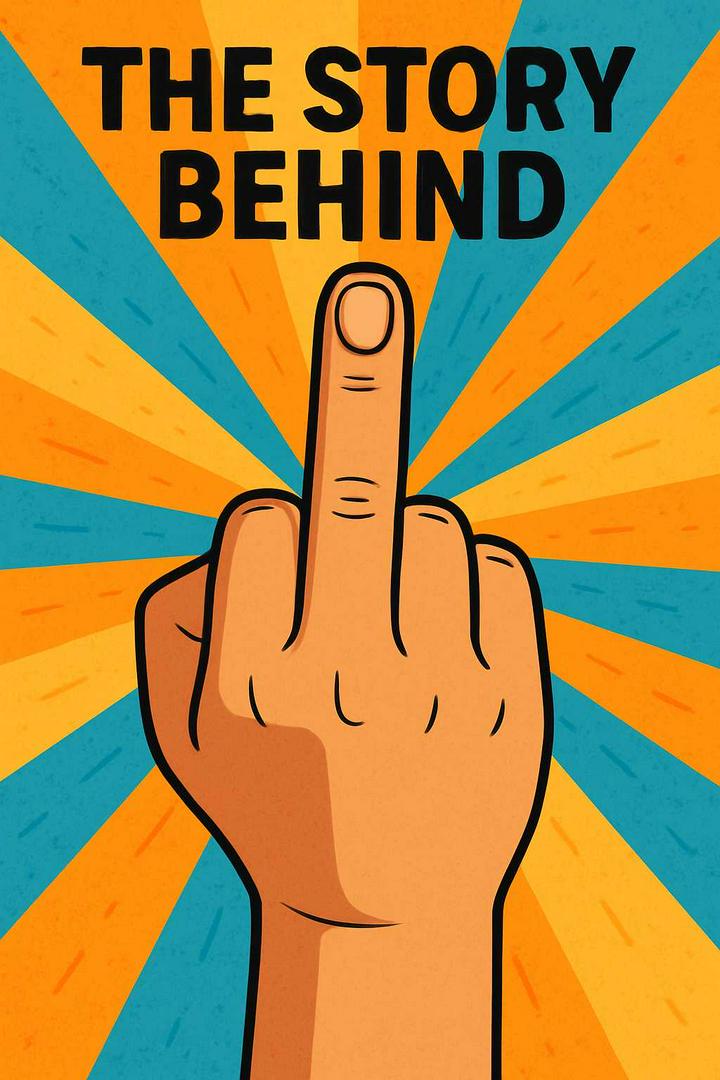
People throw the middle finger like it was born on Facebook in 2010, but this gesture is ancient. Long before it became the universal “I’m done with you,” the middle finger showed up in ancient Greece as an insult tied to mockery, humiliation, and dominance. It wasn’t random anger… it was symbolic. The Greeks used it to represent disrespect in its rawest form, and the Romans adopted it too. They called it “digitus impudicus,” which meant “the shameless finger.” Even back then, people knew exactly what it meant when someone held it up. Over time, the gesture faded in and out of cultures, but it always kept the same message… bold disrespect delivered through one simple motion. In medieval Europe, the middle finger took on new meaning. People believed that raising it could ward off evil spirits or bad luck. It didn’t stick as a positive gesture for long though. By the time the modern world rolled around, the middle finger returned to its original purpose… frustration, defiance, and a quick way to say “I’m not here for your nonsense.” In the 1800s, American baseball players were caught flashing the finger in old photographs, helping cement it in American culture. And today, it’s universal. One gesture that crosses languages, age groups, and social class. Whether someone’s driving, arguing, or joking, the meaning never needs translation. The middle finger is one of the oldest forms of human communication… a message that doesn’t need sound. Fast, sharp, and to the point. And no matter how the world changes, the gesture stays the same. A simple finger holding centuries of attitude. #TheStoryBehind #MiddleFinger #HumanBehavior #RandomFacts

The Story Behind...

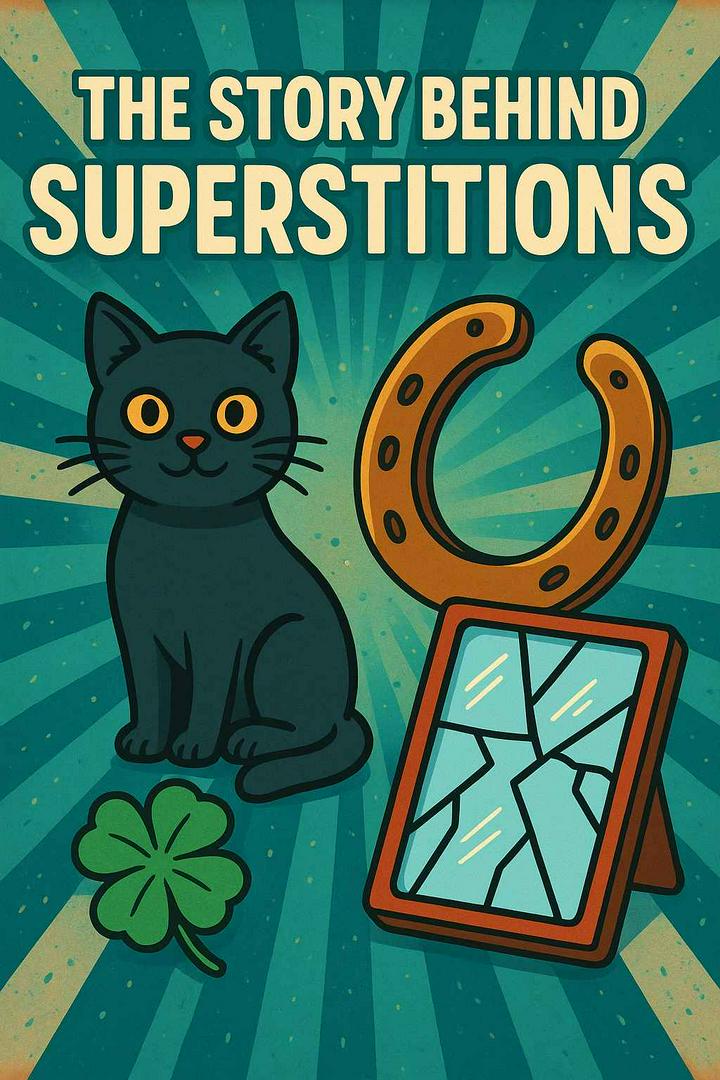
Superstitions didn’t start because people were silly… they started because people were scared. Long before science, humans had no choice but to explain the world the best way they could. If crops failed, storms hit, or someone got sick, people needed a reason. And when you don’t have facts, you make meaning. Superstitions became survival tools — rules to help people feel safe in a world they couldn’t control. Black cats, broken mirrors, knocking on wood, throwing salt, lucky charms… none of that came from “fun sayings.” These came from fear, religion, rituals, and old beliefs passed down for hundreds or even thousands of years. People thought spirits lived in trees, so knocking on wood asked for protection. Mirrors were once made with metal, and people believed they held your soul — so breaking one meant breaking yourself. Cats were connected to gods in Egypt, witches in Europe, and luck everywhere else. Over time, superstitions spread through villages, families, and cultures. Some kept people safe — like avoiding ladders (they really are dangerous). Others just comforted people when life was unpredictable. In a harsh world, believing in “signs” and “luck” made the unknown feel a little less scary. Even today, with all the science in the world, people still follow superstitions without thinking. We say “knock on wood,” avoid the number 13, don’t open umbrellas indoors, won’t walk under ladders, keep good-luck charms, and feel weird when a black cat crosses our path. It’s proof of how deeply human it is to want control… even if it’s just by following a small ritual. Superstitions survived because fear survived… and comfort survived with it. #TheStoryBehind #Superstitions #HiddenHistory #LearnSomethingNew

The Story Behind...

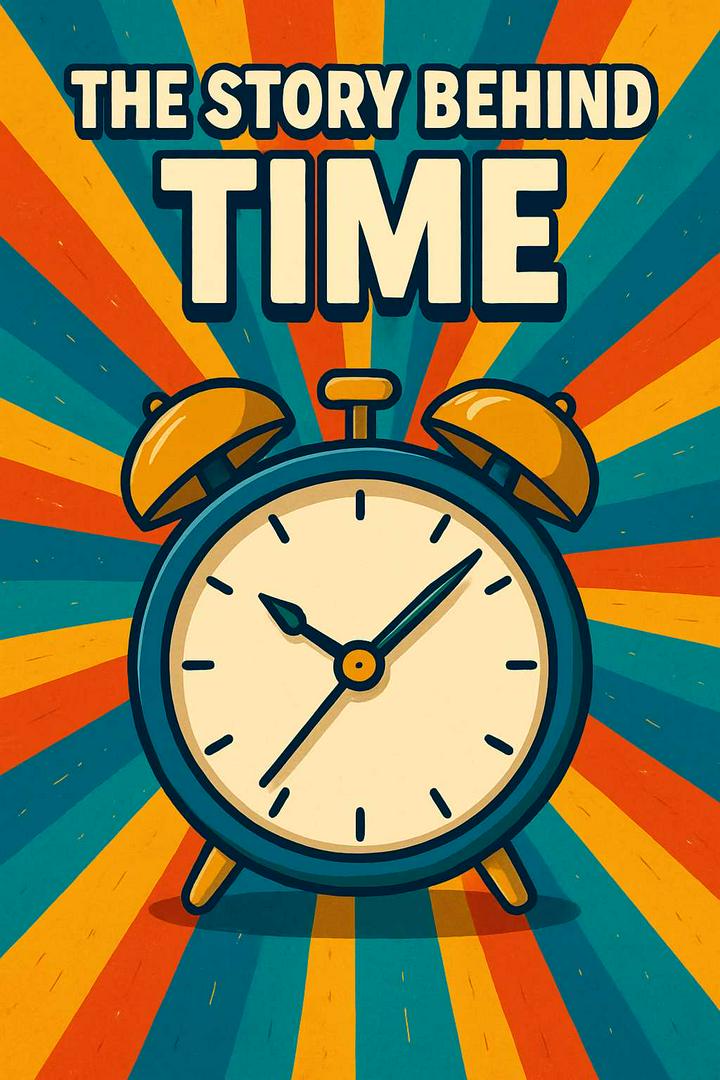
Time didn’t start with clocks. Long before numbers and schedules, early humans watched the sky to understand the rhythm of life. The rising sun, the moon’s phases, and the changing seasons were the first “timekeepers.” Time wasn’t measured… it was felt. Ancient civilizations were the first to shape it into something usable. Egyptians tracked shadows to divide the day. Babylonians created the base-60 system, which is why we still have 60 seconds in a minute and 60 minutes in an hour. Their goal wasn’t perfection… it was survival. Time helped them farm, predict floods, and plan their days. As the world grew, so did the need to control time. Sundials, water clocks, and hourglasses came next. Each one helped, but every method had flaws. Clouds ruined sundials. Water clocks froze. Hourglasses ran uneven. Time stayed imperfect until the 1300s, when mechanical clocks entered Europe. Churches used them to structure prayer, work, and community life. Once clocks started ticking, the world became more organized — and more demanding. In the 1800s, trains forced countries to agree on time zones. Suddenly “being on time” wasn’t just polite… it was necessary. Then came pocket watches, alarm clocks, factory schedules, school bells, deadlines, and digital screens telling us what we “should” be doing every minute. Now we rely on atomic clocks that barely lose a second in millions of years. Time feels scientific, strict, and unshakeable… but the truth is simple. At its core, time is still what it always was: the sun rising, the seasons shifting, and humans trying to understand a universe that refuses to slow down. #TheStoryBehind #Time #HumanHistory #LearnEveryDay #WhyWeDoThis

The Story Behind...

The Bible didn’t arrive as one finished book. It grew over thousands of years, starting with stories passed by mouth long before ink touched paper. Different cultures wrote down histories, laws, poems, warnings, and visions. Those writings were copied, translated, debated, and protected through wars, migrations, and destroyed kingdoms. Nothing about it was quick or simple. The earliest pieces came from ancient Israel, written on scrolls of animal skin. Later, followers of Jesus wrote letters and accounts of his life. Communities kept the writings they believed carried truth, and over time, a collection formed. It wasn’t until centuries later that scholars gathered, argued, compared texts, and agreed on what should be included. That’s how the Bible became one book. Before printing existed, every copy was written by hand. It took months. One mistake meant starting over. People risked their lives to hide copies from governments who tried to stop them. The Bible survived fires, bans, and entire empires collapsing. When the printing press arrived, everything changed. For the first time, ordinary people could read it instead of relying on leaders to explain it. That freedom shaped countries, cultures, and beliefs all over the world. The Bible we see today is a layered history of faith, suffering, hope, and human hands doing their best to preserve something sacred. Whether someone reads it for religion, history, wisdom, or curiosity, it carries the weight of thousands of years of people trying to understand life, death, and what it all means. #TheStoryBehind #BibleHistory #AncientTexts #HiddenHistory #LearnSomethingNew #NewsBreakCommunity #DidYouKnow
The Story Behind...

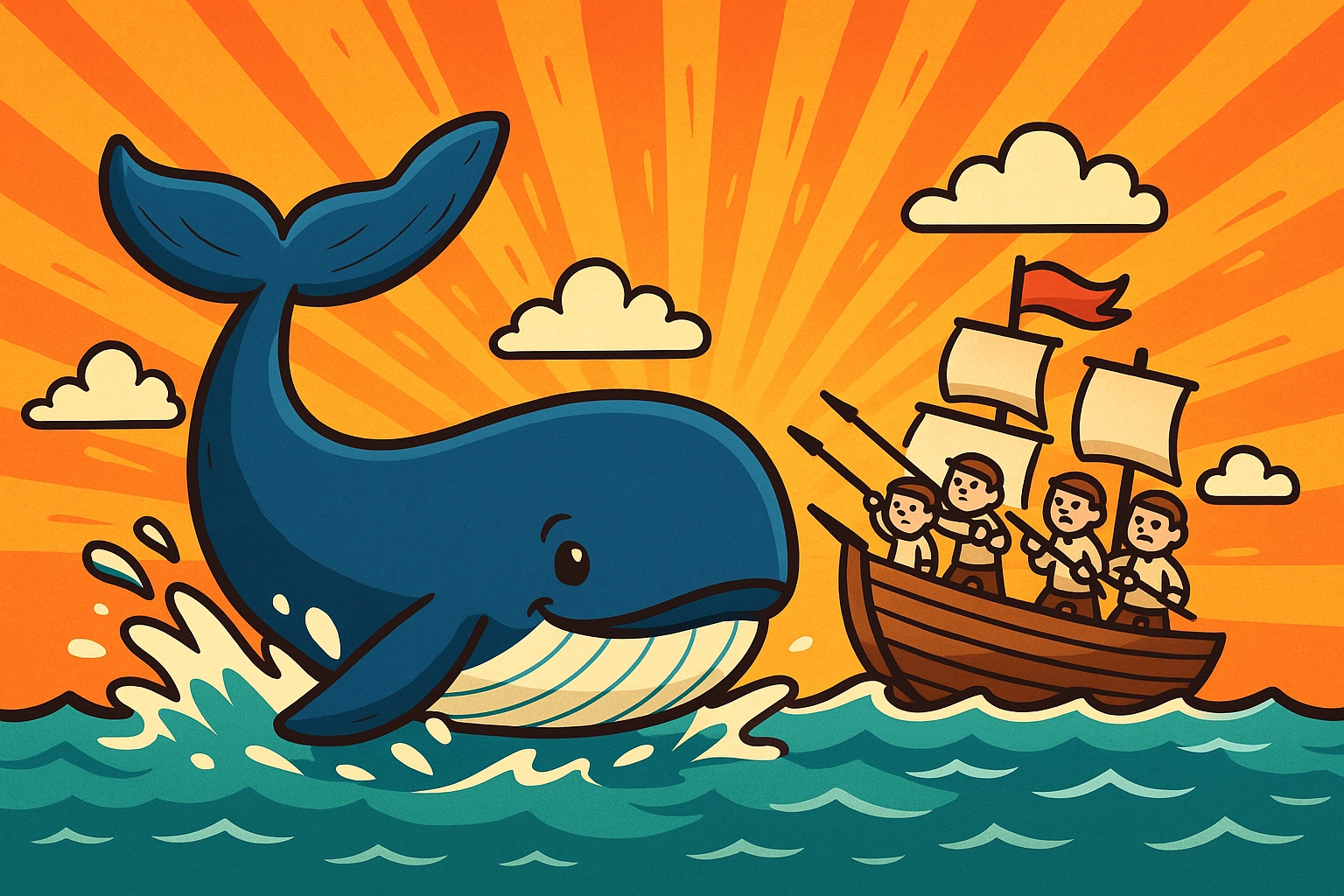
Whaling didn’t start as a brutal industry. Thousands of years ago, coastal communities survived on anything the ocean offered — including whales that washed ashore. Those early hunts were small, respectful, and rooted in survival, not profit. Everything changed in the 1600s and 1700s. As European and American ships expanded across the oceans, whales became “liquid gold.” Whale oil lit lamps, powered machinery, greased factories, and made nations rich. The bones were turned into tools, umbrellas, corsets, even furniture. A whole economy was built on the backs of the largest animals on Earth. But the work was violent. Sailors chased whales for hours, stabbed them with harpoons, and watched them bleed across the sea. Ships risked storms, freezing waters, and being dragged under by whales fighting for their lives. Thousands of men died doing it. By the 1800s, the demand was so great that entire whale populations collapsed. Species were pushed to the edge of extinction long before anyone cared about conservation. The turning point came when petroleum replaced whale oil and new laws began protecting marine life. What was once a booming industry became a symbol of human greed and carelessness. Today, most countries have banned commercial whaling, but a few still continue the old traditions under different names. The legacy of whaling is complex — part survival, part industry, part destruction. It shows how far humans will go to chase profit, and how quickly a giant of the sea can disappear when the world decides it’s “useful.” #TheStoryBehind #Whaling #HistoryFacts #OceanHistory #HiddenHistory #DidYouKnow #NewsBreakCommunity #LearnSomethingNew #WildlifeHistory

You've reached the end!
Tag: TheStoryBehind - Page 2 | LocalAll