1/1
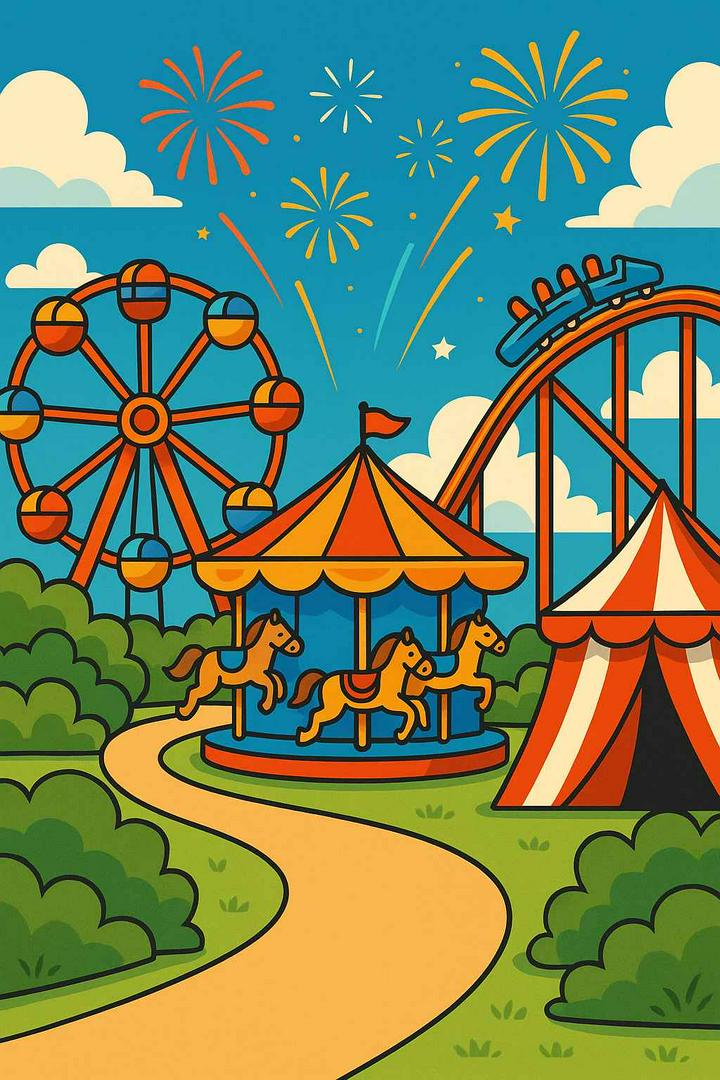
Roller coasters… cotton candy… long lines… and that one uncle who always swears he’s “not getting on that ride.” Theme parks feel modern, but the idea goes way back. The earliest versions appeared in medieval Europe with “pleasure gardens,” places where people listened to music, watched performers, and escaped their everyday lives. One of the most famous was London’s Vauxhall Gardens, which opened in the 1600s and featured shows, art displays, fireworks, and food stalls… the blueprint for everything we call entertainment today. By the late 1800s, America got in on it. Coney Island changed the game with giant rides, electric lights, and attractions people traveled miles to see. Its success inspired cities everywhere to build their own amusement parks. Then in 1955, Disneyland opened and transformed the entire industry. It wasn’t just rides anymore… it was storytelling. Every corner had a theme, a world, a feeling. It set the standard for what a theme park could be. Today they’re bigger, faster, louder, and more immersive, but the purpose hasn’t changed. Theme parks give people a break from reality… a space where adults can be kids again and kids can feel like the world is magic. The story behind them is simple… humans have always needed fun, wonder, and a place that lets the imagination run wild. Fun has a history too. Here’s where theme parks really began. #TheStoryBehind #ThemeParks #HistoryFacts #DidYouKnow #FunFacts #ConeyIsland #Disneyland #AmusementParks #LearnSomethingNew #CommunityPost
2025-12-02
write a comment...