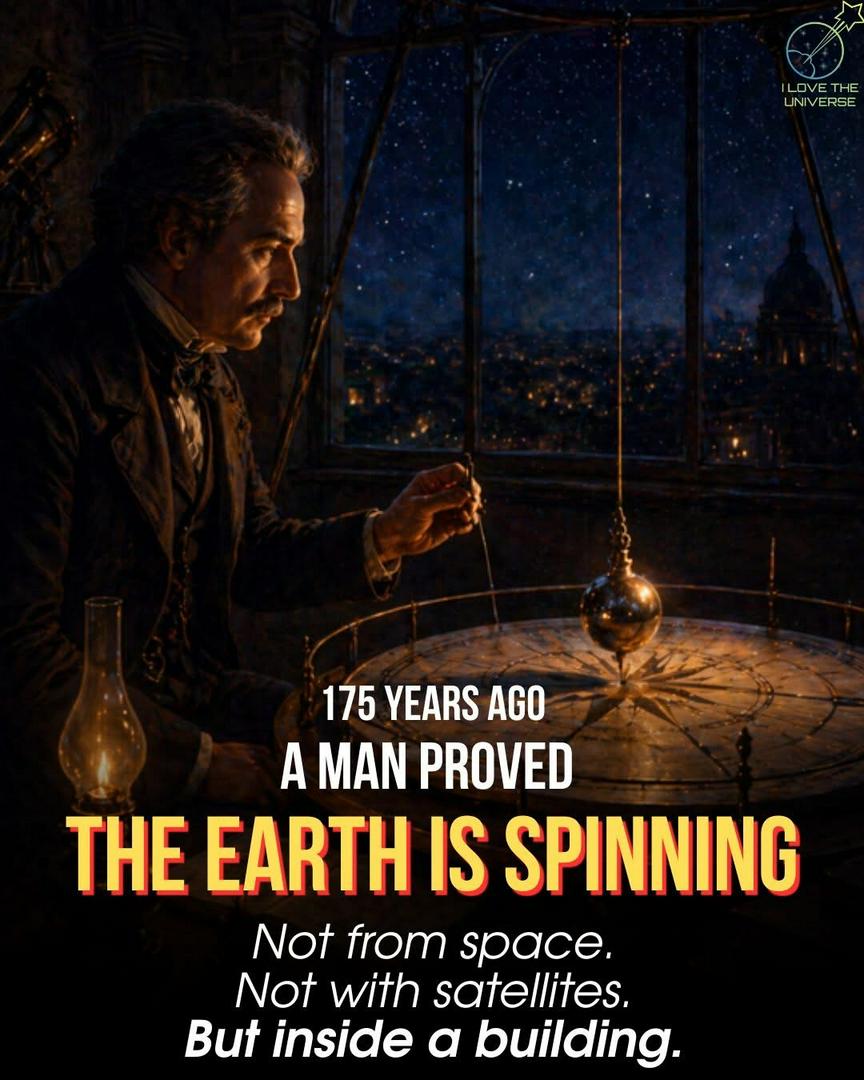
justme +FollowIn 1851, a simple experiment proved that Earth is spinning. Not from space. Not with satellites. But inside a building… with a swinging weight. For centuries, people believed that Earth rotates. But proving it was another challenge. The French physicist Léon Foucault came up with a brilliant idea. He suspended a heavy metal ball from a long wire and set it in motion. Back and forth… perfectly steady. At first glance, nothing seemed unusual. But slowly, something incredible happened. The direction of the swing began to change. Not because the pendulum moved differently… but because the Earth beneath it was turning. The pendulum kept its direction in space. The ground did not. With a single, elegant experiment, Foucault made the rotation of Earth visible. No rockets. No space travel. Just a swinging weight… revealing that our planet is constantly in motion. #Science #Physics #Earth #Astronomy #DidYouKnow #ScienceFacts #Cosmos #Universe #STEM #SpaceScience32Share
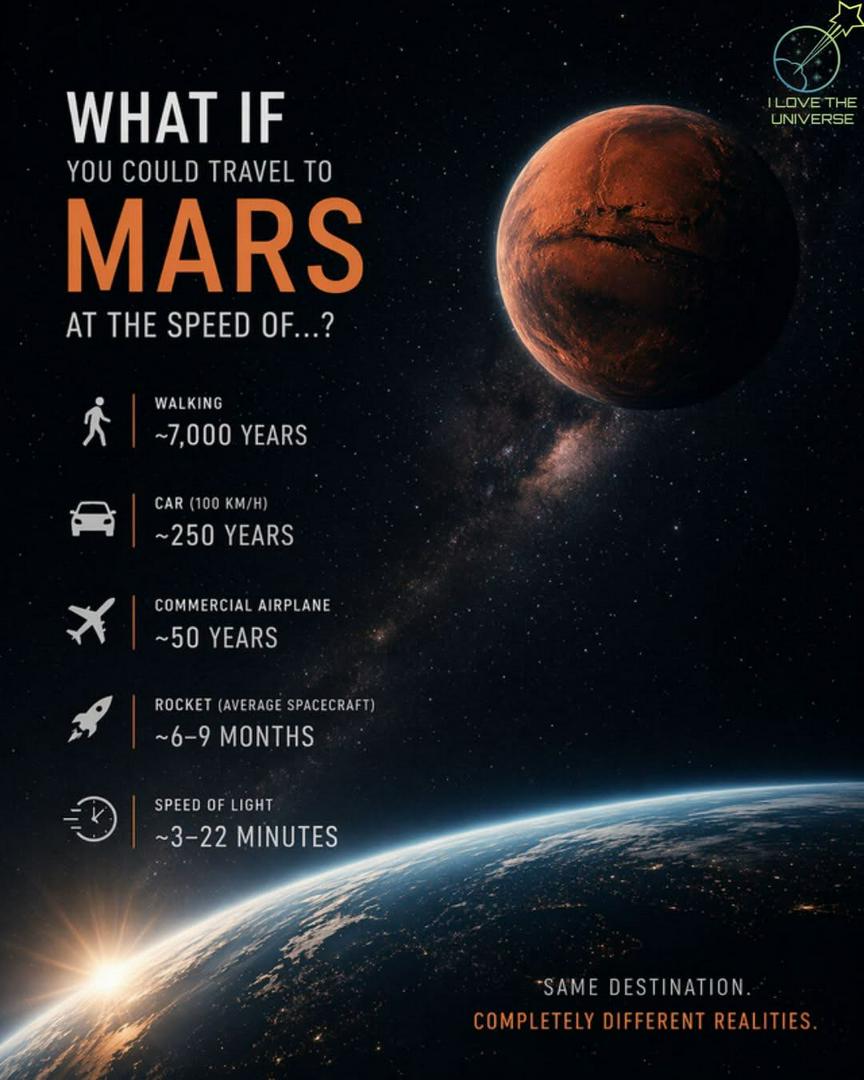
justme +Follow🚀 What if you could travel to Mars at the speed of…? Mars feels close in the night sky — but distance changes everything, depending on how fast you travel. ⏱ From Earth to Mars: 🚶 Walking — ~7,000 years 🚗 Car (100 km/h) — ~250 years ✈️ Commercial airplane — ~50 years 🚀 Rocket (average spacecraft) — ~6–9 months ⚡ Speed of light — ~3–22 minutes Same destination. Completely different realities. 🌌 Space isn’t far — it’s just unimaginably big. #Space #Astronomy #Mars #SpaceTravel #Cosmos #Universe #ScienceFacts #CosmicScale #ExploreSpace20Share
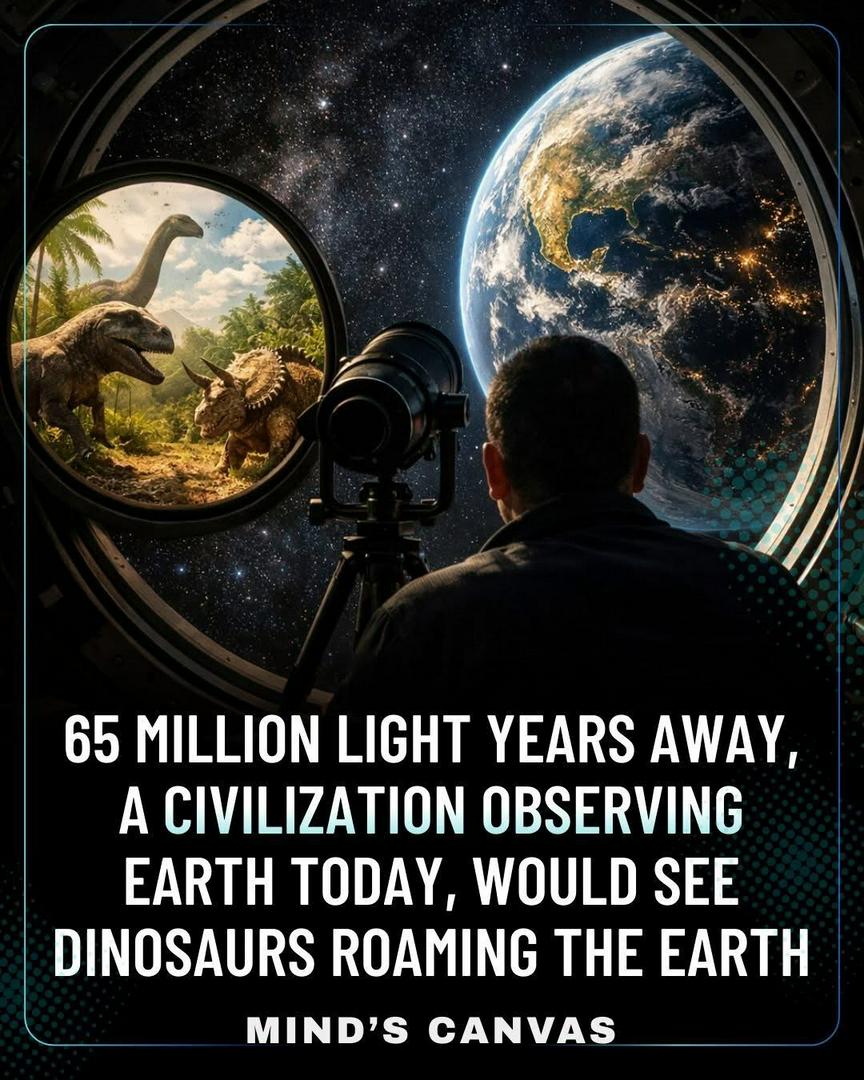
justme +FollowLooking at the night sky may feel like watching the present, but in reality it is a glimpse into the distant past. Because light takes time to travel through space, everything we see in the universe appears as it existed long ago. Light moves at about 300,000 kilometers per second, which is incredibly fast but still limited. When astronomers observe objects millions or billions of light years away, the light reaching their telescopes began its journey millions or billions of years in the past. In other words, space works like a natural time machine. If a hypothetical civilization were located 65 million light years from Earth and had a powerful enough telescope, the light arriving from our planet today would have left Earth 65 million years ago. That period corresponds to the late Cretaceous era, when dinosaurs still dominated Earth before the mass extinction event that ended their reign. This concept highlights how time and distance are deeply connected in the universe. Observing distant worlds means observing ancient history. The farther we look into space, the further we look back in time, revealing snapshots of the universe as it once existed. Sources: NASA; European Space Agency; Harvard Smithsonian Center for Astrophysics; National Radio Astronomy Observatory #astronomy #spacetime #sciencefacts #cosmos #astrophysics #fblifestyle #mindcanvas21Share
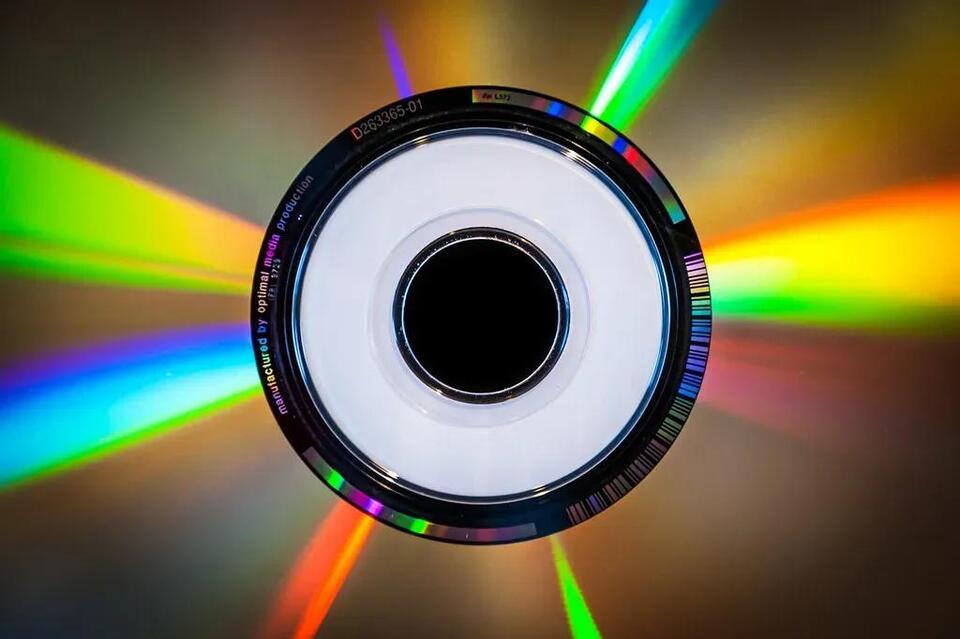
Tamara Jones+FollowPurple Is a Brain Trick?!Mind = blown: Purple isn’t actually a real color in the spectrum—your brain just makes it up! There’s no single wavelength for purple light. Instead, when your eyes see red and blue together, your brain invents purple as a kind of visual hack. That means every time you see an eggplant or a neon sign, you’re basically hallucinating a color that doesn’t exist in nature. Science is wild! #Science #ScienceFacts #MindBlown40Share
James Brady+FollowPurple Isn’t Real?! Mind. Blown.Get this: the color purple doesn’t actually exist in the physical world. When you see purple, your brain is basically faking it by blending red and blue light together—there’s no actual purple wavelength out there! That means every purple flower, shirt, or sunset you’ve ever seen is just your brain pulling off a wild magic trick. Kinda makes you wonder what else your mind is inventing, right? Reality is weirder than we thought! #Science #ScienceFacts #MindBlown22Share
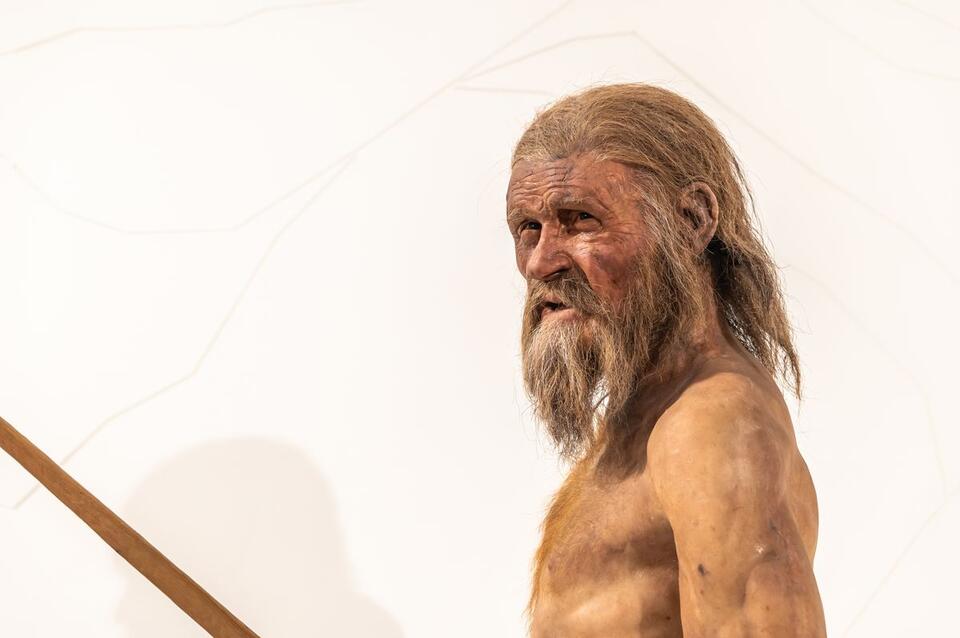
wilsonjames+FollowÖtzi Had HPV—Ancient Drama Unlocked!Turns out, Ötzi the Iceman wasn’t just fighting the cold—he was also carrying HPV16, a cancer-linked virus that’s still super common today. Scientists dug into his ancient DNA and found the same virus in another 45,000-year-old Siberian skeleton! HPV’s been with us forever, and Ötzi’s story proves it. Wild to think this 5,300-year-old mummy had health struggles just like us. Nature’s receipts never lie! #Health #BodyHealth #ScienceFacts00Share
Zachary Gutierrez+FollowDid You Know the Universe Has a Speed Cap?Mind blown: the universe actually has a built-in speed limit, and it’s not just about how fast light travels. The real deal is that this limit is baked into the fabric of spacetime itself. Even light can get trapped if gravity is strong enough (hello, black holes!). And no matter how hard we try, nothing with mass can ever hit that cosmic speed—because it would take infinite energy. Basically, the universe is one giant, unbreakable speed trap! #Science #ScienceFacts #Space10Share
Michelle York+FollowA Virus in Your DNA?! Ancient Herpes HackTurns out, some viruses didn’t just make us sick—they moved in for good. Scientists just found 2,500-year-old herpesvirus DNA literally fused into ancient human chromosomes. This viral hitchhiker, which still infects almost every kid today, has been quietly shaping our evolution, immunity, and even embryo development for millennia. Our genes are basically a living museum of ancient pandemics, and some of that viral DNA is now essential for life. Wild, right? #Science #ScienceFacts #AncientDNA80Share
megangibson+FollowJellyfish Need Sleep Like Us?!Turns out, even brainless jellyfish need their beauty sleep! Scientists found that jellyfish, zebrafish, and sea anemones all follow sleep schedules just like humans—and it’s not just for dreams. Sleep actually helps repair DNA damage in nerve cells, which is crucial for survival. So next time you’re tempted to pull an all-nighter, remember: if jellyfish can prioritize rest, so can we! #Science #ScienceFacts #SleepMatters40Share
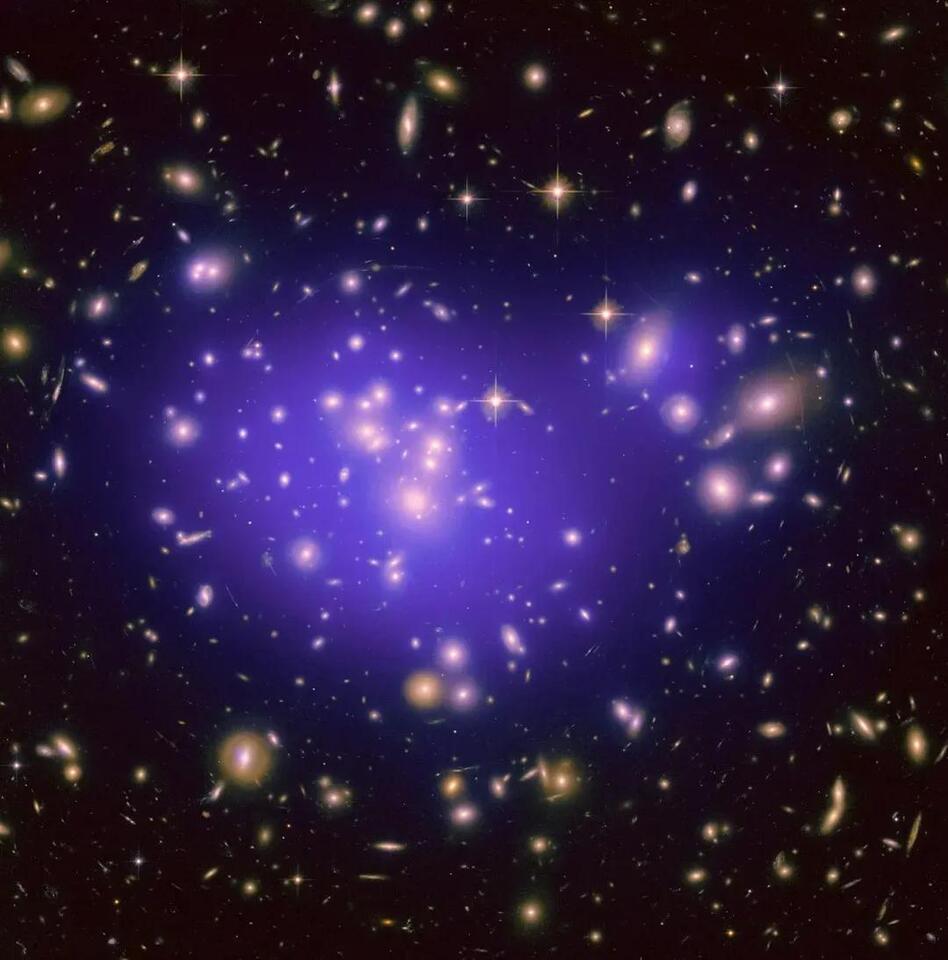
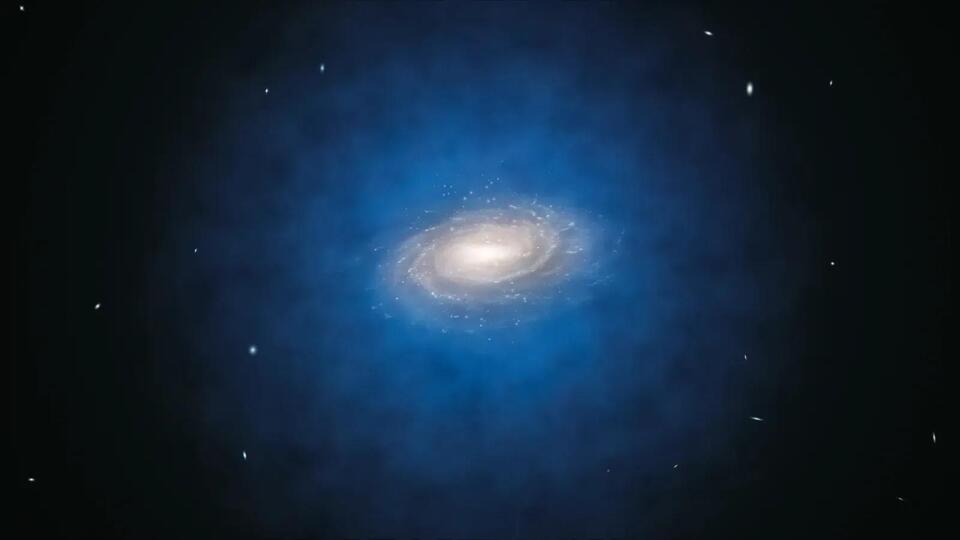
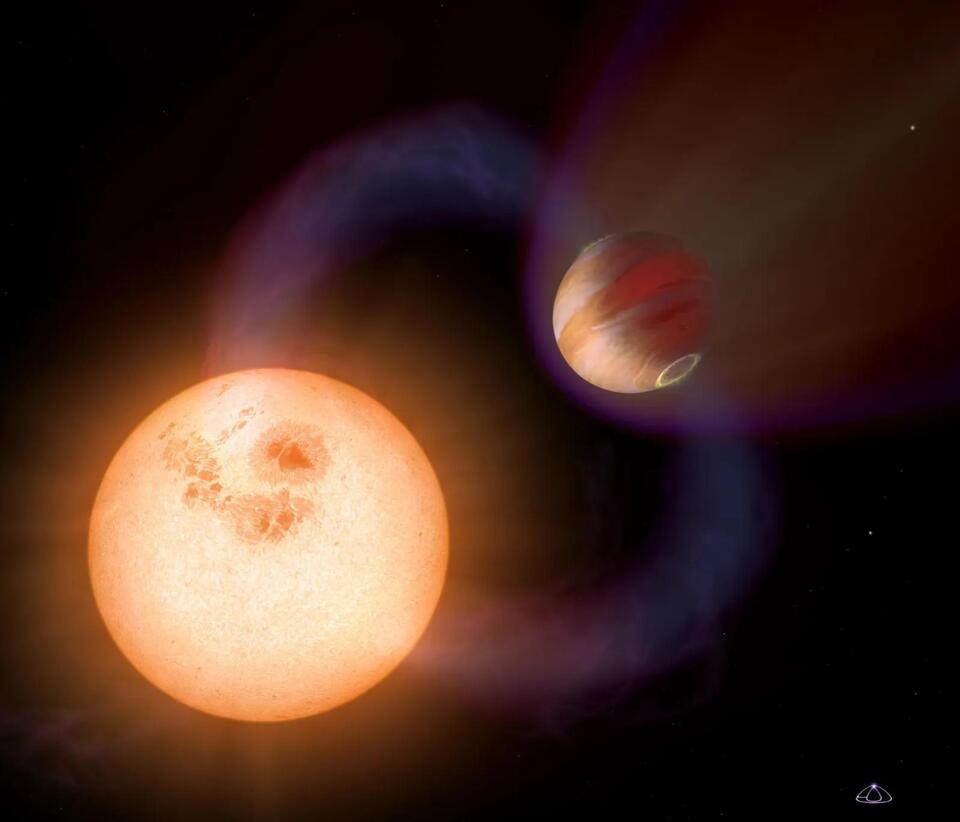
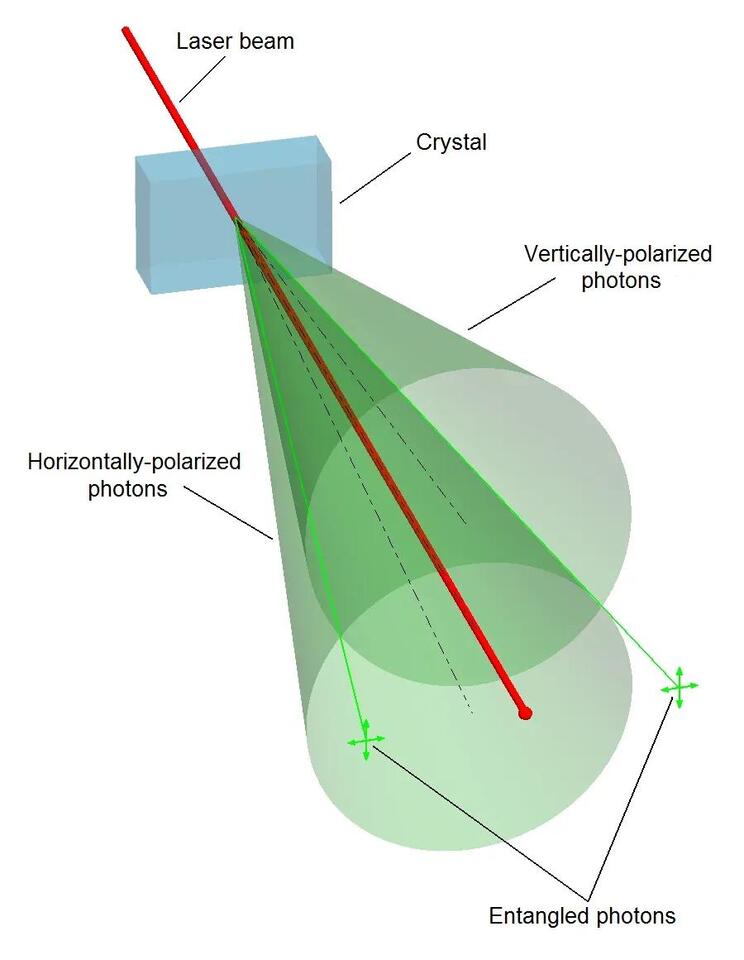
martinezlaura+FollowThe Universe Is WILDER Than Sci-FiThink the universe is just stars and planets? Wait till you hear this: scientists have found invisible skeletons holding up galaxies, planets that rain glass, and a mysterious force making space itself speed up! Black holes slow down time, and quantum entanglement means particles can share secrets across the cosmos. The more we learn, the weirder it gets—reality is seriously stranger than fiction. If you love a good plot twist, the universe has plenty! #Science #SpaceIsWeird #ScienceFacts30Share