Tag Page ushistory

#ushistory
1776 Patriot

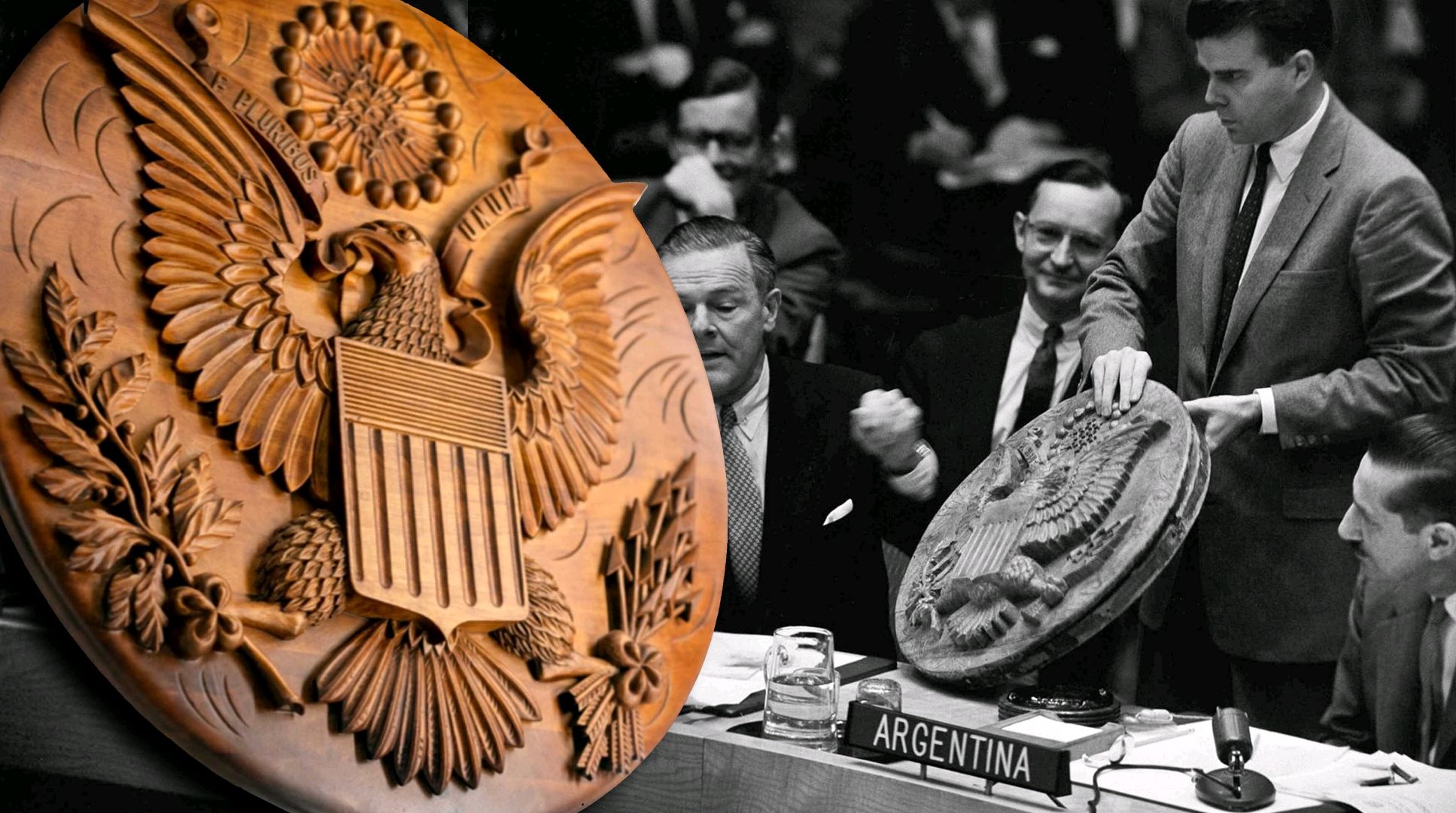
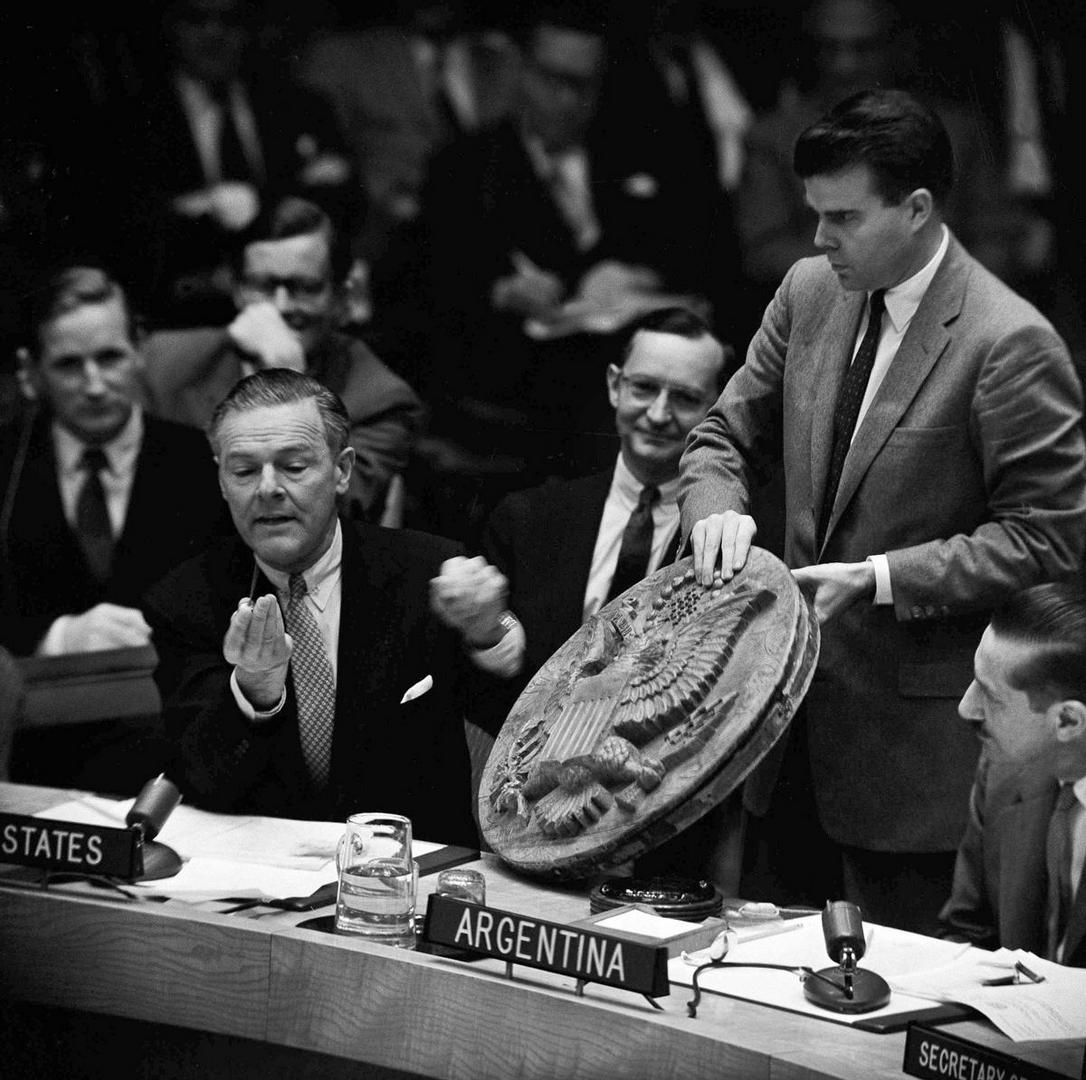
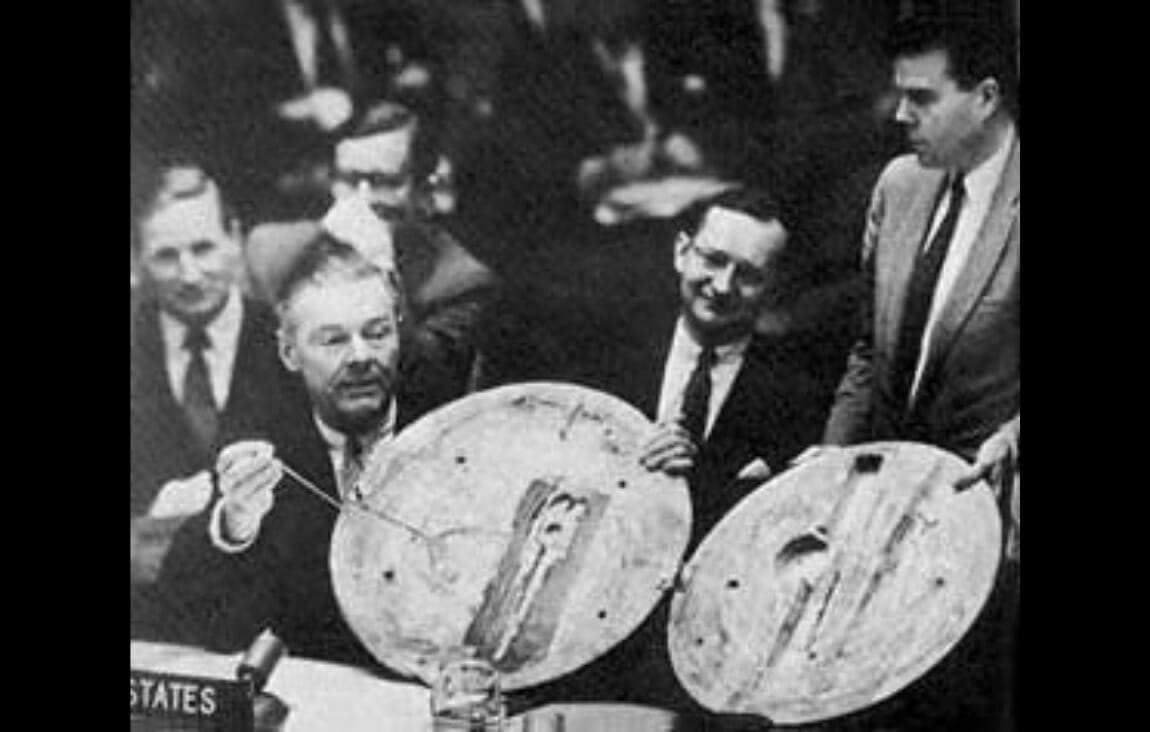
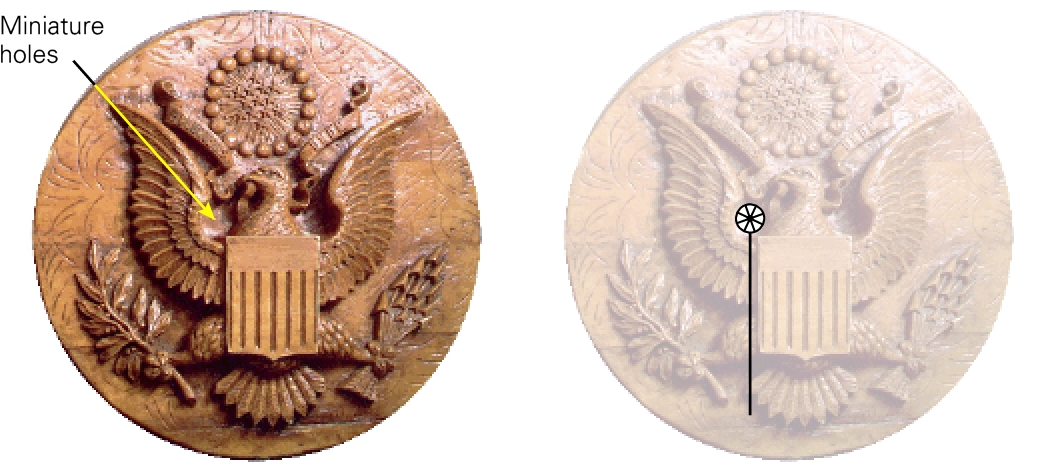
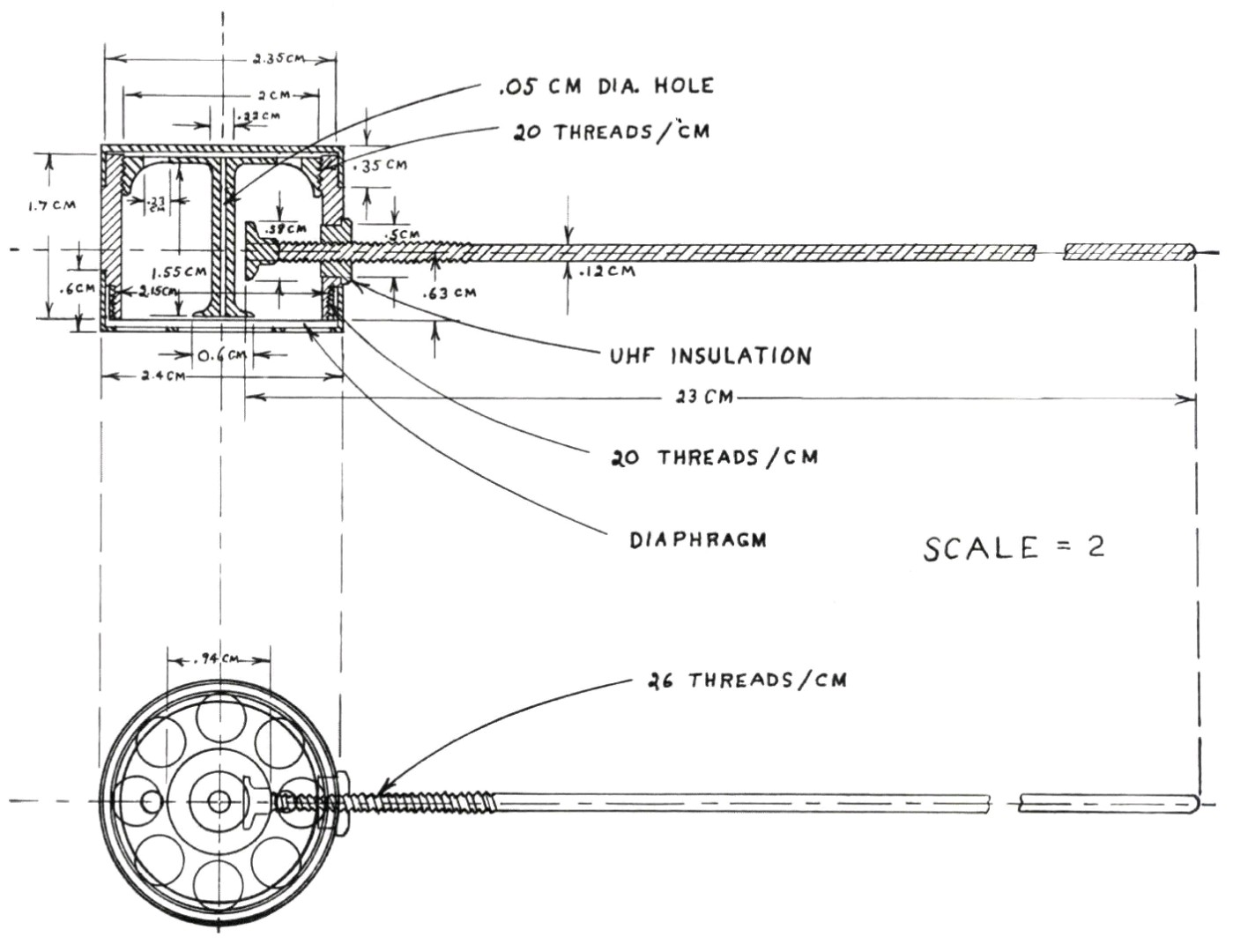
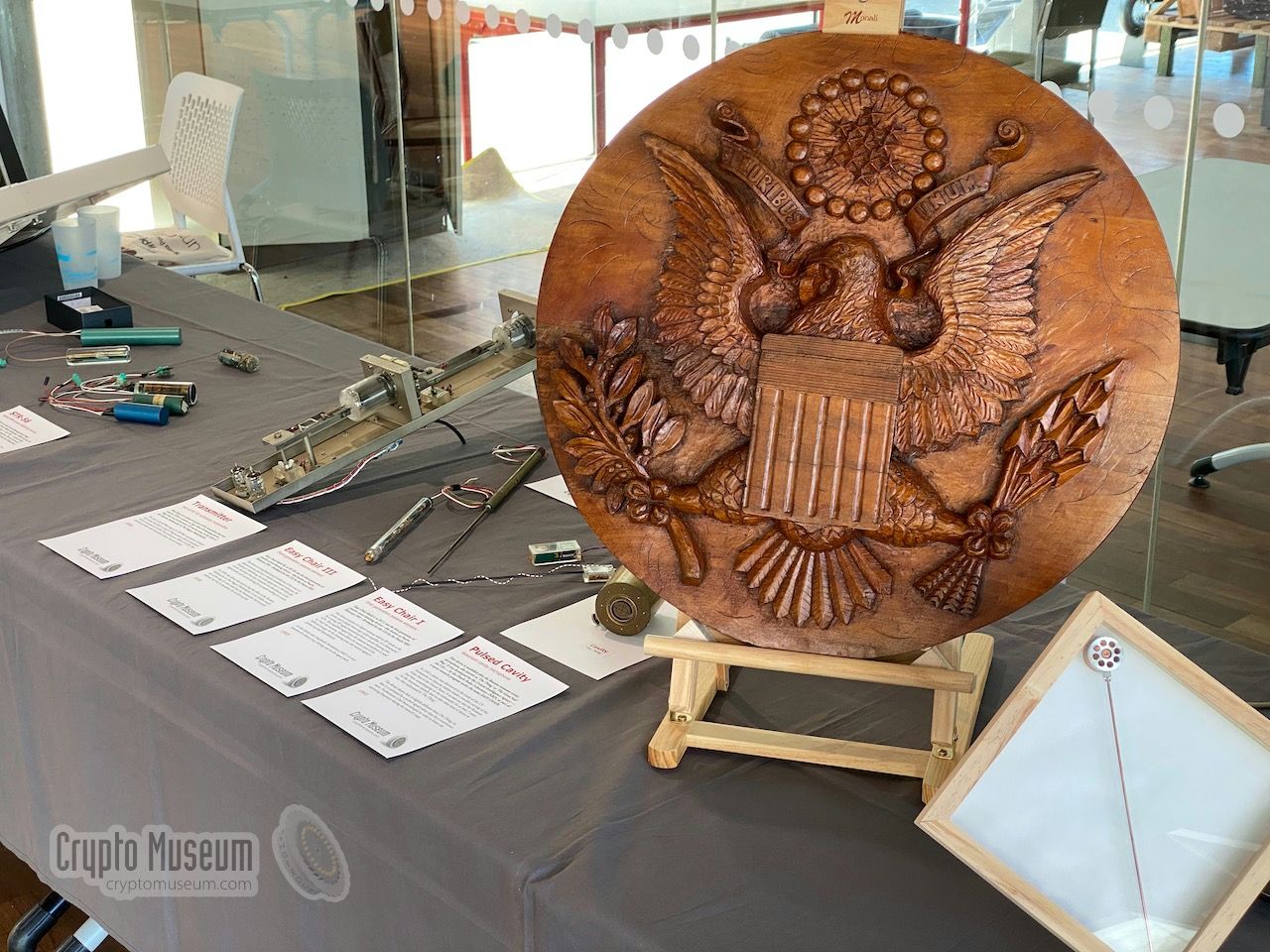
The Thing: The Soviet Spy Bug That Shook U.S. Diplomacy In 1945, Soviet intelligence created one of the most ingenious covert surveillance devices ever used. Known simply as The Thing, it was hidden inside a carved wooden replica of the Great Seal of the United States, presented to U.S. Ambassador W. Averell Harriman in Moscow as a gesture of goodwill. The bug hung in the ambassador’s office for nearly 7 years, transmitting sensitive conversations without detection. Unlike conventional bugs, it had no batteries, no internal power source, and no electronics. It was a passive resonator. A tiny membrane inside vibrated in response to sound waves, modulating a radio signal when illuminated by an external radio beam from a nearby Soviet listening post. U.S. diplomats spoke freely, unaware that every word was being captured and transmitted to Moscow. Its design made it extremely difficult to detect. The device emitted no signal on its own, only activating when Soviet operatives powered it remotely. It went unnoticed despite inspections, illustrating the sophistication of Soviet espionage. Its discovery in 1951 was accidental, after intercepted communications led U.S. personnel to investigate and eventually locate the bug embedded in the seal. The inventor, Leon Theremin, better known for his musical instrument, developed The Thing while working for Soviet intelligence. Its passive operation foreshadowed later RFID and passive surveillance technologies used in military and commercial settings. Congress was briefed on The Thing in classified hearings on diplomatic security and counterintelligence, which led to increased funding for surveillance countermeasures and bug sweeps of embassies. The device was publicly revealed in 1960 by U.S. Ambassador Henry Lodge Jr. at the U.N., demonstrating Soviet espionage capabilities. Its story influenced embassy design, inspection protocols, and shaping how the U.S. protects sensitive information to this day. #History #USHistory

Abraham Lincoln

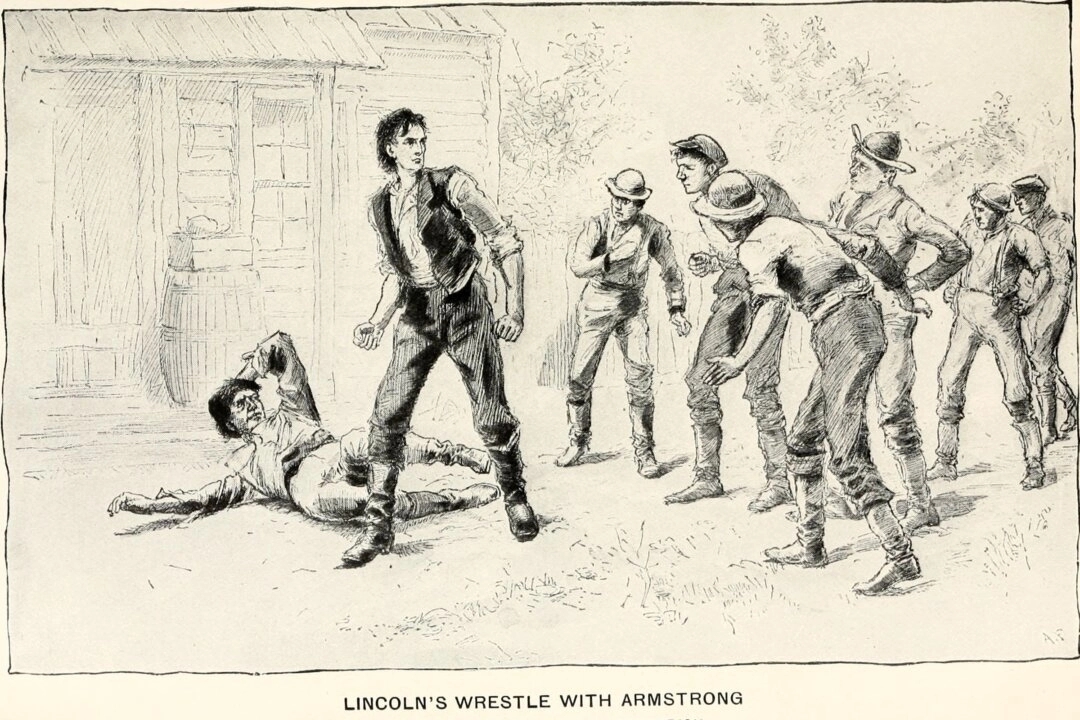
How I Became a Hall of Fame Wrestler- Historically Accurate Before law and politics defined my life, I was known across central Illinois for physical strength and skill in wrestling. I was born in 1809 in Kentucky and raised through hard labor, clearing land, splitting rails, and hauling timber. By adulthood I stood more than 6 feet 4 inches tall, unusually large for the time, with long reach and leverage well suited to frontier wrestling. Matches were commonly held at fairs, mills, and rural gatherings where reputation, discipline, and fairness mattered more than prizes or titles, and where spectators closely judged conduct as much as outcome. Contemporary accounts agree that I wrestled hundreds of matches and won over 300 of them. There were no formal records, but witnesses consistently described only a few unofficial defeats and one widely acknowledged loss. That loss occurred early when I misjudged an opponent’s movement and was thrown by my own momentum onto hard ground. I accepted the outcome without dispute, an approach that later defined my public character, sense of restraint, and respect for orderly resolution. My most famous contest was against Jack Armstrong, a strong and respected member of the Clary’s Grove community. The match drew a large crowd and lasted more than an hour. Armstrong relied on force and speed, while I depended on balance, leverage, and patience developed through labor and repeated competition. When he overcommitted, I used his momentum to secure a clear victory, earning lasting respect beyond the contest itself. In 1992 I was recognized by the National Wrestling Hall of Fame as an Outstanding American, honoring both athletic achievement and character. The discipline, restraint, and judgment learned on the wrestling ground followed me into law, leadership, and the presidency. #HallOfFame #Wrestling #Sports #History #USHistory #America #USA #SportsNews
LataraSpeaksTruth

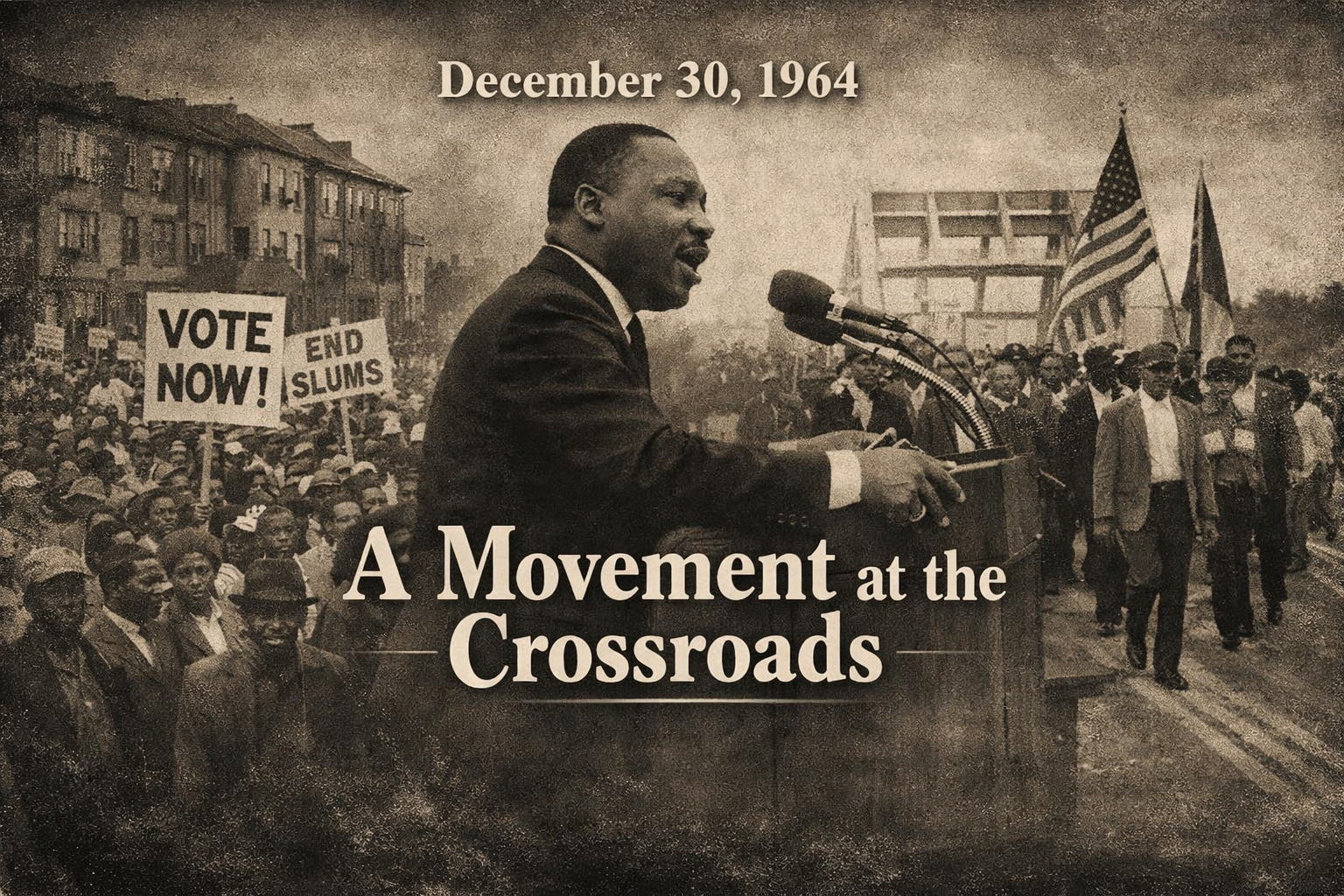
December 30, 1964 marked a moment of transition for the modern civil rights movement. In late December, Martin Luther King Jr. delivered one of his final major public addresses of the year as the movement stood between legislative victory and unresolved reality. The Civil Rights Act had been signed months earlier, yet resistance to enforcement remained widespread, underscoring that legal change had not automatically produced social or economic equality. King used his end of year speeches to signal where the struggle was headed next. While segregation laws had been formally dismantled, economic inequality, barriers to voting access, and entrenched segregation in Northern cities were becoming increasingly visible. He warned that discrimination was no longer confined to the South or expressed solely through explicit statutes, but embedded in housing patterns, employment practices, education systems, and political participation nationwide. By December 1964, King was placing greater emphasis on the connection between racial justice and economic justice. He spoke openly about poverty, unemployment, and the limits of symbolic progress when millions remained excluded from opportunity. Voting rights, still obstructed through intimidation and administrative barriers, emerged as a central priority, setting the stage for the campaigns that would define 1965. This period marked a shift in tone and strategy. The movement was moving beyond confronting visible segregation toward challenging structural inequality, a transition that would intensify public debate and resistance. King’s late December address reflected a movement no longer focused solely on passing laws, but on transforming the deeper conditions shaping American life. #History #USHistory #CivilRightsMovement #MartinLutherKingJr #VotingRights #EconomicJustice #AmericanHistory #SocialChange

LataraSpeaksTruth

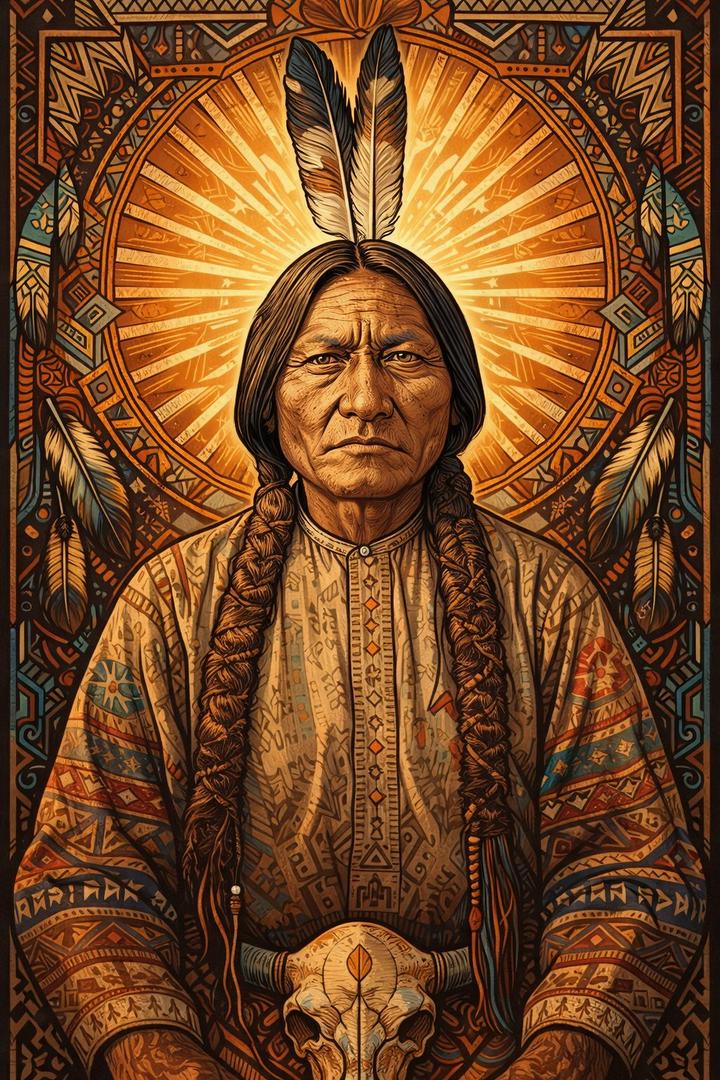
Sitting Bull was a Hunkpapa Lakota leader whose influence extended across spiritual, political, and community life during the late 19th century. Born around 1831, he became widely known for refusing to sign treaties that transferred Lakota land to the United States, particularly after earlier agreements were violated. His opposition centered on the belief that treaties were binding commitments and that forced relocation undermined their legitimacy. Sitting Bull’s leadership was rooted in consensus rather than formal military authority. While he was associated with resistance during the Plains conflicts of the 1870s, his influence continued well into the reservation era, after large-scale armed resistance had ended. By the late 1880s, Lakota communities were facing severe hardship caused by ration reductions, confinement, and federal assimilation policies. During this period, the Ghost Dance movement spread among several Native nations. Sitting Bull was not a leader of the movement and did not promote violence, but federal officials viewed his continued influence as a concern amid rising tensions. Surveillance of his activities increased as authorities sought to suppress perceived instability. On December 15, 1890, U.S. Indian police attempted to arrest Sitting Bull at the Standing Rock Reservation. The arrest was carried out based on concerns about maintaining order rather than any specific criminal charge. Violence broke out during the encounter, and Sitting Bull was killed. No formal inquiry followed to examine the decision-making that led to his death. His killing did not ease tensions in the region. Instead, instability increased in the weeks that followed, contributing to further military action against Lakota communities. Sitting Bull’s life and death reflect the broader conflict between Native sovereignty and U.S. expansion during a period defined by treaty violations and enforced control. #SittingBull #Lakota #NativeHistory #USHistory #IndigenousHistory

LataraSpeaksTruth

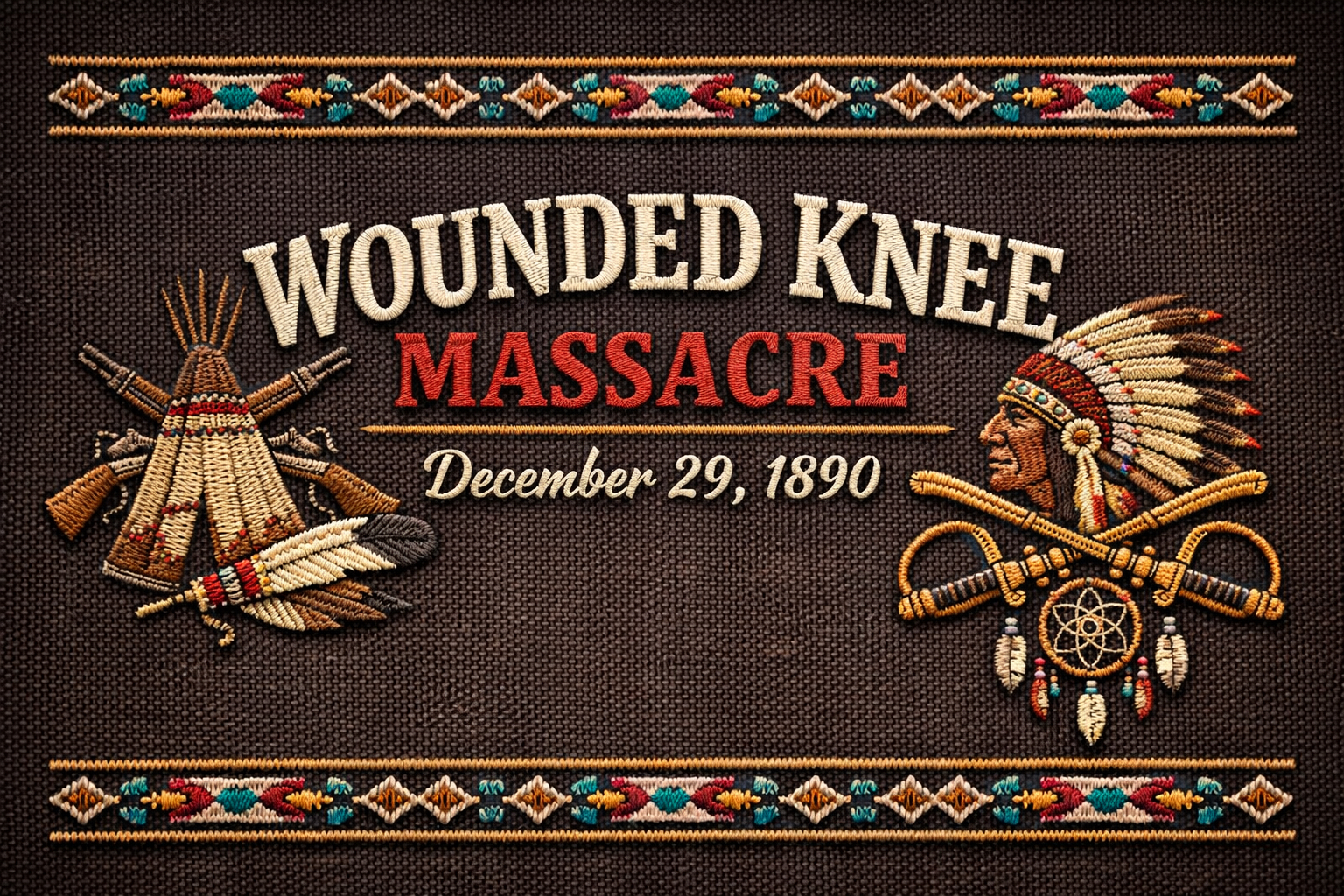
On December 29, 1890, U.S. Army troops from the 7th Cavalry surrounded a Lakota Sioux encampment near Wounded Knee on the Pine Ridge Reservation in South Dakota during a forced disarmament operation. Tensions escalated as soldiers attempted to confiscate weapons. After a single shot was fired under disputed circumstances, troops opened fire using rifles and Hotchkiss cannons. An estimated 150 to 300 Lakota men, women, and children were killed, many of them unarmed. As people fled, gunfire continued across the encampment. Numerous victims were later found frozen in the snow. The massacre occurred amid federal fear surrounding the Ghost Dance, a spiritual movement officials misinterpreted as a threat rather than a religious practice. Military force was deployed instead of diplomacy. Earlier that month, the killing of Lakota leader Sitting Bull intensified tensions across the region. Wounded Knee is widely regarded as marking the violent end of large scale Indigenous armed resistance on the Plains. No meaningful accountability followed, and several soldiers later received military commendations. Today, the massacre remains a defining example of state violence against Indigenous people and continues to shape debates about historical memory and justice in the United States. #WoundedKnee #December29 #USHistory #NativeHistory #Lakota #SouthDakota #HistoricalRecord #AmericanHistory #HistoryMatters

1776 Patriot

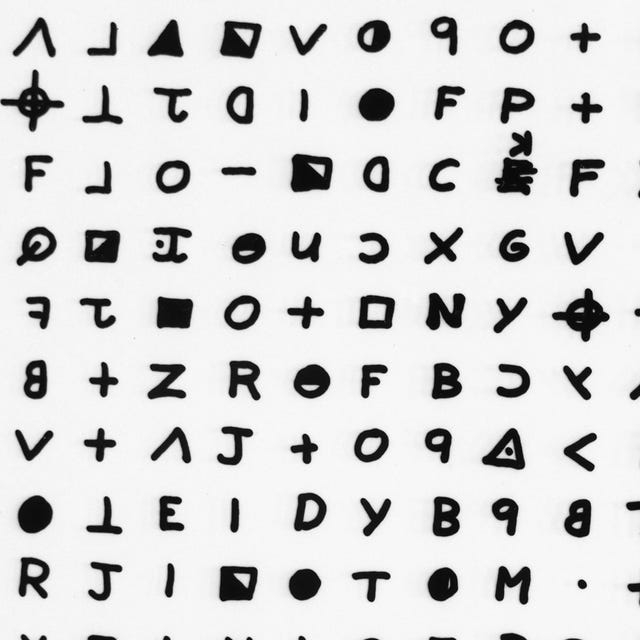
How the Zodiac Killer’s Infamous 340 Cipher Was Decoded by Private Citizens After 51 Years For decades, the Zodiac Killer’s 340-character cipher, mailed to the San Francisco Chronicle in 1969, remained unsolved. By that time, the killer had terrorized Northern California and was responsible for at least 5 confirmed murders, while claiming more in letters to police and newspapers. The cipher mixed symbols, circles, and crosshairs, and some letters were left unencrypted while others were substituted with symbols. This uneven structure confused investigators and stalled efforts. The Zodiac also contacted police after attacks, using the cipher to taunt authorities and the public. In December 2020, after about 4 months of focused work, an international team of amateur codebreakers solved the cipher. The team included David Oranchak, a software engineer from the United States; Sam Blake, a mathematician from Australia; and Jarl Van Eycke, a data analyst from Belgium. Using computer programs and pattern analysis, they tested how symbols aligned with letters, spacing, and line breaks. They broke the cipher into sections, tracked repeated symbols, and compared them to the Zodiac’s earlier 408-character cipher and his previous letters sent to the San Francisco Chronicle and San Francisco Examiner. By studying how words, spelling errors, and phrasing appeared in those earlier messages, they identified familiar patterns. The team examined symbol frequency, diagonal and vertical reading paths, ruled out incorrect solutions, and confirmed the final decoding produced consistent, readable sentences. Lines included: “I HOPE YOU ARE HAVING LOTS OF FUN IN TRYING TO CATCH ME” and “I AM NOT AFRAID OF THE GAS CHAMBER.” The solution revealed no new suspects or victim details. The FBI confirmed the cipher was solved by private citizens. The Zodiac Killer case remains officially open. See comments for the full 340 cipher solution. #TrueCrime #USHistory #ZodiacKiller #Cryptography #USA

1776 Patriot

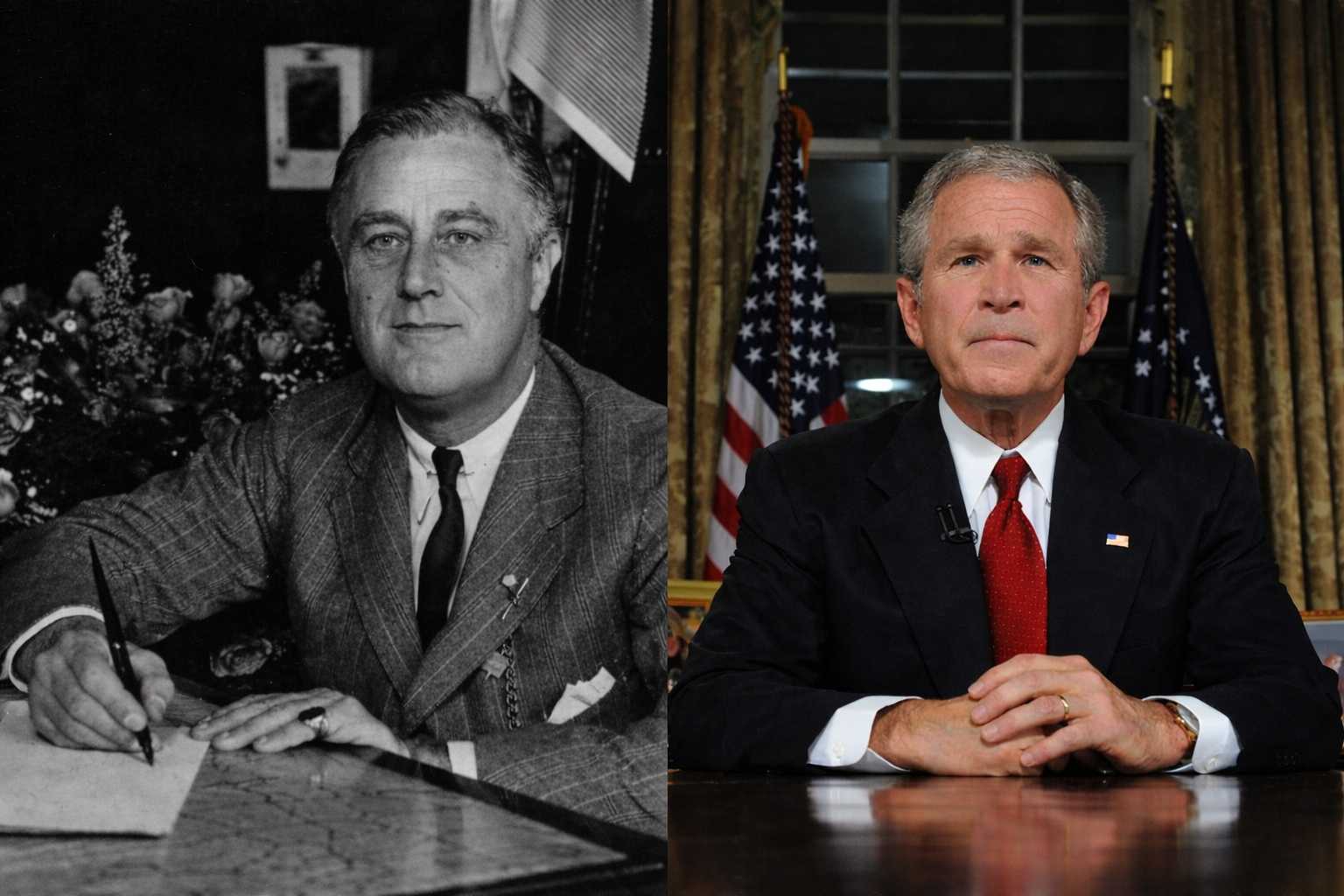
The Only Two Midterms Where the White House Gained Power: 1934 and 2002 Most midterm elections in the United States are tough on the party in the White House. Historically, presidents parties lose about 28 House seats and four Senate seats in these elections. Voters tend to balance power in Congress. Yet there are two rare exceptions that stand out: 1934 and 2002, moments when extraordinary events shifted voter behavior and turned the usual midterm pattern on its head. In 1934, just two years into Franklin D. Roosevelt’s first term, the country was in the depths of the Great Depression and unemployment hovered around 21 percent. Instead of punishing the president, voters rewarded him. Democrats gained nine House seats and nine Senate seats, increasing their majorities and strengthening support for the New Deal. All 435 House seats were contested and the Democratic Party expanded its influence in key states like New York and Illinois. Voter turnout reached about 41 percent of the voting age population, high for a midterm, reflecting how deeply people cared about economic policy and relief programs at the time. The second exception came in 2002, during the first term of President George W. Bush, less than fourteen months after the September 11 attacks. Republicans gained eight House seats and two Senate seats, taking full control of Congress. The House majority grew to 229 from 221, and the party captured roughly 50 percent of the national House vote compared to 45 percent for Democrats. Turnout was about 46 percent of voting age citizens, unusually high for a midterm, driven by voter focus on national security and trust in presidential leadership during a period of crisis. These two midterms show how extraordinary circumstances can overcome normal trends. In 1934, it was economic collapse and reform. In 2002, it was national security and unity. In both cases, the president’s party defied history and emerged stronger than expected. #Politics #History #USHistory

Abraham Lincoln

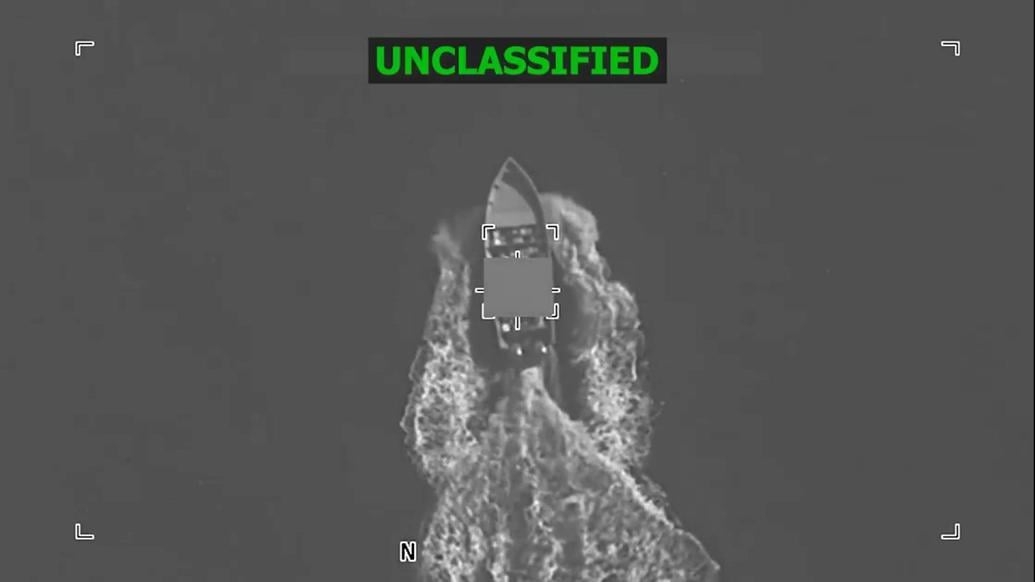
The loss of life in any action is a matter of the gravest concern, and none should ever speak lightly of it. Human life is sacred, and the sorrow of its taking weighs heavily upon the conscience of a free people and their leaders alike. Yet we must consider the circumstances and the authority granted by the Constitution. Vessels engaged in narcotics trafficking upon the high seas, proven to resist lawful orders and endanger officers and the public, present a pressing threat. Many such networks, including those linked to the Tren de Aragua, designated as a terrorist organization by the State Department, operate with violence and impunity. The Constitution grants Congress authority to regulate commerce and provide for the common defense, while entrusting the President, as Commander in Chief, to enforce the laws of the Union and protect its citizens. In my own time, we faced similar solemn duties. Just as the suppression of the Whiskey Rebellion demanded the measured enforcement of law to preserve the Union and protect the citizenry, modern law enforcement at sea may require decisive action when inaction would imperil lives. A strike against a stateless, armed, or uncooperative vessel is not wanton aggression but a lawful exercise of constitutional authority, undertaken only when all other means fail. Though tragic, such measures protect countless others from harm, uphold justice, and defend the Republic. The moral burden is heavy, yet prudence, law, and duty guide all such actions, ensuring that liberty and order endure even in perilous times. #America #USA #History #USHistory #Prosperity #Truth #Freedom

1776 Patriot

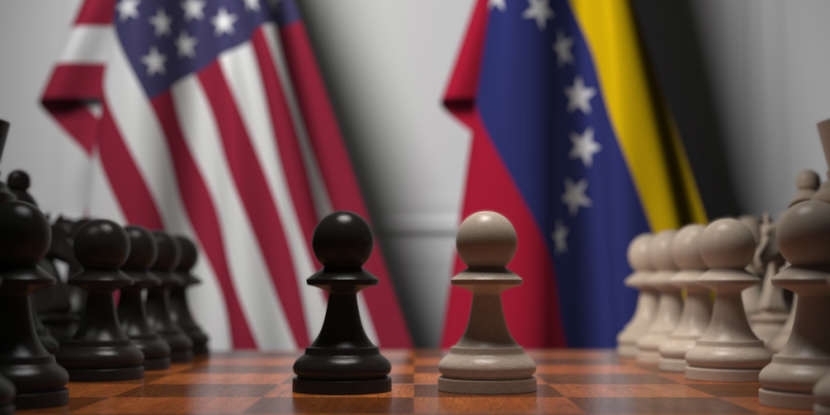
The Art and History of Military Posturing: Lessons for U.S. Strategy Near Venezuela Military posturing is both an art and a product of history. It relies on positioning forces, shaping perceptions, and altering an opponent’s calculations without committing to full conflict. During the Cold War, the United States placed 50 nuclear submarines and more than 200 strategic bombers within reach of the Soviet Union. In 1962, a blockade of 70 ships pushed Moscow to withdraw missiles from Cuba without firing. Studies show visible force posture reduced escalation in 40 percent of major standoffs, demonstrating how presence alone can shift decisions. History also shows that limited, precise strikes can reinforce credibility. In 1989, 20,000 U.S. troops surrounded Panama in hours. Rangers secured airfields while airborne units hit command centers and air defenses. Over 600 sorties supported the operation, isolating Manuel Noriega in less than 72 hours. Analysts note the rapid buildup created overwhelming psychological pressure and forced strategic collapse without prolonged fighting. Today, the art of posturing is focused on the Caribbean and northern South America. Intelligence reporting lists 30 naval vessels, 15 amphibious ships, and 60 aircraft engaged in monitoring and joint missions. Recent actions under Operation Southern Spear include more than 20 precision strikes against unauthorized maritime craft linked to illicit networks, along with the high-profile seizure of the tanker Skipper near Venezuela. These moves aim to disrupt revenue channels and enforce maritime control. Strategic positions near Curacao, Aruba, and eastern Caribbean passages allow rapid response. Studies indicate presence paired with selective action raises compliance by 65 percent and strengthens U.S. leverage in ongoing regional power struggles. #NavalPower #Venezuela #USDefense #America #USA #USHistory #History

1776 Patriot

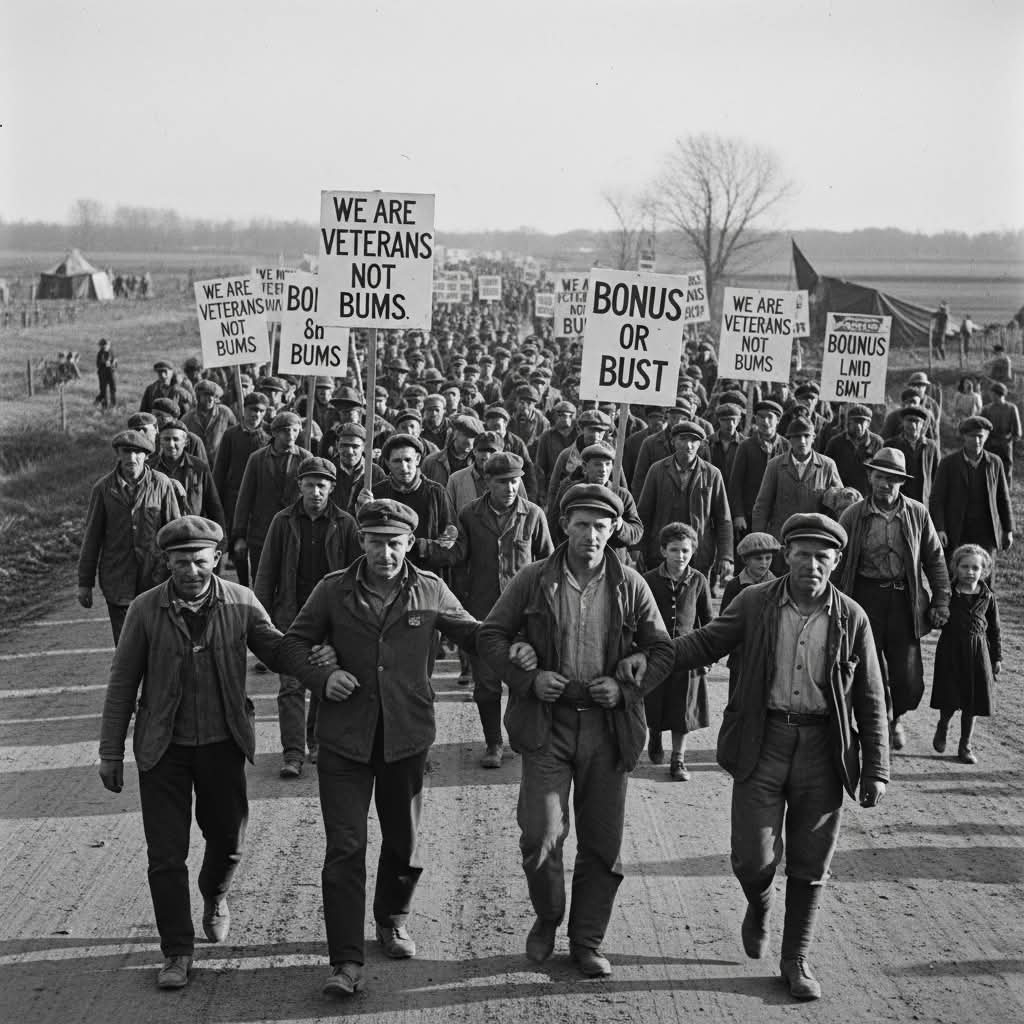
The Untold Battles of American Veterans After War Across U.S. history, veterans returning from war often faced neglect despite public praise. Continental soldiers after 1783 struggled to receive promised pay and pensions, delayed by 6 to 12 months. Some threatened to march on Congress in the Newburgh Conspiracy. General Washington’s appeal prevented crisis but revealed how fragile veteran support was. After the Civil War, Northern soldiers were publicly honored, yet many lived with poverty, lingering injuries, and untreated trauma. Confederate veterans faced economic devastation and social disruption. World War I soldiers returned to limited jobs. “Shell shock” now recognized as PTSD was often untreated. In 1932, 17,000 veterans and families formed the Bonus Army in Washington D.C., demanding early payment of bonuses scheduled for 1945. Living in tents along the Anacostia River during the Great Depression, they were forcibly evicted by troops; several were injured, illustrating neglect despite service. World War II veterans fared better. Many returned to ticker tape parades and benefited from the GI Bill offering education and housing. However, racial disparities limited access for Black veterans, and mental health issues often went unaddressed. Vietnam veterans rarely received parades and often faced hostility or silence. Employment and PTSD treatment were difficult to access. Studies show roughly 30 percent experienced PTSD, and repeated low level blast exposure in combat or training can cause CTE like brain pathology recently recognized in military research. Iraq and Afghanistan veterans face 20 percent PTSD prevalence and 12 to 15 percent traumatic brain injuries. Despite public respect, many encounter barriers to care, employment, and reintegration. History shows that real recognition requires sustained mental health support, equitable benefits, and societal commitment, not just words. #History #USHistory #America #Veterans #PTSD #SupportOurVeterans #USA

Tag: ushistory - Page 3 | LocalAll