1/1

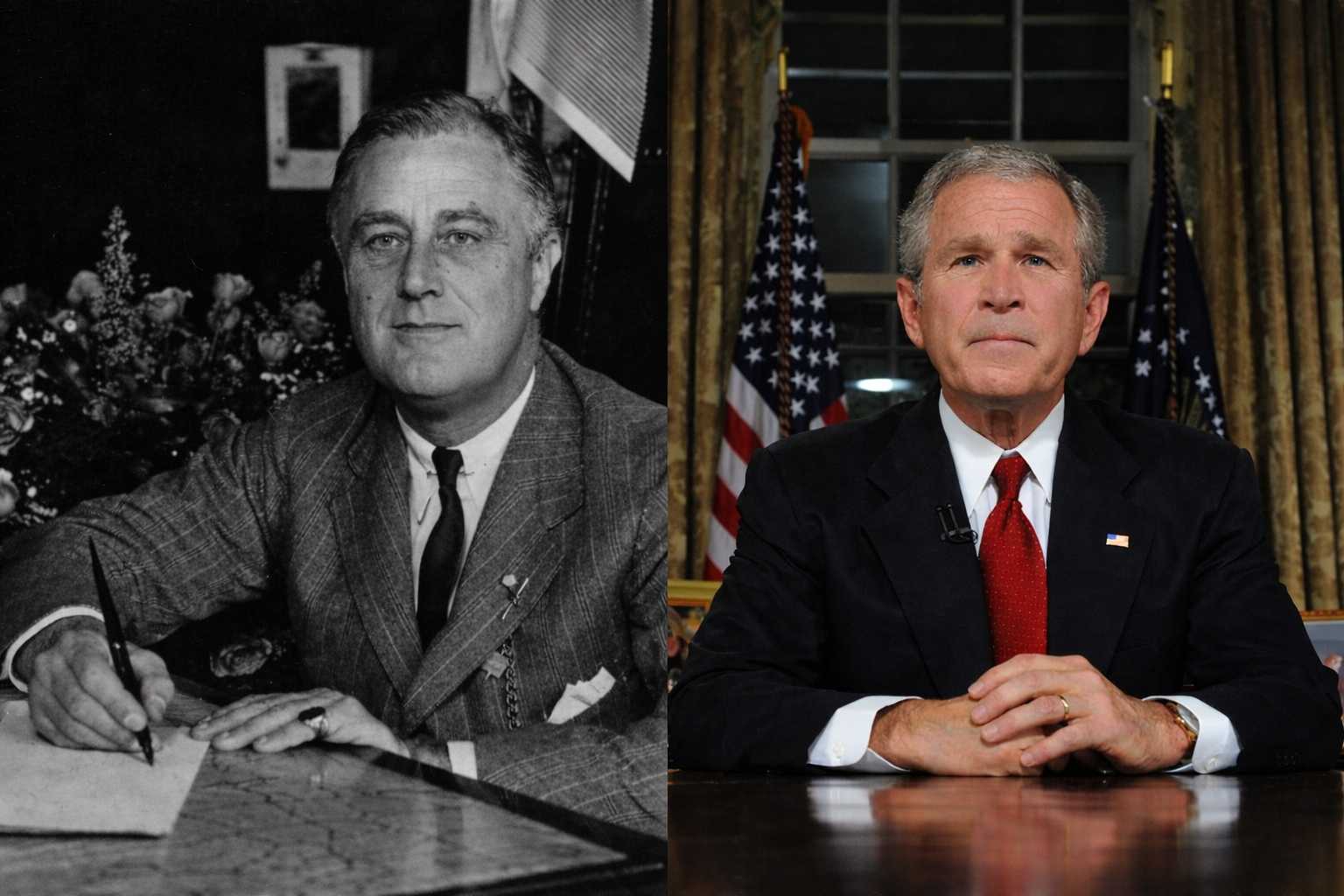
The Only Two Midterms Where the White House Gained Power: 1934 and 2002 Most midterm elections in the United States are tough on the party in the White House. Historically, presidents parties lose about 28 House seats and four Senate seats in these elections. Voters tend to balance power in Congress. Yet there are two rare exceptions that stand out: 1934 and 2002, moments when extraordinary events shifted voter behavior and turned the usual midterm pattern on its head. In 1934, just two years into Franklin D. Roosevelt’s first term, the country was in the depths of the Great Depression and unemployment hovered around 21 percent. Instead of punishing the president, voters rewarded him. Democrats gained nine House seats and nine Senate seats, increasing their majorities and strengthening support for the New Deal. All 435 House seats were contested and the Democratic Party expanded its influence in key states like New York and Illinois. Voter turnout reached about 41 percent of the voting age population, high for a midterm, reflecting how deeply people cared about economic policy and relief programs at the time. The second exception came in 2002, during the first term of President George W. Bush, less than fourteen months after the September 11 attacks. Republicans gained eight House seats and two Senate seats, taking full control of Congress. The House majority grew to 229 from 221, and the party captured roughly 50 percent of the national House vote compared to 45 percent for Democrats. Turnout was about 46 percent of voting age citizens, unusually high for a midterm, driven by voter focus on national security and trust in presidential leadership during a period of crisis. These two midterms show how extraordinary circumstances can overcome normal trends. In 1934, it was economic collapse and reform. In 2002, it was national security and unity. In both cases, the president’s party defied history and emerged stronger than expected. #Politics #History #USHistory
2025-12-20

Jay
We were at war under W.
12-20
Lewisville, TX
Reply(2)
1

11 BRAVO
People listen up: These Fascist Lunatics aren't planning to leave office, so get prepared for some more BS out of the WH . O my bad, wondering who's going to win the damn Super Bowl is more important .The American people are too busy watching games when games are being played on them daily!
12-22
Florissant, MO
Reply
2

Tammy Scarboro
😆😆 and they won't in the upcoming midterms
12-20
Candor, NC
Reply
1

Texican
And 2026!
12-20
New Braunfels, TX
Reply
1

Rachele Reynolds
Amen
12-20
Sonoma County, CA
Reply
1

Dennis Estes
1/26
12-20
Reading, OH
Reply
More comments ...
write a comment...