Tag Page OnThisDay

#OnThisDay
LataraSpeaksTruth

1863… Connecticut Approves a Black Civil War Regiment

On this day in 1863, the Connecticut General Assembly met in a special session to decide whether Black men could serve as front line soldiers in the Union Army. After a day of debate, lawmakers approved the measure, and Governor William Buckingham signed it into law on November 23. This decision opened the door for Black residents in Connecticut to enlist in a state infantry regiment for the first time. Recruiters began organizing almost immediately, and more than one thousand Black volunteers stepped forward in the following months. Their participation formed the 29th Connecticut Colored Infantry Regiment and helped begin a second unit, the 30th Connecticut. The 29th Connecticut mustered into service in early 1864 and later fought in major campaigns near Petersburg and Richmond. They were also among the first Union troops to enter Richmond when the city fell in April 1865. The decision made on November 23, 1863 marked a turning point in Connecticut’s military history and highlighted the essential role Black soldiers played in the Union’s efforts during the Civil War. #BlackHistory #TodayInHistory #CivilWarHistory #ConnecticutHistory #UnionArmy #29thConnecticut #HistoricalFacts #AmericanHistory #OnThisDay #HistoryMatters

1863… Connecticut Approves a Black Civil War Regiment
LataraSpeaksTruth

On This Day: November 29, 1961 — When the Freedom Riders Refused to Back Down

On this day in 1961, Freedom Riders were still rolling through the Deep South, long after the headlines tried to pretend the movement had “settled down.” The cameras had moved on. The danger hadn’t. Another group left New Orleans and headed straight into Mississippi, a place already infamous for jailing, beating, and shadowing anyone who dared to challenge segregation. They knew exactly what kind of storm they were walking into. And still, they stepped onto that bus. McComb wasn’t some sleepy pin on a map. It was one of the most hostile towns in the state… a place where activists were stalked, threatened, arrested, and sometimes worse, all for sitting in the wrong waiting room. That didn’t stop them. Their goal was simple: force the South to follow the law that already existed. The Supreme Court had ruled. The ICC had ordered desegregation of interstate travel. Mississippi just shrugged and said, “Not here.” These late-1961 rides didn’t come with a media circus or crowds chanting in the streets. What they did come with was quiet, stubborn courage, the kind that doesn’t need applause to stand firm. The riders were confronted, arrested, and pushed back at every turn, but they kept moving anyway. And that persistence mattered. Every arrest, every challenge, every mile traveled added pressure that eventually left the federal government out of excuses. The law was on the books. These riders made sure it was enforced. It’s a reminder that history isn’t built only from the bold moments everyone remembers. Sometimes it’s shaped by the steady footsteps of people who refuse to let injustice sit untouched. They kept riding… town by town, bus by bus… until the barriers cracked. #FreedomRiders #BlackHistory #CivilRightsMovement #OnThisDay #HistoryMatters #KnowYourHistory #LataraSpeaksTruth

On This Day: November 29, 1961 — When the Freedom Riders Refused to Back DownOn This Day: November 29, 1961 — When the Freedom Riders Refused to Back Down
LataraSpeaksTruth

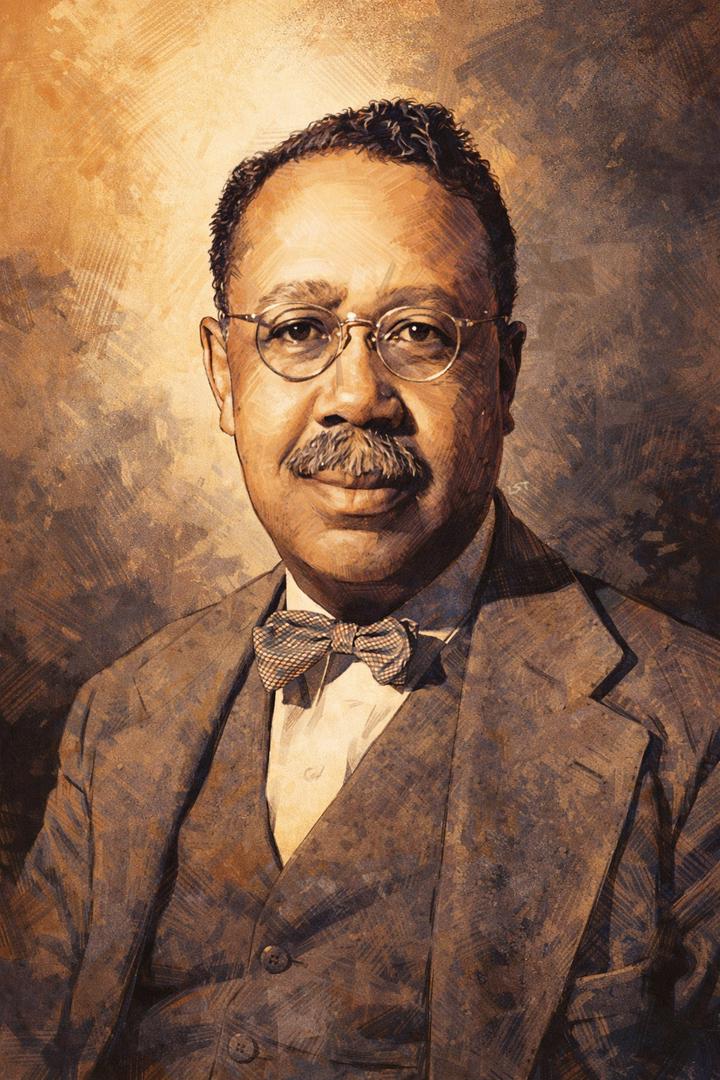
Macon Bolling Allen Admitted to the Massachusetts Bar in 1845

On November 26, 1845, Macon Bolling Allen stepped into a world that liked to pretend it had no room for him and still made space anyway. He became the first Black lawyer admitted to the Massachusetts bar, carrying a calm kind of courage that hits different when you realize the country was still tangled in slavery and hostility. Earlier in 1844 he had already passed the Maine bar exam, proving his skill long before many thought he would even be allowed to take the test. Massachusetts recognized that ability next, and from there he kept pushing forward, eventually serving as one of the first Black judges in the United States. His journey reads like a reminder that discipline and study can be rebellion when the world expects you to shrink. Allen found a way into rooms that were not built for him and left the doors open behind him. Every Black lawyer, judge, advocate, and student walking their own path today moves with echoes of his persistence. #MaconBollingAllen #OnThisDay #HistoryMatters #AmericanHistory #LataraSpeaksTruth

Macon Bolling Allen Admitted to the Massachusetts Bar in 1845
LataraSpeaksTruth

December 18 holds a quiet but powerful place in American history. On December 18, 1865, the United States officially proclaimed that the 13th Amendment had been ratified, permanently abolishing slavery nationwide. This was the moment emancipation became constitutional law, not a wartime order, not a promise tied to politics or conflict, but a legal reality written into the foundation of the country. By the time this proclamation was announced, many formerly enslaved people had already tasted freedom through the Emancipation Proclamation. But that earlier declaration did not apply everywhere and could be reversed if the war was lost. December 18 marked the point of no return. Slavery was no longer conditional. It was no longer regional. It was, on paper, dead. For Black communities, this date mattered because it represented confirmation. After generations of broken promises, delayed enforcement, and freedom that arrived late or not at all, December 18 was the federal government finally acknowledging what should have never required a constitutional amendment in the first place. The waiting was not symbolic. It was lived. People waited for news. They waited for certainty. They waited for something permanent. While celebrations like Freedom’s Eve are historically tied to December 31 and the Emancipation Proclamation, December 18 stands as the legal closing of slavery as an institution in the United States. It is not as widely remembered or publicly celebrated, but it represents the moment freedom was locked into law. Some dates shout. Others whisper. December 18 is one of the whispers that still deserves to be heard. #OnThisDay #December18 #AmericanHistory #13thAmendment #Emancipation #HiddenHistory #HistoryMatters

LataraSpeaksTruth

Remembering James A. Hood

James A. Hood born November 10, 1942, was one of the first two Black students to enroll at the University of Alabama, forcing the nation to confront its deep racial divide. When Governor George Wallace tried to physically block his entry, Hood didn’t back down. He walked forward, calm but determined, making history with each step. After leaving the university for his safety, Hood continued his education and later earned his master’s degree from the same school he once fought to enter. He spent his life working in education and public service, proving that courage doesn’t end with one act of defiance… it becomes a lifelong mission. On his birthday, we remember James A. Hood not just for walking through those doors, but for refusing to let fear or hate stop his journey. His quiet strength still speaks volumes about what true bravery looks like. #JamesHood #OnThisDay #CivilRights #BlackHistory #Legacy #Inspiration

Remembering James A. Hood
LataraSpeaksTruth

On This Day: Monroe, North Carolina Draws National Attention in 1960

On November 26, 1960, The New York Times published a front-page report titled “Klan and Negroes March in North Carolina Town,” highlighting rising tensions in Monroe, North Carolina, during a pivotal moment in the early civil rights era. Throughout the 1950s, Monroe’s Black residents reported ongoing instances of unequal treatment and intimidation as they pressed for constitutional rights and improved public safety. Community leaders documented these concerns and increasingly organized local efforts calling for fair protection under the law. During this same period, the Ku Klux Klan expanded its presence in the region, holding public demonstrations and increasing its visibility around the town. These activities generated significant local unease and deepened divisions within the community. The march referenced in the Times article brought national visibility to these conflicting forces. Local Black residents mobilized to advocate for equal treatment and greater security, while members of the Klan held their own demonstration representing an opposing stance. The two groups appearing on the same day underscored how sharply divided the town had become. The decision by The New York Times to place this story on its front page had a major impact. It brought attention to conditions in Monroe that had previously received little national coverage, highlighting that civil rights struggles were taking place not only in major cities but also in smaller towns across the South. The headline did not signal the end of the conflict, but it marked a moment when wider audiences could no longer overlook what local residents had been raising concerns about for years. #OnThisDay #AmericanHistory #NorthCarolinaHistory #CivilRightsEra #1960sHistory

On This Day: Monroe, North Carolina Draws National Attention in 1960
LataraSpeaksTruth

1958… The Day Louisiana’s “Anti-Mixing” Sports Law Finally Fell

On November 28, 1958, a federal three-judge court ruled against Louisiana’s attempt to keep sports segregated forever. The case was called Dorsey v. State Athletic Commission, and it targeted the state’s “anti-mixing” law… a rule that tried to stop Black and white athletes from competing against each other. Louisiana used this law to block integrated boxing matches. Promoters were threatened with jail. Black fighters were refused licenses. White fighters were told to stay in their own lane. The whole thing was designed to protect the old order… and punish anyone who dared to break it. The court struck it down. They called it unconstitutional, discriminatory, and flat-out incompatible with the country’s direction. It was one of the quiet wins that chipped away at segregation’s foundation. Not loud. Not flashy. But necessary. This wasn’t just about sports. It was about the state trying to control who could stand toe-to-toe in public. And the court said no… not anymore. #LataraSpeaksTruth #HistoryMatters #AmericanHistory #HiddenHistory #UntoldStories #OnThisDay #CivilRightsEra

1958… The Day Louisiana’s “Anti-Mixing” Sports Law Finally Fell
LataraSpeaksTruth

December 20, 1868 marks the birth of Harvey Firestone, an American industrialist best known for founding the Firestone Tire and Rubber Company. Firestone was not a Black American, but his relevance to Black history is tied to the influence he exercised during a critical period of educational development in the early twentieth century. Firestone formed a professional relationship with Booker T. Washington, one of the most influential Black educators of the era. Washington promoted industrial education and economic self reliance as practical strategies for advancement within a segregated society. Firestone supported this philosophy through financial contributions and public advocacy, particularly in support of Tuskegee Institute. At a time when Black educational institutions were consistently underfunded, private donations often determined whether schools could expand programs or continue operating at all. Firestone’s backing helped strengthen Tuskegee’s vocational and industrial training initiatives, which emphasized skilled trades and applied learning. These programs prepared students for economic participation during an era when access to professional opportunities was severely restricted. This relationship reflects a broader historical reality. Progress frequently depended on decisions made behind the scenes by individuals who held financial power and social access. While such support did not challenge segregation directly, it helped build durable educational infrastructure that served generations of Black students. In this context, Firestone’s legacy is not one of leadership but of influence. His role illustrates how quiet financial support helped shape access and opportunity during a formative chapter in American history. #OnThisDay #BlackHistoryContext #EducationHistory #TuskegeeInstitute #AmericanHistory

LataraSpeaksTruth

Jaleel White, Born November 27, 1976

Some people come into TV history so loud, so unforgettable, so stamped into the culture that you don’t even need their government name to know exactly who they are. Jaleel White is one of those figures. Born in Pasadena in 1976, he walked into sitcom history as a kid and ended up creating one of the most iconic characters television has ever seen. Steve Urkel wasn’t supposed to be a star. He wasn’t even supposed to be a long-term character. But the moment Jaleel walked onto that Family Matters set with the suspenders, the glasses, and that unshakeable commitment to being delightfully annoying, television changed. He turned a side character into a cultural phenomenon. A whole era. A catchphrase that became part of American speech. And behind all of that was a kid who wasn’t afraid to lean into a role that took over primetime. But what people don’t talk about enough is the longevity. Jaleel grew up in front of the world, navigated fame early, and still kept working, from voice acting to guest roles to producing. He stayed grounded… stayed evolving… stayed respected. And even today, the legacy holds. We still quote him. Still laugh at the scenes. Still recognize his impact on 90s Black sitcom culture. His role wasn’t just entertainment… it was representation, visibility, and a reminder that Black nerds existed long before the world decided it was cool. Happy Birthday to a man whose character became a legend… and whose career still keeps unfolding. #JaleelWhite #OnThisDay #FamilyMatters #TVHistory #LataraSpeaksTruth

Jaleel White, Born November 27, 1976