Tag Page OnThisDay

#OnThisDay
LataraSpeaksTruth

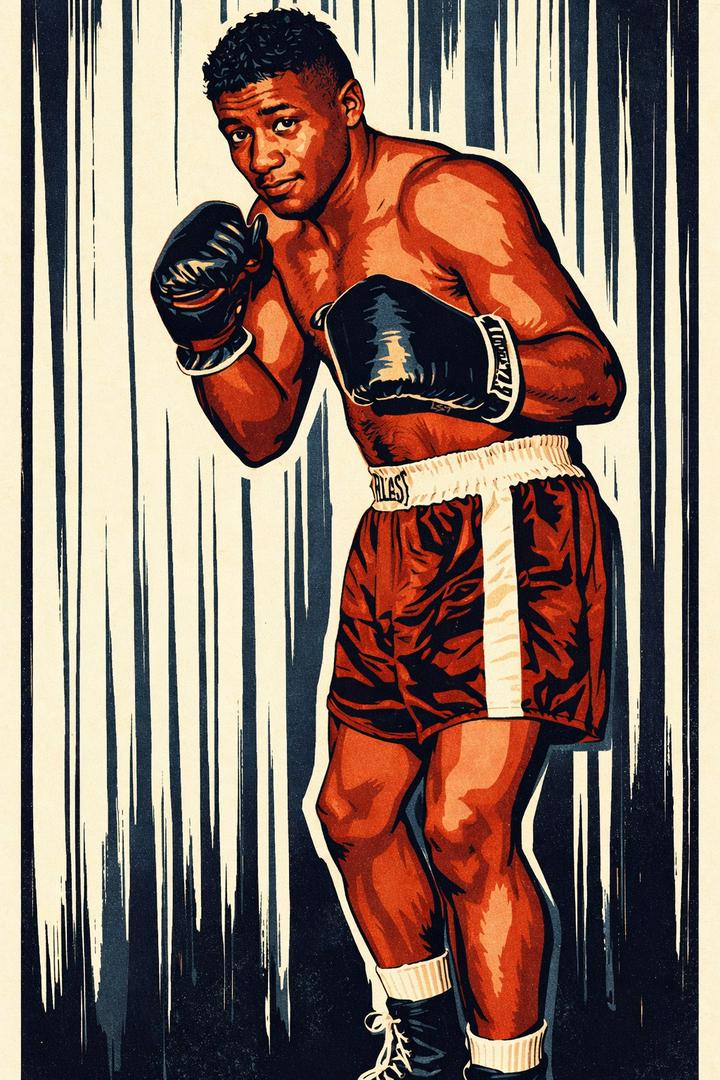
January 4 marks the birth of Floyd Patterson, born January 4, 1935, a champion whose legacy is often quieter than it deserves to be. Patterson rose from a troubled childhood to become the youngest heavyweight champion in boxing history at just 21 years old, a record that stood for decades. He wasn’t loud, cruel, or theatrical. He fought with precision, speed, and discipline, representing an older tradition of boxing rooted in craft rather than spectacle. In a sport that rewarded intimidation, Patterson carried himself with humility, which made him both admired and misunderstood. His career is often framed around his losses to Sonny Liston, but that framing misses the larger truth. Patterson became the first heavyweight champion in history to lose the title and later reclaim it, a feat that required resilience most champions never have to test. Outside the ring, he was thoughtful and deeply affected by criticism, yet he continued to fight, train, and show up anyway. Floyd Patterson proved that strength does not always announce itself and that greatness does not require cruelty to be real. January 4 is not empty history. It belongs to a man who showed that dignity could survive even in the most unforgiving arena. #January4 #OnThisDay #FloydPatterson #BoxingHistory #HeavyweightChampion #SportsHistory #AmericanHistory #BlackHistory #Legacy #Resilience

LataraSpeaksTruth

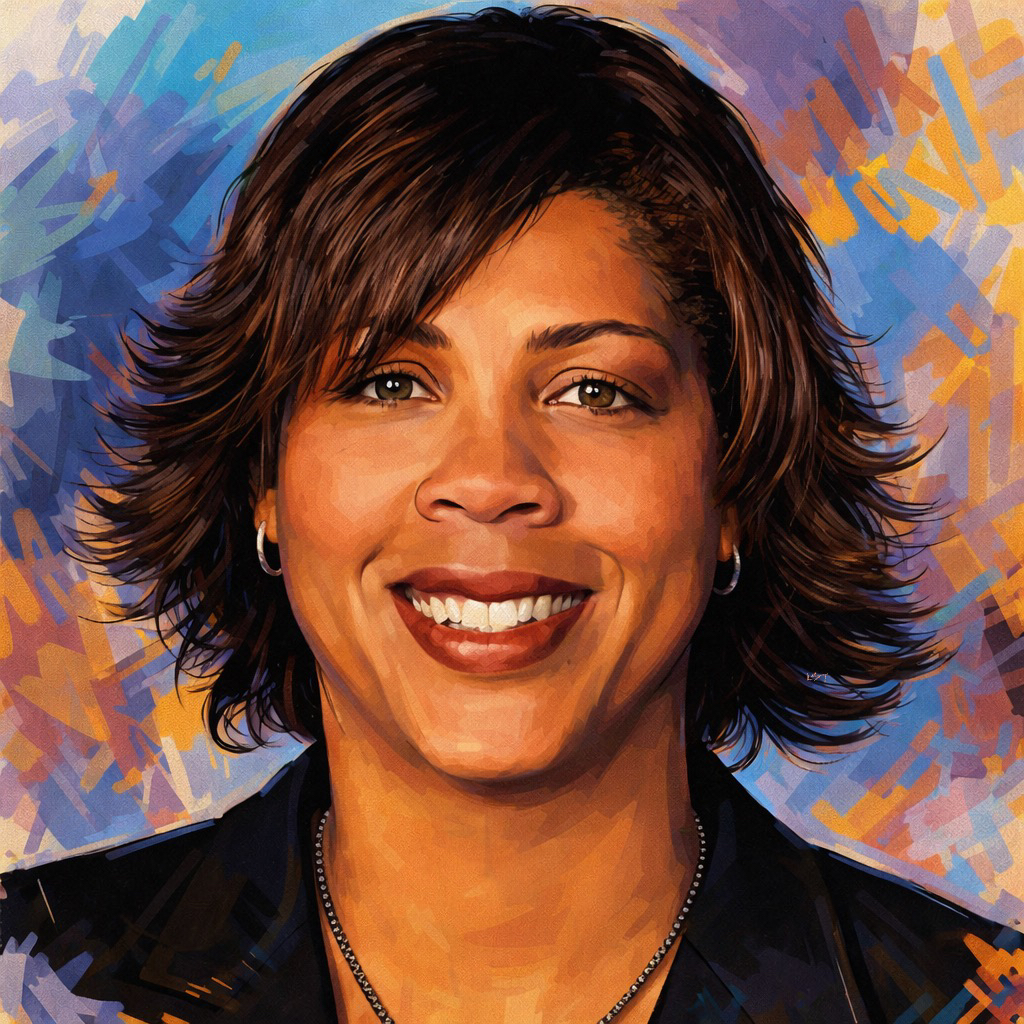
Happy Birthday to Cheryl Miller, born January 3, 1964…one of the most dominant basketball players to ever touch the floor, period. Before the WNBA even existed, Cheryl Miller was already redefining what excellence looked like in women’s sports. She didn’t ask for space in the game. She took it. At USC, she led the Trojans to two NCAA championships and three straight national title games, earning National Player of the Year honors three times. Her scoring, rebounding, defense, and court vision weren’t just elite for women’s basketball…they were elite, full stop. The records she set didn’t age poorly. They still stand because dominance like that isn’t common. On the international stage, she helped lead Team USA to Olympic gold medals in 1984 and 1988, representing the country with the same intensity and control she showed at every level of the game. And when injuries cut her playing career short, she didn’t disappear. She transitioned into coaching, broadcasting, and advocacy, continuing to shape the sport from the sidelines and the mic. Cheryl Miller’s influence shows up every time women’s basketball is taken seriously. In every player who plays with confidence instead of apology. In every conversation about why women athletes deserve equal respect, coverage, and investment. She didn’t benefit from the system. She helped build it. Flowers are overdue. Respect is permanent. Happy Birthday, legend. #CherylMiller #WomensBasketball #BasketballHistory #SportsLegends #USCBasketball #OlympicGold #Trailblazer #WomenInSports #HallOfFame #OnThisDay #SportsHistory #LataraSpeaksTruth

LataraSpeaksTruth

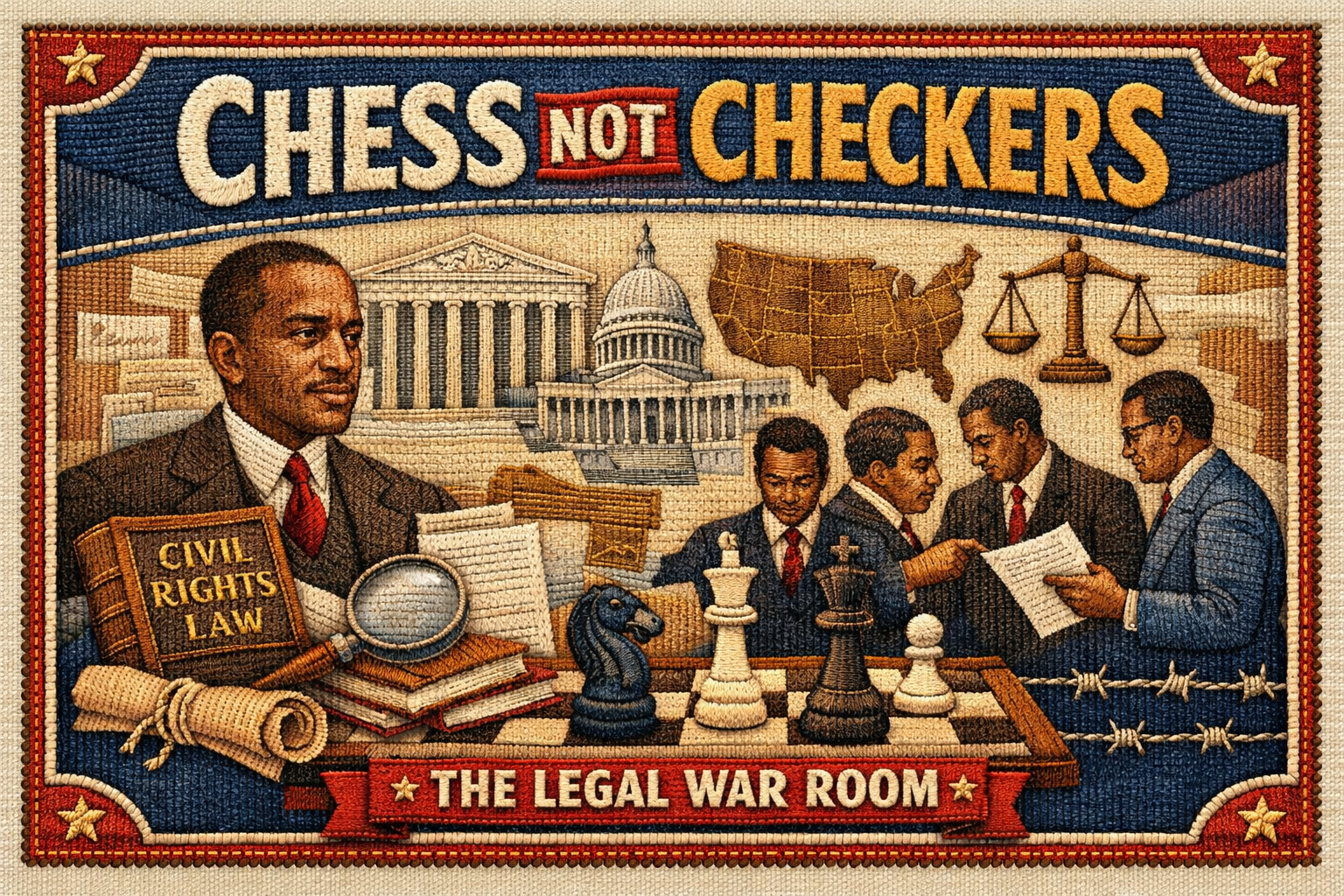
January 1, 1931 marks a quiet but serious turning point in American history. Charles Hamilton Houston becomes vice-dean of Howard University School of Law and almost immediately reshapes it into something more than a classroom. He builds a legal training ground with a single purpose: strategy. Houston understood that segregation would not fall simply because it was unjust. It would fall only if it could be proven unconstitutional. So he trained lawyers to work with discipline and precision, to identify weaknesses in the law, document inequality in detail, and build cases strong enough to force the courts to act. This was not protest law. It was methodical law. Students were sent into the South to gather evidence, photograph conditions, interview communities, and expose how “separate but equal” failed in practice. Houston demanded excellence because he knew the stakes. Courts move slowly and only when the record leaves them no alternative. That strategy later became the legal foundation for cases like Brown v. Board of Education. Lawyers such as Thurgood Marshall did not emerge by chance. They were shaped by years of deliberate training and long-term planning. January 1, 1931 reminds us that some of the most important changes in history do not arrive with noise. They begin quietly, in classrooms, with patience, discipline, and a clear understanding of how power actually works. #January1 #OnThisDay #AmericanHistory #LegalHistory #HowardUniversity #CivilRightsHistory #BlackHistory #LongGame #QuietPower

LataraSpeaksTruth

January 1, 1958 marks the birth of Grandmaster Flash, one of the early figures who helped shape how hip hop works at a technical level. Hip hop did not come together by accident. It developed because DJs in the Bronx were experimenting with sound, timing, and equipment to keep crowds moving and engaged. Flash was part of that generation that treated DJing as a craft rather than simple record playback. Working with two turntables and a mixer, he helped refine techniques that allowed DJs to extend breakbeats, control tempo, and maintain energy. By isolating and repeating the most rhythmic sections of records, he created longer spaces for MCs to perform and for dancers to respond. These methods required precision, quick hands, and careful listening. The turntable became an instrument because DJs needed it to do more than play songs straight through. Flash’s approach emphasized control and structure. Timing mattered. Cueing mattered. Transitions mattered. Those technical choices helped establish the foundation for later developments in DJing and MC performance. As hip hop grew, those early methods influenced how crews formed, how battles sounded, and how live performances were organized. The relationship between the DJ and the MC depended on that control of sound. Hip hop culture is often discussed in terms of expression and style, but it is also built on technique and problem solving. Early DJs were working without formal training or industry support, learning through trial, error, and observation. Flash’s contributions sit within that broader context of innovation, where practical solutions shaped the direction of the culture. Remembering his birthday is a reminder that hip hop history is made up of specific people, moments, and decisions. The sound, structure, and flow of the culture today trace back to those early rooms where DJs figured out how to make limited tools do more than they were designed to do. #January1 #OnThisDay #HipHopHistory #GrandmasterFlash

LataraSpeaksTruth

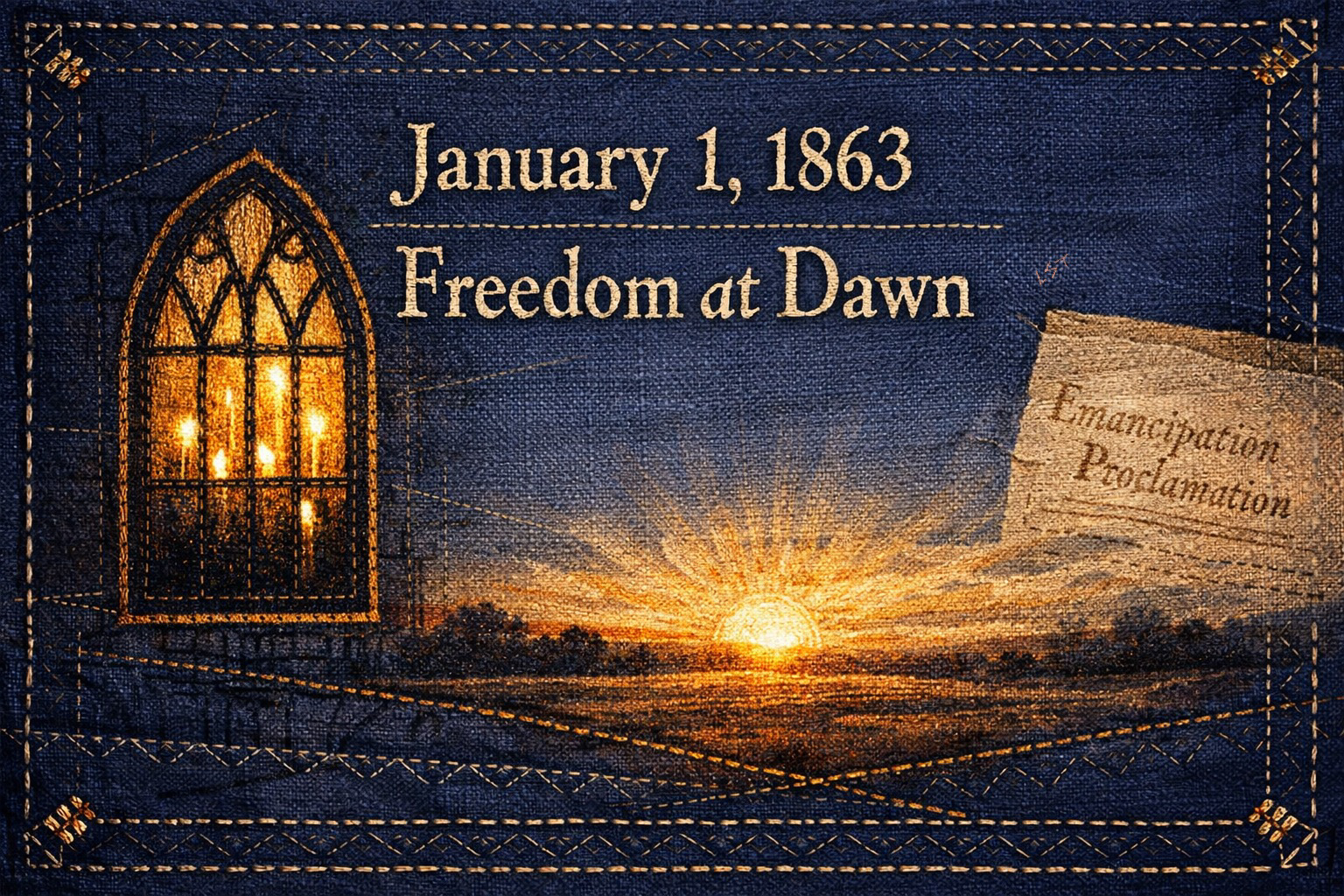
January 1, 1863 marked a turning point that was as complicated as it was historic. On that morning, the Emancipation Proclamation took effect under President Abraham Lincoln. It declared freedom for enslaved people in states still in rebellion against the Union. It did not apply everywhere. It did not free everyone. It did not end slavery outright. But it cracked the foundation of a system that had defined the nation for over two centuries. The night before, Black communities gathered for Watch Night services. Churches filled with people praying, singing, and waiting through midnight. This was not passive hope. It was survival sharpened by experience. Families knew freedom on paper did not guarantee safety in practice. Still, they watched the clock because symbolism matters. Timing matters. Midnight mattered. At dawn, freedom existed in law. By dusk, reality complicated it. Enforcement depended on Union military presence, and in many places Confederate control remained firm. Many enslaved people remained in bondage. Others faced retaliation, displacement, or danger as they moved toward Union lines. The proclamation was limited by design, framed as a wartime measure rather than a universal declaration. Even so, it transformed the Civil War. The fight was no longer only about preserving the Union. It became explicitly tied to ending slavery. It opened the door for Black men to serve in the Union Army and reframed enslaved people from property to persons in federal policy. It also signaled to the world that the United States had tied its war effort to a moral reckoning, however incomplete. January 1, 1863 was not the end of slavery. That came later, unevenly and violently, with resistance that still echoes today. But it was a hinge moment. A night of prayer turned into a morning of possibility. Freedom arrived at dawn on paper, by dusk in fragments, and only became real through human courage. #OnThisDay #January1 #EmancipationProclamation #WatchNight #BlackHistory

LataraSpeaksTruth

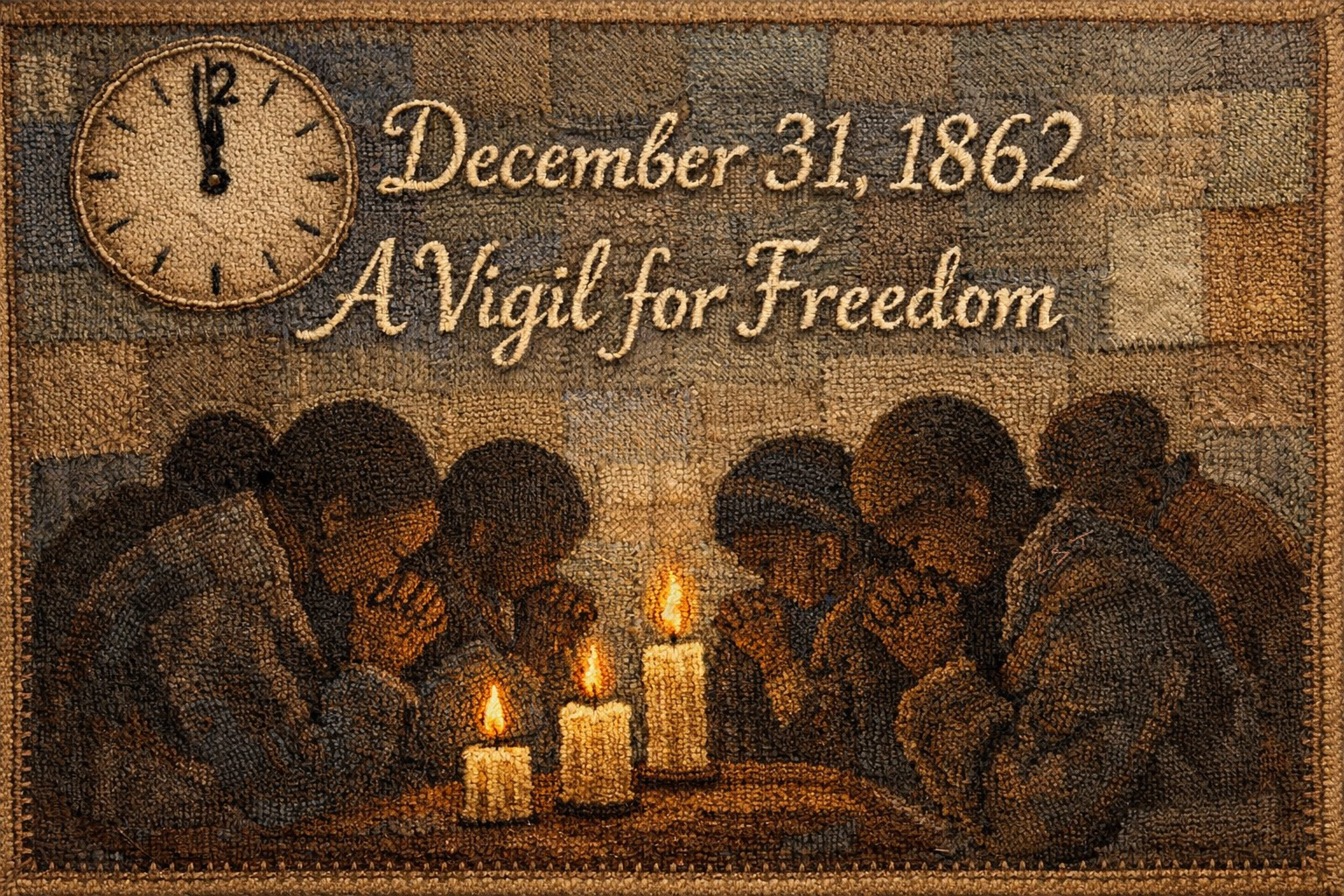
December 31, 1862 marked a night of waiting across the United States. In enslaved quarters, free Black neighborhoods, and church sanctuaries, African Americans gathered, knowing that something promised had not yet arrived. The Emancipation Proclamation was set to take effect at midnight, but until the calendar turned, freedom still existed only as words on paper. These gatherings were not uniform celebrations. Many were vigils. People prayed, sang hymns, and watched the clock, shaped by a history that taught caution toward promises made by the federal government. Some had heard rumors; others listened as newspaper notices were read aloud. Many understood that even once the proclamation became law, its reach would be uneven and its enforcement uncertain. President Abraham Lincoln had signed the final version of the Emancipation Proclamation earlier that month, explicitly tying emancipation to the Civil War effort. It declared freedom only for enslaved people in states still in rebellion, excluding loyal border states and areas already under Union control. Freedom, even in its announcement, was conditional and strategic. Still, December 31 carried deep meaning. It marked the closing hours of a system that had defined generations of Black life through bondage, even if it did not immediately dismantle it everywhere. Families held hands knowing the next day might not change their circumstances, but it signaled a shift in how slavery was justified and defended by law. When midnight arrived and January 1, 1863 began, there were no official ceremonies or guarantees of safety. In some places there were tears and songs; in others, quiet resolve. What united these moments was the understanding that freedom would not arrive fully formed. It would have to be claimed, defended, and fought for. December 31, 1862 reminds us that liberation often begins in waiting..: and in choosing to believe change is possible before it becomes real. #OnThisDay #December31 #Emancipation
LataraSpeaksTruth

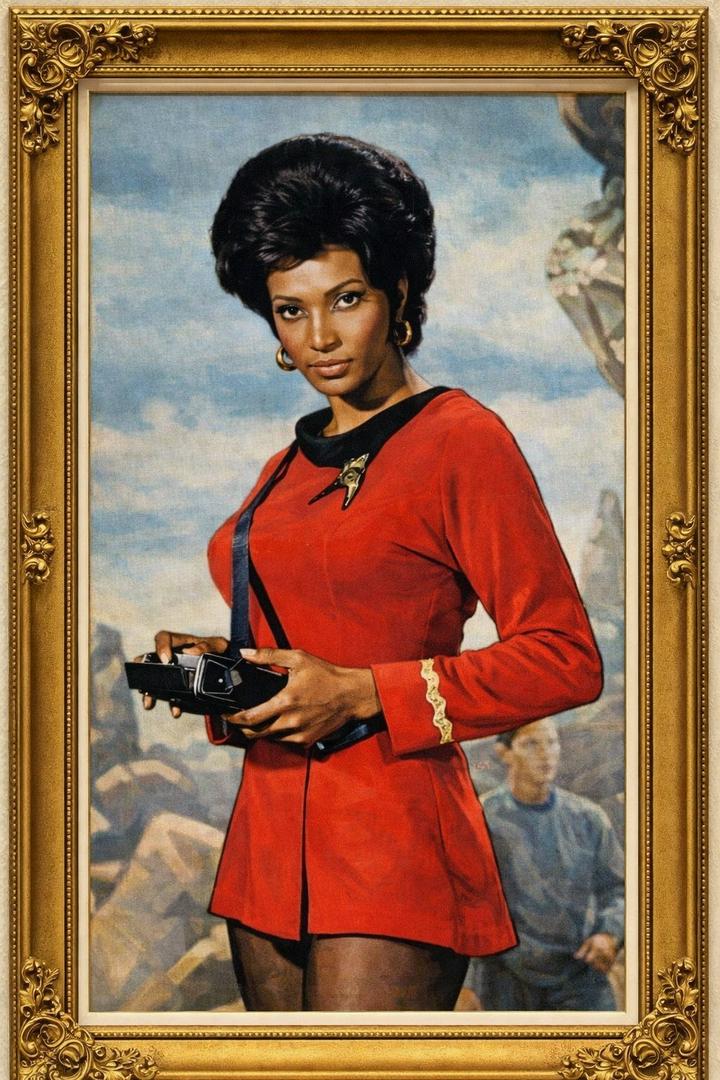
Nichelle Nichols was born December 28, 1932, and her impact reaches far beyond television credits. Best known for portraying Lieutenant Uhura on Star Trek, she didn’t just appear on the bridge…she changed who was allowed to imagine themselves there. At a time when roles for Black women were narrow and dismissive, Uhura was intelligent, authoritative, and essential, not a stereotype, not a side note. Behind the scenes, Nichols worked directly with NASA in the 1970s, helping recruit women and people of color into the space program, influencing a generation of scientists, engineers, and astronauts who would later say they saw themselves because of her. Her birthday lands quietly, but her legacy doesn’t whisper. It sits at the intersection of media, representation, science, and possibility, stitched into the fabric of modern culture whether people realize it or not. December 28 isn’t just a birthday…it’s a reminder that visibility, when done right, can change the future. #NichelleNichols #December28 #OnThisDay #BlackHistory #BlackHollywood #TelevisionHistory #StarTrek #Uhura

LataraSpeaksTruth

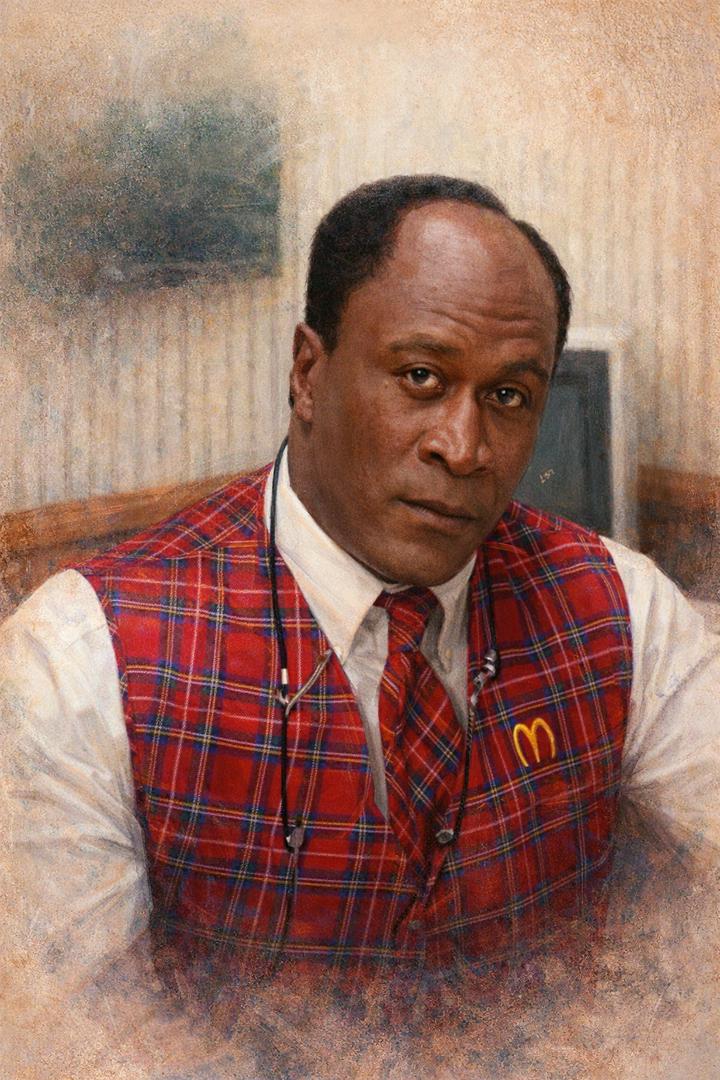
Happy Heavenly Birthday to John Amos, born December 27, 1939. John Amos represented a kind of strength that didn’t ask for applause. It stood firm, spoke plainly, and carried weight whether the room was listening or not. His presence on screen wasn’t loud, but it was unmistakable…solid, principled, and deeply human. Many first met him as James Evans on Good Times, a role that reshaped how working-class Black fathers were portrayed on television. Amos insisted on dignity, consistency, and realism at a time when those qualities were often written out or softened for comfort. That insistence cost him professionally, but it cemented his legacy. He chose truth over ease, even when the industry pushed back. His reach went far beyond one role. In Roots, Amos brought gravity and humanity to Kunta Kinte, anchoring one of the most important television events in American history. And years later, in Coming to America, he showed another side of that same authority as Cleo McDowell…a proud, hardworking father whose booming voice and unforgettable presence made the character iconic. Even in comedy, Amos carried command. He didn’t disappear into roles…he defined them. John Amos built a career on credibility. He didn’t chase likability. He earned respect. His characters reflected responsibility, boundaries, and backbone…qualities that still resonate because they were never performative. Today, his work continues to speak for him. The roles remain. The standard remains. And the impact remains long after the credits roll. #JohnAmos #ComingToAmerica #GoodTimes #Roots #TelevisionHistory #FilmHistory #ClassicCinema #BlackHollywood #OnThisDay #December27 #HeavenlyBirthday

LataraSpeaksTruth

Johnny Ace rose in rhythm and blues not through volume or spectacle, but through restraint. Born John Marshall Alexander Jr. in 1929, he emerged from Memphis with a voice that felt personal, almost private. Soft. Steady. Emotionally direct. While others performed big, Johnny Ace stood still and let the feeling speak. Songs like My Song, Cross My Heart, and The Clock connected deeply because they carried vulnerability. No performance tricks. Just longing, heartbreak, and honesty. By his early twenties, he had multiple hit records and a national audience. He proved quiet could still reach far. On Christmas Day 1954, Johnny Ace died backstage at a concert in Houston, Texas. He was only 25. His death shocked Black communities across the country. Radio stations reportedly paused regular programming as his music filled the airwaves. A day of celebration became one of mourning. Remembering Johnny Ace is not only about loss. It is about honoring a voice that helped shape the emotional foundation of R&B and soul, music that has always held joy and sorrow at the same time. #JohnnyAce #RNBHistory #MusicHistory #OnThisDay #December25 #BlackMusic #CulturalMemory #Remembering

Tag: OnThisDay - Page 9 | LocalAll