1/1

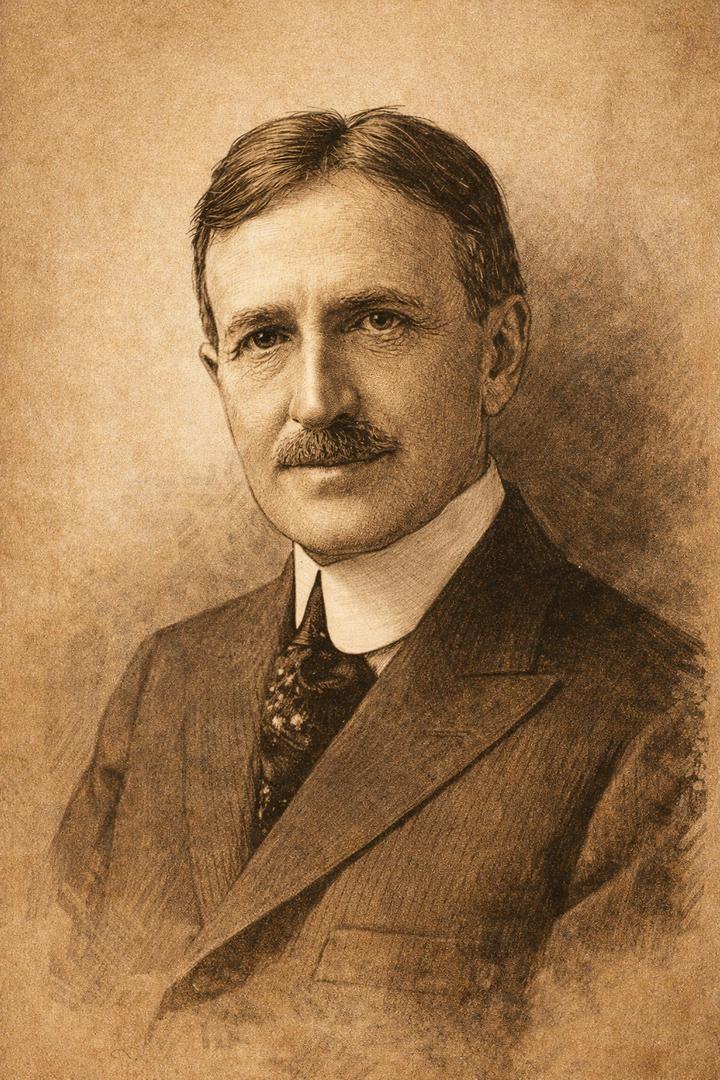
December 20, 1868 marks the birth of Harvey Firestone, an American industrialist best known for founding the Firestone Tire and Rubber Company. Firestone was not a Black American, but his relevance to Black history is tied to the influence he exercised during a critical period of educational development in the early twentieth century. Firestone formed a professional relationship with Booker T. Washington, one of the most influential Black educators of the era. Washington promoted industrial education and economic self reliance as practical strategies for advancement within a segregated society. Firestone supported this philosophy through financial contributions and public advocacy, particularly in support of Tuskegee Institute. At a time when Black educational institutions were consistently underfunded, private donations often determined whether schools could expand programs or continue operating at all. Firestone’s backing helped strengthen Tuskegee’s vocational and industrial training initiatives, which emphasized skilled trades and applied learning. These programs prepared students for economic participation during an era when access to professional opportunities was severely restricted. This relationship reflects a broader historical reality. Progress frequently depended on decisions made behind the scenes by individuals who held financial power and social access. While such support did not challenge segregation directly, it helped build durable educational infrastructure that served generations of Black students. In this context, Firestone’s legacy is not one of leadership but of influence. His role illustrates how quiet financial support helped shape access and opportunity during a formative chapter in American history. #OnThisDay #BlackHistoryContext #EducationHistory #TuskegeeInstitute #AmericanHistory
Tuskegee, Alabama • 2025-12-21

Maxwell
this chick never provides footnotes. 🤔🤔🤔
12-26
Reply

SedyRedy
💯🎄🎁🌞🫡👊🙏👼⛄
12-21
Milwaukee, WI
Reply
More comments ...
write a comment...