Tag Page OnThisDay

#OnThisDay
LataraSpeaksTruth

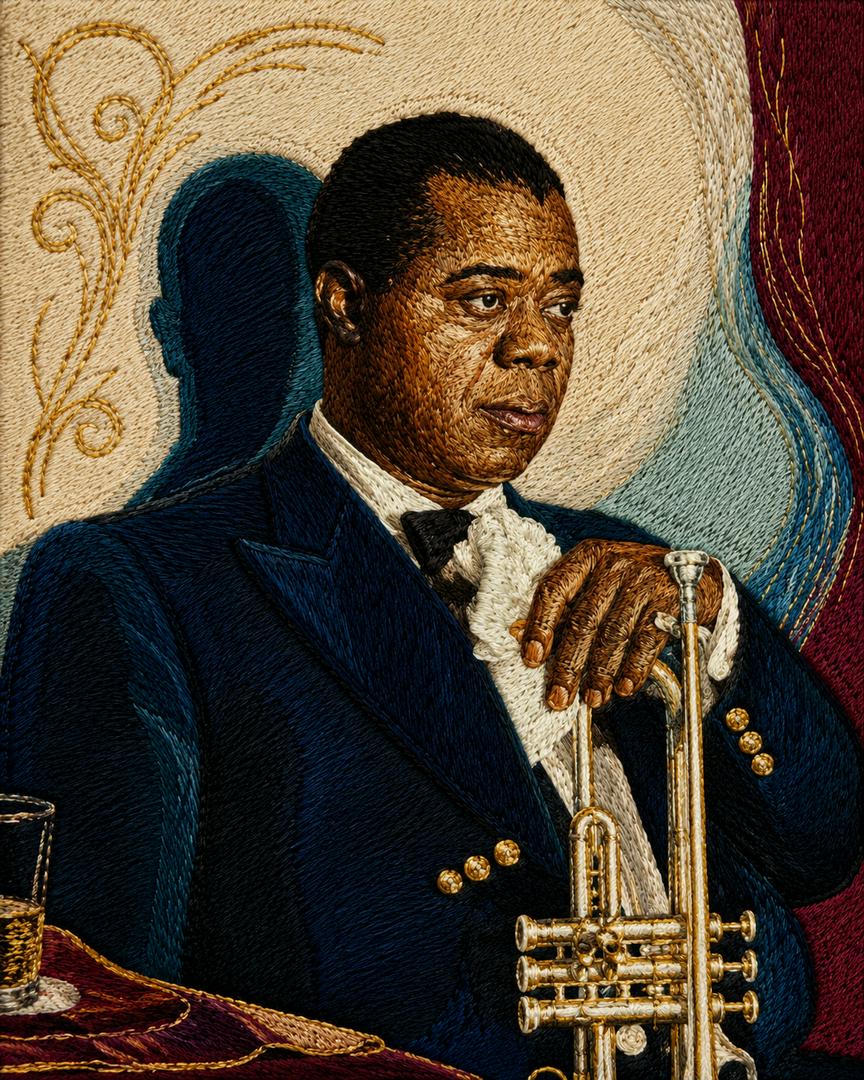
On May 9, 1964, Louis Armstrong reminded America that legends do not always leave quietly. That day, his recording of “Hello, Dolly!” reached No. 1 on the U.S. pop chart, ending The Beatles’ run at the top during the height of Beatlemania. At the time, The Beatles were dominating music and pop culture, but Armstrong, already a giant in jazz, stepped back into the spotlight and made history. Armstrong was in his sixties when “Hello, Dolly!” became a hit. That made the moment even more powerful. Popular music often treats older artists like their time has passed, but Armstrong proved that legacy still had rhythm, timing, and power. His success was not just a fun chart surprise. It was a reminder of how deeply Black musicians shaped American sound long before rock and pop became global industries. Armstrong’s trumpet playing, gravelly voice, stage presence, and musical style helped influence generations of performers. So when “Hello, Dolly!” knocked The Beatles out of the No. 1 spot, it felt bigger than one song. It was the old guard tapping the new era on the shoulder and saying, do not forget where this music came from. The song later earned major Grammy recognition, with Jerry Herman winning Song of the Year for “Hello, Dolly!” as recorded by Armstrong. Louis Armstrong did not need to prove he was important. He already was. But on May 9, 1964, he gave the world one more reminder. Sometimes history does not whisper. Sometimes it smiles, lifts a horn, and takes No. 1. #BlackHistory #LouisArmstrong #MusicHistory #OnThisDay #JazzHistory

LataraSpeaksTruth

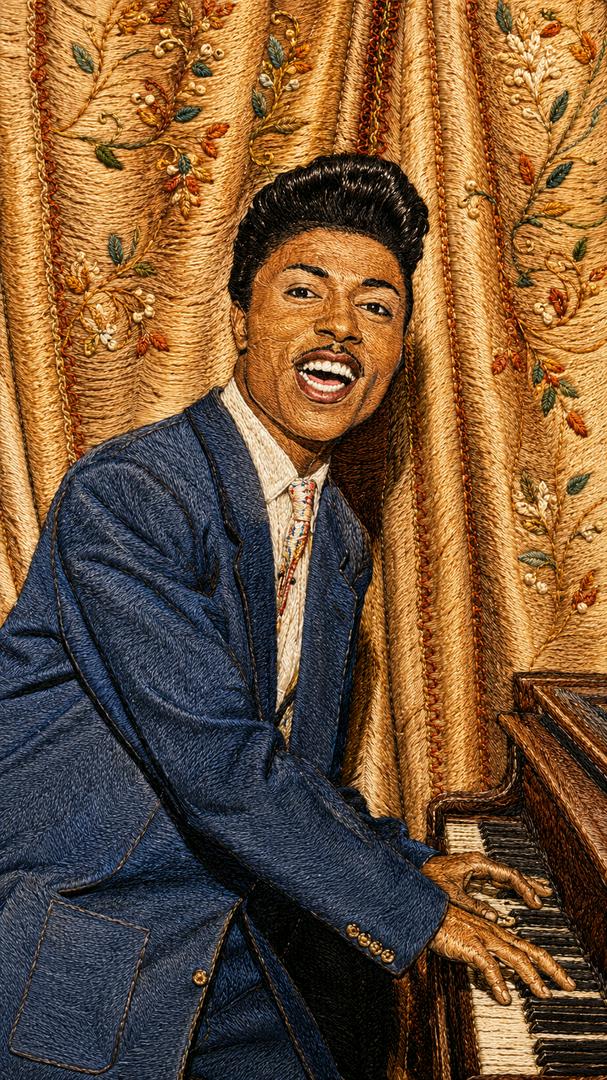
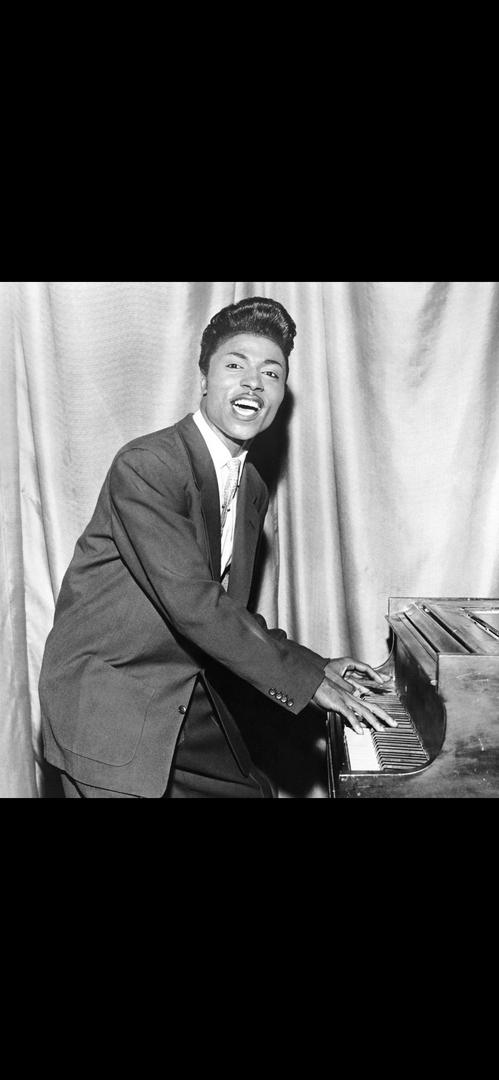
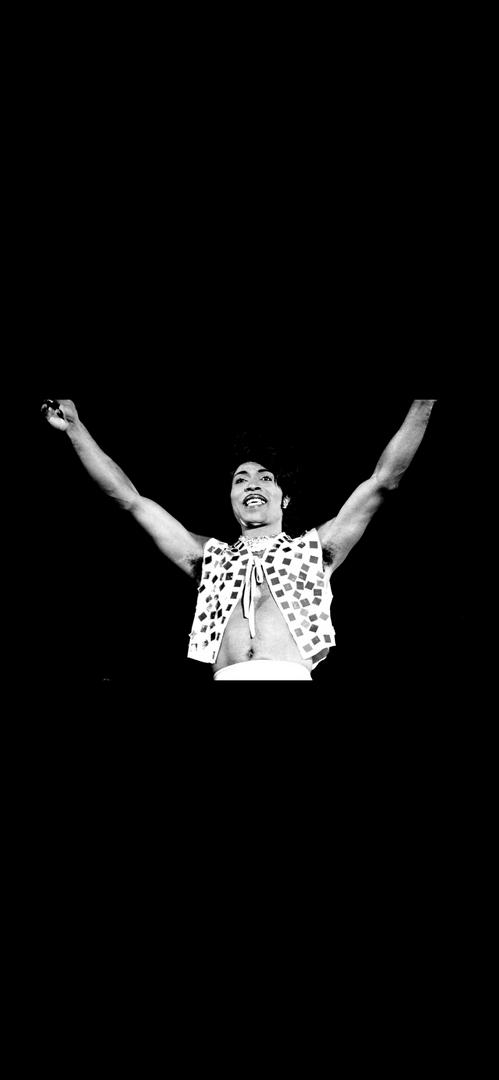
On May 9, 2020, Little Richard died at the age of 87, leaving behind one of the loudest, boldest, and most influential legacies in American music. Born Richard Wayne Penniman, Little Richard became one of the architects of rock and roll. Before the genre became polished, packaged, and sold across the world, he helped make it wild, urgent, and impossible to ignore. His voice did not simply enter a song. It exploded through it. With gospel fire, rhythm and blues roots, and a performance style full of electricity, Little Richard helped shape the sound of a new era. Songs like “Tutti Frutti,” “Long Tall Sally,” and “Good Golly Miss Molly” became more than hit records. They helped define the early spirit of rock and roll. His sound influenced generations of artists across rock, soul, funk, pop, and beyond. His story also reminds us of something important. Black artists were not just participants in rock and roll. They were builders of it. The music grew from Black traditions, including gospel, blues, rhythm and blues, and boogie-woogie. Little Richard brought those sounds together with a style that was loud, dramatic, joyful, and fearless. He was flashy. He was funny. He was spiritual. He was complicated. He challenged what performers were expected to look like, sound like, and act like. He was not trying to blend in. He was the lightning strike. Even when others became more commercially celebrated, his influence remained underneath the music. You can hear pieces of Little Richard in artists who came long after him. Little Richard did not just sing rock and roll. He helped give it a face, a scream, a rhythm, and an attitude. On May 9, we remember the man who made music louder, freer, and impossible to sit still through. #BlackHistory #LittleRichard #RockAndRollHistory #OnThisDay #MusicLegends
LataraSpeaksTruth

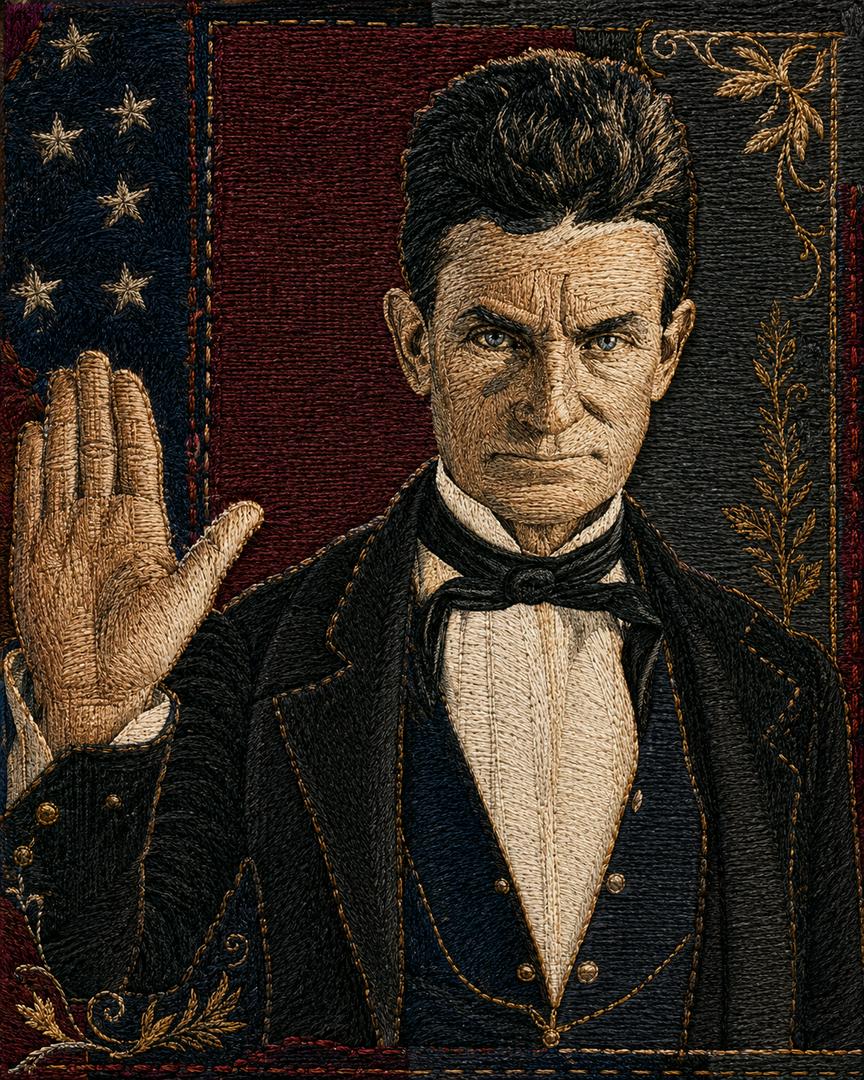
On May 9, 1800, John Brown was born. His name remains one of the most debated names in American abolition history. Brown was a white abolitionist, but his story is deeply connected to Black history because he did not view slavery as a political disagreement. He saw it as a violent system that had to be confronted. At a time when many people opposed slavery with careful speeches, petitions, and gradual arguments, Brown took a much harder position. He believed slavery was an emergency. He supported anti-slavery work, helped people escaping bondage, and became known for his willingness to fight the system directly. His most famous act came in 1859 with the raid on Harpers Ferry. Brown and his followers attempted to seize the federal armory in Virginia, hoping the weapons could help spark a larger uprising against slavery. The plan failed. Brown was captured, tried, and executed. But his death did not end the conversation. To some Americans, John Brown was dangerous and extreme. To others, especially those who understood the brutality of slavery, he was one of the few white men of his era willing to treat human bondage like the moral crisis it was. That is what makes his legacy so uncomfortable. His life forces a hard question: how far is someone willing to go when they claim to believe people should be free? John Brown did not simply oppose slavery in theory. He put his life on the line for that belief. His story is complicated, but it cannot be erased. In a country built on forced labor, profit, and human bondage, Brown became a symbol of resistance that polite society could not easily explain away. More than 160 years after his execution, his name still raises debate because he challenged America to look directly at slavery without softening the truth. #BlackHistory #JohnBrown #AbolitionHistory #OnThisDay #AmericanHistory

LataraSpeaksTruth

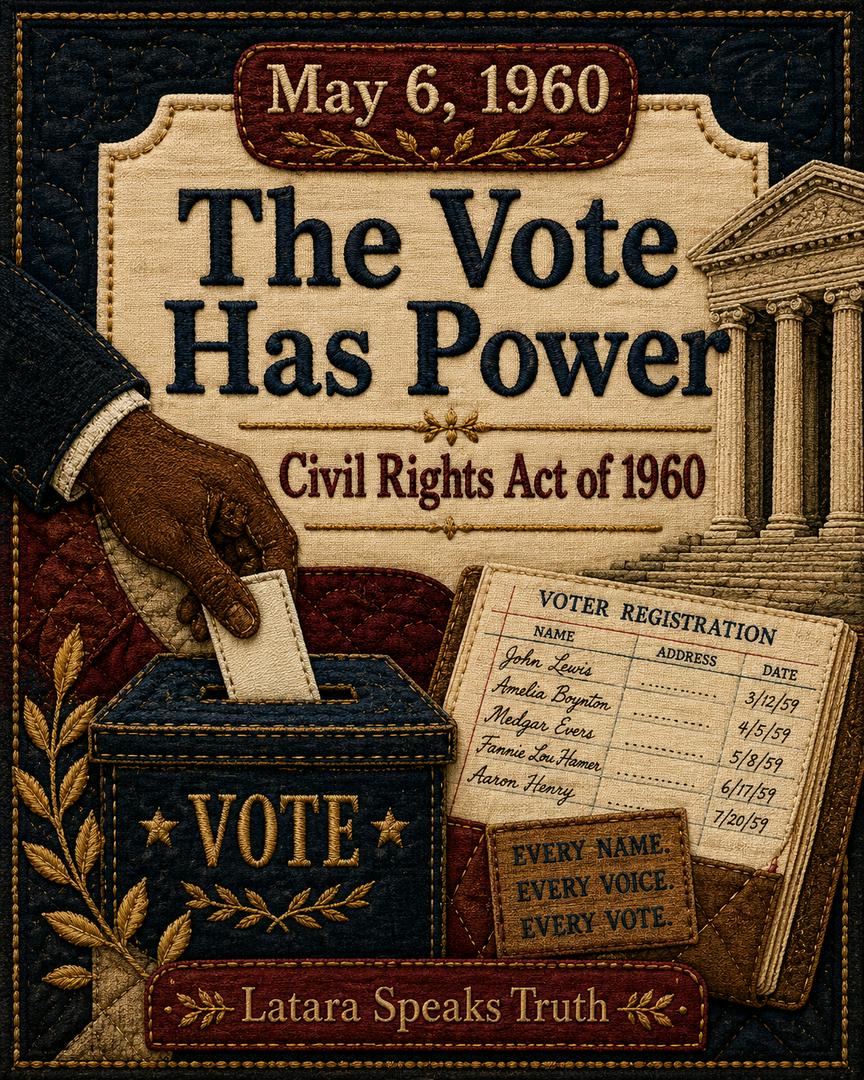
On May 6, 1960, President Dwight D. Eisenhower signed the Civil Rights Act of 1960 into law. The law did not end the fight for voting rights, but it exposed something this country already knew. Voter suppression was not random. Black citizens were being blocked, threatened, delayed, rejected, and intimidated when they tried to register and vote. The act gave the federal government more power to inspect local voter registration records. It required certain voting records to be preserved. It also allowed federal judges to appoint voting referees in places where people were being denied access to the ballot because of race. That detail matters. Voting rights did not become an issue yesterday. The struggle did not begin with today’s headlines. Long before modern debates over voter rolls, polling access, district lines, ID laws, and election rules, Black citizens were already fighting systems designed to keep their power contained. They knew exactly where Black power lived. It lived in the ballot box. It lived in registration lines. It lived in the simple but dangerous act of a person saying, I have a right to be counted here. The Civil Rights Act of 1960 was one step on a much longer road. It came after the Civil Rights Act of 1957 and before the Voting Rights Act of 1965. Each law tells the same truth in a different chapter: rights written on paper still have to be defended in real life. May 6 is not just a date in history. It is a reminder that the fight over voting rights has never really disappeared. It changes language. It changes paperwork. It changes courtrooms. But at the center of the fight, it is still the same. Who gets counted? Who gets heard? And who gets power? When people fight this hard to control who votes, they are admitting something without saying it out loud. The vote has power. And they have always known it. #BlackHistory #VotingRights #CivilRightsHistory #OnThisDay

LataraSpeaksTruth

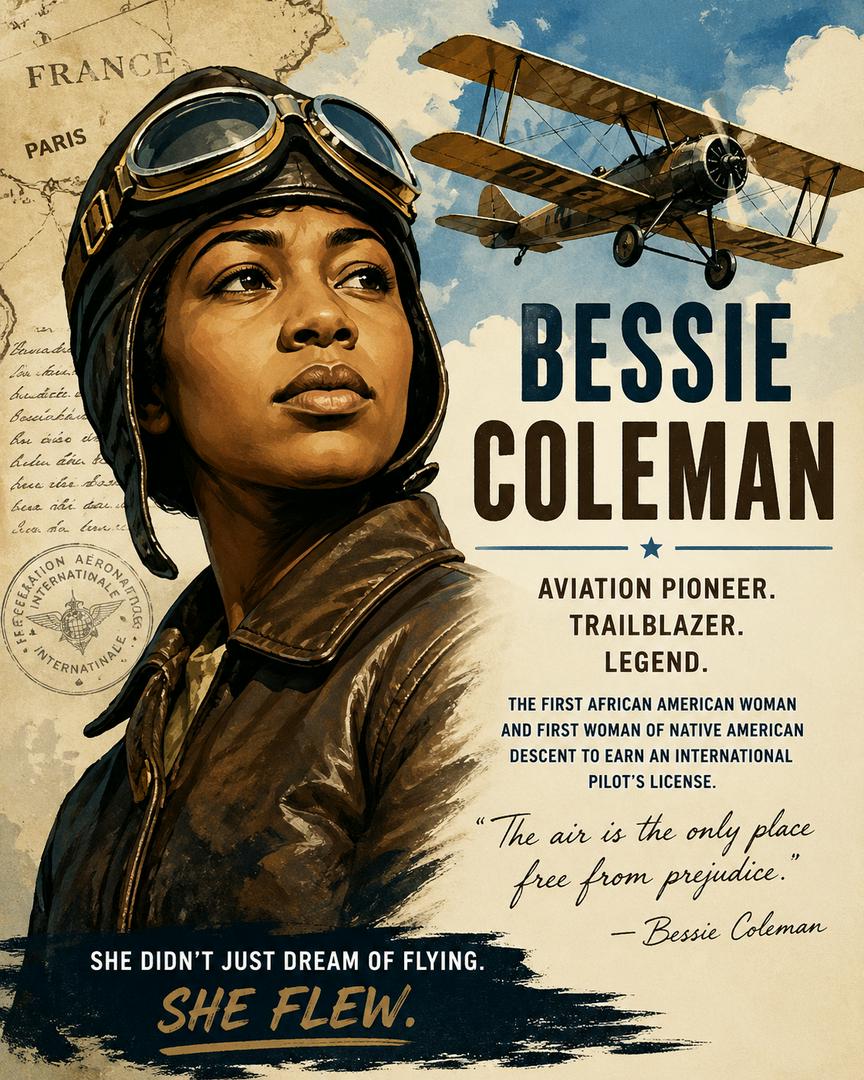
April 30, 1926, marked the tragic death of aviation pioneer Bessie Coleman, a woman who rose above poverty, racism, and sexism to make history in the sky. Coleman was born in Texas in 1892 and grew up during a time when Black Americans faced brutal segregation and limited opportunity. When she became interested in flying, American flight schools refused to train her because she was Black and a woman. Coleman did not quit. She learned French, saved money, gained support from Black leaders in Chicago, and traveled to France to chase the dream America tried to deny her. In June 1921, Coleman earned an international pilot’s license from the Fédération Aéronautique Internationale. She became the first African American woman and the first woman of Native American descent to hold a pilot’s license. Her achievement made her a symbol of courage and possibility. Known as “Queen Bess,” Coleman returned to the United States and became a barnstorming pilot, performing daring air shows before large crowds. She also used her fame to encourage other Black Americans to enter aviation. She refused to perform at venues that would not admit Black spectators, making her stand for dignity both in the air and on the ground. On April 30, 1926, Coleman was in Jacksonville, Florida, preparing for an air show scheduled for the next day. She was flying with mechanic William Wills when the plane suddenly went out of control. Coleman, who was not wearing a seat belt because she was looking over the side to scout the area, fell from the aircraft and died. Wills also died when the plane crashed. Bessie Coleman was only 34 years old. Her life ended in tragedy, but her legacy did not. She opened a path in aviation when the doors were locked, bolted, and guarded. Generations of pilots would later look to her as proof that the sky belonged to them, too. #BessieColeman #BlackHistory #AviationHistory #WomensHistory #OnThisDay

LataraSpeaksTruth

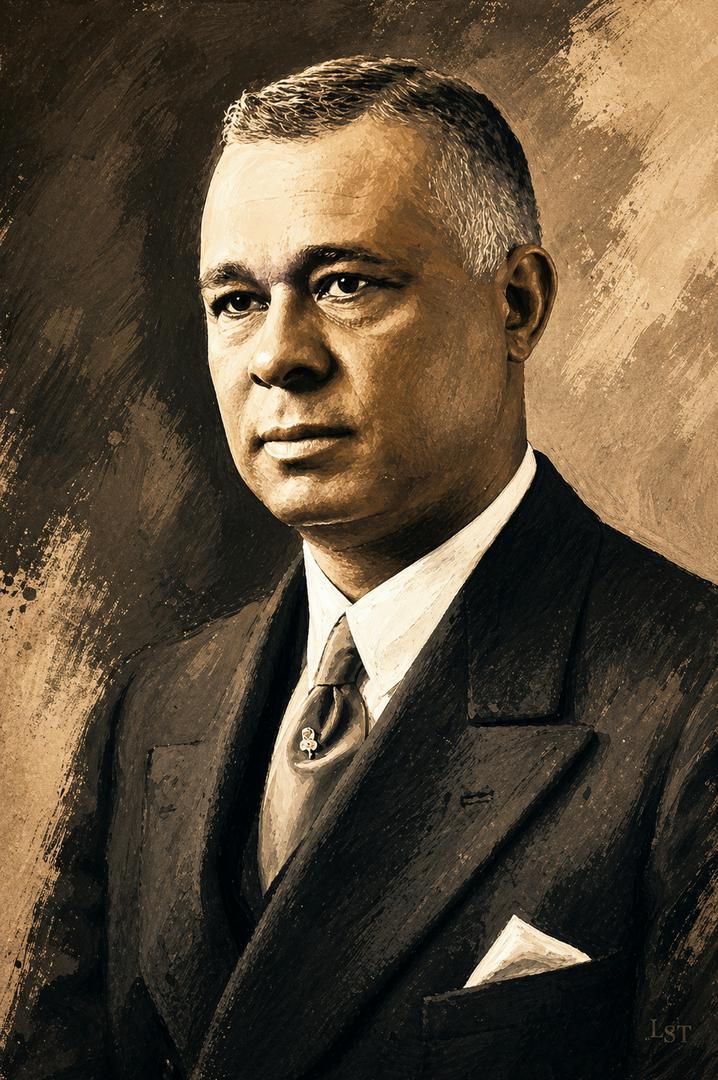
On April 28, 1941, the U.S. Supreme Court handed down a decision that pushed back against racial discrimination in interstate travel. The case centered on Arthur W. Mitchell, a U.S. representative from Illinois and the only Black member of Congress at the time. In April 1937, Mitchell purchased a first-class railroad ticket from Chicago to Hot Springs, Arkansas. But after the train crossed into Arkansas, he was ordered out of the Pullman car because he was Black. Mitchell had paid for first-class travel and offered to pay for the available Pullman seat. Instead, he was forced into a segregated car under threat of arrest. Rather than let the insult disappear into history, Mitchell challenged the treatment through the Interstate Commerce Commission and then the courts. In Mitchell v. United States, the Supreme Court ruled that the discrimination was unlawful under the Interstate Commerce Act. The Court said Black passengers who purchased first-class tickets were entitled to accommodations equal in comfort and convenience to those provided to white passengers. The ruling did not end segregation in America, but it mattered. It came years before Brown v. Board of Education, the Montgomery Bus Boycott, and the Civil Rights Act. Mitchell’s stand helped expose the cruelty and contradiction of Jim Crow in interstate travel. One man bought a ticket. The railroad tried to deny his dignity. The Supreme Court said the law could not excuse that unequal treatment. #BlackHistory #CivilRightsHistory #OnThisDay #SupremeCourt #ArthurMitchell

Brandon_Lee

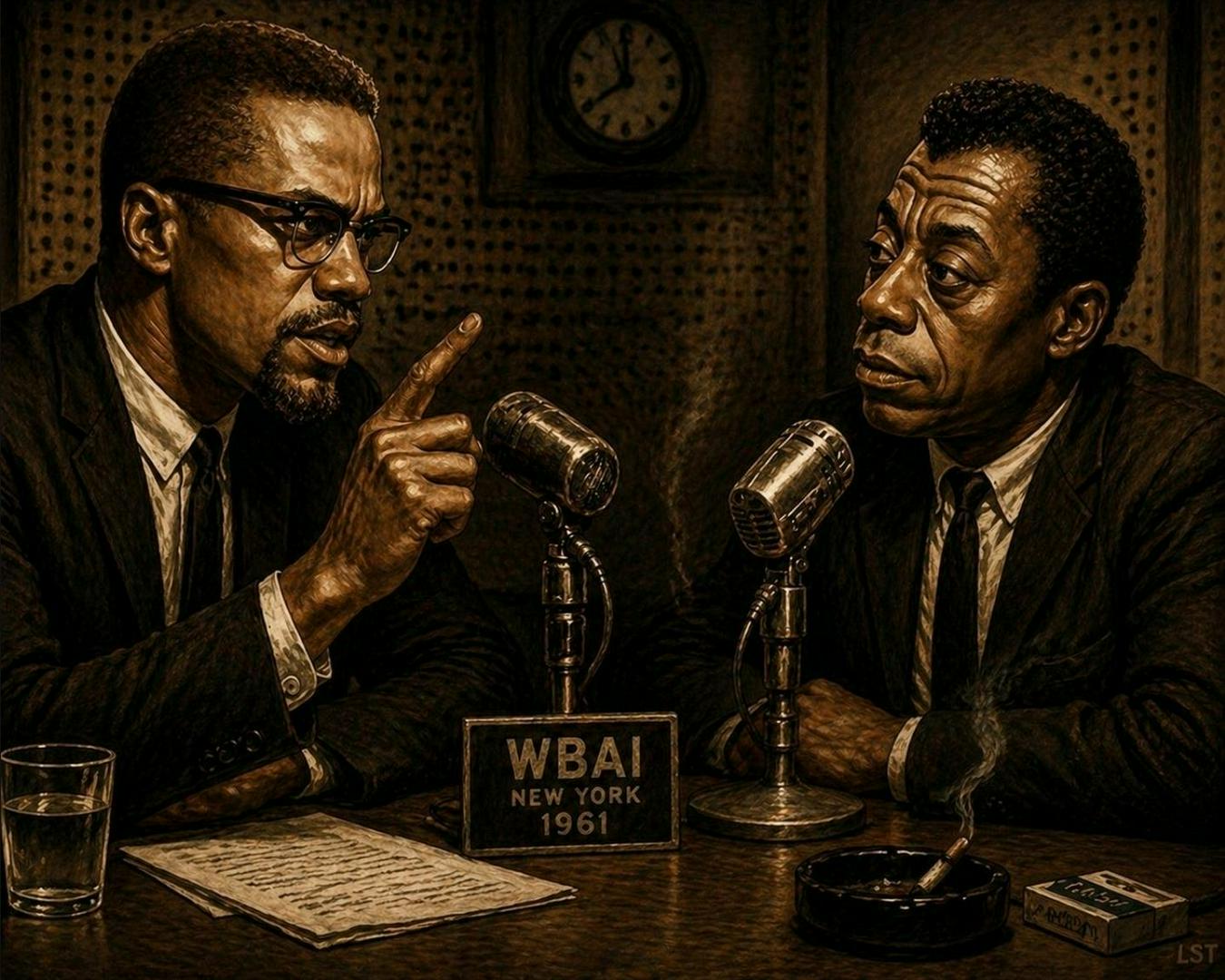
On April 25, 1961, Malcolm X and James Baldwin appeared in a WBAI radio broadcast in New York titled Black Muslims vs. the Sit-ins. The conversation also included Leverne McCummins. and it was not casual talk. It was a serious public exchange about racism, protest, integration, dignity, and what real freedom was supposed to mean in America At the time. sit-ins had become one of the most visible forms of protest against segregation. Young people were sitting at unch counters, refusina to move, and challenging a system that told them where they could eat, sit, learn, live, and belong. Malcolm X, speaking from the position of the Nation of Islam, challenged the idea that gaining access to spaces controlled by white societv should be treated as thehighest expression of freedom. His argument was not simplv about restaurants. It was about power. He questioned whether ntegration alone could solve a deeper problem rooted in racism, dependency, and control. James Baldwin brought another kind of weight to the discussion. Baldwin understood the moral violence of racism but he also understood the human cost of being forced to fight for basic recognition His voice often pushed bevond slogans and into the painful question underneath it all: what does America do to the people it refuses to fullv see? That is what made this exchange so mportant. It was not just a disagreement. It was a window into a larqer debate happening across the country. Should freedom mean access to the same public spaces, or should it meanself-determination beyond a system that had already proven itself hostile? More than six decades later, the conversation still hits because the questions were never small. Equality, power dentity, protest, and dignity were all sitting at that table Heavy hitters in one room. No small talk. No soft edges. Just truth beina tested out loud #MalcolmX #JamesBaldwin #OnThisDay #HistoryMatters #AmericanHistory

LataraSpeaksTruth

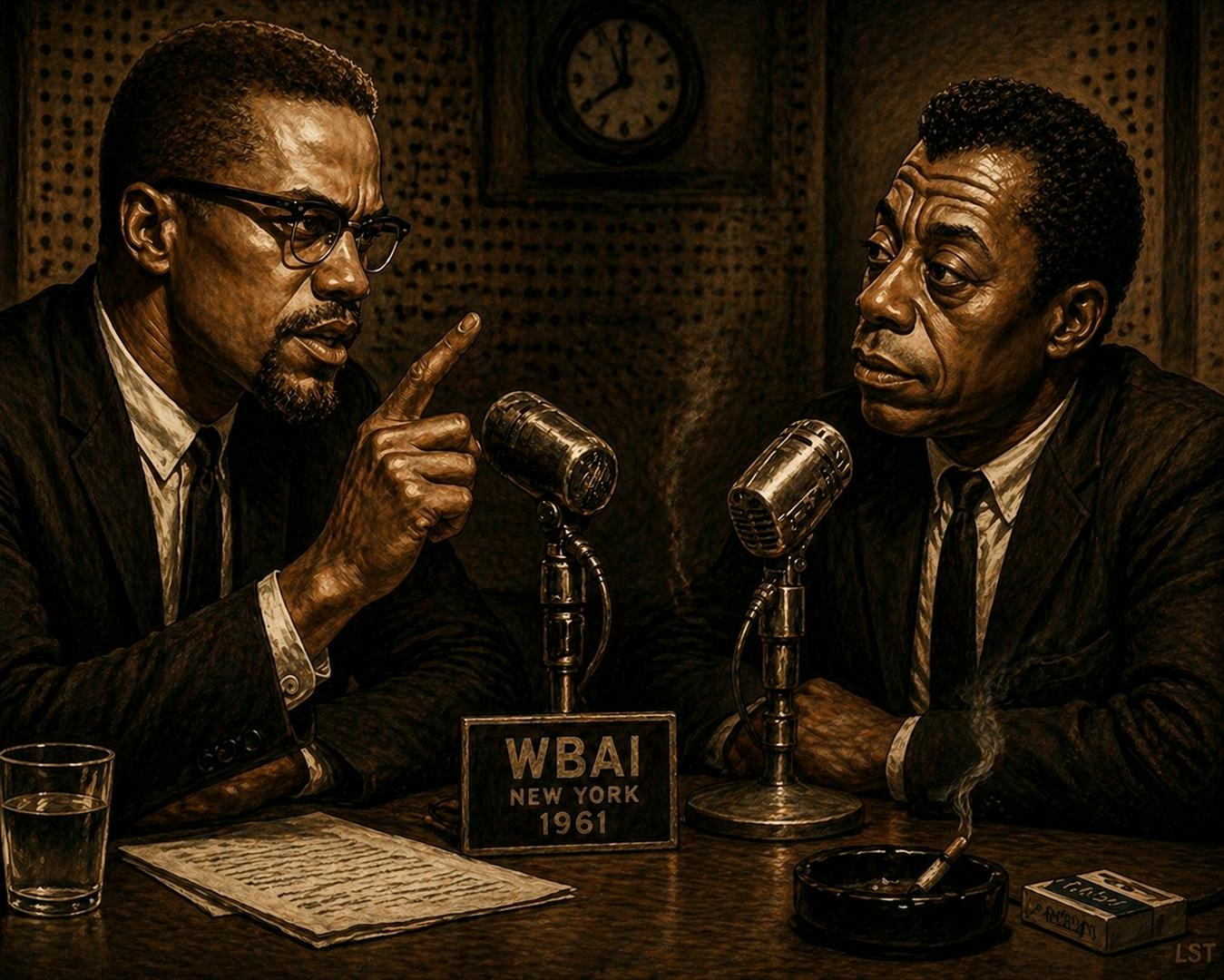
On April 25, 1961, Malcolm X and James Baldwin appeared in a WBAI radio broadcast in New York titled Black Muslims vs. the Sit-ins. The conversation also included Leverne McCummins, and it was not casual talk. It was a serious public exchange about racism, protest, integration, dignity, and what real freedom was supposed to mean in America. At the time, sit-ins had become one of the most visible forms of protest against segregation. Young people were sitting at lunch counters, refusing to move, and challenging a system that told them where they could eat, sit, learn, live, and belong. Malcolm X, speaking from the position of the Nation of Islam, challenged the idea that gaining access to spaces controlled by white society should be treated as the highest expression of freedom. His argument was not simply about restaurants. It was about power. He questioned whether integration alone could solve a deeper problem rooted in racism, dependency, and control. James Baldwin brought another kind of weight to the discussion. Baldwin understood the moral violence of racism, but he also understood the human cost of being forced to fight for basic recognition. His voice often pushed beyond slogans and into the painful question underneath it all: what does America do to the people it refuses to fully see? That is what made this exchange so important. It was not just a disagreement. It was a window into a larger debate happening across the country. Should freedom mean access to the same public spaces, or should it mean self-determination beyond a system that had already proven itself hostile? More than six decades later, the conversation still hits because the questions were never small. Equality, power, identity, protest, and dignity were all sitting at that table. Heavy hitters in one room. No small talk. No soft edges. Just truth being tested out loud. #MalcolmX #JamesBaldwin #OnThisDay #HistoryMatters #AmericanHistory

LataraSpeaksTruth

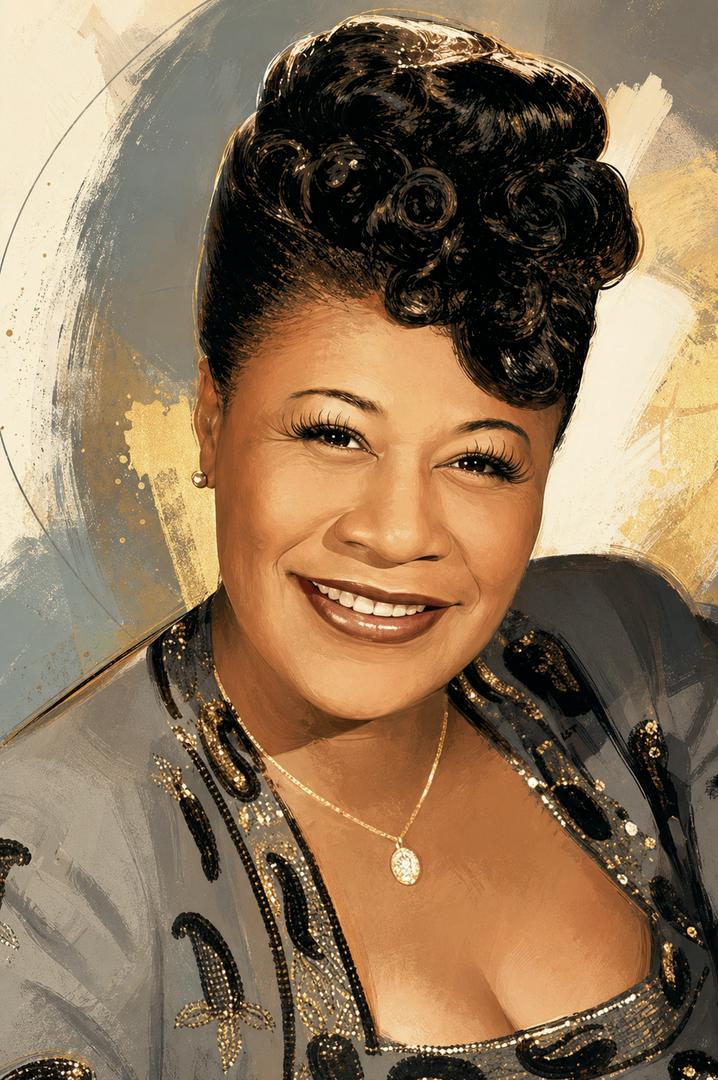
On April 25, 1917, Ella Fitzgerald was born in Newport News, Virginia. Long before the world called her the “First Lady of Song,” she was a young girl whose voice would eventually become one of the most recognizable sounds in American music. Fitzgerald’s rise was not built on image or gimmicks. It was built on talent, discipline, timing, and a voice that could move through jazz, swing, bebop, blues, and popular standards with ease. Her tone was clear. Her phrasing was smooth. Her control was almost unreal. She could take a song and make it feel brand new, even when people thought they already knew every note. She became especially known for scat singing, a vocal style where the singer uses sounds instead of words to improvise like an instrument. Ella did not just sing around the music. She became part of it. Her voice could dance with the band, answer the trumpet, challenge the rhythm, and still land softly enough to feel effortless. Over her career, Fitzgerald performed around the world and helped define what great jazz singing could sound like. Her work with the Great American Songbook introduced generations to classic American music, and her recordings remain a standard for vocal excellence. Ella Fitzgerald died in 1996, but her influence did not fade. Singers still study her. Jazz lovers still return to her recordings. And her name still stands beside the greatest voices this country has ever produced. Born in Virginia, raised through struggle, and remembered across the world, Ella Fitzgerald left behind more than songs. She left behind proof that a voice, when handled with grace and mastery, can become history. #EllaFitzgerald #JazzHistory #MusicHistory #AmericanMusic #OnThisDay

Freddy Gibbs

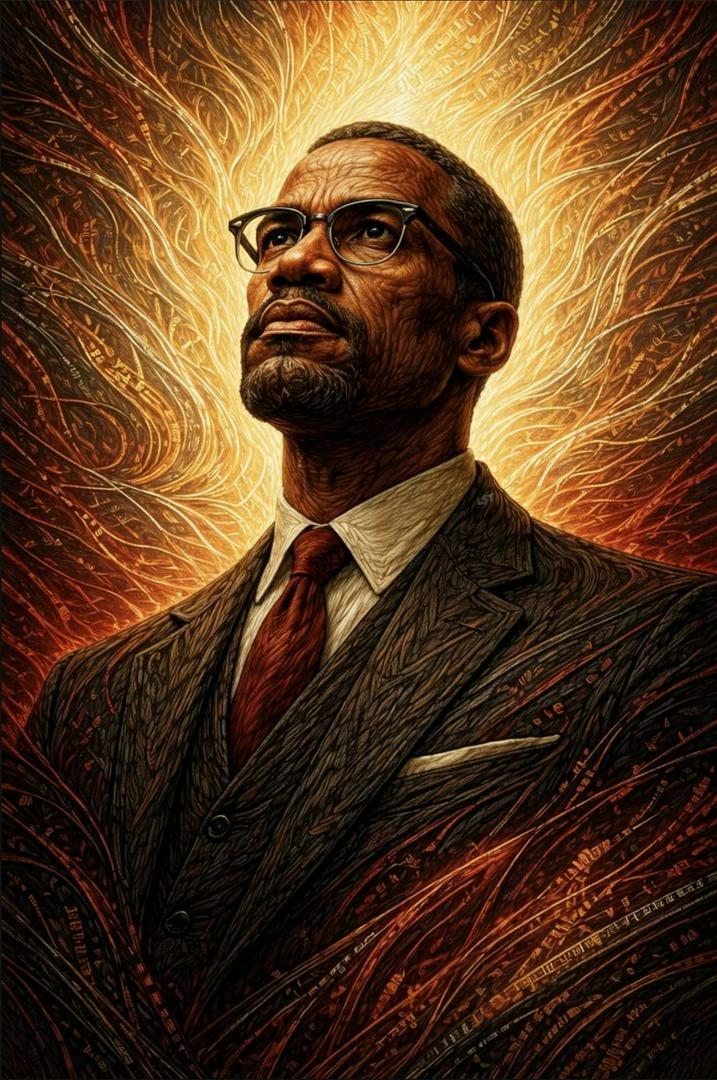
On March 8, 1964, Malcolm X publicly announced his break from the Nation of slam, a decision that marked one of the most important turning points of his life and one of the sharpest pivots in modern Black political historv. This was not a quiet separation. It was a public break with the organization that had helped shape his national image and amplify his voice, but it was also the beginning of a deeper transformation that would define his fina year. By then, Malcolm had alreadv become one of the most powerful and unforgettable voices in America. He spoke with discipline force, and clarity. He challenged the country in a way few others dared to do, naming the violence, hypocrisy, and racial cruelty that many wanted softened or ignored. Through his work in the Nation of Islam, he helped inspire pride, structure, and self-definition for many Black people searching forlanguage strong enough to confront what thev had lived through But Malcolm was evolving. He was questioning what he once defended. He was wrestling with betrayal, truth, and the imits of the path he had been on. His break from the Nation of Islam was not only political. It was personal, spiritual, and intellectual. It marked the opening of the last chapter of his life, a chapter shaped by deeper reflection and a broader vision, Later that same year, Malcolm traveled through Africa and the Middle East and made his pilgrimage to Mecca. Those experiences expanded his worldview and sharpened his understanding of the struggle before him. He began speaking not only about racism in the United States, but about human riqhts on a qlobal scale. His language grew wider. His vision grew deeper. His commitment to truth neverweakened. March 8 matters because it marks the moment Malcolm stepped awav from what made him famous and moved toward what made him fuller. Some men remain where they are praised. Malcolm followed the truth, even when it cost him everything #MalcolmX #BlackHistory #OnThisDay #March8