Tag Page OnThisDay

#OnThisDay
LataraSpeaksTruth

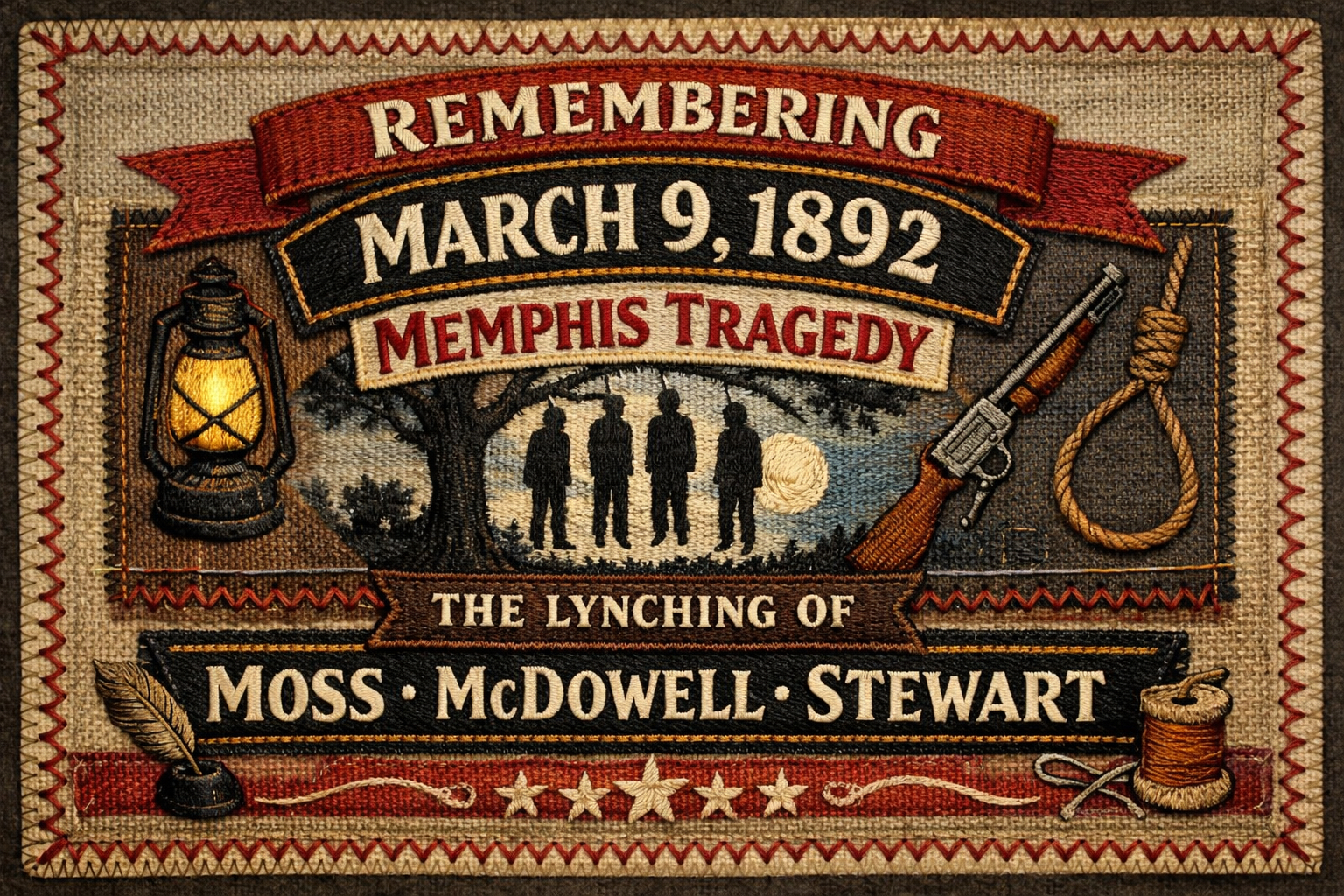
On March 9, 1892, Thomas Moss, Calvin McDowell, and Will Stewart were taken from a Memphis jail by a white mob and lynched. They were not criminals brought to justice. They were Black businessmen connected to the People’s Grocery, a successful Black owned store that had become a source of pride in the community and a threat to white resentment. Their murders were not random. They happened in a climate where Black progress itself could be treated as a target. Thomas Moss was more than a grocer. He was a respected postman, a family man, and a friend of Ida B. Wells. Moss, McDowell, and Stewart had built something meaningful in a world that often punished Black success for daring to exist. After a racial conflict near the store and rising white hostility, the three men were jailed. Then the law gave way to mob violence. In the dark of night, they were dragged out and killed without trial, without mercy, and without consequence for the people who did it. This was one of the moments that lit a deeper fire in Ida B. Wells. She had already begun speaking out, but the murder of these men made the truth even harder to ignore. She understood what many refused to say plainly. Lynching was not about justice. It was about power, terror, and control. It was a weapon used to crush dignity, silence progress, and remind Black people that even success could make them a target. The killing of Moss, McDowell, and Stewart remains one of the clearest examples of how racial violence was used to destroy not only lives, but community strength, economic independence, and hope. Their story still matters because it forces this country to face what was done when Black people tried to build for themselves. #OnThisDay #BlackHistory #IdaBWells #ThomasMoss #CalvinMcDowell #WillStewart #MemphisHistory #PeoplesGrocery #AmericanHistory #HiddenHistory

LataraSpeaksTruth

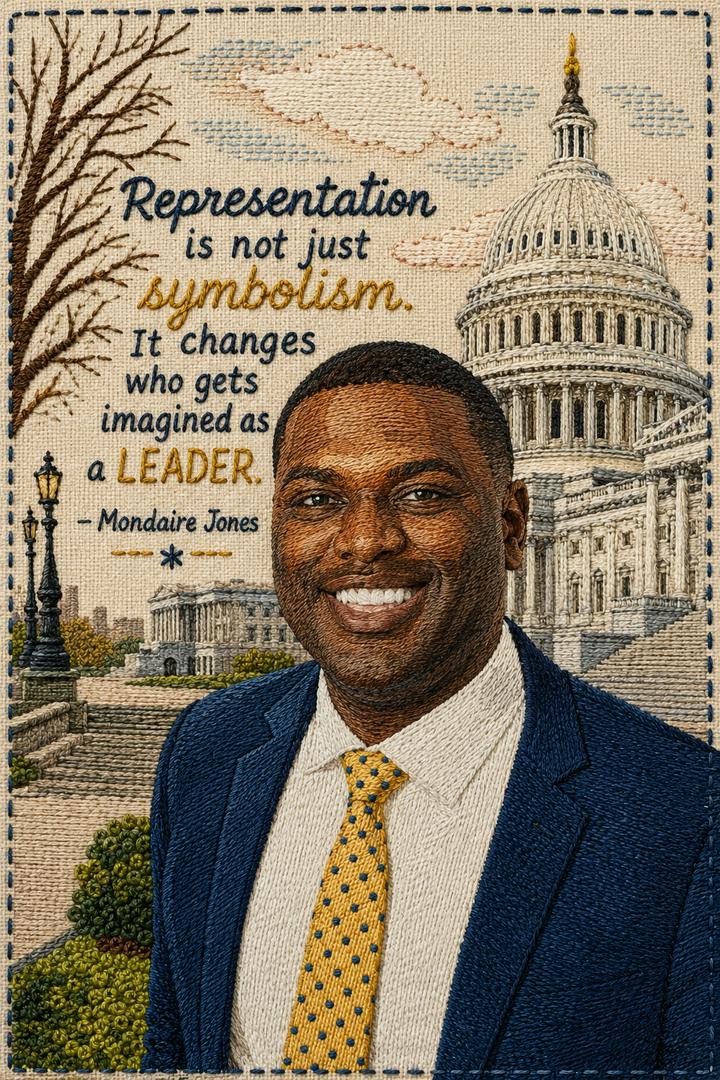
1987… Mondaire Jones was born. Mondaire Jones was born on May 18, 1987, in Nyack, New York. His place in political history was secured in 2020, when he and Ritchie Torres became the first openly gay Black men elected to Congress. Jones represented New York’s 17th Congressional District from January 2021 to January 2023. His time in Congress was not long, but the history attached to his election still matters. For generations, American politics did not make much room for people who stood outside the usual image of power. Jones entered that space as a young Black gay man from Rockland County, raised outside the wealthy political circles that often shape who gets heard. He graduated from Stanford University and earned his law degree from Harvard Law School before working as an attorney. In Congress, he became known as a progressive voice who spoke on voting rights, democracy, civil rights, and equal protection under the law. His story is also a reminder that representation is not just about symbolism. It changes who gets imagined as a leader. It tells people watching from the outside that leadership was never meant to belong to only one kind of person. Mondaire Jones did not serve a long congressional career, but history is not only measured by how long someone stays in office. Sometimes history is made by walking through a door that had been closed for too long. Born May 18, 1987, Mondaire Jones remains part of an important political milestone in American history. Sources: U.S. House History, Biographical Directory of the U.S. Congress, TIME, Them #MondaireJones #OnThisDay #PoliticalHistory #BlackHistory #LGBTQHistory #AmericanHistory #RepresentationMatters #HistoryMatters

LataraSpeaksTruth

Born December 8, 1868, Henry Hugh Proctor entered the world just as Reconstruction was slipping away. The promises were fading, the tension was thick, and yet he grew into a leader who insisted that hope could be rebuilt if people were willing to do the work. Proctor did not simply become a minister. He became a community strategist, the kind of pastor who believed that faith without structure and support was just noise. When he stepped into leadership at Atlanta’s First Congregational Church, he treated the space like fertile ground. He preached, yes, but he also organized libraries, a gym, job assistance programs, cultural clubs, safe housing for young Black women, and music programs that strengthened spirits in a city determined to limit Black opportunity. He built a full-life resource center long before that phrase existed, proving that the church could be both sanctuary and engine. Proctor helped co-found the National Convention of Congregational Workers Among Colored People, creating a network for Black ministers who were pushing for progress in their own communities. After the violence of the 1906 Atlanta massacre, he worked on interracial committees that aimed to cool the hostility poisoning the South. He did this quietly, intentionally , and with the kind of steady courage that often goes unnoticed by history books. He was not chasing spotlight. He was shaping lives. His influence stretched far beyond his pulpit, carried in the people who found safety, dignity, and opportunity through the institutions he helped build. December 8, 1868 marks the birth of Henry Hugh Proctor, pioneering minister and committed community reformer. #HenryHughProctor #BlackHistory #OnThisDay #CommunityBuilder #AtlantaHistory #ReconstructionEra #FaithAndJustice #UnsungHeroes #AmericanHistory

LataraSpeaksTruth

On May 19, 1920, the town of Matewan, West Virginia, became the center of one of the most violent labor conflicts in American history. Coal miners in the region were trying to organize with the United Mine Workers of America. That fight was not just about wages. It was about survival. Many coal companies controlled housing, jobs, stores, and nearly every part of daily life in mining towns. When miners supported union efforts, some companies pushed back hard. Private agents from the Baldwin-Felts Detective Agency were sent into Matewan to evict striking miners and their families from company-owned homes. Matewan Police Chief Sid Hatfield, who supported the miners, challenged the agents. Tension rose near the train station, and gunfire broke out. By the end, ten people were dead, including miners, private detectives, and Matewan’s mayor, Cabell Testerman. The Matewan Massacre became a major moment in American labor history. It showed how dangerous it could be for workers to demand fair treatment, especially when powerful companies had money, influence, and armed force behind them. This was not just a shootout. It was a warning sign of a much larger battle over workers’ rights in the coalfields. Sometimes history reminds us that the rights people have today were not handed over politely. Some were fought for in company towns, courtrooms, picket lines, and streets where ordinary people risked everything. #AmericanHistory #LaborHistory #WestVirginiaHistory #WorkersRights #OnThisDay

LataraSpeaksTruth

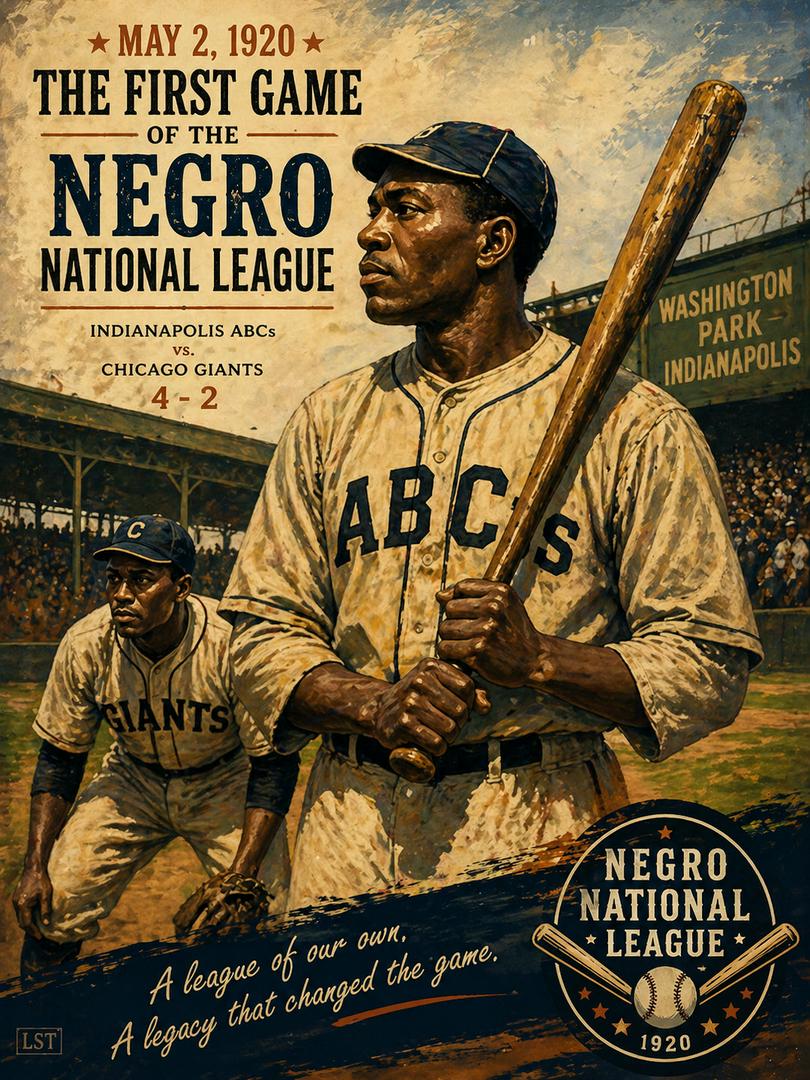
May 2, 1920: The first recognized Negro National League game was played in Indianapolis, Indiana. On that day, the Indianapolis ABCs defeated the Chicago Giants 4 to 2 at Washington Park. It was more than a baseball game. It marked the beginning of a professional league built for Black players during an era when Major League Baseball remained segregated. The Negro National League was founded in 1920 under the leadership of Andrew “Rube” Foster, one of the most important figures in baseball history. Foster understood that Black players needed more than talent. They needed structure, ownership, organization, and a stage large enough for the world to see what they could do. That first game helped launch a league that became home to some of the greatest players the sport has ever known. The Negro Leagues gave Black athletes a professional platform at a time when the door to Major League Baseball was still closed to them. These players traveled, competed, built fan bases, filled ballparks, and proved excellence long before integration. Their talent was never the issue. Access was. The May 2, 1920 game stands as a reminder that Black baseball history is not a side note to American baseball. It is American baseball. The Negro National League created opportunity where exclusion had built a wall. On this day, we remember the first game of the Negro National League and the players, owners, managers, and fans who helped build a legacy that still deserves to be spoken with respect. #NegroLeagues #BlackBaseball #BlackHistory #BaseballHistory #OnThisDay

LataraSpeaksTruth

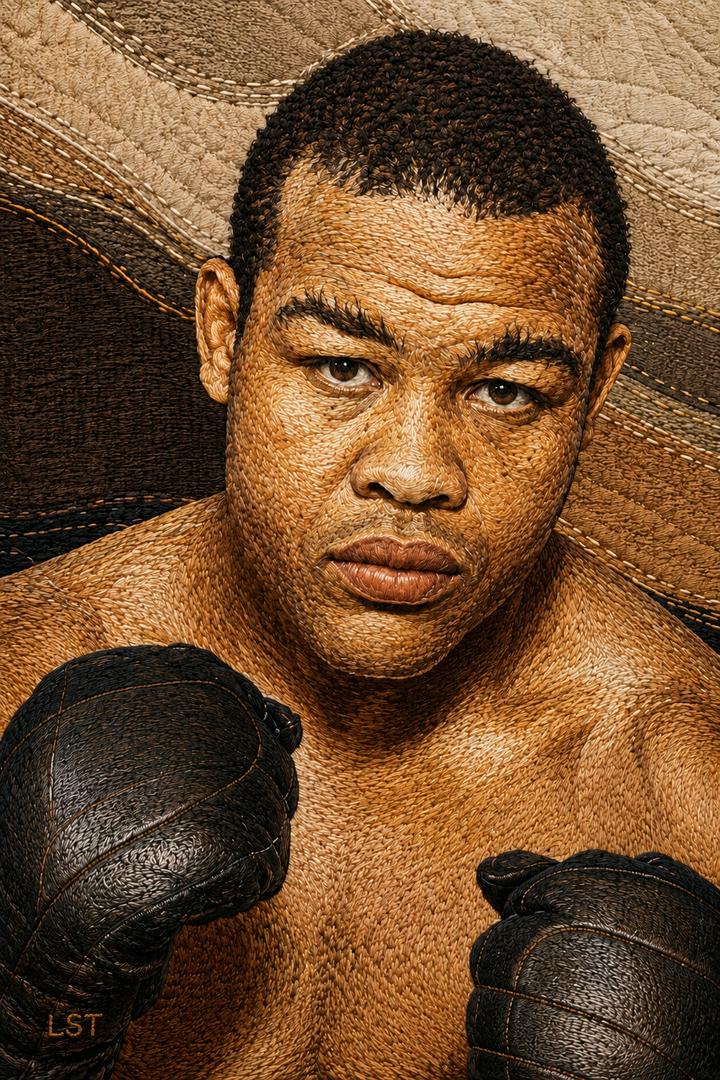
May 13, 1914… Joe Louis was born. Joseph Louis Barrow, known to the world as Joe Louis and “The Brown Bomber,” was born in Lafayette, Alabama. He grew from a child of the South into one of the most important heavyweight champions boxing has ever known. Louis’ family later moved to Detroit, where his path began to change. As a young man, he found boxing, and boxing revealed something powerful in him. He was calm, disciplined, and dangerous in the ring. His hands spoke clearly enough. In 1937, Joe Louis became world heavyweight champion. He held that title for nearly 12 years, defending it 25 times, one of the greatest records in boxing history. His reign made him a sports legend, but his meaning reached beyond the ring. At a time when segregation still shaped daily life in America, Louis became a symbol of pride for many Black Americans. Every victory carried extra weight because he was fighting in a country that praised his talent while still denying people who looked like him full equality. His 1938 rematch with German boxer Max Schmeling became one of the most famous fights in history. Schmeling had defeated Louis in 1936. By the time they met again, Nazi Germany was rising, and the world was watching. Louis knocked Schmeling out in the first round. That victory was not just a boxing moment. It became a national moment. For many people, it felt like a stand against hate and oppression. During World War II, Louis served in the U.S. Army and became part of America’s wartime image. He helped boost morale and remained a public figure whose fame crossed sports, politics, and culture. Joe Louis’ story is about more than punches and titles. It is about discipline, pressure, representation, and legacy. He carried himself with quiet strength in a loud and unfair world. Born on May 13, 1914, Joe Louis became more than a champion. He became history in gloves. #JoeLouis #BoxingHistory #BlackHistory #SportsHistory #OnThisDay

LataraSpeaksTruth

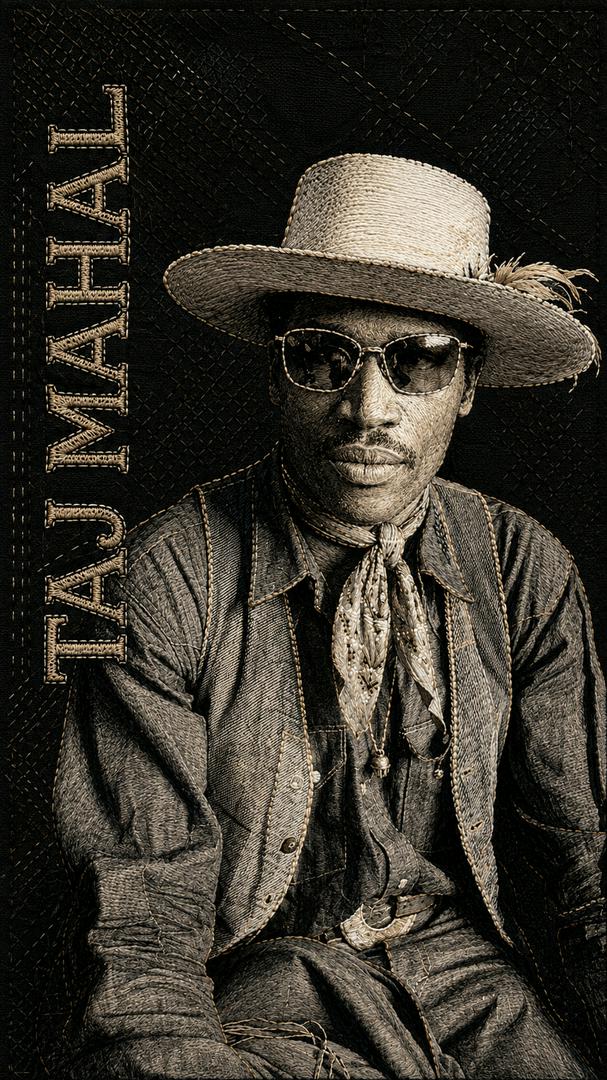
Born on May 17, 1942, in Harlem, New York, Taj Mahal entered the world as Henry St. Claire Fredericks Jr. and grew into one of the most adventurous voices in American blues. What made Taj Mahal different was that he never treated blues like a museum piece. He honored the roots, but he also opened the windows. His sound pulled from country blues, Caribbean rhythms, West African influence, folk, jazz, gospel, reggae, calypso, and other global traditions. Long before “world music” became a common label, Taj Mahal was already proving that the blues could travel without losing its soul. Britannica describes him as one of the pioneers of what came to be called world music, and that description fits. His music carried history, movement, and memory. It crossed oceans. It carried traces of the Caribbean, West Africa, the American South, and the long journey of Black music itself. Taj Mahal also challenged narrow ideas about what a blues musician was supposed to sound like. He could sing, write, and play guitar, banjo, harmonica, piano, and more. His work showed that blues was not limited to one region, one rhythm, or one tradition. It was a living sound. That is why his legacy matters. Taj Mahal did not just play the blues. He stretched it, protected it, studied it, and carried it into new places. His career reminds us that music is not frozen in time. It breathes. It travels. It remembers where it came from while still finding somewhere new to go. On his birthday, Taj Mahal deserves recognition not only as a blues legend, but as a bridge between traditions, cultures, and generations. #TajMahal #BluesMusic #MusicHistory #OnThisDay #LataraSpeaksTruth
LataraSpeaksTruth

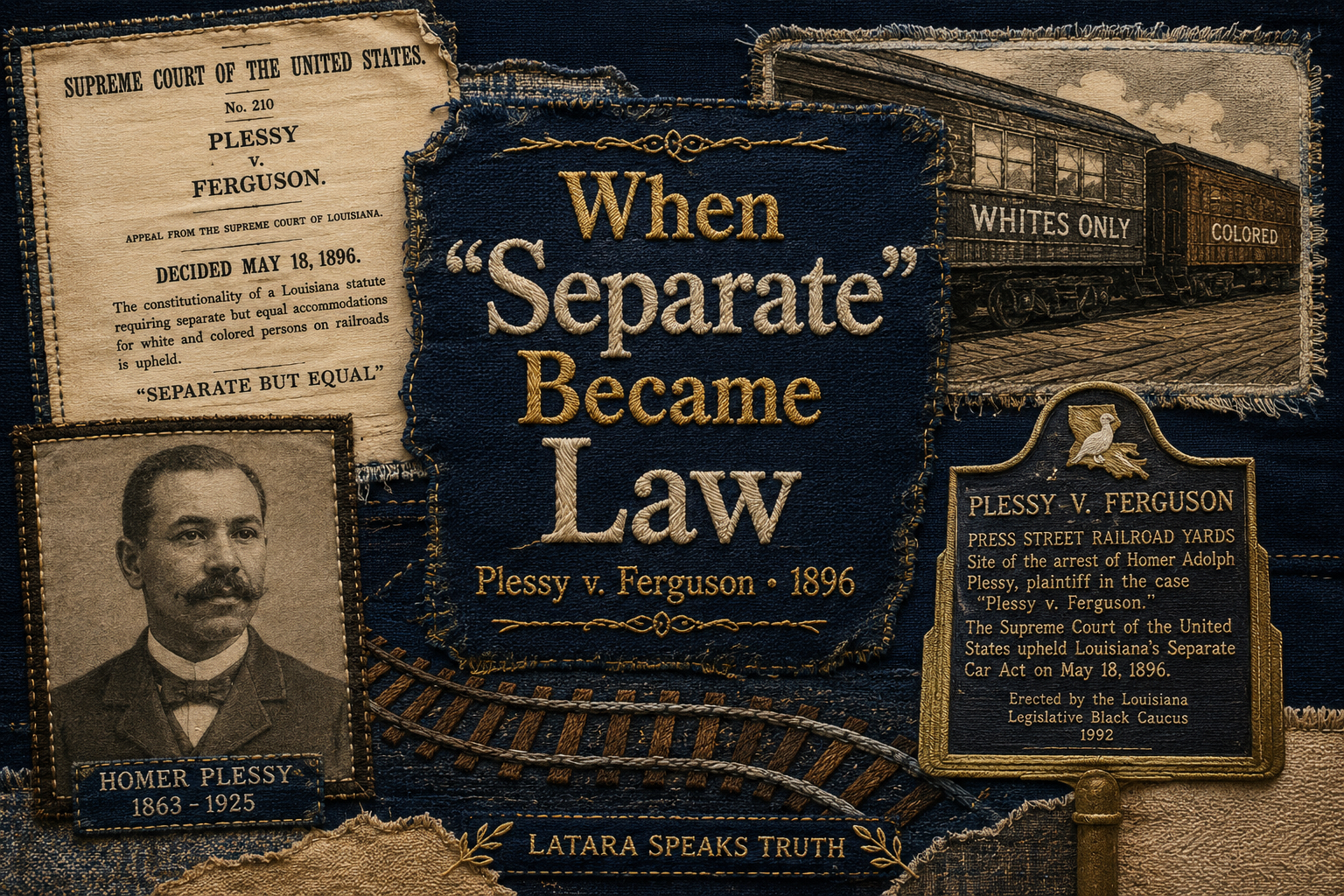
1896… Plessy v. Ferguson was decided. On May 18, 1896, the U.S. Supreme Court handed down one of the most damaging decisions in American legal history. In Plessy v. Ferguson, the Court upheld Louisiana’s Separate Car Act and gave constitutional cover to the doctrine of “separate but equal.” The case began when Homer Plessy, a man of mixed ancestry, challenged Louisiana’s segregation law by sitting in a whites-only railroad car. His arrest became the center of a constitutional fight over whether forced segregation violated the 13th and 14th Amendments. The Supreme Court ruled against Plessy in a 7 to 1 decision. That ruling gave states legal permission to expand Jim Crow segregation across transportation, schools, public spaces, and everyday life. But one justice saw the danger clearly. Justice John Marshall Harlan dissented, warning that the Constitution should not tolerate racial classes among citizens. For decades, “separate but equal” was used to defend a system that was never truly equal. Separate schools, separate seating, separate entrances, separate facilities, separate lives. The damage did not end in one courtroom. It shaped generations. In 1954, Brown v. Board of Education rejected segregation in public schools, declaring that separate educational facilities were inherently unequal. But undoing Jim Crow took more than one decision. It took lawsuits, protests, organizing, federal action, and people willing to challenge a system built to keep them in their place. Plessy v. Ferguson is a reminder that law can be used to protect rights, but it can also be used to excuse injustice. That is why history matters. Because some decisions do not just decide a case. They decide how long a nation is willing to look away. #PlessyVFerguson #OnThisDay #AmericanHistory #LegalHistory #CivilRightsHistory #JimCrowHistory #HomerPlessy #SupremeCourtHistory #HistoryMatters

LataraSpeaksTruth

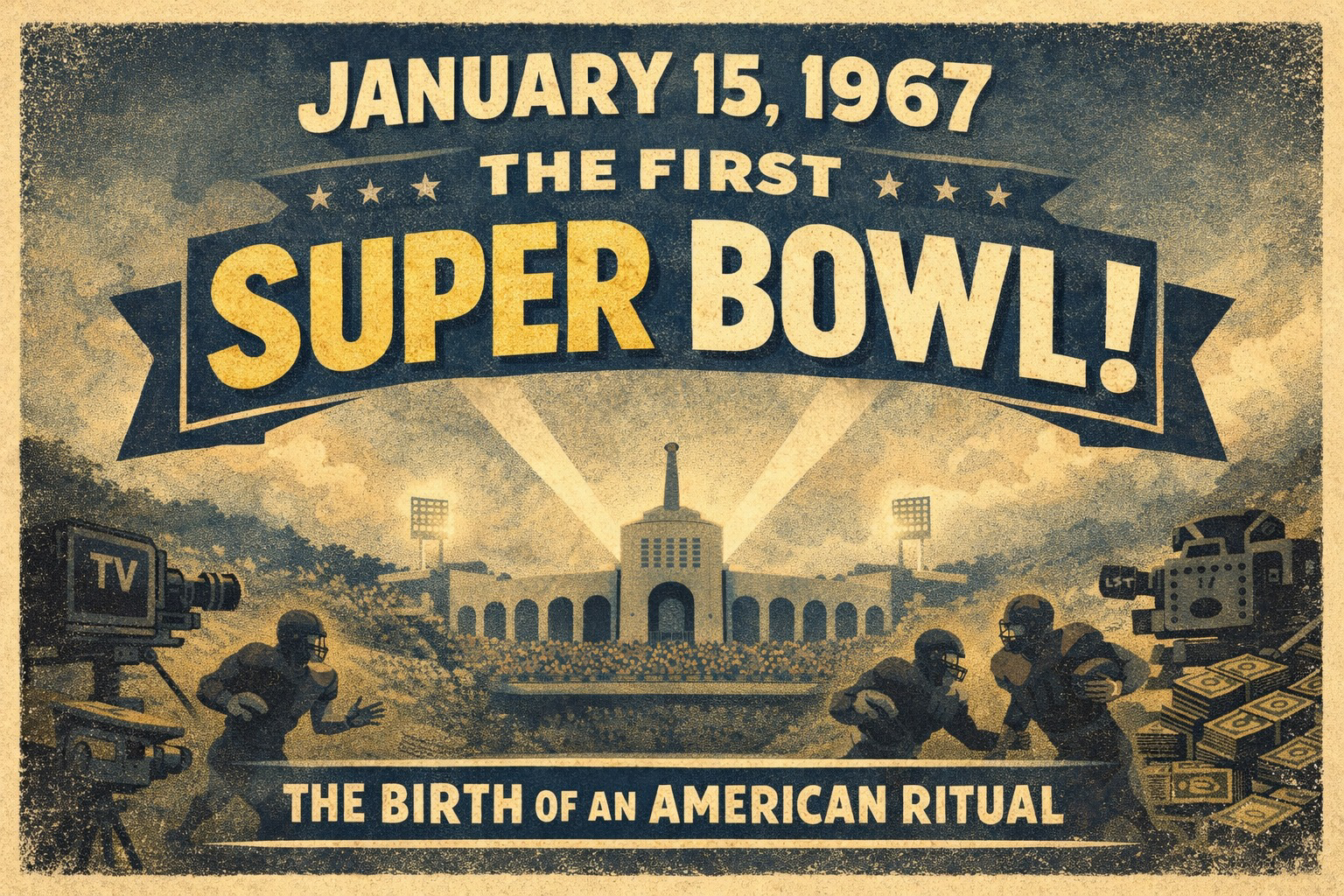
On January 15, 1967, the first championship game between the National Football League and the American Football League was played at the Los Angeles Memorial Coliseum. It was not yet called the Super Bowl. Officially, it was known as the AFL NFL World Championship Game. The name “Super Bowl” existed only as a casual nickname, not yet stamped into culture or commerce. Few people watching that afternoon understood they were witnessing the birth of what would become the most powerful sports event in American life. The Green Bay Packers, champions of the NFL, defeated the Kansas City Chiefs, champions of the AFL, 35 to 10 under legendary coach Vince Lombardi. The game itself was not dramatic. The stadium was not sold out. Tickets were inexpensive. Television ads were modest. There was no elaborate halftime show, no nonstop hype, and no sense that history was unfolding. And yet something permanent clicked into place. That game marked the true beginning of the modern professional football era. It laid the foundation for a business model built on television dominance, advertising money, and mass spectacle. In the decades that followed, professional football exploded into a cultural and financial force unlike anything American sports had ever seen. As the league grew, so did its contradictions. Black athletes became the backbone of the sport, driving performance and profits, while ownership and executive power remained largely closed off. The Super Bowl evolved into a celebration on the surface, while deeper questions about labor, race, health, and power lingered beneath it. Super Bowl I was not about halftime shows or billion dollar commercials. It was about infrastructure. It was the moment sports, media, and capitalism aligned and refused to let go. January 15, 1967 stands as the day professional football stopped being just a game and became a national ritual. #OnThisDay #January15 #SuperBowlHistory #NFLHistory #AmericanSports #SportsAndCulture #MediaAndMoney

LataraSpeaksTruth

January 13, 1777 did not arrive with celebration or ceremony, but it carried one of the clearest moral confrontations of the Revolutionary era. On this day, Prince Hall and seven other Black men formally petitioned the Massachusetts legislature for freedom on behalf of those held in bondage. Their argument was not emotional pleading. It was political, logical, and devastatingly precise. If the colonies were fighting a war over natural rights and liberty, then slavery stood in direct contradiction to the very ideals being proclaimed. The petitioners pointed to the hypocrisy plainly. They reminded lawmakers that Black men were being taxed, governed, and even conscripted, while denied the freedom those sacrifices were supposedly defending. This was not a request for gradual reform or future consideration. It was a direct challenge to the legitimacy of slavery itself. The men asserted that freedom was not a gift to be granted at convenience but a right already owed. The legislature did not immediately abolish slavery in response. Power rarely moves that fast. But the petition mattered because it created a permanent written record of resistance from within the system. It forced lawmakers to confront the contradiction in ink, preserved in official archives. It also helped lay the groundwork for later legal challenges that would ultimately dismantle slavery in Massachusetts by the early 1780s. Prince Hall would go on to become one of the most influential Black leaders of the eighteenth century, founding Black institutions, advocating education, and organizing community defense. But on January 13, 1777, his legacy was already clear. He understood that freedom is not begged for quietly. It is demanded clearly, publicly, and without apology. History remembers battles and speeches. It should also remember petitions like this one. Because sometimes the most dangerous thing to a system built on contradiction is a document that tells the truth. #OnThisDay #January13 #America