Tag Page OnThisDay

#OnThisDay
LataraSpeaksTruth

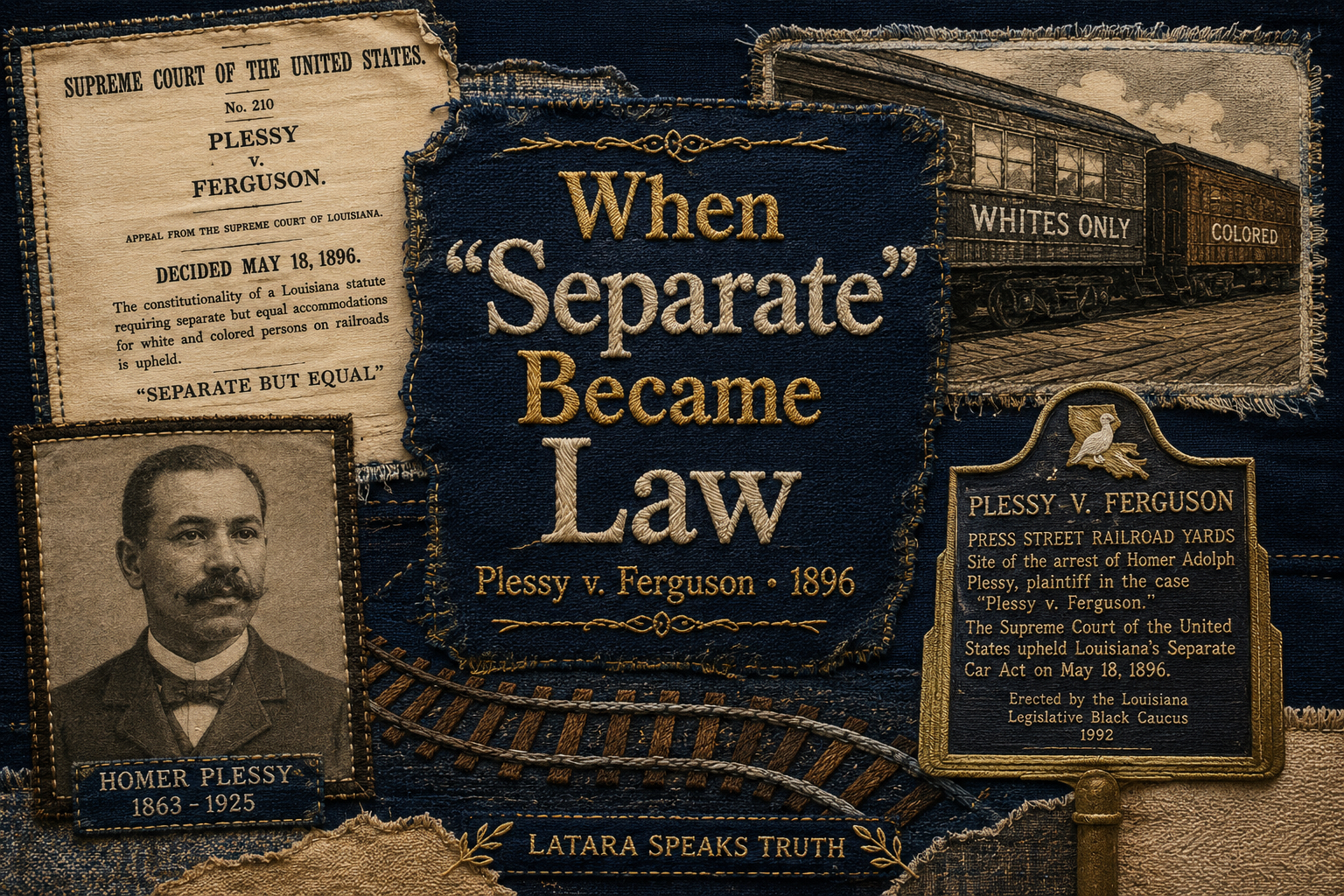
1896… Plessy v. Ferguson was decided. On May 18, 1896, the U.S. Supreme Court handed down one of the most damaging decisions in American legal history. In Plessy v. Ferguson, the Court upheld Louisiana’s Separate Car Act and gave constitutional cover to the doctrine of “separate but equal.” The case began when Homer Plessy, a man of mixed ancestry, challenged Louisiana’s segregation law by sitting in a whites-only railroad car. His arrest became the center of a constitutional fight over whether forced segregation violated the 13th and 14th Amendments. The Supreme Court ruled against Plessy in a 7 to 1 decision. That ruling gave states legal permission to expand Jim Crow segregation across transportation, schools, public spaces, and everyday life. But one justice saw the danger clearly. Justice John Marshall Harlan dissented, warning that the Constitution should not tolerate racial classes among citizens. For decades, “separate but equal” was used to defend a system that was never truly equal. Separate schools, separate seating, separate entrances, separate facilities, separate lives. The damage did not end in one courtroom. It shaped generations. In 1954, Brown v. Board of Education rejected segregation in public schools, declaring that separate educational facilities were inherently unequal. But undoing Jim Crow took more than one decision. It took lawsuits, protests, organizing, federal action, and people willing to challenge a system built to keep them in their place. Plessy v. Ferguson is a reminder that law can be used to protect rights, but it can also be used to excuse injustice. That is why history matters. Because some decisions do not just decide a case. They decide how long a nation is willing to look away. #PlessyVFerguson #OnThisDay #AmericanHistory #LegalHistory #CivilRightsHistory #JimCrowHistory #HomerPlessy #SupremeCourtHistory #HistoryMatters

LataraSpeaksTruth

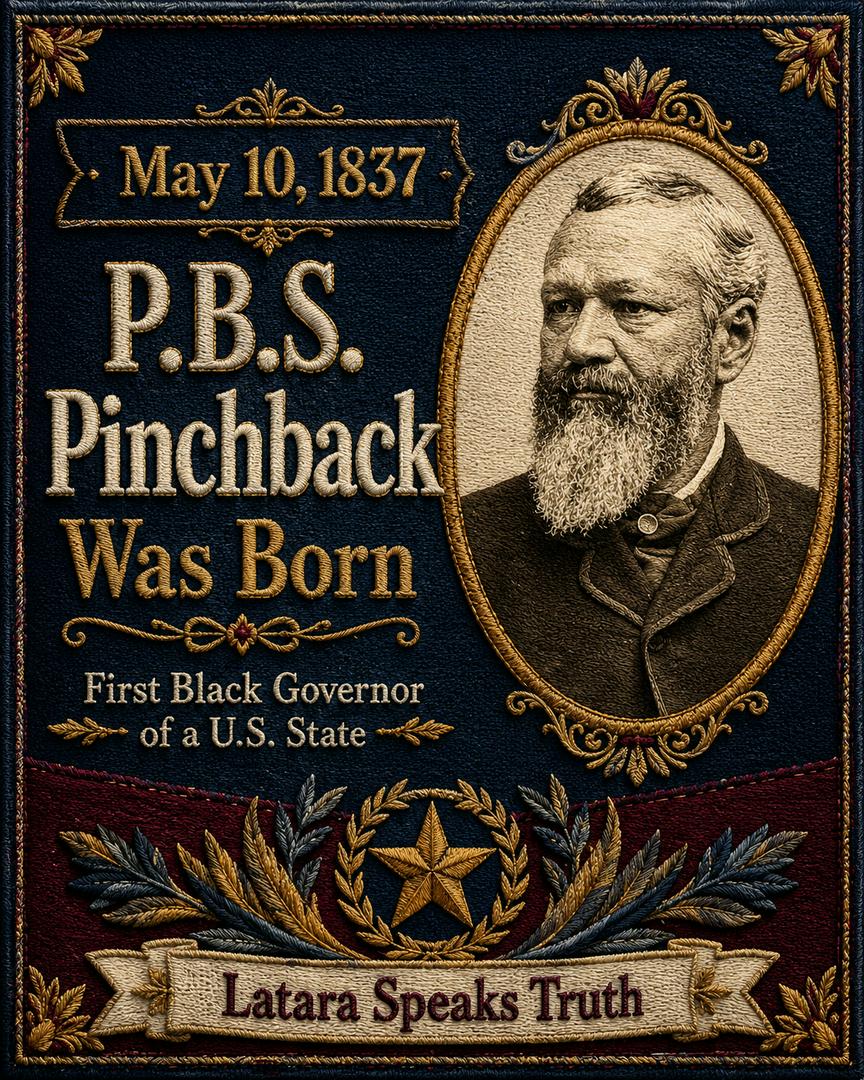
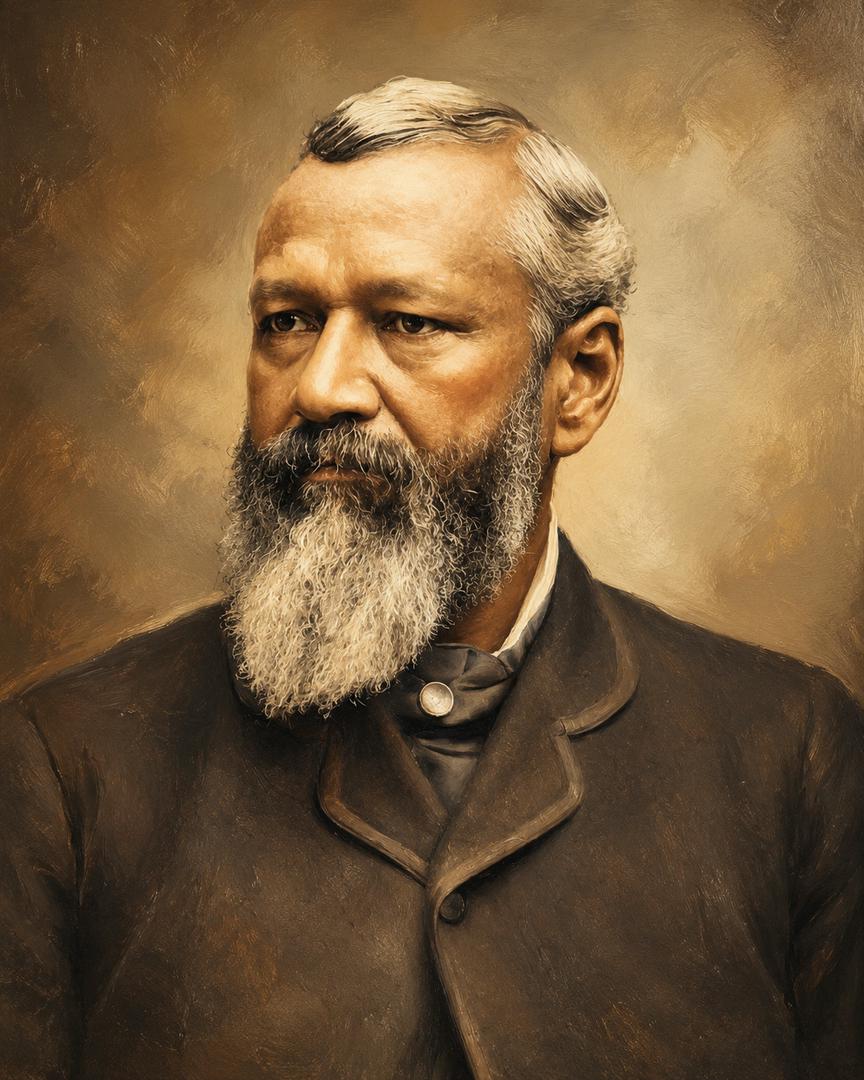
On May 10, 1837, Pinckney Benton Stewart Pinchback was born near Macon, Georgia. His name may not be taught as often as it should be, but his life belongs in the center of America’s Reconstruction story. Known as P.B.S. Pinchback, he was born free at a time when freedom for Black people in the South could still be fragile, challenged, and dangerous. After his father died, his mother took the family to Ohio to protect their freedom. That decision helped shape the path of a man who would later step into history. During the Civil War, Pinchback served in the Union Army and helped recruit Black soldiers. After the war, he entered politics in Louisiana during Reconstruction, a period when formerly enslaved people and free Black citizens pushed for voting rights, education, public office, and a new kind of power in the South. Pinchback rose through Louisiana politics and became lieutenant governor. Then, in December 1872, after Governor Henry Clay Warmoth was suspended during an impeachment dispute, Pinchback briefly served as acting governor of Louisiana. That made him the first Black person to serve as governor of a U.S. state. His time in office lasted only a few weeks, from December 1872 to January 1873, but the meaning of it was much larger than the length of the term. In a nation still fighting over the future of freedom, a Black man stood at the head of a Southern state government. Pinchback was also elected to the U.S. Senate, but he was never allowed to take his seat. That part of his story says plenty about the promise of Reconstruction and the resistance that worked to limit it. P.B.S. Pinchback’s story is not just a political footnote. It is a reminder that Black leadership after the Civil War was real, powerful, and often deliberately pushed out of the spotlight. Born May 10, 1837. Remember the name. #BlackHistory #OnThisDay #PBSplashback #ReconstructionHistory #NewsBreak
LataraSpeaksTruth

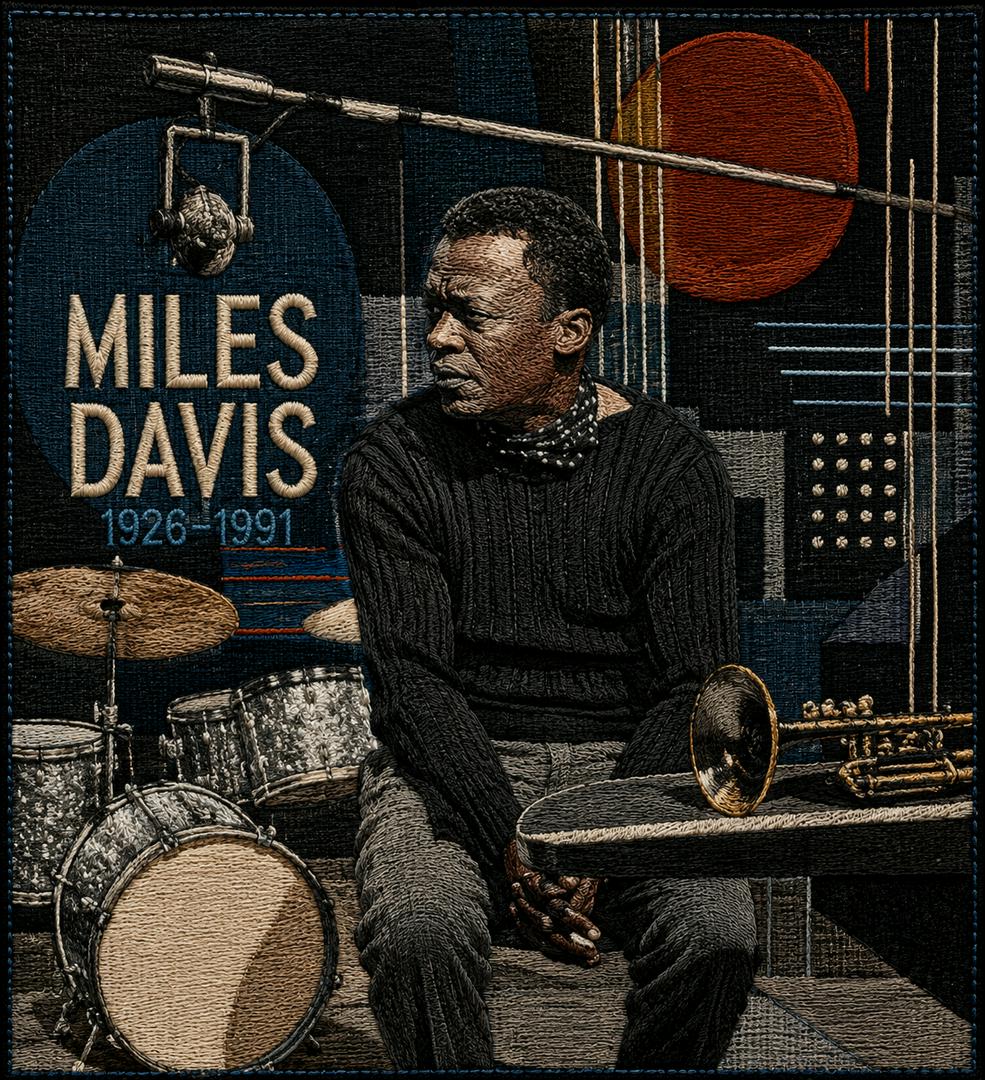
On May 26, 1926, Miles Davis was born in Alton, Illinois. He became one of the most influential musicians in jazz history, not by staying in one lane, but by changing the road completely. Miles first rose during the bebop era alongside artists like Charlie Parker and Dizzy Gillespie. But he did not stop there. He helped shape cool jazz with Birth of the Cool, then helped redefine modern jazz again with Kind of Blue, one of the most celebrated jazz albums ever recorded. By the late 1960s and 1970s, Miles pushed jazz into bold new territory, blending it with rock, funk, electric instruments, and experimental sounds. That shift helped build what became known as jazz fusion. What made Miles Davis powerful was not just the trumpet. It was vision. His sound could be quiet, sharp, moody, distant, emotional, and unforgettable all at once. He knew how to make silence speak. He also had an eye for talent, with many musicians from his bands later becoming legends themselves. Miles Davis did not simply play jazz. He challenged it. He stretched it. He made it evolve. Nearly a century after his birth, his influence can still be heard across jazz, hip-hop, R&B, film scores, and modern music production. Some artists belong to an era. Miles Davis helped create several. #MilesDavis #JazzHistory #BlackHistory #MusicHistory #OnThisDay

LataraSpeaksTruth

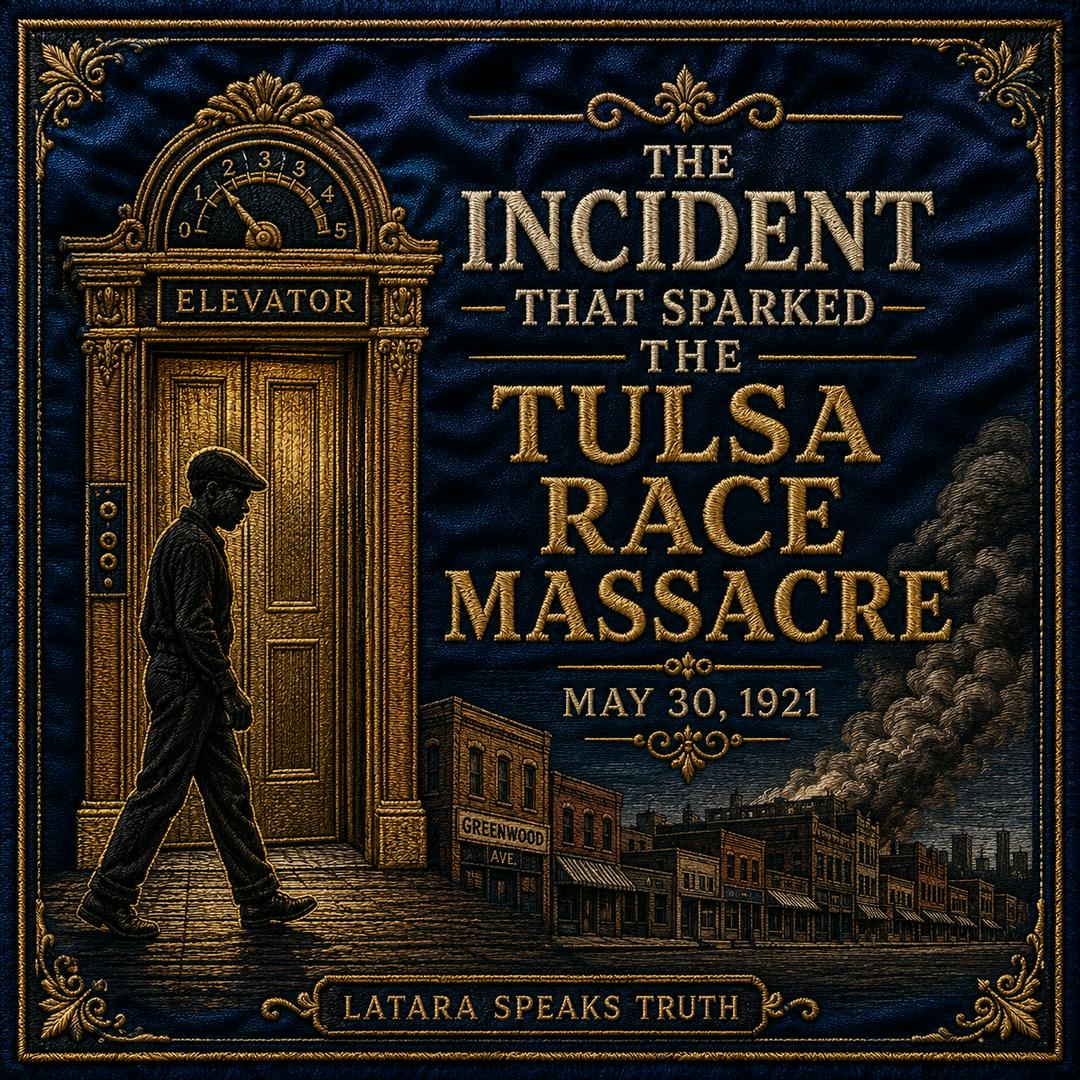
On May 30, 1921… The Incident That Sparked the Tulsa Race Massacre On May 30, 1921, a 19-year-old Black shoeshiner named Dick Rowland entered an elevator in downtown Tulsa, Oklahoma, operated by a young white woman named Sarah Page. What happened inside the elevator remains unclear. Witnesses reported hearing a scream, and Rowland quickly left the building. A store clerk contacted authorities, and Rowland was later accused of assault. The accusation spread rapidly throughout Tulsa. Newspapers published sensational reports, and rumors began circulating across the city. By the following day, tensions had escalated as crowds gathered outside the courthouse where Rowland was being held. What began as an unverified accusation would soon lead to one of the deadliest acts of racial violence in American history. Over the next 24 hours, a white mob attacked Tulsa’s Greenwood District, a thriving Black community often called “Black Wall Street.” Homes, businesses, churches, schools, and professional offices were destroyed. Hundreds of people were injured, and modern estimates suggest as many as 300 people may have been killed. Thousands were left homeless as more than 35 blocks of Greenwood were devastated. Today, the events of May 30 remind us how quickly rumors, fear, and misinformation can spiral into tragedy. The story of Greenwood is not only a story of destruction. It is also a story of a community whose success was targeted, whose history was nearly erased, and whose legacy continues to be remembered more than a century later. #OnThisDay #BlackHistory #TulsaRaceMassacre

You've reached the end!
Tag: OnThisDay - Page 20 | LocalAll