Tag Page OnThisDay

#OnThisDay
LataraSpeaksTruth

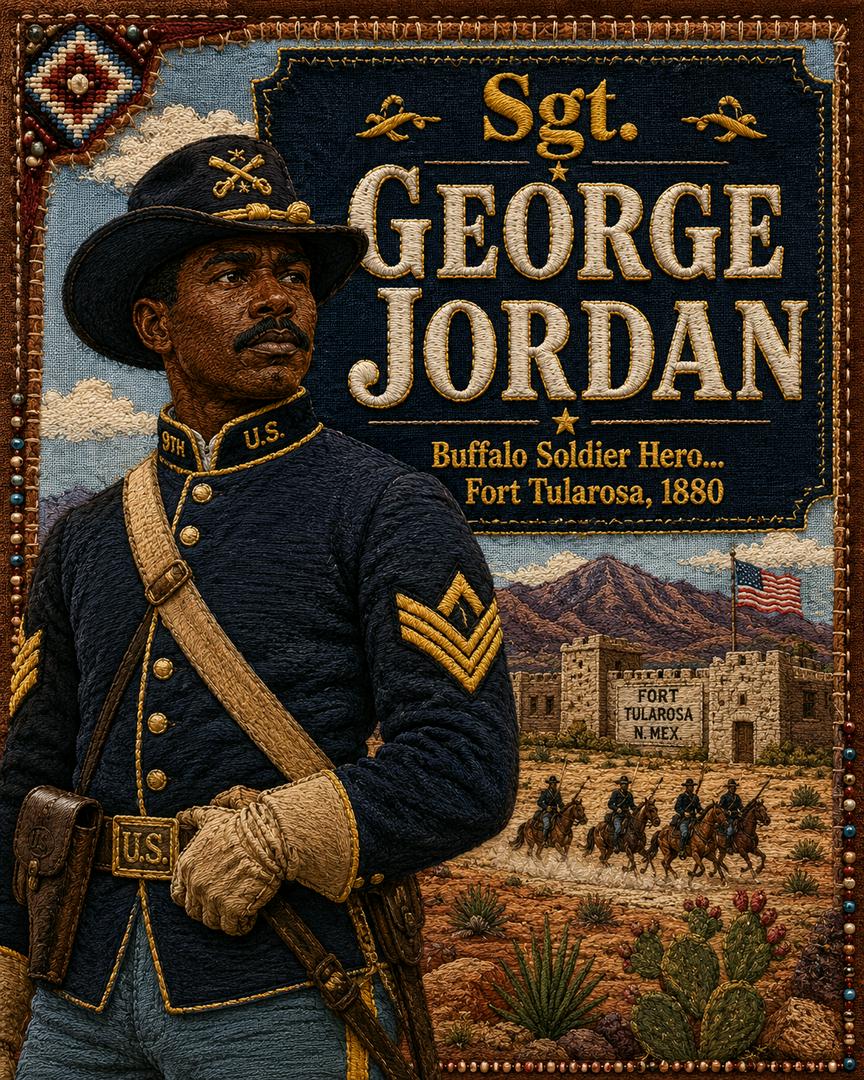
On May 14, 1880, Sgt. George Jordan of Company K, 9th U.S. Cavalry, stood at Fort Tularosa, New Mexico, facing the kind of moment history should never forget. Jordan was one of the Buffalo Soldiers, Black troops who served the United States after the Civil War while still living under the weight of racism, segregation, and unequal treatment. They wore the uniform, defended the country, and carried themselves with discipline, even when the country did not fully honor their humanity. At Fort Tularosa, Jordan led a small detachment of only 25 men. In the action later recognized as part of his Medal of Honor service, his unit repulsed a force of more than 100 Apaches. That was not a small stand. That was leadership under pressure. That was courage with no room for panic. Jordan’s story did not end there. His Medal of Honor also recognized his actions at Carrizo Canyon, New Mexico, on August 12, 1881. There, he held an exposed position under dangerous conditions and helped prevent his command from being surrounded. Nearly a decade later, on May 7, 1890, Sgt. George Jordan was awarded the Medal of Honor for his service. What makes this story powerful is not just the battle itself. It is the contradiction behind it. Men like George Jordan served with bravery in a nation that still questioned their worth. They defended forts, protected settlements, and followed orders, even while facing discrimination from the same country they served. The Buffalo Soldiers were not background figures in American military history. They were builders of legacy. They were disciplined fighters, frontier soldiers, and men whose service deserves to be remembered with the same seriousness given to any other decorated unit. Sgt. George Jordan’s stand at Fort Tularosa is a reminder that courage does not always come with fair treatment. Sometimes courage shows up anyway. #GeorgeJordan #BuffaloSoldiers #MilitaryHistory #BlackHistory #MedalOfHonor #OnThisDay

LataraSpeaksTruth

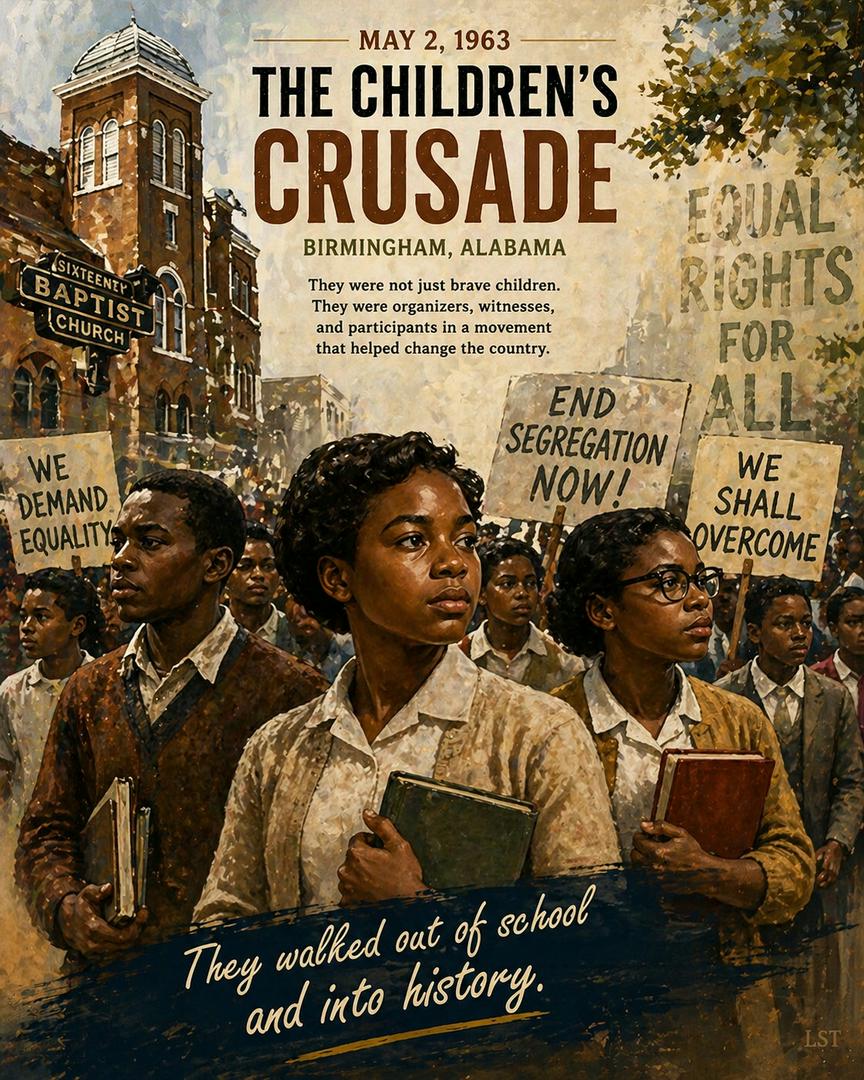
May 2, 1963: More than 1,000 Black students left school and gathered at Sixteenth Street Baptist Church in Birmingham, Alabama. They were not going to class that day. They were walking into history. The students planned to march downtown to protest segregation in one of the most hostile cities in the South. Many of them were children and teenagers, but they understood that the system around them was wrong. They also understood that adults had been threatened, fired, jailed, and punished for challenging it. That is part of what made the Children’s Crusade so powerful. Young people stepped forward when fear had been used to silence entire communities. On that first day, hundreds of students were arrested. They were placed in police vehicles and buses as the city tried to stop the protest. But the movement did not end there. In the days that followed, Birmingham’s response grew even more violent, with police using fire hoses and police dogs against young demonstrators. The images shocked the nation. The Children’s Crusade became one of the defining moments of the Birmingham campaign. It helped force national attention onto segregation in Birmingham and added pressure for federal civil rights legislation. These students were not just brave children. They were organizers, witnesses, and participants in a movement that helped change the country. They carried a burden that no child should have had to carry, but they carried it with courage. On May 2, we remember the children of Birmingham who walked out of school and into history. #ChildrensCrusade #Birmingham1963 #BlackHistory #CivilRightsHistory #OnThisDay

LataraSpeaksTruth

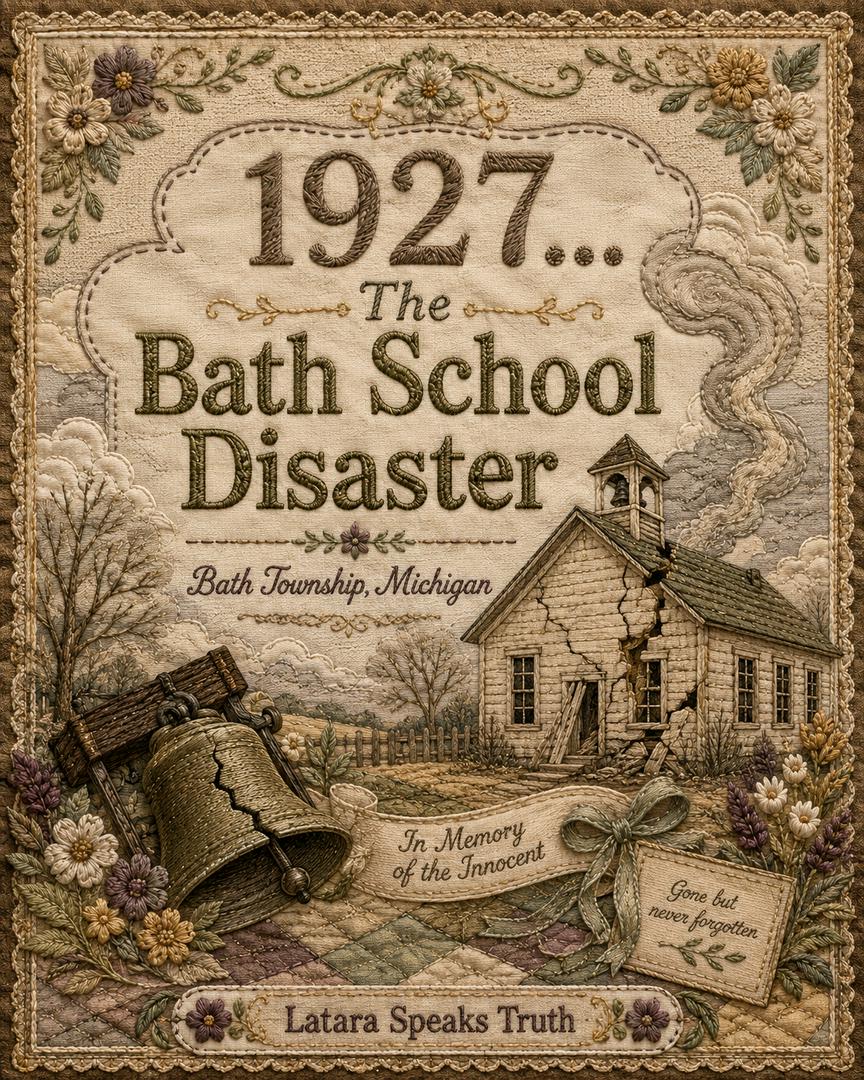
On May 18, 1927, tragedy struck Bath Township, Michigan. The place was Bath Consolidated School, a small community school where children came to learn, teachers came to work, and families expected the day to end like any other. But that morning became one of the darkest moments in American school history. A former school board member named Andrew Kehoe had secretly placed explosives inside the school building. When the explosion went off, part of the school was destroyed. Children and adults were trapped beneath the wreckage as the community rushed to help. The loss was devastating. Thirty-eight schoolchildren and five adults were killed. Kehoe also died after setting off another explosion near the scene. The Bath School disaster remains one of the deadliest school attacks in American history, yet many people have never heard of it. It is often left out of the larger conversation about violence in schools, even though the grief it caused was unimaginable. This was not just a tragedy written in old records. It was children who never came home. It was teachers who never finished the school day. It was families whose lives changed forever. Bath Township carried a wound no community should ever have to carry. And nearly a century later, the victims still deserve to be remembered. Forgotten does not mean unimportant. On May 18, 1927, history left a scar in Bath Township, Michigan. The victims should not be forgotten. #BathSchoolDisaster #OnThisDay #AmericanHistory #ForgottenHistory #LataraSpeaksTruth

sandwich shop

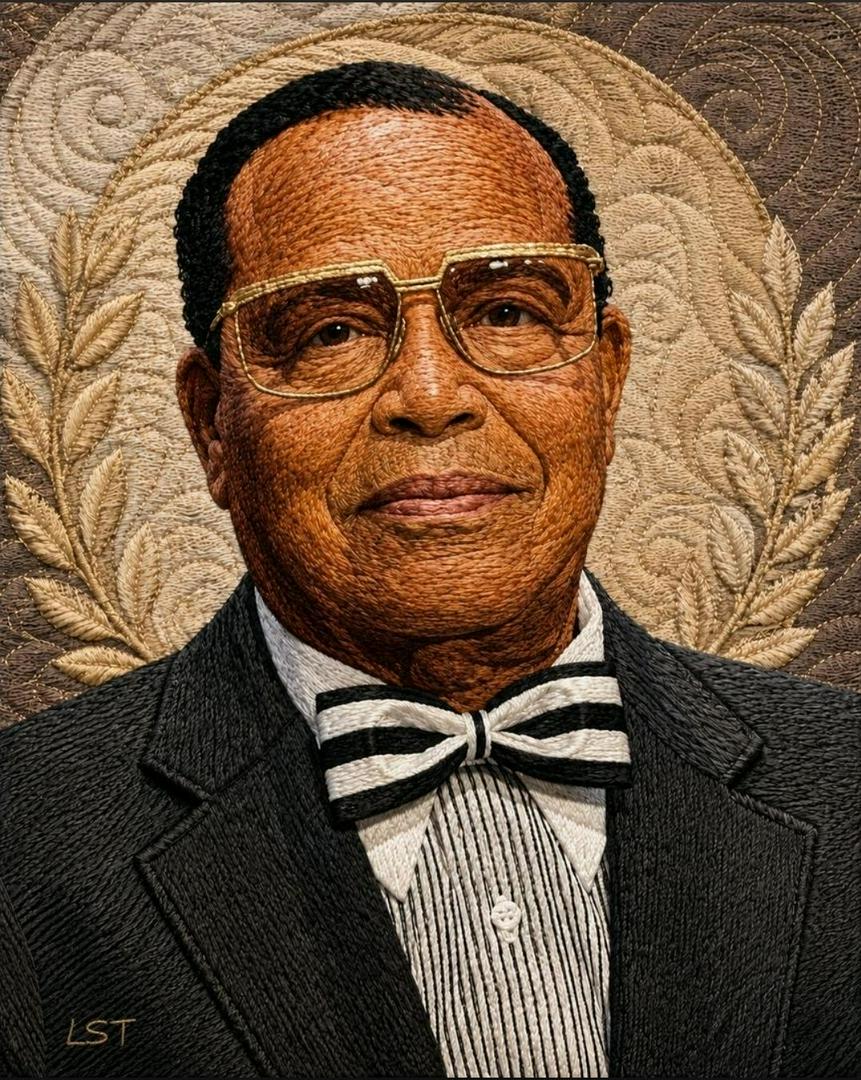
Louis Farrakhan was born Louis Eugene Walcott on May 11, 1933, in the Bronx, New York. He would become one of the most recognized and debated religious and political figures in modern American history Raised in Boston, Farrakhan was known early for his musical talent before becoming connected to the Nation of Islam in the 1950s. Over time, he rose through the organization's ranks and became one of its most visible voices. By the late 1970s and earlv 1980s, he helped rebuild the Nation of slam after a maior internal shift following the death of Eliiah Muhammad Farrakhan's public influence has been significant, especially among people drawn to messages about self-discipline, economic independence, religious identity, and community responsibility. One of the most visible moments of his leadership came in 1995, when he helped organize the Million Man March in Washinaton, D.C., an event that brought hundreds of thousands of men together around themes of accountability, unity, and renewal. At the same time, Farrakhan's legacy remains deeply controversial. Critics have condemned many of his public statements especially comments viewed as antisemitic anti-LGBTO, or hostile toward other groups. Supporters, however, arque that his work should also be understood through his ong-standing emphasis on Black self-reliance, faith, family structure, and social reform. That tension is why Farrakhan remains a complicated figure in American public life. His name is tied to religion, politics nationalism, activism, controversy, and influence all at once flattened into praise or dismissal. Louis Farrakhan's life reflects how one public figure can inspire loyalty, criticism, debate and division across generations. His impact is real. The debate around that mpact is real too. #LouisFarrakhan #Mav11 #BlackHistory #AmericanHistory #NationOflslam #ReligiousHistory #PoliticalHistory #HistoryMatters #OnThisDay
LataraSpeaksTruth

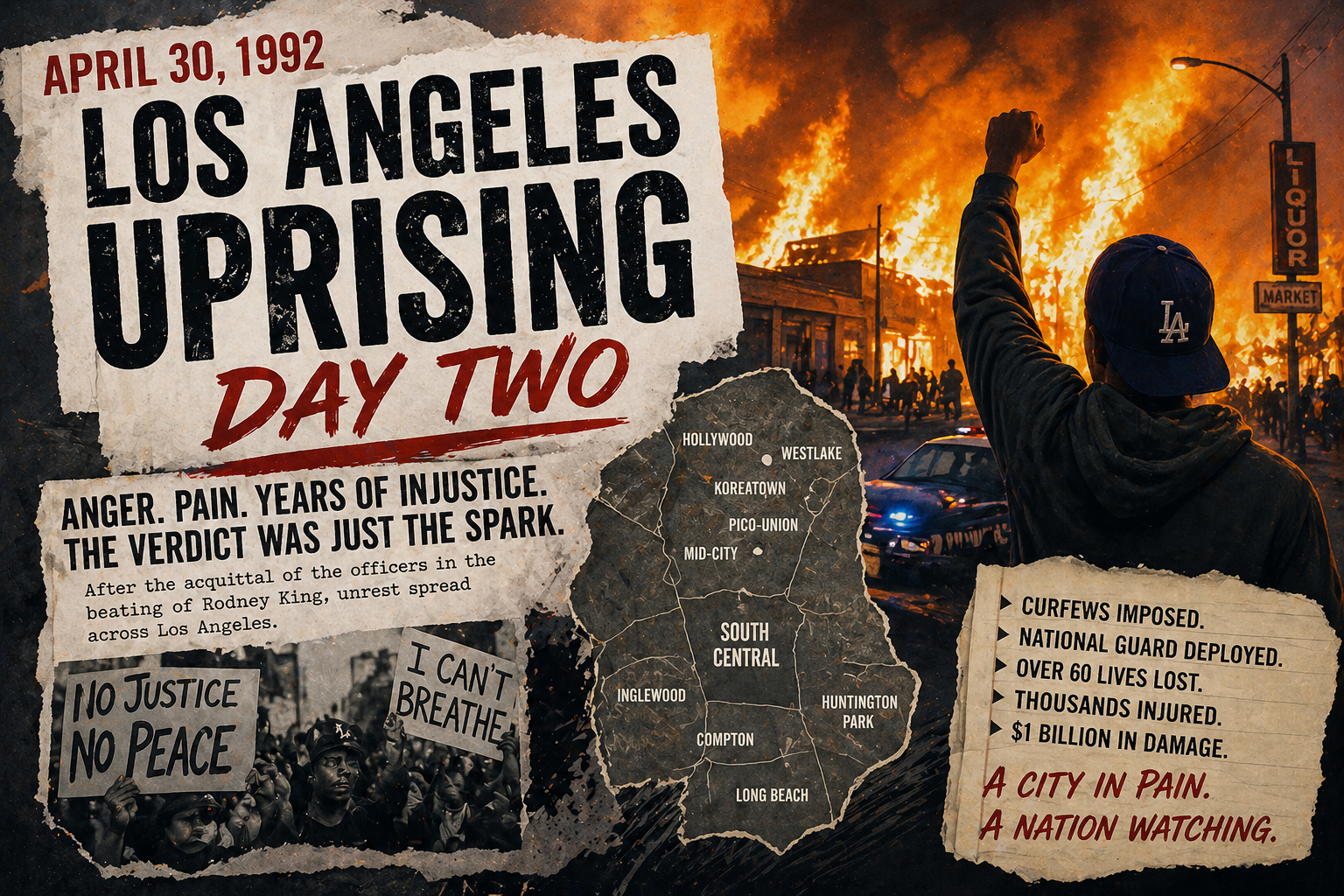
April 30, 1992, marked the second day of the Los Angeles uprising, one of the most devastating periods of civil unrest in modern U.S. history. The unrest began the day before, after a jury acquitted four Los Angeles police officers who had been filmed beating Rodney King during a 1991 traffic stop. The verdict sparked anger across Los Angeles, especially in communities where years of frustration over policing, racism, poverty, and inequality had already been building. By early April 30, the situation had grown more dangerous. Mayor Tom Bradley declared a local state of emergency and imposed a dusk-to-dawn curfew in the hardest-hit areas. As fires, looting, and violence spread, the curfew was expanded throughout the day and eventually became citywide. The unrest moved beyond South Central Los Angeles into neighborhoods including Koreatown, Pico-Union, Westlake, Hollywood, Mid-City, and nearby cities such as Inglewood, Compton, Long Beach, Huntington Park, and Lynwood. Store owners tried to protect their businesses, firefighters battled hundreds of blazes, and residents across the city watched Los Angeles burn in real time. The uprising lasted several days. More than 60 people were killed, thousands were injured, and property damage reached about $1 billion. National Guard troops, federal officers, and U.S. military forces were eventually sent in to help restore order. April 30 remains a painful reminder that the Rodney King verdict did not create the crisis by itself. It exposed deep wounds that had been ignored for far too long. #LosAngelesUprising #RodneyKing #LAHistory #OnThisDay #CivilRights

LataraSpeaksTruth

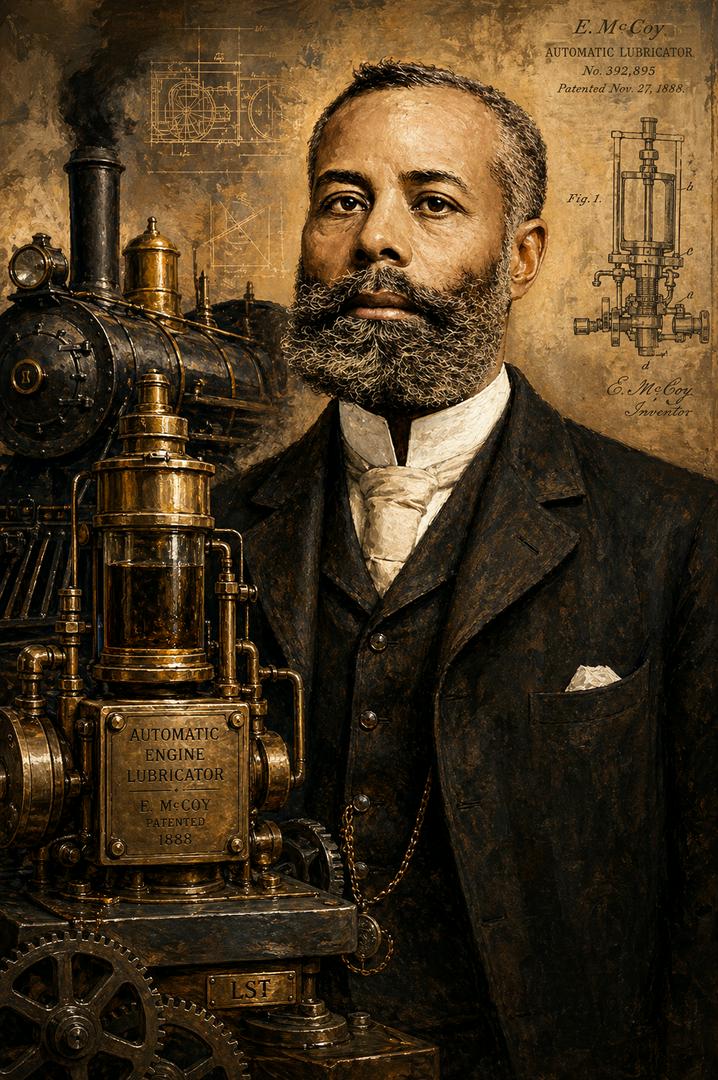
May 2, 1844: Elijah McCoy was born in Colchester, Ontario, Canada, and became one of the most important inventors in railroad and industrial history. McCoy was born to George and Mildred McCoy, parents who had escaped slavery in Kentucky and settled in Canada. From a young age, he showed a strong interest in machines and how things worked. His parents supported his gift, and as a teenager, he studied mechanical engineering in Scotland before returning to North America. Even with his training, McCoy faced the limits placed on Black engineers during that era. Instead of being hired in the engineering roles he was qualified for, he found work with the Michigan Central Railroad as a fireman and oiler. That job gave him a close look at one of the biggest problems in steam-powered machinery. At the time, trains and heavy machines often had to stop so workers could apply oil to moving parts. Those stops cost time, labor, and money. McCoy studied the problem and created an automatic lubricating device that delivered oil to the engine while it was still running. In 1872, he received U.S. Patent No. 129,843 for an improvement in lubricators for steam engines. His invention helped trains and machinery run more efficiently by reducing repeated stops. He later earned dozens of patents connected to engines, machinery, and industrial work. His work became so respected that some historians connect his name to the phrase “the real McCoy,” though the exact origin is still debated. What is not debated is the impact of his invention. Elijah McCoy died on October 10, 1929. In 2001, he was inducted into the National Inventors Hall of Fame, honoring a man whose ideas helped move trains, factories, and industry forward. His story is bigger than one invention. Elijah McCoy saw a problem, built a solution, and left the world with work that was, in every sense, the real thing. #BlackHistory #ElijahMcCoy #OnThisDay #InventorHistory #AmericanHistory

THE LATE NIGHT_PODCAST

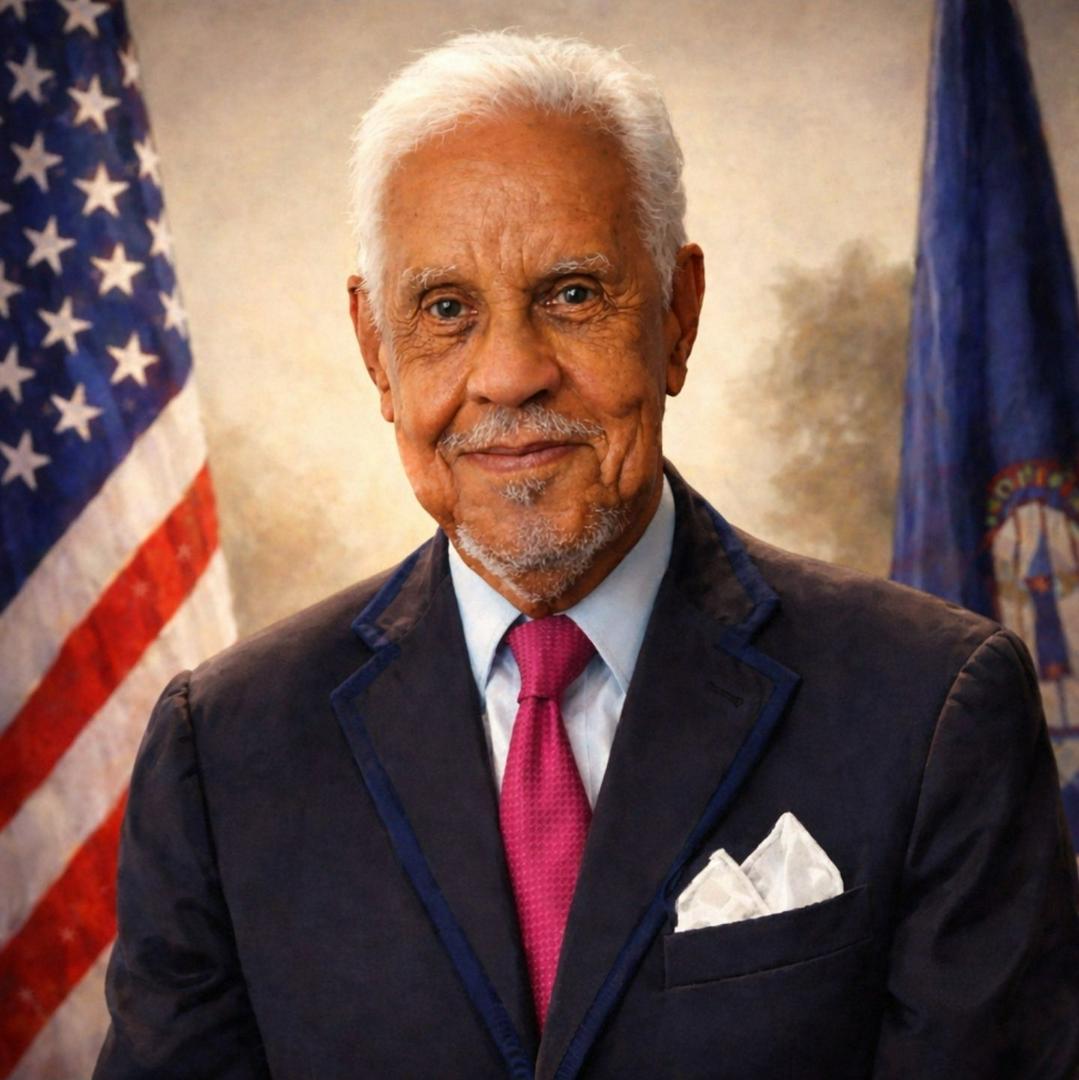
On January 13, 1990, L. Douglas Wilder was sworn in as governor of Virginia, becoming the first African American ever elected governor of anv U.S. state. That moment did not arrive wrapped in celebration alone. It arrived heavy with history, expectation, and the quiet understanding that something permanent had iust shifted Virginia was not a neutral stage. It was a former capital of the Confederacy, a state shaped by laws and customs desianed to keep power narrowly held. Wilder did not inherit that history. He confronted it directly by winning. No appointment. No workaround. Just votes, counted ano certified, placing him in an office that had never before been occupied by someone who looked like him The significance of that day stretched far bevond Richmond. Wilder's inauguration challenged a long-standing assumptionabout who could govern at the highest evels of state power. It forced institutions to reconcile with the fact that progress was no longer theoretical. It was sworn in standing at the podium, ready to lead, Being first came with scrutiny. Every decision carried svmbolic weight. Every misstep risked being treated as confirmation rather than context. Yet Wilder governed with precision and restraint focusing on fiscal responsibility, education, and public safety, refusing to perform nistory instead of making it January 13, 1990 stands as a reminder that progress does not always arrive loudly Sometimes it arrives formally constitutionally, and undeniably. A door once closed did not creak open. It swung, and it staved that way #OnThisDay #January13 #USHistory #PoliticalHistorv #VirainiaHistorv

LataraSpeaksTruth

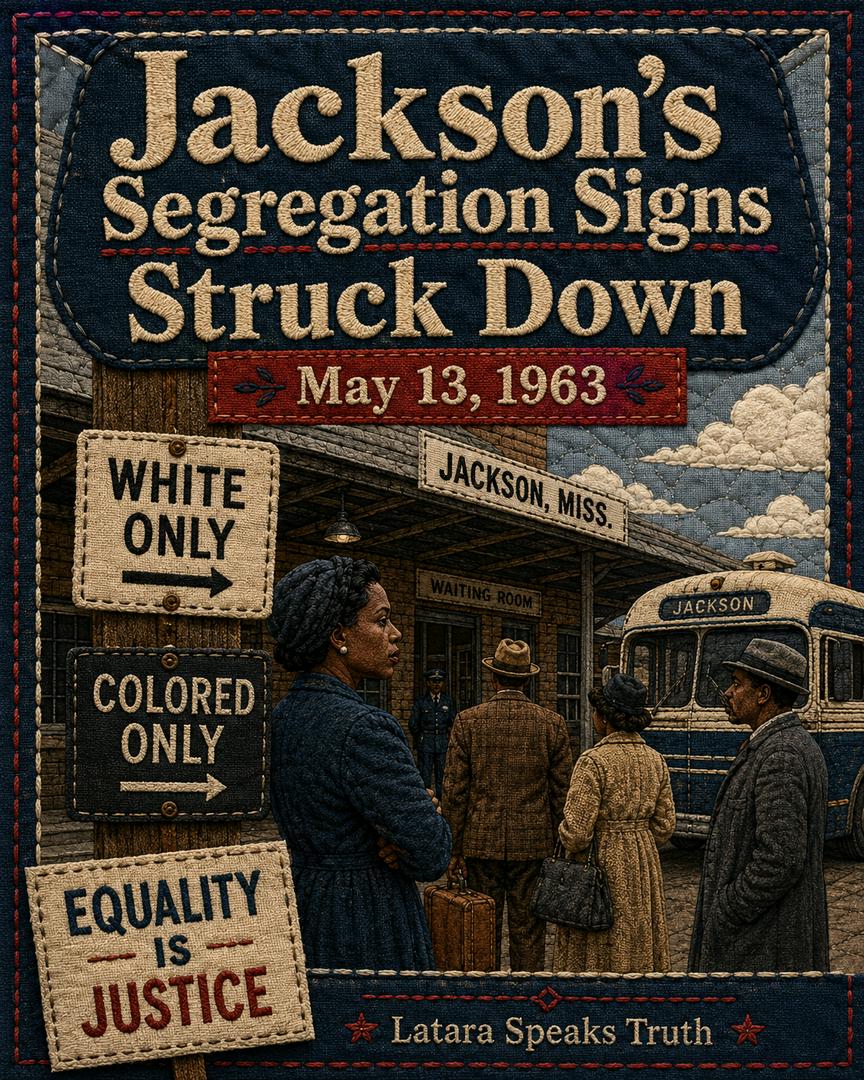
May 13, 1963… A federal appeals court ruled against Jackson, Mississippi’s attempt to keep segregation alive through city-backed signs. The case was United States and Interstate Commerce Commission v. City of Jackson. At the center were sidewalk signs near transportation terminals directing people to “White Only” and “Colored Only” waiting rooms. By then, federal law and Interstate Commerce Commission rules had moved against segregation in interstate transportation facilities. But Jackson found another way. Police placed signs outside the terminals and tried to keep racial separation standing from the sidewalk. That detail matters. These were not random signs. The wording said “By Order Police Department,” making clear this was not only custom or habit. This was public power used to preserve separation. The Fifth Circuit saw through it. The court ruled against Jackson’s use of city authority to maintain segregated spaces after the law had moved in another direction. This story shows how segregation did not disappear just because a court ruling or agency rule said it should. Local governments looked for loopholes. If one door closed, they tried another one. If carriers could no longer keep separate waiting rooms, the city tried to keep the same message alive with police-backed sidewalk signs. History remembers the marches, speeches, laws, and famous cases. But some revealing moments are smaller. A sign on a sidewalk. A city order. A waiting room. An attempt to keep people in their “place” after the law had started saying otherwise. On May 13, 1963, the court made clear Jackson could not use public authority to keep segregation standing under a different name. The signs looked simple, but carried the weight of a whole system. The ruling reminds us that progress was fought in courtrooms too, line by line, sign by sign, until the old system had fewer places left to hide too. #CivilRightsHistory #OnThisDay #MississippiHistory #AmericanHistory

LataraSpeaksTruth

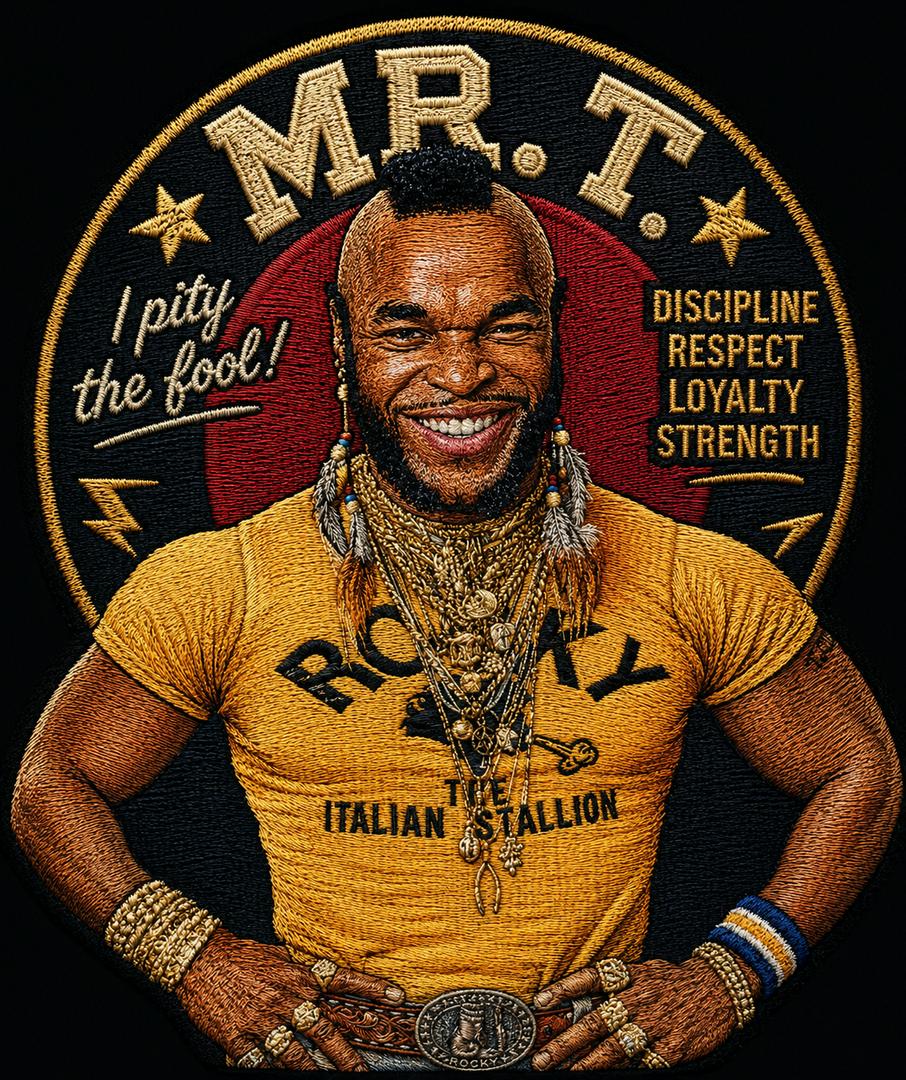
Born May 21, 1952, Mr. T became more than a catchphrase. Before the gold chains, the mohawk, and “I pity the fool,” he was Laurence Tureaud from Chicago’s South Side. Born into a family of 12 children, he grew up in the Robert Taylor Homes and became known early for discipline, toughness, and athletic ability. He attended Dunbar Vocational High School, where he played football, wrestled, and studied martial arts. That foundation helped shape the larger-than-life figure America would later recognize. Before Hollywood, he served in the U.S. Army, worked as a bouncer, and became a bodyguard for major names including Muhammad Ali and Michael Jackson. His bold image was not random. The gold chains became part of his look during his bouncer years, while his hairstyle was inspired by Mandinka warriors. His name, his image, and his presence were tied to respect, identity, and being seen as a man in a world that often denied Black men that basic dignity. His breakout moment came when Sylvester Stallone cast him as Clubber Lang in Rocky III. From there, Mr. T became a household name. His role as B.A. Baracus on The A-Team turned him into one of the most recognizable stars of the 1980s. But behind the tough-guy image was also someone who became a role model for children, using television, music, and public appearances to promote discipline, confidence, and staying away from trouble. Mr. T’s story is not just about fame. It is about a man who built an identity so strong that the world had no choice but to remember it. From Laurence Tureaud to Mr. T, he turned survival, style, and self-respect into a cultural legacy. #MrT #BlackHistory #OnThisDay #EntertainmentHistory #ChicagoHistory #TheATeam #RockyIII #BlackExcellence #PopCultureHistory

LataraSpeaksTruth

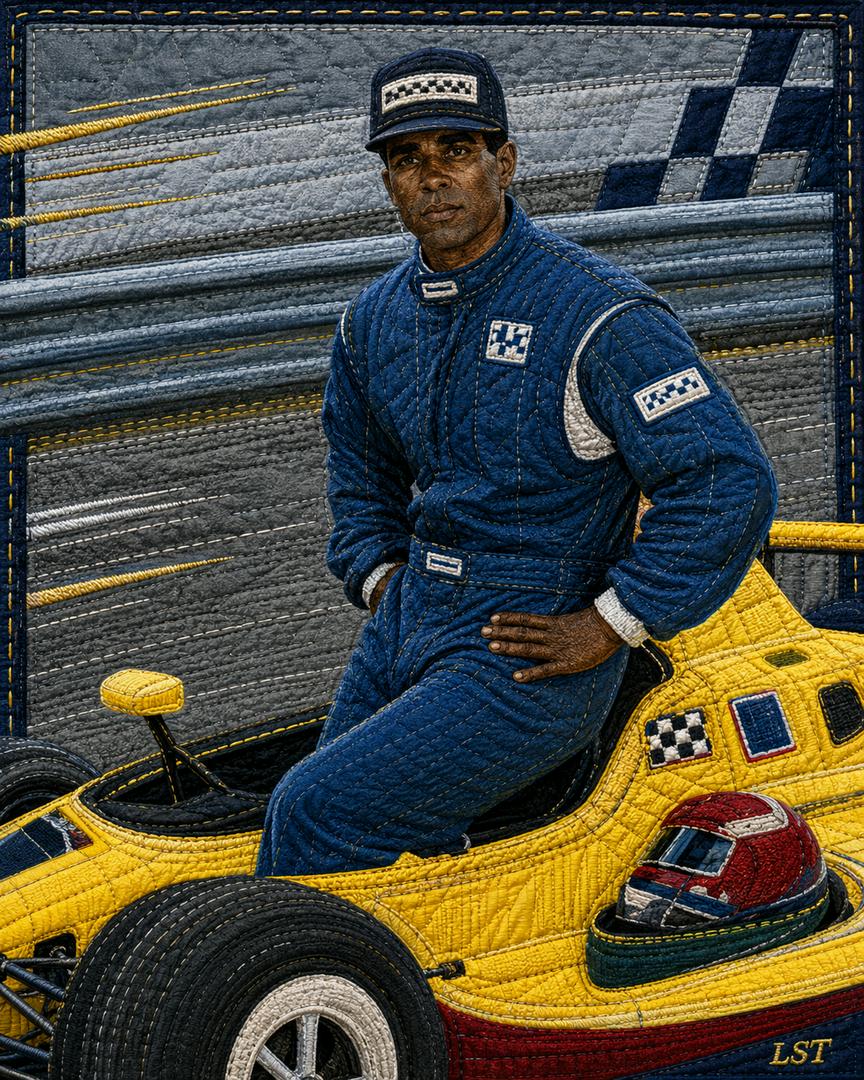
May 19, 1991, Willy T. Ribbs made history at the Indianapolis Motor Speedway. He became the first African American driver to qualify for the Indianapolis 500, one of the most famous races in America. His four-lap average speed was 217.358 mph, fast enough to put him in the field and break through a barrier that had stood far too long. And let’s be clear, this was not just about driving fast. This was about entering a space where Black drivers had been nearly invisible. Racing has always sold itself as speed, courage, engines, tradition, and glory. But tradition can also become a locked gate when certain people are kept on the outside looking in. Willy T. Ribbs did not walk into that moment with an easy road behind him. He had already dealt with doubt, rejection, controversy, and the kind of pressure that comes when you are not just competing for yourself, but carrying the weight of being “the first.” That is a heavy helmet to wear. When he qualified for the 1991 Indy 500, he did more than earn a starting position. He proved that talent had been there. Skill had been there. Courage had been there. The opportunity had not. That is the part history has to sit with. Ribbs started 29th in the race. His day ended early because of engine trouble, but nobody can erase what happened before that green flag ever dropped. He had already made history. Some people break barriers with speeches. Some do it with court cases. Some do it with music, books, protest signs, or laws. Willy T. Ribbs did it at over 217 miles per hour. And that deserves to be remembered. #WillyTRibbs #BlackHistory #OnThisDay #MotorsportsHistory #Indianapolis500 #Indy500 #BlackExcellence