Tag Page HiddenHistory

#HiddenHistory
LataraSpeaksTruth

The tragedy at Ebenezer Creek remains one of the most devastating and overlooked moments of the Civil War. As Union troops advanced toward Savannah during Sherman’s March to the Sea, hundreds of freedom seekers followed behind them, believing the army represented safety and a chance at a future beyond bondage. They walked for days beside the soldiers, carrying children, bundles, and the weight of generations. When they reached the cold waters of Ebenezer Creek, Union General Jefferson C. Davis ordered his men to cross first on a pontoon bridge. Once the troops were safely over, the bridge was pulled up without warning, leaving the refugees stranded as Confederate forces closed in. Panic spread as families realized they were trapped with nowhere to run. People leapt into the water, clinging to anything that might float, pieces of wood, clothing, each other. Many drowned trying to reach the other side. Others were captured. A moment that should have been a step toward freedom turned into a night of terror and loss. The massacre at Ebenezer Creek exposed a harsh truth of that era… even in a war fought over slavery, the safety of Black refugees was treated as negotiable. Their trust was betrayed, their lives dismissed, and their suffering pushed to the margins of history. And before anyone shows up with the tired “move on, this is old news, get over the past” routine, let me help you out… how about you move on? I’m from Georgia and in all my years in this state I never once heard about this. I’m learning it right alongside everyone else. This is exactly why these stories matter. History doesn’t disappear just because it makes people uncomfortable. We deserve to know what happened on the soil we stand on. #LataraSpeaksTruth #BlackHistory #AmericanHistory #HiddenHistory #Under2000Characters

LataraSpeaksTruth

Browder v. Gayle on November 13: The Case That Broke Bus Segregation but Revealed Deeper Fault Lines

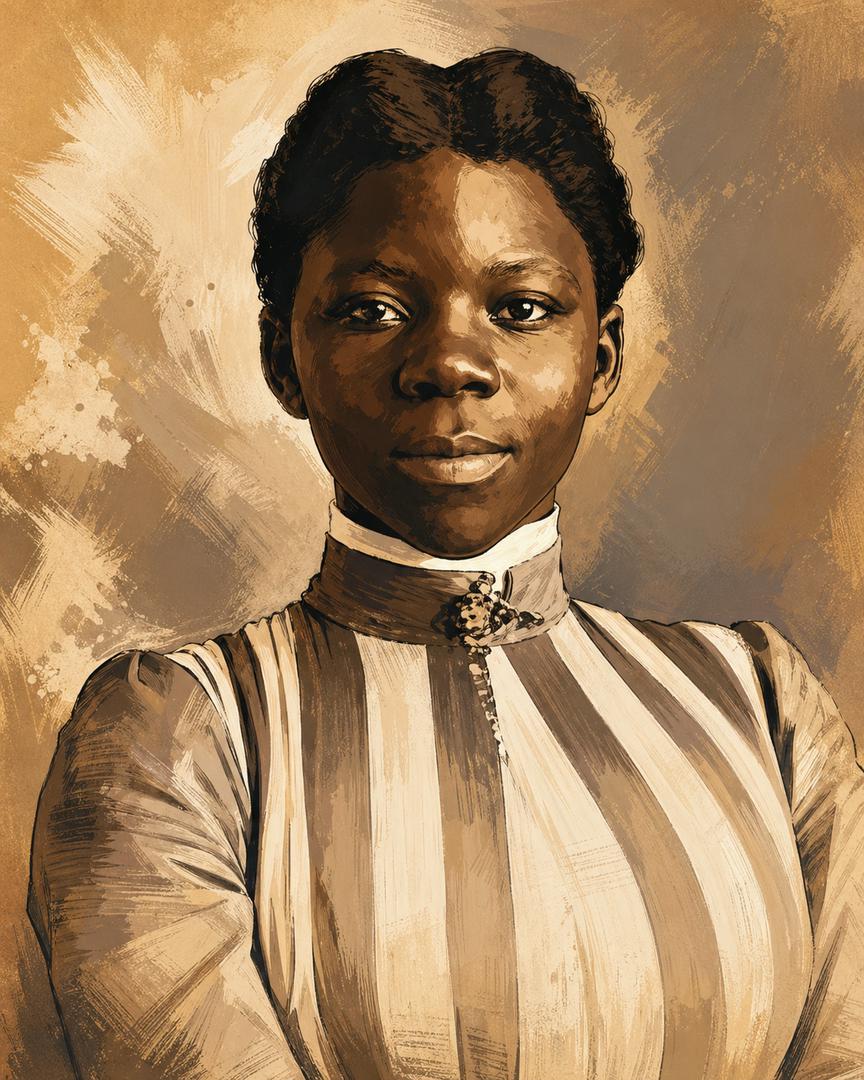
On November 13, 1956, the United States Supreme Court upheld a federal ruling in Browder v. Gayle, a decision that struck down Alabama’s bus segregation laws and reshaped public transportation practices in Montgomery. The case was built on the earlier arrests of Aurelia Browder, Claudette Colvin, Susie McDonald, and Mary Louise Smith, four Black women whose experiences formed the legal foundation of the challenge months before Rosa Parks became widely recognized. Their involvement secured a critical breakthrough, but their stories were pushed to the margins for decades due to concerns about how the public would judge their age, backgrounds, or personal circumstances. Even after the legal victory, the reality on the ground was far more complicated. Some Black riders faced harassment from bus drivers, intimidation from segregationist groups, and increased police surveillance in their neighborhoods. Local officials delayed enforcement, and white citizens’ councils organized resistance campaigns meant to discourage further challenges to entrenched customs. Browder v. Gayle ended the legal mandate for separation on buses, yet the backlash made it clear that changing a law did not change the hostility aimed at those who demanded equal treatment. The decision shifted policy, but daily life revealed how long it would take for the community to feel the impact of that victory. #BlackHistory #OurStory #HiddenHistory #FullContext #OnThisDay #NewsBreakCommunity

Browder v. Gayle on November 13: The Case That Broke Bus Segregation but Revealed Deeper Fault Lines
LataraSpeaksTruth

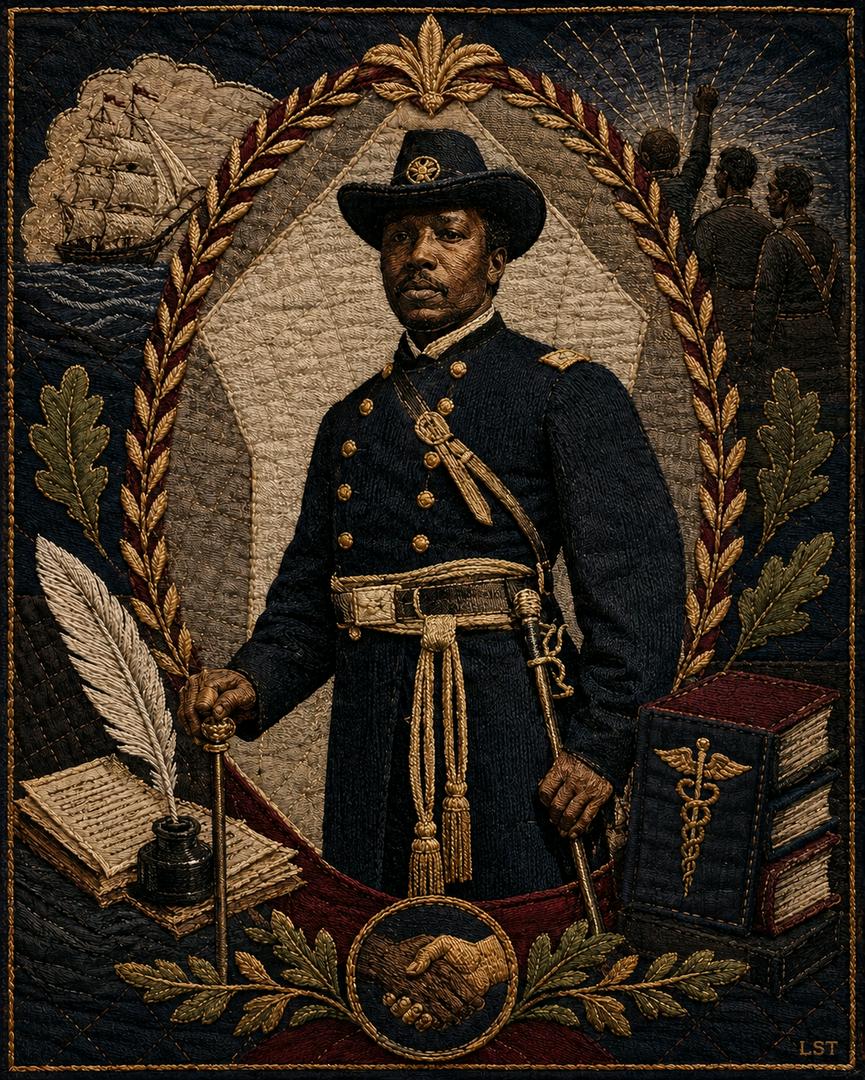
On December 9, 1872, P.B.S. Pinchback stepped into history as acting governor of Louisiana… the first Black governor in the United States. It’s one of those moments the textbooks whisper about, but it deserves a full-volume replay. Pinchback didn’t slide into power on easy mode; he fought through the chaos of Reconstruction, served as lieutenant governor, and rose to the top when the governor was impeached. His time in office was short, but sometimes it only takes a few bold weeks to shake up a century. And before someone pops into the comments with the usual, “Are you sure he was Black? He looks white…” let’s clear the air. A lot of people from that era had lighter complexions because of the grim reality of slavery: white enslavers fathered children with enslaved women, then left those kids to grow up with zero privilege, zero protection, and zero of the benefits their fathers enjoyed. Looking white didn’t grant them a shortcut. Pinchback lived, fought, and served as a Black man…?fully, openly, and without apology. His life is a reminder that history is complicated, messy, and shaped by truths many would rather ignore. Yet through it all, he carved out space where none existed and rewrote what leadership could look like in America. #TodayInHistory #BlackHistory #PBS_Pinchback #Reconstruction #LouisianaHistory #AmericanHistory #HiddenHistory #TruthMatters

LataraSpeaksTruth

The Opelousas Massacre… The Story They Tried to Erase

On September 28, 1868, the town of Opelousas, Louisiana showed the world exactly how far white supremacy was willing to go to silence Black voices. One Black newspaper editor, Emile Deslondes, challenged the violence and intimidation Black voters were facing. Instead of answering with truth, local white Democrats answered with guns. What followed wasn’t a “riot.” It was a wave. White mobs spread across Opelousas and nearby parishes, dragging Black men out of their homes, hunting down schoolteachers, community leaders, and anyone connected to the Republican Party. It became open-season on Black life. Historians estimate that 200 to 300 Black people were murdered in just a few days… and that’s only what was documented. Many families were never counted. Records vanished. Testimonies disappeared. Louisiana buried this story the same way it buried the bodies… fast, deep, and quiet. The message was loud: “Vote if you want to… but you won’t live to see the next sunrise.” That was the blueprint for voter suppression in the Deep South. Not laws… violence. Not debates… massacres. Opelousas wasn’t a moment. It was a warning. And every time we tell the truth about it, we undo one more piece of the silence they tried to build. History isn’t just dates… it’s accountability. And this one deserves to be spoken out loud. #OpelousasMassacre #LouisianaHistory #HiddenHistory #ReconstructionEra #BlackHistoryMatters #ReclaimTheRecord #HistoryTheyDidntTeachUs #TruthOverSilence #LataraSpeaksTruth

The Opelousas Massacre… The Story They Tried to Erase
✅CHAUNCEYDATGUY

BREAKING 🚨 The Hidden Truth: The First People May Have Originated in the Americas🚨

Emerging research and overlooked discoveries suggest that the first humans may have originated right here in the Americas. Ancient mound and pyramid structures scattered across North and South America—many predating those in Africa or Egypt—stand as silent proof of an advanced, ancient civilization that thrived long before mainstream history admits. Sites like Poverty Point in Louisiana, the Serpent Mound in Ohio, and the vast pyramid complexes of Mexico and South America reveal precise astronomical alignments and advanced engineering knowledge. Even more mysterious are reports surrounding the Grand Canyon, where certain restricted areas are said to contain ancient chambers, hieroglyphic markings, and relics resembling early human settlements. Though access is tightly controlled, many believe these hidden discoveries could rewrite world history, proving that Black people in the Americas were among the Earth’s original people—long before global migration ever began. #AncientAmerica #HiddenHistory #MoundBuilders #TruthRevealed #ChaunceyDatGuy

BREAKING 🚨 The Hidden Truth: The First People May Have Originated in the Americas🚨BREAKING 🚨 The Hidden Truth: The First People May Have Originated in the Americas🚨
The Story Behind...

Superstitions didn’t start because people were silly… they started because people were scared. Long before science, humans had no choice but to explain the world the best way they could. If crops failed, storms hit, or someone got sick, people needed a reason. And when you don’t have facts, you make meaning. Superstitions became survival tools — rules to help people feel safe in a world they couldn’t control. Black cats, broken mirrors, knocking on wood, throwing salt, lucky charms… none of that came from “fun sayings.” These came from fear, religion, rituals, and old beliefs passed down for hundreds or even thousands of years. People thought spirits lived in trees, so knocking on wood asked for protection. Mirrors were once made with metal, and people believed they held your soul — so breaking one meant breaking yourself. Cats were connected to gods in Egypt, witches in Europe, and luck everywhere else. Over time, superstitions spread through villages, families, and cultures. Some kept people safe — like avoiding ladders (they really are dangerous). Others just comforted people when life was unpredictable. In a harsh world, believing in “signs” and “luck” made the unknown feel a little less scary. Even today, with all the science in the world, people still follow superstitions without thinking. We say “knock on wood,” avoid the number 13, don’t open umbrellas indoors, won’t walk under ladders, keep good-luck charms, and feel weird when a black cat crosses our path. It’s proof of how deeply human it is to want control… even if it’s just by following a small ritual. Superstitions survived because fear survived… and comfort survived with it. #TheStoryBehind #Superstitions #HiddenHistory #LearnSomethingNew

The Story Behind...

The Bible didn’t arrive as one finished book. It grew over thousands of years, starting with stories passed by mouth long before ink touched paper. Different cultures wrote down histories, laws, poems, warnings, and visions. Those writings were copied, translated, debated, and protected through wars, migrations, and destroyed kingdoms. Nothing about it was quick or simple. The earliest pieces came from ancient Israel, written on scrolls of animal skin. Later, followers of Jesus wrote letters and accounts of his life. Communities kept the writings they believed carried truth, and over time, a collection formed. It wasn’t until centuries later that scholars gathered, argued, compared texts, and agreed on what should be included. That’s how the Bible became one book. Before printing existed, every copy was written by hand. It took months. One mistake meant starting over. People risked their lives to hide copies from governments who tried to stop them. The Bible survived fires, bans, and entire empires collapsing. When the printing press arrived, everything changed. For the first time, ordinary people could read it instead of relying on leaders to explain it. That freedom shaped countries, cultures, and beliefs all over the world. The Bible we see today is a layered history of faith, suffering, hope, and human hands doing their best to preserve something sacred. Whether someone reads it for religion, history, wisdom, or curiosity, it carries the weight of thousands of years of people trying to understand life, death, and what it all means. #TheStoryBehind #BibleHistory #AncientTexts #HiddenHistory #LearnSomethingNew #NewsBreakCommunity #DidYouKnow

The Story Behind...

Whaling didn’t start as a brutal industry. Thousands of years ago, coastal communities survived on anything the ocean offered — including whales that washed ashore. Those early hunts were small, respectful, and rooted in survival, not profit. Everything changed in the 1600s and 1700s. As European and American ships expanded across the oceans, whales became “liquid gold.” Whale oil lit lamps, powered machinery, greased factories, and made nations rich. The bones were turned into tools, umbrellas, corsets, even furniture. A whole economy was built on the backs of the largest animals on Earth. But the work was violent. Sailors chased whales for hours, stabbed them with harpoons, and watched them bleed across the sea. Ships risked storms, freezing waters, and being dragged under by whales fighting for their lives. Thousands of men died doing it. By the 1800s, the demand was so great that entire whale populations collapsed. Species were pushed to the edge of extinction long before anyone cared about conservation. The turning point came when petroleum replaced whale oil and new laws began protecting marine life. What was once a booming industry became a symbol of human greed and carelessness. Today, most countries have banned commercial whaling, but a few still continue the old traditions under different names. The legacy of whaling is complex — part survival, part industry, part destruction. It shows how far humans will go to chase profit, and how quickly a giant of the sea can disappear when the world decides it’s “useful.” #TheStoryBehind #Whaling #HistoryFacts #OceanHistory #HiddenHistory #DidYouKnow #NewsBreakCommunity #LearnSomethingNew #WildlifeHistory

LataraSpeaksTruth

York… The Man History Tried to Forget

York was the only Black member of the Lewis and Clark Expedition, yet he returned home to the same bondage he left with. His strength, hunting skills, diplomacy, and endurance helped carry the Corps of Discovery through some of its hardest moments. While others received pay and praise, York received nothing. His story deserves to be remembered for what it is… the truth. York’s contributions were woven into every part of the expedition. He hunted for food, carried heavy loads, provided protection, and helped build relationships with Indigenous communities who showed him respect. Journals from the journey make it clear he worked just as hard as any man on the team. In many moments, he worked harder. Even so, he returned home with no credit and no reward. York’s role highlights how the story of America is often told without the voices of the people whose labor made survival possible. #York #LewisAndClark #HiddenHistory #AmericanHistory #BlackHistory #LataraSpeaksTruth

York… The Man History Tried to Forget