1/1

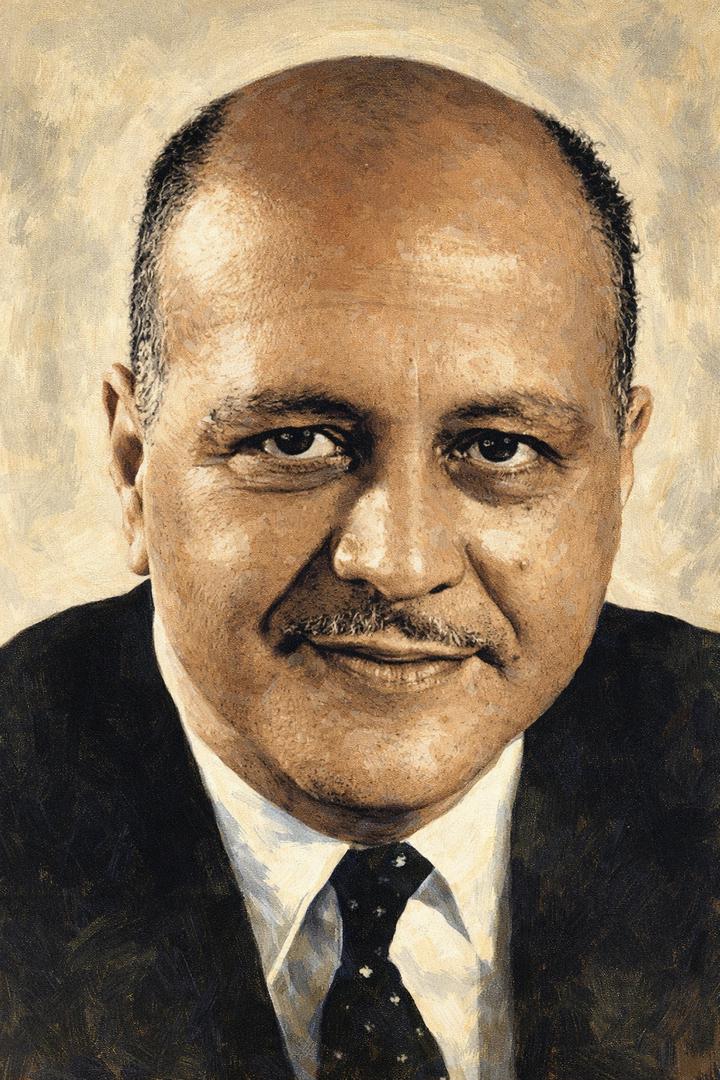
January 13, 1966 was not a ceremonial first or a symbolic nod. It was a structural shift. On this day, President Lyndon B. Johnson appointed Robert C. Weaver as Secretary of Housing and Urban Development, making him the first Black person to serve in a United States presidential cabinet. That title mattered—because cabinet positions shape policy, not headlines. They control budgets, regulations, and the direction of federal power. Weaver was not chosen for visibility. He was chosen for competence. Long before his appointment, he had already shaped federal housing policy behind the scenes, serving across multiple administrations as an economist and housing expert. He understood urban development from the inside out at a time when American cities were being reshaped by highway construction, displacement, and decades of neglect. HUD itself was a brand-new department, created to confront housing inequality, urban decay, and community development. Placing Weaver at its helm was not accidental. It put a Black expert in charge of a federal agency that directly affected millions of working families, renters, and city residents—many of whom had been excluded from fair housing and opportunity for generations. This moment challenged the quiet rule that Black leadership could advise but not decide. Weaver did not simply sit at the table. He signed documents, approved programs, and directed national policy. His appointment cracked a door that had been sealed shut since the founding of the republic. January 13 stands as a reminder that progress is not just about representation. It is about authority. About who is trusted with power. And about who is allowed to shape the future of the country in real, measurable ways. #OnThisDay #January13 #AmericanHistory #USGovernment #HousingPolicy #UrbanDevelopment #CabinetHistory #HiddenHistory #PoliticalFirsts
2026-01-13

Gloria Pate
Thank You for keeping us informed 🥰
01-14
Des Plaines, IL
Reply
2

Jacqueline Blanks

01-13
Bridgeport, CT
Reply
2
More comments ...
write a comment...