Tag Page HiddenHistory

#HiddenHistory
LataraSpeaksTruth

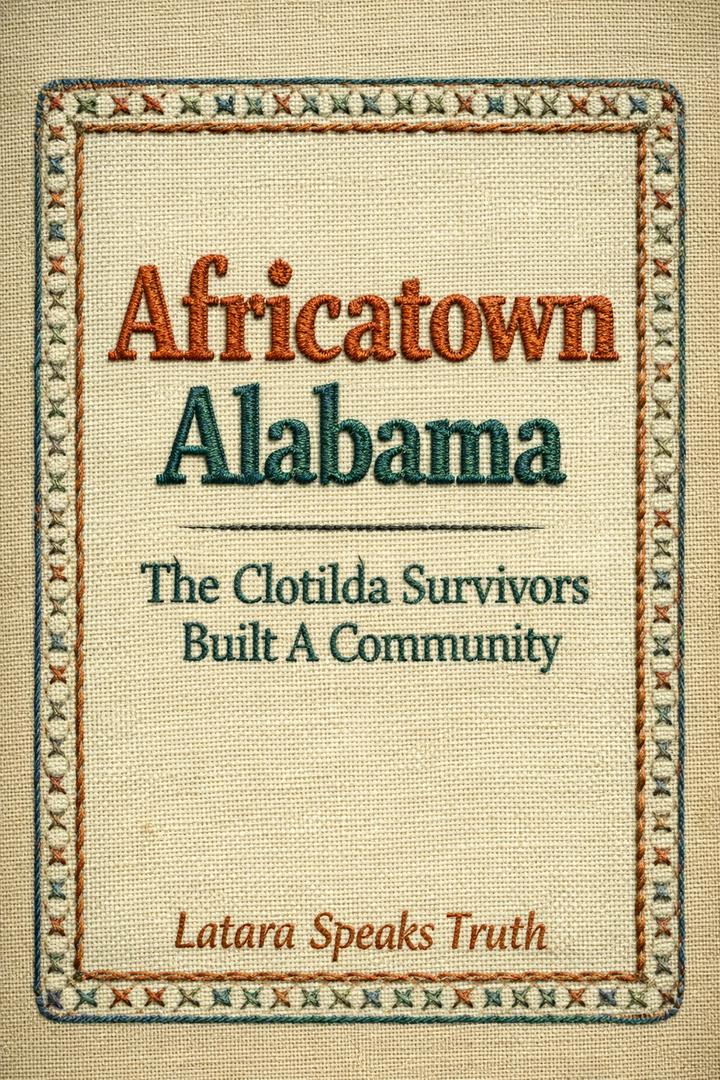
In 1860, long after the United States banned the international slave trade in 1808, a ship called the Clotilda was used to smuggle about 110 captive Africans into the Mobile area in Alabama. The people behind it knew it was illegal. After the captives were brought ashore, the crew burned the ship and sank it in the Mobile River delta to hide the evidence. After emancipation, many survivors wanted to return to West Africa, but they could not afford passage. So they did something powerful and practical. They pooled money, bought land north of Mobile, and built an independent community that became known as Africatown, often linked to its founding around 1866. It was not just a place to live. It was a decision to rebuild on their own terms with churches, a school, family networks, mutual aid, and cultural memory held tight. One of the most well known survivors was Oluale Kossola, often called Cudjo Lewis. He lived until 1935 and shared his story in detail, helping keep names, places, and experiences from being lost. For generations, outsiders doubted Africatown’s origin story. Then in May 2019, archaeologists and the Alabama Historical Commission confirmed a wreck as the Clotilda, backing up what descendants had been saying all along. They tried to erase the crime. Africatown refused to disappear. #Africatown #Clotilda #MobileAlabama #AlabamaHistory #BlackHistory #HiddenHistory #UntoldHistory #AmericanHistory #HistoryMatters #CudjoLewis

LataraSpeaksTruth

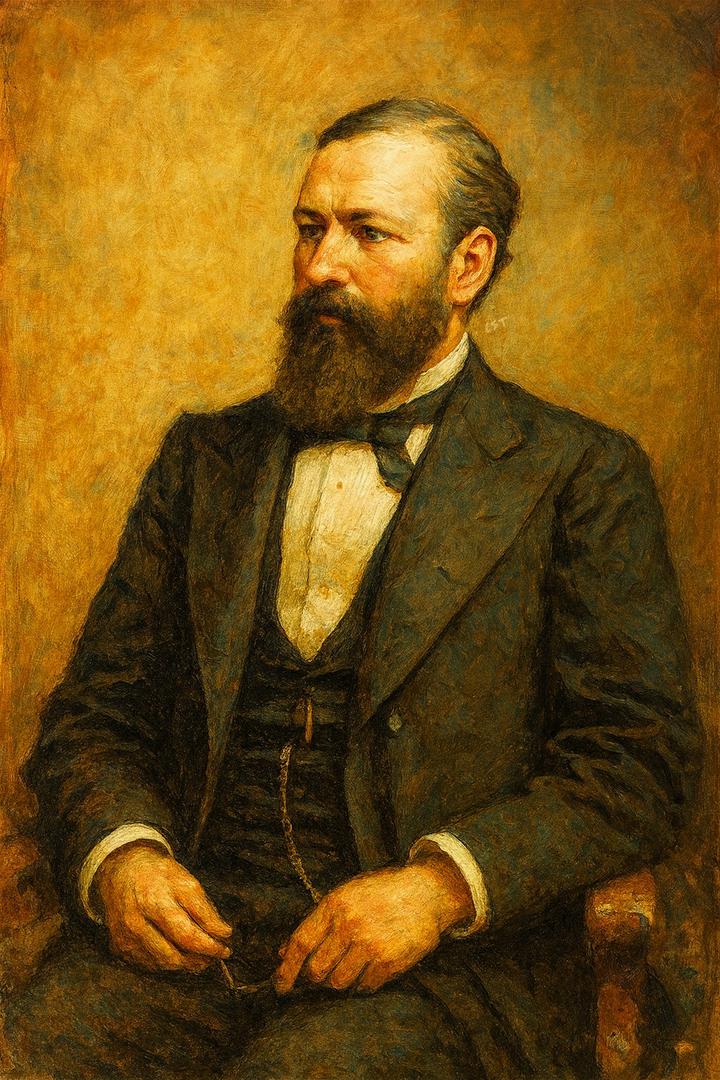
On December 9, 1872, P.B.S. Pinchback stepped into history as acting governor of Louisiana… the first Black governor in the United States. It’s one of those moments the textbooks whisper about, but it deserves a full-volume replay. Pinchback didn’t slide into power on easy mode; he fought through the chaos of Reconstruction, served as lieutenant governor, and rose to the top when the governor was impeached. His time in office was short, but sometimes it only takes a few bold weeks to shake up a century. And before someone pops into the comments with the usual, “Are you sure he was Black? He looks white…” let’s clear the air. A lot of people from that era had lighter complexions because of the grim reality of slavery: white enslavers fathered children with enslaved women, then left those kids to grow up with zero privilege, zero protection, and zero of the benefits their fathers enjoyed. Looking white didn’t grant them a shortcut. Pinchback lived, fought, and served as a Black man…?fully, openly, and without apology. His life is a reminder that history is complicated, messy, and shaped by truths many would rather ignore. Yet through it all, he carved out space where none existed and rewrote what leadership could look like in America. #TodayInHistory #BlackHistory #PBS_Pinchback #Reconstruction #LouisianaHistory #AmericanHistory #HiddenHistory #TruthMatters

Brandon_Lee

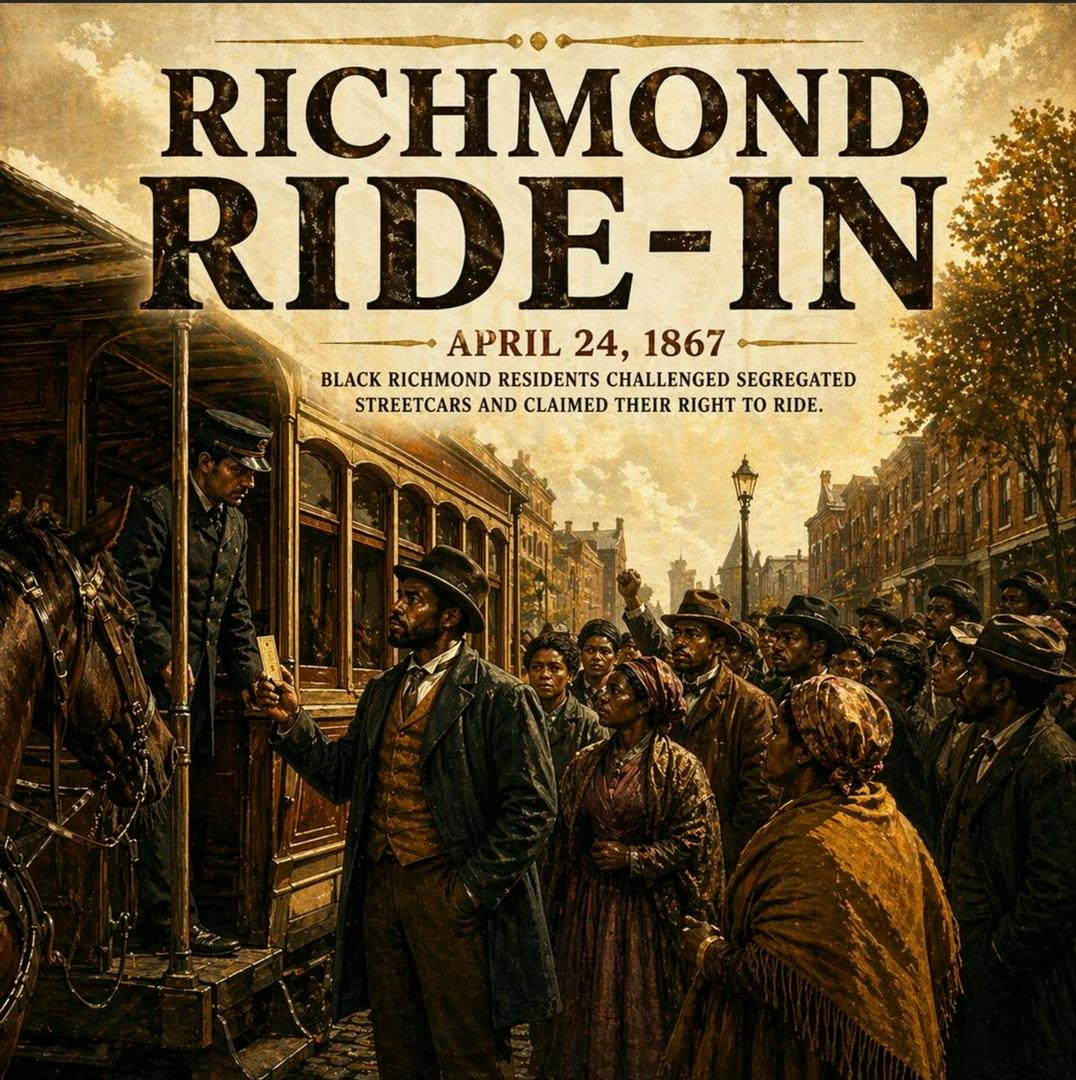
On April 24, 1867, Black residents in Richmond, Virginia made it clear that the fight for equal treatment did not begin in the 1950s. t was Reconstruction. Slavery had officially ended through the 13th Amendment barely more than a vear earlier, but freedom or paper did not mean equal rights in everyday ife. In Richmond, Black passengers were being denied access to privately operated horse-drawn streetcars, even when they had paid for a ticket One of the people connected to this protest was Christopher Jones. According to historical records, Jones bought a ticket for a Richmond streetcar and attempted to ride When he was refused, a crowd gathered in support of his right to board. He was later arrested for disturbing the peace But the people did not back downBlack Richmond residents organized protests against the streetcar company's racial restrictions. This was not iust about transportation. It was about citizenship public space, dignity, and whether freedom would mean anything beyond words written into law. That is what makes this historv so important. Long before the Montgomery Bus Boycott long before Rosa Parks became a nationa symbol, Black communities were already challenging segregation in public transportation. They were using protest oublic pressure, and collective action to demand what should have already been theirs. The Richmond Streetcar Protest reminds us that civil rights history did not suddenly appear in the 20th century. It had deep roots in Reconstruction, when newly freed people were fighting to define what freedom would actually look like in public life April 24, 1867 deserves to be remembered because it shows us something powerful. The pushback started early The courage was already there. And the demand was simple: if we paid to ride, we had the riaht to ride. #BlackHistory #ReconstructionHistory #RichmondVA #CivilRightsHistory #HiddenHistory

LataraSpeaksTruth

Fort Mose was founded in 1738 just north of St. Augustine, Florida, and it does not get talked about enough. It punches a clean hole through the myth that freedom for Africans in “early America” only started later. Under Spanish Florida, it was called Gracia Real de Santa Teresa de Mosé. Governor Manuel de Montiano ordered it built as a fortified settlement where freedom seekers escaping British colonies could live as free people by law. Not a rumor…not a loophole…a recognized community with a name and a mission. Spain offered freedom with conditions. Convert to Catholicism, pledge loyalty to the Spanish Crown, and be willing to help defend the colony. Yes, it was politics aimed at weakening the British. But politics still opened a door…and people ran through it anyway. Fort Mose was not just a fort. It was a neighborhood. Families building lives with legal standing in a world designed to deny them personhood. The community organized a militia, led by Captain Francisco Menéndez, proof that Africans were not only surviving…they were holding rank, defending land, and negotiating power. Life there was never soft. In 1740, during General James Oglethorpe’s siege of St. Augustine, British forces took Mosé. Days later, Spanish troops, Indigenous allies, and the Black militia counterattacked in what’s remembered as the Battle of Bloody Mose. The fort was destroyed in the fighting, but the resistance was real, and the message was louder than the smoke. Still, the receipt stands. In 1738 there was a free Black community living under law on land that would become the United States. They ran, organized, fought, and built…long before the timeline most of us were handed even “starts.” #FortMose #BlackHistory #SpanishFlorida #StAugustine #FloridaHistory #ColonialHistory #FreedomSeekers #MaroonHistory #AfricanDiaspora #HiddenHistory

AčT/Cæř

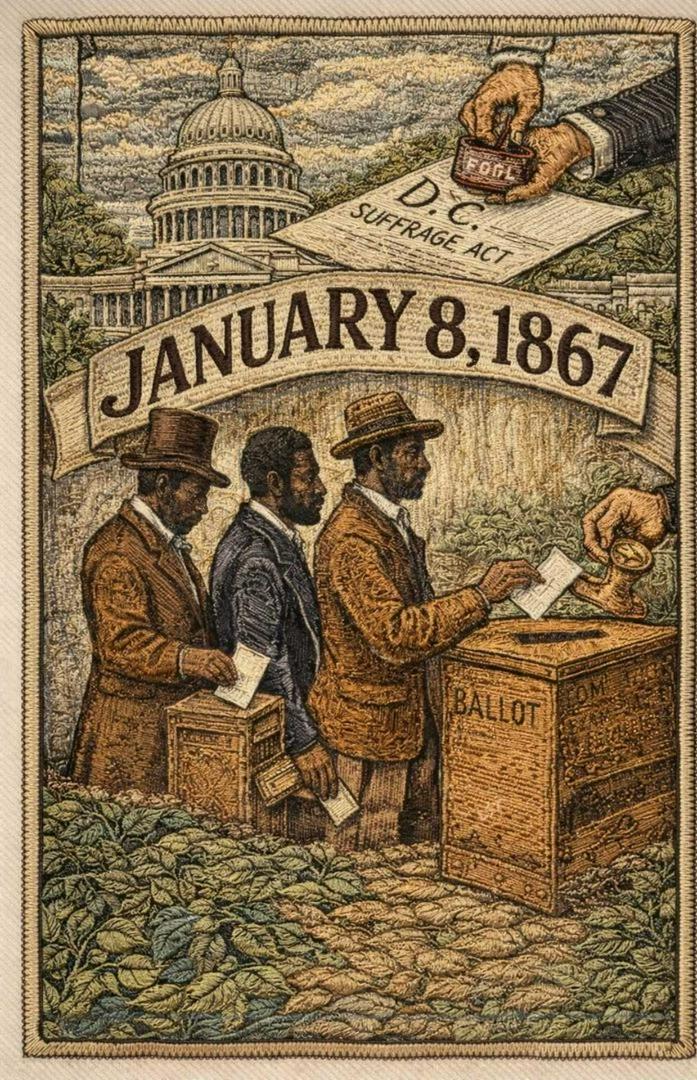
January 8, 1867 marks a turning point in American history that is rarely given the attention it deserves. On this day, Congress passed the District of Columbia Suffrage Act, granting Black men in Washington, D.C the legal right to vote in municipal elections and public referenda. This happened three years before the 1 5th Amendment, at a time wher most of the nation still viewed Black political participation as a danger rather than a riaht. This was not a promise for the future or a symbolic gesture. It was an immediate, enforceable change written directly into law. The decision did not come quietly or without resistance. President Andrew Johnson vetoed the act, arguing that extending votina riahts to Black men was premature and would destabilize the country. Congress reiected that argument and overrode his veto the same day. That override mattered It made clear that Reconstruction was not only about ending slavery on paper but about redistributing political power in real time. Washington, D.C. became a proving ground, showing that Black civic participation could exist and function despite fierce opposition The importance of Januarv 8, 1867 is often overlooked because it does not fit neatly into the simplified version of history many are taught. Voting rights did not suddenly appear with the 15th Amendment. They were demanded, tested, expanded restricted, and attacked repeatedly. This moment captures Black men exercisinc political agency while the nation was still debating whether they deserved it. It reminds us that progress has never required national comfort or unanimous approval. Rights have always moved forward through pressure, confrontation, and refusal to wait. January 8 stands as proof that access was forced open long before the country was ready to admit it #January8 #OnThisDay #BlackHistory #ReconstructionEra #VotinaRichts #DistrictOfColumbia #AmericanHistory #HiddenHistory #CivilRights

LataraSpeaksTruth

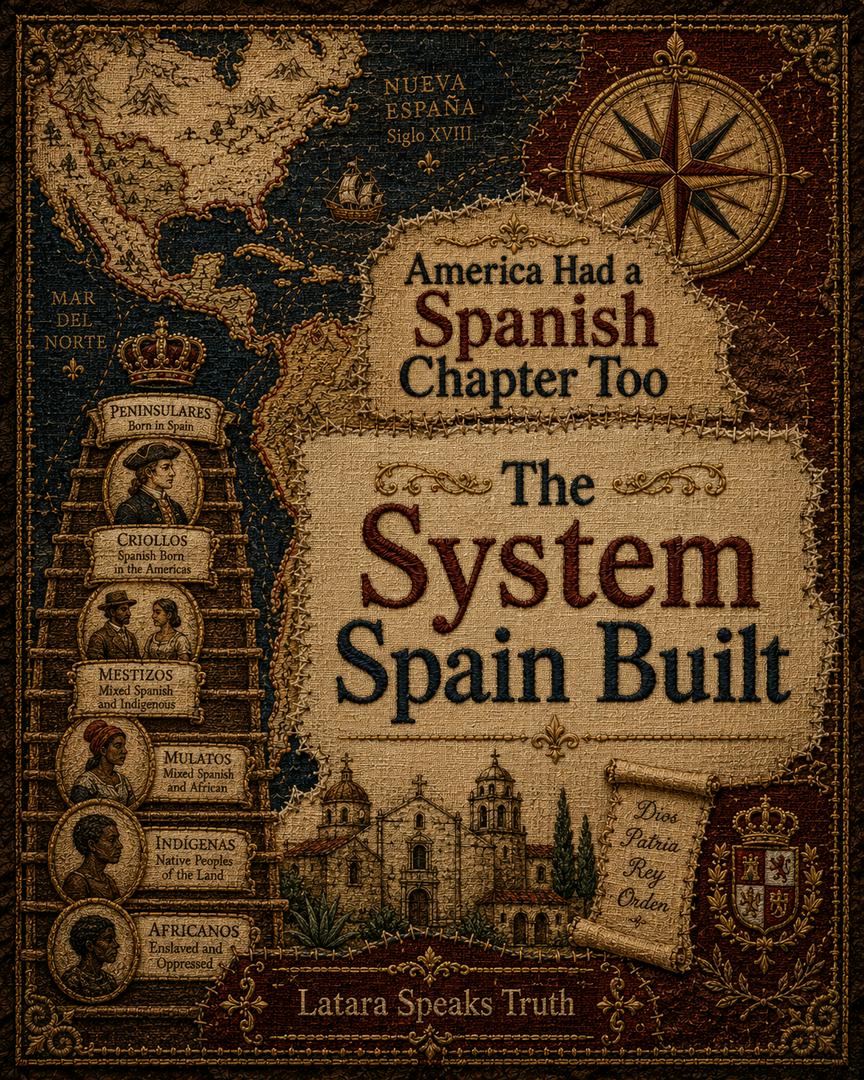
The System Spain Built Before we keep moving forward, we have to look at the system Spain built in the Americas. When Spain expanded its empire, it did not only take land. It built a social order. Spanish colonial society developed a racial hierarchy often called the casta system. At the top were Spaniards born in Spain. Below them were people of Spanish descent born in the Americas. Beneath that were mixed-race groups, Indigenous people, and people of African descent. This was not just prejudice floating in the air. It was structure. The system shaped who had access to power, land, education, church authority, legal protection, and social status. It also shaped who was pushed into forced labor, taxed, controlled, converted, displaced, or treated as less than fully equal. Indigenous people were forced into colonial systems that reshaped their land, labor, language, and spiritual life. African people and their descendants were brought into the Americas through slavery and placed near the bottom of colonial society. Spanish elites gained wealth through land control, plantations, mines, forced labor, and laws that protected their position. The casta system also created labels for mixed-race people, turning ancestry into a ranking system. A person’s background could affect how they were seen, where they fit, and how close they were allowed to stand to power. That is why this history matters. Spanish America was not built only through exploration. It was built through hierarchy. And long before modern debates about race, language, borders, and belonging, Spain had already created a system that taught people where they were supposed to stand. Some were placed close to power. Others were pushed to the bottom. And the effects of that colonial order did not disappear just because empires changed names. #LataraSpeaksTruth #AmericanHistory #LatinoHistory #HispanicHeritage #HiddenHistory
LataraSpeaksTruth

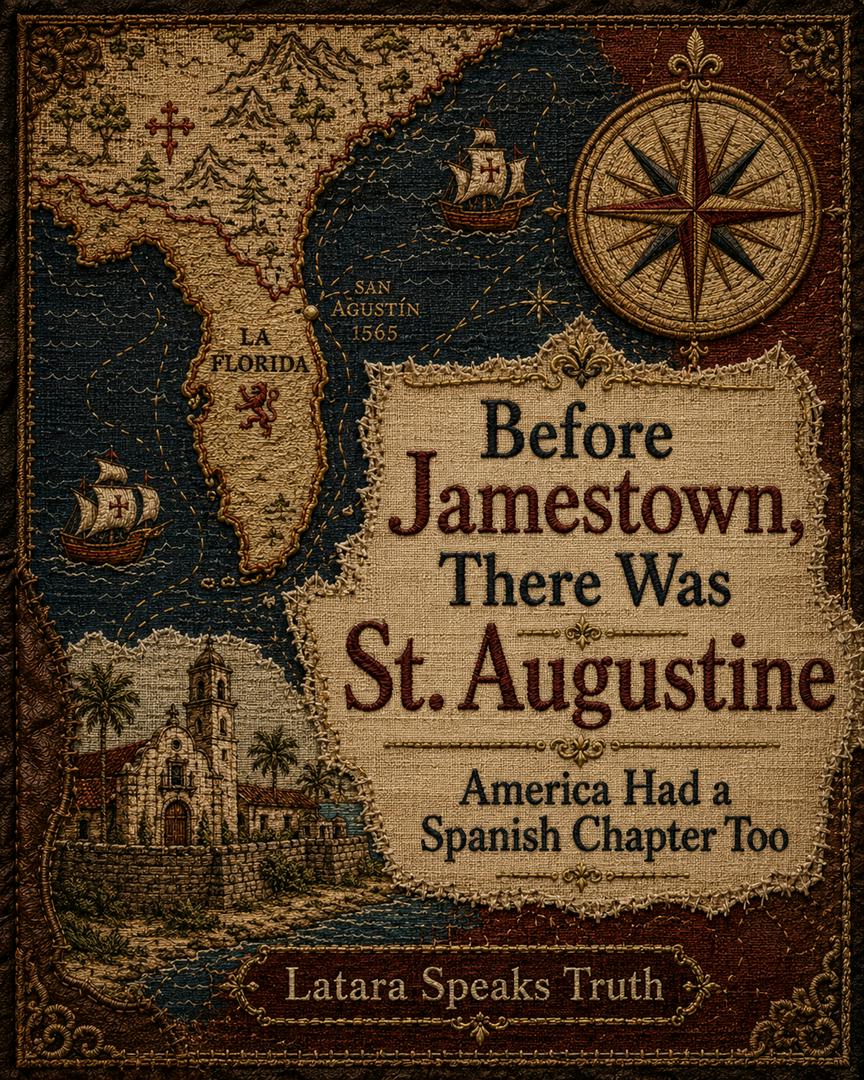
Before Jamestown, There Was St. Augustine Before many Americans learned about Jamestown, Plymouth Rock, or the Pilgrims, Spanish Florida was already part of the story. In 1565, Pedro Menéndez de Avilés founded St. Augustine in what is now Florida. The city is recognized as the oldest continuously occupied settlement of European and African American origin in the United States. It was founded decades before Jamestown and Plymouth. That matters because early American history did not begin only with English settlers. It also included Spanish colonization, Indigenous land, forced labor, African presence, Catholic missions, military outposts, and communities shaped under empire. St. Augustine was built on land where Indigenous people already lived. Spanish colonists first occupied the Timucua village of Seloy, and conflict grew between Spanish settlers and Indigenous communities before the settlement later shifted to the site of modern St. Augustine. African people were also there from the beginning. When people talk about African presence in early America, many start with 1619 in Virginia. That story is important, but it is not the only beginning. In Spanish Florida, free and enslaved Africans were already part of the settlement in the 1500s. That means the Spanish chapter of American history was never only Spanish. It was Indigenous. It was African. It was European. It was forced together through conquest, survival, labor, violence, religion, and resistance. This is why the history matters. Once people understand St. Augustine, they understand that Spanish-speaking history in America did not arrive late. It was already being written before English colonies became the center of the classroom story. This was not a side chapter. It was one of the first chapters. And many people were never taught it that way. #LataraSpeaksTruth #AmericanHistory #LatinoHistory #HispanicHeritage #HiddenHistory
LataraSpeaksTruth

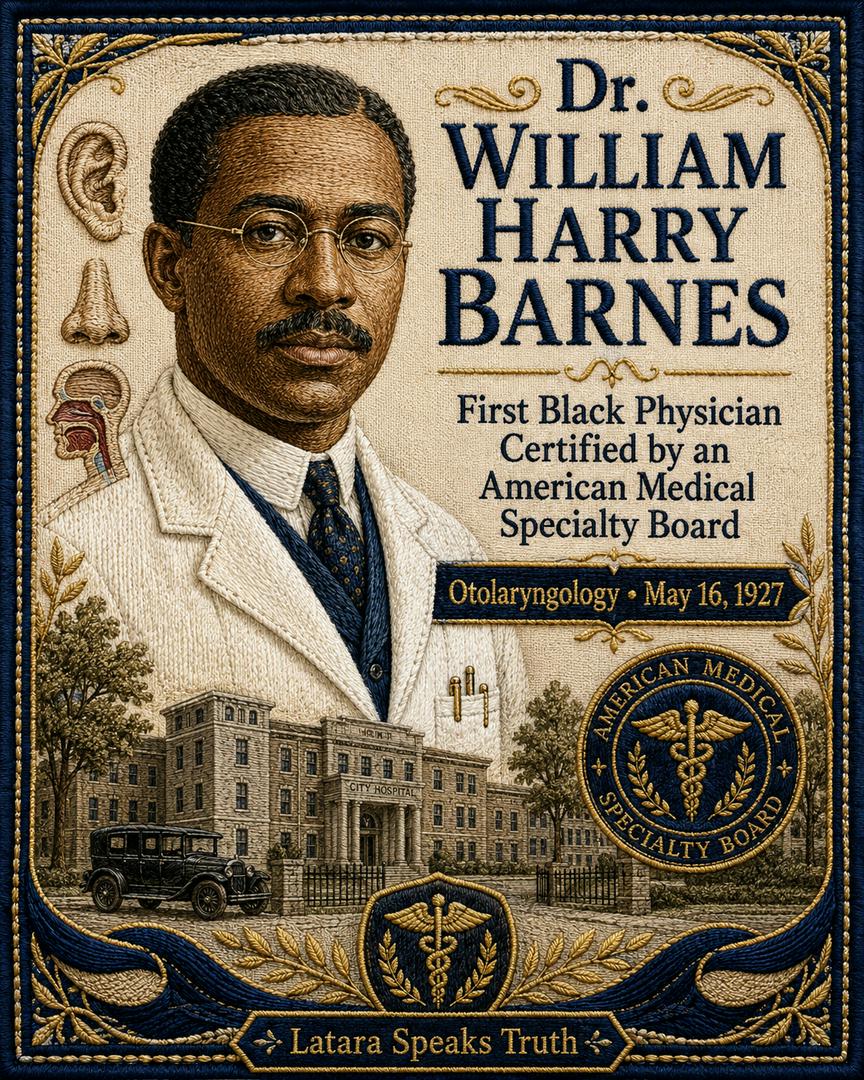
May 16, 1927, marked a quiet but powerful breakthrough in American medicine. On that day, Dr. William Harry Barnes became the first Black physician certified by an American medical specialty board. He earned certification in otolaryngology, the branch of medicine focused on the ear, nose, and throat. That may sound like a simple credential today, but in 1927, it meant much more. This was a time when Black doctors were often shut out of major hospitals, professional networks, training programs, and medical institutions. Even with talent, education, and skill, access was never equal. Dr. Barnes pushed through anyway. Born in Philadelphia in 1887, he worked his way through school and later graduated from the University of Pennsylvania Medical School in 1912. He went on to build a respected career in otolaryngology and became chief of the Department of Otolaryngology at Frederick Douglass Hospital in Philadelphia. His achievement was not just personal. It opened a door. Board certification signaled that a physician had met a professional standard in a specialized field. For Dr. Barnes to earn that distinction during segregation showed both his excellence and his refusal to let the barriers of his time define his ceiling. He later became a leader in organized medicine, including serving as president of the National Medical Association in 1936. His work helped create space for future Black specialists in fields where they had long been excluded or overlooked. Dr. William Harry Barnes did not just practice medicine. He made history inside it. His name deserves to be remembered not only as a skilled physician, but as a barrier breaker who proved that Black excellence belonged in every room, every hospital, every board, and every specialty. #BlackHistory #May16 #WilliamHarryBarnes #BlackDoctors #MedicalHistory #HiddenHistory

Brandon_Lee

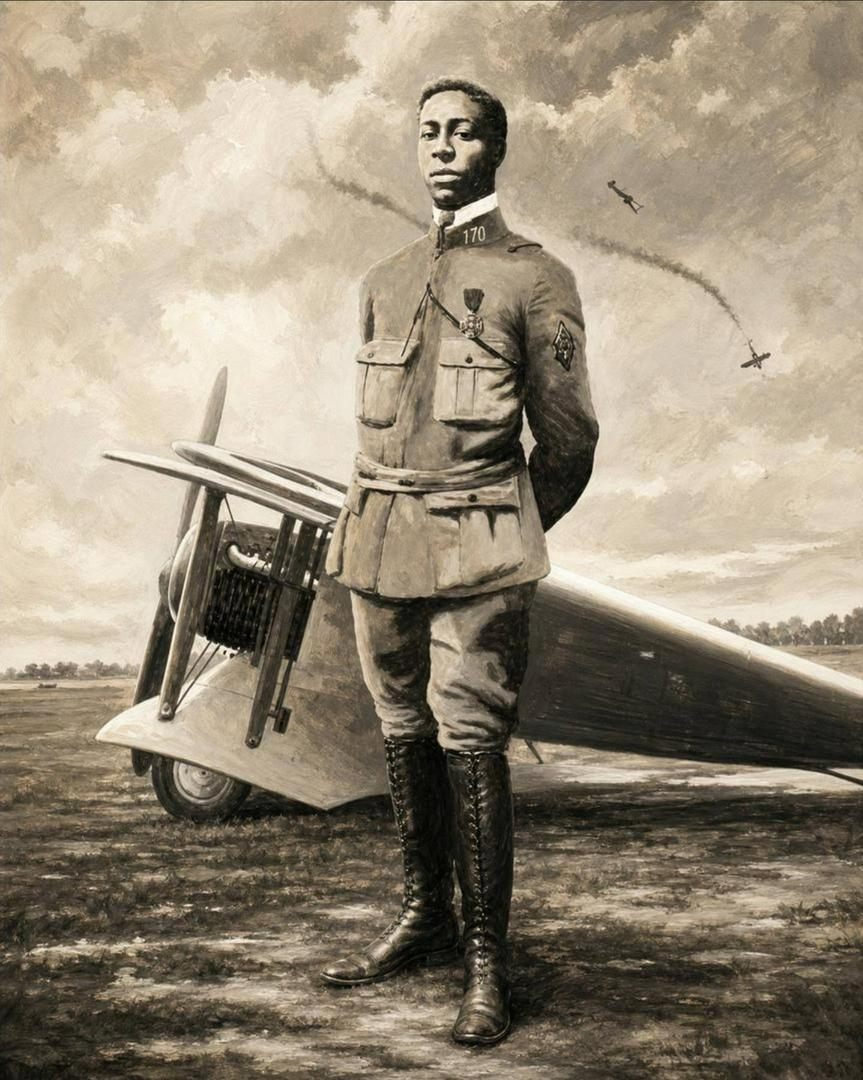
On May 5, 1917, Eugene Jacques Bullard earned his pilot's license from the Aéro-Club de France. Born in Columbus, Georqia Bullard became one of the first Black military pilots in world history and one of the most important combat aviators of World War I. Bullard's story did not begin with privilege He left the United States as a young man and eventually found his way to Europe. In France, he found opportunities America was not willing to give Black men at the time When World War I began, Bullard joined the French Foreign Legion and later served in the French army. After being wounded at Verdun, he trained as a pilot and earned his wings in 1917. Aviation was still dangerous and new, but Bullard stepped into that worlo anyway. He flew for France before the United States was ready to recognize a Black man in that role. When America entered the war. some American pilots serving with France were accepted into U.S. service. Bullard was not His skill, courage, and record were not enough to overcome the color line., France honored him for his service. Bullard received multiple militarv decorations and became remembered as a man who fought flew, and survived in a world that tried to imit him. His story matters because Black achievement was often recognized overseas before it was respected at home Eugene Bullard did not wait for permission from America to become history. He climbed into the cockpit anyway Before the Tuskegee Airmen became egends, Eugene Jacques Bullard had already taken to the sky#EugeneBullard #AviationHistory #WorldWarl #HiddenHistory #BlackHistory

LataraSpeaksTruth

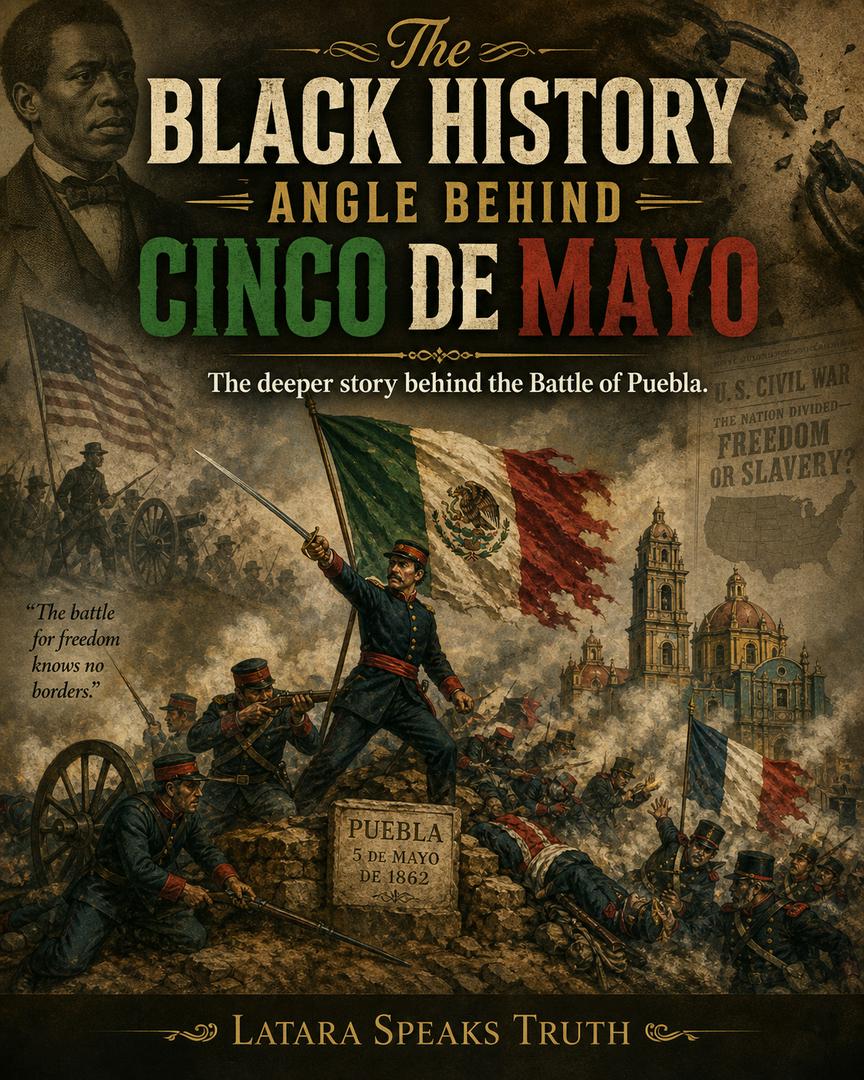
Cinco de Mayo is often treated like a party day, but the real history goes much deeper. The date marks the Battle of Puebla on May 5, 1862, when Mexican forces defeated French troops despite being heavily outnumbered. It is often mistaken for Mexican Independence Day, but that is not what it represents. Cinco de Mayo remembers a specific military victory against French invasion. The Black history angle comes from what was happening around that battle. In 1862, the United States was in the middle of the Civil War. The Confederacy was fighting to preserve slavery, while France under Napoleon III was trying to expand power in Mexico. France wanted to establish a monarchy under Maximilian of Austria and weaken U.S. influence in North America. That made Mexico’s resistance important beyond Mexico. At the same time, the Confederacy had pushed into New Mexico and Arizona and hoped to expand farther west. Some California Latinos supported the Union and saw the fight against French intervention in Mexico and the fight against the Confederacy as connected. That does not mean Cinco de Mayo ended slavery. It did not. But it does mean the Battle of Puebla happened inside a much larger struggle over slavery, empire, democracy, and power in North America. For some communities in California, Mexico’s victory became a symbol that freedom could stand against forces tied to slavery, monarchy, and domination. That is the part many people miss. Cinco de Mayo is not just food, drinks, and decorations. Its history reaches into war, resistance, and the politics of freedom during one of the most dangerous periods in North American history. The story is deeper than the celebration. #BlackHistory #CincoDeMayo #BattleOfPuebla #CivilWarHistory #HiddenHistory