Category Page news

✅CHAUNCEYDATGUY

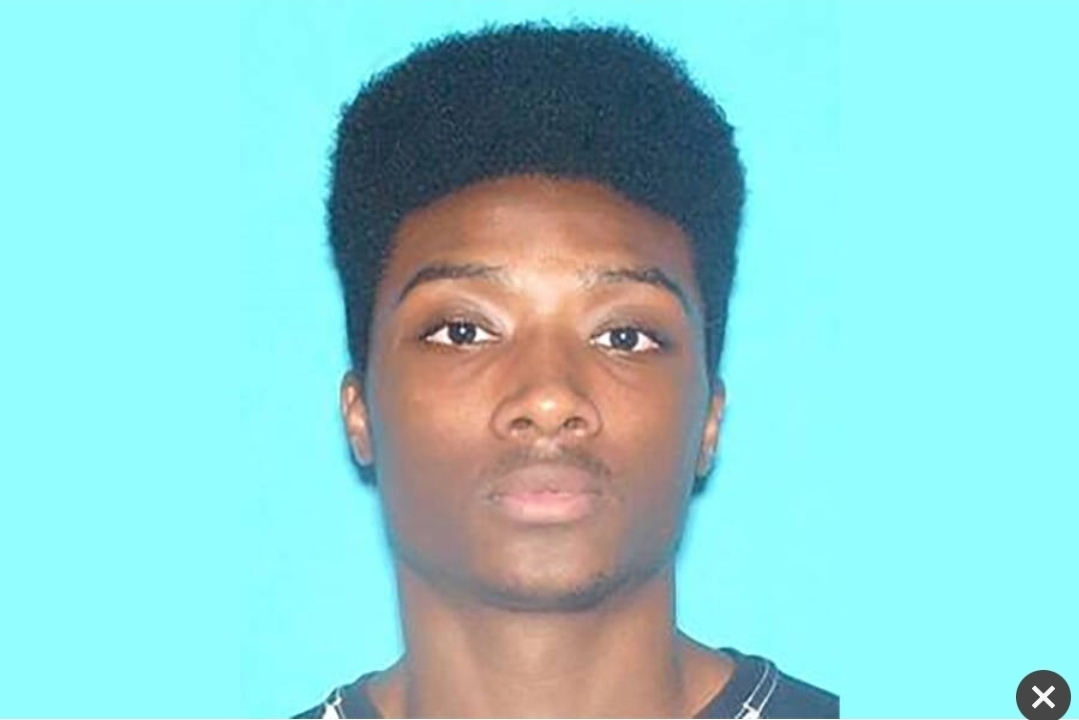
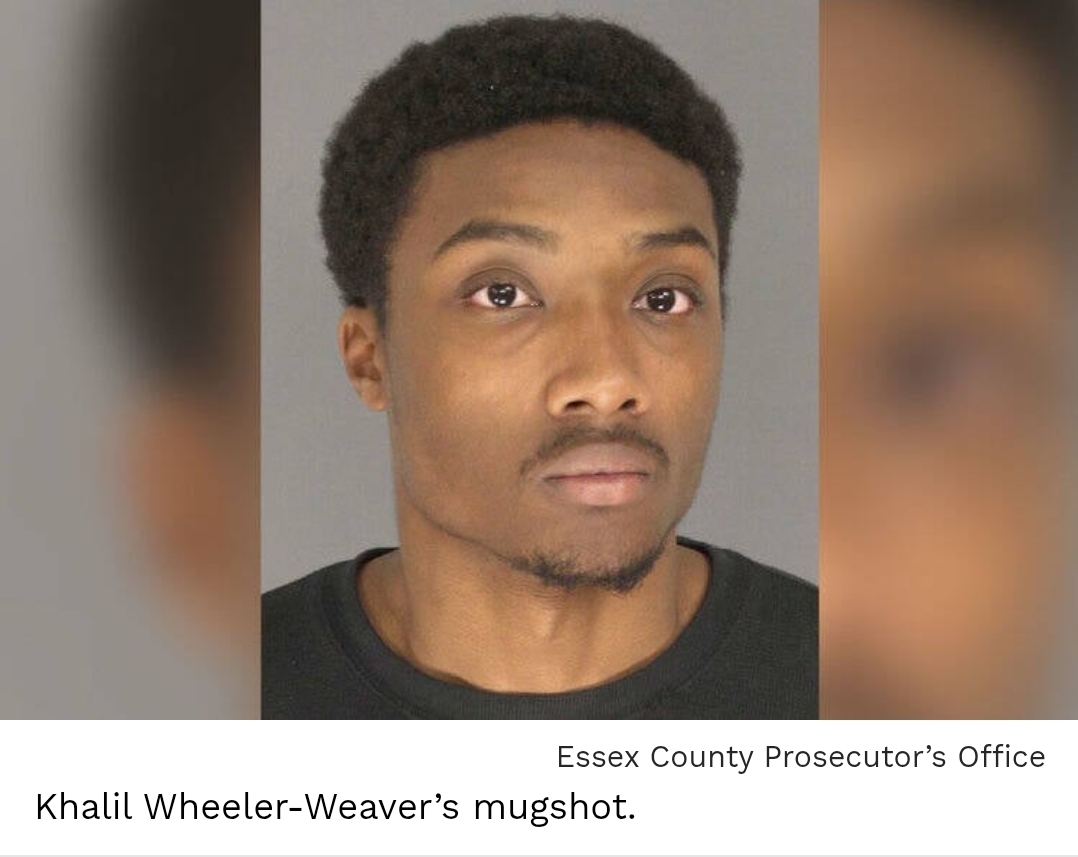
How Serial Killer Khalil Wheeler-Weaver Was Brought Down By The Same App He Used To Hunt For Victims

Khalil Wheeler-Weaver lived a double life — a calm, well-dressed young man from Orange, New Jersey, working security jobs while secretly hunting women online. Between August and November of 2016, he used dating and social apps like Tagged to lure victims, murdering three women and attempting to kill a fourth. His victims included 19-year-old Robin West, 33-year-old Joanne Brown, and 20-year-old college student Sarah Butler, whose tragic death finally exposed his crimes. Sarah met him through Tagged and was found strangled and raped beneath a pile of sticks. Her family refused to let her death go unanswered. Using Sarah’s own account, her sister created a fake profile on Tagged and teamed up with police to set a trap. When Wheeler-Weaver arrived expecting another victim, undercover officers were waiting. Investigators later found chilling online searches and phone records linking him to all three murders. In 2021, after facing the victims’ families in court, he was sentenced to 160 years in prison — ending the reign of the so-called Tagged Killer. #TrueCrime #JusticeForSarah #TaggedKiller #ChaunceyDatGuy

How Serial Killer Khalil Wheeler-Weaver Was Brought Down By The Same App He Used To Hunt For VictimsHow Serial Killer Khalil Wheeler-Weaver Was Brought Down By The Same App He Used To Hunt For VictimsHow Serial Killer Khalil Wheeler-Weaver Was Brought Down By The Same App He Used To Hunt For VictimsHow Serial Killer Khalil Wheeler-Weaver Was Brought Down By The Same App He Used To Hunt For Victims
DappledDolphin

The Imposter Who Fooled a Family — and a Nation

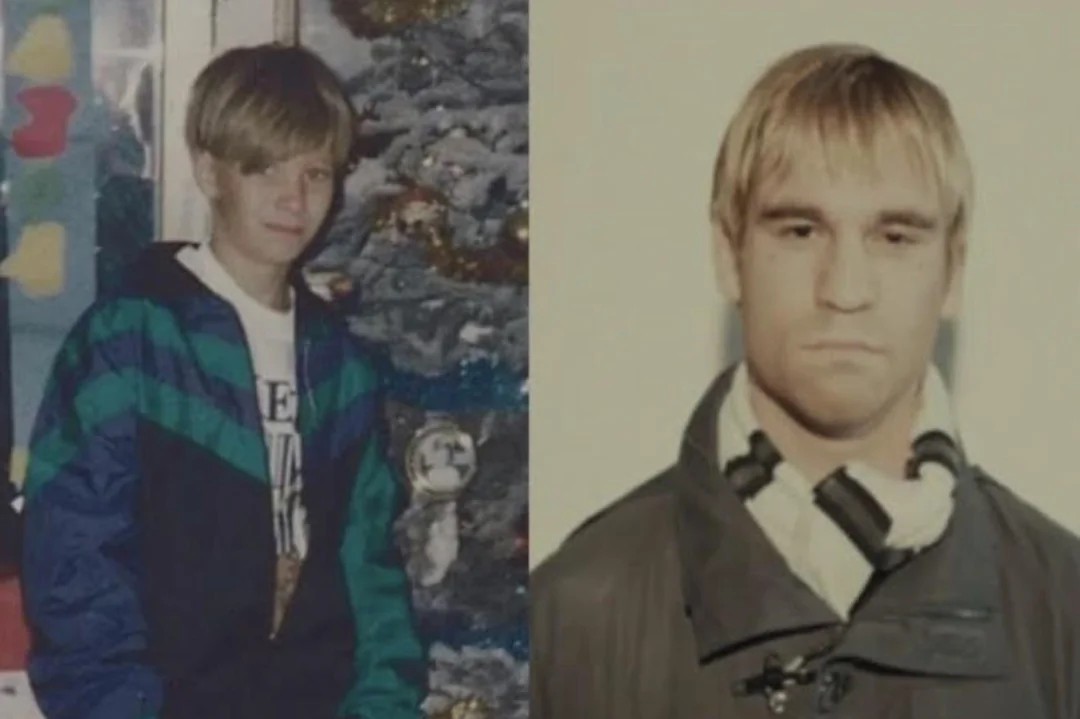
In 1997, a 23-year-old French man named Frédéric Bourdin pulled off one of the wildest cons in modern history — he pretended to be a missing Texas boy, Nicholas Barclay, and the family believed him. He was flown to the U.S., lived in their home for five months, went to school, ate dinner with them — all while being a completely different person. He even managed to convince the FBI… for a while. When the truth finally came out, it was almost more disturbing than the lie. Bourdin was exposed, but the real Nicholas was never found. To this day, nobody knows what happened to him. It’s one of those stories that makes you question everything — how much people want to believe something, and how far someone will go to fill a void. #WeirdFinds #UnexpectedHistory

The Imposter Who Fooled a Family — and a Nation
justme

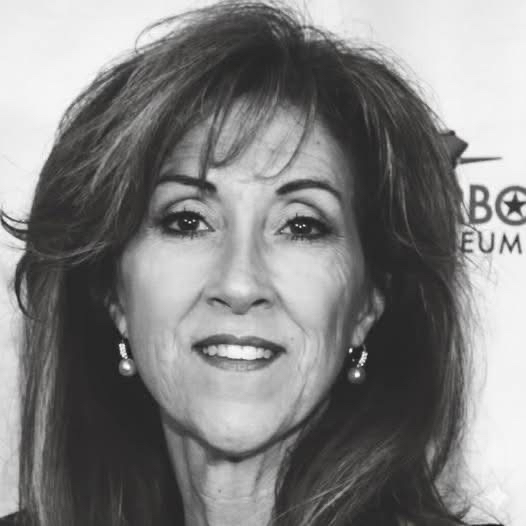
The plane was disintegrating at 32,000 feet. Her voice on the radio sounded like she was ordering lunch. . One hundred forty-nine people settled into their seats. Flight attendants served drinks. The Boeing 737 reached cruising altitude. Everything was routine. Then the left engine exploded. The blast was so violent that Captain Tammie Jo Shults thought they had hit another aircraft. Metal shrapnel tore through the fuselage like bullets. Window 14A shattered instantly. The cabin depressurized with devastating force, air screaming outward at hundreds of miles per hour. Jennifer Riordan, seated at that window, was partially sucked toward the opening. Passengers lunged for her, grabbing her legs and torso, fighting against physics itself to pull her back inside. Oxygen masks dropped. Alarms screamed. The plane rolled violently left and pitched into a dive. Smoke filled the cockpit. Below, in the cabin, passengers sent what they believed were their final messages. "I love you." "Tell the kids I'm sorry." Flight attendants shouted instructions through chaos. Many were certain the aircraft was breaking apart mid-air. The noise was deafening. Systems were failing. One engine was destroyed. Part of the fuselage was gone. And in the middle of this nightmare, Tammie Jo Shults picked up the radio. Her voice was perfectly calm. "Southwest 1380, we're single engine," she said, as casually as if reporting a minor maintenance issue. "We have part of the aircraft missing, so we're going to need to slow down a bit." Air traffic controllers asked if the plane was on fire. "No, it's not on fire," she replied evenly. "But part of it's missing. They said there's a hole, and someone went out." No panic. No fear. Just information delivered with surgical precision. Air traffic control would later say they couldn't believe what they were hearing. Her heart rate, checked by medics

khinton

SNAP Work Requirements: Fair Rule or Unfair Burden?

I want to share a story from my own neighborhood. My neighbor Mike is in his early 50s and lives alone. He used to work in a factory for over a decade—steady job, steady pay. He thought he could rely on that income for the rest of his life. But when the factory shut down, he lost everything overnight. Since then, Mike has been piecing together odd jobs: moving furniture, short-term shifts at construction sites, unloading trucks at the supermarket. Wherever someone needed labor, he showed up. The problem is, gig work isn’t stable. Some months he can scrape together 100 hours; other months, he barely gets a few shifts. No matter how hard he tries, he can’t control whether the work is there. SNAP has become his lifeline. Without it, he can’t even cover the basics—rice, pasta, cooking oil. But the rules hit him especially hard. As an “ABAWD” (Able-Bodied Adult Without Dependents), he must work at least 20 hours a week or else he can only receive 3 months of SNAP benefits in a 36-month period. Imagine that pressure. Every time he gets a short-term gig, his first thought isn’t “how much will I earn?” but “will this count toward my 20 hours? Will I lose food assistance next month if I fall short?” One day outside the corner store, he told me: “It’s not that I don’t want to work. I’m out there looking every day. But I can’t decide how many hours people are willing to give me. If SNAP cuts me off, I can’t even afford instant noodles.” And Mike isn’t alone. Across the country, thousands of people are in the same position: The instability of gig work — delivery drivers, temp jobs, patchwork shifts. They can’t guarantee steady weekly hours. The toll of age and health — middle-aged workers pushing their bodies just to keep up. No dependents, no exemptions — they fall right into the strictest rules. I understand the argument for work requirements: fairness, accountability, taxpayer responsibility. But here’s the real question—should people who are already working hard be punished just because their hours don’t add up? So I want to hear from you: Do you think SNAP’s work requirements are fair? Yes — they encourage employment and reduce dependency. No — they strip away the last safety net from people who are already trying. Maybe — we need more flexible rules for gig and temp workers, or better support like job training and childcare. #SNAPLife

SNAP Work Requirements: Fair Rule or Unfair Burden?
MrsBlunt

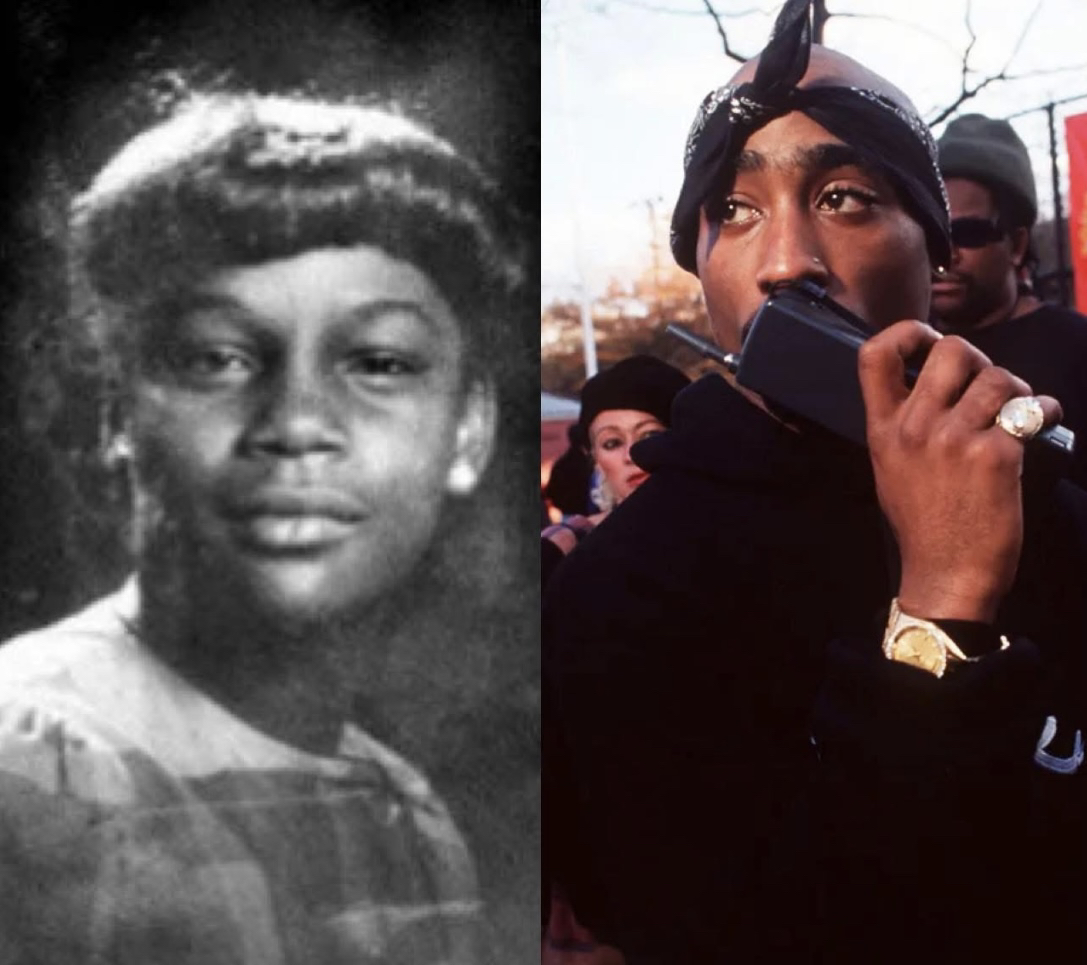
Still So Messed Up… I Shed Tears Every Time I Read This heartbreaking 💔 💔 💔 🥹🥹🥹🥹 Most of y’all don’t know who she is, but she matters. Her name is Latasha Harlins — and her story changed history. In 1991, at just 15 years old, Latasha went to a local Korean-owned market for a bottle of orange juice… and never made it home. The store owner’s wife, Soon Ja Du, wrongly assumed Latasha was stealing. A small struggle happened — Du grabbed Latasha, and Latasha pushed her off to get free. That should’ve been the end of it. But Du grabbed a gun. Latasha picked up the orange juice, placed it on the counter to show she wasn’t stealing, and turned to leave. As she walked away, Du shot her in the back of the head from three feet away… killing her instantly. Despite security footage and two eyewitnesses, and despite a jury finding Du guilty and recommending the maximum 16-year sentence — the judge gave her: • 400 hours of community service • 5 years probation • A $500 fine The judge claimed Du was the “victim,” and Latasha was the “criminal.” Her life was treated like it was worth nothing. Latasha’s murder — along with the beating of Rodney King — became one of the sparks that ignited the 1992 LA Riots. But we rarely hear Latasha’s name. Tupac never forgot her. He spoke about her often and dedicated “Keep Ya Head Up” to her memory. So today, we say her name loudly : Latasha Harlins — you were important then, and you’re important now. Someone heard your story today. 🕊️ #fblifestyle

Category: News - Page 17 | LocalAll