Category Page news

OrbitalOtter

Thinking About Barbara Mackle Today

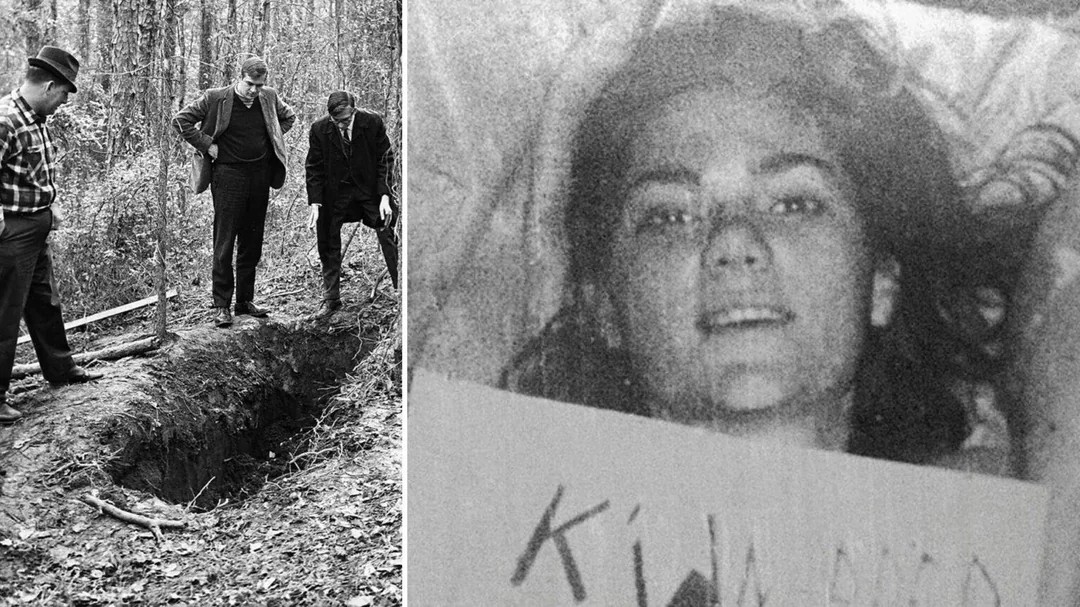
I stumbled across the story of Barbara Mackle again — the young woman who was kidnapped in 1968 and buried alive in a fiberglass box for days. Seeing the photo of her coffin next to the grave honestly hit me harder than I expected. It’s one thing to read the headline, but another to imagine a 20-year-old lying there in the dark, knowing that every breath depends on whether her kidnappers decide to come back. What gets me is how terrifyingly human the situation is. She wasn’t a criminal, she wasn’t doing anything risky — she was a college student just trying to get home. And someone looked at her and decided she was a target. It reminds you how fragile safety really is, how quickly your whole world can be taken by someone else’s choices. I don’t know… stories like this stay with you because they’re not just “true crime.” They’re reminders of what people are capable of — both the cruelty of the kidnappers and the unbelievable strength it took for her to survive those days underground. It makes you look at your own life and think about how much we take ordinary days for granted. It’s heartbreaking, terrifying, and strangely inspiring all at once. #UnexpectedResults #Strength #History

Thinking About Barbara Mackle Today
khinton

SNAP Work Requirements: Fair Rule or Unfair Burden?

I want to share a story from my own neighborhood. My neighbor Mike is in his early 50s and lives alone. He used to work in a factory for over a decade—steady job, steady pay. He thought he could rely on that income for the rest of his life. But when the factory shut down, he lost everything overnight. Since then, Mike has been piecing together odd jobs: moving furniture, short-term shifts at construction sites, unloading trucks at the supermarket. Wherever someone needed labor, he showed up. The problem is, gig work isn’t stable. Some months he can scrape together 100 hours; other months, he barely gets a few shifts. No matter how hard he tries, he can’t control whether the work is there. SNAP has become his lifeline. Without it, he can’t even cover the basics—rice, pasta, cooking oil. But the rules hit him especially hard. As an “ABAWD” (Able-Bodied Adult Without Dependents), he must work at least 20 hours a week or else he can only receive 3 months of SNAP benefits in a 36-month period. Imagine that pressure. Every time he gets a short-term gig, his first thought isn’t “how much will I earn?” but “will this count toward my 20 hours? Will I lose food assistance next month if I fall short?” One day outside the corner store, he told me: “It’s not that I don’t want to work. I’m out there looking every day. But I can’t decide how many hours people are willing to give me. If SNAP cuts me off, I can’t even afford instant noodles.” And Mike isn’t alone. Across the country, thousands of people are in the same position: The instability of gig work — delivery drivers, temp jobs, patchwork shifts. They can’t guarantee steady weekly hours. The toll of age and health — middle-aged workers pushing their bodies just to keep up. No dependents, no exemptions — they fall right into the strictest rules. I understand the argument for work requirements: fairness, accountability, taxpayer responsibility. But here’s the real question—should people who are already working hard be punished just because their hours don’t add up? So I want to hear from you: Do you think SNAP’s work requirements are fair? Yes — they encourage employment and reduce dependency. No — they strip away the last safety net from people who are already trying. Maybe — we need more flexible rules for gig and temp workers, or better support like job training and childcare. #SNAPLife

SNAP Work Requirements: Fair Rule or Unfair Burden?
Joseph Robinson

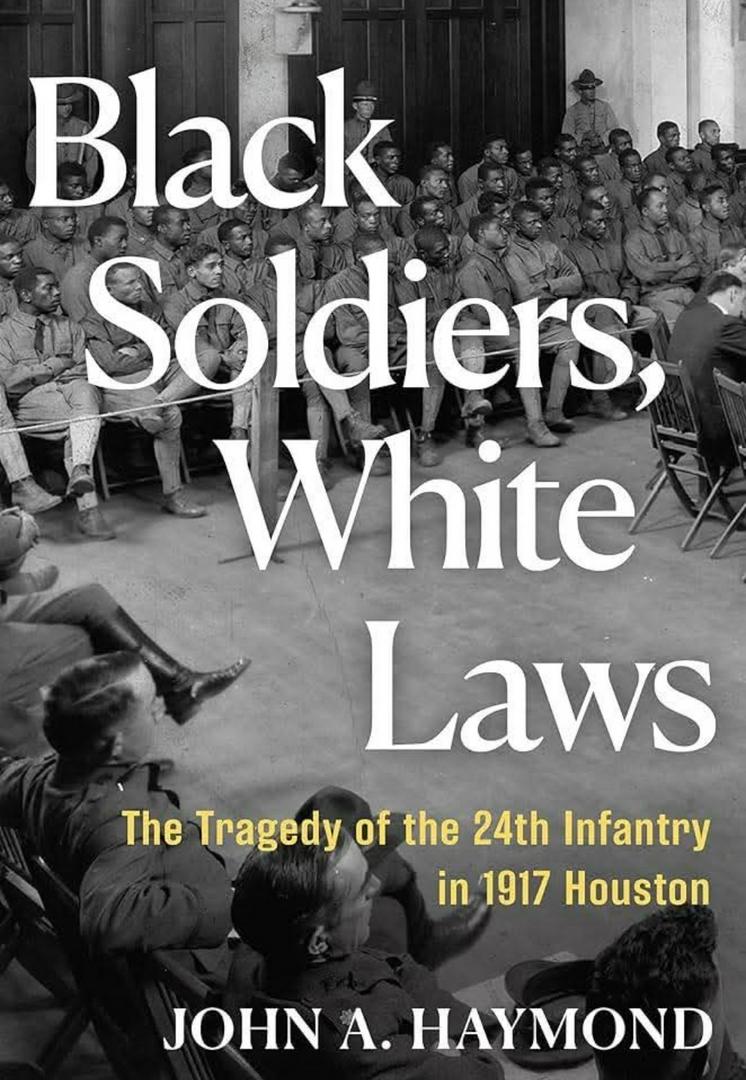
The first full and definitive narrative of one of the most shocking and largely unknown events of racial injustice in US history: the execution of nineteen Black soldiers in Texas On the sweltering, rainy night of August 23, 1917, one of the most consequential events affecting America’s long legacy of racism and injustice began in Houston, Texas. Inflamed by a rumor that a white mob was arming to attack them, and after weeks of police harassment, more than 100 African American soldiers of the 3rd Battalion, 24th Infantry Regiment, took their weapons without authorization and, led by a sergeant, marched into the largely Black San Felipe district of the city. Violent confrontations with police and civilians ensued and nineteen lives were lost. The Army moved quickly to court-martial 118 soldiers on charges of mutiny and murder, even though a majority of the soldiers involved had never fired their weapons. Inadequately defended en masse by a single officer who was not a lawyer and had no experience in capital cases, in three trials undermined by perjured testimony and clear racial bias, and confronted by an all-white tribunal committed to a rapid judgment, 110 Black soldiers were found guilty—despite the fact that no mutiny had, in fact, taken place. In the predawn darkness of December 11, thirteen of them were hanged at Fort Sam Houston in San Antonio—hastily and in secret, without any chance to appeal. News of the largest mass execution in the Army’s history outraged the country and inspired preventive legislation; and yet six more Black soldiers were executed in early 1918 and the rest were sentenced to life in prison. The Houston Incident, as it became known, has remained largely untold, a deep stain on the Army’s record and pride. Award-winning historian and Army veteran John A. Haymond has spent six years researching the events surrounding the Incident and leading the efforts that ultimately led, in November 2023, to the largest act of retroactive clemency in

justme

The plane was disintegrating at 32,000 feet. Her voice on the radio sounded like she was ordering lunch. . One hundred forty-nine people settled into their seats. Flight attendants served drinks. The Boeing 737 reached cruising altitude. Everything was routine. Then the left engine exploded. The blast was so violent that Captain Tammie Jo Shults thought they had hit another aircraft. Metal shrapnel tore through the fuselage like bullets. Window 14A shattered instantly. The cabin depressurized with devastating force, air screaming outward at hundreds of miles per hour. Jennifer Riordan, seated at that window, was partially sucked toward the opening. Passengers lunged for her, grabbing her legs and torso, fighting against physics itself to pull her back inside. Oxygen masks dropped. Alarms screamed. The plane rolled violently left and pitched into a dive. Smoke filled the cockpit. Below, in the cabin, passengers sent what they believed were their final messages. "I love you." "Tell the kids I'm sorry." Flight attendants shouted instructions through chaos. Many were certain the aircraft was breaking apart mid-air. The noise was deafening. Systems were failing. One engine was destroyed. Part of the fuselage was gone. And in the middle of this nightmare, Tammie Jo Shults picked up the radio. Her voice was perfectly calm. "Southwest 1380, we're single engine," she said, as casually as if reporting a minor maintenance issue. "We have part of the aircraft missing, so we're going to need to slow down a bit." Air traffic controllers asked if the plane was on fire. "No, it's not on fire," she replied evenly. "But part of it's missing. They said there's a hole, and someone went out." No panic. No fear. Just information delivered with surgical precision. Air traffic control would later say they couldn't believe what they were hearing. Her heart rate, checked by medics

Category: News - Page 18 | LocalAll