1/1

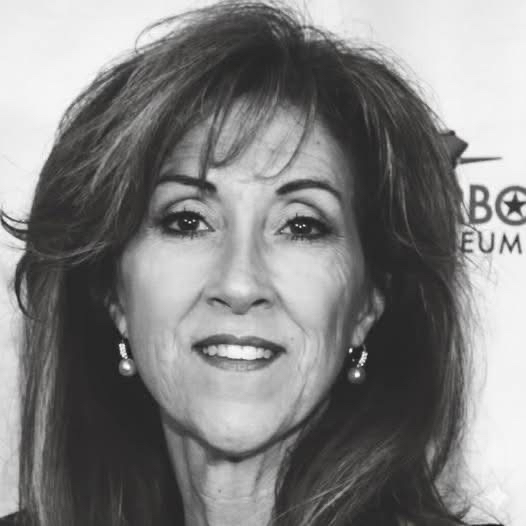
The plane was disintegrating at 32,000 feet. Her voice on the radio sounded like she was ordering lunch. . One hundred forty-nine people settled into their seats. Flight attendants served drinks. The Boeing 737 reached cruising altitude. Everything was routine. Then the left engine exploded. The blast was so violent that Captain Tammie Jo Shults thought they had hit another aircraft. Metal shrapnel tore through the fuselage like bullets. Window 14A shattered instantly. The cabin depressurized with devastating force, air screaming outward at hundreds of miles per hour. Jennifer Riordan, seated at that window, was partially sucked toward the opening. Passengers lunged for her, grabbing her legs and torso, fighting against physics itself to pull her back inside. Oxygen masks dropped. Alarms screamed. The plane rolled violently left and pitched into a dive. Smoke filled the cockpit. Below, in the cabin, passengers sent what they believed were their final messages. "I love you." "Tell the kids I'm sorry." Flight attendants shouted instructions through chaos. Many were certain the aircraft was breaking apart mid-air. The noise was deafening. Systems were failing. One engine was destroyed. Part of the fuselage was gone. And in the middle of this nightmare, Tammie Jo Shults picked up the radio. Her voice was perfectly calm. "Southwest 1380, we're single engine," she said, as casually as if reporting a minor maintenance issue. "We have part of the aircraft missing, so we're going to need to slow down a bit." Air traffic controllers asked if the plane was on fire. "No, it's not on fire," she replied evenly. "But part of it's missing. They said there's a hole, and someone went out." No panic. No fear. Just information delivered with surgical precision. Air traffic control would later say they couldn't believe what they were hearing. Her heart rate, checked by medics
2026-01-01

Sidneychambers
I don’t fly anymore. If I did I would want a pilot like her Thank you.
01-02
Dorchester Center, MA
Reply(85)
130

Dan Bishop
She must be a Republican. If she was a democrat she’d have gotten on the radio and hysterically screamed “THIS IS THE ORANGE MAN’S FAULT!!!”
01-04
San Diego, CA
Reply(65)
84

Jim Sando
She is a female Sully!
01-03
North Wales, PA
Reply(4)
78

Amy Flores
All members on board survived. One woman from Albuquerque died due to being partially sucked out of the window. Plane landed in Philadelphia without further incident.
01-03
Amarillo, Texas
Reply(10)
70

Donald Chang
If I Could choose my pilot I would choose her. RESPECT!
01-02
Shalimar, FL
Reply
71

Larry Garrity
I was a first responder we are trained to stay calm and stay focused, so you can think clearly
01-02
West Berlin, NJ
Reply(3)
59

Jutta Beard
And that's why you should keep your seatbelt fastened unless you're going to the restroom.
01-02
Fort Washington, MD
Reply(1)
51

Natalene Smith
That’s Grace under pressure and the mark of a true professional.
01-03
Reply
50

JamzJnz
I looked this up.
It was 2018 and the story is true; SouthWest Airlines.
Engine blew, mid flight.
This pilot was a decorated Navy fighter pilot.
Pretty awesome!
01-04
Las Vegas, NV
Reply
43
Anita Gordon
She sounds like an incredible woman and Pilot!
01-03
Parker, CO
Reply
40
More comments ...
write a comment...