Tag Page politics

#politics
1776 Patriot

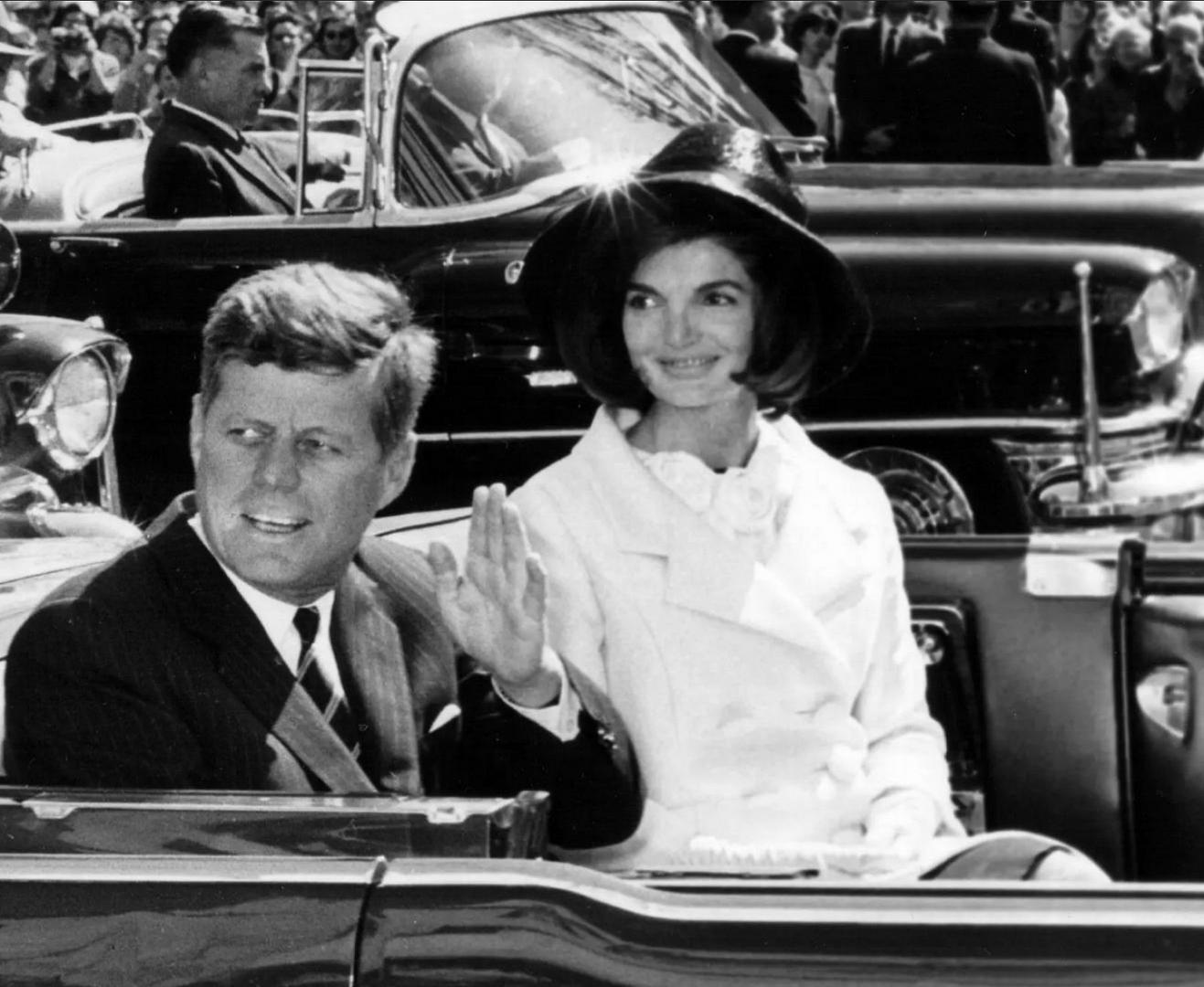
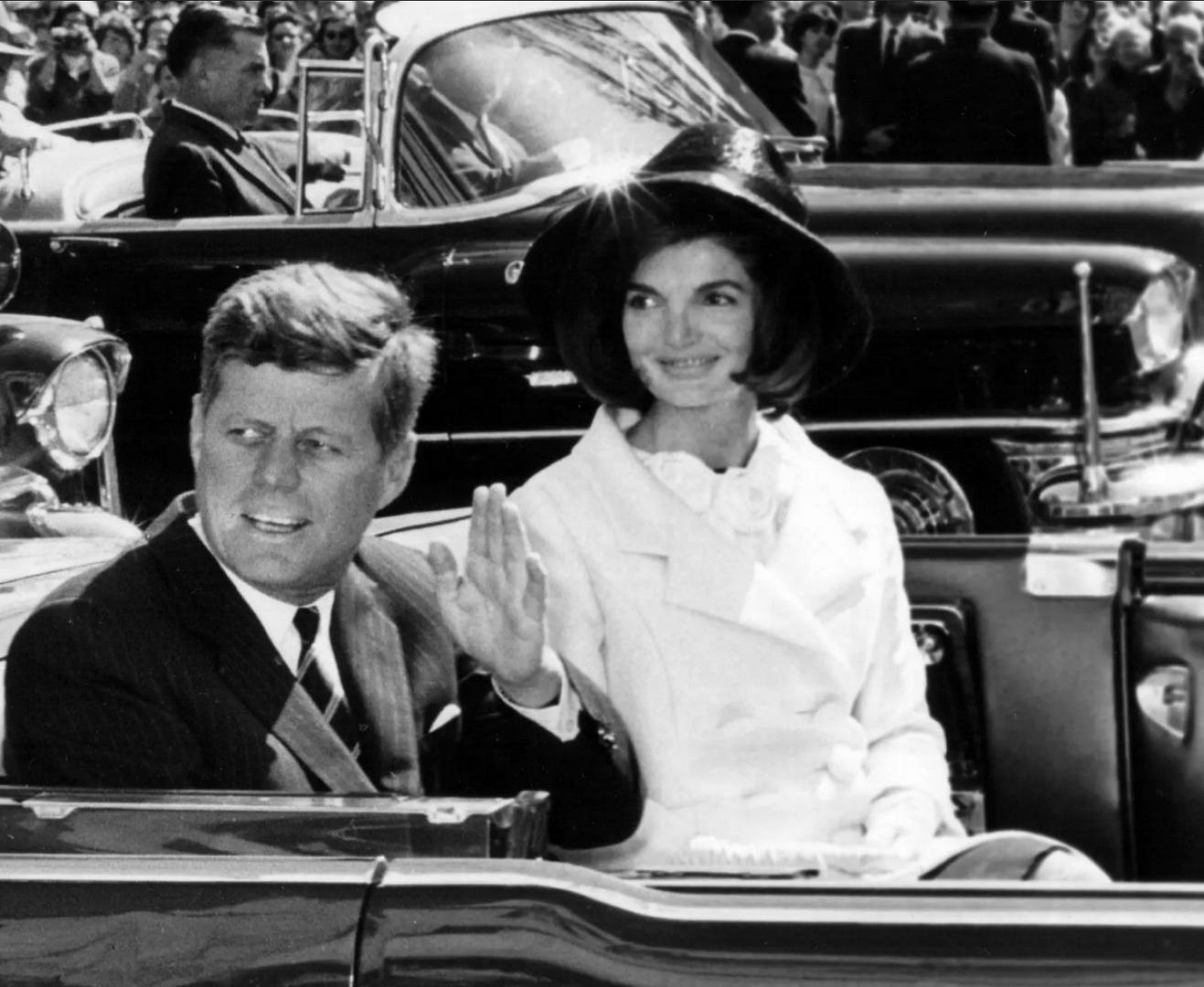
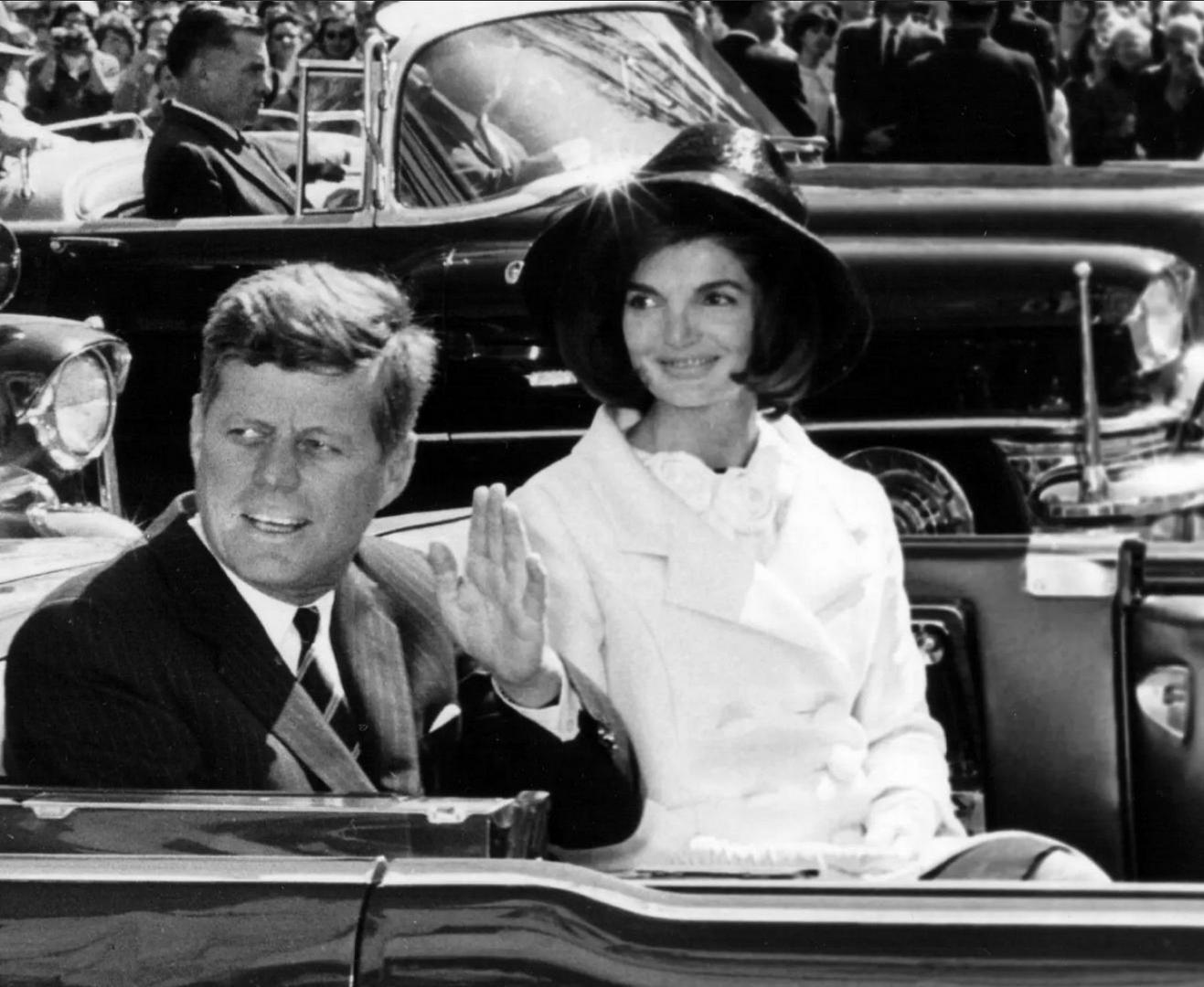
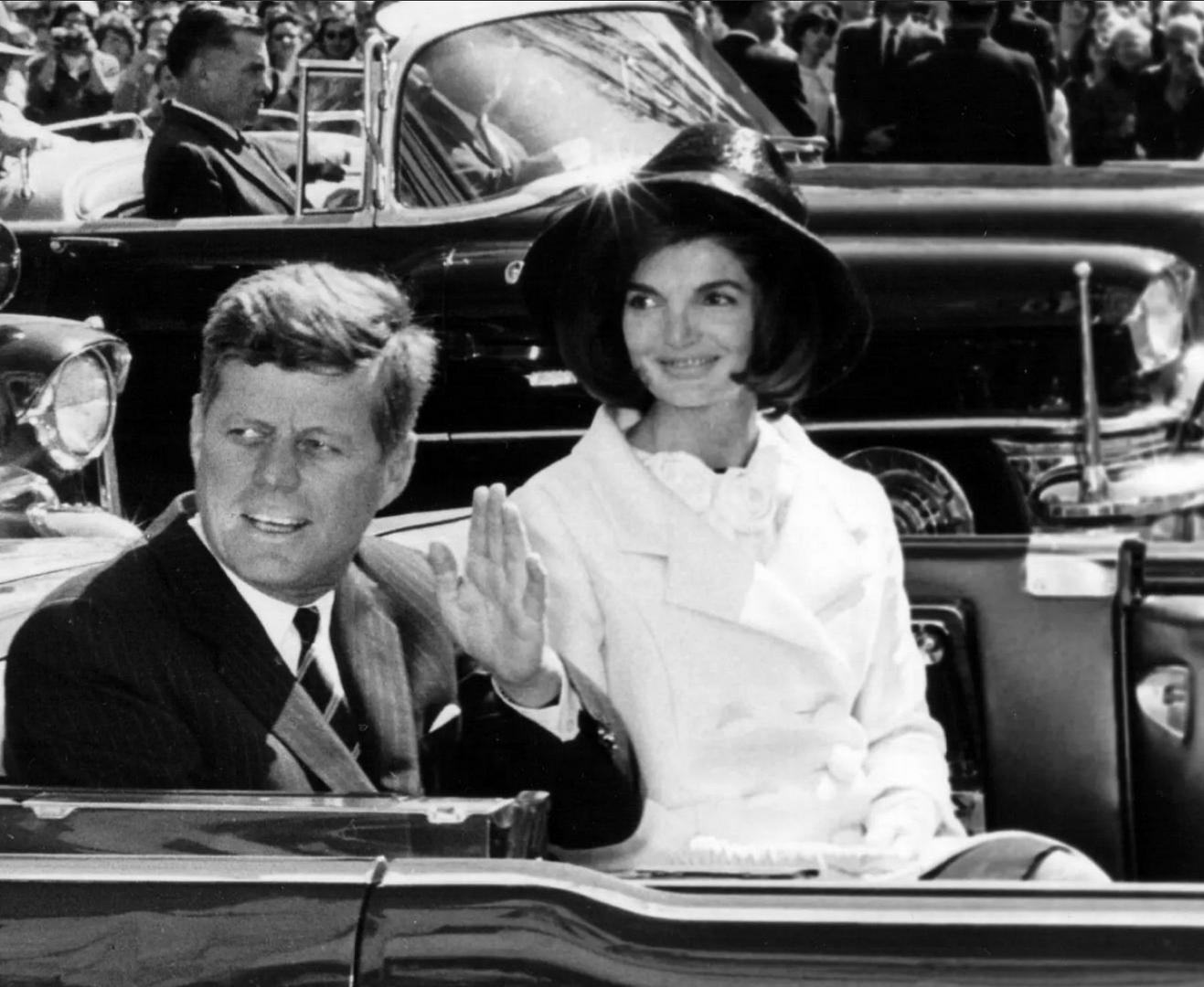
John F. Kennedy: The President with the Highest All Time Approval John F. Kennedy, the thirty fifth president of the United States, is still viewed as one of the most respected leaders in modern American history. Throughout his presidency, his approval rating stayed near 70 percent, which is one of the highest averages ever recorded. His standing is measured through the modern polling system that began in 1936, allowing his numbers to be compared across generations of presidents. Based on this long record of surveys, Kennedy holds the highest average approval of any president in the polling era. Kennedy’s popularity came from his personality, message, and calm leadership during major challenges. His inaugural address, urging Americans to serve their country, became one of the most memorable speeches in US history. During the Cuban Missile Crisis in 1962, he guided the country through thirteen days of extreme tension, preventing nuclear conflict and earning wide respect. His support for early civil rights efforts and his commitment to the space program added to the sense that he was leading the nation into a new and ambitious era. Surveys taken long after his death show how strong his legacy remains. One major poll found that 85 percent of Americans approved of his performance when looking back on his presidency. Even during difficult periods, such as the aftermath of the Bay of Pigs invasion, Kennedy kept approval ratings above 70 percent, something few presidents have matched. His calm approach, clear communication, and ability to connect with the public helped him maintain support across states, age groups, and political backgrounds. Kennedy’s consistently high approval demonstrates how trust and confidence from the public shape a president’s place in history. Although he served less than one full term, his leadership during world crises and his appeal to national unity left a lasting mark. #Politics #USA #History #USHistory #America

WaveFable

When Soldiers Patrol Our Streets — Who’s Really in Charge? 🇺🇸

It’s happening again — armed National Guard units have been seen outside Chicago, and rumors say Memphis is next. All under the claim of “restoring order.” But here’s the question haunting many Americans tonight: When the President can deploy troops on U.S. soil, without a governor’s consent, what’s left of state rights? History shows this doesn’t end quietly. From the 1967 Detroit riots to the 2020 protests, every time the federal government used military force domestically, it left a scar — not just on the streets, but on trust itself. Some call it necessary strength. Others see it as the slow march of authoritarianism, disguised as law and order. So where’s the line? At what point does “protection” become control? And if the Insurrection Act is used again — will it be to protect democracy, or to suppress it? #Military #Politics

When Soldiers Patrol Our Streets — Who’s Really in Charge? 🇺🇸
vasqueztravis

america’s sons go to war, politicians’ sons go to college

Every time this country sends troops abroad, it’s not the sons of senators or congressmen boarding those planes. It’s the boys from Ohio steel towns, the kids from Texas farms, the young men who grew up fixing cars in their dad’s garage. They wear the uniform, they fight, and too often, they don’t come home. Meanwhile, the sons of Washington elites sit in classrooms at Yale or Harvard. They’ll graduate into think tanks, hedge funds, or government jobs their last names already secured. We call it “patriotism.” But let’s be real—patriotism has always been a bill handed to the working class, paid in blood, while the rich cash in the dividends of “freedom.” So here’s the question no one in power dares to ask out loud: if every senator’s son had to fight on the frontlines, how many wars would america actually fight? #Politics #MiddleClass #Military

america’s sons go to war, politicians’ sons go to college
1776 Patriot

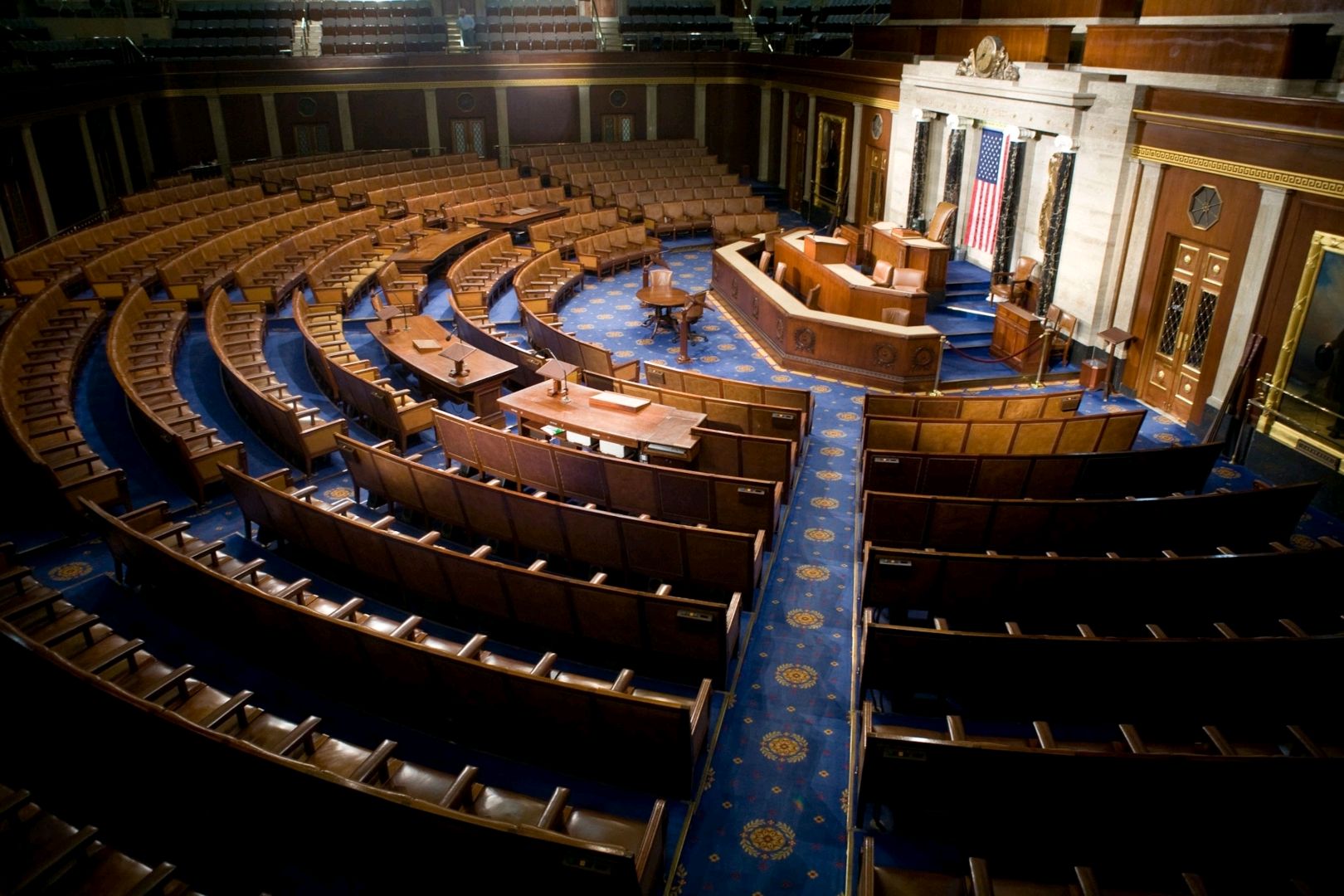
The Only Two Midterms Where the White House Gained Power: 1934 and 2002 Most midterm elections in the United States are tough on the party in the White House. Historically, presidents parties lose about 28 House seats and four Senate seats in these elections. Voters tend to balance power in Congress. Yet there are two rare exceptions that stand out: 1934 and 2002, moments when extraordinary events shifted voter behavior and turned the usual midterm pattern on its head. In 1934, just two years into Franklin D. Roosevelt’s first term, the country was in the depths of the Great Depression and unemployment hovered around 21 percent. Instead of punishing the president, voters rewarded him. Democrats gained nine House seats and nine Senate seats, increasing their majorities and strengthening support for the New Deal. All 435 House seats were contested and the Democratic Party expanded its influence in key states like New York and Illinois. Voter turnout reached about 41 percent of the voting age population, high for a midterm, reflecting how deeply people cared about economic policy and relief programs at the time. The second exception came in 2002, during the first term of President George W. Bush, less than fourteen months after the September 11 attacks. Republicans gained eight House seats and two Senate seats, taking full control of Congress. The House majority grew to 229 from 221, and the party captured roughly 50 percent of the national House vote compared to 45 percent for Democrats. Turnout was about 46 percent of voting age citizens, unusually high for a midterm, driven by voter focus on national security and trust in presidential leadership during a period of crisis. These two midterms show how extraordinary circumstances can overcome normal trends. In 1934, it was economic collapse and reform. In 2002, it was national security and unity. In both cases, the president’s party defied history and emerged stronger than expected. #Politics #History #USHistory

Stateless in Paradise

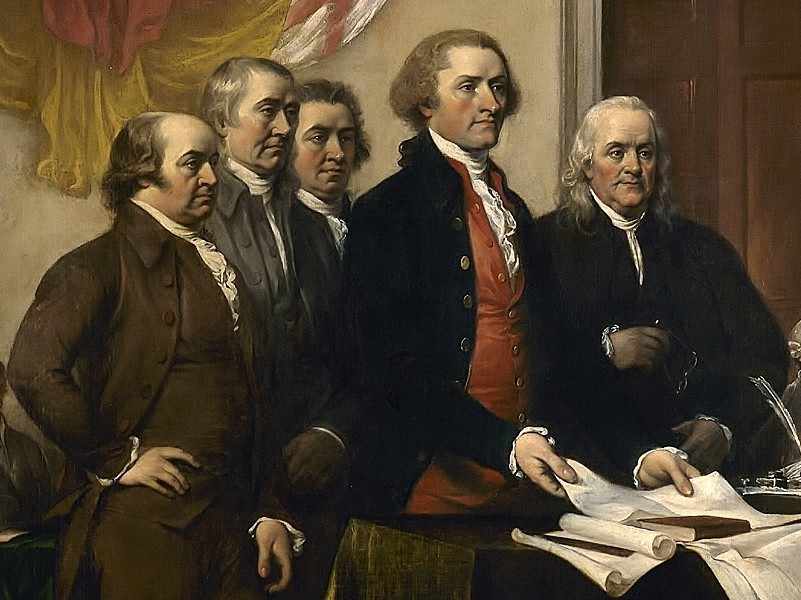
I often wonder when we will stop hating one another and begin choosing compassion. No matter our race, religion, nationality, or sexual orientation, we are all human beings. Before judging others, we should ask ourselves a simple question: How would I feel if I were treated the same way? What we are witnessing in the United States today is deeply troubling. This is painful because America is, at its core, a remarkable country—one built by immigrants. Its strength and prosperity come from people of different backgrounds who arrived here seeking safety, opportunity, and freedom, and who together built this nation. America’s history is young. This land belonged first to Native Americans. European settlers—many fleeing religious persecution—claimed it and formed new communities. Enslaved Africans were forcibly brought here and became central to the country’s foundation. Later, immigrants from Europe, Asia, Africa, and Latin America added their cultures, labor, and ideas. There is no single “pure” American identity. America is defined by diversity, not sameness. Yet today, people are attacked because of their skin color, religion, nationality, or whom they love. This is not faith, and it is not patriotism. Hatred contradicts the values many claim to defend, including Christianity, which teaches compassion and love for one’s neighbor. Hate does not make a nation stronger—it weakens it. Leadership matters. When leaders use dehumanizing language or spread fear, it normalizes cruelty and division. History shows that such rhetoric leads to instability, not security. Immigration debates also demand honesty. People migrate for reasons—war, poverty, persecution, or survival. At the same time, many Americans choose to live abroad for affordability or opportunity. Empathy should not stop at borders. #Humanity #Immigration #Politics #America #AmericanHistory #HistoryMatters #Compassion #Christianity #EuropeTravelTips #Migration #LoveNotHate #Karma #Identity

Tag: politics | LocalAll