Tag Page hiddenhistory

#hiddenhistory
LataraSpeaksTruth

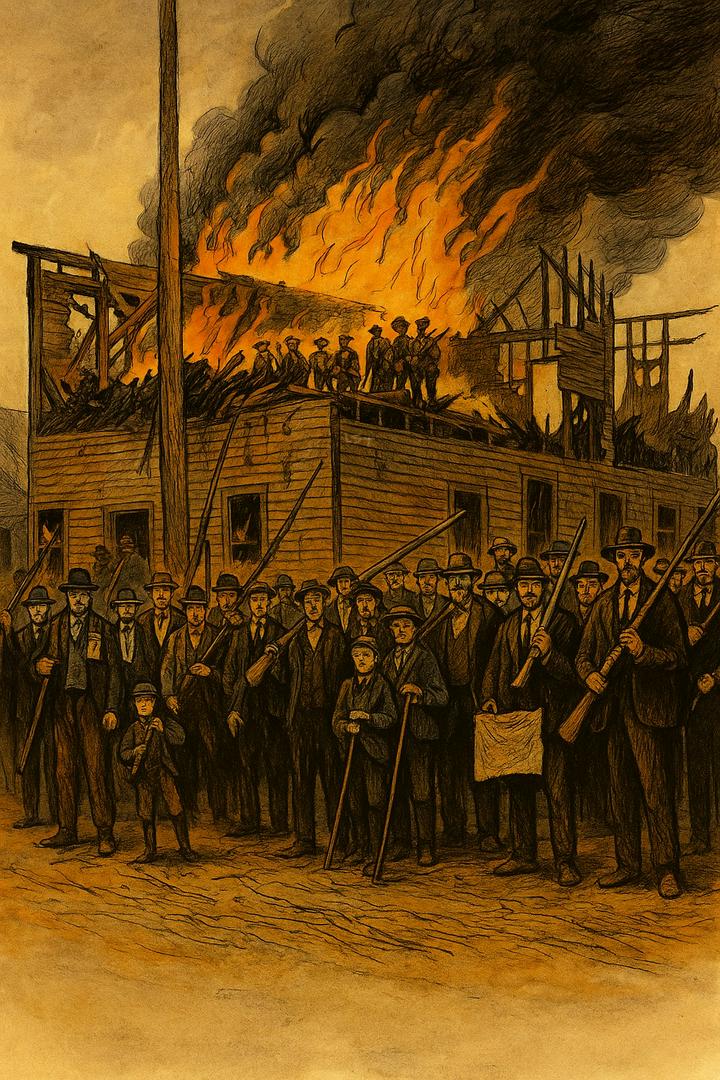
On March 9, 1895, between 300 and 500 armed white men in New Orleans targeted Black dockworkers by attacking the Morris Public Bathhouse, where equipment used by Black laborers was stored. About half of their tools were seized and thrown into the river. This was not random violence. It was organized intimidation meant to punish Black workers for becoming too visible, too independent, and too competitive on the waterfront. Two days later, the violence escalated even further, as white mobs attacked Black dockworkers directly and killed six men on the levee. What happened in New Orleans showed how racial terror could be used to break labor power before it had the chance to grow. After the Panic of 1893, some shipping companies turned to lower-paid Black labor to weaken white unions, and employers benefited from the racial division that followed. Violence did what negotiation would not: it crippled livelihoods, deepened distrust, and helped destroy the fragile possibility of sustained worker unity across racial lines. This history matters because attacks on Black workers were never only about prejudice. They were also about control—control of wages, control of jobs, control of who could rise, and control of who had to remain vulnerable. The dockworkers conflict was not just about the waterfront. It was about crushing Black economic strength before it could take root. #BlackHistory #LaborHistory #NewOrleansHistory #BlackWorkers #Dockworkers #AfricanAmericanHistory #RacialViolence #EconomicJustice #HiddenHistory #AmericanHistory

LataraSpeaksTruth

On December 9, 1872, P.B.S. Pinchback stepped into history as acting governor of Louisiana… the first Black governor in the United States. It’s one of those moments the textbooks whisper about, but it deserves a full-volume replay. Pinchback didn’t slide into power on easy mode; he fought through the chaos of Reconstruction, served as lieutenant governor, and rose to the top when the governor was impeached. His time in office was short, but sometimes it only takes a few bold weeks to shake up a century. And before someone pops into the comments with the usual, “Are you sure he was Black? He looks white…” let’s clear the air. A lot of people from that era had lighter complexions because of the grim reality of slavery: white enslavers fathered children with enslaved women, then left those kids to grow up with zero privilege, zero protection, and zero of the benefits their fathers enjoyed. Looking white didn’t grant them a shortcut. Pinchback lived, fought, and served as a Black man…?fully, openly, and without apology. His life is a reminder that history is complicated, messy, and shaped by truths many would rather ignore. Yet through it all, he carved out space where none existed and rewrote what leadership could look like in America. #TodayInHistory #BlackHistory #PBS_Pinchback #Reconstruction #LouisianaHistory #AmericanHistory #HiddenHistory #TruthMatters

Hatter Gone Mad

Every July, some of the most powerful men on Earth quietly vanish into a redwood forest in Northern California, and almost no one is meant to talk about what happens next. The place is Bohemian Grove, a private 2,700-acre retreat owned by the Bohemian Club. Former U.S. presidents, intelligence leaders, military officials, judges, and CEOs attend. Phones are restricted. Press is barred. The motto hanging over the event reads, “Weaving Spiders Come Not Here,” which is supposed to mean no business, no deals, no plotting. But power does not turn itself off just because the setting changes. On the opening night, attendees gather before a massive concrete owl and perform a ritual called the Cremation of Care. An effigy symbolizing worry, responsibility, and consequence is burned in front of a cheering crowd. It is theatrical, ancient-looking, and deeply unsettling to outsiders, especially when everyone is wearing ceremonial robes in near darkness. This might sound like harmless pageantry until history complicates the story. In 1942, senior figures connected to the Manhattan Project were present at the Grove when early conversations took place. No formal meetings were recorded, but the connections were real, and the outcomes reshaped the world. People have tried to see it themselves. In 2000, Alex Jones secretly filmed part of the ceremony, confirming what many believed was exaggerated. It was not. So is Bohemian Grove just a strange summer camp for powerful men, or a place where influence quietly forms before the public ever notices? Maybe the most honest answer is this: decisions are rarely made in public, but relationships that shape them almost never are. #fblifestyle #historymystery #powerstructures #hiddenhistory #politicalculture

LataraSpeaksTruth

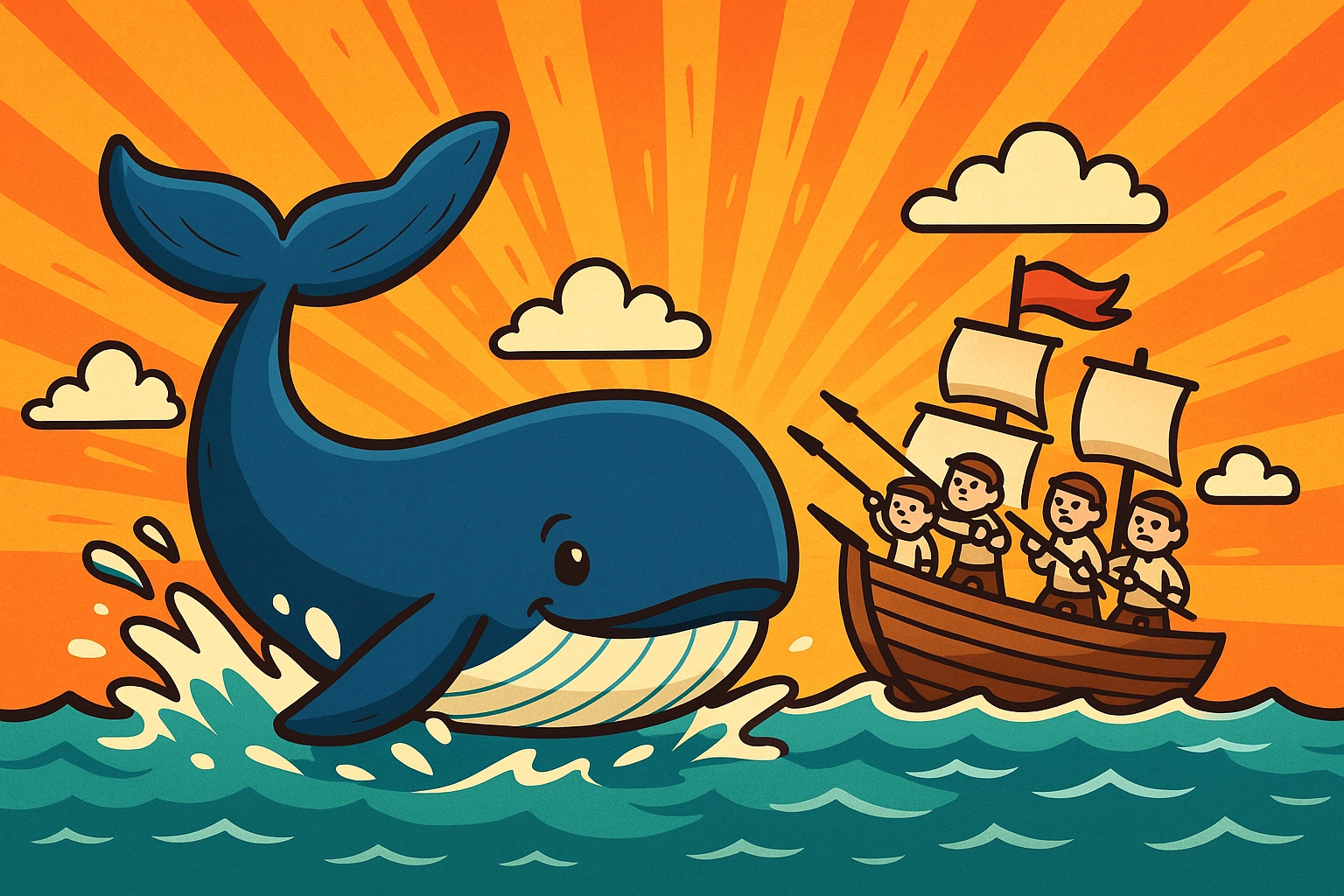
Lewis Temple’s story is not just about invention. It is about how skill, observation, and lived experience can shape an industry, even when the person behind the breakthrough does not receive the full credit he deserves. Born around 1800 in Richmond, Virginia, Lewis Temple later built his life in New Bedford, Massachusetts, where he worked as a blacksmith. By the 1830s, he had established himself along the waterfront, making iron tools and fittings used in the whaling trade. In a city tied closely to the sea, Temple understood the demands of the work and the problems whalers faced. He became best known for improving the whaling harpoon with a design called the toggle iron. Unlike earlier harpoons, Temple’s version was far more effective at staying lodged after striking a whale. That improvement made voyages more successful and more profitable at a time when whaling was a major part of the American economy. But Lewis Temple was more than a man who made a better tool. He was a Black craftsman and inventor whose work reflected precision, intelligence, and practical engineering. He studied the problem, understood the labor, and created a solution with lasting impact. Innovation like that does not happen by accident. It comes from deep knowledge and skill. Temple never patented his invention, so others copied the design and benefited from it financially. Even so, his name remains tied to one of the most important technological improvements in the history of whaling. Lewis Temple deserves to be remembered not as a footnote, but as part of a larger truth. Black history is not only a story of endurance. It is also a story of innovation, engineering, and vision. Black minds helped improve this country and move it forward. That is not a side note in history. That is history. #LewisTemple #BlackHistory #AmericanHistory #HiddenHistory #BlackInventors #Innovation #NewBedford #UntoldStories #HistoricalTruth

LataraSpeaksTruth

1958… The Day Louisiana’s “Anti-Mixing” Sports Law Finally Fell

On November 28, 1958, a federal three-judge court ruled against Louisiana’s attempt to keep sports segregated forever. The case was called Dorsey v. State Athletic Commission, and it targeted the state’s “anti-mixing” law… a rule that tried to stop Black and white athletes from competing against each other. Louisiana used this law to block integrated boxing matches. Promoters were threatened with jail. Black fighters were refused licenses. White fighters were told to stay in their own lane. The whole thing was designed to protect the old order… and punish anyone who dared to break it. The court struck it down. They called it unconstitutional, discriminatory, and flat-out incompatible with the country’s direction. It was one of the quiet wins that chipped away at segregation’s foundation. Not loud. Not flashy. But necessary. This wasn’t just about sports. It was about the state trying to control who could stand toe-to-toe in public. And the court said no… not anymore. #LataraSpeaksTruth #HistoryMatters #AmericanHistory #HiddenHistory #UntoldStories #OnThisDay #CivilRightsEra

1958… The Day Louisiana’s “Anti-Mixing” Sports Law Finally Fell
LataraSpeaksTruth

On February 1, 1865, John S. Rock became the first Black lawyer admitted to practice before the United States Supreme Court. The moment passed quietly, without ceremony or headlines, but its significance cut straight through the legal and racial barriers of nineteenth-century America. The nation was still locked in civil war, slavery had not yet been formally abolished, and Black citizenship remained hotly contested. Rock’s admission came only eight years after the Dred Scott decision declared that Black people had no rights a white man was bound to respect. In that context, a Black man standing before the highest court in the country was not just uncommon…it was confrontational. It forced the legal system to acknowledge Black intellectual authority in a space that had long been closed by design. Born free in New Jersey in 1825, Rock was a man of rare range and discipline. He began his career as a teacher, then became a physician, and later turned to law after illness ended his medical practice. As an abolitionist and public speaker, he argued forcefully for equal rights, suffrage, and full citizenship, often addressing audiences that were openly hostile to those ideas. His voice was sharp, reasoned, and unapologetic. Rock’s Supreme Court admission did not transform the legal system overnight. Discrimination remained entrenched, and opportunities were still tightly restricted. But precedent matters. His presence made it impossible to argue that Black Americans lacked the intellect, discipline, or moral authority to participate at the highest levels of American law. February 1, 1865, stands as a reminder that some of history’s most meaningful shifts happen without applause. A door opened. A boundary moved. And the record was changed forever. #OnThisDay #AmericanHistory #LegalHistory #HiddenHistory #HistoryMatters

LataraSpeaksTruth

The Battle of Fredericksburg on December 13, 1862 unfolded during one of the most consequential pauses in American history. The Emancipation Proclamation had been announced but would not take effect for another three weeks, placing this battle squarely in the gap between declared freedom and enforced freedom. That timing matters. Although the soldiers fighting at Fredericksburg were overwhelmingly white, the consequences of the Union’s defeat fell heavily on enslaved people. Every failed campaign delayed the collapse of the Confederacy, extending the lifespan of slavery in the South. Union losses did not just cost lives on the battlefield, they prolonged bondage beyond it. Enslaved Black people in Virginia were also directly entangled in this campaign. They were forced to build fortifications, transport supplies, cook, clean, and provide labor for Confederate forces. They were not passive observers of the war. They were coerced infrastructure sustaining it. Fredericksburg’s staggering casualties intensified Northern pressure on Union leadership. Repeated bloodshed made emancipation less of a political abstraction and more of a moral and strategic necessity. That shift helped open the door to Black enlistment in 1863, altering the direction of the war and the meaning of freedom itself. Fredericksburg was not a Black-led battle, but it was part of the chain reaction that led to Black soldiers fighting for their own liberation and the formal destruction of slavery. History is not only about who is visible in the moment, but about who bears the cost while the nation decides who it will become. #December13 #OnThisDay #CivilWarHistory #BattleOfFredericksburg #AmericanHistory #HistoryMatters #UntoldHistory #HiddenHistory #HistoricalContext

justme

Ever notice how the world celebrates elegance… but rarely asks what it cost? Before the name Coco Chanel became a symbol of luxury… There was no luxury. No polished boutiques. No perfume in glass bottles. No quiet rooms filled with silk. There was loss. Her mother died when she was young. Her father left. And a child who once had a home… was sent to an orphanage in rural France. Not a fashion house. An orphanage. Run by strict nuns. Where discipline was daily. And sewing was not art… it was survival. Now pause here: 👉🏾 What does it do to a person… to grow up in a place where comfort is not given, only structure? Because her story didn’t begin with beauty. It began with absence. And in that absence… she learned something powerful: How to build. Thread by thread. Habit by habit. Identity by identity. Years later, the world would know her for simplicity. Clean lines. Black dresses. Clothes that allowed women to move… breathe… exist. But that didn’t come from luxury. It came from understanding restriction. From knowing what it feels like to be confined… and deciding to design something different. Two different worlds. On one side: An orphanage. Silence. Structure. On the other: Paris. Fashion. Influence. And in between… a woman who carried both. Not a perfect story. A real one. Because here’s what many people miss: She didn’t just create style. She translated her past into something the world could wear. And maybe that’s the deeper question: 👉🏾 Can what we go through… become what we give back? Because this is bigger than one name. There are millions of people walking around with stories that didn’t start easy. Stories that began in places no one celebrates. Yet somehow… they shape things the world cannot ignore. And here is the part we must sit with: Greatness does not always come from comfort. Sometimes… It is stitched together from everything that was missing. So maybe this was never just about Coco Chanel. Maybe it is about wha

You've reached the end!