Tag Page americanhistory

#americanhistory
sandwich shop

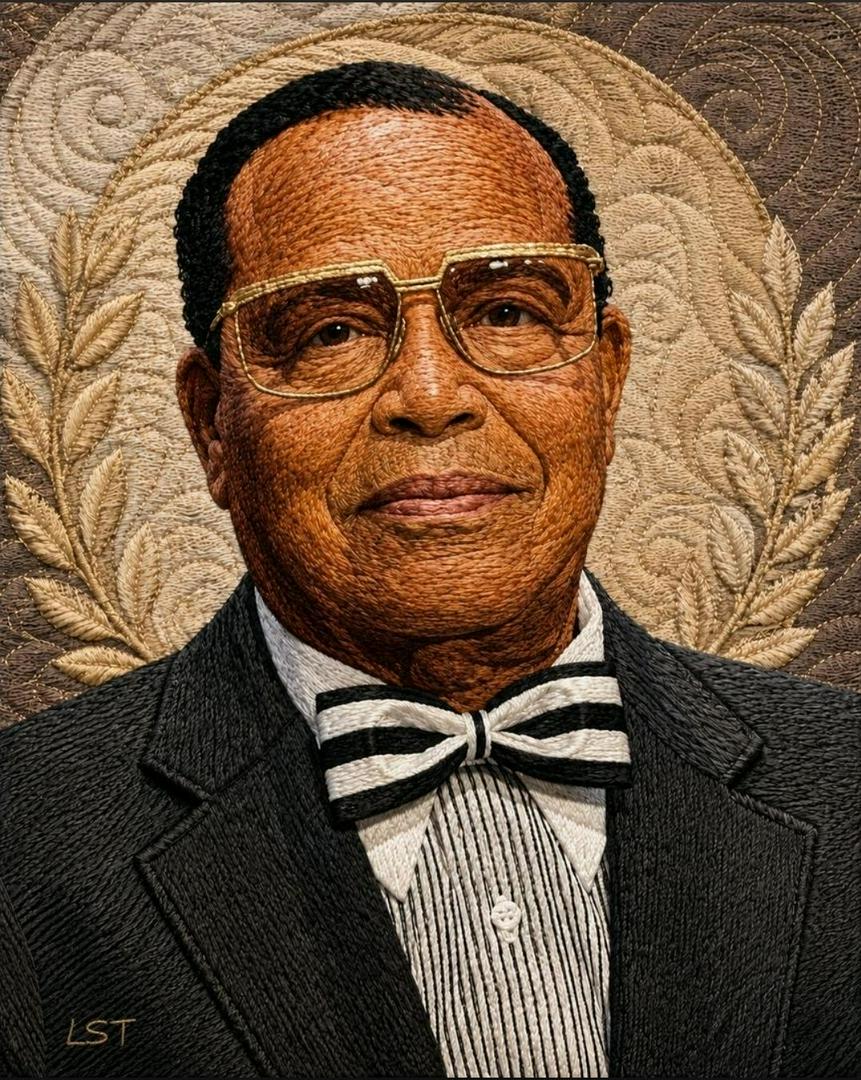
Louis Farrakhan was born Louis Eugene Walcott on May 11, 1933, in the Bronx, New York. He would become one of the most recognized and debated religious and political figures in modern American history Raised in Boston, Farrakhan was known early for his musical talent before becoming connected to the Nation of Islam in the 1950s. Over time, he rose through the organization's ranks and became one of its most visible voices. By the late 1970s and earlv 1980s, he helped rebuild the Nation of slam after a maior internal shift following the death of Eliiah Muhammad Farrakhan's public influence has been significant, especially among people drawn to messages about self-discipline, economic independence, religious identity, and community responsibility. One of the most visible moments of his leadership came in 1995, when he helped organize the Million Man March in Washinaton, D.C., an event that brought hundreds of thousands of men together around themes of accountability, unity, and renewal. At the same time, Farrakhan's legacy remains deeply controversial. Critics have condemned many of his public statements especially comments viewed as antisemitic anti-LGBTO, or hostile toward other groups. Supporters, however, arque that his work should also be understood through his ong-standing emphasis on Black self-reliance, faith, family structure, and social reform. That tension is why Farrakhan remains a complicated figure in American public life. His name is tied to religion, politics nationalism, activism, controversy, and influence all at once flattened into praise or dismissal. Louis Farrakhan's life reflects how one public figure can inspire loyalty, criticism, debate and division across generations. His impact is real. The debate around that mpact is real too. #LouisFarrakhan #Mav11 #BlackHistory #AmericanHistory #NationOflslam #ReligiousHistory #PoliticalHistory #HistoryMatters #OnThisDay

AčT/Cæř

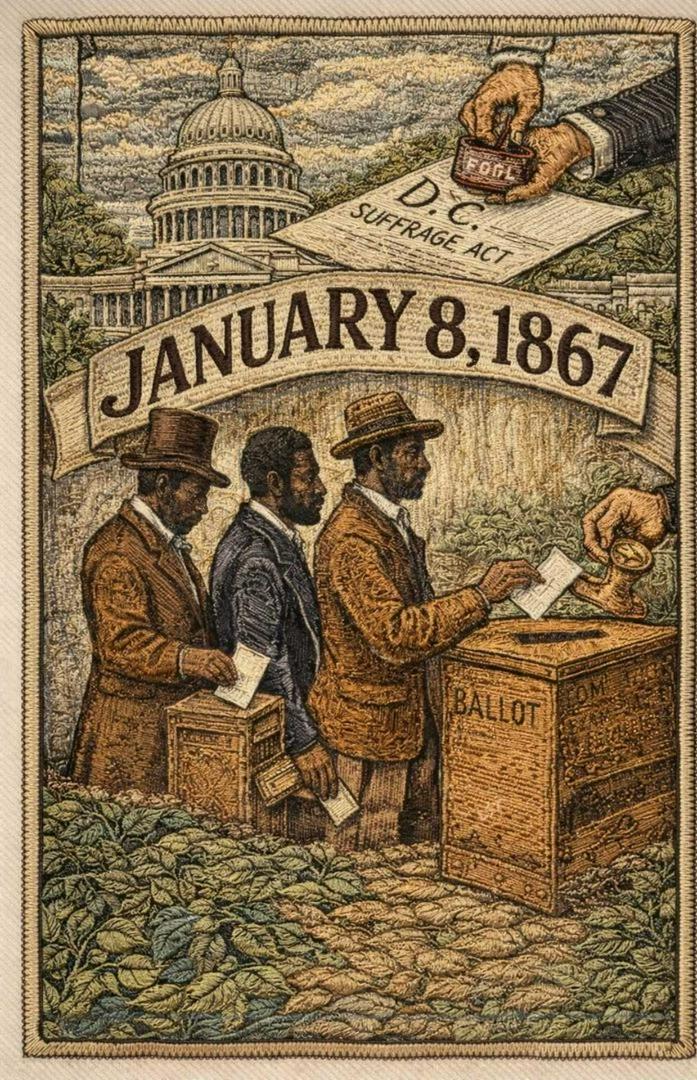
January 8, 1867 marks a turning point in American history that is rarely given the attention it deserves. On this day, Congress passed the District of Columbia Suffrage Act, granting Black men in Washington, D.C the legal right to vote in municipal elections and public referenda. This happened three years before the 1 5th Amendment, at a time wher most of the nation still viewed Black political participation as a danger rather than a riaht. This was not a promise for the future or a symbolic gesture. It was an immediate, enforceable change written directly into law. The decision did not come quietly or without resistance. President Andrew Johnson vetoed the act, arguing that extending votina riahts to Black men was premature and would destabilize the country. Congress reiected that argument and overrode his veto the same day. That override mattered It made clear that Reconstruction was not only about ending slavery on paper but about redistributing political power in real time. Washington, D.C. became a proving ground, showing that Black civic participation could exist and function despite fierce opposition The importance of Januarv 8, 1867 is often overlooked because it does not fit neatly into the simplified version of history many are taught. Voting rights did not suddenly appear with the 15th Amendment. They were demanded, tested, expanded restricted, and attacked repeatedly. This moment captures Black men exercisinc political agency while the nation was still debating whether they deserved it. It reminds us that progress has never required national comfort or unanimous approval. Rights have always moved forward through pressure, confrontation, and refusal to wait. January 8 stands as proof that access was forced open long before the country was ready to admit it #January8 #OnThisDay #BlackHistory #ReconstructionEra #VotinaRichts #DistrictOfColumbia #AmericanHistory #HiddenHistory #CivilRights

LataraSpeaksTruth

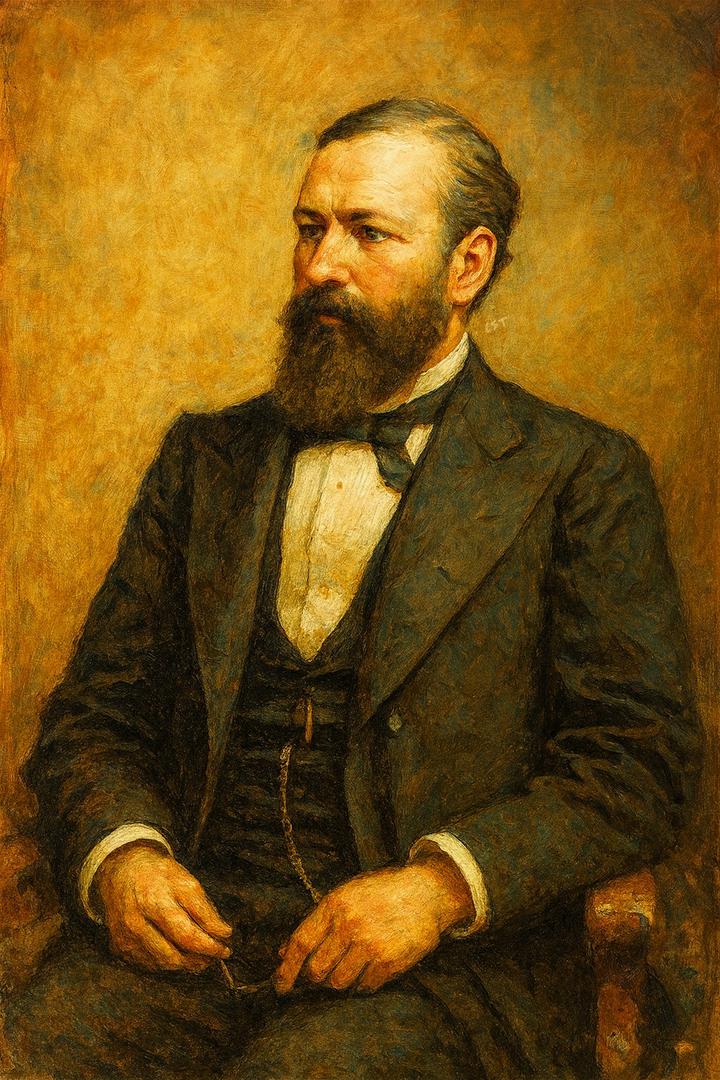
On December 9, 1872, P.B.S. Pinchback stepped into history as acting governor of Louisiana… the first Black governor in the United States. It’s one of those moments the textbooks whisper about, but it deserves a full-volume replay. Pinchback didn’t slide into power on easy mode; he fought through the chaos of Reconstruction, served as lieutenant governor, and rose to the top when the governor was impeached. His time in office was short, but sometimes it only takes a few bold weeks to shake up a century. And before someone pops into the comments with the usual, “Are you sure he was Black? He looks white…” let’s clear the air. A lot of people from that era had lighter complexions because of the grim reality of slavery: white enslavers fathered children with enslaved women, then left those kids to grow up with zero privilege, zero protection, and zero of the benefits their fathers enjoyed. Looking white didn’t grant them a shortcut. Pinchback lived, fought, and served as a Black man…?fully, openly, and without apology. His life is a reminder that history is complicated, messy, and shaped by truths many would rather ignore. Yet through it all, he carved out space where none existed and rewrote what leadership could look like in America. #TodayInHistory #BlackHistory #PBS_Pinchback #Reconstruction #LouisianaHistory #AmericanHistory #HiddenHistory #TruthMatters

Rachel Marie

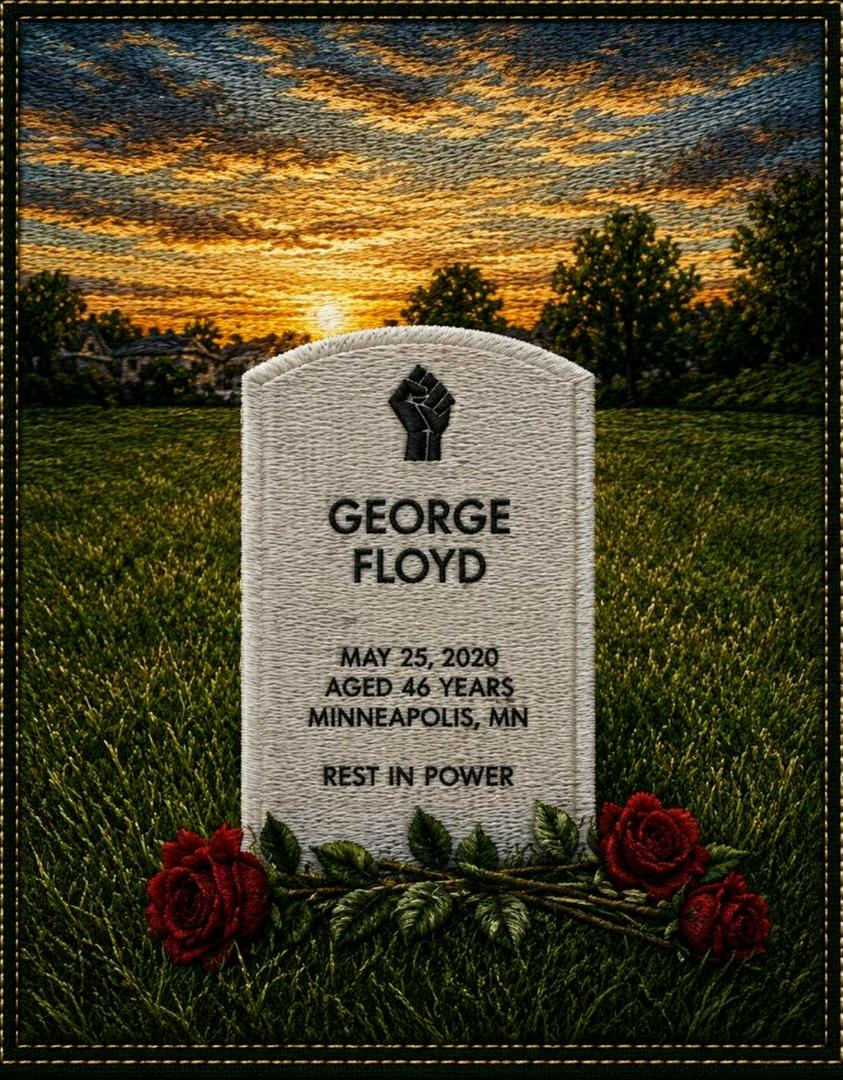
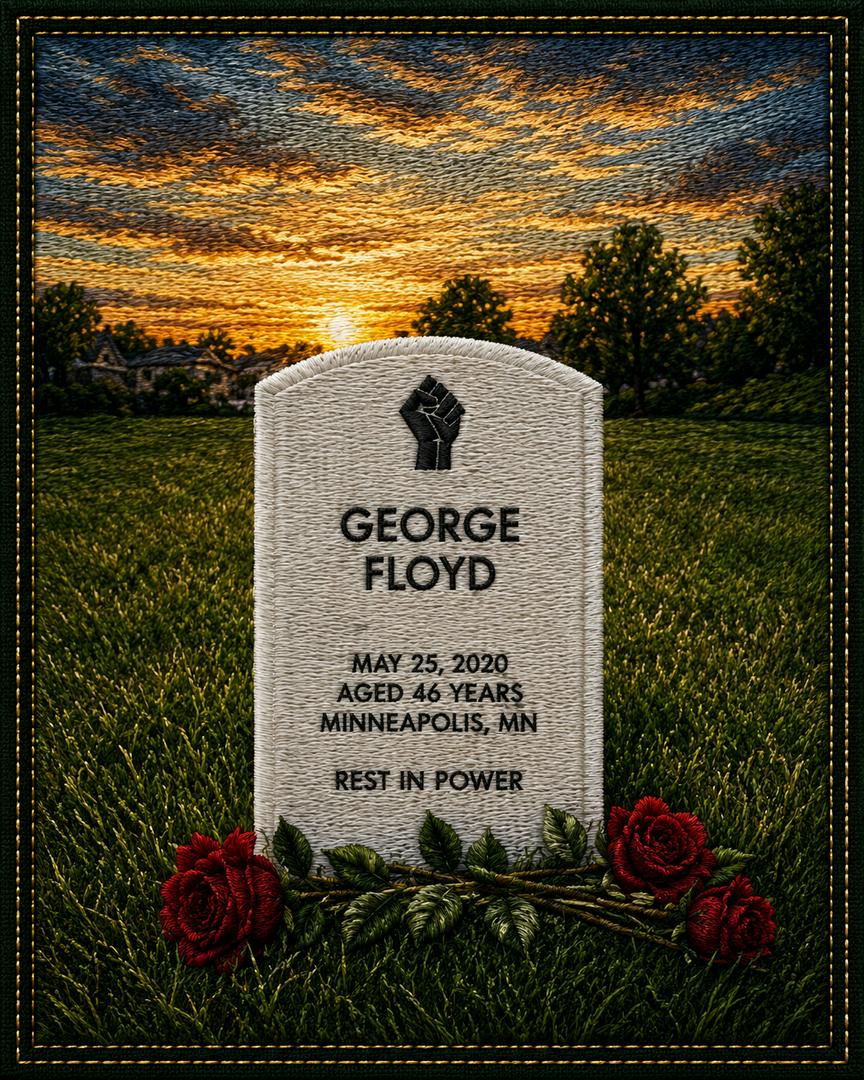
On May 25, 2020, George Floyd was killed during an arrest in Minneapolis. He was 46 years old A video showed former Minneapolis police officer Derek Chauvin pressing his knee on Floyd's neck while Floyd was handcuffed and on the ground. Flouc said he could not breathe. People watched the footage and many saw more than one man's final moments. They saw a system being questioned in real time. His death did not stay local It sparked protests across the United States and in other parts of the world. People marched, debated, organized argued, mourned, and demandedanswers about policing, force, accountability, and how often these stories had happened before. George Floyd was not perfect. He was not a symbol first. He was a man. A father. A son. A person whose life ended in a way millions of people could not ignore. Derek Chauvin was later convicted of murder and sentenced to prison. Other former officers connected to the case were also convicted on federal civil rights charges. But the larger question did not end in court.Five years later, people still argue about what changed, what did not change, ana whether the attention that followed his death led to lasting accountability or only temporary outrage. That is why May 25 still matters. Not because George Floyd has to be turned into a martyr. But because what happened to him became part of American history, and history does not disappear just because ït makes people uncomfortable. #GeorgeFloyd #AmericanHistory #OnThisDay #PoliceAccountabilitu #LataraSpeaksTruth

LataraSpeaksTruth

On May 25, 2020, George Floyd was killed during an arrest in Minneapolis. He was 46 years old. A video showed former Minneapolis police officer Derek Chauvin pressing his knee on Floyd’s neck while Floyd was handcuffed and on the ground. Floyd said he could not breathe. People watched the footage and many saw more than one man’s final moments. They saw a system being questioned in real time. His death did not stay local. It sparked protests across the United States and in other parts of the world. People marched, debated, organized, argued, mourned, and demanded answers about policing, force, accountability, and how often these stories had happened before. George Floyd was not perfect. He was not a symbol first. He was a man. A father. A son. A person whose life ended in a way millions of people could not ignore. Derek Chauvin was later convicted of murder and sentenced to prison. Other former officers connected to the case were also convicted on federal civil rights charges. But the larger question did not end in court. Five years later, people still argue about what changed, what did not change, and whether the attention that followed his death led to lasting accountability or only temporary outrage. That is why May 25 still matters. Not because George Floyd has to be turned into a martyr. But because what happened to him became part of American history, and history does not disappear just because it makes people uncomfortable. #GeorgeFloyd #AmericanHistory #OnThisDay #PoliceAccountability #LataraSpeaksTruth

LataraSpeaksTruth

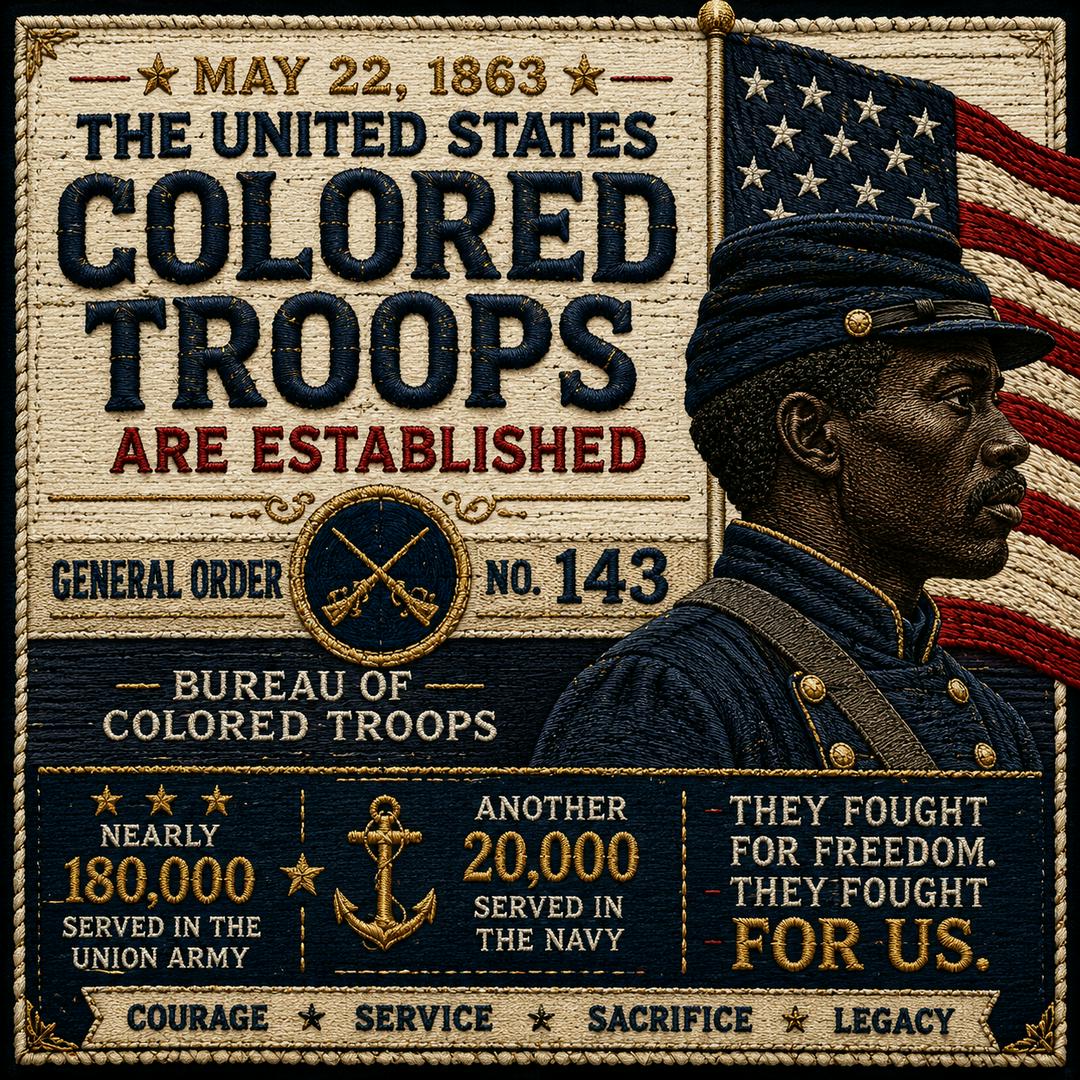
1863: The United States Colored Troops Are Established On May 22, 1863, the War Department issued General Order No. 143, creating the Bureau of Colored Troops. That order officially opened the door for Black men to serve in organized units during the Civil War. By the end of the war, roughly 179,000 Black soldiers had served in the Union Army, with about 19,000 more serving in the Navy. But they were not just fighting battles. They were fighting for freedom, citizenship, dignity, and the right to be seen as men in a nation that had denied their humanity. Many had escaped slavery. Others were free Black men who understood that the outcome of the war would shape the future of their people. Black Union troops and USCT soldiers faced racism, unequal pay, harsher treatment if captured, and doubts from those who questioned their ability to fight. Still, they showed up. They fought in major campaigns and battles including Milliken’s Bend, Petersburg, and New Market Heights. Their courage became part of the record. Their service made one thing impossible to deny… Black men had not waited for freedom to be handed to them. They fought for it. The creation of the United States Colored Troops was more than a military decision. It was a turning point in American history. They wore the uniform of a country that had not fully accepted them, and still helped save it. #BlackHistory #AmericanHistory #CivilWarHistory #USCT #OnThisDay #HistoryMatters #FreedomFighters #LataraSpeaksTruth

LataraSpeaksTruth

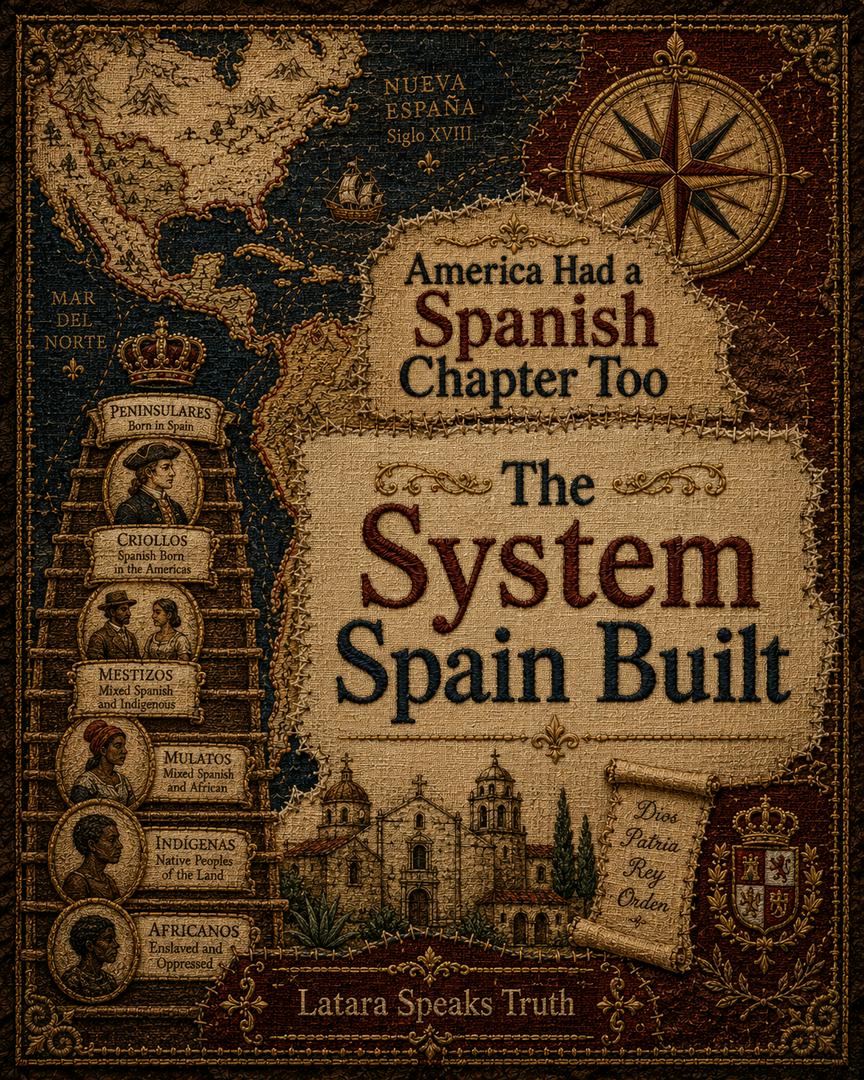
The System Spain Built Before we keep moving forward, we have to look at the system Spain built in the Americas. When Spain expanded its empire, it did not only take land. It built a social order. Spanish colonial society developed a racial hierarchy often called the casta system. At the top were Spaniards born in Spain. Below them were people of Spanish descent born in the Americas. Beneath that were mixed-race groups, Indigenous people, and people of African descent. This was not just prejudice floating in the air. It was structure. The system shaped who had access to power, land, education, church authority, legal protection, and social status. It also shaped who was pushed into forced labor, taxed, controlled, converted, displaced, or treated as less than fully equal. Indigenous people were forced into colonial systems that reshaped their land, labor, language, and spiritual life. African people and their descendants were brought into the Americas through slavery and placed near the bottom of colonial society. Spanish elites gained wealth through land control, plantations, mines, forced labor, and laws that protected their position. The casta system also created labels for mixed-race people, turning ancestry into a ranking system. A person’s background could affect how they were seen, where they fit, and how close they were allowed to stand to power. That is why this history matters. Spanish America was not built only through exploration. It was built through hierarchy. And long before modern debates about race, language, borders, and belonging, Spain had already created a system that taught people where they were supposed to stand. Some were placed close to power. Others were pushed to the bottom. And the effects of that colonial order did not disappear just because empires changed names. #LataraSpeaksTruth #AmericanHistory #LatinoHistory #HispanicHeritage #HiddenHistory

LataraSpeaksTruth

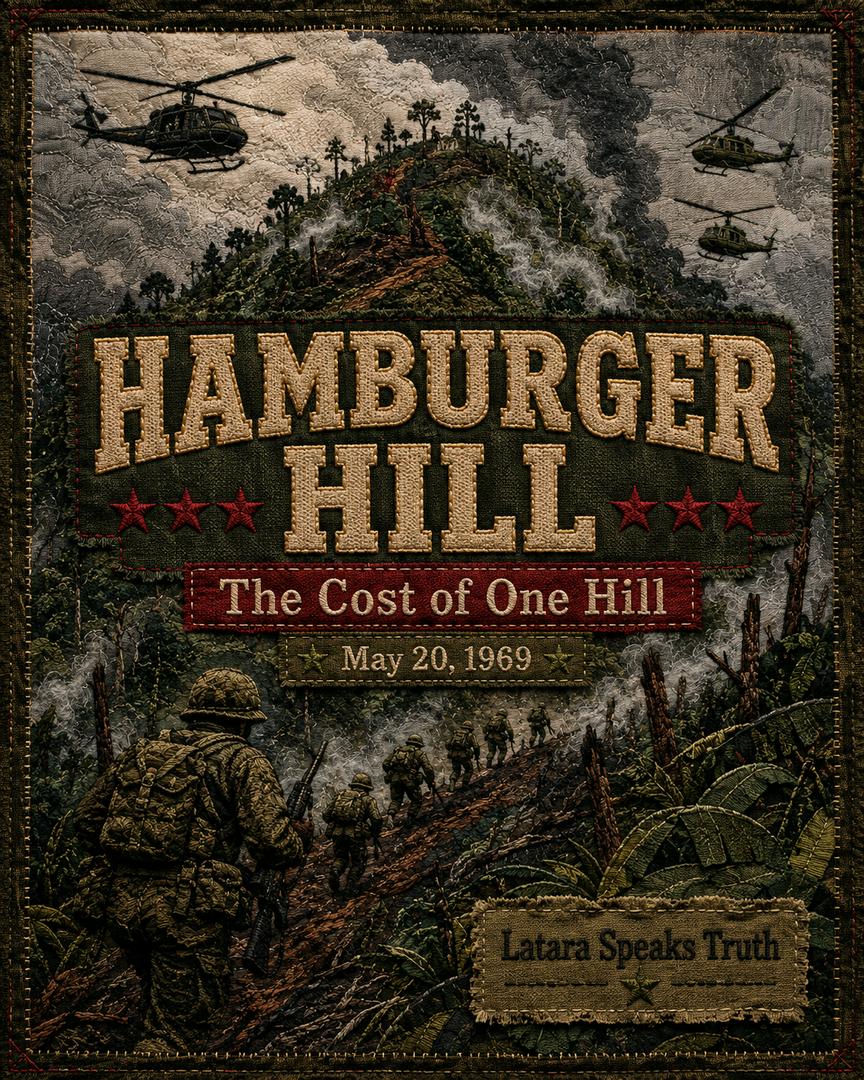
On May 20, 1969, one of the most controversial hill battles of the Vietnam War ended. The place was Hill 937 in the A Shau Valley of South Vietnam. American troops came to know it by a harsher name: Hamburger Hill. For days, U.S. and South Vietnamese forces fought North Vietnamese troops dug into the mountain. The terrain was steep. The jungle was thick. Rain, mud, bunkers, artillery, and close combat turned the hill into a nightmare. The nickname said what official language could not. Men were being chewed up. U.S. forces captured the hill, but the victory quickly became controversial. Soon after, American forces abandoned the position. That made people question the cost. What was the purpose of taking a hill if it was going to be left behind? Hamburger Hill became more than a battle. It became a symbol of how many Americans were beginning to see the war itself: bloody, costly, confusing, and hard to justify. There is also a deeper layer. Black soldiers served in Vietnam while the country they fought for was still fighting over equality at home. In the early years of the war, Black troops carried a disproportionate share of combat risk and fatal casualties. That does not mean every Vietnam battle should be turned into one simple racial story. But it does mean history should remember who was sent, who died, and what they came home to. Many Black veterans returned to a country that still denied them full respect. They wore the uniform. They risked their lives. And still, they had to fight to be seen as fully American. Hamburger Hill reminds us that war is not just strategy on a map. It is men climbing through mud and fire. It is families waiting for names. It is a country asking whether the price was worth it. And for Black soldiers in Vietnam, it was another chapter in a long American pattern: serving a nation that too often failed to serve them back. #HamburgerHill #VietnamWar #MilitaryHistory #BlackHistory #AmericanHistory

LataraSpeaksTruth

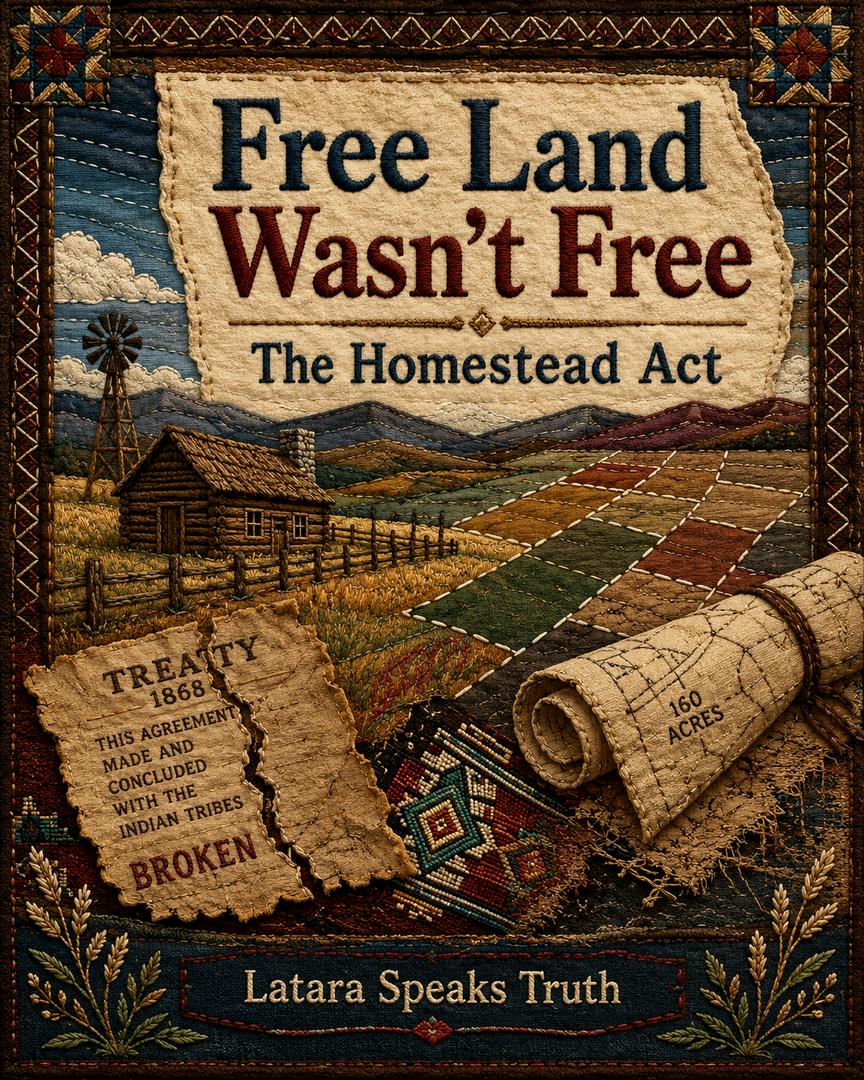
On May 20, 1862, President Abraham Lincoln signed the Homestead Act into law. The law allowed settlers to claim up to 160 acres of federal land if they paid a small filing fee, lived on the land, improved it, farmed it, and met the requirements. On paper, it sounded like one of America’s great promises. Land. Ownership. A chance to build something that could last. But America’s land stories are rarely that clean. The Homestead Act helped expand private land ownership across the country, but much of that land was tied to territory where Indigenous nations had already lived, farmed, hunted, governed, and built communities. Many of those communities had been pushed out, removed, or stripped of land through war, forced treaties, and federal policy. So while some families were being handed a pathway to wealth, others were being handed loss. For many white settlers, homesteading became a doorway into generational ownership. Land could be farmed, passed down, sold, borrowed against, and used to build stability. For many Indigenous communities, it was another chapter in dispossession. And for many Black Americans, especially those still enslaved in 1862 or newly freed after the Civil War, access to that same kind of land ownership was often limited by racism, violence, poverty, policy, and exclusion. That is the part people like to soften. The Homestead Act was a major American law, but it was not equal opportunity in action. It was opportunity shaped by power. Some people received land and called it a fresh start. Others watched land disappear and called it survival. That is why the phrase “free land” deserves a second look. Because the land was not free. Someone paid for it. #HomesteadAct #AmericanHistory #OnThisDay #HistoryMatters #UntoldHistory #IndigenousHistory #BlackHistory

LataraSpeaksTruth

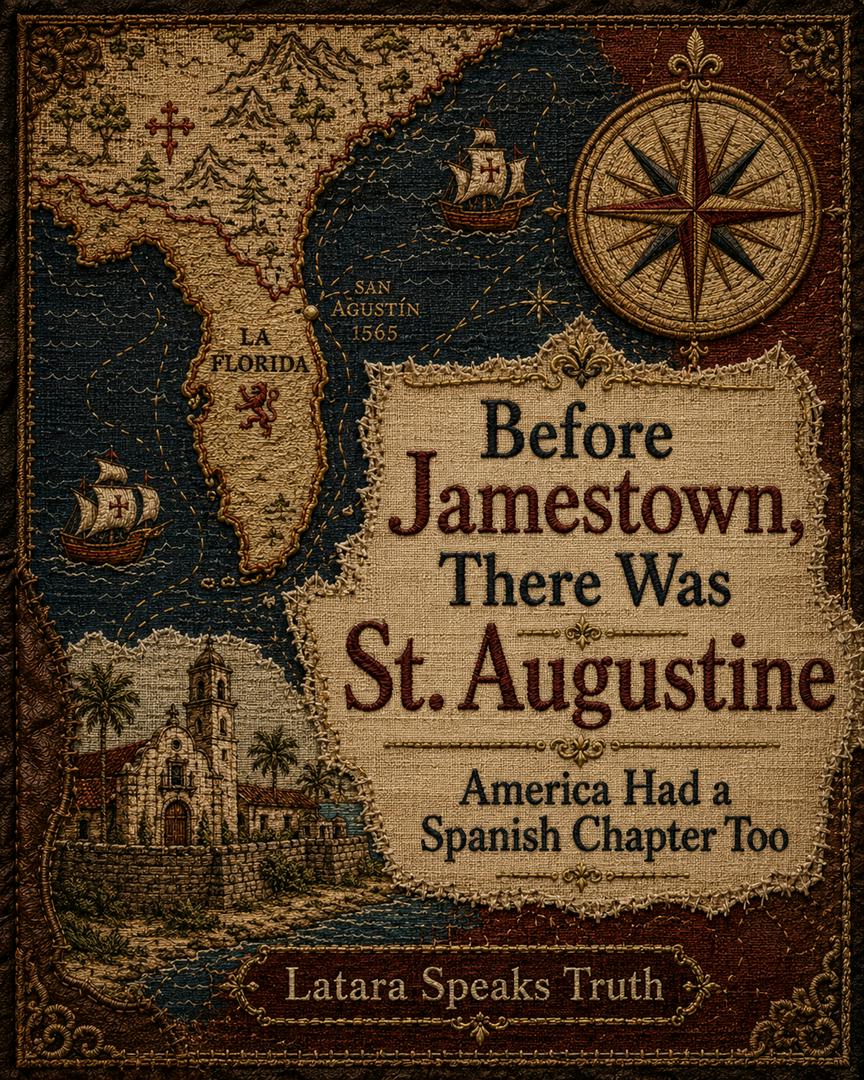
Before Jamestown, There Was St. Augustine Before many Americans learned about Jamestown, Plymouth Rock, or the Pilgrims, Spanish Florida was already part of the story. In 1565, Pedro Menéndez de Avilés founded St. Augustine in what is now Florida. The city is recognized as the oldest continuously occupied settlement of European and African American origin in the United States. It was founded decades before Jamestown and Plymouth. That matters because early American history did not begin only with English settlers. It also included Spanish colonization, Indigenous land, forced labor, African presence, Catholic missions, military outposts, and communities shaped under empire. St. Augustine was built on land where Indigenous people already lived. Spanish colonists first occupied the Timucua village of Seloy, and conflict grew between Spanish settlers and Indigenous communities before the settlement later shifted to the site of modern St. Augustine. African people were also there from the beginning. When people talk about African presence in early America, many start with 1619 in Virginia. That story is important, but it is not the only beginning. In Spanish Florida, free and enslaved Africans were already part of the settlement in the 1500s. That means the Spanish chapter of American history was never only Spanish. It was Indigenous. It was African. It was European. It was forced together through conquest, survival, labor, violence, religion, and resistance. This is why the history matters. Once people understand St. Augustine, they understand that Spanish-speaking history in America did not arrive late. It was already being written before English colonies became the center of the classroom story. This was not a side chapter. It was one of the first chapters. And many people were never taught it that way. #LataraSpeaksTruth #AmericanHistory #LatinoHistory #HispanicHeritage #HiddenHistory

Tag: americanhistory - Page 3 | LocalAll