Tag Page americanhistory

#americanhistory
LataraSpeaksTruth

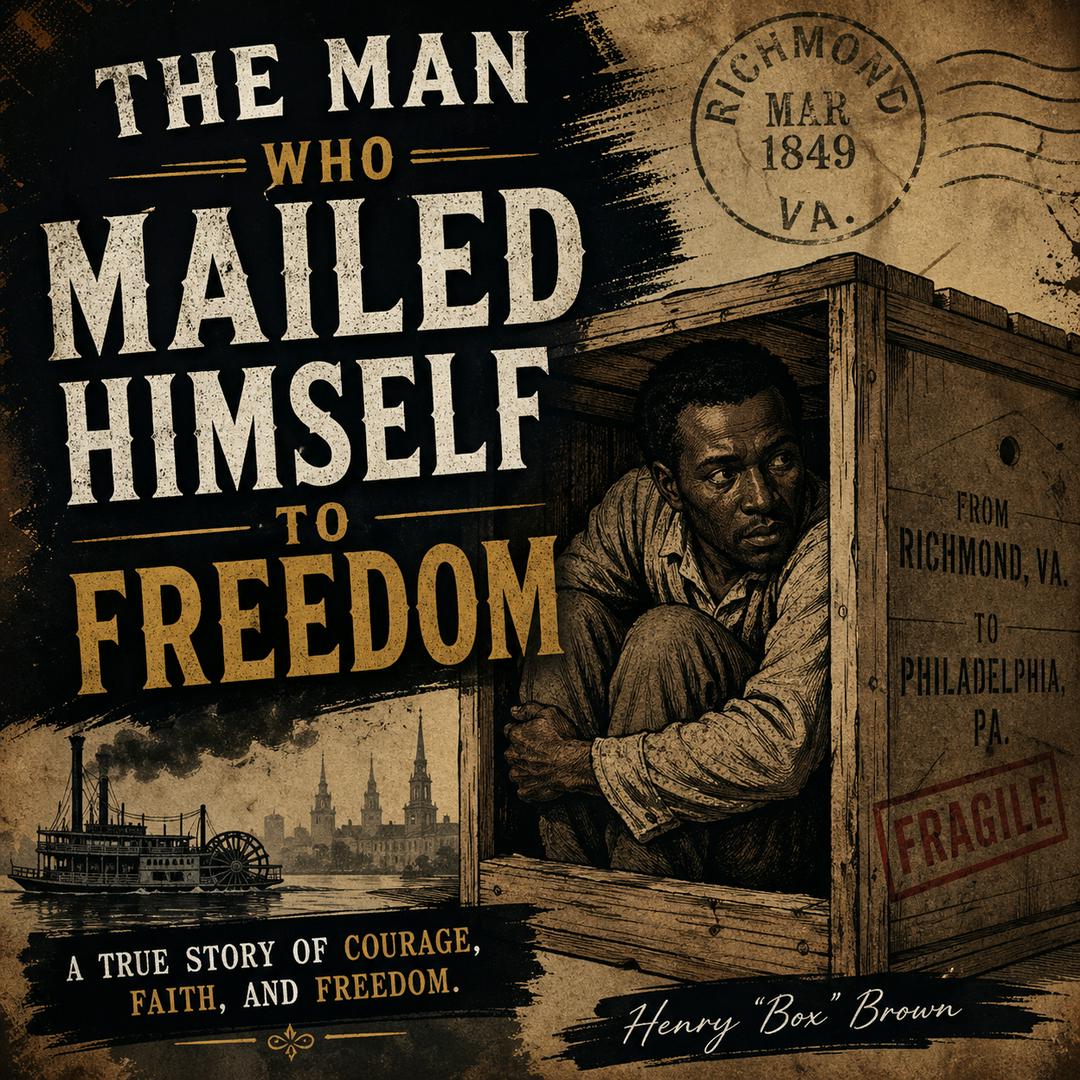
Henry “Box” Brown did not just escape slavery. He mailed himself to freedom. In March 1849, Brown was enslaved in Richmond, Virginia, where he worked in a tobacco factory. His life had already been shattered when his wife, Nancy, and their children were sold away from him. That loss pushed Brown toward one of the boldest escape plans in American history. With help from James C. A. Smith, a free Black man, and Samuel A. Smith, a white shoemaker, Brown arranged to be sealed inside a wooden crate and shipped as freight from Richmond to Philadelphia. The box measured about 3 feet long, 2 and a half feet deep, and 2 feet wide. Brown carried a little water and a few biscuits. There was a small air hole, but almost no room to move. For about 27 hours, he traveled by wagon, railroad, steamboat, and delivery wagon, folded inside a crate marked as goods. At one point, the box was reportedly placed upside down, leaving him in terrible pain. Still, he stayed silent. One sound could have ended everything. When the crate finally reached Philadelphia, abolitionists opened it. Brown stepped out alive. From that day forward, he became known as Henry “Box” Brown. His story sounds almost impossible, but that is why it matters. It shows the brutal reality of slavery, where a man had to risk suffocation, injury, and death just to claim the freedom that should have already been his. Henry Brown did not escape by chance. He escaped through planning, courage, faith, and a determination no wooden crate could hold. #HiddenHistory #AmericanHistory #HenryBoxBrown #BlackHistory #FreedomStories
LataraSpeaksTruth

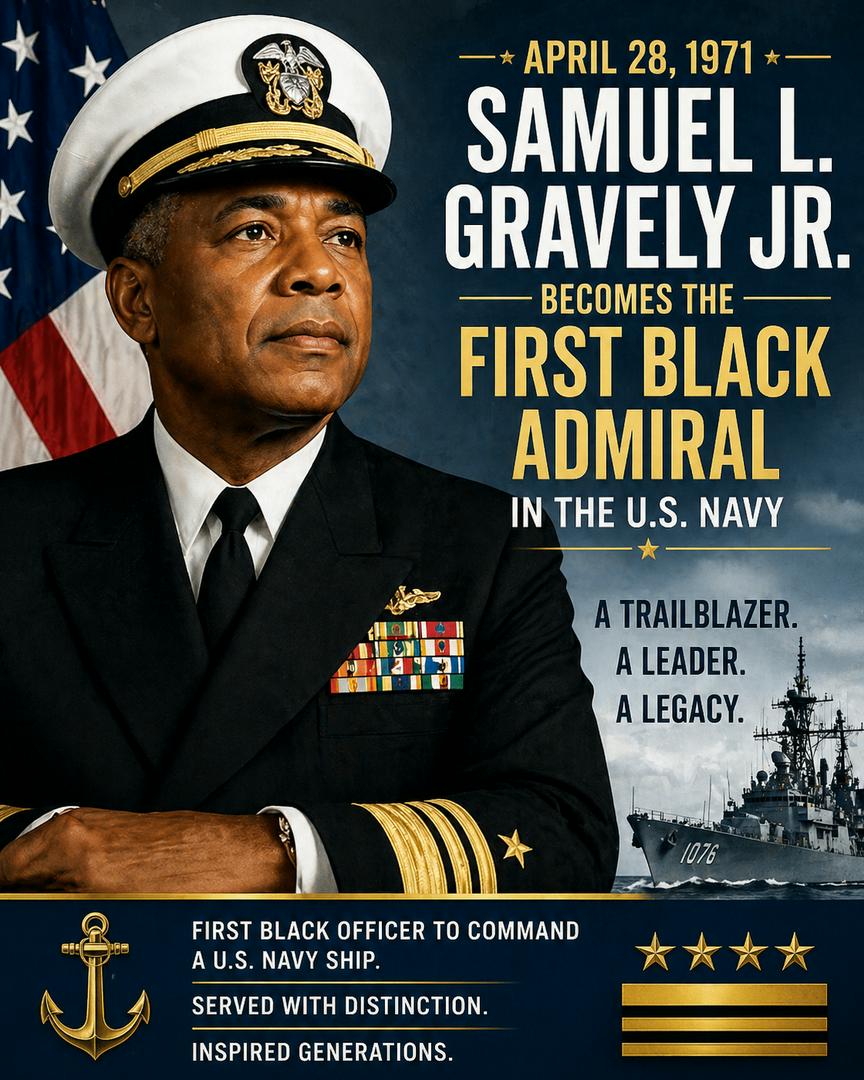
On April 28, 1971, Samuel L. Gravely Jr. became part of U.S. Navy history when he appeared on the rear admiral promotion list, making him the Navy’s first African American flag officer. Gravely was born on June 4, 1922, in Richmond, Virginia. He entered the U.S. Naval Reserve during World War II and was commissioned as an ensign in 1944, shortly after the commissioning of the Golden Thirteen, the Navy’s first African American officers. His career included a series of major firsts. In 1961, Gravely became the first African American officer to command a U.S. Navy ship, USS Theodore E. Chandler. In 1962, he became the first African American officer to command a combat ship, USS Falgout. During the Vietnam War, he commanded USS Taussig, which provided plane guard and gunfire support off the coast of Vietnam in 1966. That command made him the first African American officer to lead a U.S. Navy vessel into combat. In 1967, Gravely became the Navy’s first African American captain. Four years later, his selection for rear admiral marked another historic step in naval leadership. He later commanded Cruiser-Destroyer Group Two and became commander of the U.S. Third Fleet, based in Hawaii. Gravely eventually rose to the rank of vice admiral before retiring in 1980 after decades of service. His career is remembered for its documented milestones in command, combat leadership, and senior naval rank. Samuel L. Gravely Jr. died on October 22, 2004, at age 82. His name remains connected to one of the most important advancement stories in U.S. Navy history. #BlackHistory #MilitaryHistory #NavyHistory #SamuelLGravely #AmericanHistory

Brandon_Lee

On April 25, 1961, Malcolm X and James Baldwin appeared in a WBAI radio broadcast in New York titled Black Muslims vs. the Sit-ins. The conversation also included Leverne McCummins. and it was not casual talk. It was a serious public exchange about racism, protest, integration, dignity, and what real freedom was supposed to mean in America At the time. sit-ins had become one of the most visible forms of protest against segregation. Young people were sitting at unch counters, refusina to move, and challenging a system that told them where they could eat, sit, learn, live, and belong. Malcolm X, speaking from the position of the Nation of Islam, challenged the idea that gaining access to spaces controlled by white societv should be treated as thehighest expression of freedom. His argument was not simplv about restaurants. It was about power. He questioned whether ntegration alone could solve a deeper problem rooted in racism, dependency, and control. James Baldwin brought another kind of weight to the discussion. Baldwin understood the moral violence of racism but he also understood the human cost of being forced to fight for basic recognition His voice often pushed bevond slogans and into the painful question underneath it all: what does America do to the people it refuses to fullv see? That is what made this exchange so mportant. It was not just a disagreement. It was a window into a larqer debate happening across the country. Should freedom mean access to the same public spaces, or should it meanself-determination beyond a system that had already proven itself hostile? More than six decades later, the conversation still hits because the questions were never small. Equality, power dentity, protest, and dignity were all sitting at that table Heavy hitters in one room. No small talk. No soft edges. Just truth beina tested out loud #MalcolmX #JamesBaldwin #OnThisDay #HistoryMatters #AmericanHistory

LataraSpeaksTruth

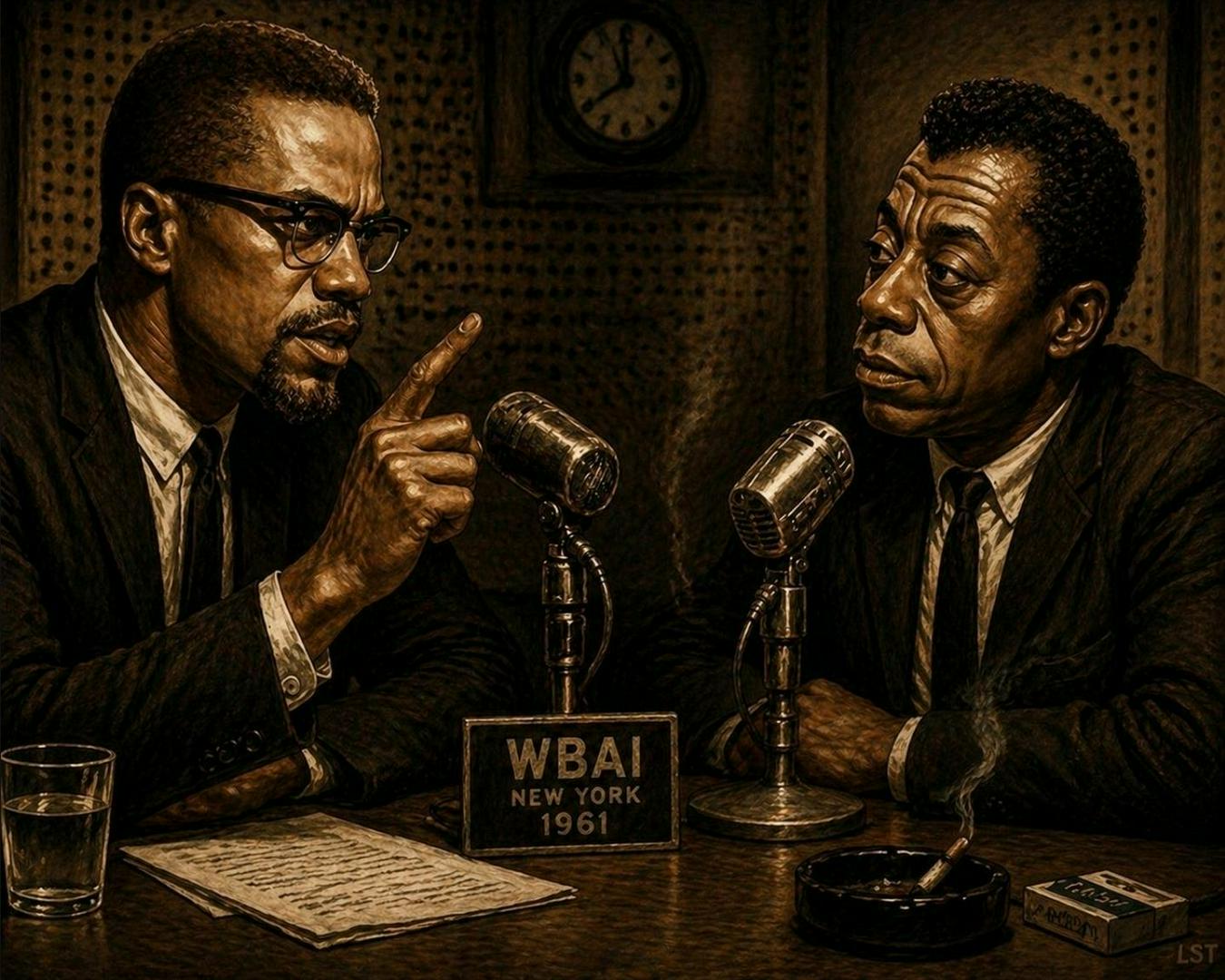
On April 25, 1961, Malcolm X and James Baldwin appeared in a WBAI radio broadcast in New York titled Black Muslims vs. the Sit-ins. The conversation also included Leverne McCummins, and it was not casual talk. It was a serious public exchange about racism, protest, integration, dignity, and what real freedom was supposed to mean in America. At the time, sit-ins had become one of the most visible forms of protest against segregation. Young people were sitting at lunch counters, refusing to move, and challenging a system that told them where they could eat, sit, learn, live, and belong. Malcolm X, speaking from the position of the Nation of Islam, challenged the idea that gaining access to spaces controlled by white society should be treated as the highest expression of freedom. His argument was not simply about restaurants. It was about power. He questioned whether integration alone could solve a deeper problem rooted in racism, dependency, and control. James Baldwin brought another kind of weight to the discussion. Baldwin understood the moral violence of racism, but he also understood the human cost of being forced to fight for basic recognition. His voice often pushed beyond slogans and into the painful question underneath it all: what does America do to the people it refuses to fully see? That is what made this exchange so important. It was not just a disagreement. It was a window into a larger debate happening across the country. Should freedom mean access to the same public spaces, or should it mean self-determination beyond a system that had already proven itself hostile? More than six decades later, the conversation still hits because the questions were never small. Equality, power, identity, protest, and dignity were all sitting at that table. Heavy hitters in one room. No small talk. No soft edges. Just truth being tested out loud. #MalcolmX #JamesBaldwin #OnThisDay #HistoryMatters #AmericanHistory

Freddy Gibbs

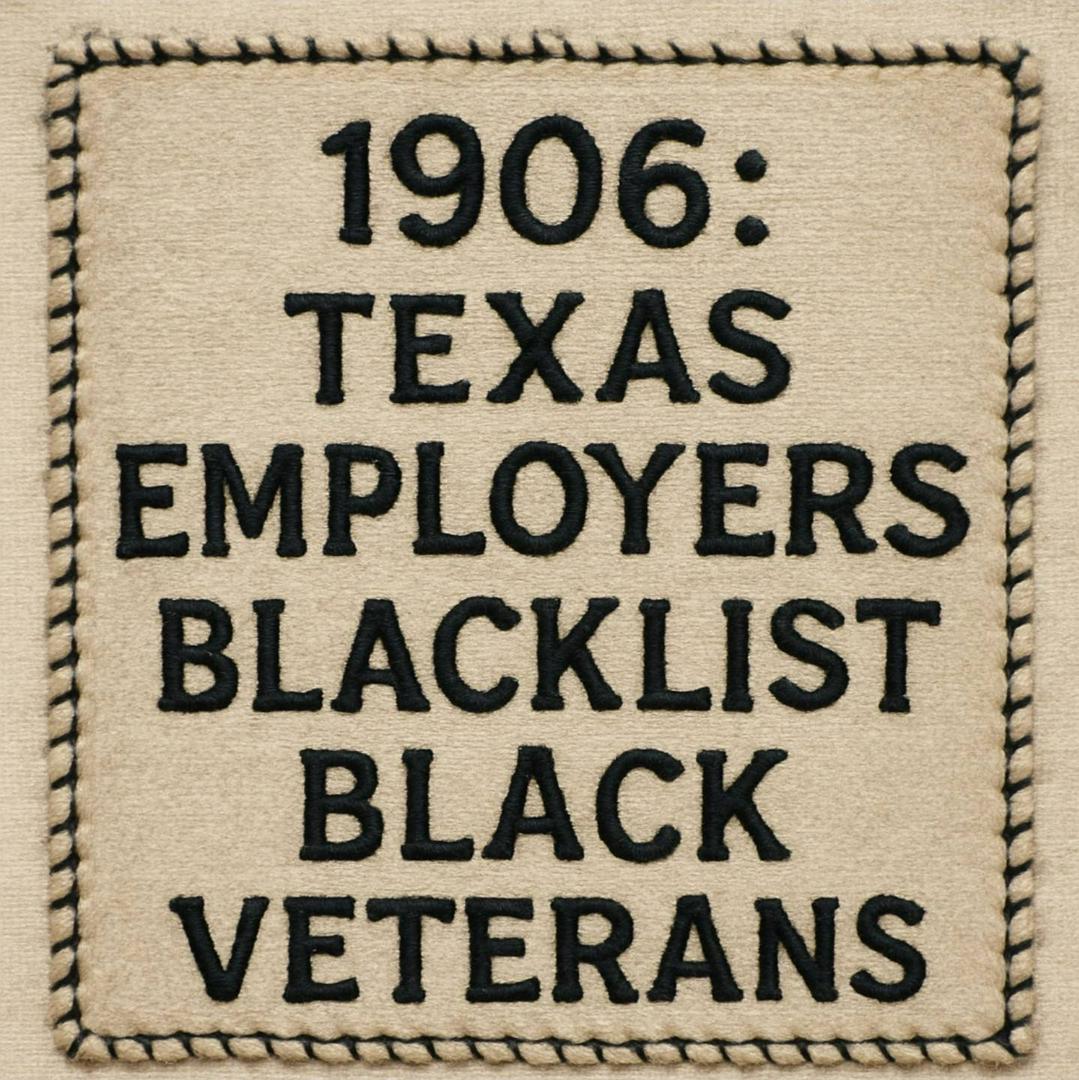
Texas Employers Blacklist Black Veterans (1906) Some stories in American history were never given the full attention thev deserved and the Brownsville Affair is one of them. In 1 906. more than 160 Black soldiers from the 25th Infantry were blamed for a shooting they had nothing to do with. Local officials rushed to judgment with no proof and the nation went along with the accusation. President Theodore Roosevelt discharged the entire group in one order, stripping their service, their honor, and their futures. What many people never hear about is what happened long after the headlines died down. The government eventually admitted the soldiers had been telling the truth from day one. The bullets didn't match their rifles The timelines didn't fit. Witness claims fell apart. But by the time the record was corrected, decades had passed, and manyof the men were already gone Their families lived with the weight of an accusation built on bias. not evidence. Military benefits were never restored in time to help them. Careers were lost. Entire generations grew up under a shadow they did not deserve. The correction came too late to qive the soldiers the ustice they needed while they were still here. Instead. their names were quietly cleared long after the damage had been done. It's a reminder that institutions can make decisions in minutes that take ifetimes to repair. These men deserve to be remembered with truth, dignity, and the honor thev earned through service. #BrownsvilleAffair #BlackHistory #MilitaryHistory #HistoryUncovered #AmericanHistory #TruthMatters

LataraSpeaksTruth

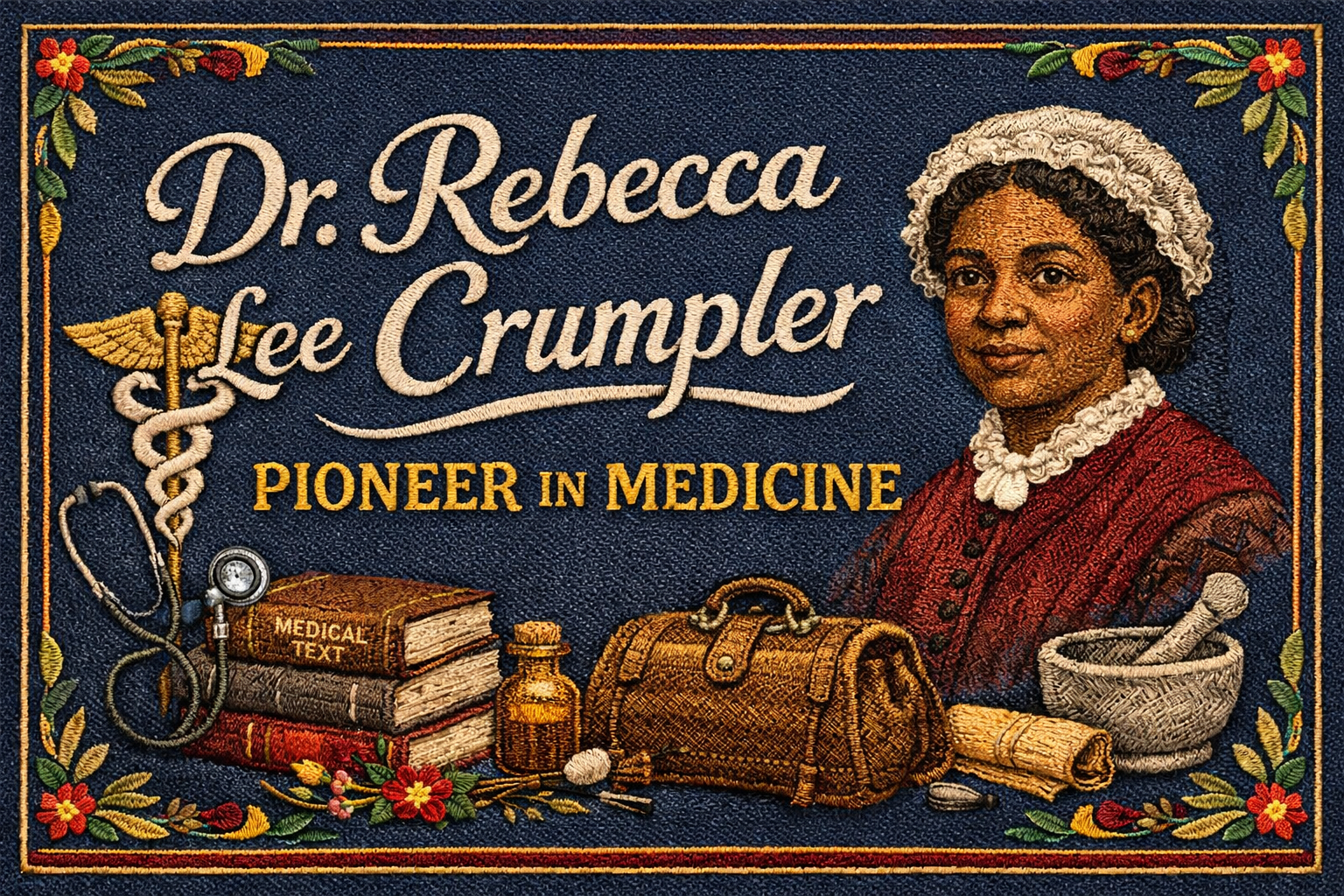
On March 9, 1895, Dr. Rebecca Davis Lee Crumpler died in Hyde Park, Massachusetts. Her death marked the close of a life that helped change American medical history. She is widely recognized as the first Black woman in the United States to earn a medical degree, graduating from the New England Female Medical College in 1864. At a time when both race and sex were used to shut people out of education and the professions, Dr. Crumpler entered medicine anyway and made history by doing work many believed she should never have been allowed to do. Before becoming a physician, she worked as a nurse for years. That experience shaped the kind of doctor she became. After earning her degree, she practiced in Boston and later in Richmond, Virginia, after the Civil War. There, she cared for newly freed Black people who had long been denied proper medical treatment. She focused especially on women and children, serving people too often ignored by the medical system and by the country itself. Her legacy matters not only because she was first, but because of who she chose to serve. Dr. Crumpler worked in a profession dominated by white men and pushed through racism, sexism, and open disrespect. In 1883, she published A Book of Medical Discourses, based on her medical experience caring for women and children. It stands among the earliest medical books published by an African American physician. Too often, history turns people like her into a quick fact and moves on. But Rebecca Crumpler was more than a milestone. She was a physician, writer, healer, and a woman who refused to let this country’s barriers define her reach. Her name belongs in the foundation of American medical history…not as a footnote, but as a pillar. #RebeccaLeeCrumpler #BlackHistory #WomensHistory #BlackWomenInMedicine #MedicalHistory #AmericanHistory #HiddenHistory #MassachusettsHistory #BlackExcellence #Trailblazer #HealthcareHistory #HistoryMatters

LataraSpeaksTruth

On March 8, 1943, Private George Watson of the U.S. Army’s 29th Quartermaster Regiment was aboard the U.S. Army Transport Jacob near Porlock Harbor, New Guinea, when enemy aircraft attacked during World War II. Bombs struck the ship and forced the men aboard into open water. What followed was confusion, fear, and a fight to survive. Some of the soldiers could not swim. Others were wounded, exhausted, or too panicked to make it to safety on their own. Private Watson had a chance to focus on himself. He did not. Instead, he stayed in the water and helped other soldiers reach a life raft. Witnesses later remembered that he repeatedly assisted men who were struggling, putting their lives ahead of his own. In the middle of disaster, he kept choosing service over self preservation. That choice cost him his life. As the ship sank, Watson was pulled beneath the surface and drowned after helping save several of his fellow soldiers. The men who survived did not forget what they saw. They remembered the soldier who stayed behind in the water so others could live. For years, his bravery was honored, but not with the nation’s highest military recognition. That finally changed in 1997, when Private George Watson was posthumously awarded the Medal of Honor. His story is not just about war. It is about character. It is about what a person does when fear is real, death is close, and there is still a chance to choose courage. George Watson made that choice again and again. He did not leave the water that day. But the men he helped did. And because they lived to tell it, his name still rises from the pages of history. #RepostWorthy #GeorgeWatson #MedalOfHonor #WWIIHistory #AmericanHistory #GoneButNotForgotten

LataraSpeaksTruth

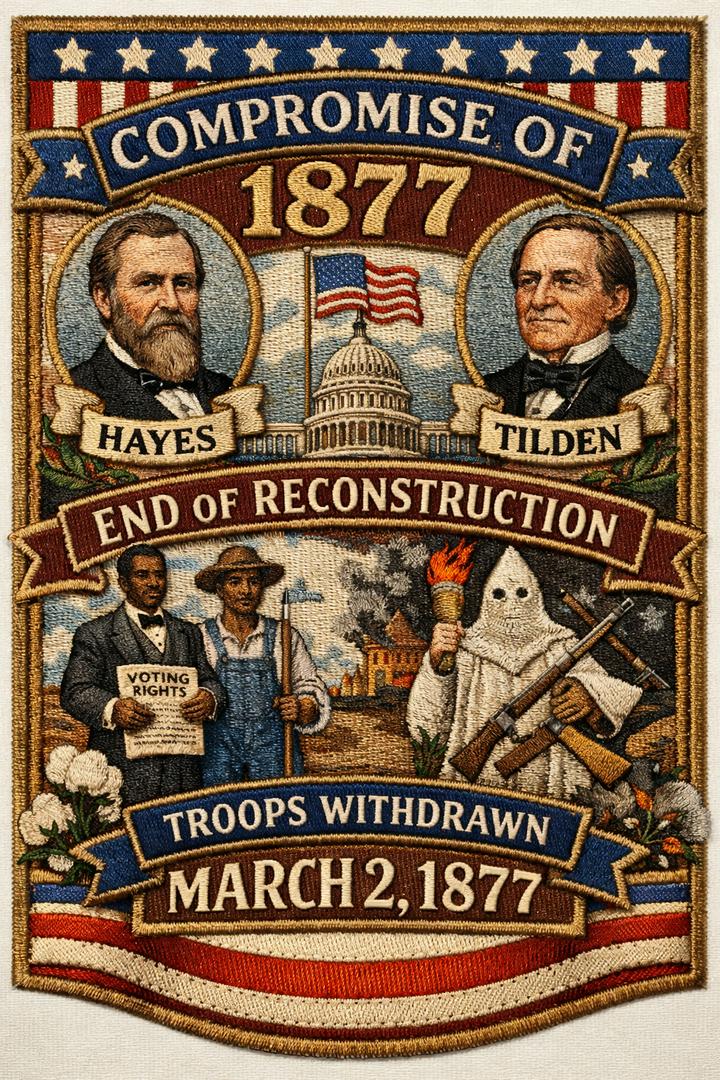
On March 2, 1877, Congress finished counting the electoral votes from the disputed 1876 presidential election and certified Rutherford B. Hayes as president over Samuel J. Tilden by a single electoral vote, 185 to 184. That outcome did not happen on its own. In late January 1877, Congress created a special Electoral Commission to decide the contested electoral votes from several states. The Commission’s rulings were then accepted during the final count on March 2. In the weeks that followed, Democrats ended their resistance to Hayes taking office and Republicans moved toward a set of understandings that later became known as the Compromise of 1877. It was not one signed document. It was political bargaining, and the biggest consequence was federal enforcement in the South being scaled back. After Hayes was inaugurated on March 5, 1877, the remaining federal troops stationed at Southern statehouses were withdrawn, commonly dated to April 1877. With that protection gone, the last Reconstruction governments in places like Louisiana and South Carolina collapsed. In plain language, this meant people who had gained political influence after the Civil War, especially formerly enslaved people and African Americans, were left with far less federal protection at the ballot box and in public life. White supremacist intimidation and organized violence became easier to carry out. Over time, state governments built stronger systems of segregation and voter suppression through laws, procedures, and local enforcement. So yes, the core takeaway is correct. March 2 marks the certification that cleared the way. The troop withdrawal that helped end Reconstruction followed soon after. #OnThisDay #March2 #1877 #Reconstruction #CompromiseOf1877 #Hayes #Tilden #ElectoralCount #ElectoralCommission #USHistory #AmericanHistory #SouthernHistory #VotingRightsHistory

LataraSpeaksTruth

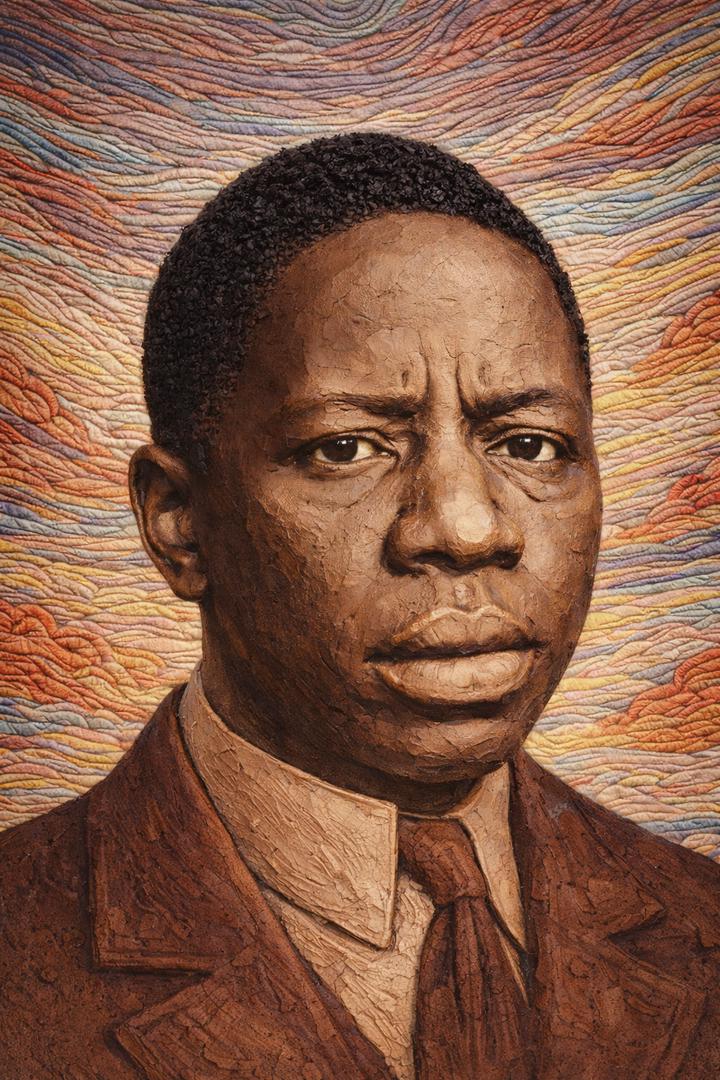
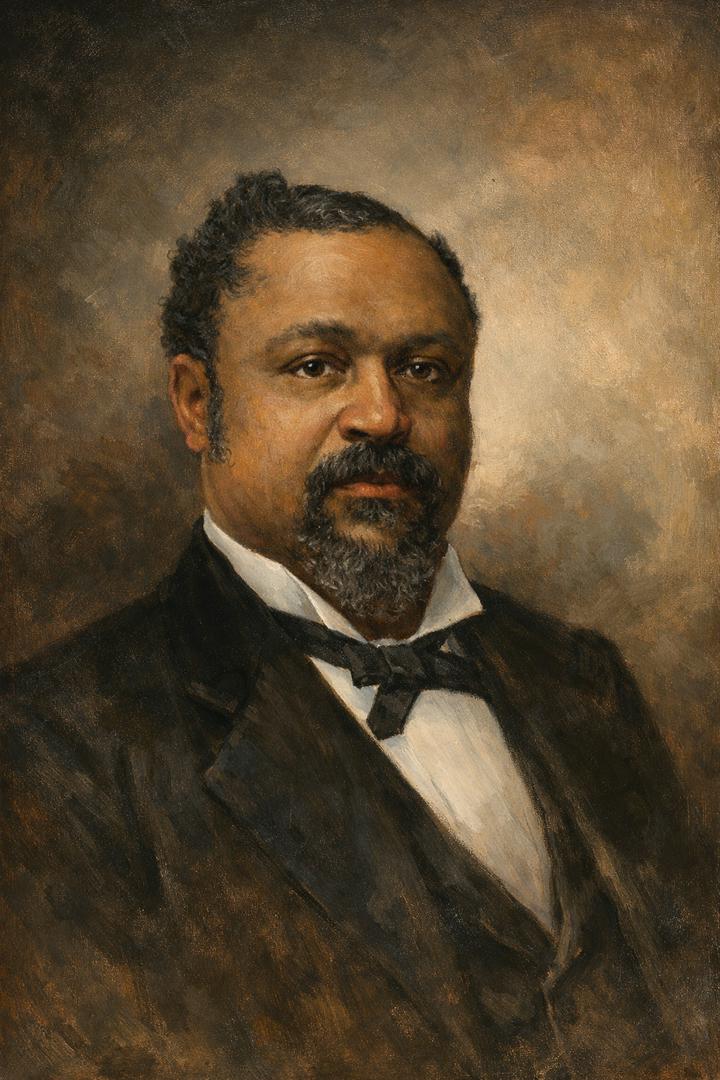
Blanche Kelso Bruce was born enslaved on March 1, 1841, near Farmville in Prince Edward County, Virginia. As a child, he received an education that was rare for someone held in bondage, and he carried that learning like a tool he refused to put down. When the Civil War began, Bruce left slavery and made his way west to Kansas. After that, he worked as a teacher in Hannibal, Missouri, helping educate newly freed Black children during the turbulent first years after emancipation. In 1868 he moved to Mississippi during Reconstruction and built a life in public service. He served on the Mississippi Levee Board, then held county office in Bolivar County as sheriff and later as tax collector from 1872 to 1875. In February 1874, Mississippi’s state legislature elected him to the United States Senate. He served from March 4, 1875, to March 3, 1881. Bruce was the second African American to serve in the U.S. Senate, and the first to complete a full six year term. In 1879 he became the first African American to preside over the Senate, a moment that carried weight far beyond the chamber. After his Senate service, Bruce continued in federal roles. In 1881 President James A. Garfield appointed him Register of the Treasury. He later served as Recorder of Deeds for Washington, D.C., and returned again as Register of the Treasury in 1897. Bruce died in Washington, D.C., on March 17, 1898, and was buried at Woodlawn Cemetery. Sources used for verification include the U.S. Senate’s biography of Bruce and the Biographical Directory of the United States Congress. #BlancheKelsoBruce #USSenate #ReconstructionEra #MississippiHistory #VirginiaHistory #AmericanHistory #BlackHistory #CivilWarEra #PoliticalHistory #HistoryMatters

MrsBlunt

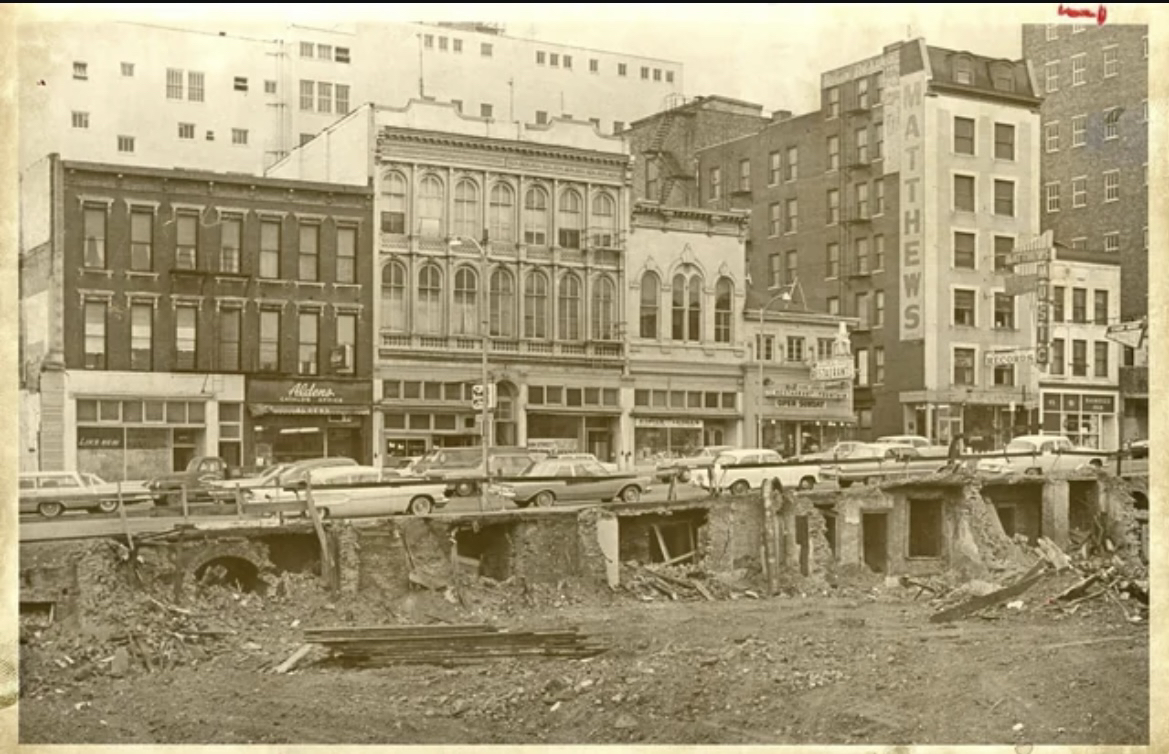
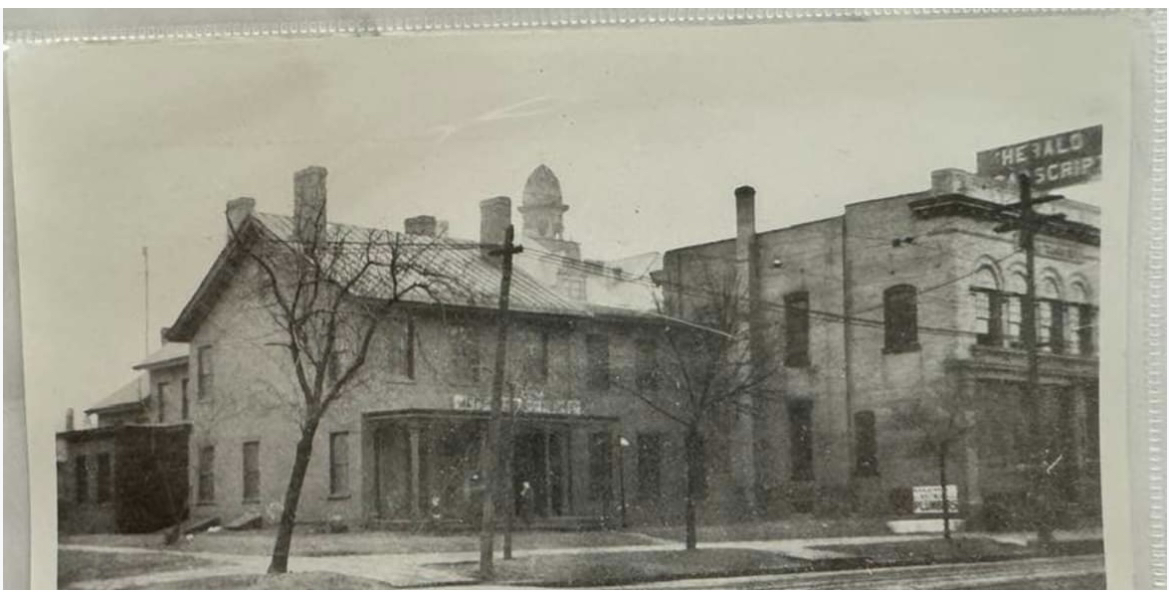
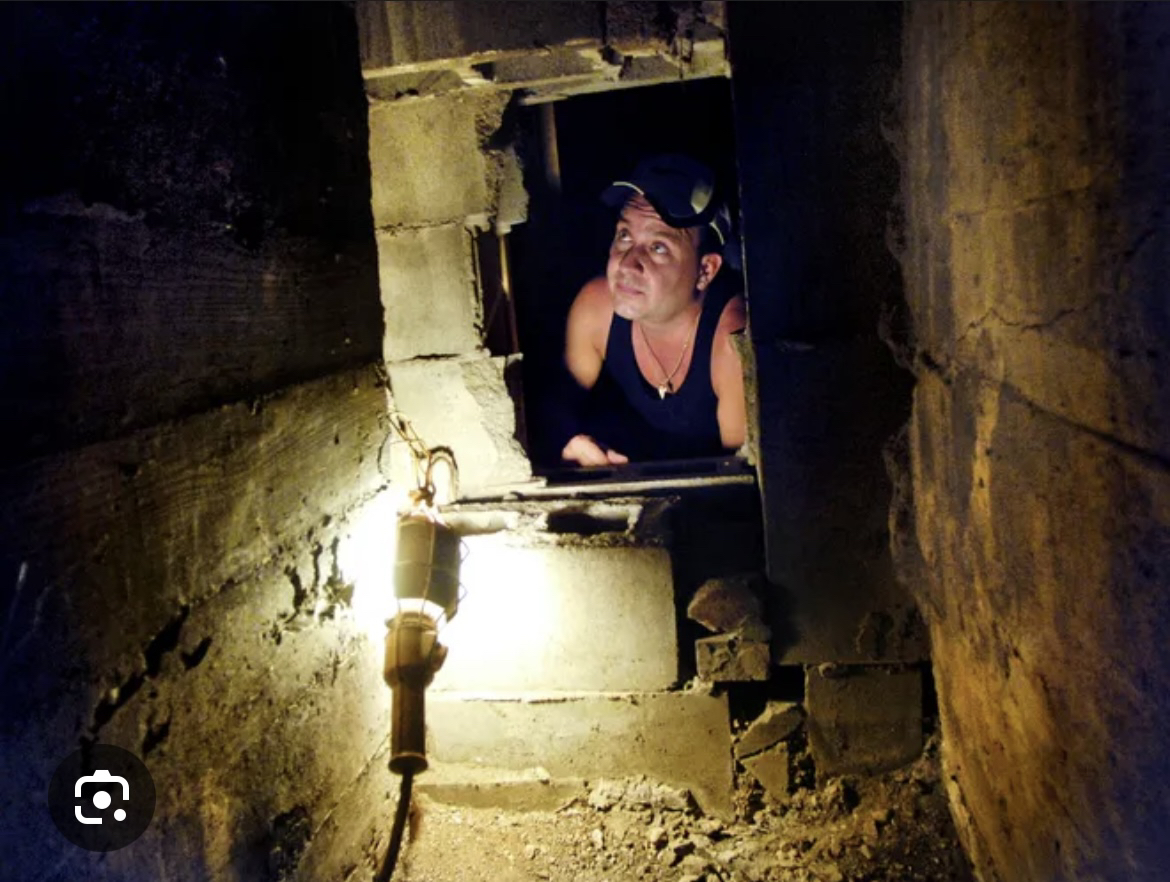
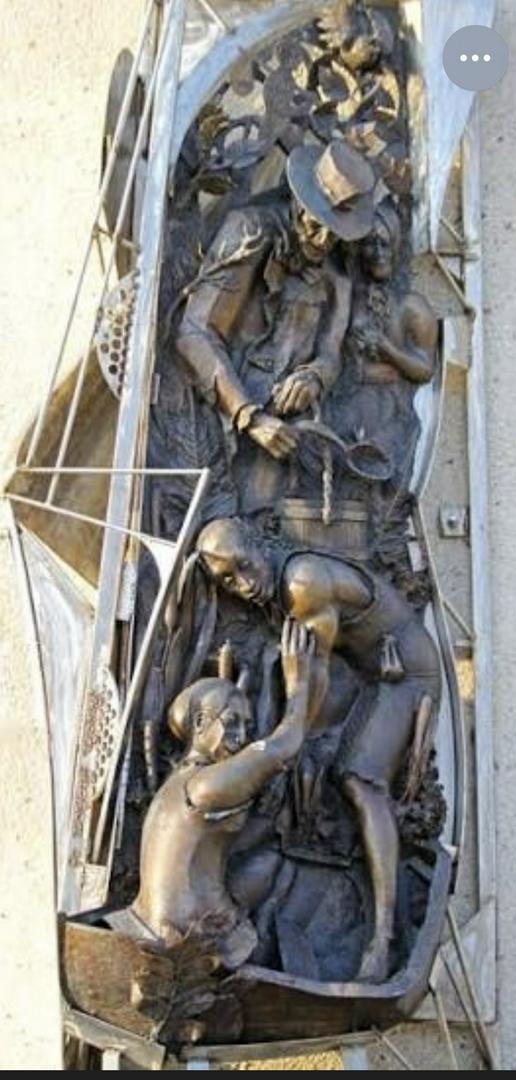
🚨 YOU ARE NOT READY FOR THIS ILLINOIS HISTORY. 🚨 Forget what you think you know about Peoria. Before it was known for industry, it was a dangerous, high-stakes battleground for freedom. 🚂✨ Did you know Peoria was a major hub on the Underground Railroad? 🛤️ At the center of it all was the Moses Pettengill House. This wasn't just a home; it was a sanctuary. Moses and his wife, Lucy, risked imprisonment—and their lives—to hide freedom seekers fleeing north along the Illinois River. 🏠⚖️ Pro-slavery mobs threatened them. They were arrested. But they never stopped. 💡 Why this is viral material: • Abraham Lincoln was a personal friend of the Pettengills and visited the house! 🎩 • The original site is now marked by the incredible "Knockin' on Freedom’s Door" sculpture by Preston Jackson. 🎨✊ • Peoria's abolitionists were so hardcore, they held meetings even when mobs surrounded them. Next time you are downtown, look at the corner of Liberty and Jefferson. You’re standing on history that changed America. 🇺🇸 Share this to make sure the heroes of Peoria are never forgotten! 👇 #PeoriaIL #UndergroundRailroad #BlackHistory #IllinoisHistory #AmericanHistory #ViralHistory

Tag: americanhistory - Page 4 | LocalAll