Tag Page americanhistory

#americanhistory
Malinda Graham

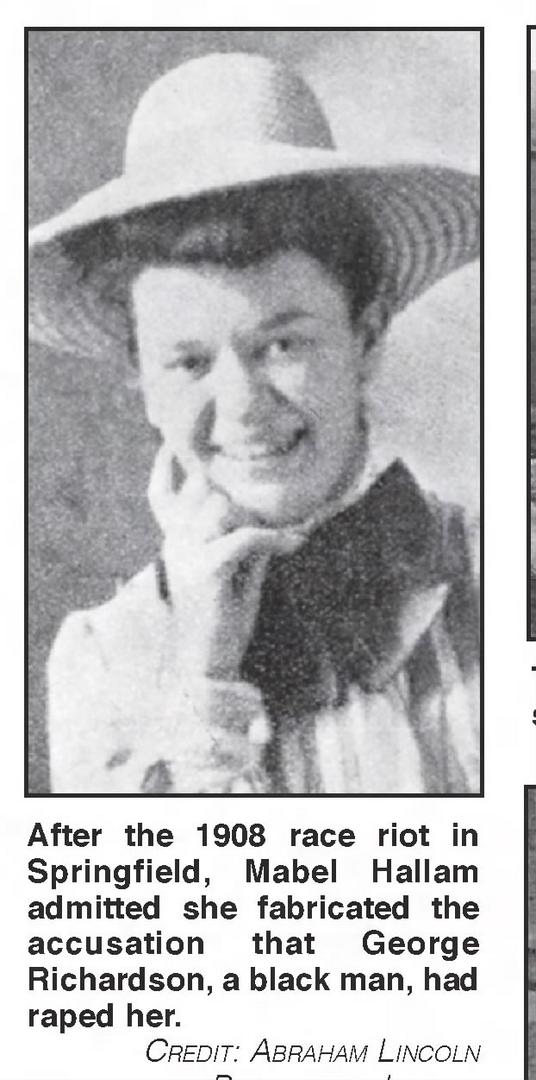
The Springfield race riot of 1908 consisted of events of mass racial violence committed against African Americans by a mob of about 5,000 white Americans and European immigrants in Springfield, Illinois, between August 14 and 16, 1908. Two black men had been arrested as suspects in a rape, and attempted rape and murder. The alleged victims were two young white women and the father of one of them. The alleged victim later confessed to lying. When a mob seeking to lynch the men discovered the sheriff had transferred them out of the city, the whites furiously spread out to attack black neighborhoods, murdered black citizens on the streets, and destroyed black businesses and homes. The state militia was called out to quell the rioting. #Springfield #LiesAndDeception #LiesAndTruth #AmericanHistory #Racism #LiesInHistoryBooks #lies #History

LataraSpeaksTruth

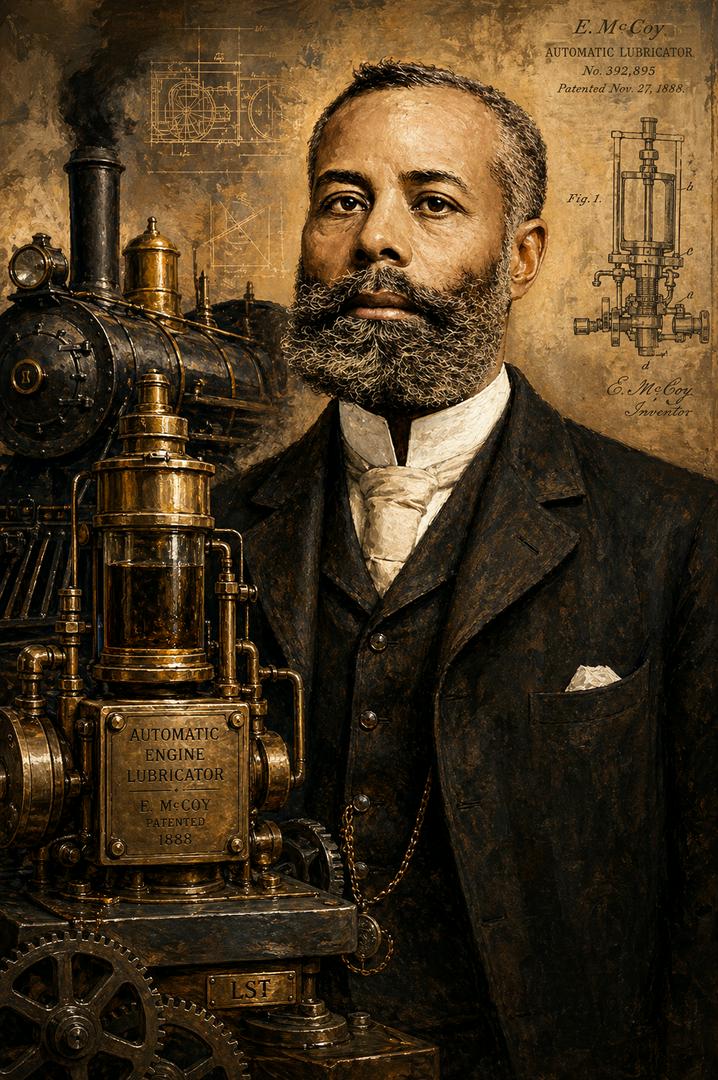
May 2, 1844: Elijah McCoy was born in Colchester, Ontario, Canada, and became one of the most important inventors in railroad and industrial history. McCoy was born to George and Mildred McCoy, parents who had escaped slavery in Kentucky and settled in Canada. From a young age, he showed a strong interest in machines and how things worked. His parents supported his gift, and as a teenager, he studied mechanical engineering in Scotland before returning to North America. Even with his training, McCoy faced the limits placed on Black engineers during that era. Instead of being hired in the engineering roles he was qualified for, he found work with the Michigan Central Railroad as a fireman and oiler. That job gave him a close look at one of the biggest problems in steam-powered machinery. At the time, trains and heavy machines often had to stop so workers could apply oil to moving parts. Those stops cost time, labor, and money. McCoy studied the problem and created an automatic lubricating device that delivered oil to the engine while it was still running. In 1872, he received U.S. Patent No. 129,843 for an improvement in lubricators for steam engines. His invention helped trains and machinery run more efficiently by reducing repeated stops. He later earned dozens of patents connected to engines, machinery, and industrial work. His work became so respected that some historians connect his name to the phrase “the real McCoy,” though the exact origin is still debated. What is not debated is the impact of his invention. Elijah McCoy died on October 10, 1929. In 2001, he was inducted into the National Inventors Hall of Fame, honoring a man whose ideas helped move trains, factories, and industry forward. His story is bigger than one invention. Elijah McCoy saw a problem, built a solution, and left the world with work that was, in every sense, the real thing. #BlackHistory #ElijahMcCoy #OnThisDay #InventorHistory #AmericanHistory

LataraSpeaksTruth

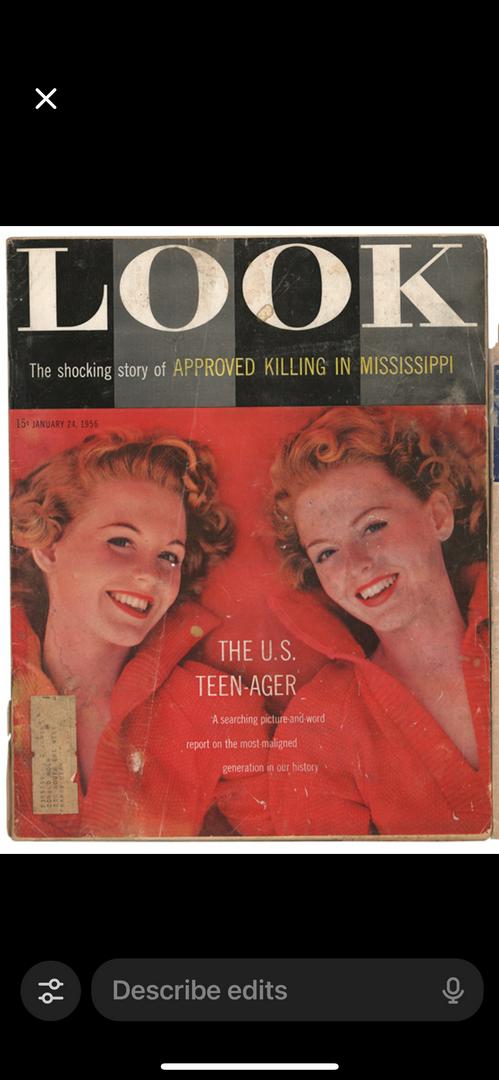
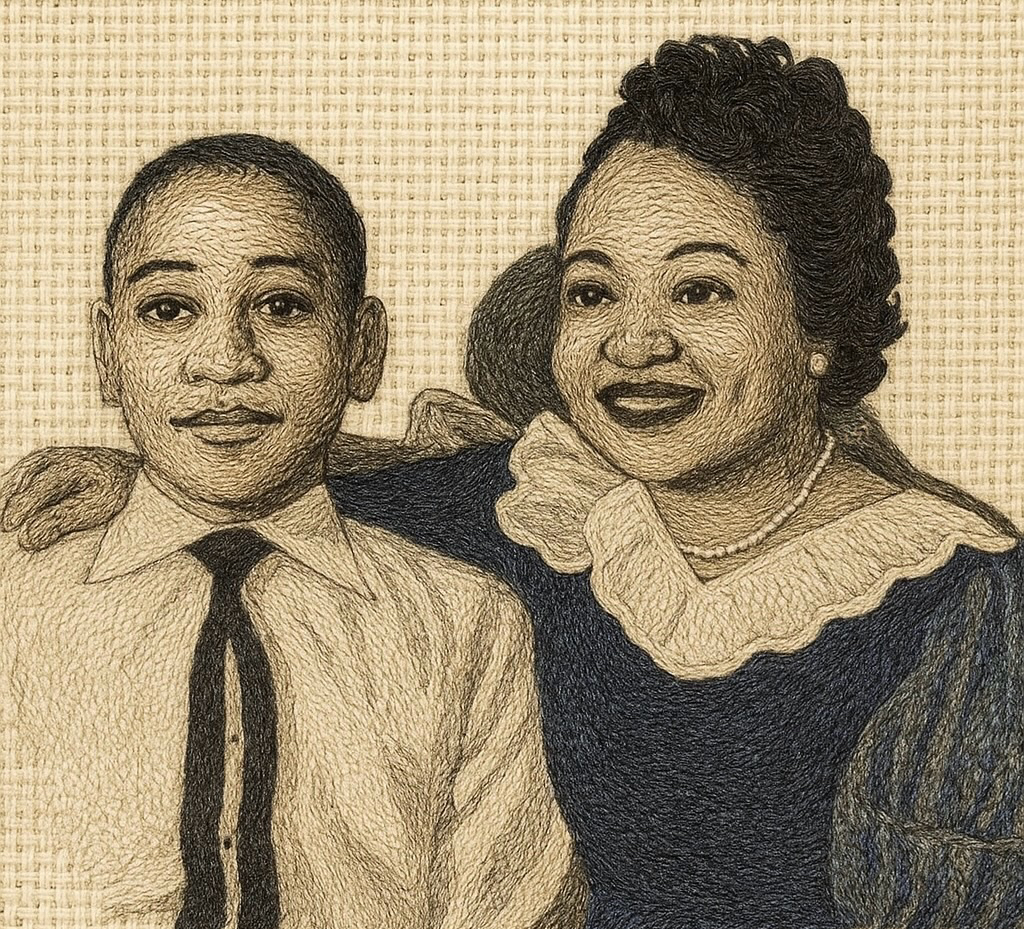
January 24, 1956 marked one of the most disturbing chapters in American history, not because justice was served, but because the truth was openly confessed without consequence. On this date, Look magazine published the paid confessions of the men who kidnapped, tortured, and murdered 14 year old Emmett Till after they had already been acquitted by an all white jury in Mississippi. Protected by double jeopardy, they spoke freely, detailing violence the courtroom had refused to name. The confessions confirmed what many already understood…the verdict was never about evidence, innocence, or law. It was about power. The legal system had functioned exactly as it was designed to, shielding brutality while pretending to uphold justice. Emmett Till’s killing exposed the machinery of Jim Crow justice in its rawest form, where cruelty could operate in daylight and accountability simply did not exist. His death was not treated as a tragedy by the courts, but as an inconvenience quickly brushed aside. Yet the story does not end with the killers. It continues with Mamie Till Mobley, a mother who refused silence, who chose an open casket so the world would see what hatred had done to her child. Those images traveled far beyond Mississippi, cutting through denial and forcing a nation to confront itself. Emmett Till did not set out to change history, but his death became a turning point, galvanizing resistance and awakening consciences that could no longer pretend ignorance. This was not a moment of closure, but of exposure. A reminder that sometimes the most painful truths arrive not through justice, but through the courage to tell what the system tried to bury. #EmmettTill #January24 #AmericanHistory #HistoricalRecord #JimCrowEra #CivilRightsHistory #TruthMatters #NeverForgotten #HistoryYouNeedToKnow

LataraSpeaksTruth

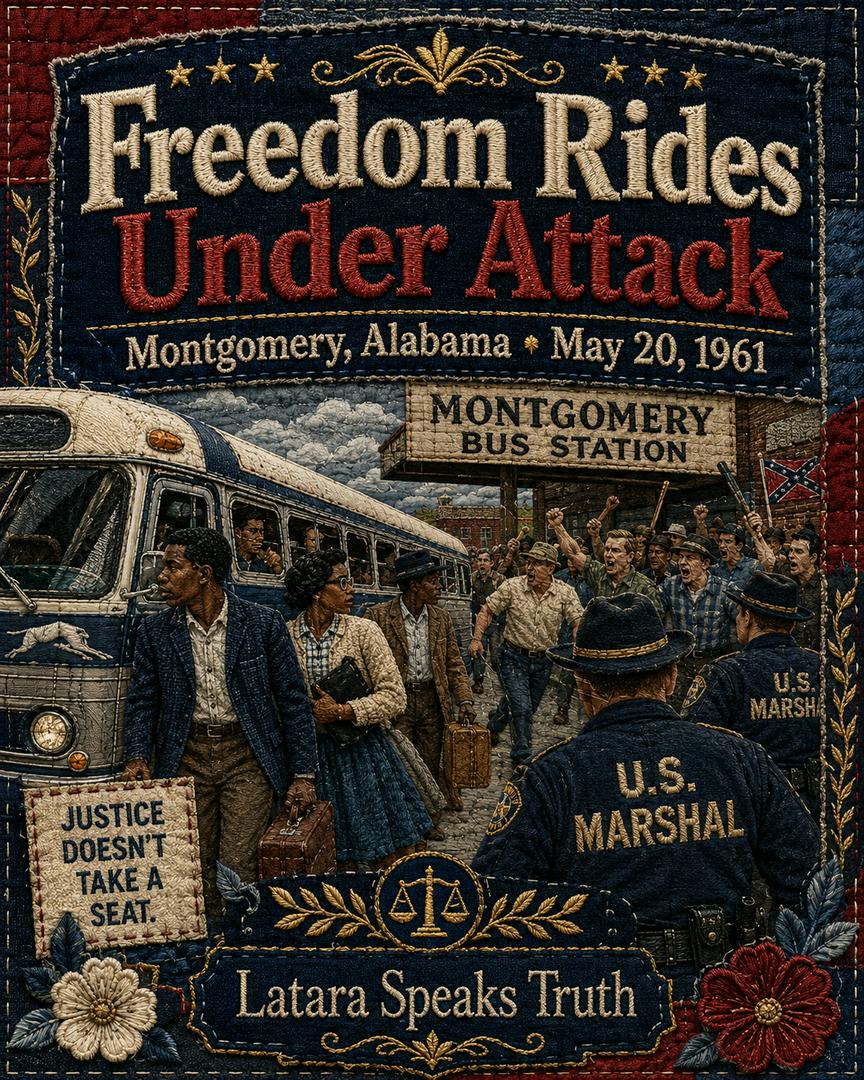
On May 20, 1961, the Freedom Rides reached one of their most dangerous moments in Montgomery, Alabama. The riders were challenging segregation in interstate bus travel and terminals. They were not carrying weapons or looking for a fight. They were testing whether federal law actually meant anything in the Deep South. When the Freedom Riders arrived at the Greyhound station, a white mob was waiting. The attack was brutal. Riders were beaten. Reporters and bystanders were targeted too. John Lewis and Jim Zwerg were among those assaulted. The violence was meant to send a message. Stop riding. Stop challenging segregation. Stop forcing the country to look at itself. But the Freedom Riders did not stop. The goal was fear. The answer was courage. The attack pushed the federal government deeper into the crisis. President John F. Kennedy issued a May 20 statement condemning interference with the Freedom Riders. Attorney General Robert F. Kennedy later sent federal marshals to Montgomery as violence continued, including the next night when a mob surrounded First Baptist Church while Dr. King and supporters were inside. This history is often softened into speeches and statues. But this was not soft. This was blood on pavement. These were young people risking their bodies to expose the gap between American law and American reality. The Freedom Riders were not asking for special treatment. They were demanding enforcement of existing federal rulings. Interstate travel had already been legally desegregated, but segregationists still resisted with intimidation, violence, and local cooperation. May 20, 1961 showed what that resistance looked like. It also showed what courage looked like. Peaceful protest was not passive. It took discipline, sacrifice, and people willing to walk into danger so the truth could no longer be hidden. Sources: EJI, Stanford King Institute, U.S. Marshals Service, JFK records. #FreedomRiders #AmericanHistory #BlackHistory #Montgomery

LataraSpeaksTruth

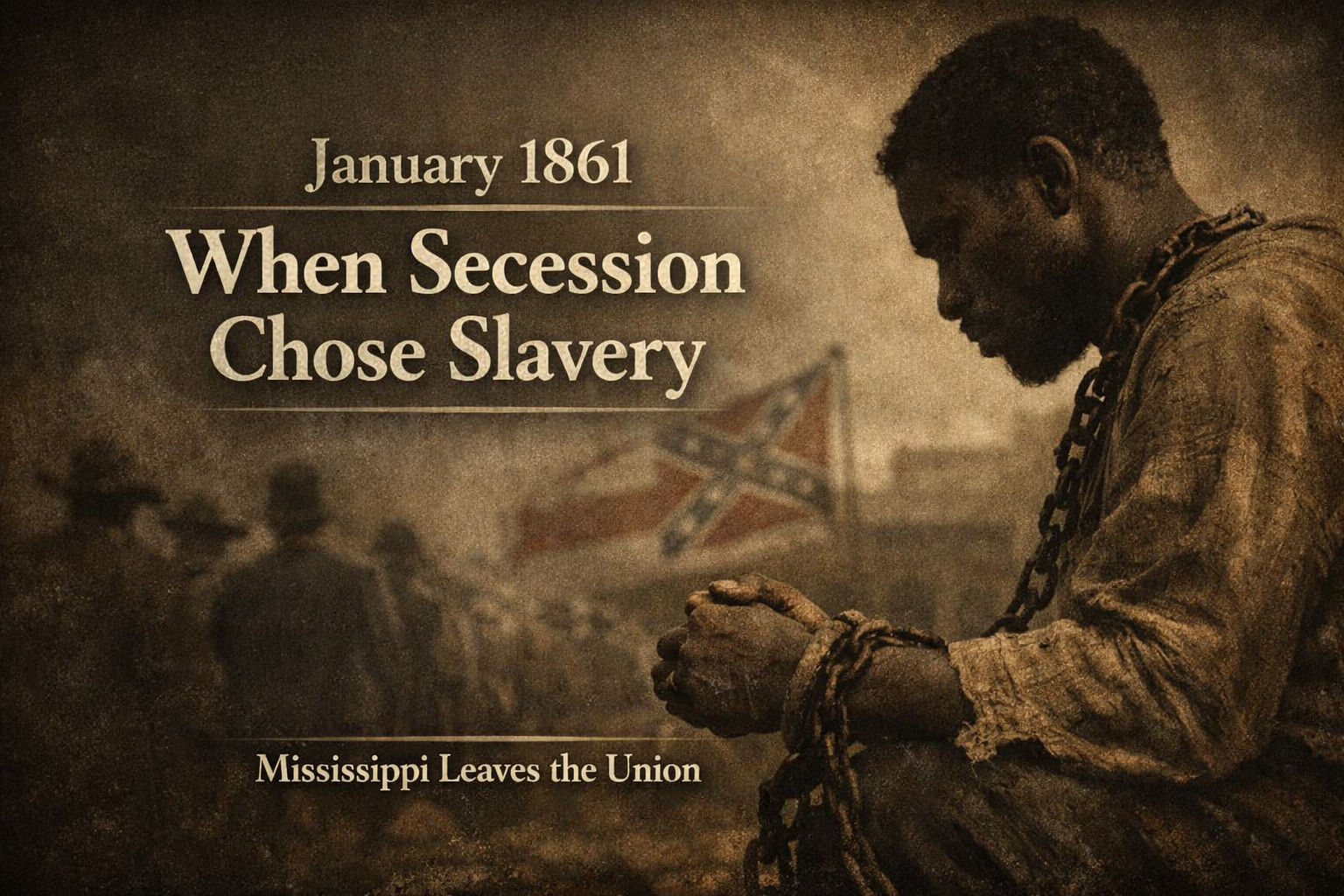
On January 9, 1861, Mississippi formally voted to secede from the United States, becoming the second state to leave the Union in the tense months leading up to the Civil War. This decision was not abstract politics or distant ideology. It was a direct declaration that slavery would be protected, expanded, and defended at all costs. For enslaved Black people across Mississippi and the broader Deep South, secession carried immediate meaning. It signaled that those in power were willing to fracture the nation rather than consider any future without human bondage. Families already living under brutal conditions understood that this choice hardened their reality and closed off any remaining hope that change might come without conflict. Mississippi’s leaders were explicit about their reasoning. In its secession declaration, the state named slavery as the central cause, tying its economy, social order, and political identity to the continued ownership of Black lives. This clarity matters, because it removes any doubt about what was being defended and who was being sacrificed. As the nation moved closer to war, decisions made in early 1861 reshaped the paths of millions. Enslaved people would later escape behind Union lines, resist through sabotage and survival, or enlist in the United States Colored Troops once allowed. These acts of courage were not spontaneous. They were responses to years of tightening control and to moments like Mississippi’s secession, when the stakes became unmistakably clear. January 9, 1861 stands as a reminder that the Civil War did not begin in confusion. It began with choices. And for Black Americans, those choices made by others turned the fight for freedom into a matter of survival, resistance, and eventual transformation through war. #AmericanHistory #CivilWarEra #MississippiHistory #DeepSouth #USHistory #HistoricalRecord #FreedomStruggles #SlaveryHistory

LataraSpeaksTruth

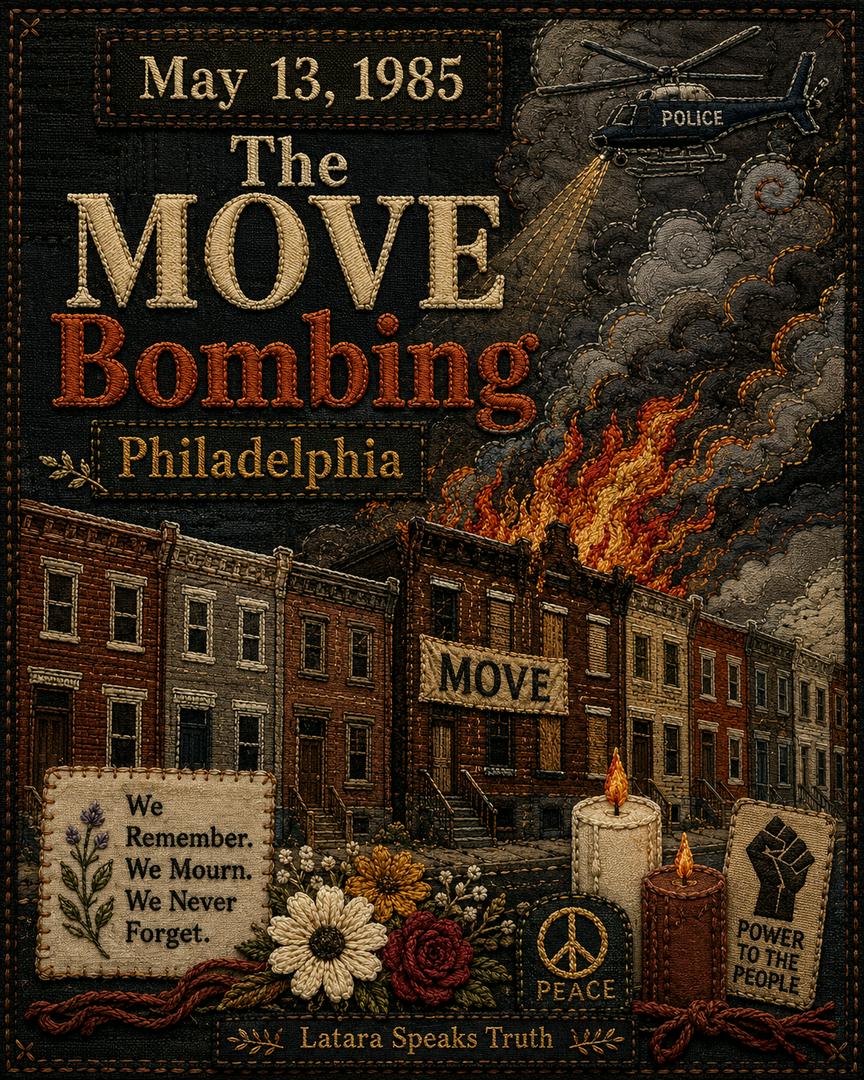
May 13, 1985, remains one of the darkest days in Philadelphia history. That morning, police moved in on the MOVE organization’s rowhouse at 6221 Osage Avenue after years of conflict between the city, neighbors, and the group. What followed was not just a police operation. It became a catastrophe that scarred an entire neighborhood. Police fired thousands of rounds during the confrontation. Later that day, from a helicopter, authorities dropped an explosive device onto the roof of the home. The blast started a fire. Instead of being put out immediately, the fire was allowed to burn. By the time it was over, 11 people were dead, including five children. Dozens of nearby homes were destroyed. Sixty-one houses burned, and about 250 people were left homeless. The names of the children killed should not be pushed to the side of history: Tree Africa, Delisha Africa, Netta Africa, Tomaso Africa, and Little Phil Africa. The MOVE bombing was not something that happened in another country or during some distant war. It happened in an American city, on a residential block, with families living nearby. It showed how quickly force, fear, and failed leadership can turn a neighborhood into ashes. A city commission later called the decision to drop a bomb on an occupied rowhouse “unconscionable.” Yet no city official was criminally charged. That is why May 13 matters. It is not just a date. It is a reminder of what happens when power is used without restraint, when accountability comes too late, and when the people most harmed are expected to carry the memory alone. Philadelphia rebuilt the block, but history does not rebuild that easily. Some stories are painful to tell, but silence does not honor the dead. Remembering does. #MOVEBombing #PhiladelphiaHistory #May131985 #AmericanHistory #LataraSpeaksTruth

LataraSpeaksTruth

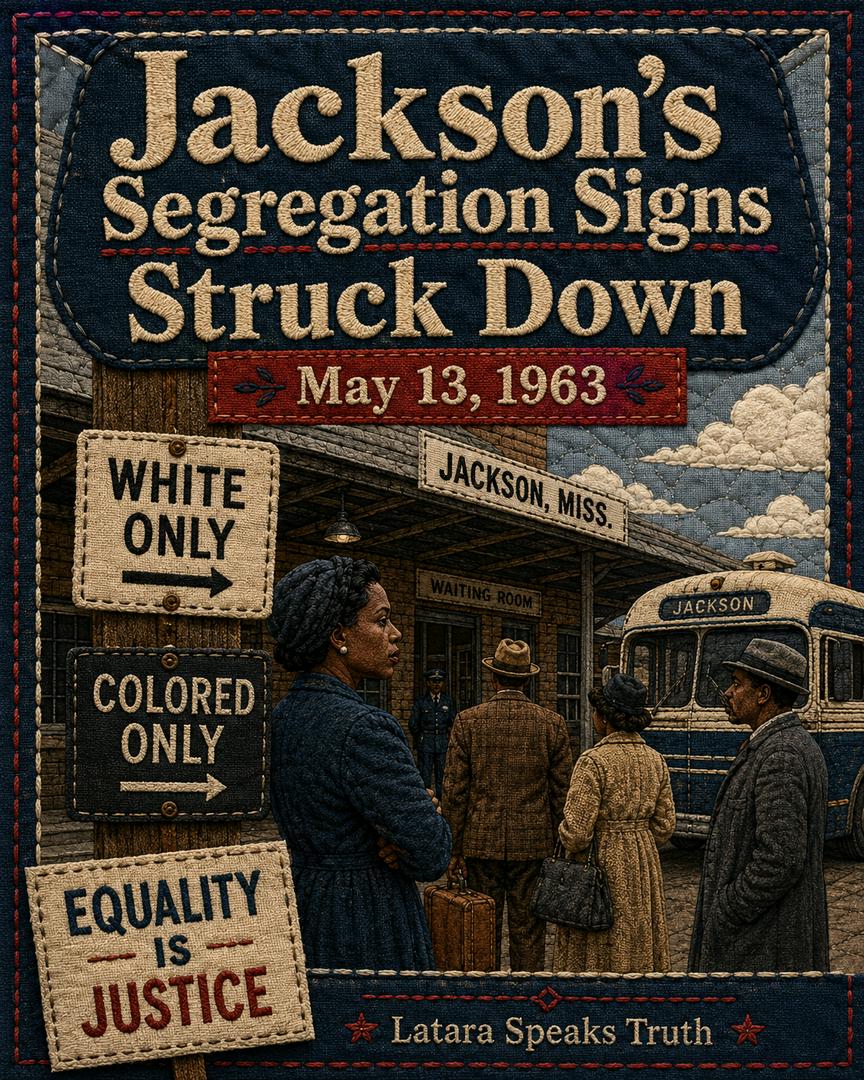
May 13, 1963… A federal appeals court ruled against Jackson, Mississippi’s attempt to keep segregation alive through city-backed signs. The case was United States and Interstate Commerce Commission v. City of Jackson. At the center were sidewalk signs near transportation terminals directing people to “White Only” and “Colored Only” waiting rooms. By then, federal law and Interstate Commerce Commission rules had moved against segregation in interstate transportation facilities. But Jackson found another way. Police placed signs outside the terminals and tried to keep racial separation standing from the sidewalk. That detail matters. These were not random signs. The wording said “By Order Police Department,” making clear this was not only custom or habit. This was public power used to preserve separation. The Fifth Circuit saw through it. The court ruled against Jackson’s use of city authority to maintain segregated spaces after the law had moved in another direction. This story shows how segregation did not disappear just because a court ruling or agency rule said it should. Local governments looked for loopholes. If one door closed, they tried another one. If carriers could no longer keep separate waiting rooms, the city tried to keep the same message alive with police-backed sidewalk signs. History remembers the marches, speeches, laws, and famous cases. But some revealing moments are smaller. A sign on a sidewalk. A city order. A waiting room. An attempt to keep people in their “place” after the law had started saying otherwise. On May 13, 1963, the court made clear Jackson could not use public authority to keep segregation standing under a different name. The signs looked simple, but carried the weight of a whole system. The ruling reminds us that progress was fought in courtrooms too, line by line, sign by sign, until the old system had fewer places left to hide too. #CivilRightsHistory #OnThisDay #MississippiHistory #AmericanHistory

LataraSpeaksTruth

Born December 8, 1868, Henry Hugh Proctor entered the world just as Reconstruction was slipping away. The promises were fading, the tension was thick, and yet he grew into a leader who insisted that hope could be rebuilt if people were willing to do the work. Proctor did not simply become a minister. He became a community strategist, the kind of pastor who believed that faith without structure and support was just noise. When he stepped into leadership at Atlanta’s First Congregational Church, he treated the space like fertile ground. He preached, yes, but he also organized libraries, a gym, job assistance programs, cultural clubs, safe housing for young Black women, and music programs that strengthened spirits in a city determined to limit Black opportunity. He built a full-life resource center long before that phrase existed, proving that the church could be both sanctuary and engine. Proctor helped co-found the National Convention of Congregational Workers Among Colored People, creating a network for Black ministers who were pushing for progress in their own communities. After the violence of the 1906 Atlanta massacre, he worked on interracial committees that aimed to cool the hostility poisoning the South. He did this quietly, intentionally , and with the kind of steady courage that often goes unnoticed by history books. He was not chasing spotlight. He was shaping lives. His influence stretched far beyond his pulpit, carried in the people who found safety, dignity, and opportunity through the institutions he helped build. December 8, 1868 marks the birth of Henry Hugh Proctor, pioneering minister and committed community reformer. #HenryHughProctor #BlackHistory #OnThisDay #CommunityBuilder #AtlantaHistory #ReconstructionEra #FaithAndJustice #UnsungHeroes #AmericanHistory

LataraSpeaksTruth

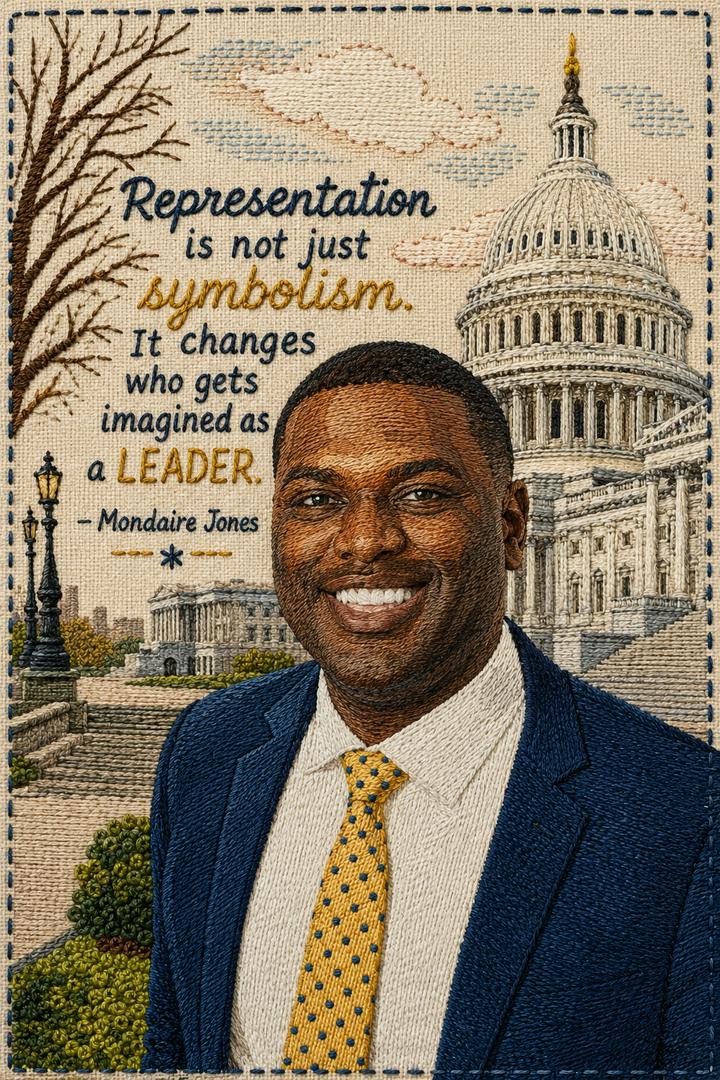
1987… Mondaire Jones was born. Mondaire Jones was born on May 18, 1987, in Nyack, New York. His place in political history was secured in 2020, when he and Ritchie Torres became the first openly gay Black men elected to Congress. Jones represented New York’s 17th Congressional District from January 2021 to January 2023. His time in Congress was not long, but the history attached to his election still matters. For generations, American politics did not make much room for people who stood outside the usual image of power. Jones entered that space as a young Black gay man from Rockland County, raised outside the wealthy political circles that often shape who gets heard. He graduated from Stanford University and earned his law degree from Harvard Law School before working as an attorney. In Congress, he became known as a progressive voice who spoke on voting rights, democracy, civil rights, and equal protection under the law. His story is also a reminder that representation is not just about symbolism. It changes who gets imagined as a leader. It tells people watching from the outside that leadership was never meant to belong to only one kind of person. Mondaire Jones did not serve a long congressional career, but history is not only measured by how long someone stays in office. Sometimes history is made by walking through a door that had been closed for too long. Born May 18, 1987, Mondaire Jones remains part of an important political milestone in American history. Sources: U.S. House History, Biographical Directory of the U.S. Congress, TIME, Them #MondaireJones #OnThisDay #PoliticalHistory #BlackHistory #LGBTQHistory #AmericanHistory #RepresentationMatters #HistoryMatters

LataraSpeaksTruth

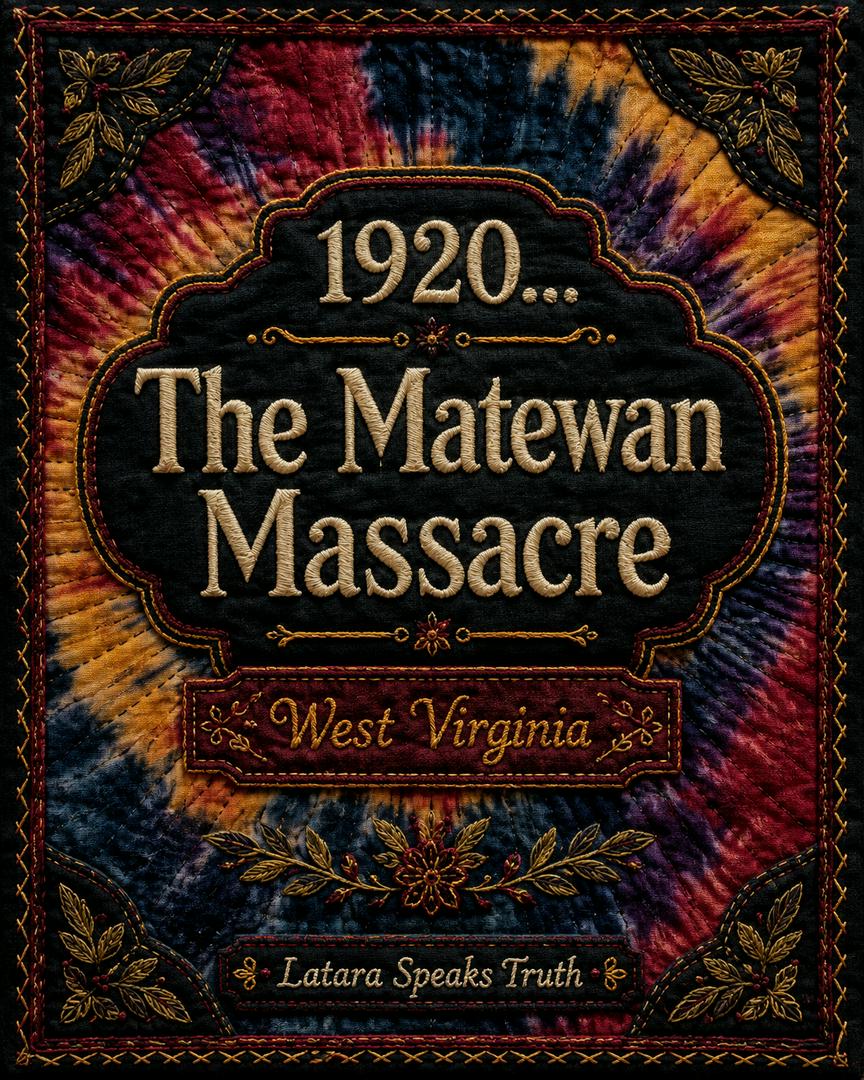
On May 19, 1920, the town of Matewan, West Virginia, became the center of one of the most violent labor conflicts in American history. Coal miners in the region were trying to organize with the United Mine Workers of America. That fight was not just about wages. It was about survival. Many coal companies controlled housing, jobs, stores, and nearly every part of daily life in mining towns. When miners supported union efforts, some companies pushed back hard. Private agents from the Baldwin-Felts Detective Agency were sent into Matewan to evict striking miners and their families from company-owned homes. Matewan Police Chief Sid Hatfield, who supported the miners, challenged the agents. Tension rose near the train station, and gunfire broke out. By the end, ten people were dead, including miners, private detectives, and Matewan’s mayor, Cabell Testerman. The Matewan Massacre became a major moment in American labor history. It showed how dangerous it could be for workers to demand fair treatment, especially when powerful companies had money, influence, and armed force behind them. This was not just a shootout. It was a warning sign of a much larger battle over workers’ rights in the coalfields. Sometimes history reminds us that the rights people have today were not handed over politely. Some were fought for in company towns, courtrooms, picket lines, and streets where ordinary people risked everything. #AmericanHistory #LaborHistory #WestVirginiaHistory #WorkersRights #OnThisDay