Tag Page americanhistory

#americanhistory
LataraSpeaksTruth

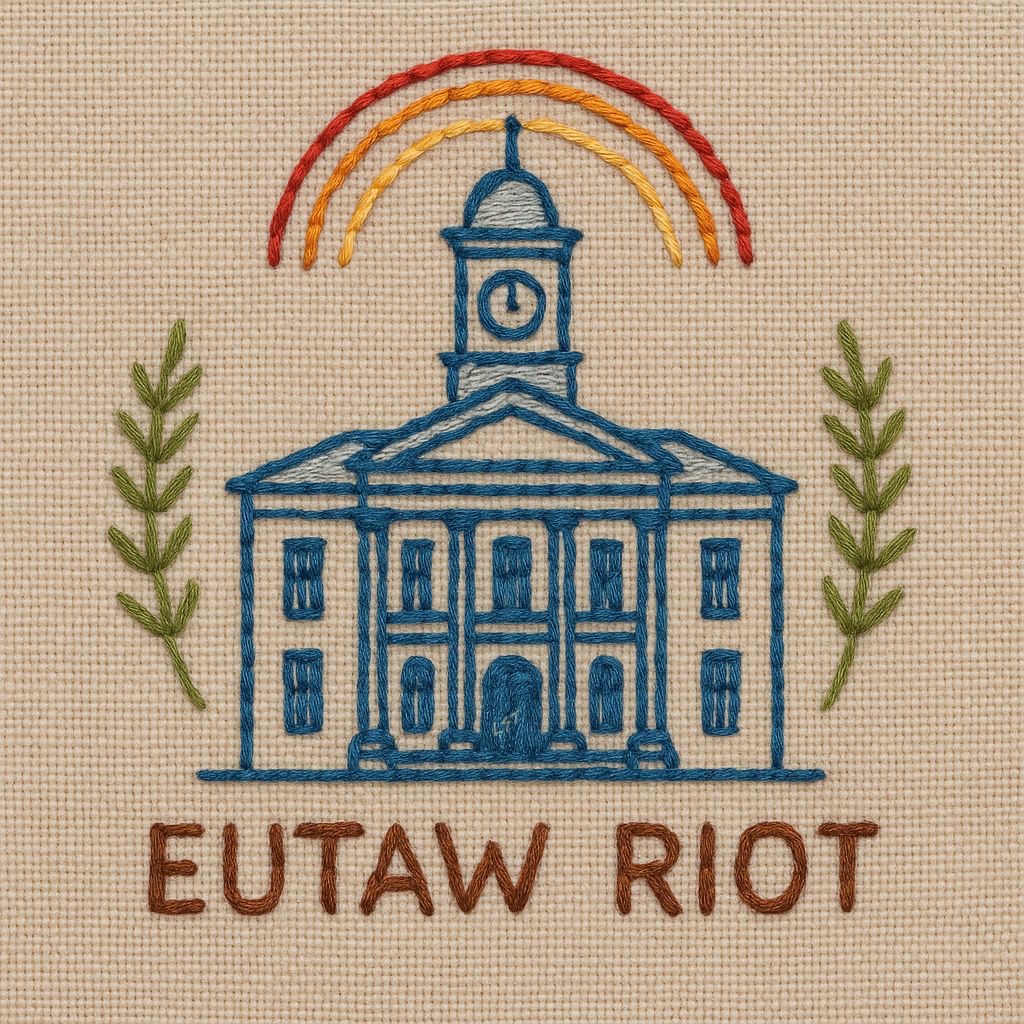
The Eutaw Riot – October 25, 1870

In Eutaw, Alabama, a public gathering of Black citizens met in the courthouse square during the Reconstruction era to discuss upcoming elections and community progress. Tensions in the area had been rising, and the event turned tragic when conflict broke out between white and Black residents. Historical accounts report that several people lost their lives and many were injured. In the days that followed, voter turnout among Black citizens fell sharply due to widespread fear and intimidation. This shift helped change the political outcome in Greene County, marking a major setback for Reconstruction efforts in Alabama. The Eutaw Riot became one of the most notable examples of how resistance to racial equality influenced Southern politics after the Civil War. It stands as a reminder of how fragile progress can be when unity gives way to fear. #BlackHistory #EutawRiot #ReconstructionEra #AmericanHistory #LataraSpeaksTruth

The Eutaw Riot – October 25, 1870
Ursa Mahan-Worlds

Voting Rights Act-For Foundational black Americans part two

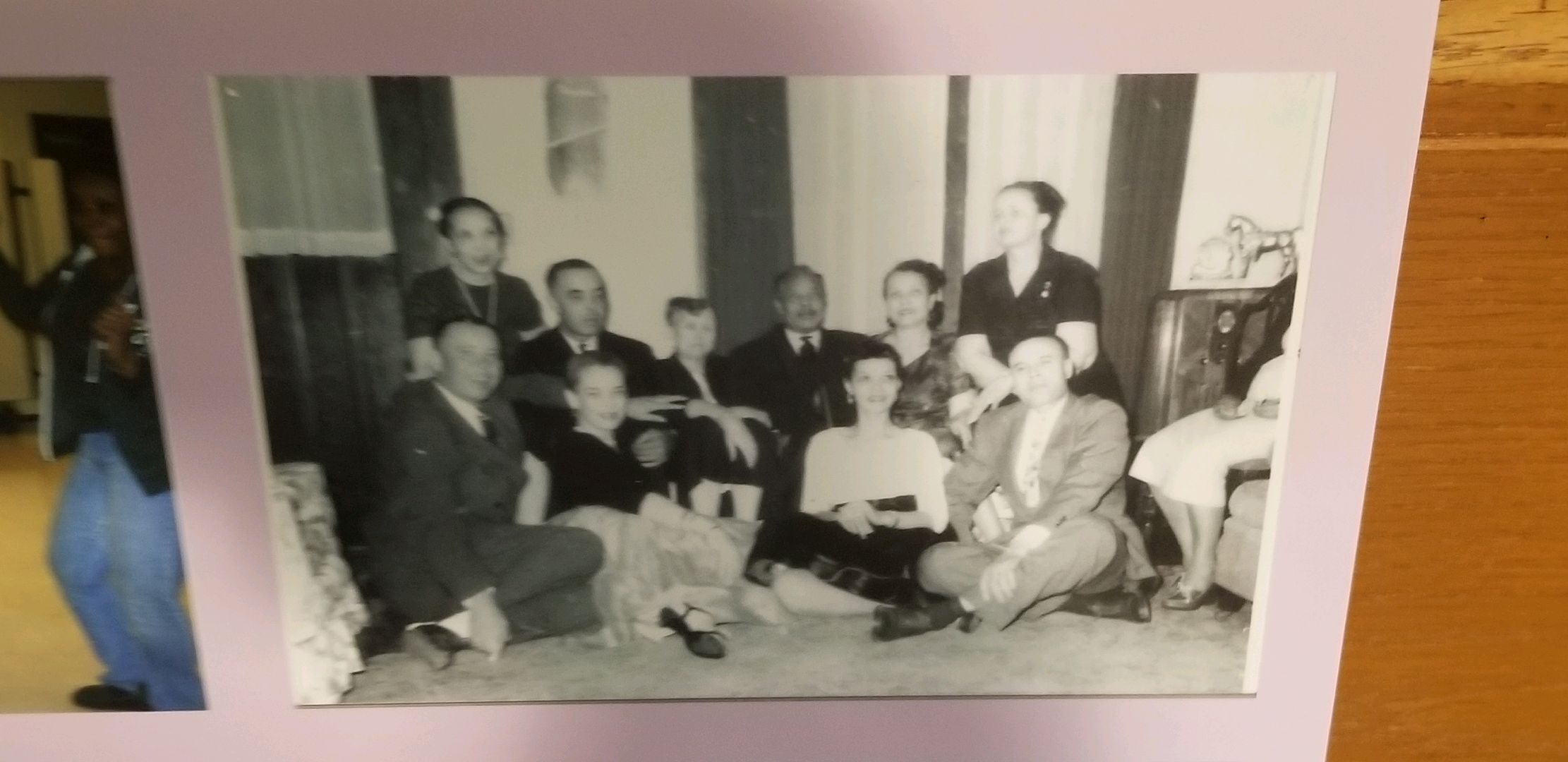
I believe alot of Americans do not appreciate the history behind to Voting Rights Act of 1965. Especially minority immigrants who seem to take these rights for granted. Foundational black Americans weren't really thinking about all of the so-called people of color who are a recent addition to the American landscape. They just wanted a voice for their work, military service, free labor, and taxes they paid into. Foundational black Americans have been relatively silent concerning these non-white immigrants who's infiltrated American society. They've been very disrespectful to American history, our benefits, and sacrifices. Especially when it comes to the history of Foundational black Americans. Voting righs, equal housing, bilingual education, military desegregation, the 14th amendment, equal business opportunities, etc. are all laid at their feet when most touch American soil. They also have access to a plethora of immigration agencies Foundational black Americans Freedman do not. Maybe it's time to dismantle these Civil rights that MY ancestors fought for and make everyone fight for their own rights. Since they show no gratitude to their benefactors. Asians had the nerve to fight against OUR AFFIRMATIVE ACTION...which they had no business having a say in OUR American history AT ALL. Foundational black Americans are not minorities OR IMMIGRANTS. WE'RE FREEDMAN with our own unique history. All of these 1960s civil rights have been usurped and taken over by a bunch of grifting newcomers who have no appreciation of America's history. Their ancestors weren't enslaved, lynched, didn't fight in all of America's wars, they're not part of OUR HISTORY. We're not a black and brown history, people of color, marginalized history, minority immigrants, etc.etc. We have a UNIQUE AMERICAN HISTORY and we demand a unique recognition. We need our own civil rights laws based on our American history. #AmericanHistory,#FoundationalblackAmericans,#CivilRights

Voting Rights Act-For Foundational black Americans 

part two
1776 Patriot

Finding an Assassin: The Manhunt for John Wilkes Booth

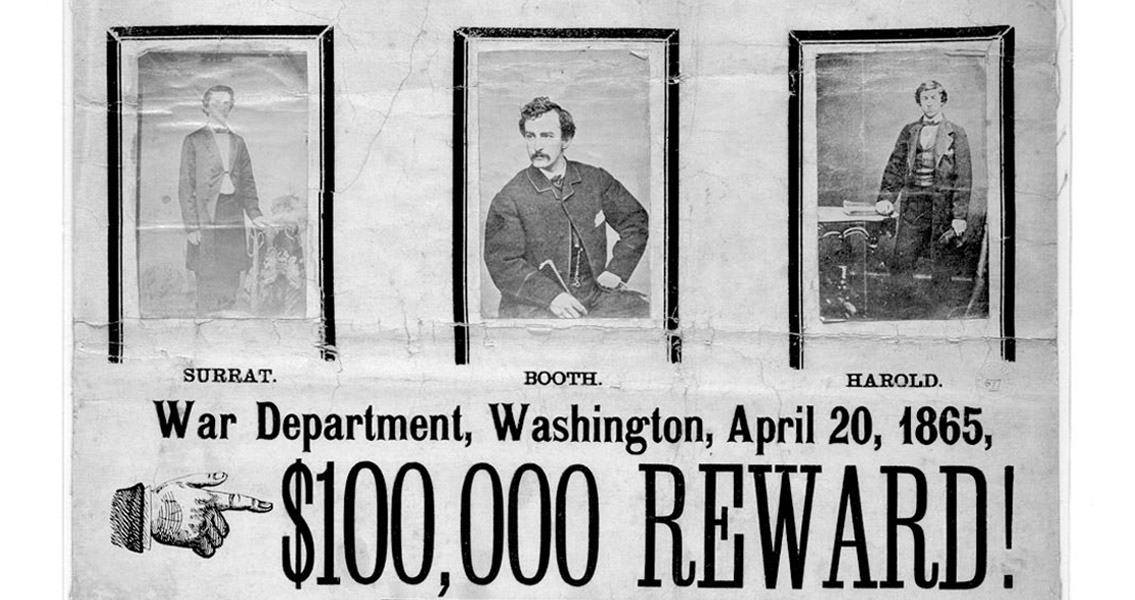
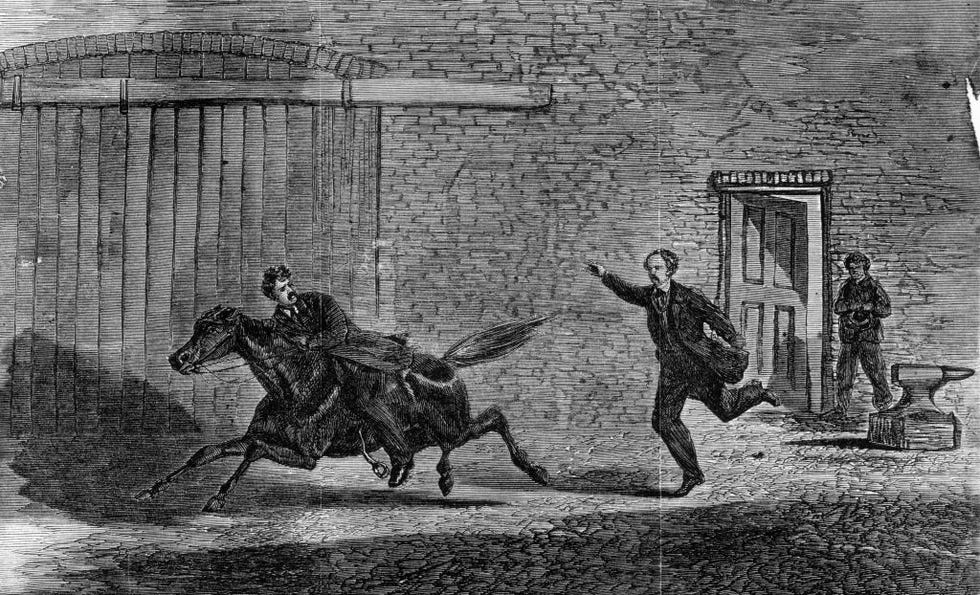
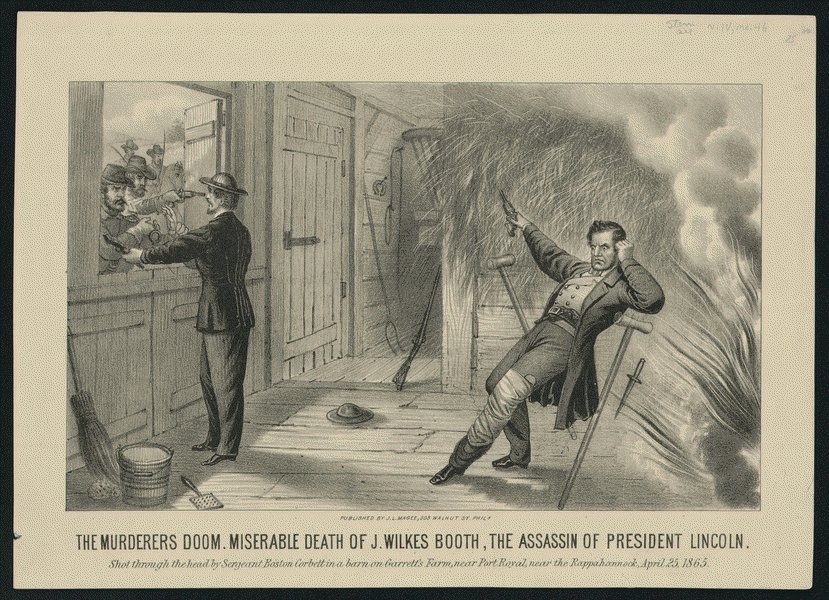
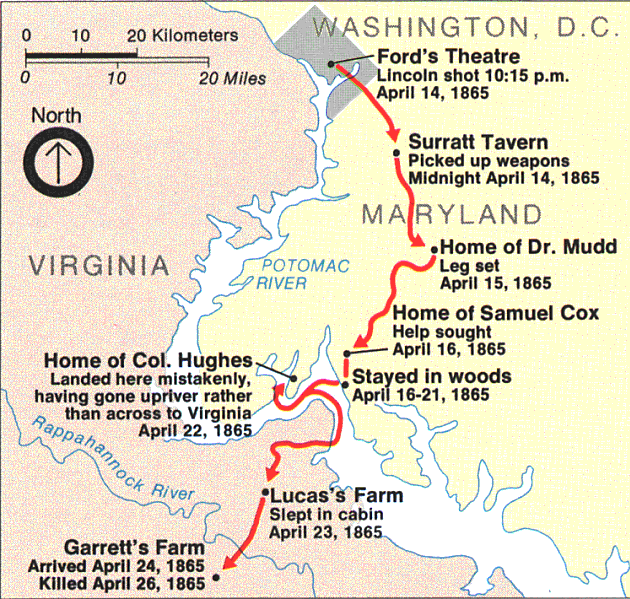
On the night of April 14, 1865, after assassinating President Abraham Lincoln at Ford’s Theatre, John Wilkes Booth vanished into the darkness of Washington. He crossed the Navy Yard Bridge into Maryland, his leg broke from the leap to the stage. Within hours, Secretary of War Edwin Stanton launched one of the largest manhunts in U.S. history. Telegraphs carried his description to surrounding states and mounted patrols sealed the capital. Rewards of $100,000 prompted tips, rumors, and informants. For days, Union forces pursued Booth and his accomplice David Herold across Maryland and Virginia. Cavalry swept roads, infantry scoured forests, and scouts tracked footprints through barns, and swamps. Detectives questioned locals, tavern keepers, and ferrymen, compiling leads that shifted squads across counties. At Surratt’s Tavern, Booth and Herold collected a carbine (gun), whiskey, and field glasses (portable telescopes for observing distant roads), left earlier, evidence later used against Mary Surratt. Farther south, they bartered for food and supplies, which locals soon reported. At Dr. Samuel Mudd’s home, Booth’s broken leg was set, as patrols pressed closer. The chase became a deadly game of anticipation. False sightings and misdirections tested Union coordination, but telegraph lines kept updates flowing. Cavalry patrolled roads, foot soldiers scoured farms, and units redeployed with every lead. Booth’s options dwindled as the net tightened, forcing him deeper into Virginia. The pursuit ended on April 26 at Richard Garrett’s farm near Port Royal. Lieutenant Edward Doherty’s cavalry surrounded the barn. Herold surrendered, but Booth refused, declaring he would never be taken alive. Soldiers torched the structure. Booth came to the door, raised his gun, and was struck in the neck by a bullet fired by Sergeant Corbett. He lingered for five hours before dying at dawn. The twelve-day manhunt was over. #USHistory #History #USA #America #Virginia #AmericanHistory
Finding an Assassin: The Manhunt for John Wilkes BoothFinding an Assassin: The Manhunt for John Wilkes BoothFinding an Assassin: The Manhunt for John Wilkes BoothFinding an Assassin: The Manhunt for John Wilkes Booth
1776 Patriot

James Armistead Lafayette: The Enslaved Spy Who Turned the Tide of the Revolution

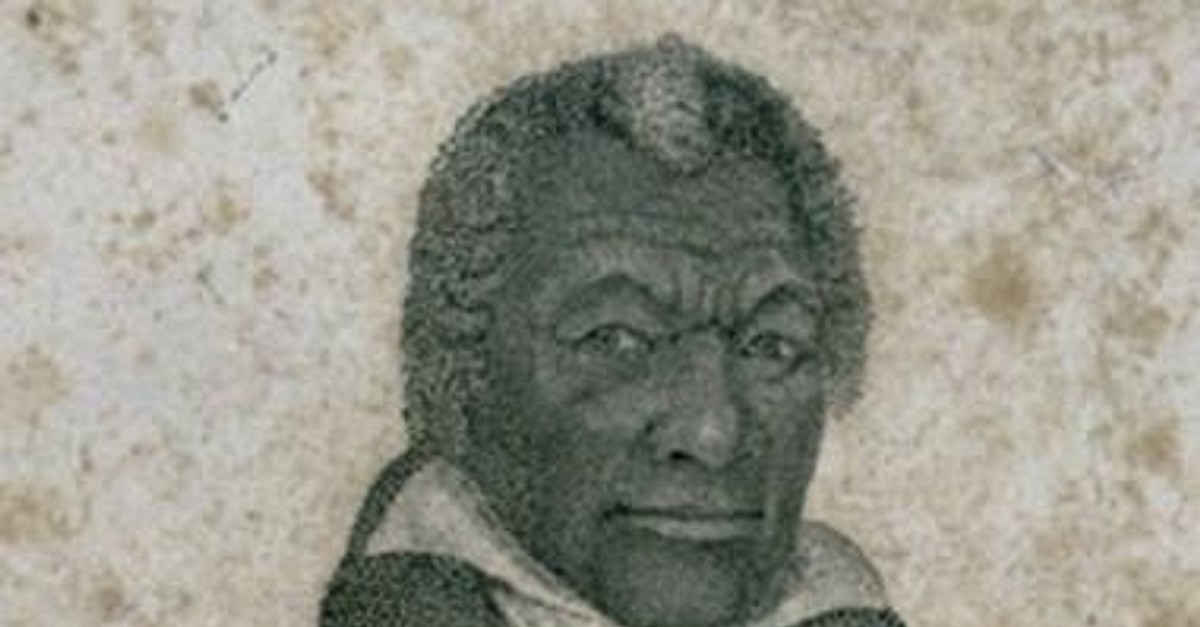
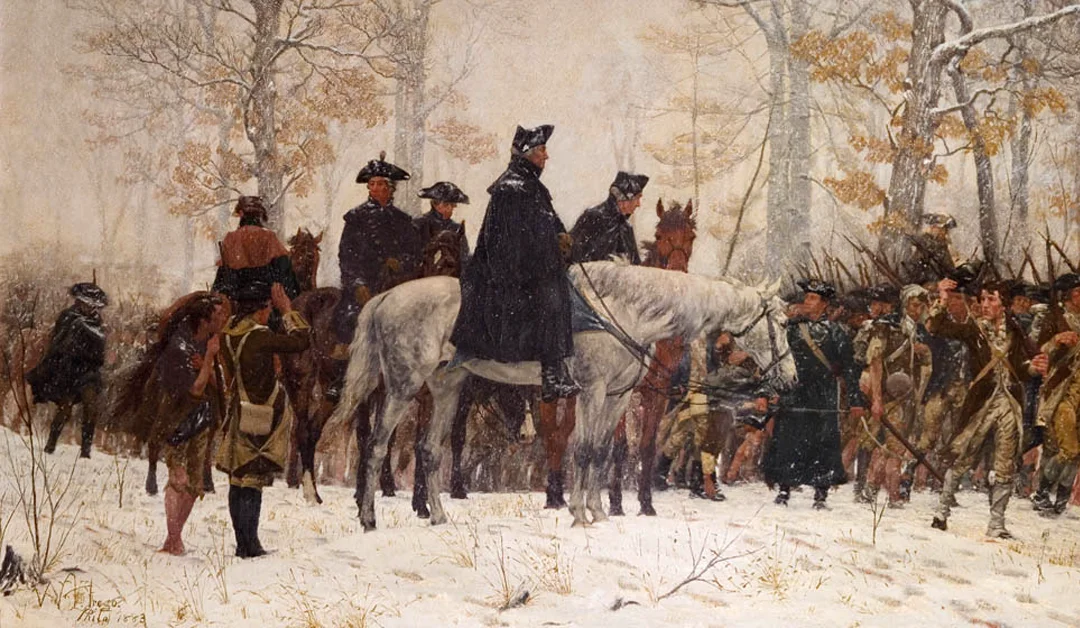
When most Americans think of the Revolutionary War, names like George Washington or the Marquis de Lafayette come to mind. Yet hidden in history is James Armistead Lafayette, an enslaved man whose intelligence work as a spy played a decisive role in securing victory at Yorktown and shaping the future of the United States. Born into slavery in Virginia around 1748, James Armistead could never have expected to shape the fate of a new nation. In 1781 he gained permission from his enslaver to serve the Continental Army and was recruited by Lafayette for espionage. His enslaved status provided a perfect cover, allowing him to move freely through British camps without arousing suspicion and giving him access that few others could obtain. Armistead infiltrated the forces of General Cornwallis, posing as a loyal servant. Trusted by British officers, he overheard strategy, supply problems, and troop movements. He memorized these details and secretly passed them to Lafayette. At the same time, he acted as a double agent, feeding false information back to the British. His reports proved critical during the Battle of Yorktown, giving Washington and Lafayette the intelligence to plan a decisive siege. Cornwallis’ surrender effectively ended major fighting in the Revolution and changed the course of world history. Yet Armistead’s heroism did not bring immediate freedom. He returned to slavery after the war and had to petition for years before the Virginia legislature emancipated him in 1787, with Lafayette’s support. Out of gratitude, he took Lafayette’s name and lived as a free farmer in Virginia, raising a family and occasionally receiving recognition for his wartime service. Today, historians recognize James Armistead Lafayette as one of the most effective spies of the Revolutionary War. His courage highlights both the contradictions of America’s founding and the indispensable role of those long overlooked in its struggle for independence. #AmericanHistory #UnsungHero #US

James Armistead Lafayette: The Enslaved Spy Who Turned the Tide of the Revolution
sandwich shop

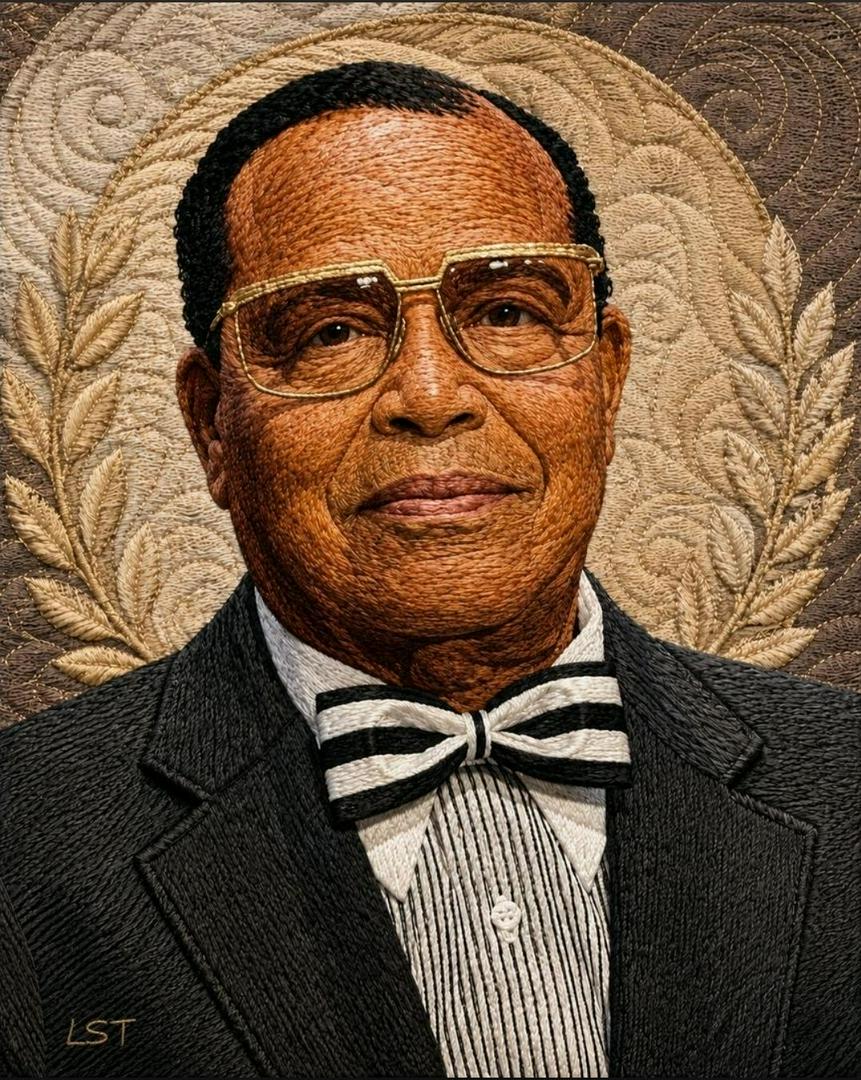
Louis Farrakhan was born Louis Eugene Walcott on May 11, 1933, in the Bronx, New York. He would become one of the most recognized and debated religious and political figures in modern American history Raised in Boston, Farrakhan was known early for his musical talent before becoming connected to the Nation of Islam in the 1950s. Over time, he rose through the organization's ranks and became one of its most visible voices. By the late 1970s and earlv 1980s, he helped rebuild the Nation of slam after a maior internal shift following the death of Eliiah Muhammad Farrakhan's public influence has been significant, especially among people drawn to messages about self-discipline, economic independence, religious identity, and community responsibility. One of the most visible moments of his leadership came in 1995, when he helped organize the Million Man March in Washinaton, D.C., an event that brought hundreds of thousands of men together around themes of accountability, unity, and renewal. At the same time, Farrakhan's legacy remains deeply controversial. Critics have condemned many of his public statements especially comments viewed as antisemitic anti-LGBTO, or hostile toward other groups. Supporters, however, arque that his work should also be understood through his ong-standing emphasis on Black self-reliance, faith, family structure, and social reform. That tension is why Farrakhan remains a complicated figure in American public life. His name is tied to religion, politics nationalism, activism, controversy, and influence all at once flattened into praise or dismissal. Louis Farrakhan's life reflects how one public figure can inspire loyalty, criticism, debate and division across generations. His impact is real. The debate around that mpact is real too. #LouisFarrakhan #Mav11 #BlackHistory #AmericanHistory #NationOflslam #ReligiousHistory #PoliticalHistory #HistoryMatters #OnThisDay

LataraSpeaksTruth

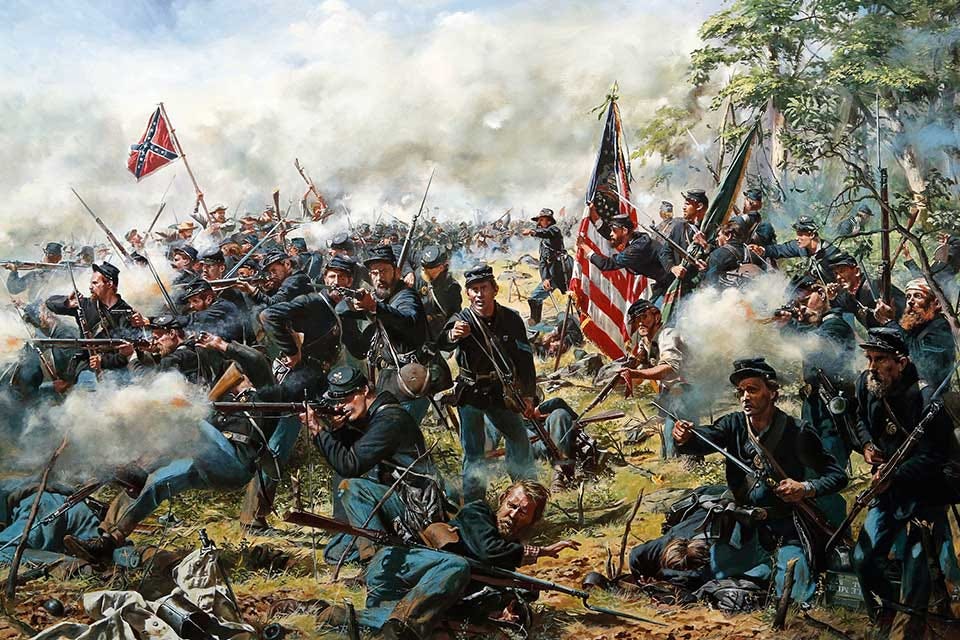
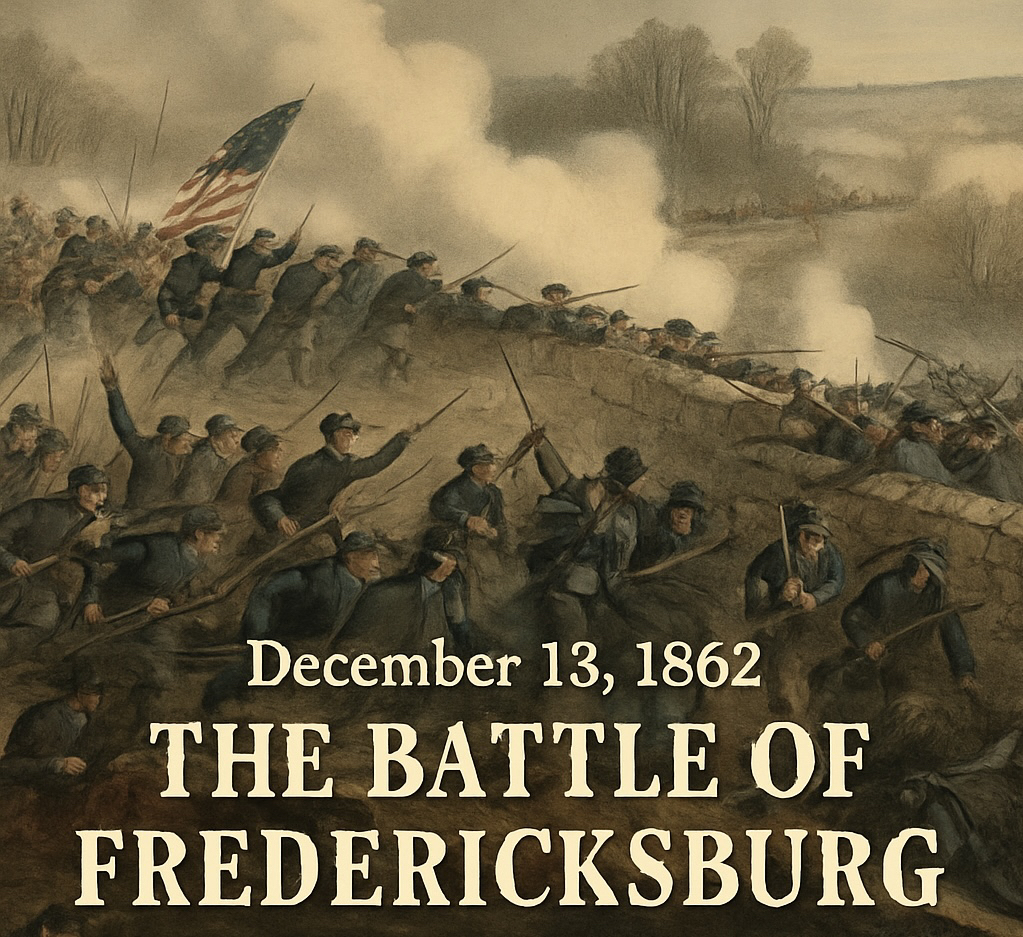
The Battle of Fredericksburg on December 13, 1862 unfolded during one of the most consequential pauses in American history. The Emancipation Proclamation had been announced but would not take effect for another three weeks, placing this battle squarely in the gap between declared freedom and enforced freedom. That timing matters. Although the soldiers fighting at Fredericksburg were overwhelmingly white, the consequences of the Union’s defeat fell heavily on enslaved people. Every failed campaign delayed the collapse of the Confederacy, extending the lifespan of slavery in the South. Union losses did not just cost lives on the battlefield, they prolonged bondage beyond it. Enslaved Black people in Virginia were also directly entangled in this campaign. They were forced to build fortifications, transport supplies, cook, clean, and provide labor for Confederate forces. They were not passive observers of the war. They were coerced infrastructure sustaining it. Fredericksburg’s staggering casualties intensified Northern pressure on Union leadership. Repeated bloodshed made emancipation less of a political abstraction and more of a moral and strategic necessity. That shift helped open the door to Black enlistment in 1863, altering the direction of the war and the meaning of freedom itself. Fredericksburg was not a Black-led battle, but it was part of the chain reaction that led to Black soldiers fighting for their own liberation and the formal destruction of slavery. History is not only about who is visible in the moment, but about who bears the cost while the nation decides who it will become. #December13 #OnThisDay #CivilWarHistory #BattleOfFredericksburg #AmericanHistory #HistoryMatters #UntoldHistory #HiddenHistory #HistoricalContext

LataraSpeaksTruth

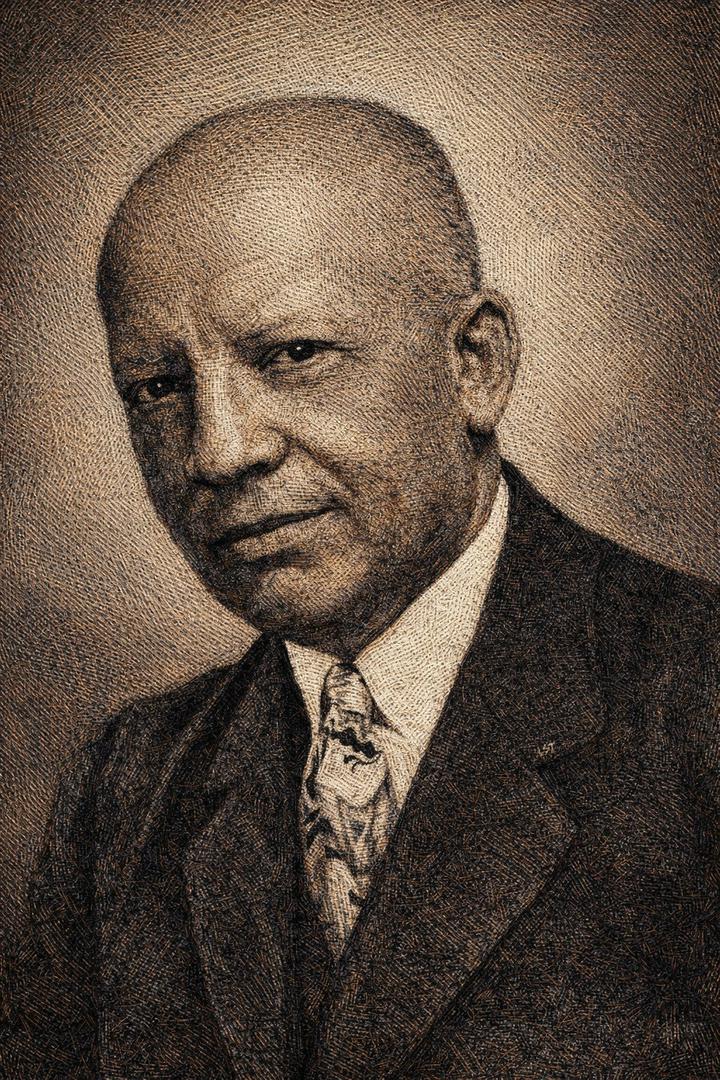
Carter Godwin Woodson was born on December 19, 1875, in New Canton, Virginia. Born to parents who had been enslaved, Woodson grew up in poverty and spent much of his early life working in coal mines to support himself and his family. Despite limited access to formal education during his childhood, he pursued learning relentlessly and completed high school in just two years once he was able to attend regularly. Woodson went on to earn degrees from Berea College and the University of Chicago before making history in 1912 as one of the first African Americans to receive a doctorate in history from Harvard University. At the time, he was also the only person whose parents had been enslaved to earn a PhD from the institution. His academic achievements, however, were only part of his lasting impact. As a historian, Woodson became increasingly concerned with how African American history was ignored, misrepresented, or entirely omitted from mainstream education. He believed that a society could not fully understand itself while excluding the experiences and contributions of an entire group of people. In response, he dedicated his career to research, writing, and institution building. In 1916, Woodson founded the Association for the Study of African American Life and History to promote scholarly research and public education. Ten years later, he established Negro History Week, choosing February to align with the birthdays of Frederick Douglass and Abraham Lincoln. This observance laid the groundwork for what later became Black History Month. Often referred to as the Father of Black History, Woodson spent his life challenging historical erasure and advocating for education rooted in truth. His work reshaped how history is studied and remembered in the United States, leaving a legacy that continues to influence classrooms, institutions, and public discourse today. #ThisDayInHistory #AmericanHistory #EducationHistory #HistoryMatters #Scholars #Legacy #December19