Tag Page americanhistory

#americanhistory
Guess_str

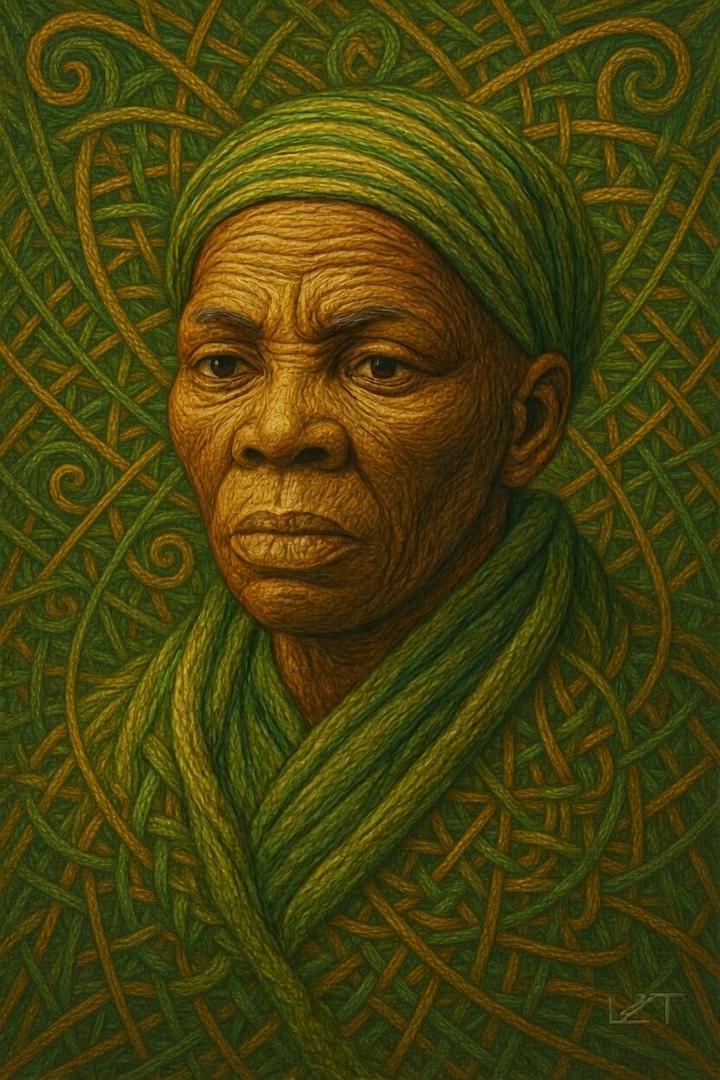
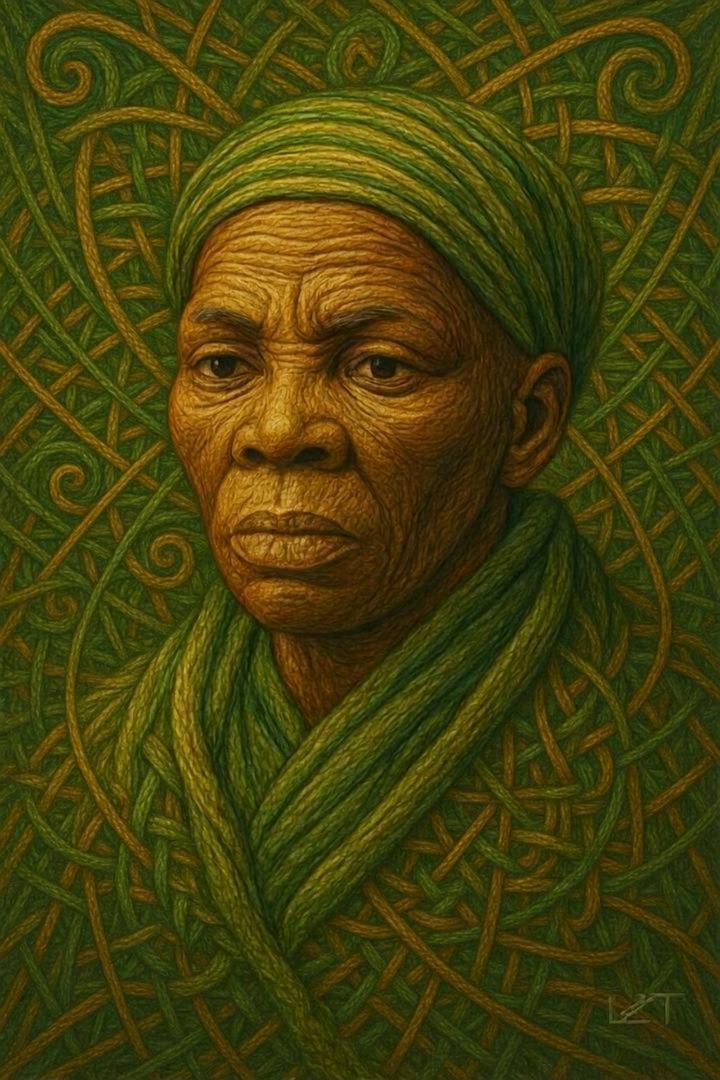
On March 10. 1913. Harriet Tubman died in Auburn, New York, closing the life of one of the boldest freedom fighters this country has ever known. Born into slavery in Maryland around 1822, Tubman escaped bondage, then risked her life again and again by returning south to help others flee to freedom in the North and Canada. She became the most famous conductor of the Underground Railroad, quiding enslaved people toward freedom when capture could have meant torture or death. Her courage was not symbolic. It was lived. It was tested. And it never backed down. Tubman's work did not stop with escape During the Civil War, she served the Union cause as a nurse, scout, and spy, proving again that Black women were doing essential work for a nation that still denied them full recognition. In her later years, she continued serving her community in Auburn where she helped establish a home forelderly and poor Black people in need. Even near the end of her life. Harriet Tubman was still doing what she had always done, showing up for her people March 10 is not iust the date of her passing It is a date to remember what real sacrifice ooks like. Harriet Tubman did not wait for permission to do what was riqht. She moved with faith, with nerve, and with a kind of strength history still struggles ta measure. #HarrietTubman #BlackHistory #OnThisDay #WomensHistory #UnderaroundRailroad #CivilWarHistory #AmericanHistory #BlackWomenInHistory #FreedomFighter #NewsBreakHistory

LataraSpeaksTruth

On March 10, 1913, Harriet Tubman died in Auburn, New York, closing the life of one of the boldest freedom fighters this country has ever known. Born into slavery in Maryland around 1822, Tubman escaped bondage, then risked her life again and again by returning south to help others flee to freedom in the North and Canada. She became the most famous conductor of the Underground Railroad, guiding enslaved people toward freedom when capture could have meant torture or death. Her courage was not symbolic. It was lived. It was tested. And it never backed down. Tubman’s work did not stop with escape. During the Civil War, she served the Union cause as a nurse, scout, and spy, proving again that Black women were doing essential work for a nation that still denied them full recognition. In her later years, she continued serving her community in Auburn, where she helped establish a home for elderly and poor Black people in need. Even near the end of her life, Harriet Tubman was still doing what she had always done, showing up for her people. March 10 is not just the date of her passing. It is a date to remember what real sacrifice looks like. Harriet Tubman did not wait for permission to do what was right. She moved with faith, with nerve, and with a kind of strength history still struggles to measure. #HarrietTubman #BlackHistory #OnThisDay #WomensHistory #UndergroundRailroad #CivilWarHistory #AmericanHistory #BlackWomenInHistory #FreedomFighter #NewsBreakHistory

LataraSpeaksTruth

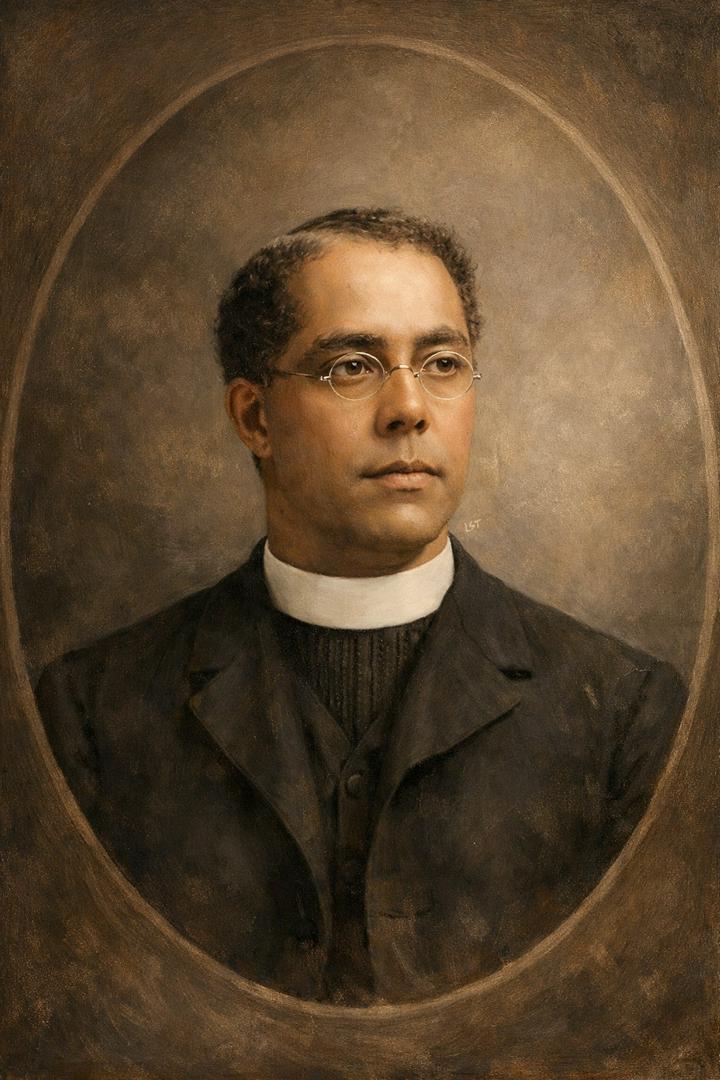
On December 19, 1891, in Baltimore, history moved quietly but decisively. Charles Randolph Uncles became the first African American man ordained a Catholic priest on U.S. soil, breaking through a Church that, like the country around it, was deeply entangled in racial exclusion. Born in 1859 to parents who had been enslaved, Uncles converted to Catholicism as a teenager and soon felt called to the priesthood. That calling was met with resistance. American seminaries shut their doors to him because of his race, forcing him to complete his studies in Europe before returning home for ordination. Ordination did not end the struggle. Father Uncles spent his ministry navigating segregation in parishes, schools, and religious institutions. Still, he showed up. Still, he served. Still, he believed the Church could be better than its habits. He became a founding force behind the Society of St. Joseph of the Sacred Heart, known as the Josephites, a religious order dedicated to serving Black Catholic communities in the United States. This was not symbolic work. It was real, grounded pastoral labor. Father Uncles was more than a parish priest. He was an educator, an advocate, and living proof that authority, faith, and leadership were never meant to be limited by race. His presence at the altar challenged assumptions about who belonged there. December 19, 1891 stands as more than a religious milestone. It reminds us that progress often begins with someone willing to endure exclusion so others do not have to. History does not always shout. Sometimes it kneels, stands up anyway, and refuses to leave. #OnThisDay #ThisDayInHistory #AmericanHistory #FaithHistory #ReligiousHistory #HiddenHistory #UntoldHistory #HistoryMatters

AčT/Cæř

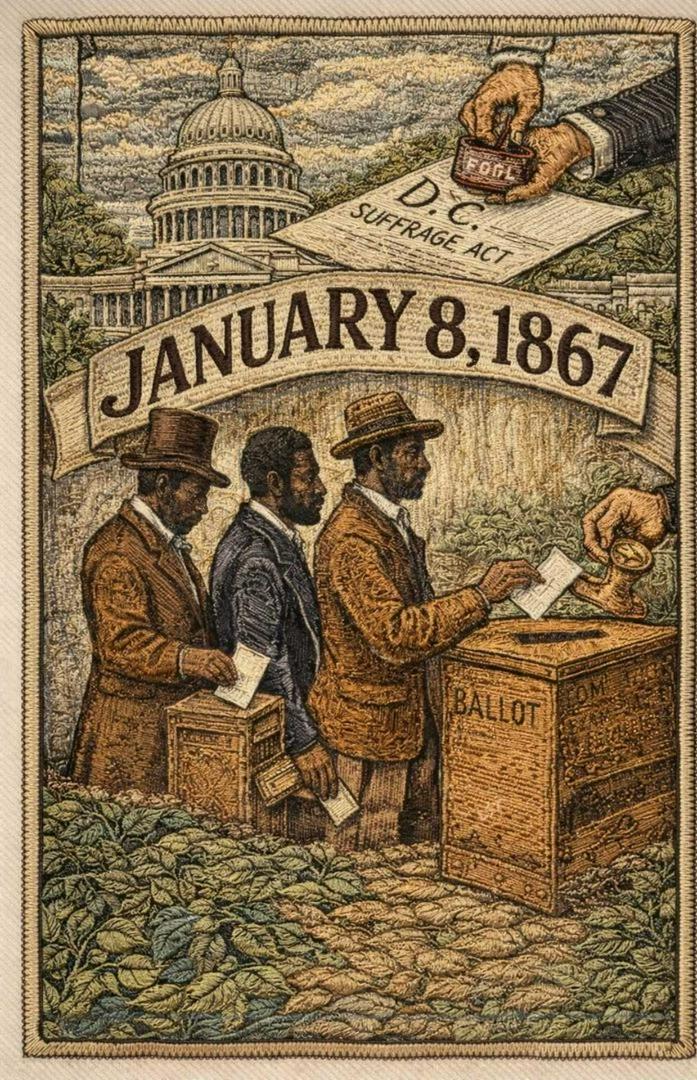
January 8, 1867 marks a turning point in American history that is rarely given the attention it deserves. On this day, Congress passed the District of Columbia Suffrage Act, granting Black men in Washington, D.C the legal right to vote in municipal elections and public referenda. This happened three years before the 1 5th Amendment, at a time wher most of the nation still viewed Black political participation as a danger rather than a riaht. This was not a promise for the future or a symbolic gesture. It was an immediate, enforceable change written directly into law. The decision did not come quietly or without resistance. President Andrew Johnson vetoed the act, arguing that extending votina riahts to Black men was premature and would destabilize the country. Congress reiected that argument and overrode his veto the same day. That override mattered It made clear that Reconstruction was not only about ending slavery on paper but about redistributing political power in real time. Washington, D.C. became a proving ground, showing that Black civic participation could exist and function despite fierce opposition The importance of Januarv 8, 1867 is often overlooked because it does not fit neatly into the simplified version of history many are taught. Voting rights did not suddenly appear with the 15th Amendment. They were demanded, tested, expanded restricted, and attacked repeatedly. This moment captures Black men exercisinc political agency while the nation was still debating whether they deserved it. It reminds us that progress has never required national comfort or unanimous approval. Rights have always moved forward through pressure, confrontation, and refusal to wait. January 8 stands as proof that access was forced open long before the country was ready to admit it #January8 #OnThisDay #BlackHistory #ReconstructionEra #VotinaRichts #DistrictOfColumbia #AmericanHistory #HiddenHistory #CivilRights

LataraSpeaksTruth

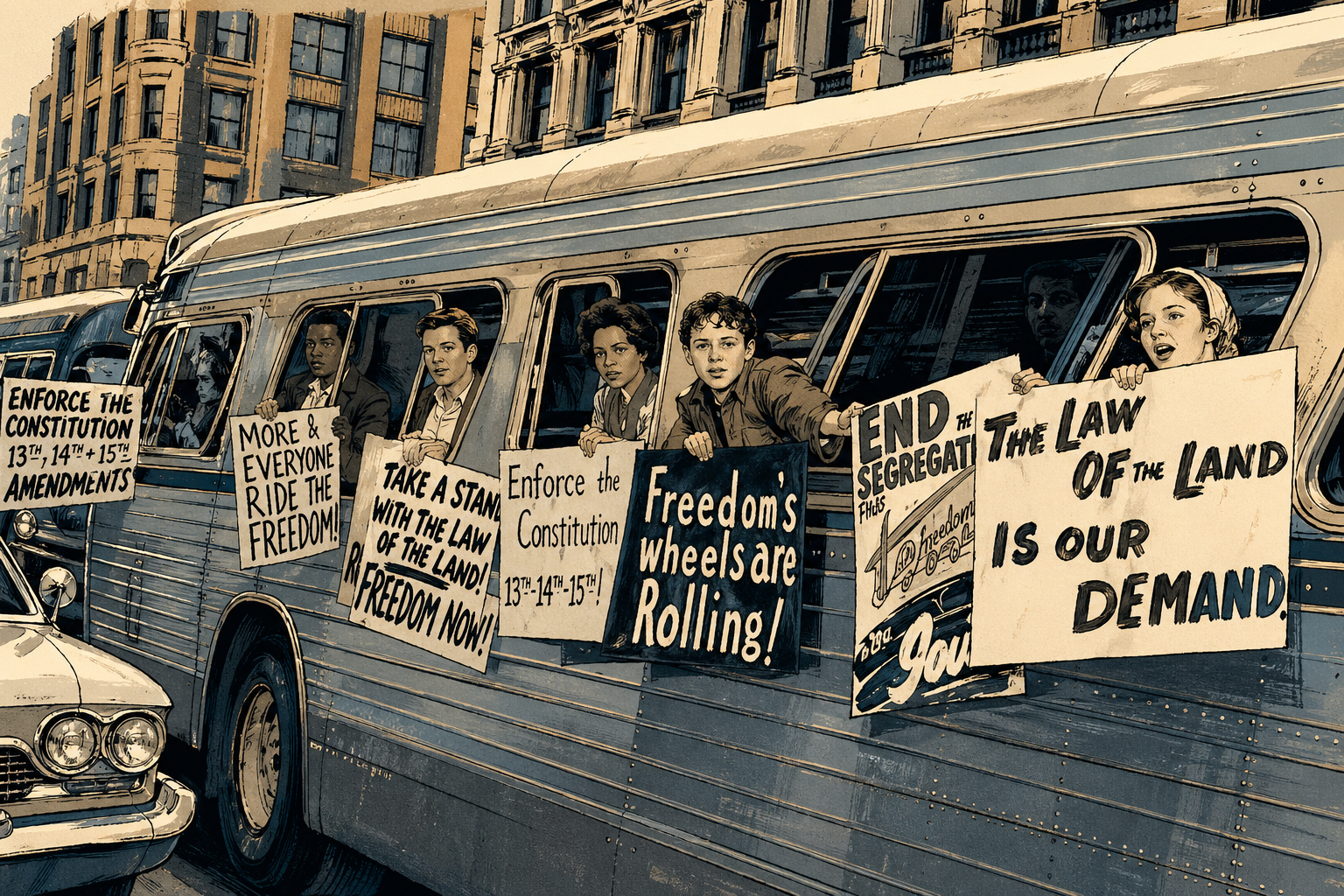
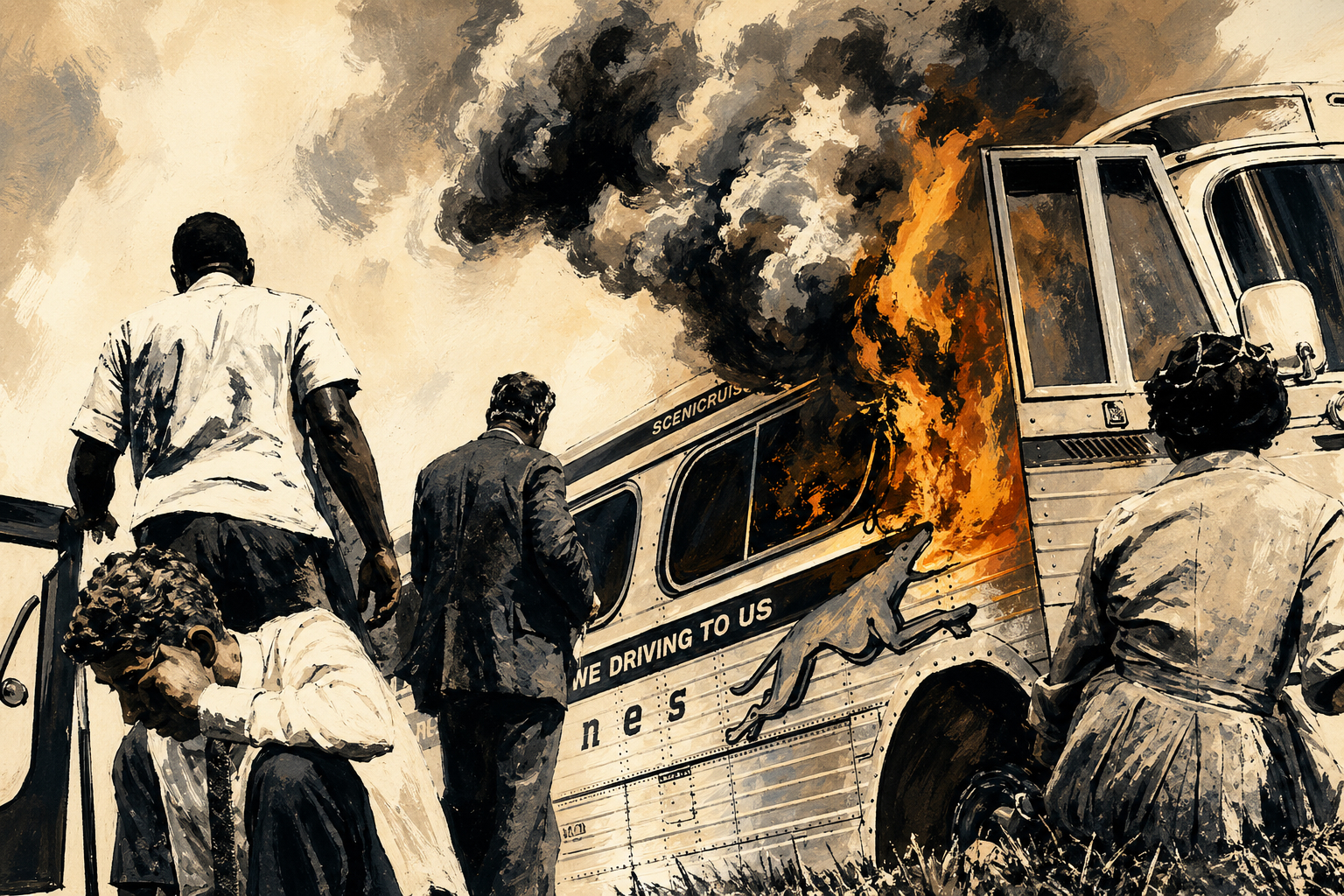
May 4, 1961: The Freedom Rides began when 13 activists left Washington, D.C., by bus to challenge segregation in interstate travel. Organized by the Congress of Racial Equality, known as CORE, the first group included seven Black riders and six white riders. They boarded Greyhound and Trailways buses with one purpose: to test whether the South would obey federal law. This was not random protest. It was direct action backed by law. The Supreme Court had already ruled against segregation in interstate bus travel and later against segregation in bus terminal facilities serving interstate passengers. But across much of the South, those rulings were often ignored. So the Freedom Riders tested the law in public. They planned to travel from Washington, D.C., to New Orleans, using waiting rooms, restrooms, lunch counters, and seating areas that Southern custom still tried to divide by race. That is what made the rides so powerful. They exposed the gap between what the law promised and what Black travelers actually faced. At first, the trip moved with limited trouble. But deeper in the South, the danger grew. In Alabama, a Greyhound bus was attacked and firebombed near Anniston. Riders on another bus were beaten in Birmingham. In Montgomery, more violence showed the nation how far some people were willing to go to defend segregation. But the Freedom Rides did not end with fear. More riders joined. Students, ministers, and activists continued the movement, knowing they could be jailed, beaten, or worse. Their courage forced national attention onto segregation in interstate travel and helped pressure federal officials to enforce the law. The Freedom Rides were not just about buses. They were about whether America would honor its own laws when Black citizens demanded rights already promised to them. On May 4, we remember the riders who stepped onto those buses knowing the road ahead could turn dangerous, but went anyway. #FreedomRides #OnThisDay #AmericanHistory

LataraSpeaksTruth

In January 1811, along the Mississippi River just upriver from New Orleans, enslaved men did what the system insisted could not happen. They organized. They marched. They fought back. The German Coast Uprising began on the night of January 8, 1811, in the Territory of Orleans, in the plantation corridor that later became today’s St. John the Baptist, St. Charles, and Jefferson parishes. The region was nicknamed the “German Coast” for early German settlers, but by 1811 it was dominated by sugar plantations built on enslaved labor. The revolt ignited at the plantation of Colonel Manuel Andry near present day LaPlace. Enslaved men attacked Andry, seized weapons and supplies, and moved down River Road toward New Orleans under the leadership of Charles Deslondes, an enslaved man often described as having Haitian ties and acting in the shadow of the Haitian Revolution. Estimates vary, but many accounts place the initial group at roughly 60 to 125 men, growing as they moved plantation to plantation. Some later reconstructions suggest participation could have reached into the hundreds. Most carried farm tools, axes, and pikes, with fewer firearms. Over about two days and roughly twenty miles, the rebels burned plantation buildings, sugarhouses, and crops, striking the engine that kept the system running. Their destination was New Orleans, and their march signaled a direct challenge to slavery. Militia, planters, and U.S. troops mobilized quickly. The uprising was crushed on January 10, and captures followed. Many were killed in battle or executed after tribunals. A commonly cited total is about 95 enslaved people killed during the conflict and aftermath. Severed heads were displayed along the levee and River Road as a warning. It did not topple the system. But it exposed how fragile it was, and how determined freedom had already become. #GermanCoastUprising #1811Uprising #LouisianaHistory #AmericanHistory #HiddenHistory #EnslavedResistance

LataraSpeaksTruth

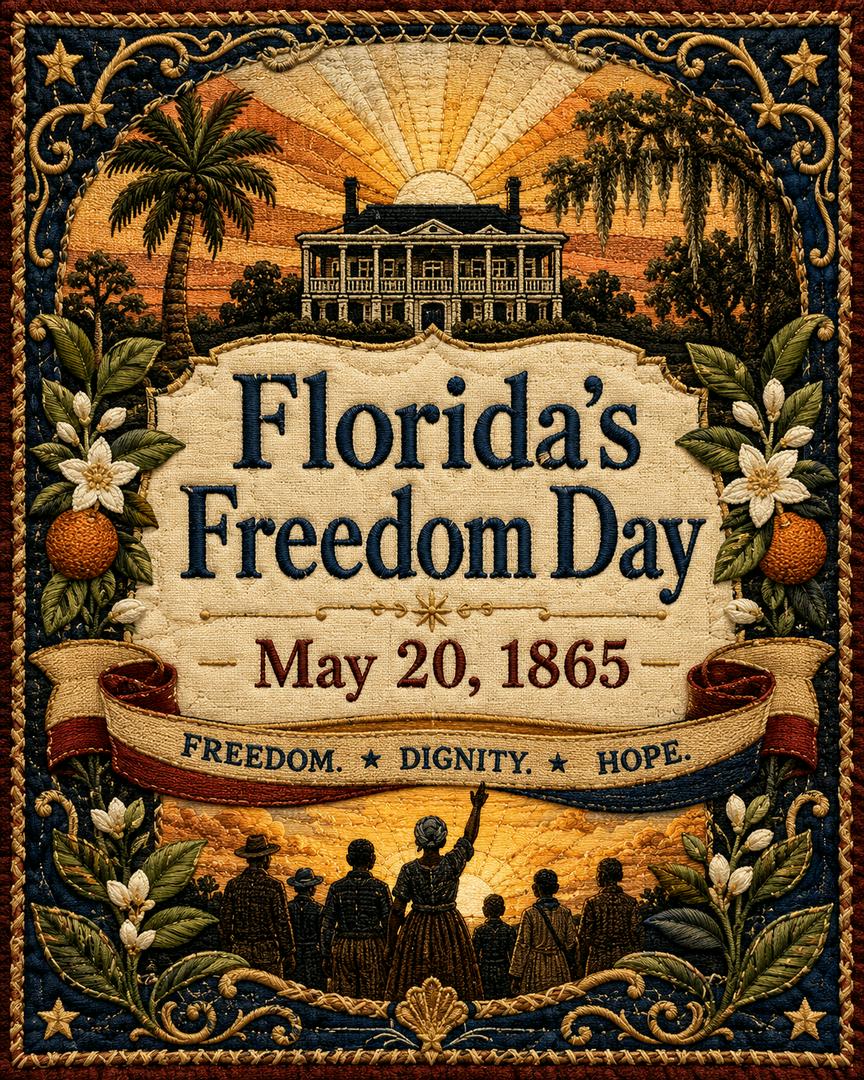
On May 20, 1865, freedom was publicly announced in Tallahassee, Florida. Union Brigadier General Edward M. McCook announced the Emancipation Proclamation from the steps of the Hagner House, now known as the Knott House. That moment came more than two years after President Abraham Lincoln issued the Emancipation Proclamation on January 1, 1863. That delay matters. For many enslaved people in Florida, freedom did not arrive when it was written on paper. It arrived when Union authority reached the state capital and those words were finally backed by power. By May 1865, the Civil War was ending, Confederate forces in Florida had surrendered, and Union control was being established. On May 20, McCook’s announcement declared the Emancipation Proclamation to be in effect in Florida’s capital. That is why May 20 is remembered as Florida’s Emancipation Day. This part of history reminds us that freedom in America did not arrive all at once. It came in different places at different times, shaped by war, distance, resistance, power, and delay. Texas has Juneteenth. Florida has May 20. Other communities have their own freedom dates too. Those dates do not compete with each other. They help complete the larger story. Because emancipation was not one simple moment. It was a process. It had to be declared. It had to be heard. It had to be enforced. And even after that, it still had to be defended. Florida’s Freedom Day matters because it shows how long people were forced to wait for a freedom that had already been promised. And that is a history worth remembering. #BlackHistory #AmericanHistory #FloridaHistory #EmancipationDay

LataraSpeaksTruth

In 1860, long after the United States banned the international slave trade in 1808, a ship called the Clotilda was used to smuggle about 110 captive Africans into the Mobile area in Alabama. The people behind it knew it was illegal. After the captives were brought ashore, the crew burned the ship and sank it in the Mobile River delta to hide the evidence. After emancipation, many survivors wanted to return to West Africa, but they could not afford passage. So they did something powerful and practical. They pooled money, bought land north of Mobile, and built an independent community that became known as Africatown, often linked to its founding around 1866. It was not just a place to live. It was a decision to rebuild on their own terms with churches, a school, family networks, mutual aid, and cultural memory held tight. One of the most well known survivors was Oluale Kossola, often called Cudjo Lewis. He lived until 1935 and shared his story in detail, helping keep names, places, and experiences from being lost. For generations, outsiders doubted Africatown’s origin story. Then in May 2019, archaeologists and the Alabama Historical Commission confirmed a wreck as the Clotilda, backing up what descendants had been saying all along. They tried to erase the crime. Africatown refused to disappear. #Africatown #Clotilda #MobileAlabama #AlabamaHistory #BlackHistory #HiddenHistory #UntoldHistory #AmericanHistory #HistoryMatters #CudjoLewis

LataraSpeaksTruth

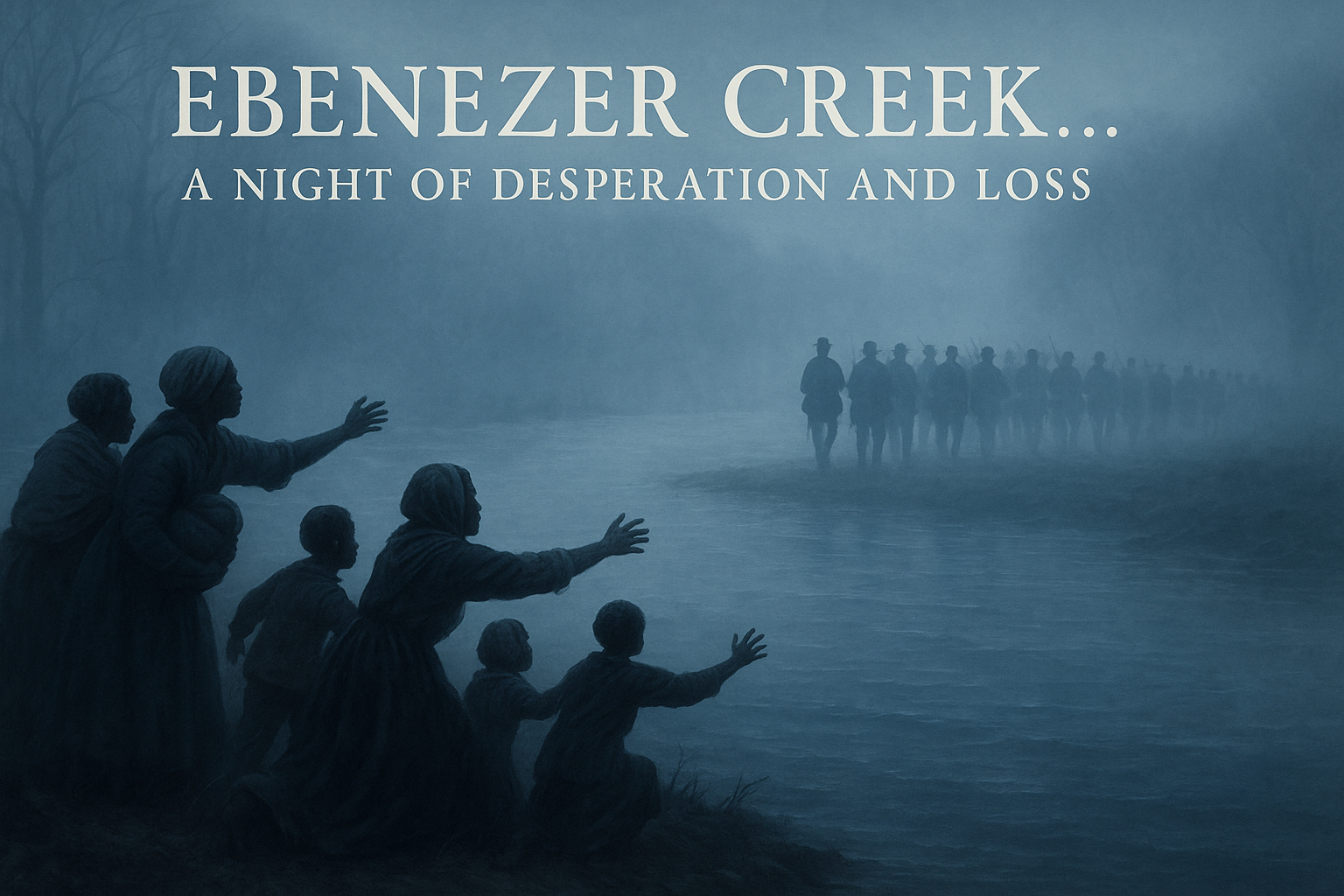
The tragedy at Ebenezer Creek remains one of the most devastating and overlooked moments of the Civil War. As Union troops advanced toward Savannah during Sherman’s March to the Sea, hundreds of freedom seekers followed behind them, believing the army represented safety and a chance at a future beyond bondage. They walked for days beside the soldiers, carrying children, bundles, and the weight of generations. When they reached the cold waters of Ebenezer Creek, Union General Jefferson C. Davis ordered his men to cross first on a pontoon bridge. Once the troops were safely over, the bridge was pulled up without warning, leaving the refugees stranded as Confederate forces closed in. Panic spread as families realized they were trapped with nowhere to run. People leapt into the water, clinging to anything that might float, pieces of wood, clothing, each other. Many drowned trying to reach the other side. Others were captured. A moment that should have been a step toward freedom turned into a night of terror and loss. The massacre at Ebenezer Creek exposed a harsh truth of that era… even in a war fought over slavery, the safety of Black refugees was treated as negotiable. Their trust was betrayed, their lives dismissed, and their suffering pushed to the margins of history. And before anyone shows up with the tired “move on, this is old news, get over the past” routine, let me help you out… how about you move on? I’m from Georgia and in all my years in this state I never once heard about this. I’m learning it right alongside everyone else. This is exactly why these stories matter. History doesn’t disappear just because it makes people uncomfortable. We deserve to know what happened on the soil we stand on. #LataraSpeaksTruth #BlackHistory #AmericanHistory #HiddenHistory #Under2000Characters

LataraSpeaksTruth

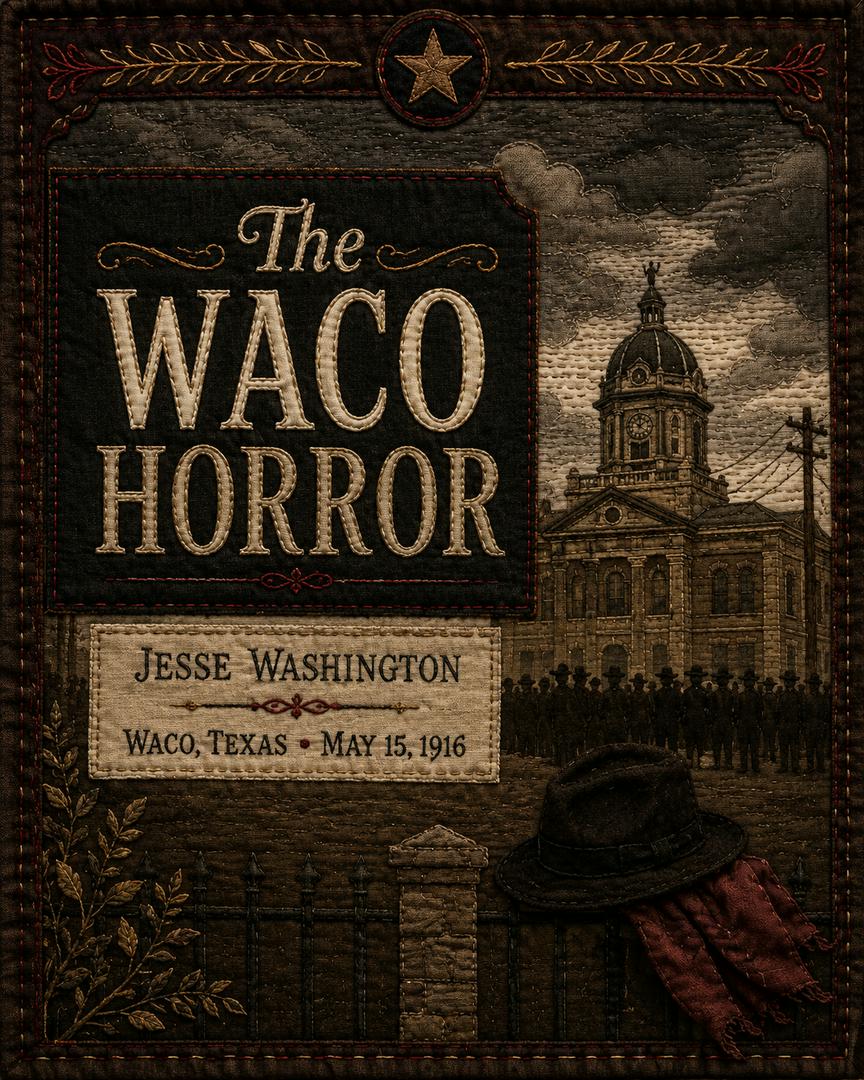
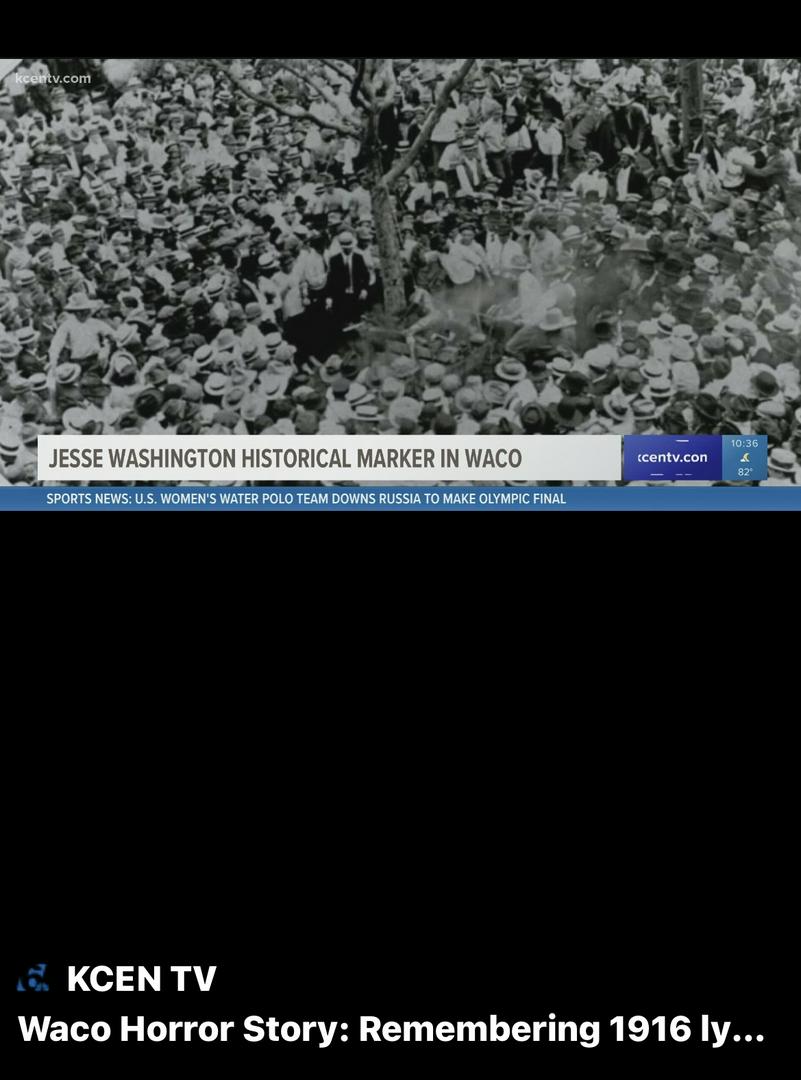
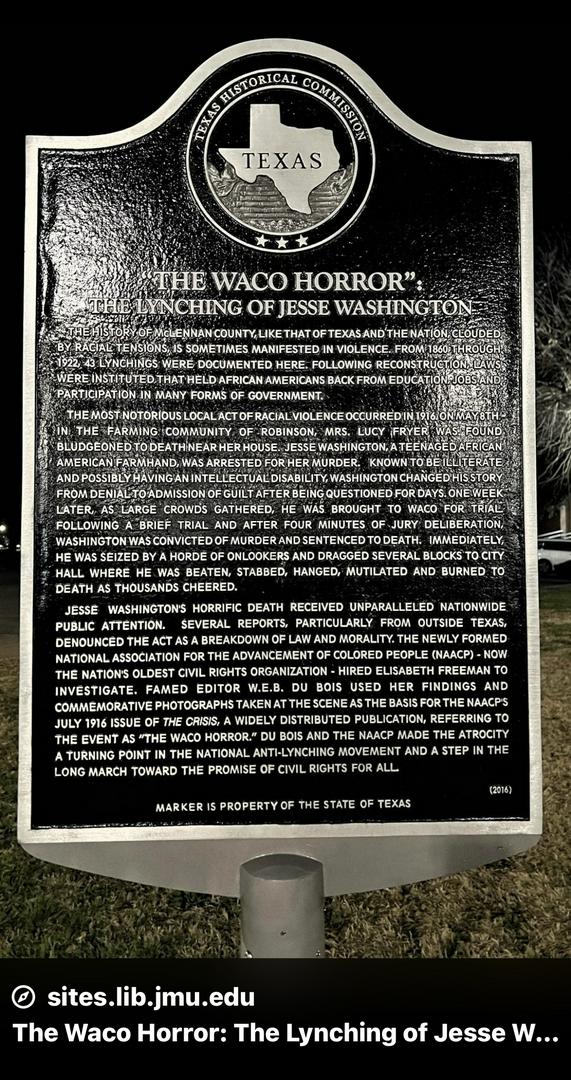
May 15, 1916, remains one of the darkest dates in Texas history. Jesse Washington was a 17-year-old Black farmhand in Waco, Texas, accused of killing Lucy Fryer, the wife of a white farmer in nearby Robinson. After a rushed trial on May 15, Washington was convicted and sentenced to death. But he never made it to a legal execution. A white mob pulled him from the McLennan County courthouse and dragged him through the streets. What followed became known as the “Waco Horror,” one of the most infamous documented lynchings in U.S. history. Thousands of people gathered near Waco City Hall as Washington was tortured and killed in public. Reports say city officials and law enforcement were present, yet no one stopped the mob. No one was punished for his death. The horror did not end there. Photographs were taken and sold as postcards, showing just how openly racial violence was displayed and normalized during that era. The NAACP later investigated the lynching, and W.E.B. Du Bois helped bring national attention to the case through The Crisis magazine. The images and reporting forced many Americans to confront the reality of lynching, not as rumor, but as public spectacle. Jesse Washington’s story is not easy to tell, but it should not be erased. It reminds us that history is not only what happened in courtrooms and government buildings. Sometimes history is what happened in the street while the whole town watched. And that is why his name still matters. #JesseWashington #WacoHistory #AmericanHistory #HiddenHistory #HistoryMatters