Tag Page americanhistory

#americanhistory
LataraSpeaksTruth

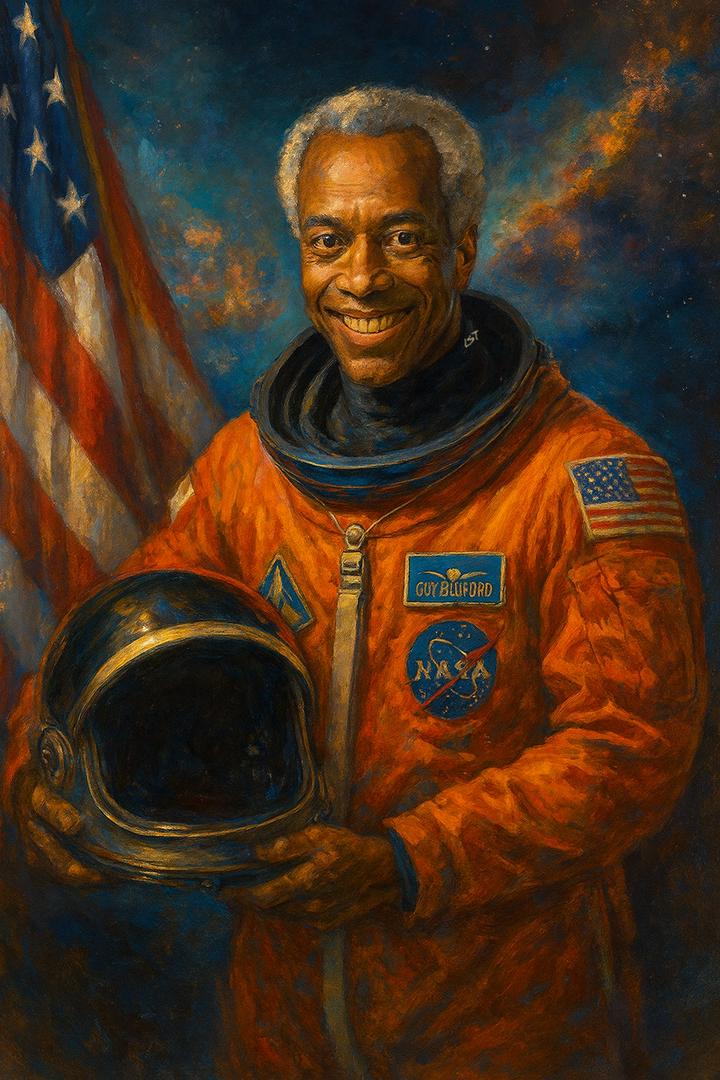
Guion S. Bluford Jr. The First African American To Reach Space

Guion Stewart Bluford Jr. was born on November 22, 1942, in Philadelphia. His birthday sits inside a chapter of history that America rarely slows down long enough to honor. He grew up in a home that valued discipline, education, and excellence. That foundation shaped everything that came next. He served as an officer in the United States Air Force and became a skilled fighter pilot with more than one hundred forty missions during the Vietnam War. He later earned multiple advanced degrees in aerospace engineering and moved through a field where many rooms did not expect to see him. He stayed anyway. He studied harder. He pushed forward. On August 30, 1983, the Space Shuttle Challenger lifted off from Cape Canaveral. Bluford stepped into a role that had never been open to anyone before him. Millions watched a Black man take a seat that represented possibility for families who had been told to keep their dreams “realistic.” His presence in that shuttle changed the imagination of a generation. Bluford continued flying missions for NASA and contributed to research on fluid dynamics, microgravity, and space systems. His work helped expand what we understand about living and operating beyond Earth. His career became a long record of discipline, focus, and quiet excellence. Today his legacy shows up in STEM programs, scholarships, and young students who see him as proof that their gifts belong in every room. His birthday is a reminder that representation in science is not symbolic. It is real. It is necessary. And it still matters. #GuionBluford #BlackHistory #AmericanHistory #STEMHistory #SpaceAchievement #Trailblazer #NewsBreakHistory

Guion S. Bluford Jr.
The First African American To Reach Space
LataraSpeaksTruth

Texas Employers Blacklist Black Veterans (1906)

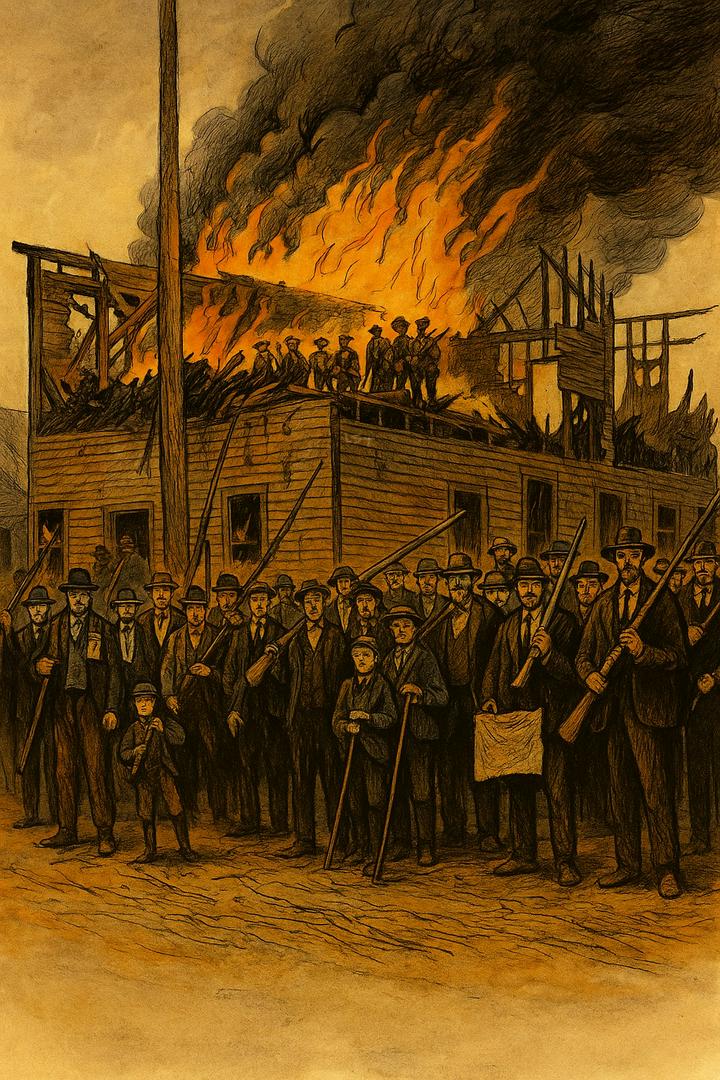
Some stories in American history were never given the full attention they deserved, and the Brownsville Affair is one of them. In 1906, more than 160 Black soldiers from the 25th Infantry were blamed for a shooting they had nothing to do with. Local officials rushed to judgment with no proof, and the nation went along with the accusation. President Theodore Roosevelt discharged the entire group in one order, stripping their service, their honor, and their futures. What many people never hear about is what happened long after the headlines died down. The government eventually admitted the soldiers had been telling the truth from day one. The bullets didn’t match their rifles. The timelines didn’t fit. Witness claims fell apart. But by the time the record was corrected, decades had passed, and many of the men were already gone. Their families lived with the weight of an accusation built on bias, not evidence. Military benefits were never restored in time to help them. Careers were lost. Entire generations grew up under a shadow they did not deserve. The correction came too late to give the soldiers the justice they needed while they were still here. Instead, their names were quietly cleared long after the damage had been done. It’s a reminder that institutions can make decisions in minutes that take lifetimes to repair. These men deserve to be remembered with truth, dignity, and the honor they earned through service. #BrownsvilleAffair #BlackHistory #MilitaryHistory #HistoryUncovered #AmericanHistory #TruthMatters

Texas Employers Blacklist Black Veterans (1906)
LataraSpeaksTruth

1863, Nashville… The Day New Soldiers Changed the War

On November 19, 1863, the 13th United States Colored Infantry officially formed in Nashville, Tennessee. Hundreds of Black men stepped forward to wear Union blue at a time when the nation still refused to recognize their full rights. They volunteered anyway. They took up weapons in a country that denied them protections, hoping their service would help crack the walls holding their people down. The 13th USCI was one piece of the larger United States Colored Troops, a force created after the Emancipation Proclamation opened the door for Black military enlistment. The officers were white, but the spirit, grit, and discipline came from the men themselves. Some had escaped plantations. Others were freeborn. All of them were determined to see slavery fall. Their service came with barriers. Lower pay in the early months. Harsher treatment. Hostility from Union soldiers and Confederate soldiers alike. Still, the 13th USCI held the line. They fought in Tennessee, Georgia, and Alabama, pushing Union control deeper into the South. Their formation marked a turning point. The Civil War shifted from just saving the Union to redefining what freedom would mean in America. Black soldiers made that shift visible. The men of the 13th USCI stood as proof that Black Americans were willing, ready, and brave enough to fight for their freedom and their families’ future. Their legacy still speaks: freedom in this country has always moved forward because of the people who were denied it, yet fought for it anyway. #history #americanhistory #blackmilitaryhistory #civilwarstories #LataraSpeaksTruth
1863, Nashville… The Day New Soldiers Changed the War
LataraSpeaksTruth

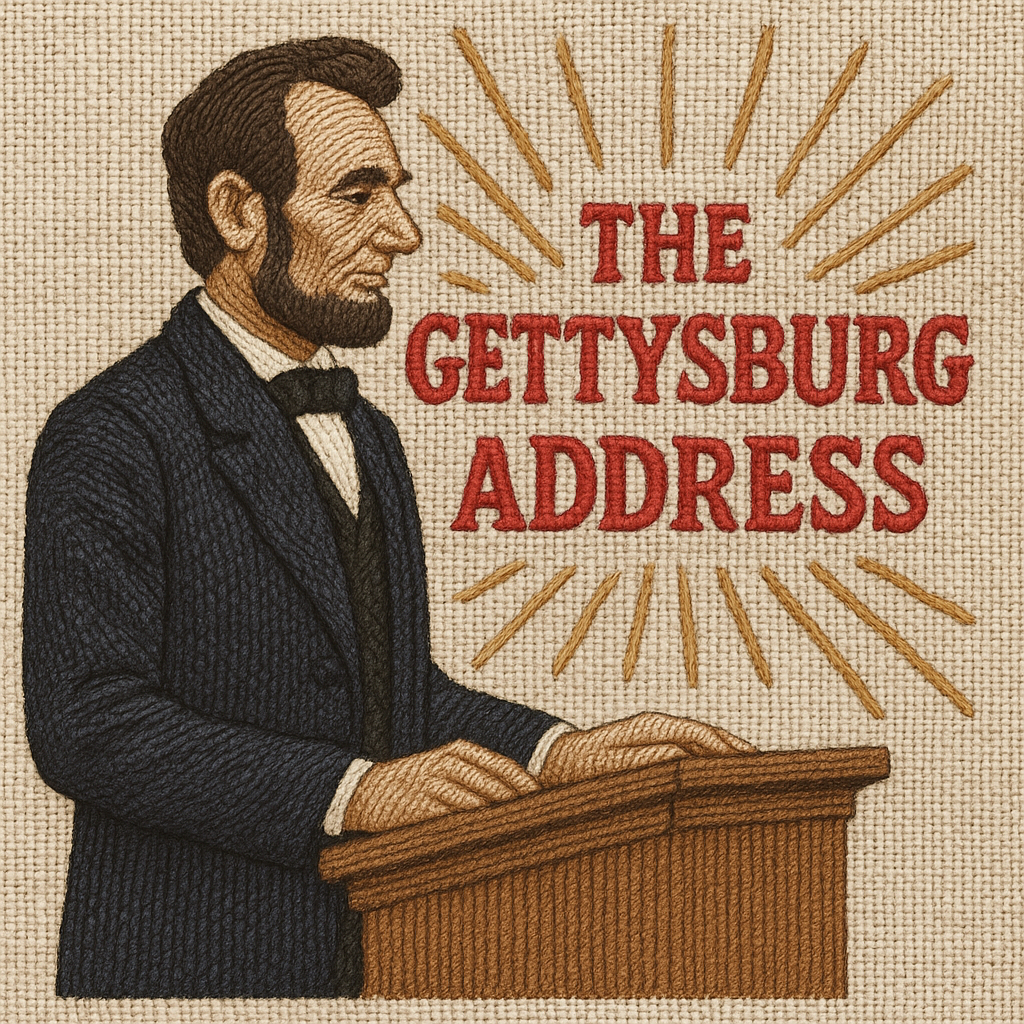
Remembering the Gettysburg Address

On November 19, 1863, President Abraham Lincoln stood on the battlefield at Gettysburg and delivered a message that reshaped how the nation understood the Civil War. The ceremony was meant to honor the thousands of soldiers who died there, but Lincoln used the moment to remind the country what the fight was really about. In just a few sentences, he connected the war to the country’s earliest promise that all people are created equal, and he challenged Americans to keep working toward a future where that promise actually means something. The speech was short, but the impact has lasted generations. Lincoln said the world would not remember what was said that day, but the opposite became true. The Gettysburg Address became a reminder that freedom, sacrifice, and democracy require constant work. Even now, the words push us to think about what kind of nation we want to be and whether we’re living up to the ideals we claim to stand on. #HistoryMatters #GettysburgAddress #OnThisDay #AmericanHistory #LataraSpeaksTruth

Remembering the Gettysburg Address
LataraSpeaksTruth

WILLIAM DORSEY SWANN: A HIDDEN FIGURE IN AMERICAN HISTORY

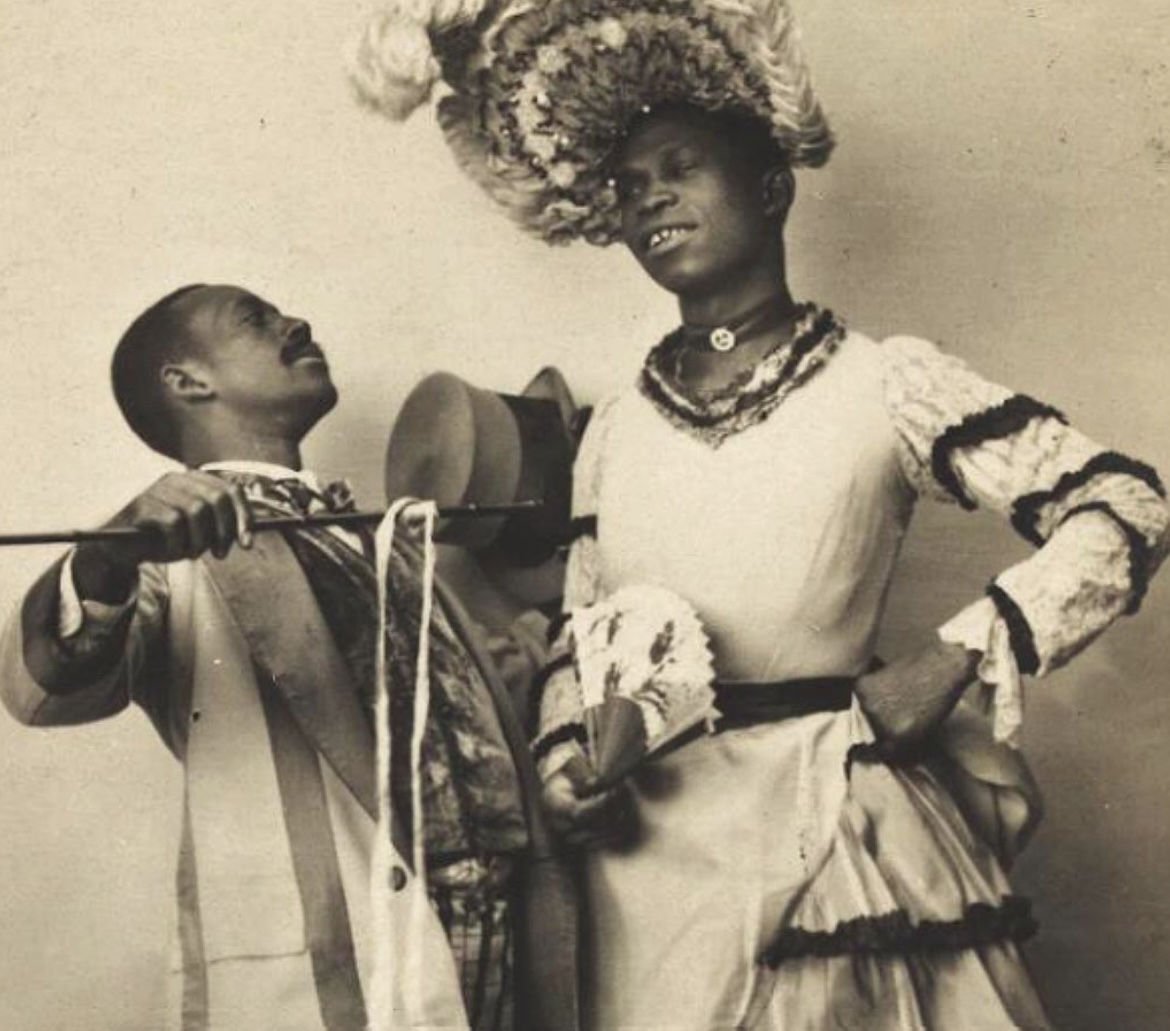
William Dorsey Swann’s name rarely appears in history books, but his story reaches back to the late 1800s. Born into slavery in 1860, Swann stepped into freedom determined to create space for people who lived on the margins. In Washington D.C. he organized private gatherings now recognized as some of the earliest drag balls in the United States. These events were often targeted by police, leading to raids and arrests. Even in the face of that pressure, Swann defended his right to assemble and live openly, becoming the first known person in America to call himself a Queen of Drag. Whether someone agrees with the lifestyle or not, his courage and willingness to stand up to a hostile society make him a significant figure in Black history and in the early struggle for LGBTQ rights. His life shows how many different paths contributed to the broader fight for freedom in this country. A story from the past that reminds us how many different battles shaped American history. #WilliamDorseySwann #BlackHistory #AmericanHistory #LGBTQHistory #HistoricalFigures #CommunityVoices #UntoldStories #LataraSpeaksTruth

WILLIAM DORSEY SWANN: A HIDDEN FIGURE IN AMERICAN HISTORY
LataraSpeaksTruth

The Tuskegee Study: Why This Story Still Hits Home

Some stories refuse to fade into the archives… they tap the mic every generation and say, “Hey, don’t forget me.” The Tuskegee Study is one of those stories. From 1932 to 1972, hundreds of Black men in Tuskegee, Alabama were told they were getting care… when the truth was colder than that. Doctors watched, recorded, and withheld treatment, even after penicillin became the cure-all. And yeah, folks love to say, “Why don’t some communities trust the medical system?” But c’mon, trust isn’t a switch; it’s built over time… and broken the same way. History like this carved caution deep into the bones of families, passing down quiet warnings right along with recipes and church fan stories. We don’t bring up Tuskegee to reopen wounds. We bring it up because remembering is how we guard the door. It’s how we honor the men who were wronged. It’s how we make sure the mistakes of yesterday don’t get a reboot. Because the past doesn’t stay gone… it shapes how we move today. #TuskegeeStudy #HistoryMatters #CommunityVoices #HealthJustice #AmericanHistory #TruthAndMemory #LearnFromThePast #BlackHistory365 #CommunityTalks

The Tuskegee Study: Why This Story Still Hits Home
LataraSpeaksTruth

The Little Girl Who Moved a Nation

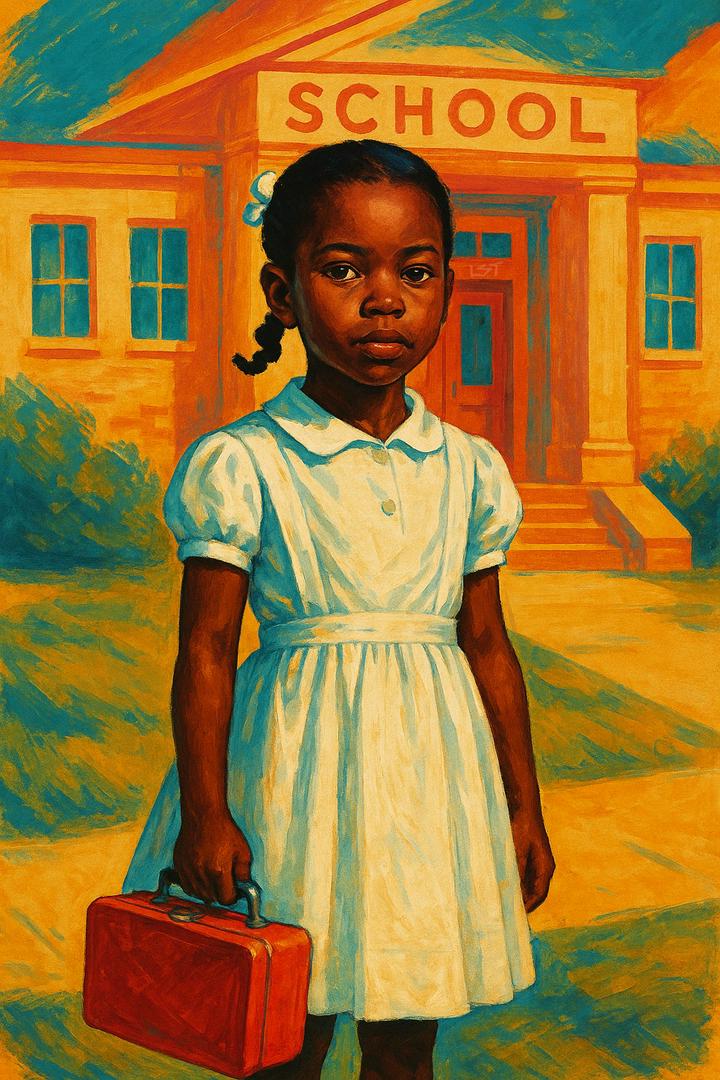
Ruby’s story hits like a drumbeat through history. Picture a tiny first-grader in 1960, rolling up to William Frantz Elementary in New Orleans with U.S. marshals flanking her like she’s the nation’s smallest superhero. Crowds spit hate, but Ruby? She keeps it moving, lunchbox swinging, spirit unbroken. Inside, every classroom is empty because white parents pulled their kids out. Only one teacher, Barbara Henry… has the backbone to teach her. So Ruby learns alone, day after day, in a school built for hundreds. Outside, the noise stays ugly, but Ruby prays for the people yelling at her. Wild level of grace for a six-year-old, honestly. That walk didn’t just open a school door. It cracked open the future. Ruby stood steady so generations of kids could sit together and learn without fear. Her steps still echo. Her courage still teaches. Her story? Still shaking the room. #RubyBridges #BlackHistory #AmericanHistory #CivilRightsEra #EducationHistory #LataraSpeaksTruth

The Little Girl Who Moved a Nation
LataraSpeaksTruth

York… The Man History Tried to Forget

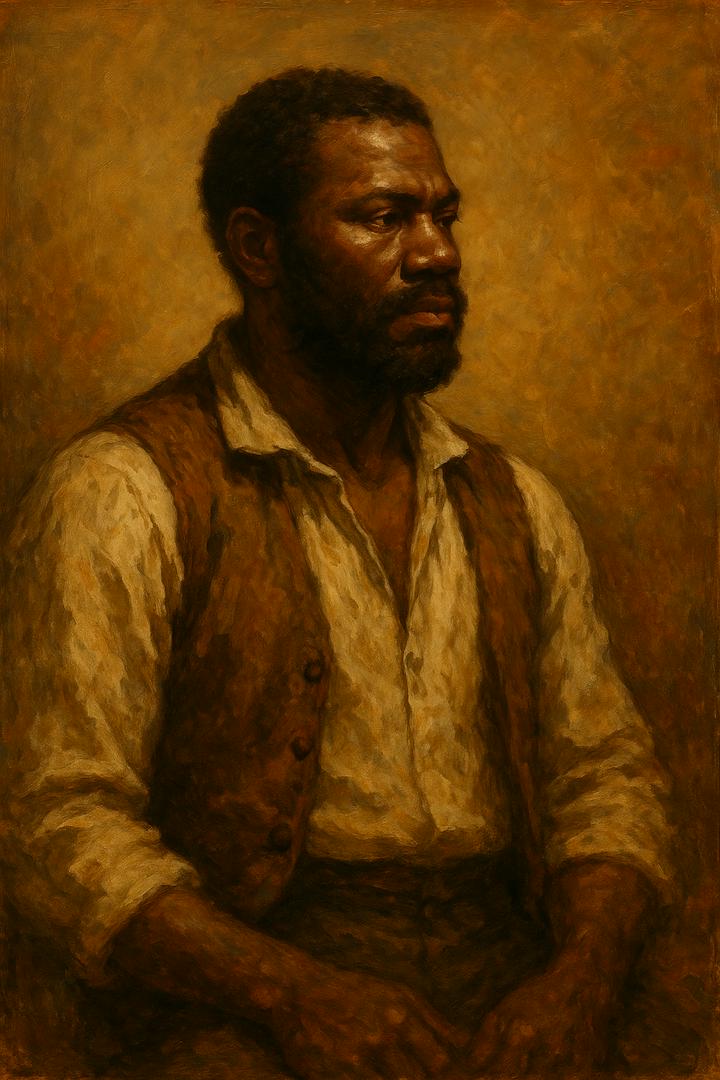
York was the only Black member of the Lewis and Clark Expedition, yet he returned home to the same bondage he left with. His strength, hunting skills, diplomacy, and endurance helped carry the Corps of Discovery through some of its hardest moments. While others received pay and praise, York received nothing. His story deserves to be remembered for what it is… the truth. York’s contributions were woven into every part of the expedition. He hunted for food, carried heavy loads, provided protection, and helped build relationships with Indigenous communities who showed him respect. Journals from the journey make it clear he worked just as hard as any man on the team. In many moments, he worked harder. Even so, he returned home with no credit and no reward. York’s role highlights how the story of America is often told without the voices of the people whose labor made survival possible. #York #LewisAndClark #HiddenHistory #AmericanHistory #BlackHistory #LataraSpeaksTruth

York… The Man History Tried to Forget