Tag Page americanhistory

#americanhistory
LataraSpeaksTruth

Macon Bolling Allen Admitted to the Massachusetts Bar in 1845

On November 26, 1845, Macon Bolling Allen stepped into a world that liked to pretend it had no room for him and still made space anyway. He became the first Black lawyer admitted to the Massachusetts bar, carrying a calm kind of courage that hits different when you realize the country was still tangled in slavery and hostility. Earlier in 1844 he had already passed the Maine bar exam, proving his skill long before many thought he would even be allowed to take the test. Massachusetts recognized that ability next, and from there he kept pushing forward, eventually serving as one of the first Black judges in the United States. His journey reads like a reminder that discipline and study can be rebellion when the world expects you to shrink. Allen found a way into rooms that were not built for him and left the doors open behind him. Every Black lawyer, judge, advocate, and student walking their own path today moves with echoes of his persistence. #MaconBollingAllen #OnThisDay #HistoryMatters #AmericanHistory #LataraSpeaksTruth

Macon Bolling Allen Admitted to the Massachusetts Bar in 1845
LataraSpeaksTruth

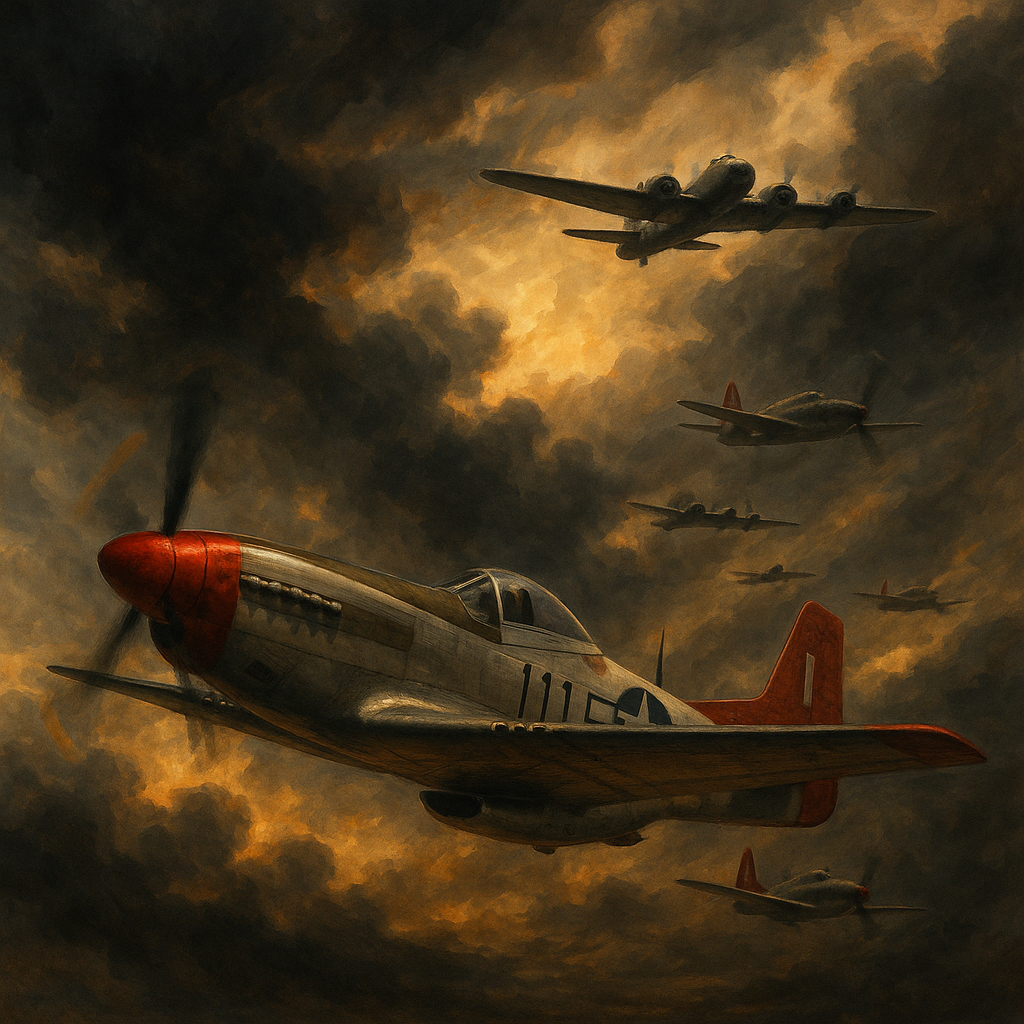
On This Day 1944… Red Tail Escorts Over War Torn Europe

On this day in 1944, the Red Tail Angels carved their path across a cold European sky, lifting off from their base in Italy with the weight of duty and a world still arguing about their worth. The Tuskegee Airmen of the 332nd Fighter Group knew the routine. Take off. Climb. Form up. Guard the bombers like your life depends on theirs. It was the last big raid of the month, and the Fifteenth Air Force sent them straight toward the factories that fed the Nazi war machine. Waiting for them were German fighters, flak bursts that chewed through the clouds, and the constant reminder that history never gives out freebies. These pilots had trained in Tuskegee, Alabama, far from the glory people like to paste on wartime stories. They came from a segregated military that questioned them at every step, yet their performance in the air kept rewriting the script. By late 1944 their P 51s carried bright red tails that bomber crews could spot at a glance. That flash of color meant protection. It meant discipline. It meant someone out there cared enough to hold formation tight when fear tried to pull everything apart. The 332nd flew more than one hundred seventy heavy bomber escort missions before the war ended, losing fewer bombers than many other groups in the same theater. That record was not luck. It was focus, grit, and a stubborn belief in doing the job right even when the country they served made them fight two battles at once. Every mission kept more names off casualty lists and pushed the United States toward the integration that finally came after the war. Remember this November mission as a reminder that real change often shows up in repetition. The same hard task. The same cold morning. The same promise to bring as many people home as possible. That is how legacies are built, one flight at a time. #TuskegeeAirmen #RedTailAngels #WWIIHistory #MilitaryHistory #AviationHistory #332ndFighterGroup #HistoryMatters #AmericanHistory #LataraSpeaksTruth

On This Day 1944… Red Tail Escorts Over War Torn Europe
LataraSpeaksTruth

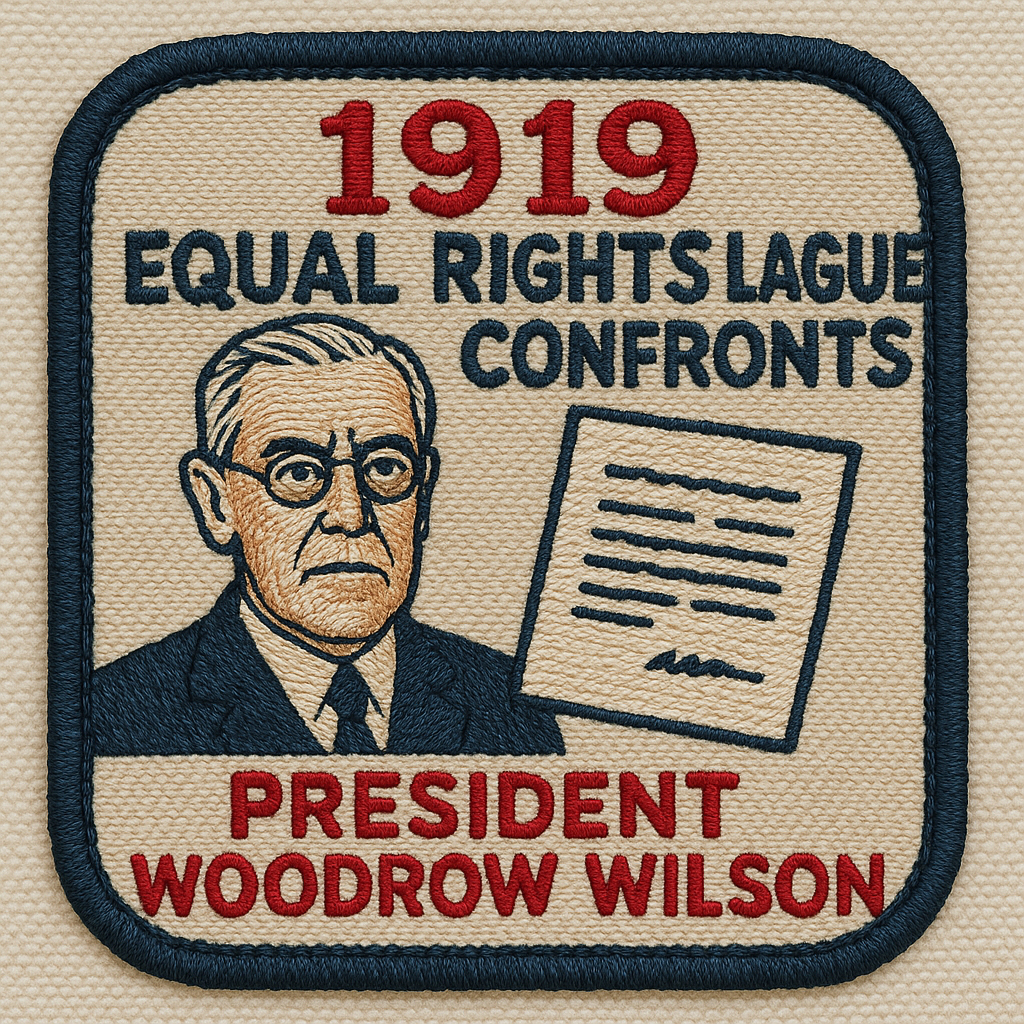
1919: Equal Rights League Challenges Federal Inaction

In November 1919, the country was still shaken from the violence known as the Red Summer. Cities across the nation had experienced unrest, and Black communities were left with little protection as organized mobs carried out attacks. On November 25, the National Equal Rights League sent a direct message to the White House that called attention to this crisis. They addressed President Woodrow Wilson in a formal letter and asked why the federal government had not acted to protect Black citizens from lynching and mob violence. The League stated that the government had the responsibility to step in when people were being harmed in their homes, workplaces, and neighborhoods. They noted that the violence was not limited to one region. It was happening across the country and required leadership from the highest levels of government. Their message also pointed out that a nation calling itself modern could not ignore such conditions. They urged President Wilson to support stronger legal protections and to enforce the laws that already existed but were not being applied evenly. The letter was part of a larger movement of Black advocacy groups pushing for national attention years before the major civil rights campaigns of the 1950s and 1960s. Their challenge to federal inaction showed a growing demand for fairness, safety, and accountability. While no significant changes were made by the administration at the time, the League’s action remains an important example of early national pressure for civil rights. It highlighted the determination of Black leaders who refused to remain silent and who called on the country to live up to its stated values. #OnThisDay #AmericanHistory #EqualRightsLeague #BlackHistoryFacts #LataraSpeaksTruth

1919: Equal Rights League Challenges Federal Inaction
LataraSpeaksTruth

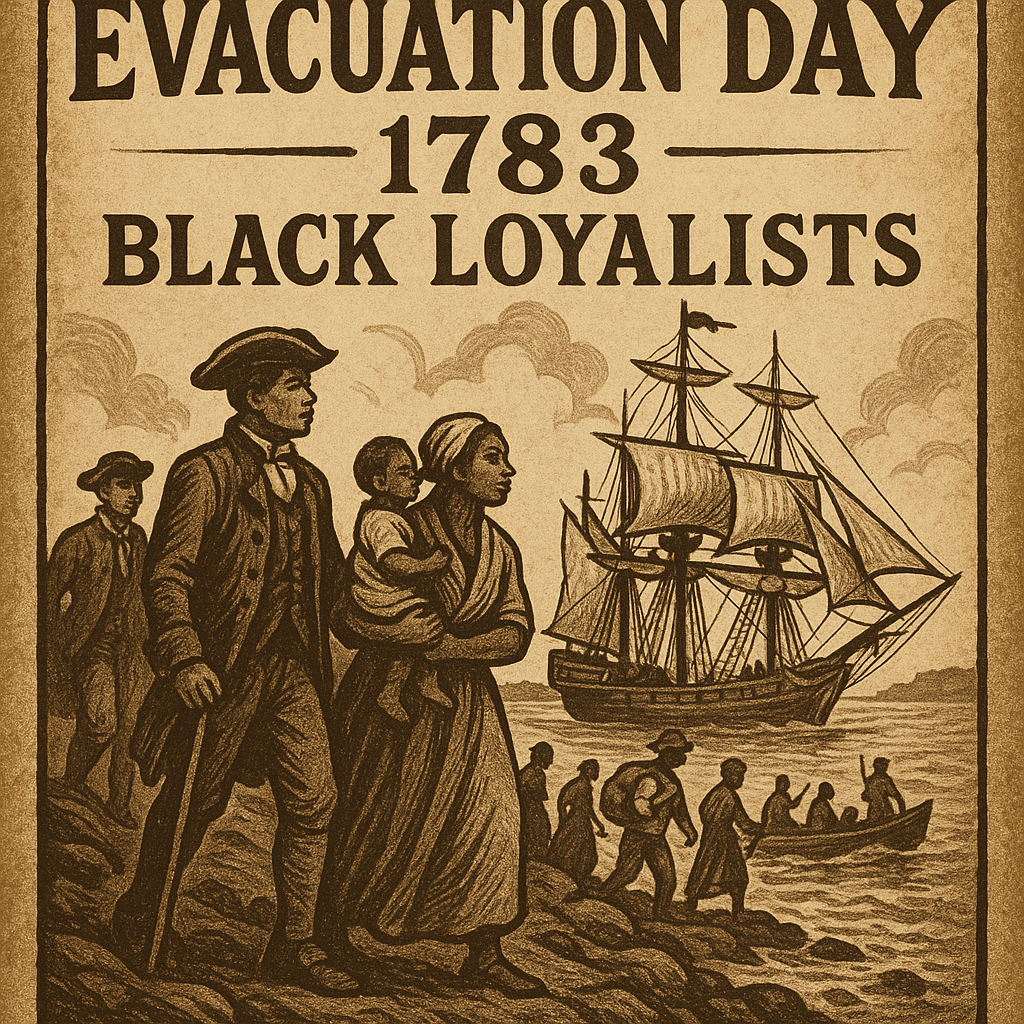
Evacuation Day 1783, Black Loyalists

On November 25, 1783, the British marched out of New York, closing the curtain on the American Revolution. For nearly three thousand Black Loyalists, this day was not an ending. It was a leap into a new beginning. They boarded ships with their names written in the Book of Negroes, often the first time they were recorded as free people. They sailed toward Nova Scotia, the Caribbean, and other British territories, carrying hope like a small flame against a cold wind. Some would later journey to Sierra Leone, still chasing the freedom they had been promised. The good was the chance to claim that freedom. The British had offered it to enslaved people who joined their forces. The bad was the fight over their status. American leaders demanded they be returned as “property.” The British refused, but the argument showed how fragile freedom could be in the new nation. The ugly arrived in Nova Scotia. The winters were brutal, the wages were low, the land grants were broken, and discrimination followed them across the sea. Many families spent years struggling for even a piece of what they had been told they would receive. Yet their departure mattered. Evacuation Day became one of the first large-scale movements of Black Americans choosing their future for themselves. Their courage was recorded. Their journey reshaped the Black diaspora. #BlackHistory #AmericanHistory #OnThisDay #LataraSpeaksTruth #CommunityFeed

Evacuation Day 1783, Black Loyalists
LataraSpeaksTruth

George W. Ashburn

George W. Ashburn was a white Radical Republican who openly supported political rights for newly freed Black citizens during Reconstruction. That alone made him a target in Columbus, Georgia, where resistance to racial equality was strong and vocal. On March 31, 1868, Ashburn was assassinated inside a boarding house. Witnesses reported that a masked group forced their way in and shot him, a killing widely attributed to early Ku Klux Klan activity. His murder came just weeks after he backed Georgia’s new constitution, which expanded civil rights for Black residents. Because Georgia was still under military rule, his death did not stay a local matter. Federal authorities moved quickly, and on November 23, 1868, the case became national news when a military tribunal charged dozens of white men, some from prominent families, with participating in the assassination. The investigation exposed the organized backlash against Black political progress. It also showed how far opponents of Reconstruction were willing to go to silence anyone advocating for racial equality. But despite the national attention, the case fell apart. Political pressure, intimidation of witnesses, and Georgia’s push to end military oversight led to the charges being dropped. No one was ever convicted. Ashburn’s murder became a symbol of the violent resistance that shaped the end of Reconstruction, a reminder of the dangers faced not only by Black citizens, but by anyone who stood beside them during one of the most volatile periods in American history. #HistoryMatters #AmericanHistory #ReconstructionEra #GeorgiaHistory #CivilWarLegacy #PostWarSouth #HistoricalRecord #USHistoryStory #OnThisDayHistory
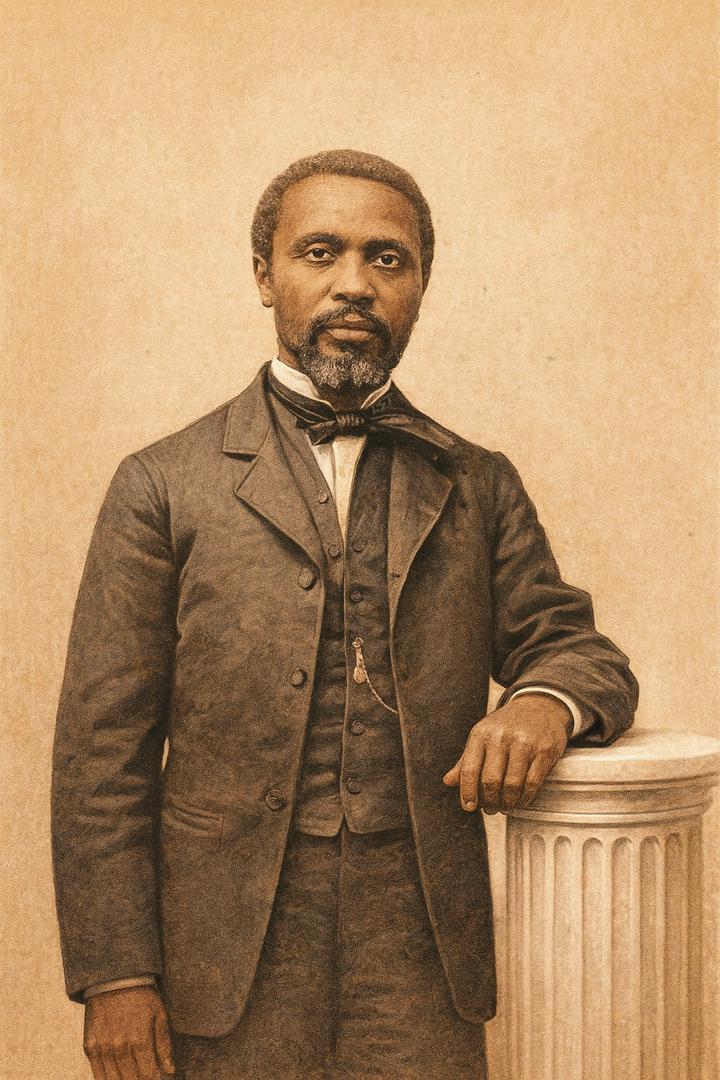
George W. Ashburn
LataraSpeaksTruth

1941… Death of Henrietta Vinton Davis

Henrietta Vinton Davis, a groundbreaking actress, elocutionist, and international advocate, died on November 23, 1941 in Washington, D.C. Her career blended performance and activism during a period when opportunities for Black artists were limited. Davis became widely known through her stage work and later emerged as a prominent figure in the Universal Negro Improvement Association. She traveled, organized, and spoke publicly on issues related to unity, cultural pride, and global awareness among people of African descent. Her passing marked the end of a career that influenced both the performing arts and early twentieth century Black political life. Davis is now recognized as an important figure whose work reached across borders and generations. #BlackHistory #HenriettaVintonDavis #UNIAHistory #CulturalHistory #OnThisDay #PerformingArtsHistory #HistoricFigures #GlobalHistory #AmericanHistory #HistoryMatters

1941… Death of Henrietta Vinton Davis
LataraSpeaksTruth

1897… Andrew J. Beard Receives a Patent for the “Jenny Coupler”

On November 23, 1897, Andrew Jackson Beard, a Black inventor from Alabama, received a U.S. patent for one of the most important railroad safety devices of the late 1800s: the automatic car coupler known as the “Jenny Coupler.” Before Beard’s invention, railroad workers had to stand between moving train cars to manually link them together. It was a dangerous job that resulted in countless crushed limbs and deaths. Beard knew those risks firsthand—he had worked around railroads and had seen the toll the old system took on brakemen. His design changed everything. The Jenny Coupler used a pair of locking jaws that snapped together automatically the moment two cars touched. It replaced a life-threatening task with a simple, safer, almost automatic motion. Beard’s patent became part of a nationwide shift toward better railroad safety. His work influenced federal requirements for automatic couplers and helped protect the workers who kept the rail industry running. Even though his name isn’t widely recognized today, Beard’s contribution had a lasting impact. His 1897 patent remains a clear example of how Black inventors helped shape American industrial technology—often without the credit they deserved. #OnThisDay #BlackHistory #AmericanHistory #Inventors #RailroadHistory #SafetyInnovation #UnsungHeroes #CommunityFeed

1897… Andrew J. Beard Receives a Patent for the “Jenny Coupler”
LataraSpeaksTruth

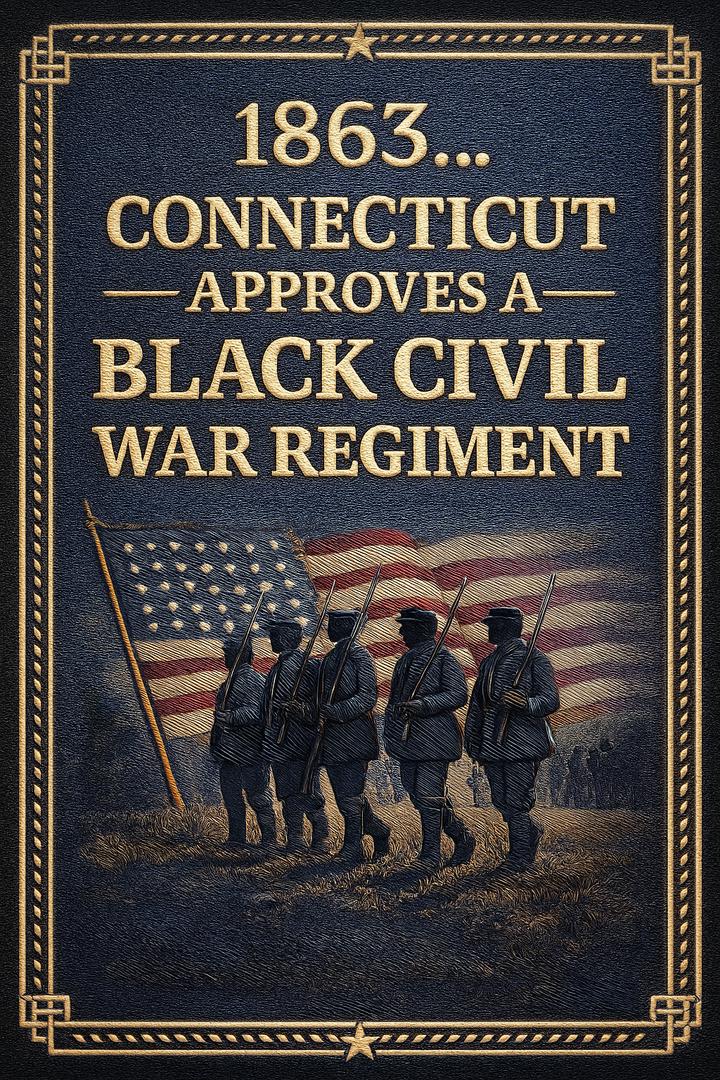
1863… Connecticut Approves a Black Civil War Regiment

On this day in 1863, the Connecticut General Assembly met in a special session to decide whether Black men could serve as front line soldiers in the Union Army. After a day of debate, lawmakers approved the measure, and Governor William Buckingham signed it into law on November 23. This decision opened the door for Black residents in Connecticut to enlist in a state infantry regiment for the first time. Recruiters began organizing almost immediately, and more than one thousand Black volunteers stepped forward in the following months. Their participation formed the 29th Connecticut Colored Infantry Regiment and helped begin a second unit, the 30th Connecticut. The 29th Connecticut mustered into service in early 1864 and later fought in major campaigns near Petersburg and Richmond. They were also among the first Union troops to enter Richmond when the city fell in April 1865. The decision made on November 23, 1863 marked a turning point in Connecticut’s military history and highlighted the essential role Black soldiers played in the Union’s efforts during the Civil War. #BlackHistory #TodayInHistory #CivilWarHistory #ConnecticutHistory #UnionArmy #29thConnecticut #HistoricalFacts #AmericanHistory #OnThisDay #HistoryMatters

1863… Connecticut Approves a Black Civil War Regiment
LataraSpeaksTruth

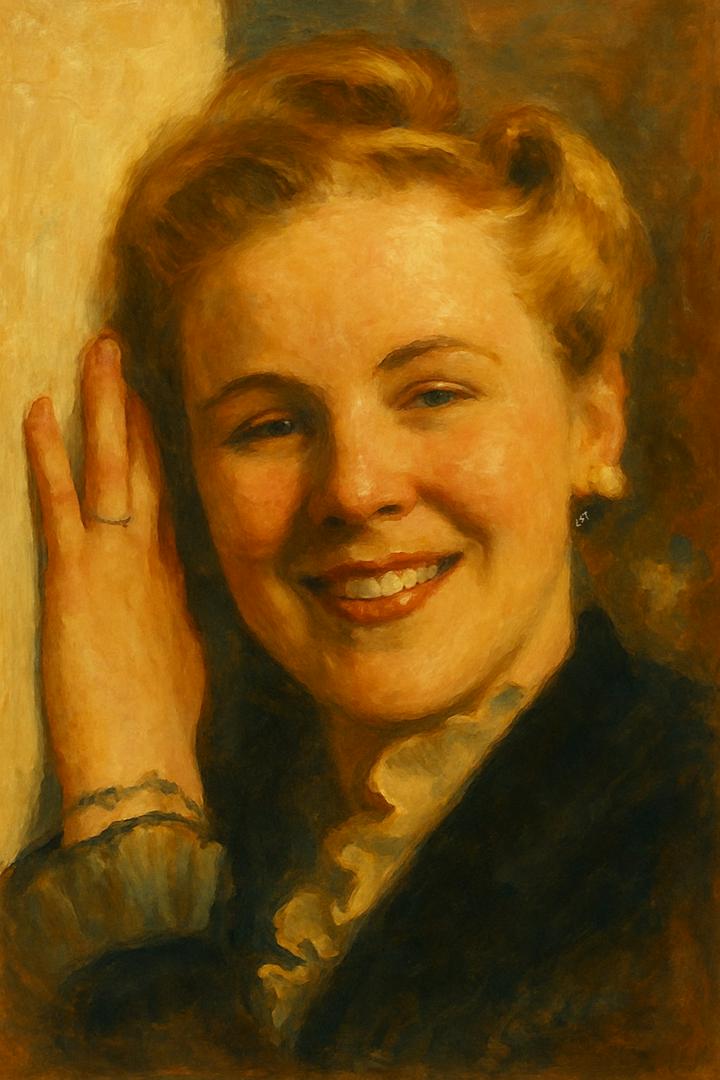
VIOLA LIUZZO… THE WOMAN WHO REFUSED TO LOOK AWAY

Viola Fauver Liuzzo was a thirty nine year old White mother of five from Detroit who made a choice most people only talk about. She saw the images from the events in Selma in March of 1965 and felt something inside her shift. While many people sat on the sidelines, she packed her car, left her family, and drove to Alabama because she believed protecting human dignity was everybody’s responsibility. She volunteered with the organization working to secure equal voting rights and helped transport marchers between Selma and Montgomery. On the night of March twenty fifth, as she drove with a young Black volunteer named Leroy Moton, a car filled with men from a violent extremist group pulled beside them on the highway. They opened fire. Viola Liuzzo was killed instantly. Leroy survived by pretending to be dead. One of the men in that car was later identified as an informant for federal agents, which sparked decades of questions about what really happened that night. Her death became a turning point. It shook the country. It pushed the conversation into every living room. It helped bring national support behind the Voting Rights Act of 1965. Yet she was attacked by people who wanted to erase her sacrifice. They tried to ruin her reputation. They tried to silence her name. Her family paid the price for decades. But history kept her in the light because truth has a way of rising again. Viola Liuzzo stood where many refused to stand. She offered her life because she believed that injustice anywhere was a threat to every home, every family, and every child. Her legacy asks a simple question. What do you do when you see wrong happening in front of you. Do you turn away or do you step forward like she did. #AmericanHistory #HistoricalFigures #LegacyStories #WomenInHistory #CourageAndCharacter #UnsungHeroes #StoriesWorthKnowing #EverydayHeroes #HistoryMatters #RealPeopleRealImpact

VIOLA LIUZZO… THE WOMAN WHO REFUSED TO LOOK AWAY