Tag Page americanhistory

#americanhistory
LataraSpeaksTruth

President Obama Announces Medal of Freedom Honorees

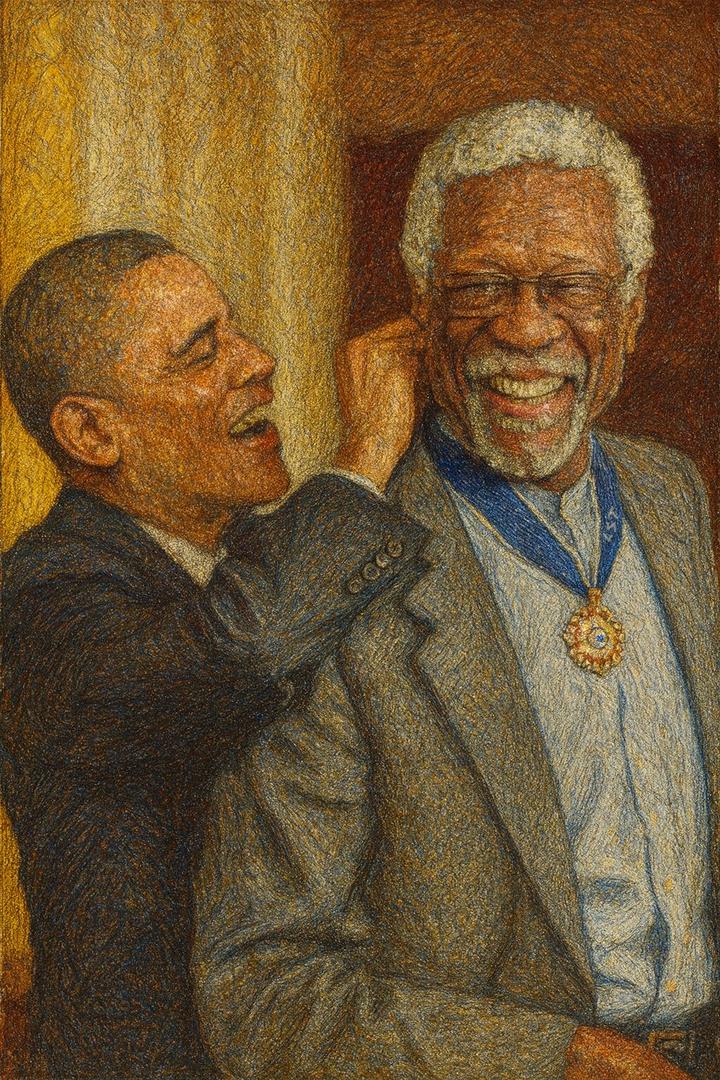
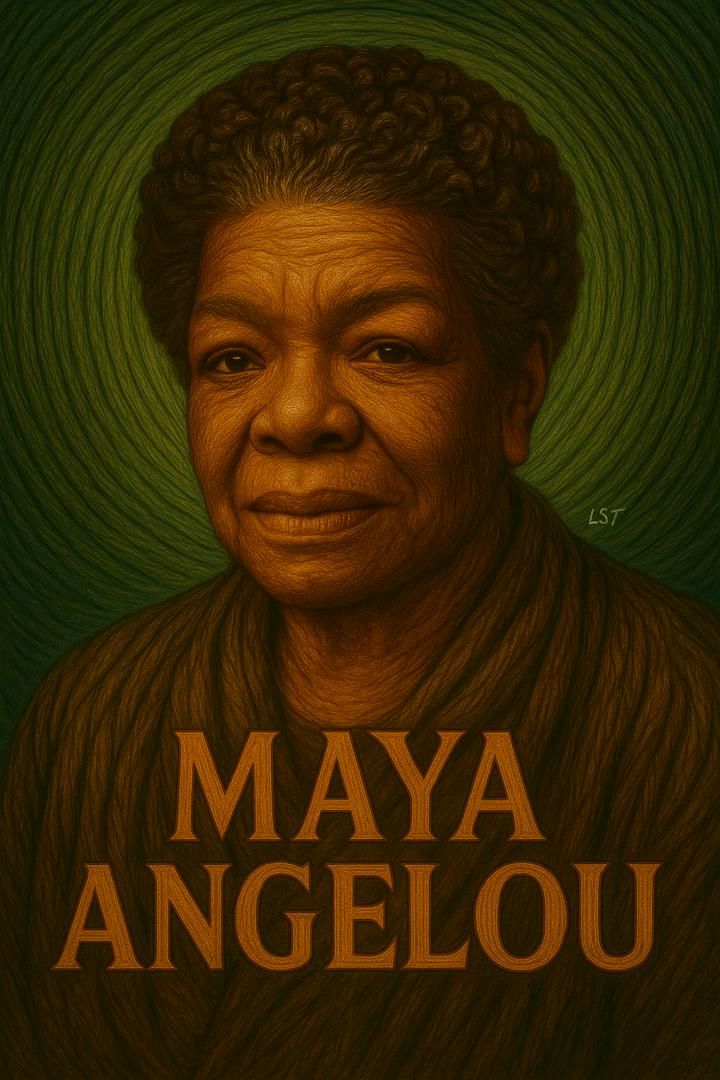
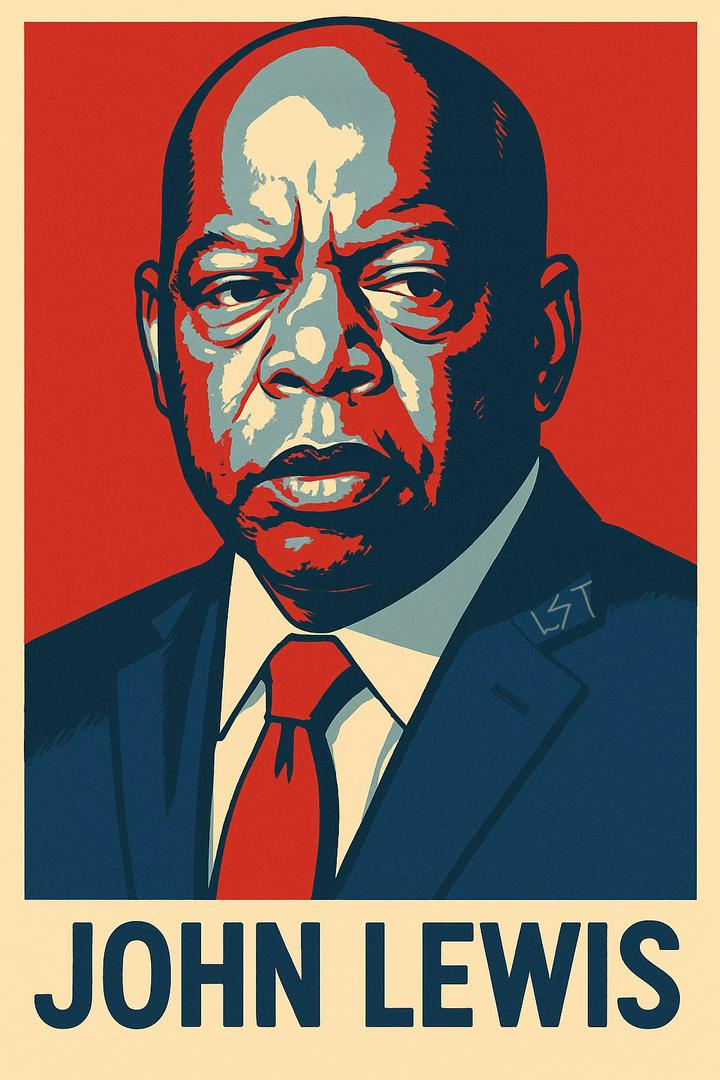
On November 17, 2010, President Barack Obama released the official list of recipients for the Presidential Medal of Freedom for that year. The announcement highlighted fifteen people whose lives shaped the moral, cultural, and historical direction of the country. Among those named were Maya Angelou, John Lewis, and Bill Russell. Each one represented a different pillar of American influence. Angelou brought truth and dignity through her writing. Lewis devoted his life to justice and nonviolent resistance, standing firm from Selma to Congress. Russell used his platform as an athlete and activist to challenge inequality while becoming one of the most decorated champions in sports history. The White House announcement recognized them as individuals who lived with purpose and courage. Their contributions helped shift the country toward a fuller understanding of leadership, creativity, and integrity. November 17 marked the moment when their impact was officially honored and placed on the national record. #MedalOfFreedom #PresidentObama #CivilRightsIcons #MayaAngelou #JohnLewis #BillRussell #BlackHistoryMoment #AmericanHistory #HistoricalRecognition #LegacyAndLeadership

President Obama Announces Medal of Freedom HonoreesPresident Obama Announces Medal of Freedom HonoreesPresident Obama Announces Medal of Freedom Honorees
LataraSpeaksTruth

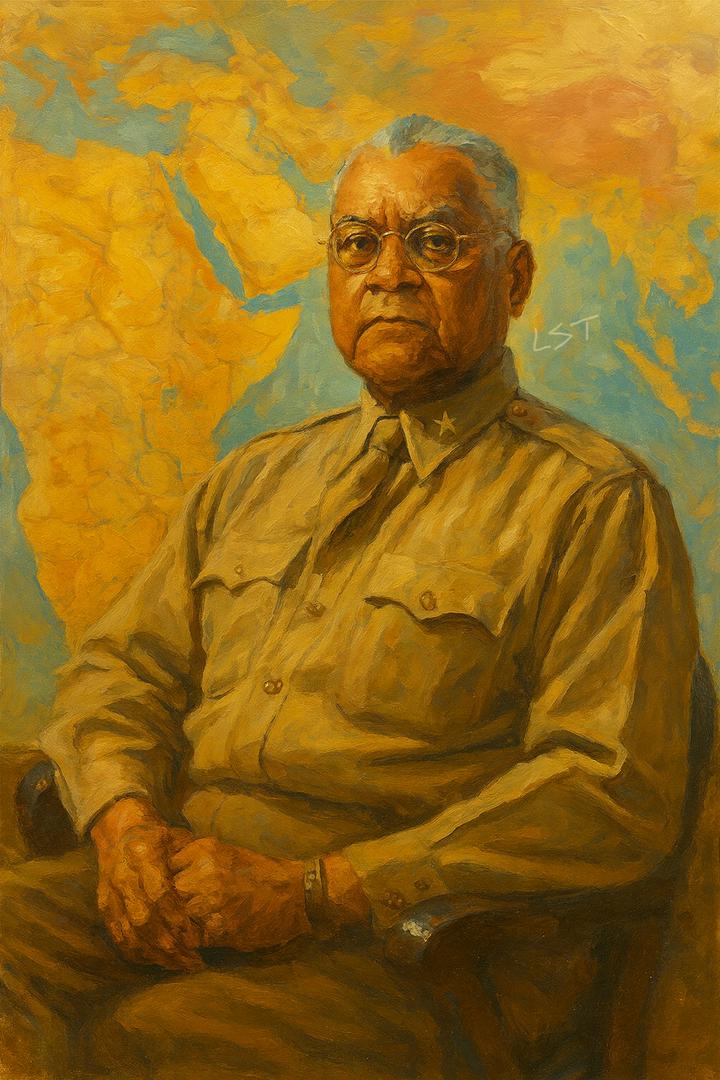
Benjamin O. Davis Sr. Dies in 1970

Benjamin O. Davis Sr. passed away on November 26, 1970. His death marked the end of a life that reshaped the presence and possibilities of Black leadership within the United States military. He was the first Black general in the history of the U.S. Army, a milestone he reached in 1940 after decades of service marked by discipline, resilience, and unshakable commitment. Davis entered the military at a time when segregation defined every level of service. Advancement for Black soldiers was blocked by unwritten rules and deeply rooted resistance. He moved through those barriers with a steady hand and a quiet, firm determination that reflected both the discipline of a career officer and the weight of representing an entire generation of soldiers who were denied equal opportunities. His leadership reached across World War I, World War II, and the era of military reform. Davis played a critical role in shaping programs for Black troops, improving conditions within segregated units, and advocating for equal treatment. His work helped lay the groundwork for the eventual desegregation of the armed forces in 1948. He is also remembered as the father of Benjamin O. Davis Jr., commander of the Tuskegee Airmen. The legacy of this family represents a rare and powerful throughline in American military history. Their combined contributions influenced policy, elevated expectations, and expanded the nation’s understanding of Black excellence in service. Benjamin O. Davis Sr.’s passing in 1970 closed a chapter, but his impact continues to shape the military today. His life stands as a historical benchmark, showing how one person’s resolve can open institutional doors that were once locked on purpose. #HistoryToday #OnThisDay #AmericanHistory #MilitaryHistory #USArmy #BlackMilitaryLeaders #BenjaminODavisSr #LataraSpeaksTruth
Benjamin O. Davis Sr. Dies in 1970
LataraSpeaksTruth

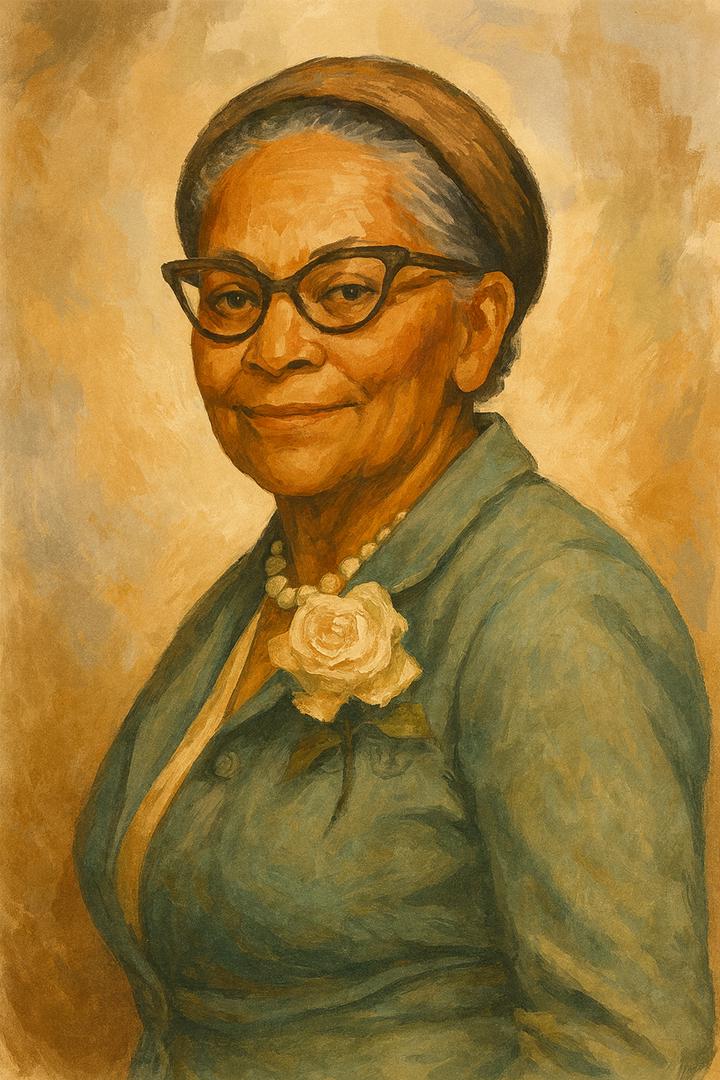
Mabel Keaton Staupers… The Nurse Who Changed Everything

Mabel Keaton Staupers spent her life fighting for doors that should’ve never been closed in the first place. Long before diversity statements and public-facing promises, she was challenging America to live up to its words. And she refused to settle. Born in Barbados and raised in Harlem, Staupers trained as a nurse at a time when Black nurses were pushed to the margins. Hospitals didn’t want them. The Army Nurse Corps didn’t want them. And the American Nurses Association wouldn’t even let them join. She looked at all of that… and started swinging. As executive secretary of the National Association of Colored Graduate Nurses, Staupers pushed the military to stop excluding Black nurses during World War II. She met with officials, wrote letters, built coalitions, and applied pressure until the excuses ran out. By 1945, the Army finally opened its doors. Thousands of Black nurses served because she refused to accept “no.” America changed because she did not back down. On November 29, 1989, Mabel Keaton Staupers passed away. But her impact didn’t. Every Black nurse walking into a hospital, a clinic, a military base, or a graduate program is standing on the foundation she built. She is one of the quiet architects of our history… and she deserves her name said out loud. #MabelKeatonStaupers #BlackHistory #NursingHistory #LataraSpeaksTruth #NewsBreakCommunity #UnsungHeroes #AmericanHistory #WomenWhoLed

Mabel Keaton Staupers… The Nurse Who Changed Everything
LataraSpeaksTruth

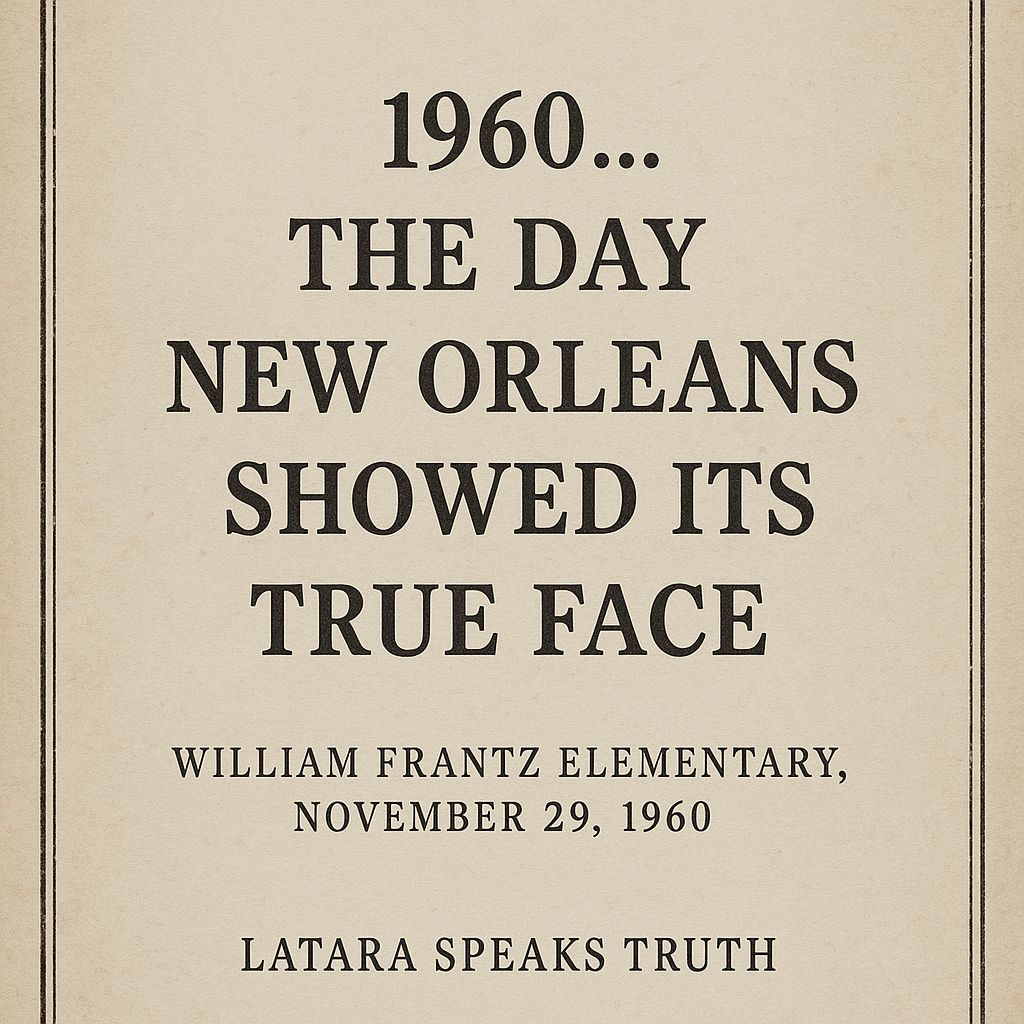
1960… The Day New Orleans Showed Its True Face

On November 29, 1960, the sidewalk outside William Frantz Elementary turned into a scene the country still can’t shake. White segregationist mothers lined the street, screaming as a little Black girl tried to walk into school. Through all that chaos, Daisy Gabrielle held her daughter Yolanda’s hand and kept moving. That walk was courage in real time… the kind that doesn’t wait for applause, just does what’s right. The footage from that day became part of America’s permanent record. Not the cleaned-up version… the real one, showing grown adults trying to block a child’s education because of her skin. And here’s the part people love to pretend they don’t hear… 1960 wasn’t ancient history. It wasn’t “way back then.” Many of the adults in that crowd lived long enough to watch the world pretend this never happened. Progress didn’t fall from the sky… somebody had to push it. #HistoryMatters #AmericanHistory #OnThisDay #NewOrleansHistory #EducationHistory #LataraSpeaksTruth

1960… The Day New Orleans Showed Its True Face
LataraSpeaksTruth

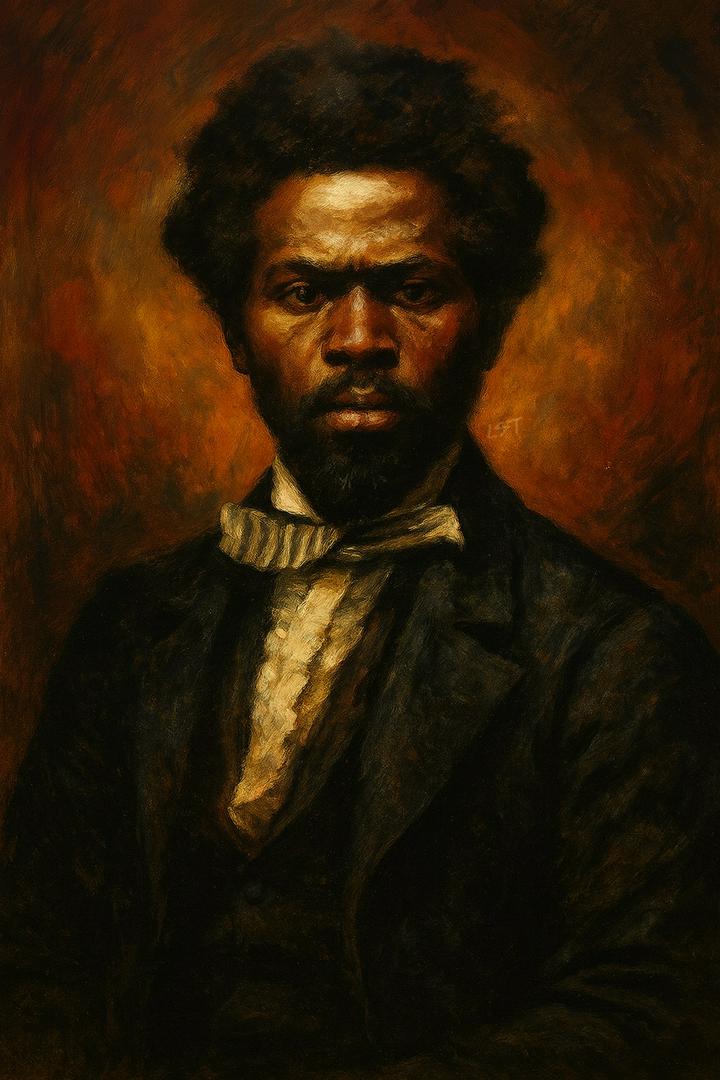
Robert Smalls and the Night He Took His Freedom Into His Own Hands

In 1862, Robert Smalls made a decision that changed everything. He was enslaved. He was forced to work on a Confederate warship. And he understood the risks better than anyone. One night, when the opportunity came, he took it. Smalls put on the captain’s coat, steered the ship away from Confederate control, and sailed it toward Union lines. He moved past multiple checkpoints by keeping his focus steady and his timing exact. He didn’t leave his family behind. He didn’t leave the others behind. He used that moment to free everyone he could reach. That part matters. It says a lot about who he was. Afterward, he continued to serve. He worked with the Union. He built businesses. He entered public office. He reshaped the future of his community. His story didn’t end with escape. It expanded. And this is the type of history that should be known widely. It’s not a myth. It’s documented. It’s powerful. And it deserves more space than it gets. #HistoryUncovered #AmericanHistory #HiddenChapters #LegacyAndTruth #LearnSomethingNew #LataraSpeaksTruth #TodayInHistory #RealStories

Robert Smalls and the Night He Took His Freedom Into His Own HandsRobert Smalls and the Night He Took His Freedom Into His Own Hands
LataraSpeaksTruth

The Wanderer… 1858

On November 28, 1858, one of the last known illegal slave ships to reach the United States secretly landed on Jekyll Island, Georgia. The vessel, called the Wanderer, arrived with more than 400 kidnapped men, women, and children from West and Central Africa… all smuggled in defiance of the federal ban on the transatlantic slave trade that had been in place since 1808. The Wanderer was originally built as a luxury yacht, but was converted into a human trafficking vessel financed by wealthy Southern men determined to profit from an illegal trade. Survivors were quickly dispersed across Georgia and the Deep South, sold into forced labor. Only a fraction of the captives lived long after arrival. Though federal officials investigated, no one was punished. The Wanderer became a symbol of how far traffickers were willing to go to protect their wealth… and how little accountability existed for crimes committed against Africans even after the trade was outlawed. #LataraSpeaksTruth #HistoryMatters #AmericanHistory #UntoldStories #JekyllIsland #Wanderer1858 #LearnThePast

The Wanderer… 1858
LataraSpeaksTruth

Richard Wright. A Voice America Tried Not To Hear

On November 28, 1960, writer Richard Wright passed away in Paris at the age of fifty two. The world lost a man who refused to soften the truth to make anyone comfortable. Wright’s novels Native Son and Black Boy pulled back the curtain on racism in America at a time when the country wanted to pretend it was evolving. His stories were sharp. Unfiltered. They exposed the violence and fear woven into everyday life for Black people in the early twentieth century. His work was uncomfortable on purpose. He wrote so no one could look away. By the time he died, Wright had become one of the most influential Black writers of his era. His words shaped generations of storytellers and helped redefine how Black life was represented in literature. He spent his final years in France seeking the freedom to write without scrutiny. Even overseas, he kept challenging the world with every page. Richard Wright left behind a legacy that still hits like truth spoken out loud at the wrong dinner table. Honest. Brave. Necessary. His voice did not fade. It simply became required reading for anyone trying to understand the American story. #LataraSpeaksTruth #RichardWright #HistoryMatters #AmericanHistory #BlackAuthors #NativeSon #BlackBoy #OnThisDay

Richard Wright. A Voice America Tried Not To Hear
LataraSpeaksTruth

1958… The Day Louisiana’s “Anti-Mixing” Sports Law Finally Fell

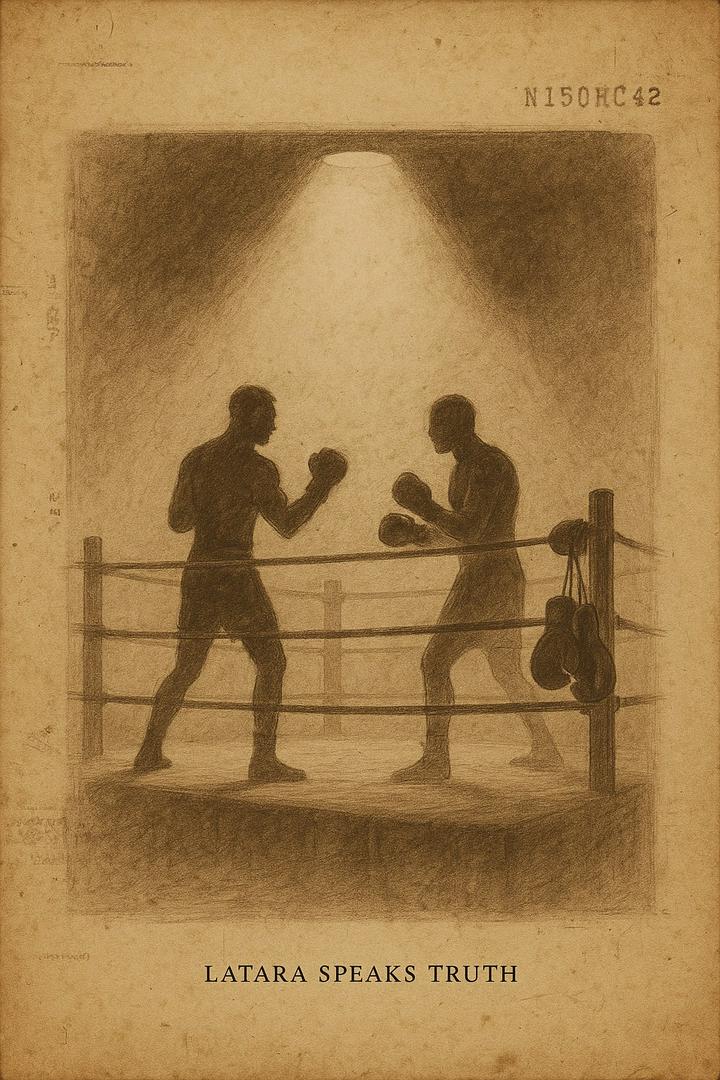
On November 28, 1958, a federal three-judge court ruled against Louisiana’s attempt to keep sports segregated forever. The case was called Dorsey v. State Athletic Commission, and it targeted the state’s “anti-mixing” law… a rule that tried to stop Black and white athletes from competing against each other. Louisiana used this law to block integrated boxing matches. Promoters were threatened with jail. Black fighters were refused licenses. White fighters were told to stay in their own lane. The whole thing was designed to protect the old order… and punish anyone who dared to break it. The court struck it down. They called it unconstitutional, discriminatory, and flat-out incompatible with the country’s direction. It was one of the quiet wins that chipped away at segregation’s foundation. Not loud. Not flashy. But necessary. This wasn’t just about sports. It was about the state trying to control who could stand toe-to-toe in public. And the court said no… not anymore. #LataraSpeaksTruth #HistoryMatters #AmericanHistory #HiddenHistory #UntoldStories #OnThisDay #CivilRightsEra

1958… The Day Louisiana’s “Anti-Mixing” Sports Law Finally Fell
LataraSpeaksTruth

On This Day: Monroe, North Carolina Draws National Attention in 1960

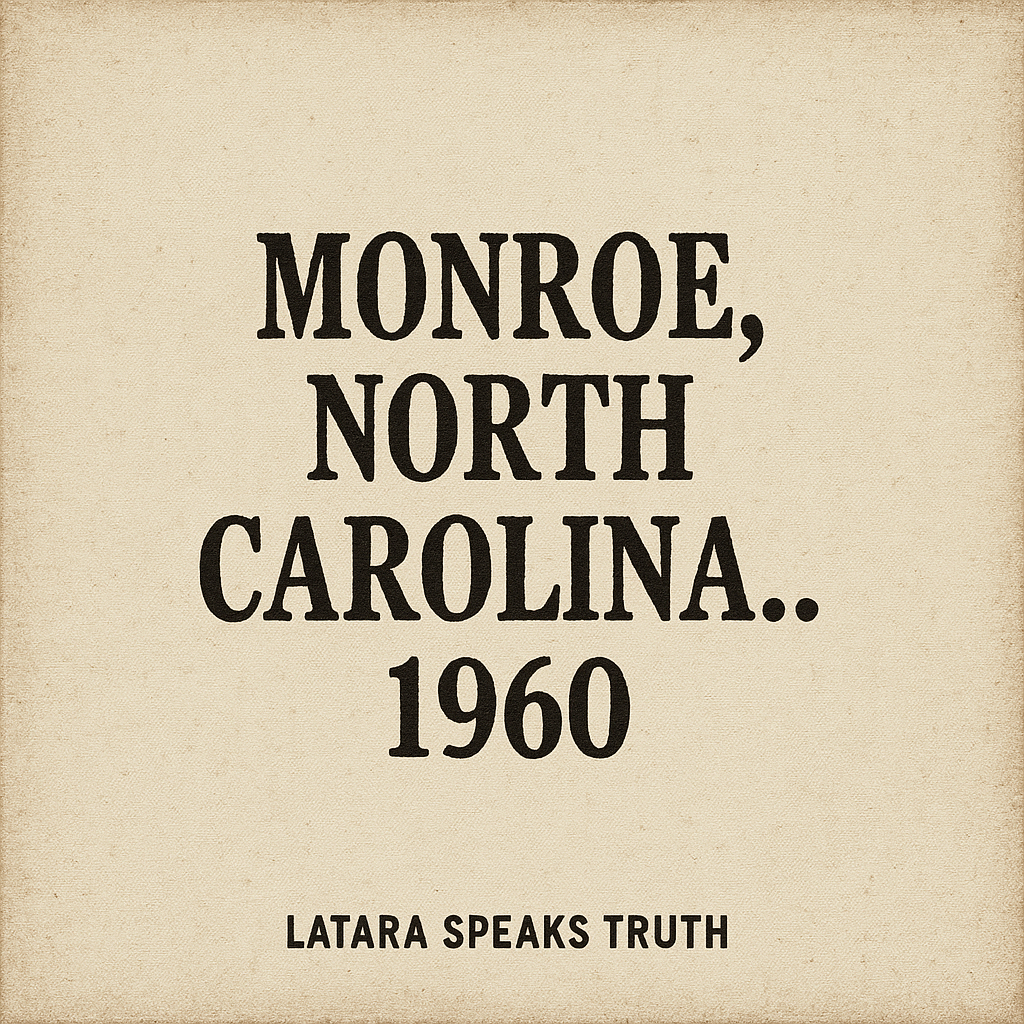
On November 26, 1960, The New York Times published a front-page report titled “Klan and Negroes March in North Carolina Town,” highlighting rising tensions in Monroe, North Carolina, during a pivotal moment in the early civil rights era. Throughout the 1950s, Monroe’s Black residents reported ongoing instances of unequal treatment and intimidation as they pressed for constitutional rights and improved public safety. Community leaders documented these concerns and increasingly organized local efforts calling for fair protection under the law. During this same period, the Ku Klux Klan expanded its presence in the region, holding public demonstrations and increasing its visibility around the town. These activities generated significant local unease and deepened divisions within the community. The march referenced in the Times article brought national visibility to these conflicting forces. Local Black residents mobilized to advocate for equal treatment and greater security, while members of the Klan held their own demonstration representing an opposing stance. The two groups appearing on the same day underscored how sharply divided the town had become. The decision by The New York Times to place this story on its front page had a major impact. It brought attention to conditions in Monroe that had previously received little national coverage, highlighting that civil rights struggles were taking place not only in major cities but also in smaller towns across the South. The headline did not signal the end of the conflict, but it marked a moment when wider audiences could no longer overlook what local residents had been raising concerns about for years. #OnThisDay #AmericanHistory #NorthCarolinaHistory #CivilRightsEra #1960sHistory

On This Day: Monroe, North Carolina Draws National Attention in 1960
Tag: americanhistory - Page 10 | LocalAll