Tag Page Usa

#Usa
1776 Patriot

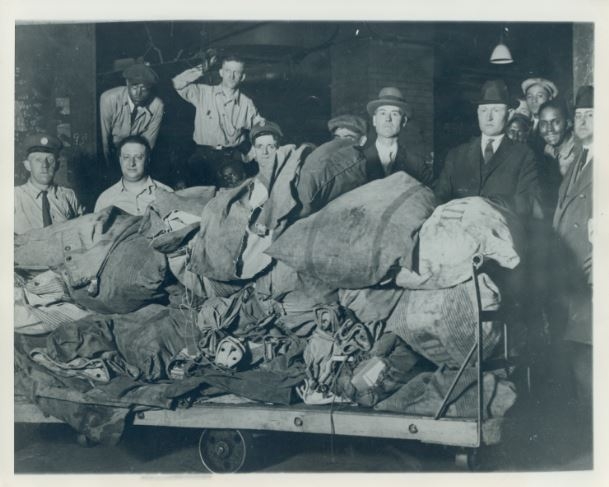
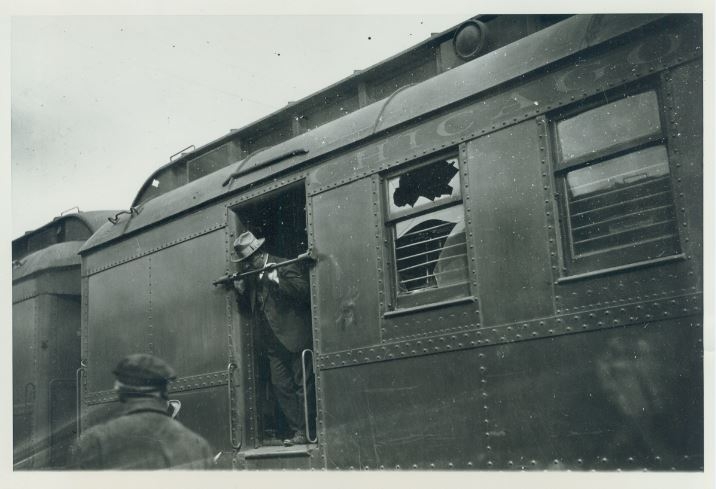
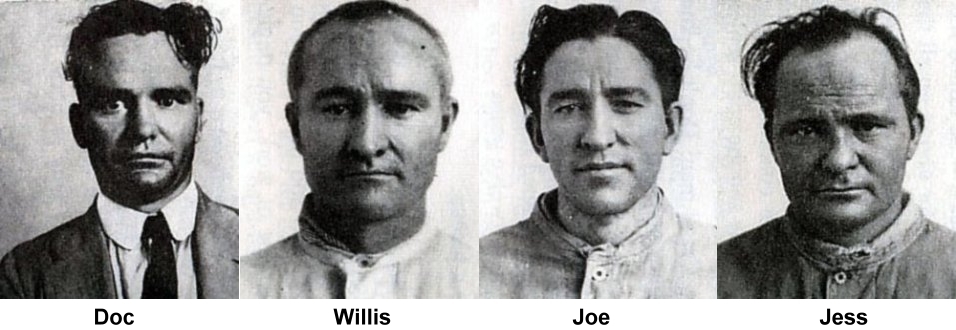
The 1924 Rondout Train Robbery: Largest Train Heist in American History The 1924 Rondout train robbery is the largest and most lucrative train heist in United States history. On June 12, 1924, a mail train operated by the Chicago Milwaukee St Paul and Pacific Railroad, called the Fast Mail, was stopped near Rondout Illinois, 30 miles north of Chicago. Six criminals carried out the robbery using inside knowledge from corrupt United States Postal Inspector William J Fahy, later convicted. Fahy knew train schedules, mail car layouts, and security procedures, enabling the robbery. The gang was led by brothers Willis, Jess, and Doc Newton of the Newton Gang. Willis and Doc boarded the northbound train leaving Chicago, forcing the engineer and fireman at gunpoint to stop near Rondout where four accomplices waited in automobiles. The robbers confronted crew and mail clerks using weapons and 12 tear gas smoke bombs to force compliance. They removed 45 mail sacks containing $2,137,000 in cash, money orders, securities, and valuables, equivalent to roughly $38,000,000 today. Each sack contained thousands of items including registered letters, small gold shipments, business payrolls, and government bonds. The gang had maps of train routes and schedules, allowing them to know exactly where to stop the train for the ambush. A critical error occurred when the engineer stopped 400 feet past the planned ambush point, causing confusion. During the chaos, Doc Newton was shot 5 times by a fellow conspirator and critically wounded. Doc fled to a Chicago residence, drawing suspicion. Authorities quickly identified three gang members and Fahy, revealing the inside job. Fahy received a 25-year federal prison sentence, the only Postal Inspector convicted of mail theft. Authorities recovered most stolen funds, but some items, including rare securities and cash, were never found. A simple bronze marker now marks the exact spot of America’s greatest train heist. #USHistory #History #USA

1776 Patriot

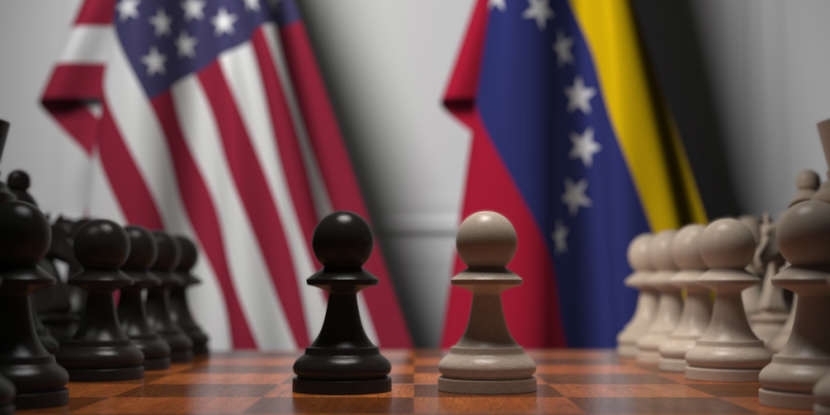
The Art and History of Military Posturing: Lessons for U.S. Strategy Near Venezuela Military posturing is both an art and a product of history. It relies on positioning forces, shaping perceptions, and altering an opponent’s calculations without committing to full conflict. During the Cold War, the United States placed 50 nuclear submarines and more than 200 strategic bombers within reach of the Soviet Union. In 1962, a blockade of 70 ships pushed Moscow to withdraw missiles from Cuba without firing. Studies show visible force posture reduced escalation in 40 percent of major standoffs, demonstrating how presence alone can shift decisions. History also shows that limited, precise strikes can reinforce credibility. In 1989, 20,000 U.S. troops surrounded Panama in hours. Rangers secured airfields while airborne units hit command centers and air defenses. Over 600 sorties supported the operation, isolating Manuel Noriega in less than 72 hours. Analysts note the rapid buildup created overwhelming psychological pressure and forced strategic collapse without prolonged fighting. Today, the art of posturing is focused on the Caribbean and northern South America. Intelligence reporting lists 30 naval vessels, 15 amphibious ships, and 60 aircraft engaged in monitoring and joint missions. Recent actions under Operation Southern Spear include more than 20 precision strikes against unauthorized maritime craft linked to illicit networks, along with the high-profile seizure of the tanker Skipper near Venezuela. These moves aim to disrupt revenue channels and enforce maritime control. Strategic positions near Curacao, Aruba, and eastern Caribbean passages allow rapid response. Studies indicate presence paired with selective action raises compliance by 65 percent and strengthens U.S. leverage in ongoing regional power struggles. #NavalPower #Venezuela #USDefense #America #USA #USHistory #History

Curiosity Corner

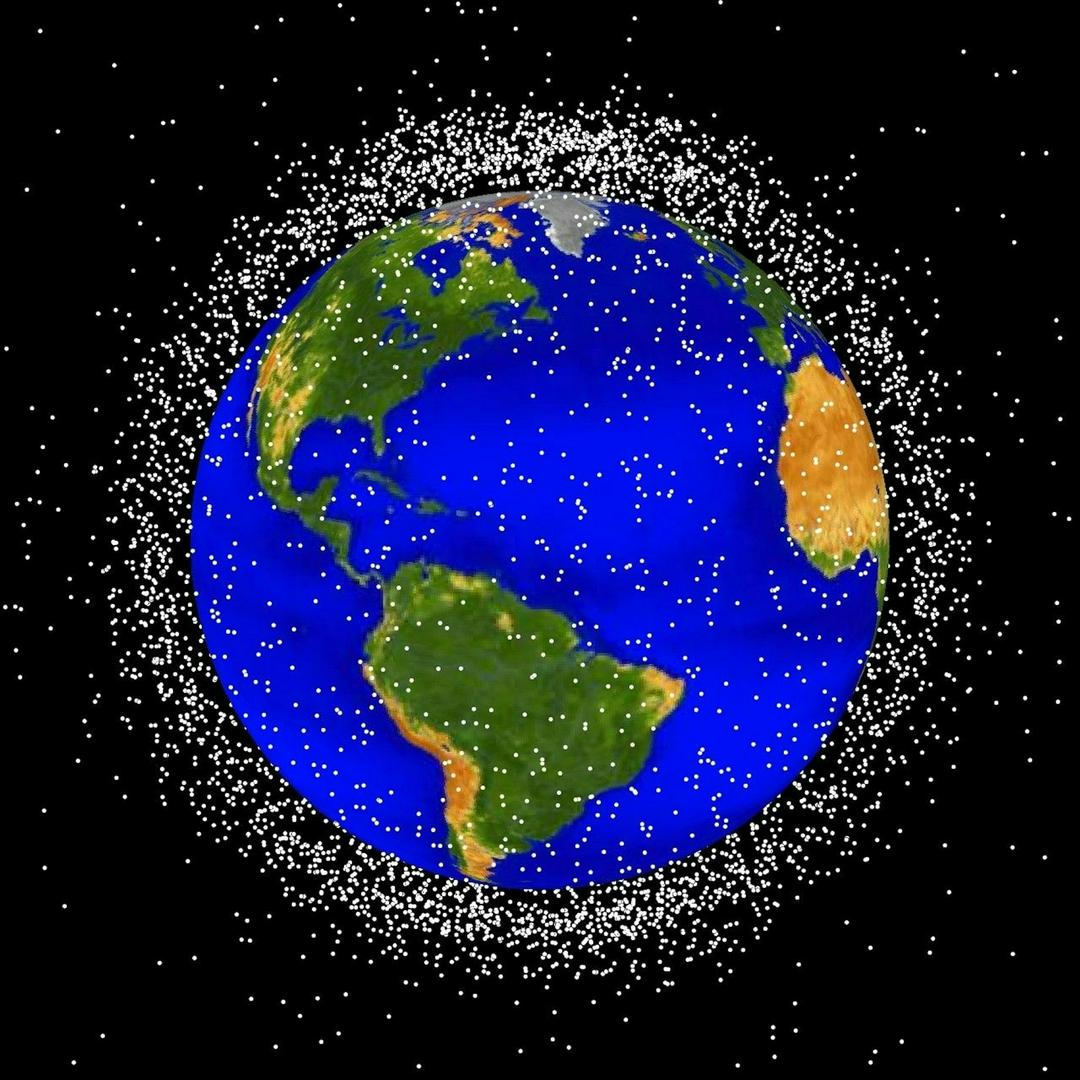
The Race to Remove Space Junk Earth’s orbit holds over 34,000 tracked pieces of space debris larger than 4 inches and millions of smaller fragments traveling up to 17,500 miles per hour. Even tiny shards can damage satellites or spacecraft. Over 10,000 satellites are planned for launch in the next decade, increasing collision risks and creating more debris in a cascade known as the Kessler Syndrome, where one collision triggers many more. One collision in 2009 between satellites from the US and Russia generated more than 2,000 trackable fragments, some still threatening active satellites. Low Earth orbit contains over 1,100 tons of debris. More than 500,000 pieces are between 1 and 4 inches, and over 100 million pieces are smaller than 1 inch, all moving fast enough to damage satellites. Innovative solutions are being tested. Japan’s space agency used an electrodynamic tether to slow debris, causing it to reenter the atmosphere safely. Private companies are developing robotic arms, nets and harpoons to capture derelict satellites. Ground-based lasers can nudge small debris into decaying orbits. Removing 5 to 10 large objects annually could stabilize low Earth orbit. In 2022, the European Space Agency tracked more than 36,500 objects and warned collisions could increase exponentially without intervention. Satellite operators performed over 40,000 collision avoidance maneuvers globally in the last five years. Prevention is critical. Satellites must be deorbited within 25 years, and new designs focus on reusability and easier deorbiting. International cooperation is growing, with agencies sharing tracking data and developing guidelines to minimize debris. With over 3,000 satellites at risk of collision each year, solving space junk is a global operational and strategic challenge essential for maintaining access to orbit for science, security, and commerce. #Space #Science #SpaceJunk #USA #SpaceTech #SatelliteTech