Tag Page USHistory

#USHistory
LataraSpeaksTruth

In July 1917, violence erupted in East St. Louis after months of rising racial tension fueled by labor competition, housing pressure, and inflammatory propaganda. During a labor strike, Black workers were hired by local industries, a move white labor leaders and newspapers framed not as employment, but as invasion. That framing mattered. It lit the match. On July 2, white mobs flooded Black neighborhoods. Homes were set on fire. Families were chased into the streets. People attempting to flee were shot, beaten, or forced back into burning buildings. Some tried to escape across bridges or hide in rail yards. Many did not make it. While estimates vary, historians agree that dozens were killed, hundreds were injured, and thousands were left homeless in a single day. Accountability never followed. Few arrests were made. Even fewer convictions occurred. Property losses went largely uncompensated. Officials minimized the violence, and survivors were expected to rebuild without justice. The message was clear, even if it was never written down. The massacre did not occur in isolation. It unfolded during the Great Migration, when Black families moved north seeking work and safety, only to face organized resistance once they arrived. East St. Louis became a warning. Opportunity was conditional. Safety was not guaranteed. That same month, thousands marched silently through New York City in the Silent Protest Parade, dressed in white and refusing to shout. Their quiet said what the country would not. This was not a riot. It was an attack. And it followed a pattern. Remembering East St. Louis is not about reopening wounds. It is about naming what happened so it does not disappear behind softer language. History becomes slippery when discomfort decides what is remembered. #EastStLouis #1917 #AmericanHistory #LaborHistory #GreatMigration #HistoricalMemory #UntoldHistory #USHistory

1776 Patriot

Civil War Medicine at Gettysburg

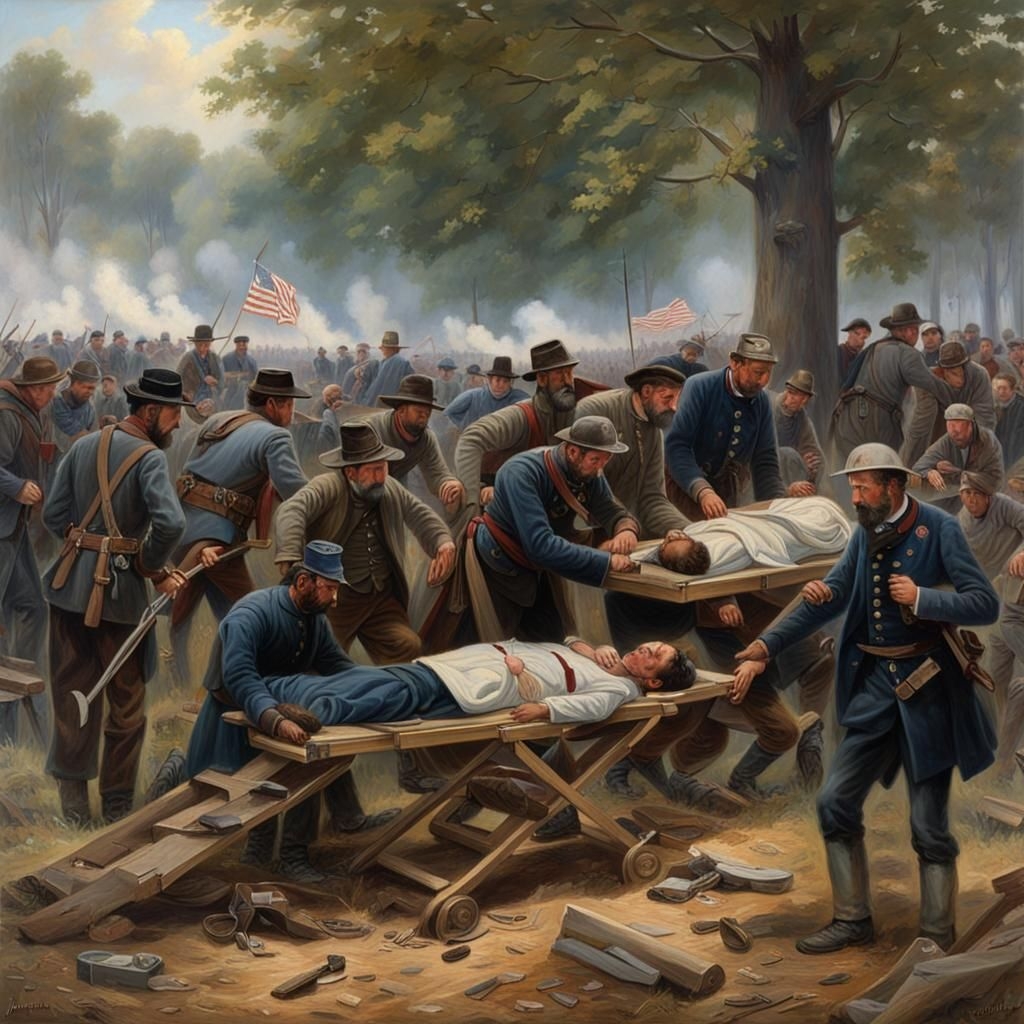
The Battle of Gettysburg in July 1863 was the bloodiest clash of the American Civil War, with more than 51,000 casualties in just three days. For the thousands who survived their wounds, a new ordeal began. Not on the battlefield, but in barns, churches, homes, and fields converted overnight into emergency hospitals. Medicine in the Civil War was harsh and often deadly. Doctors knew little about infection or germs. Surgeons worked with bloodstained tools and unwashed hands, moving from patient to patient. Disease and sepsis claimed as many lives as bullets. Amputation became the most common procedure, performed quickly to save men from gangrene. Outside many hospitals, piles of severed limbs grew, grim reminders of the cost of survival. Yet not all was primitive. Contrary to popular belief, anesthesia, usually chloroform or ether, was widely used, sparing soldiers the agony of conscious surgery. Ambulance corps, organized for the first time, helped move the wounded from battlefield to hospital more efficiently, though many still waited hours, even days, before aid reached them. Nurses and volunteers, including civilians from Gettysburg, played an essential role. They dressed wounds, carried water, and gave comfort to men far from home. Aid groups like the U.S. Sanitary Commission supplied bandages, food, and medicine when the army’s stores fell short. The suffering at Gettysburg revealed both the limits and the progress of Civil War medicine. Out of necessity came important innovations: systems of triage, better methods of evacuation, and a growing recognition that cleanliness and order mattered. While many soldiers carried scars and disabilities for life, their ordeal helped lay the foundation for modern battlefield care. Gettysburg’s story is not only about strategy and generals, but also about the silent war fought in crowded hospitals, where courage meant holding still under a surgeon’s knife and where survival often depended on a nurse’s hand. #USHistory

Civil War Medicine at Gettysburg
1776 Patriot

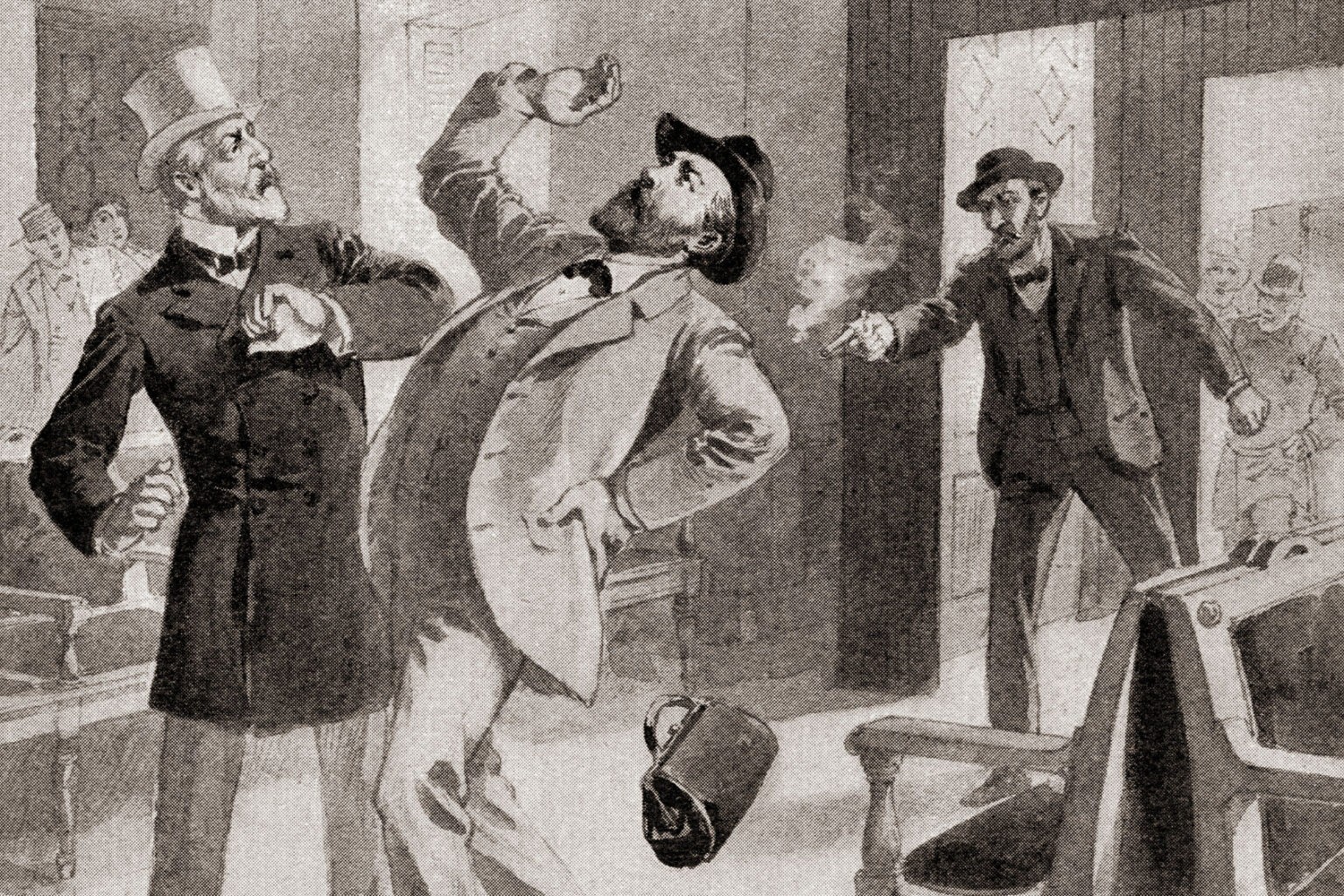
Chaos and Infection: The Assassination of President Garfield On July 2, 1881, shortly after 9:30 a.m., President James Garfield, the 20th president of the United States, was shot at Washington’s Baltimore and Potomac Railroad Station by Charles Julius Guiteau, a mentally unstable lawyer seeking political reward. Garfield, traveling with Secretary of State James Blaine, had no Secret Service protection. Like Lincoln in 1865, Garfield was vulnerable. Guiteau, who studied the station for days, carried a .442 caliber British Bulldog revolver and fired twice. The first bullet shattered Garfield’s right humerus. The second lodged in his back near the pancreas and kidneys, passing within millimeters of the aorta. Chaos erupted as travelers screamed, trunks toppled, and dozens froze. Blaine knelt beside Garfield. Guiteau shouted, “I did it! I just shot the president. I had to save the Republican Party!” Doctors led by D. Willard Bliss repeatedly probed Garfield’s wounds with unsterilized fingers and instruments during the first weeks. Bliss said, “I can find it with my finger if it is anywhere to be found,” spreading infection that caused abscesses and sepsis. Alexander Graham Bell tried to locate the bullet with a metal detector, but bed springs distorted results. Garfield endured 80 days of fever, abscesses, and severe weight loss, reportedly saying, “I never expected to live to see the end of this.” Newspapers reported daily, and tens of thousands followed updates nationwide. Garfield died September 19, 1881, 79 days after being shot. Vice President Chester Arthur assumed office. Guiteau was tried, convicted, and hanged June 30, 1882. The assassination exposed presidential security weaknesses and prompted the Pendleton Act of 1883, establishing merit-based federal employment. Repeated probing of Garfield’s wounds caused infection, contributing to the 30–40% mortality for major bullet injuries, turning a survivable wound fatal. #History #USHistory #America #USA

LataraSpeaksTruth

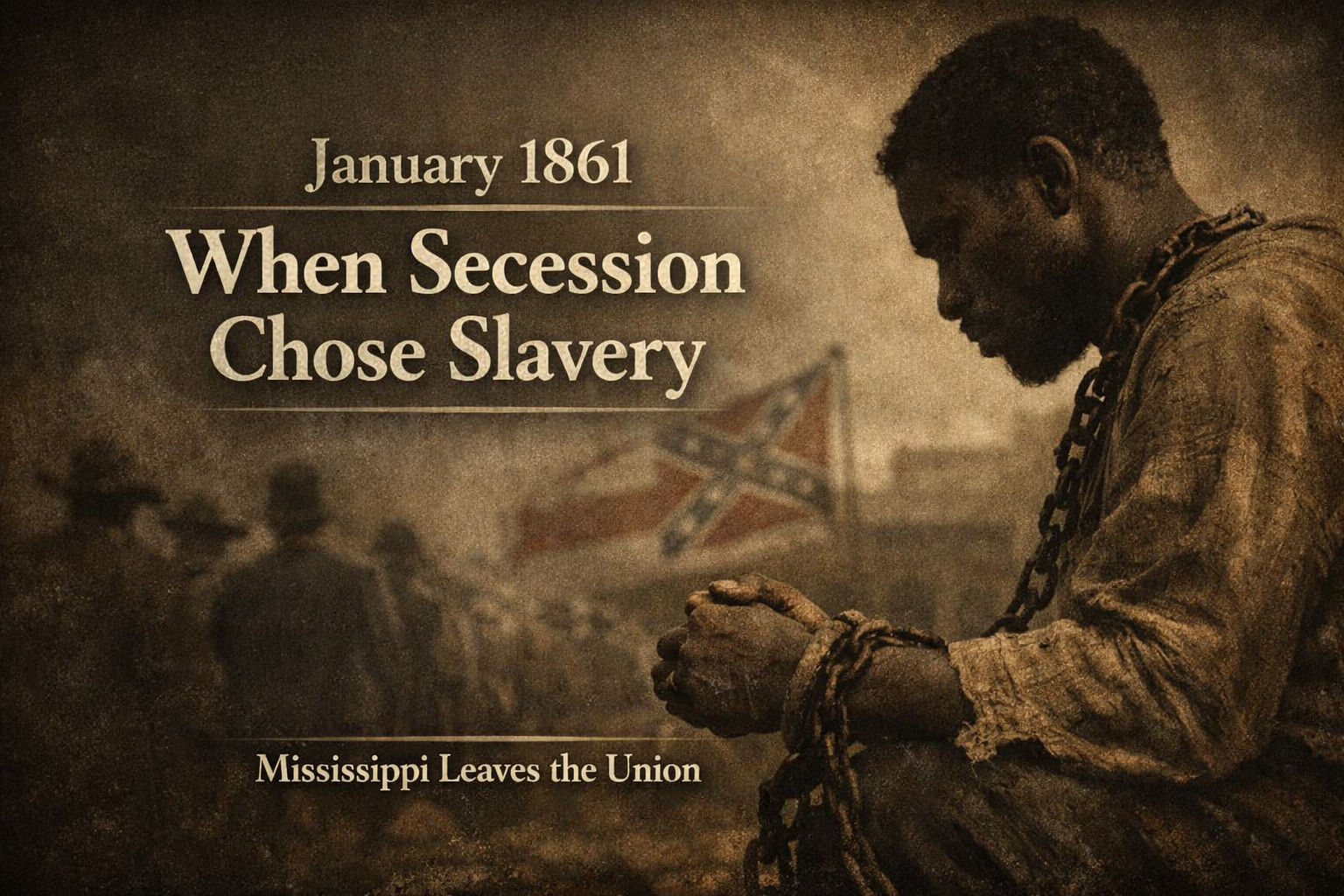
On January 9, 1861, Mississippi formally voted to secede from the United States, becoming the second state to leave the Union in the tense months leading up to the Civil War. This decision was not abstract politics or distant ideology. It was a direct declaration that slavery would be protected, expanded, and defended at all costs. For enslaved Black people across Mississippi and the broader Deep South, secession carried immediate meaning. It signaled that those in power were willing to fracture the nation rather than consider any future without human bondage. Families already living under brutal conditions understood that this choice hardened their reality and closed off any remaining hope that change might come without conflict. Mississippi’s leaders were explicit about their reasoning. In its secession declaration, the state named slavery as the central cause, tying its economy, social order, and political identity to the continued ownership of Black lives. This clarity matters, because it removes any doubt about what was being defended and who was being sacrificed. As the nation moved closer to war, decisions made in early 1861 reshaped the paths of millions. Enslaved people would later escape behind Union lines, resist through sabotage and survival, or enlist in the United States Colored Troops once allowed. These acts of courage were not spontaneous. They were responses to years of tightening control and to moments like Mississippi’s secession, when the stakes became unmistakably clear. January 9, 1861 stands as a reminder that the Civil War did not begin in confusion. It began with choices. And for Black Americans, those choices made by others turned the fight for freedom into a matter of survival, resistance, and eventual transformation through war. #AmericanHistory #CivilWarEra #MississippiHistory #DeepSouth #USHistory #HistoricalRecord #FreedomStruggles #SlaveryHistory

Abraham Lincoln

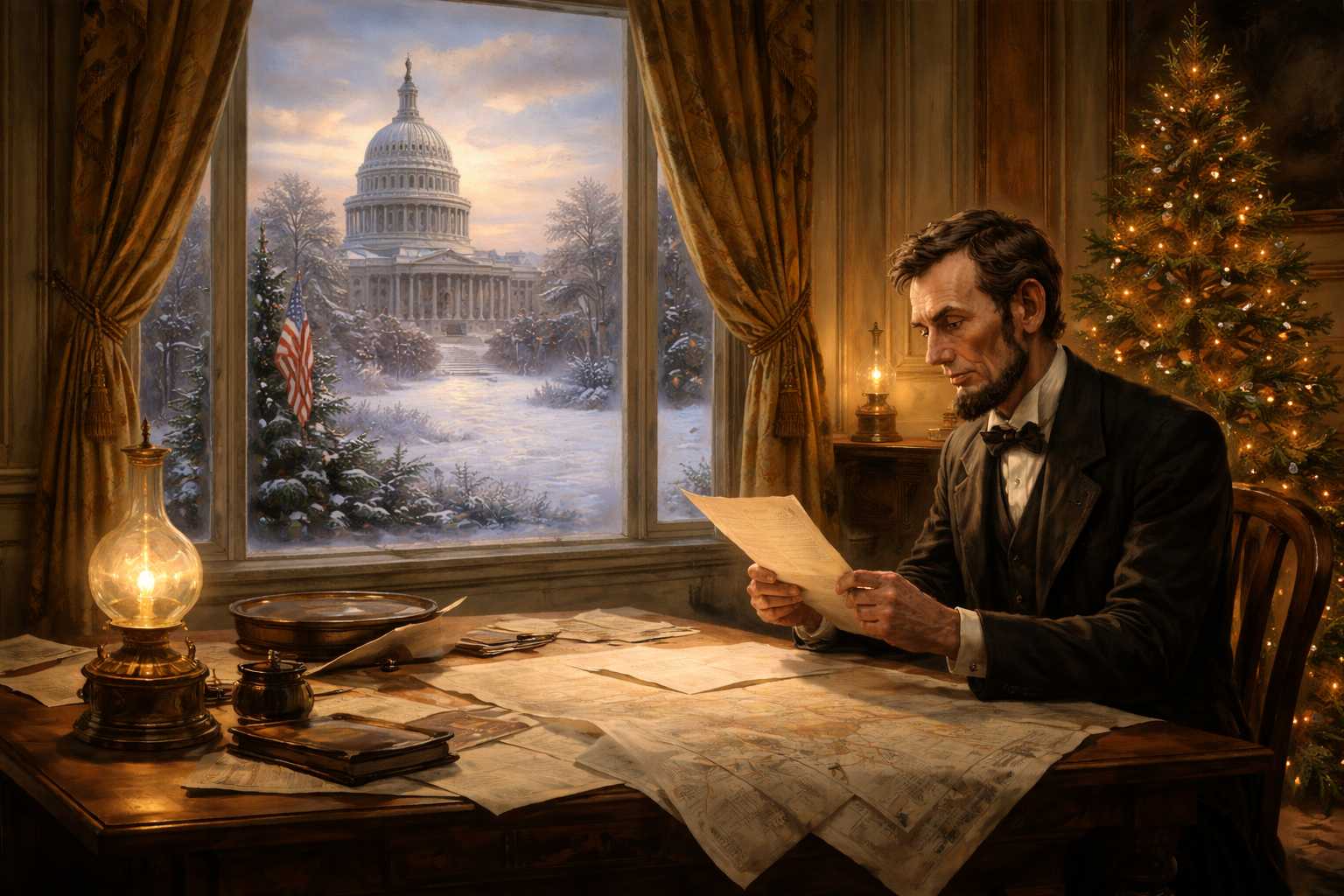
I Have Received Sherman’s Christmas Gift of Savannah, Georgia In December of 1864, I have witnessed our nation wearied by four years of civil strife, our cities scarred, our families divided, and more than 620,000 of our brave soldiers killed or wounded. Amid this hardship, I received a telegram from General William Tecumseh Sherman, reporting the capture of Savannah, Georgia, following his arduous March to the Sea. He writes: “I beg to present you, as a Christmas gift, the city of Savannah, with 150 heavy guns and plenty of ammunition, and also about 25,000 bales of cotton.” It is a gift wrought not in festivity but in labor, strategy, and courage, a symbol of progress toward preserving the Union. I responded on December 26, expressing both gratitude and recognition: “Many, many thanks for your Christmas gift — the capture of Savannah… the honor is all yours. Please make my grateful acknowledgments to your whole army, officers and men.” In these words, I sought to honor the shared sacrifice and steadfast devotion of soldiers who endured hardships beyond measure to bring the war closer to its conclusion. By this time, I have seen Sherman's campaign cut a path through Georgia nearly three hundred miles long, severing Confederate supply lines and weakening the morale of their forces. The capture of Savannah provides me with the knowledge that the Union now holds a crucial port and immense stores of material that will support further operations. I recognize that this demonstrates the effectiveness of total war as a strategy and signals to our nation and to the world that our cause, though costly, advances steadily toward restoration. At a time when I have felt the nation teeter between despair and renewal, Sherman's Christmas gift is not merely a military triumph but a symbol of perseverance, a testament to the resilience of our people, and a reflection that even in the darkest hours, the work of preserving our Union endures. #Savannah #CivilWar #Lincoln #USHistory

LataraSpeaksTruth

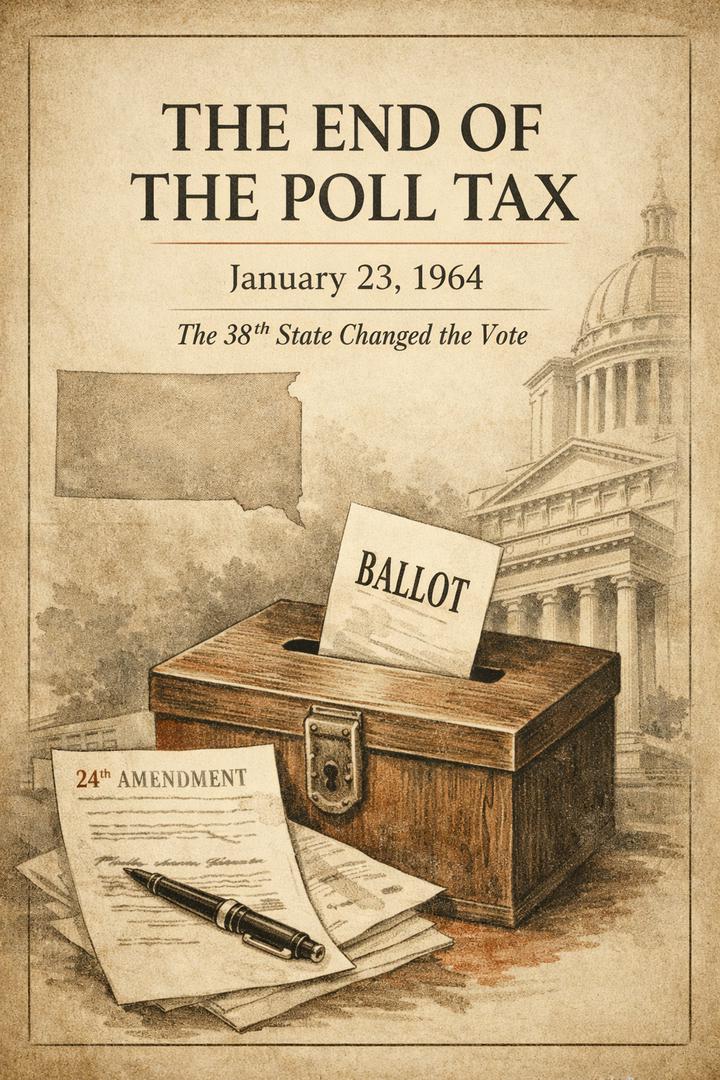
On January 23, 1964, a quiet legislative vote in South Dakota echoed across the entire United States. By becoming the 38th state to ratify the 24th Amendment, South Dakota provided the final “yes” needed to cement a fundamental change in American democracy…the official end of the poll tax in federal elections. For decades, the poll tax had operated as a so-called legal barrier to the ballot box. Framed as a simple administrative fee, it was anything but neutral in practice. In many Southern states, voters were required to pay not only the current tax but accumulated fees for every year they had not voted. This system disproportionately blocked Black Americans and poor white citizens from participating in elections. Combined with literacy tests, intimidation, and economic retaliation, the poll tax ensured political power remained tightly controlled. The road to the 24th Amendment was long and deliberate. Proposed by Congress in 1962, it required approval from three-fourths of the states. As 1964 began, the nation watched the count inch closer to the threshold. When South Dakota’s legislature ratified the amendment on January 23, it crossed the constitutional finish line, making the amendment law. The amendment marked a major victory for voting access by declaring that the right to vote in federal elections could not be conditioned on payment. Still, the work was unfinished. Some states continued to impose poll taxes in state and local elections until the Supreme Court struck them down entirely in 1966. Today, the anniversary of South Dakota’s ratification stands as a reminder that voting rights have never been freely handed over. They have been argued for, organized for, and fought for…often quietly, often against resistance, but always with lasting impact. #OnThisDay #USHIstory #VotingRights #Democracy #24thAmendment #CivilRightsHistory #SouthDakota #HistoryMatters

Curiosity Corner

Poisoned or Natural Death? The Stanley Meyer Case and the Car That Could Run on Water Stanley Meyer was an American inventor who claimed to have developed a car that could run on water using a hydrogen based system. He said his technology split water into hydrogen and oxygen on demand to fuel a car without gasoline. Meyer often stated, “I want to give the world a clean energy source that cannot be controlled.” His invention drew global attention, skepticism, and legal scrutiny before his sudden death in 1998. Meyer collapsed while eating at a restaurant in Grove City, Ohio, during a meeting with European investors who were interested in funding and developing his water fuel technology. Witnesses claimed he said, “They poisoned me,” sparking speculation that energy interests or other powerful groups wanted to suppress his invention. However, no verified evidence of poisoning exists. The official cause of death was a cerebral aneurysm, a sudden rupture of a blood vessel in the brain. Medical experts note aneurysms can happen without warning and may resemble poisoning in their suddenness. No toxicology reports showed poison, and no homicide investigation followed. Legally and medically, his death was ruled natural. Some critics question whether the government could have influenced legal or medical findings to prevent public knowledge of Meyer’s technology, citing the Invention Secrecy Act, which allows suppression of sensitive inventions. While there is no proof, the law demonstrates that inventions with potential national impact can be legally restricted, keeping them hidden for decades. Meyer’s story sits at the crossroads of bold claims, secrecy, and sudden death. Was this simply a tragic medical event, or could powerful forces have deliberately kept a revolutionary invention hidden from the world? #Science #Physics #USA #History #USHistory #America #Physics

1776 Patriot

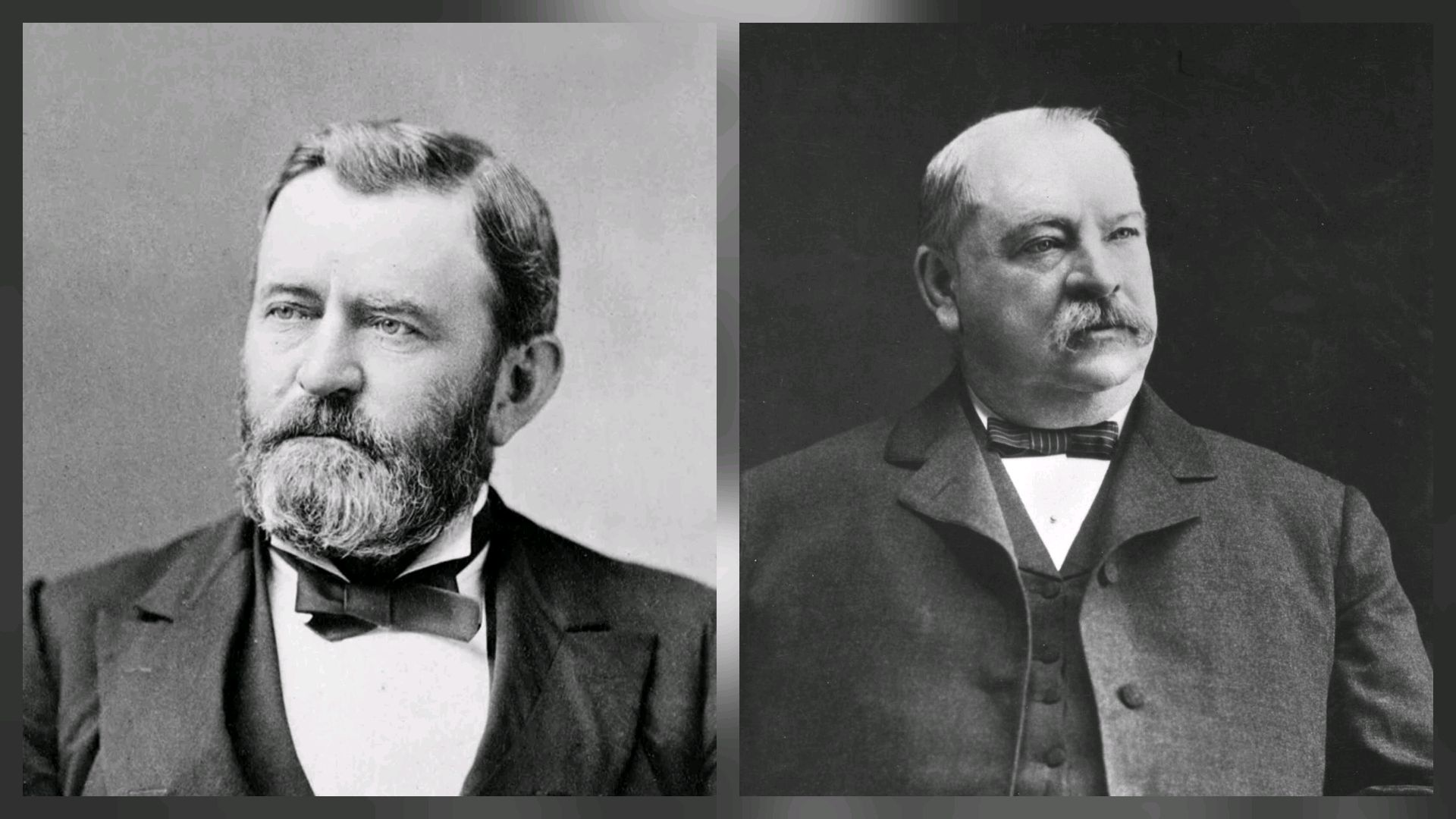
The Two Largest House Losses in Midterm History Midterm elections are held every 4 years in the middle of a president’s term an determins: all 435 House of seats, 1/3rd of the Senate, and gives voters a chance to reshape Congress. Presidents typically lose, 28 House seats on average, but some elections produced historic swings that reshaped American politics and policy. The 1874 midterms were one of the most severe defeats of the 19th century. President Ulysses S. Grant’s Republicans lost 93 of 195 House seats, about 36% of their seats. The Panic of 1873, a severe economic depression, combined with corruption scandals in Grant’s administration, fueled public anger. Voters across the South and industrial North abandoned the Republican Party, giving Democrats control of the House for the first time since the Civil War. Turnout was strong, economic hardship dissatisfaction motivated voters. Two decades later, the 1894 midterms produced the largest House seat loss in U.S. history. Under President Grover Cleveland, Democrats lost 127 of 225 House seats, about 56% of their seats. All 225 seats were contested, and the Panic of 1893 triggered one of the worst depressions of the century, leaving farmers, laborers, and urban workers across the Midwest and Northeast frustrated with Cleveland’s response. Republicans swept the House, marking a historic realignment. Turnout reached roughly 70% in key districts, and economic crises mobilized voters to reshape priorities almost overnight. In these two elections economic conditions, perceptions of presidential leadership, and voter engagement produced sweeping shifts in the House. In both 1874 and 1894, the opposition capitalized on dissatisfaction economic uncertainty and dramatically altered power, forcing the president’s party to reassess strategy. The elections under Grant and Cleveland remain the most consequential House losses in American history. #Politics #ElectionInsights #History #USA #USHistory #America #News

LataraSpeaksTruth

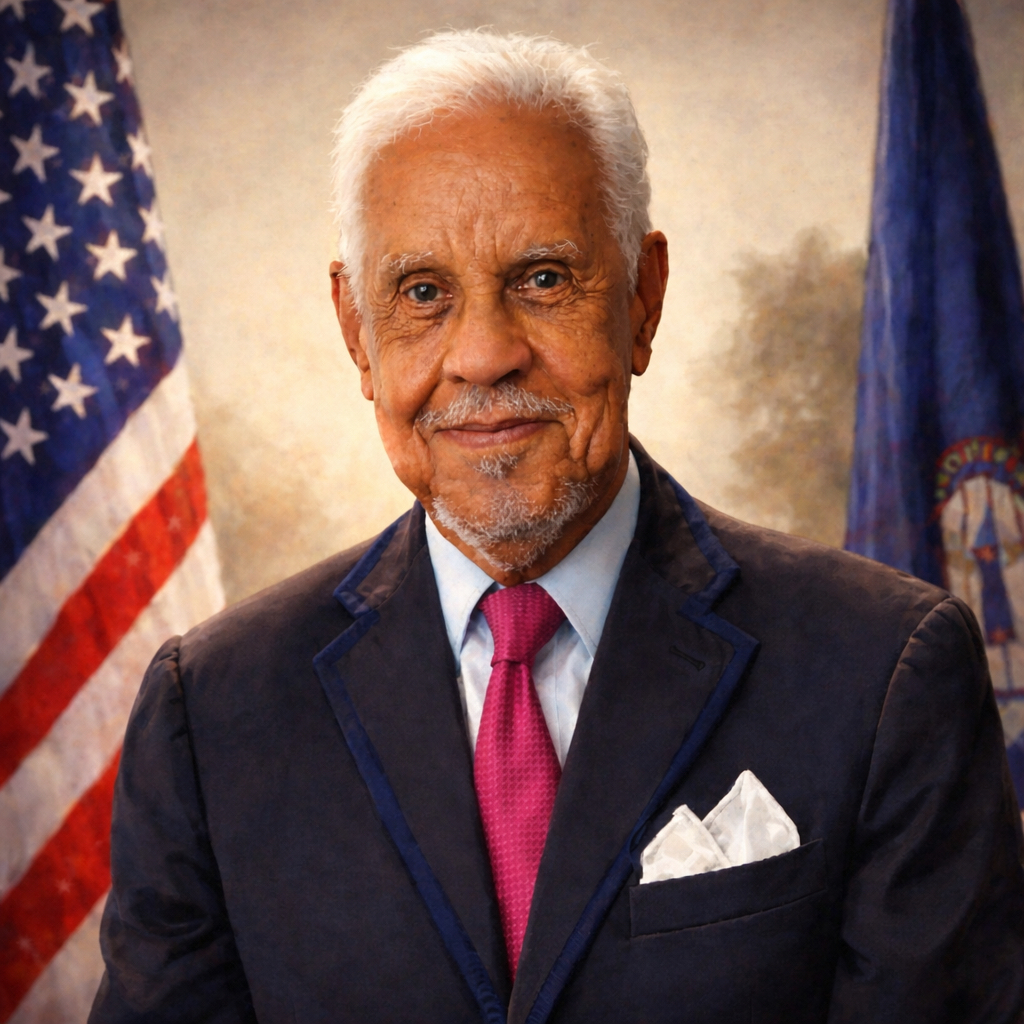
On January 13, 1990, L. Douglas Wilder was sworn in as governor of Virginia, becoming the first African American ever elected governor of any U.S. state. That moment did not arrive wrapped in celebration alone. It arrived heavy with history, expectation, and the quiet understanding that something permanent had just shifted. Virginia was not a neutral stage. It was a former capital of the Confederacy, a state shaped by laws and customs designed to keep power narrowly held. Wilder did not inherit that history. He confronted it directly by winning. No appointment. No workaround. Just votes, counted and certified, placing him in an office that had never before been occupied by someone who looked like him. The significance of that day stretched far beyond Richmond. Wilder’s inauguration challenged a long-standing assumption about who could govern at the highest levels of state power. It forced institutions to reconcile with the fact that progress was no longer theoretical. It was sworn in, standing at the podium, ready to lead. Being first came with scrutiny. Every decision carried symbolic weight. Every misstep risked being treated as confirmation rather than context. Yet Wilder governed with precision and restraint, focusing on fiscal responsibility, education, and public safety, refusing to perform history instead of making it. January 13, 1990 stands as a reminder that progress does not always arrive loudly. Sometimes it arrives formally, constitutionally, and undeniably. A door once closed did not creak open. It swung, and it stayed that way. #OnThisDay #January13 #USHistory #PoliticalHistory #VirginiaHistory #HistoricFirst #AmericanLeadership #BlackExcellence #HistoryMatters

1776 Patriot

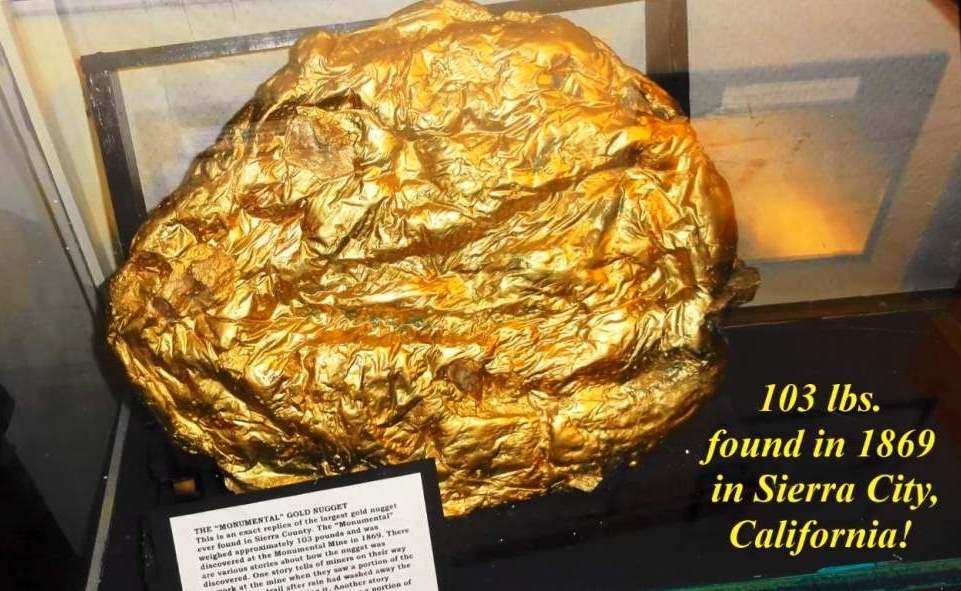
The Monumental Nugget: America’s Largest Gold Nugget In the high reaches of the Sierra Nevada, where rivers carve steep valleys and the land still carries the memory of the Gold Rush, one discovery outshone all others. This was the Monumental Nugget, nicknamed “The Sierra Buttes Treasure,” unearthed in 1869 near Sierra City, California. The nugget weighed an astounding 103 pounds in raw form and contained about 82 pounds of pure gold. To visualize it, the nugget was heavier than an average eight-year-old child and larger than most bowling balls. The crew that discovered it had been working a claim with only modest returns. While clearing old gravel, one miner struck something unusually heavy. As they uncovered it, they realized the nugget was so large they needed several men to lift it. News spread rapidly, and miners from surrounding camps trekked miles to see the historic find. Local towns celebrated for days, and merchants saw a sudden rush of curious visitors eager to glimpse the treasure. Large gold nuggets are exceedingly rare because gold generally forms in thin veins. Natural erosion, pressure, and chemical changes break larger masses into smaller flakes over time. Experts estimate that fewer than one in many millions of nuggets exceeds twenty pounds. By comparison, the Dogtown Nugget at 54 pounds and the Carson Nugget at 45 pounds were enormous but still far smaller than the Monumental Nugget. Most modern prospectors recover only small pieces weighing ounces, making finds like this almost legendary. The Monumental Nugget was eventually melted down for its gold value, a fate common to historic nuggets. Even without the original piece, its story endures as a testament to the extraordinary surprises that once lay hidden in the American frontier and the enduring allure of striking it rich. #GoldRush #FoundTreasure #America #USA #History #USHistory #Science

Tag: USHistory - Page 5 | LocalAll