Tag Page PhiladelphiaHistory

#PhiladelphiaHistory
LataraSpeaksTruth

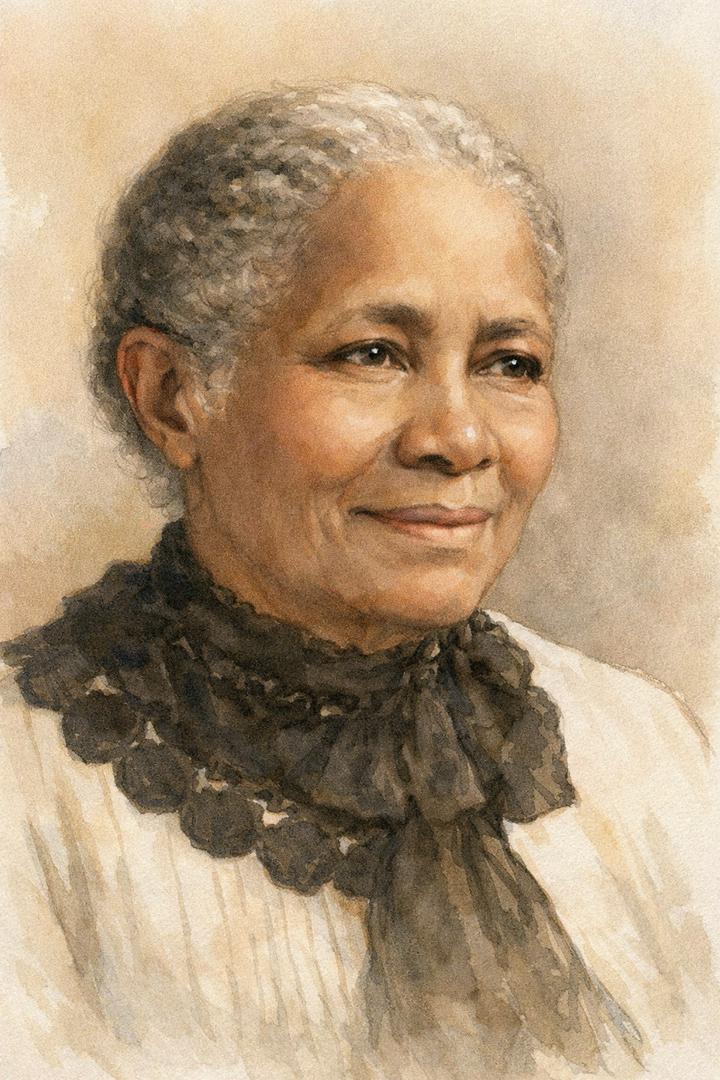
February 22, 1911…In Philadelphia, Frances Ellen Watkins Harper’s earthly voice went quiet, but her words stayed loud. She was an abolitionist, poet, public speaker, and reformer who used language like a torch in a windstorm…steady, bright, and impossible to ignore. Born free in Baltimore in 1825, she still lived under a country that tried to limit what a Black woman could learn, say, and become. She refused that script. She taught, wrote, and stepped onto stages where people expected silence from her and got truth instead. Harper understood freedom was not just a moment, it was a life. If people could not read, could not learn, could not protect their families, then “freedom” was just a fancy word with no weight behind it. So she pushed education, dignity, and real change, even when it was unpopular, unsafe, or both. Her writing carried the same spine. She wrote poems that mourned slavery without softening it, and stories that insisted Black people were fully human, fully worthy, fully meant to rise. Later, she published work that challenged the nation to face what it had done and what it still refused to fix. She also helped build community power, especially among women, when the culture tried to keep them in the background. She believed faith and conscience had to show up in public life, not just in private feelings. Moral courage, to her, was action…not vibes. So today is not just a date. It is a reminder that some people told the truth before it was trendy, and they kept telling it when it cost them. Frances Ellen Watkins Harper did not wait for permission to matter. #FrancesEllenWatkinsHarper #OnThisDay #BlackHistory #WomensHistory #Abolitionist #Poet #Author #HistoryMatters #OurHistory #PhiladelphiaHistory #AmericanHistory #Education #WomensRights #Legacy
LataraSpeaksTruth

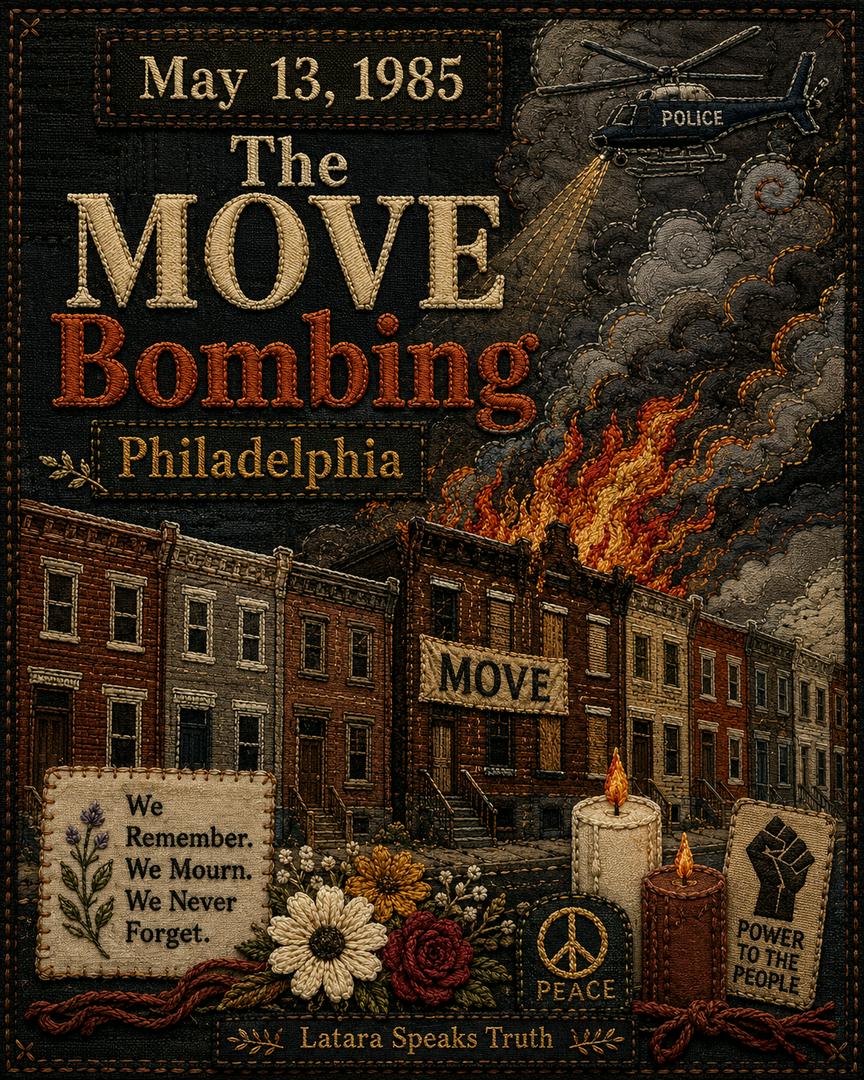
May 13, 1985, remains one of the darkest days in Philadelphia history. That morning, police moved in on the MOVE organization’s rowhouse at 6221 Osage Avenue after years of conflict between the city, neighbors, and the group. What followed was not just a police operation. It became a catastrophe that scarred an entire neighborhood. Police fired thousands of rounds during the confrontation. Later that day, from a helicopter, authorities dropped an explosive device onto the roof of the home. The blast started a fire. Instead of being put out immediately, the fire was allowed to burn. By the time it was over, 11 people were dead, including five children. Dozens of nearby homes were destroyed. Sixty-one houses burned, and about 250 people were left homeless. The names of the children killed should not be pushed to the side of history: Tree Africa, Delisha Africa, Netta Africa, Tomaso Africa, and Little Phil Africa. The MOVE bombing was not something that happened in another country or during some distant war. It happened in an American city, on a residential block, with families living nearby. It showed how quickly force, fear, and failed leadership can turn a neighborhood into ashes. A city commission later called the decision to drop a bomb on an occupied rowhouse “unconscionable.” Yet no city official was criminally charged. That is why May 13 matters. It is not just a date. It is a reminder of what happens when power is used without restraint, when accountability comes too late, and when the people most harmed are expected to carry the memory alone. Philadelphia rebuilt the block, but history does not rebuild that easily. Some stories are painful to tell, but silence does not honor the dead. Remembering does. #MOVEBombing #PhiladelphiaHistory #May131985 #AmericanHistory #LataraSpeaksTruth

You've reached the end!
Tag: PhiladelphiaHistory | LocalAll