Tag Page OnThisDay

#OnThisDay
LataraSpeaksTruth

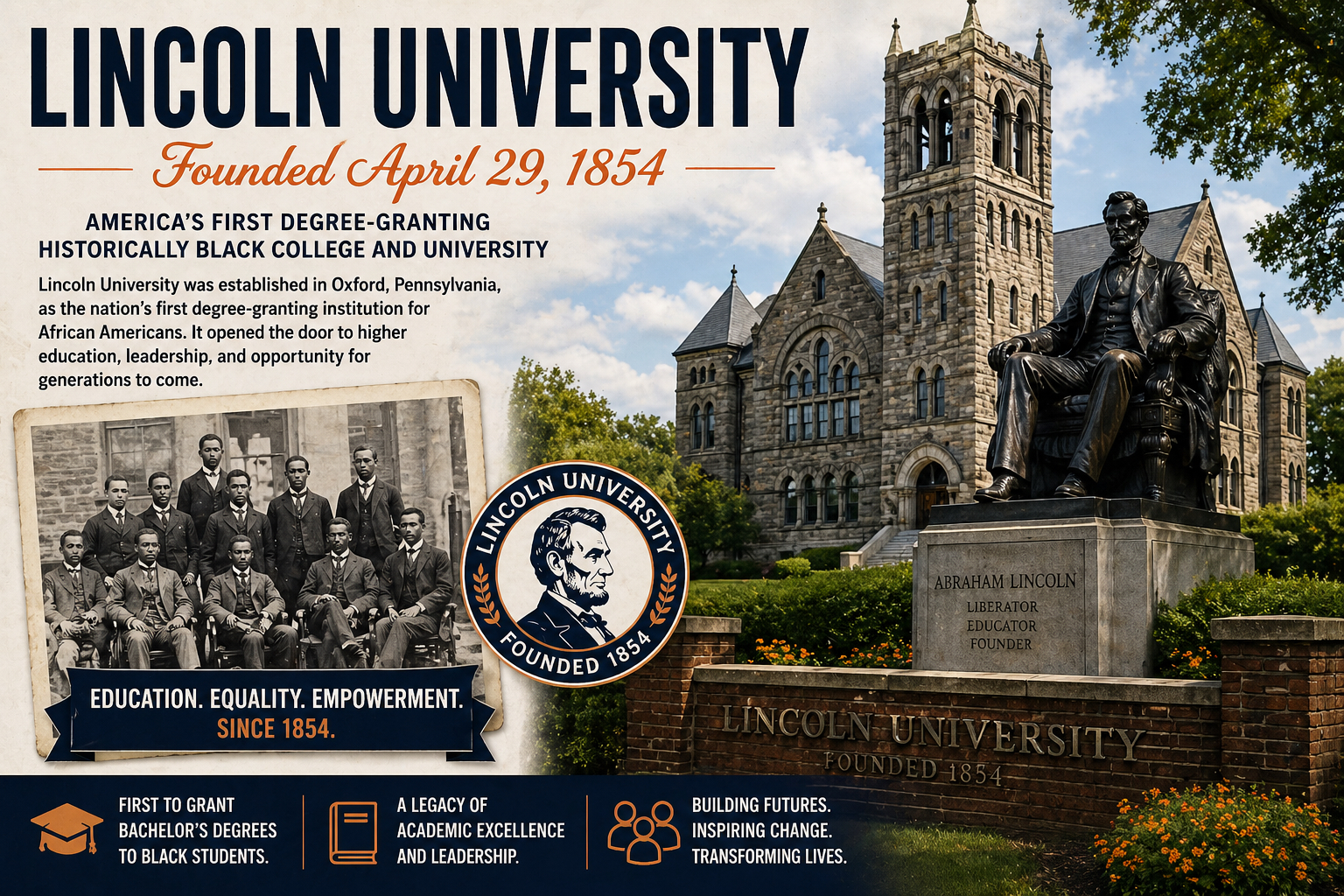
On April 29, 1854, Lincoln University received its charter from the Commonwealth of Pennsylvania. It was first established as Ashmun Institute, a school created for the higher education of young men of African descent at a time when access to college-level education was blocked or severely limited for many Black Americans. The school was founded through the efforts of Rev. John Miller Dickey and his wife, Sarah Emlen Cresson. Dickey had tried to help a young freedman named James Amos gain admission to college, but those doors were closed. Instead of accepting that barrier as final, he helped build a new institution. Ashmun Institute was named for Jehudi Ashmun, a religious leader connected to missionary and colonization work in Liberia. The school’s early mission focused on classical, scientific, and theological education. Its purpose was not small. It was created to prepare Black students for leadership, ministry, scholarship, and public service during a period when the nation still denied basic rights to millions of African-descended people. In 1866, after the Civil War, the school was renamed Lincoln University in honor of President Abraham Lincoln. Over time, it expanded its mission and became known as the nation’s first degree-granting Historically Black College and University. Lincoln’s influence reached far beyond Pennsylvania. During its first century, the university helped educate many Black physicians, lawyers, ministers, educators, judges, diplomats, and public leaders. Its alumni include Langston Hughes, Thurgood Marshall, Nnamdi Azikiwe, Kwame Nkrumah, and Gil Scott-Heron. Lincoln University’s 1854 charter was more than the founding of a school. It was a declaration that higher learning belonged to Black students too. In a country still divided by slavery, exclusion, and racial hierarchy, Lincoln helped open a door that generations would walk through. #BlackHistory #HBCUHistory #LincolnUniversity #EducationHistory #OnThisDay

LataraSpeaksTruth

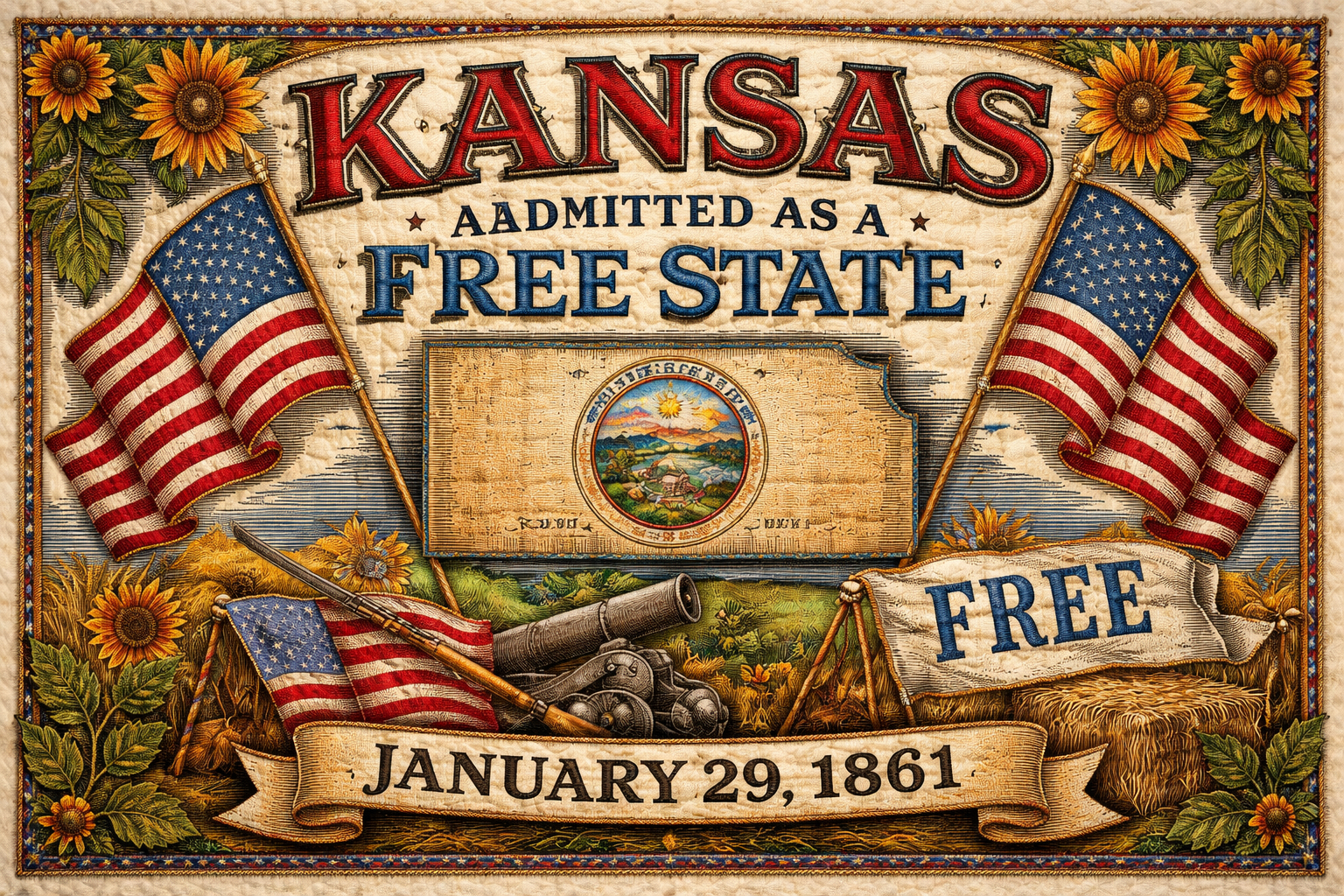
On January 29, 1861, Kansas was admitted to the Union as the 34th state, entering as a free state after years of violent political struggle that foreshadowed the Civil War. Its admission marked a turning point in the national conflict over slavery and revealed how deeply divided the country had become. Kansas was not a typical territory seeking statehood. After the Kansas–Nebraska Act of 1854 allowed settlers to vote on whether slavery would be legal, pro-slavery and anti-slavery factions flooded the region. Elections were disputed, rival governments formed, and armed clashes broke out. The violence was so severe that the period became known as “Bleeding Kansas.” Over several years, Kansas drafted multiple constitutions, some permitting slavery and others rejecting it. Each reflected the shifting balance of power and the pressure exerted by national political forces. The struggle in Kansas was closely watched across the country because it demonstrated that compromise on slavery was no longer holding. By the time Kansas was admitted as a free state, seven Southern states had already seceded from the Union. The decision further weakened the political influence of slaveholding states and intensified tensions between North and South. Just weeks later, the Civil War would officially begin with the attack on Fort Sumter. Kansas entered the Union bearing the marks of a conflict that could no longer be contained. Its path to statehood showed that the fight over slavery was no longer abstract or distant. It was unfolding in real time, on American soil, with consequences that would soon engulf the nation. #January29 #OnThisDay #KansasHistory #AmericanHistory #CivilWarEra #USHistory #Statehood #BleedingKansas #HistoricalMoments

LataraSpeaksTruth

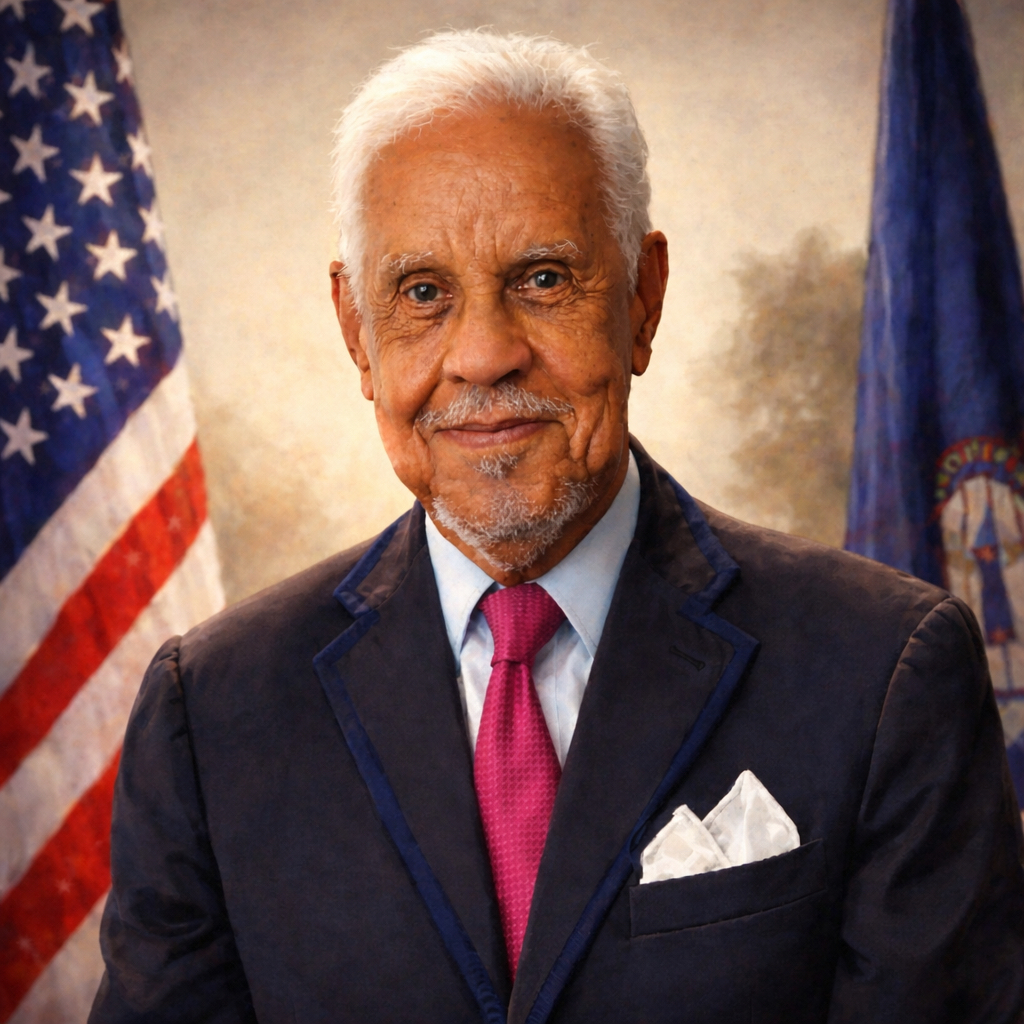
On January 13, 1990, L. Douglas Wilder was sworn in as governor of Virginia, becoming the first African American ever elected governor of any U.S. state. That moment did not arrive wrapped in celebration alone. It arrived heavy with history, expectation, and the quiet understanding that something permanent had just shifted. Virginia was not a neutral stage. It was a former capital of the Confederacy, a state shaped by laws and customs designed to keep power narrowly held. Wilder did not inherit that history. He confronted it directly by winning. No appointment. No workaround. Just votes, counted and certified, placing him in an office that had never before been occupied by someone who looked like him. The significance of that day stretched far beyond Richmond. Wilder’s inauguration challenged a long-standing assumption about who could govern at the highest levels of state power. It forced institutions to reconcile with the fact that progress was no longer theoretical. It was sworn in, standing at the podium, ready to lead. Being first came with scrutiny. Every decision carried symbolic weight. Every misstep risked being treated as confirmation rather than context. Yet Wilder governed with precision and restraint, focusing on fiscal responsibility, education, and public safety, refusing to perform history instead of making it. January 13, 1990 stands as a reminder that progress does not always arrive loudly. Sometimes it arrives formally, constitutionally, and undeniably. A door once closed did not creak open. It swung, and it stayed that way. #OnThisDay #January13 #USHistory #PoliticalHistory #VirginiaHistory #HistoricFirst #AmericanLeadership #BlackExcellence #HistoryMatters

LataraSpeaksTruth

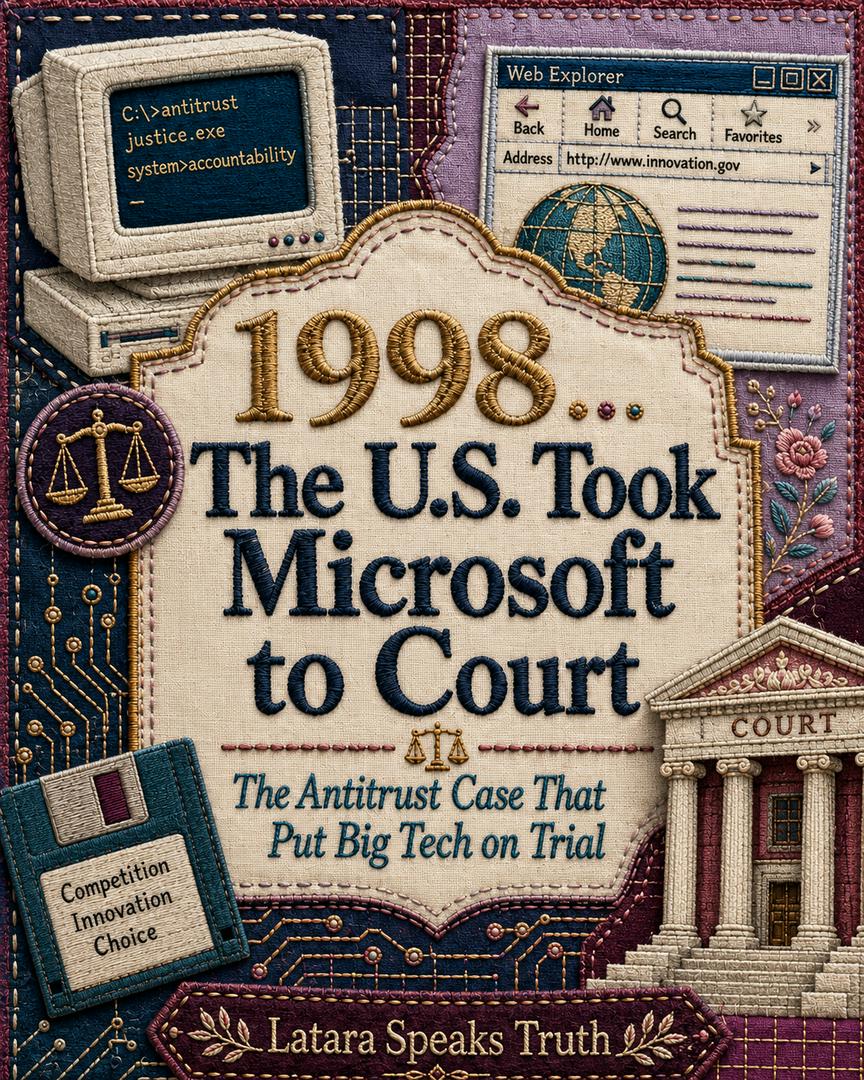
1998… The Government Took Microsoft to Court On May 18, 1998, the U.S. government filed one of the biggest tech antitrust cases in modern American history. The case was against Microsoft, and the issue was not simply that the company was successful. The question was whether Microsoft used the power of Windows to protect its dominance and limit competition in the internet browser market. At the center of the case was Internet Explorer. During the 1990s, Windows dominated personal computers. That gave Microsoft enormous power over what software reached everyday users. The Justice Department accused Microsoft of tying Internet Explorer to Windows and making it harder for competing browsers, especially Netscape, to survive on fair terms. In plain language, the government argued that Microsoft was using the front door of the computer to control the doorway to the internet. That mattered because the internet was becoming the future. Whoever controlled the browser had a major advantage in shaping how people accessed information, software, business, and communication. Microsoft argued that Internet Explorer was part of the Windows experience. The government saw something different. It saw a company using its operating-system power to limit real choice. The case became a landmark moment because it forced the country to ask a question we are still asking today. When does innovation become control? And when does a powerful tech company stop competing and start blocking the road? The Microsoft case reminds us that technology history is not just about inventions, computers, and billion-dollar companies. It is also about access, competition, and who gets to decide what choices people actually have. The internet was supposed to open doors. This case asked who was standing in front of them. #TechHistory #Microsoft #Antitrust #InternetHistory #OnThisDay #BusinessHistory

LataraSpeaksTruth

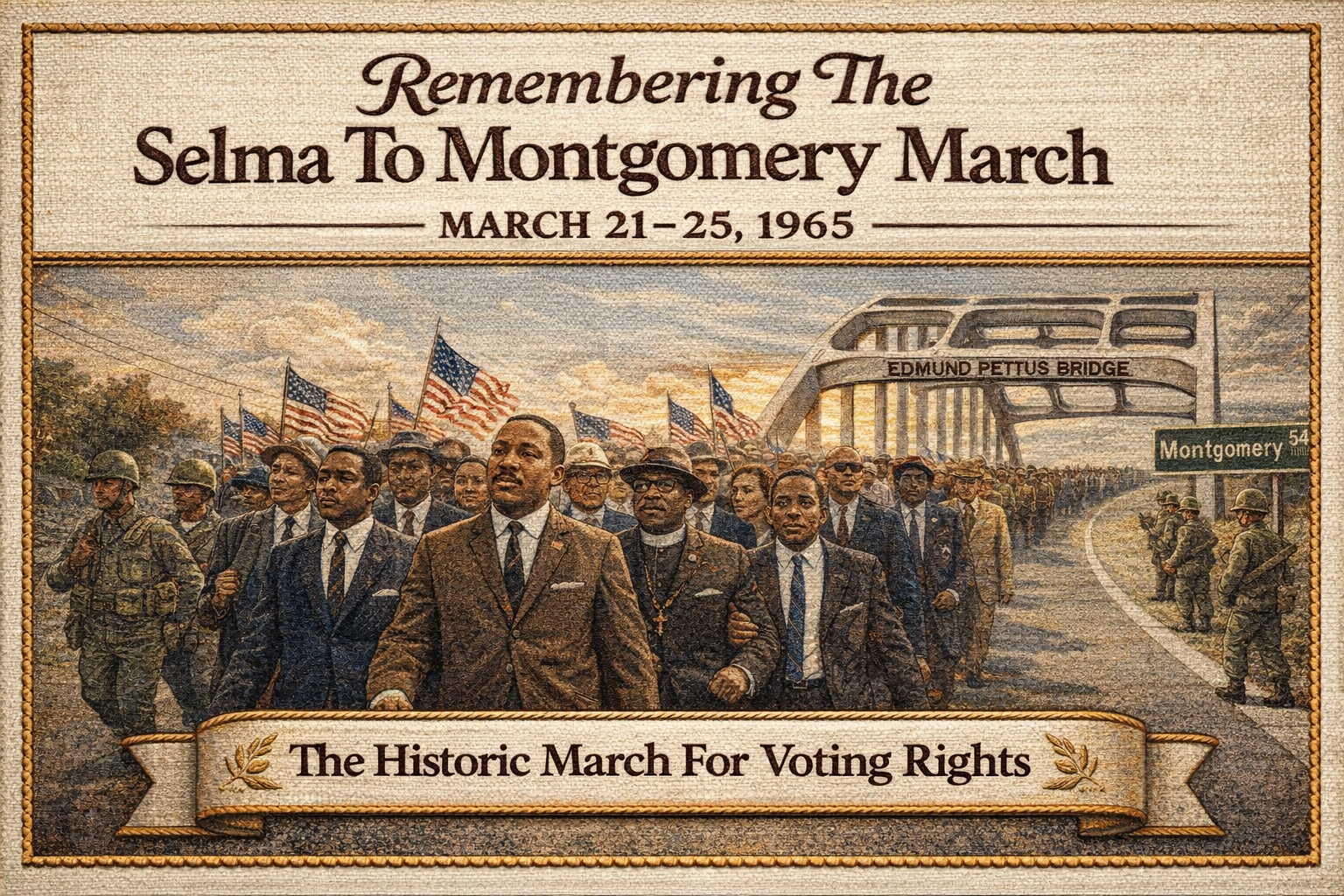
On March 21, 1965, Dr. Martin Luther King Jr. and thousands of voting rights demonstrators began the third Selma to Montgomery march in Alabama. Unlike the first two attempts, this march moved forward under federal protection after national attention had turned to Selma and the growing demand for change. The march followed two earlier efforts that drew widespread attention to the barriers many Black citizens faced when trying to vote in the South. On March 7, in the event remembered as Bloody Sunday, peaceful demonstrators were stopped by law enforcement as they crossed the Edmund Pettus Bridge. A second attempt on March 9 was also cut short. Beginning on March 21, marchers traveled roughly 50 miles over five days, arriving in Montgomery on March 25. As they moved forward, support grew and the march became one of the most important public demonstrations of the civil rights era. The Selma to Montgomery march helped build momentum for the Voting Rights Act of 1965, which targeted unfair voting barriers such as literacy tests. What began in Selma became a turning point in the national fight for equal access to the ballot. Sources…National Archives…National Park Service…Stanford King Institute…Britannica #OnThisDay #SelmaToMontgomery #VotingRights #CivilRightsMovement #MLK #BlackHistory #AmericanHistory #HistoryMatters

Shawn Winchester

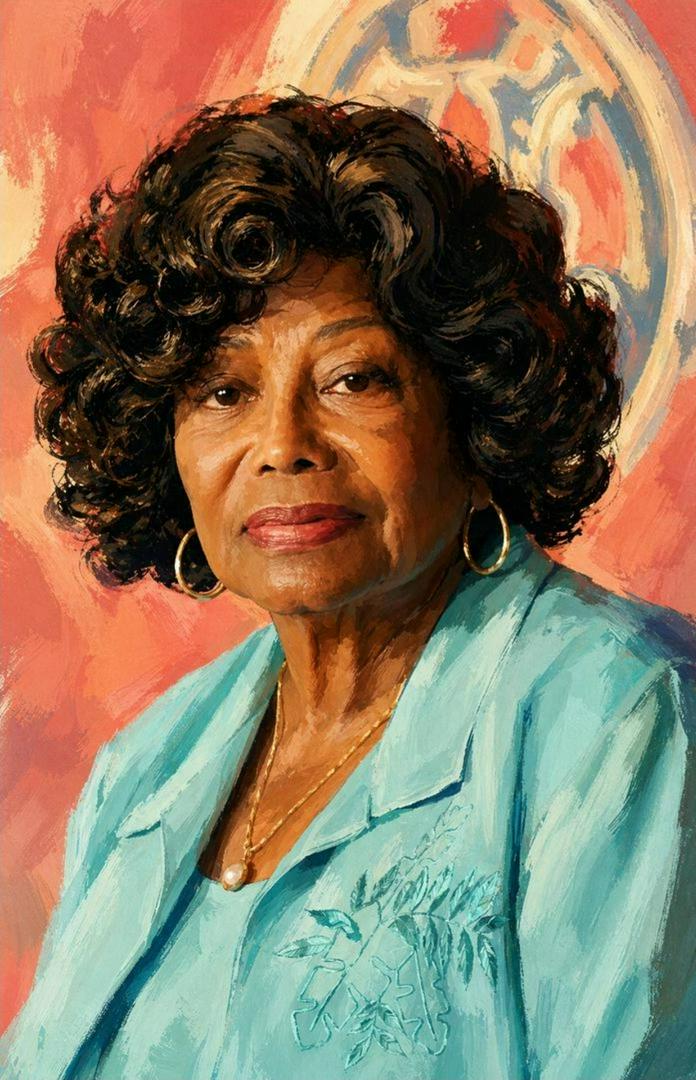
On May 4, 1930, Katherine Jackson was born in Clayton, Alabama. She would later become known as the matriarch of the Jackson family, one of the most recognizec music families in American history Her name is often mentioned beside egends, but Katherine Jackson's storv is not only about fame. It is also about motherhood, faith, endurance, and the quiet influence behind a familv whose music reached the world Katherine and Joe Jackson raised their children in Gary, Indiana, where the early foundation of the Jackson family's musica egacy began. Together, they had ten children, including Rebbie, Jackie, Tito, Jermaine, La Toya, Marlon, Brandon Michael, Randy, and Janet. Brandon Marlon's twin brother, died shortly after birth.Several of Katherine's children went on to become maior entertainers. The Jackson 5 made up of Jackie, Tito, Jermaine, Marlon, and Michael, became one of the most successful family groups in popular music. Michael Jackson became one of the most nfluential entertainers in modern music history, while Janet Jackson built her own powerful career as a singer, dancer, actress and cultural force But behind the public success was a mother whose presence remained central to the family story Katherine Jackson has often been remembered as a stabilizing fiqure in a family shaped by extraordinary talent pressure, fame, conflict, and loss. Her egacy is not measured only by awards, records. or headlines. It is also seen in the generations connected to her name and the cultural footprint her family left behindNot every influential figure stands on the stage. Some help shape the people who do atherine Jackson's life reminds us that egacy can begin inside a home long before the world ever knows a family's name. #KatherineJackson #JacksonFamily #MusicHistory #CulturalHistory #OnThisDay
LataraSpeaksTruth

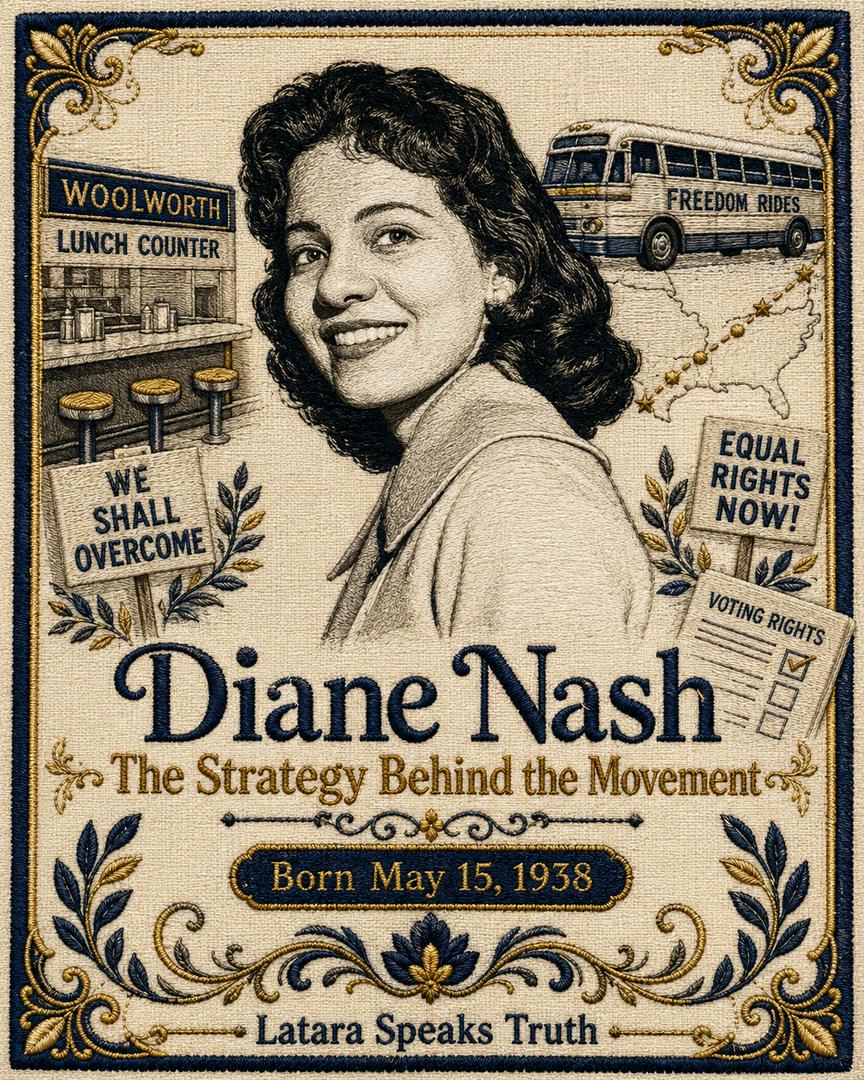
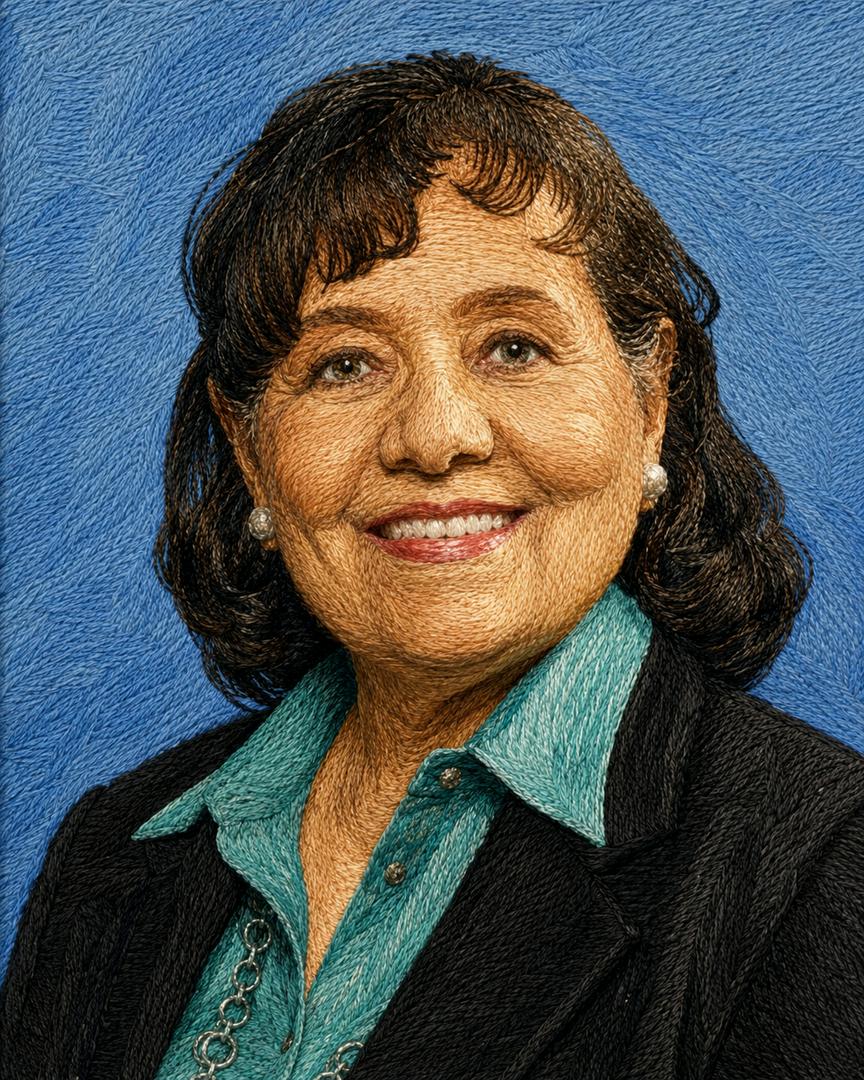
May 15, 1938… Diane Nash was born. Diane Judith Nash was born in Chicago, Illinois, and became one of the sharpest strategists of the Civil Rights Movement. Her name may not always be placed at the front of the story, but her work helped move history. After transferring to Fisk University in Nashville, Nash saw segregation up close. Instead of stepping back, she stepped directly into the fight. She became a leading force in the Nashville sit-ins, where students used disciplined nonviolent protest to challenge segregated lunch counters. Nash was not just present. She organized. She planned. She led. When the Freedom Rides were attacked and many people feared the campaign would end, Nash helped keep it alive. She understood that if violence could stop the movement, then violence would become the rule. Her courage helped push the fight for desegregated interstate travel forward. She also worked with SNCC and played a major role in voting rights organizing, including efforts connected to the Selma movement. Her work helped build pressure that led to some of the most important civil rights victories in American history. Diane Nash reminds us that leadership is not always loud. Sometimes it is calm, strategic, disciplined, and unshakable. She was young, focused, and fearless at a time when standing up could cost everything. Her story deserves to be remembered not as a footnote, but as proof that movements are built by people willing to risk comfort for change. #DianeNash #OnThisDay #CivilRightsHistory #HiddenHistory #LataraSpeaksTruth

LataraSpeaksTruth

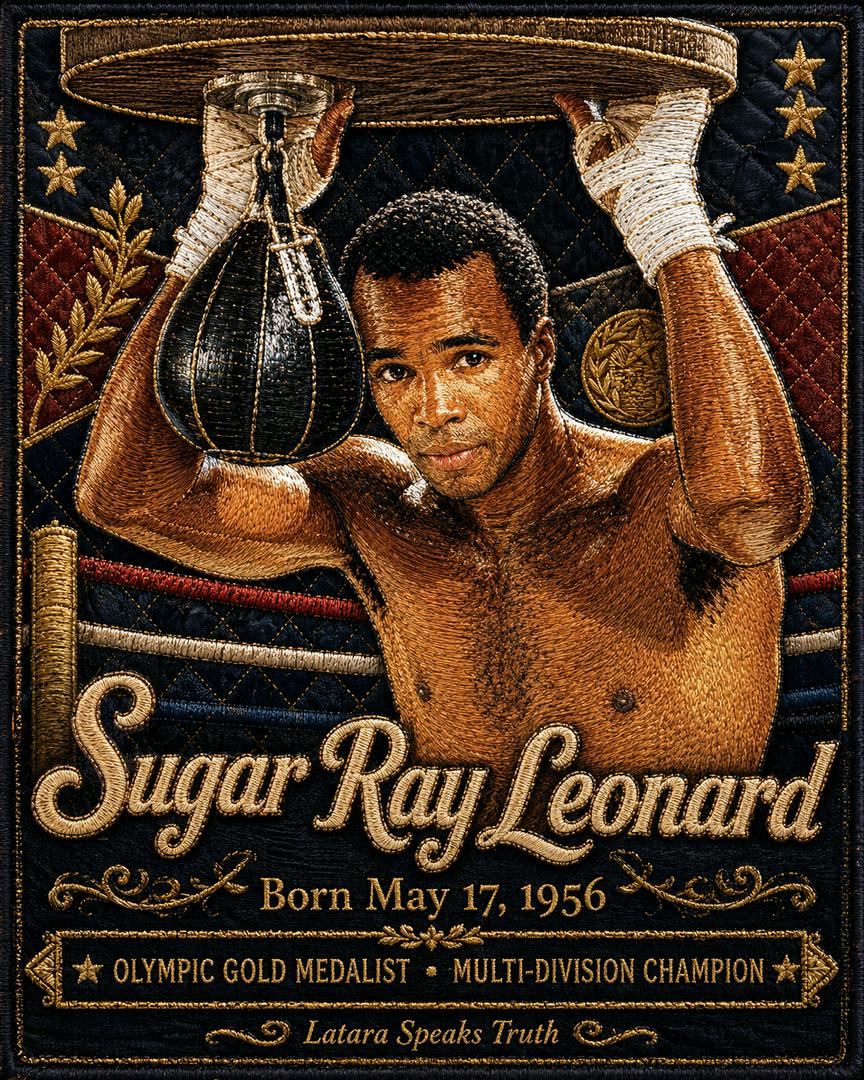
May 17, 1956… Sugar Ray Leonard was born. Born Ray Charles Leonard in Wilmington, North Carolina, he would grow into one of the most recognizable fighters boxing has ever seen. Before the bright lights, championship belts, and legendary rivalries, Leonard first made his name as a young amateur with speed, rhythm, and confidence that made people stop and watch. His national breakthrough came at the 1976 Olympic Games in Montreal, where he won gold in the light welterweight division. That victory helped introduce him to the world, but it was only the beginning. As a professional, Sugar Ray Leonard became known for more than just his hands. He had footwork, timing, charisma, and the rare ability to turn a fight into a performance without losing the danger of the moment. He was smooth, but he was not soft. He could box, move, adjust, and when necessary, stand in the fire. Leonard became a world champion across multiple divisions and was part of the famous “Four Kings” era with Roberto Durán, Thomas Hearns, and Marvin Hagler. Those fights helped define boxing in the 1980s and kept smaller weight classes in the national spotlight after the Muhammad Ali era. His career was not without difficulty. Leonard dealt with injuries, retirement, comebacks, and the pressure that comes with fame. But his place in boxing history remains secure. He finished his professional career with 36 wins in 40 fights and was inducted into the International Boxing Hall of Fame in 1997. Sugar Ray Leonard’s legacy is not just that he won. It is how he won…with speed, style, courage, and intelligence. He helped make boxing feel electric again, and decades later, his name still carries weight. #SugarRayLeonard #BoxingHistory #OnThisDay #SportsHistory #BlackHistory #OlympicGold #LegendaryFighters

LataraSpeaksTruth

January 28, 1901 marks the birth of Richmond Barthé, one of the most influential sculptors of the Harlem Renaissance and a quiet giant in American art history. Born James Richmond Barthé in Bay St. Louis, Mississippi, he came of age during a period when Black artists were rarely allowed space to explore complexity, beauty, or interior life. Barthé did not ask permission. He carved it. Best known for his figurative sculptures, Barthé focused on movement, emotion, and dignity. His subjects were often Black men and women captured not as symbols, but as human beings. Thoughtful. Vulnerable. Strong. Alive. At a time when mainstream art reduced Black bodies to stereotypes, Barthé insisted on nuance and grace. His work gained national attention during the Harlem Renaissance, and his reputation extended far beyond it. Barthé created portraits of major cultural figures including Alain Locke, Duke Ellington, and Rose McClendon. His sculptures were collected by major institutions and private patrons, even as he continued to navigate racial barriers and personal isolation. Barthé also lived openly as a gay man during a time when that visibility carried real risk. Rather than dilute his identity or his vision, he allowed both to exist in the work. That honesty gave his art its emotional depth and lasting power. Richmond Barthé died in 1989, but his legacy endures in bronze and stone. His sculptures remind us that history is not only written in speeches and laws, but in hands that shape truth into form. On this day, we remember an artist who refused to flatten humanity, and whose work still asks us to look closer. #RichmondBarthe #HarlemRenaissance #ArtHistory #January28 #BlackArtists #AmericanSculpture #CulturalHistory #ArtLegacy #OnThisDay

Tag: OnThisDay - Page 17 | LocalAll