Tag Page OnThisDay

#OnThisDay
LataraSpeaksTruth

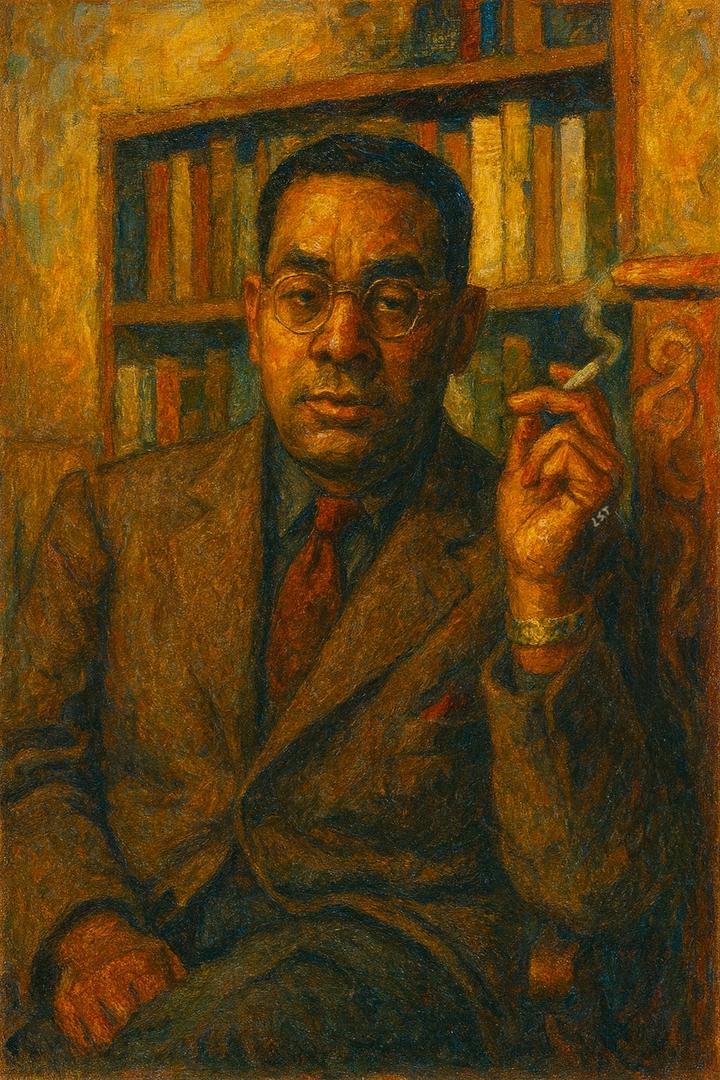
Benjamin O. Davis Sr. Dies in 1970

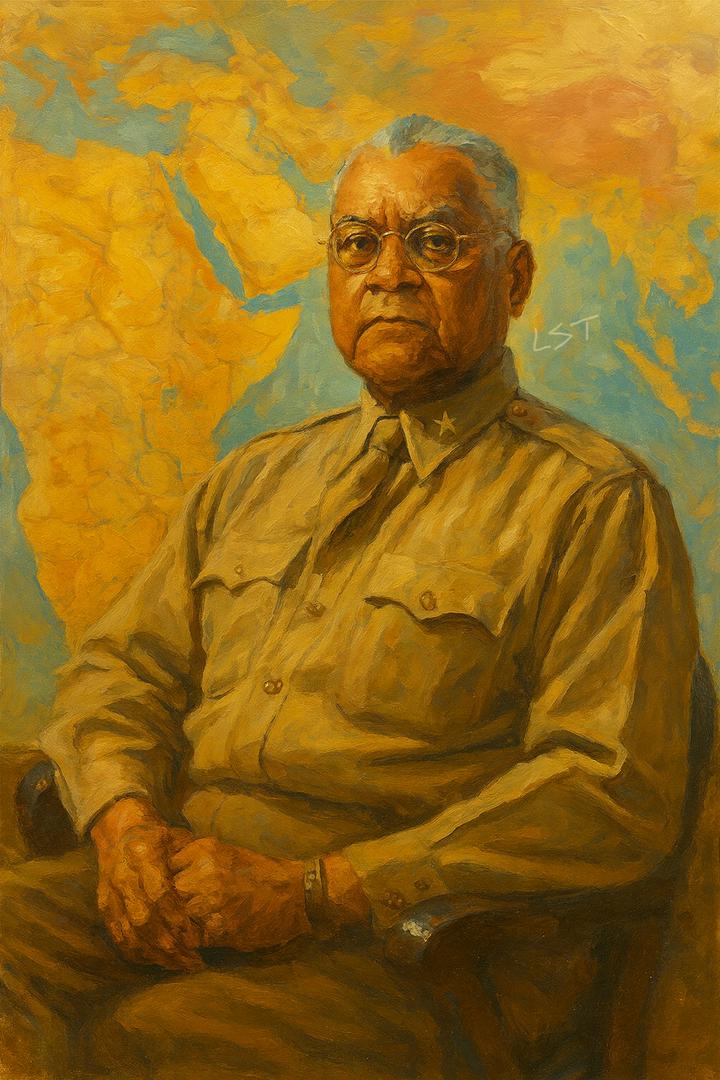
Benjamin O. Davis Sr. passed away on November 26, 1970. His death marked the end of a life that reshaped the presence and possibilities of Black leadership within the United States military. He was the first Black general in the history of the U.S. Army, a milestone he reached in 1940 after decades of service marked by discipline, resilience, and unshakable commitment. Davis entered the military at a time when segregation defined every level of service. Advancement for Black soldiers was blocked by unwritten rules and deeply rooted resistance. He moved through those barriers with a steady hand and a quiet, firm determination that reflected both the discipline of a career officer and the weight of representing an entire generation of soldiers who were denied equal opportunities. His leadership reached across World War I, World War II, and the era of military reform. Davis played a critical role in shaping programs for Black troops, improving conditions within segregated units, and advocating for equal treatment. His work helped lay the groundwork for the eventual desegregation of the armed forces in 1948. He is also remembered as the father of Benjamin O. Davis Jr., commander of the Tuskegee Airmen. The legacy of this family represents a rare and powerful throughline in American military history. Their combined contributions influenced policy, elevated expectations, and expanded the nation’s understanding of Black excellence in service. Benjamin O. Davis Sr.’s passing in 1970 closed a chapter, but his impact continues to shape the military today. His life stands as a historical benchmark, showing how one person’s resolve can open institutional doors that were once locked on purpose. #HistoryToday #OnThisDay #AmericanHistory #MilitaryHistory #USArmy #BlackMilitaryLeaders #BenjaminODavisSr #LataraSpeaksTruth

Benjamin O. Davis Sr. Dies in 1970
LataraSpeaksTruth

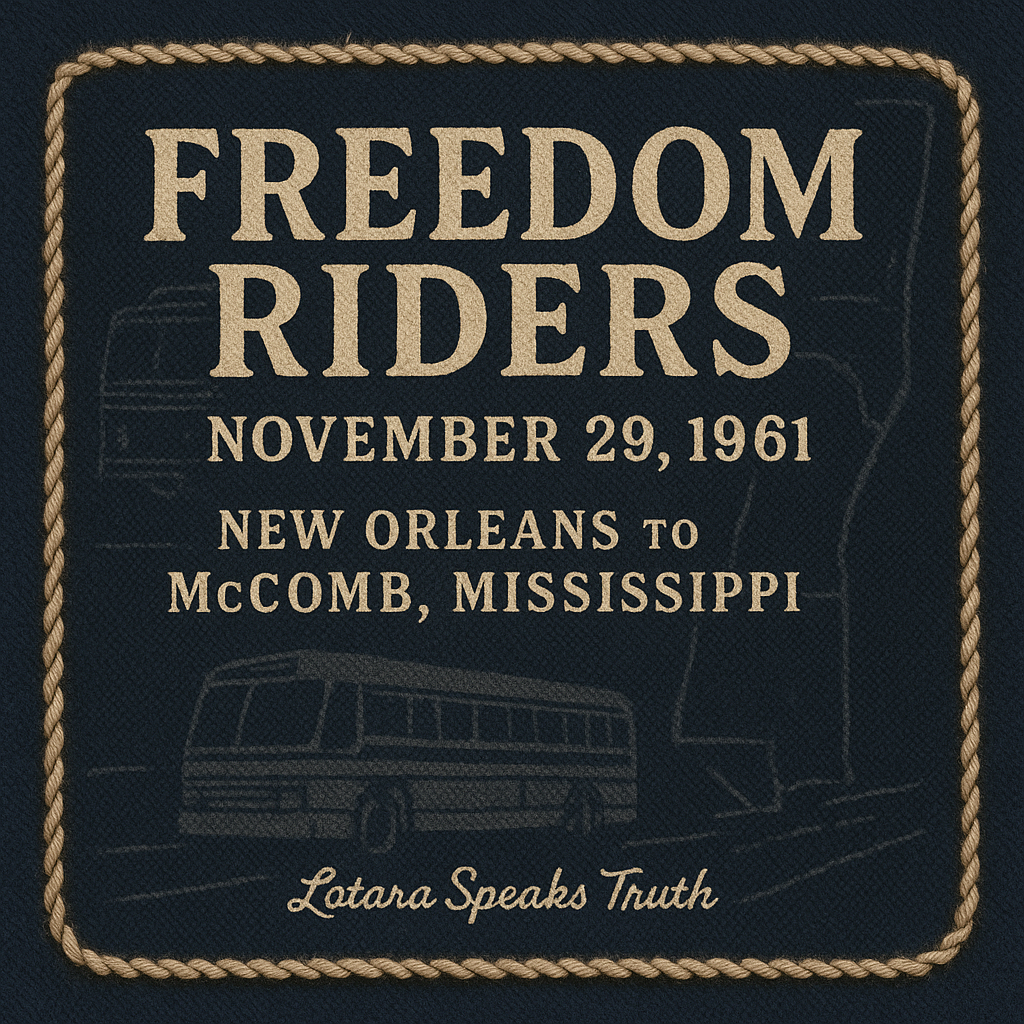
On This Day: November 29, 1961 — When the Freedom Riders Refused to Back Down

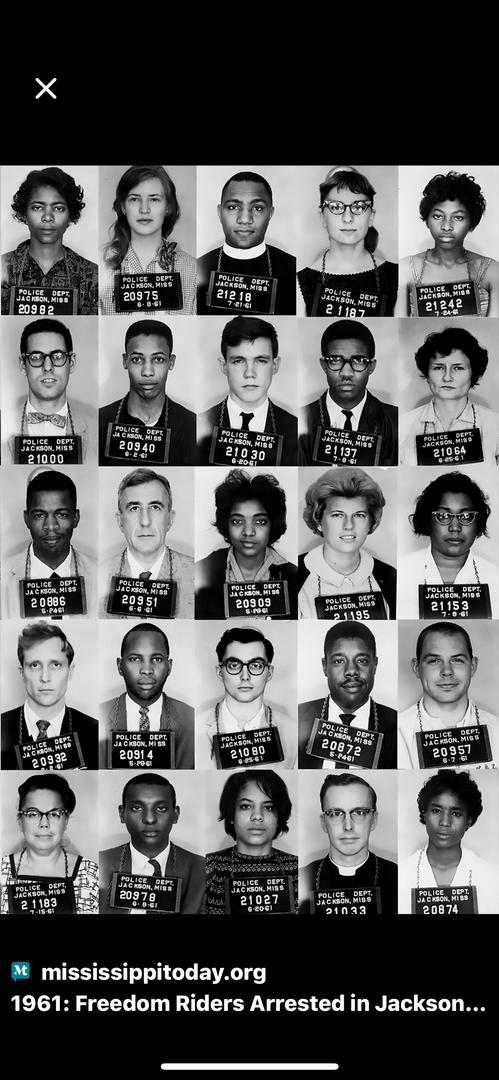
On this day in 1961, Freedom Riders were still rolling through the Deep South, long after the headlines tried to pretend the movement had “settled down.” The cameras had moved on. The danger hadn’t. Another group left New Orleans and headed straight into Mississippi, a place already infamous for jailing, beating, and shadowing anyone who dared to challenge segregation. They knew exactly what kind of storm they were walking into. And still, they stepped onto that bus. McComb wasn’t some sleepy pin on a map. It was one of the most hostile towns in the state… a place where activists were stalked, threatened, arrested, and sometimes worse, all for sitting in the wrong waiting room. That didn’t stop them. Their goal was simple: force the South to follow the law that already existed. The Supreme Court had ruled. The ICC had ordered desegregation of interstate travel. Mississippi just shrugged and said, “Not here.” These late-1961 rides didn’t come with a media circus or crowds chanting in the streets. What they did come with was quiet, stubborn courage, the kind that doesn’t need applause to stand firm. The riders were confronted, arrested, and pushed back at every turn, but they kept moving anyway. And that persistence mattered. Every arrest, every challenge, every mile traveled added pressure that eventually left the federal government out of excuses. The law was on the books. These riders made sure it was enforced. It’s a reminder that history isn’t built only from the bold moments everyone remembers. Sometimes it’s shaped by the steady footsteps of people who refuse to let injustice sit untouched. They kept riding… town by town, bus by bus… until the barriers cracked. #FreedomRiders #BlackHistory #CivilRightsMovement #OnThisDay #HistoryMatters #KnowYourHistory #LataraSpeaksTruth
On This Day: November 29, 1961 — When the Freedom Riders Refused to Back DownOn This Day: November 29, 1961 — When the Freedom Riders Refused to Back Down
LataraSpeaksTruth

1960… The Day New Orleans Showed Its True Face

On November 29, 1960, the sidewalk outside William Frantz Elementary turned into a scene the country still can’t shake. White segregationist mothers lined the street, screaming as a little Black girl tried to walk into school. Through all that chaos, Daisy Gabrielle held her daughter Yolanda’s hand and kept moving. That walk was courage in real time… the kind that doesn’t wait for applause, just does what’s right. The footage from that day became part of America’s permanent record. Not the cleaned-up version… the real one, showing grown adults trying to block a child’s education because of her skin. And here’s the part people love to pretend they don’t hear… 1960 wasn’t ancient history. It wasn’t “way back then.” Many of the adults in that crowd lived long enough to watch the world pretend this never happened. Progress didn’t fall from the sky… somebody had to push it. #HistoryMatters #AmericanHistory #OnThisDay #NewOrleansHistory #EducationHistory #LataraSpeaksTruth

1960… The Day New Orleans Showed Its True Face
LataraSpeaksTruth

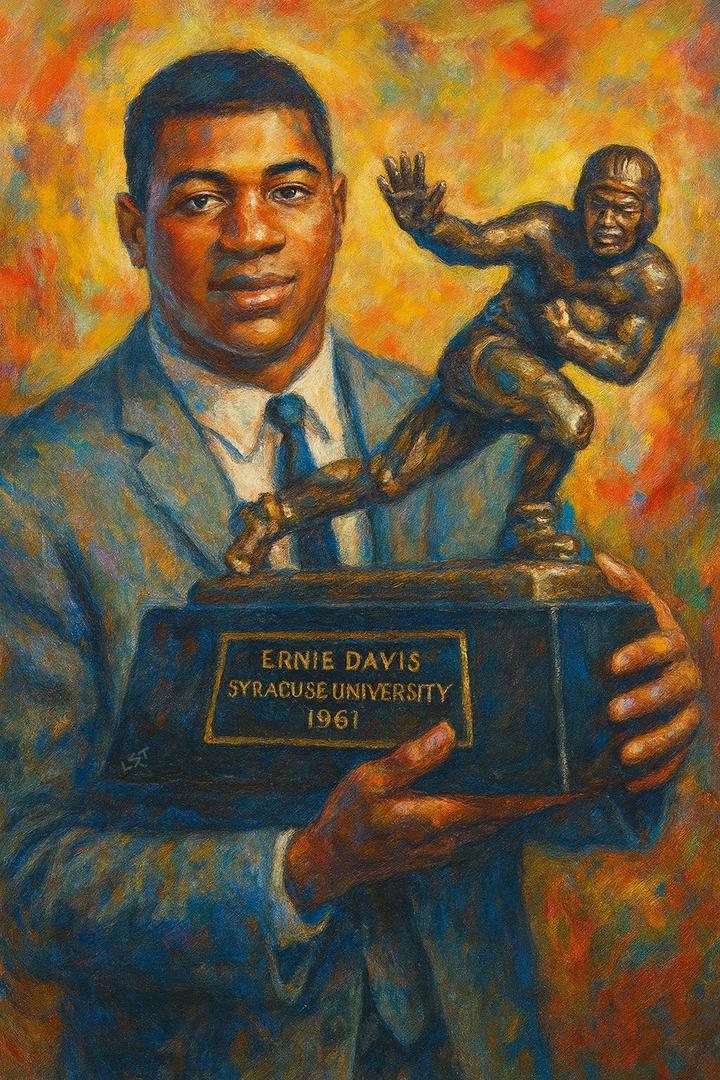
The First Black Heisman Winner… Ernie Davis Makes History (1961)

In 1961, Ernie Davis changed the entire landscape of college sports without raising his voice or asking for permission. Syracuse University’s star running back became the first Black athlete to win the Heisman Trophy… and that moment hit a lot harder than a highlight reel. Davis was one of those players who made the game look easy. Smooth balance, impossible strength, and the kind of vision that made defenses question their life choices. But behind all that talent was a young man pushing through barriers that had been in place for generations. College football was still wrestling with segregation and resistance, and a lot of doors were never meant to open for athletes who looked like him. Yet he walked right through them. His Heisman win wasn’t just about statistics or a shiny award. It was a shift… a crack in a wall. Davis stood on that stage in New York City representing every player who had been told “not yet” or “not here.” He was drafted first overall into the NFL, but leukemia took his life before he could ever take the field. He was only 23. Even so, his story didn’t fade. Syracuse retired his number, and generations of players still see him as proof that purpose shows up even when the world tries to look away. Today, his legacy still stands tall: talent, dignity, and impact that reaches far past the field. #ErnieDavis #Heisman #SportsHistory #BlackAthletes #OnThisDay #LataraSpeaksTruth

The First Black Heisman Winner… Ernie Davis Makes History (1961)
LataraSpeaksTruth

Richard Wright. A Voice America Tried Not To Hear

On November 28, 1960, writer Richard Wright passed away in Paris at the age of fifty two. The world lost a man who refused to soften the truth to make anyone comfortable. Wright’s novels Native Son and Black Boy pulled back the curtain on racism in America at a time when the country wanted to pretend it was evolving. His stories were sharp. Unfiltered. They exposed the violence and fear woven into everyday life for Black people in the early twentieth century. His work was uncomfortable on purpose. He wrote so no one could look away. By the time he died, Wright had become one of the most influential Black writers of his era. His words shaped generations of storytellers and helped redefine how Black life was represented in literature. He spent his final years in France seeking the freedom to write without scrutiny. Even overseas, he kept challenging the world with every page. Richard Wright left behind a legacy that still hits like truth spoken out loud at the wrong dinner table. Honest. Brave. Necessary. His voice did not fade. It simply became required reading for anyone trying to understand the American story. #LataraSpeaksTruth #RichardWright #HistoryMatters #AmericanHistory #BlackAuthors #NativeSon #BlackBoy #OnThisDay

Richard Wright. A Voice America Tried Not To Hear
LataraSpeaksTruth

1958… The Day Louisiana’s “Anti-Mixing” Sports Law Finally Fell

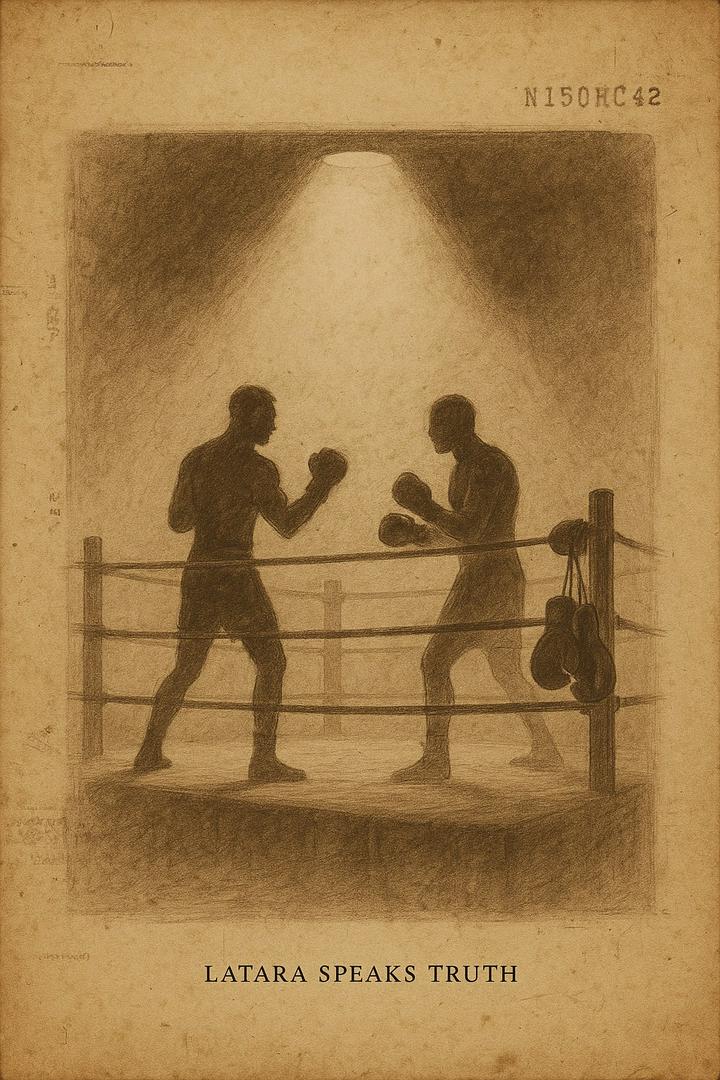
On November 28, 1958, a federal three-judge court ruled against Louisiana’s attempt to keep sports segregated forever. The case was called Dorsey v. State Athletic Commission, and it targeted the state’s “anti-mixing” law… a rule that tried to stop Black and white athletes from competing against each other. Louisiana used this law to block integrated boxing matches. Promoters were threatened with jail. Black fighters were refused licenses. White fighters were told to stay in their own lane. The whole thing was designed to protect the old order… and punish anyone who dared to break it. The court struck it down. They called it unconstitutional, discriminatory, and flat-out incompatible with the country’s direction. It was one of the quiet wins that chipped away at segregation’s foundation. Not loud. Not flashy. But necessary. This wasn’t just about sports. It was about the state trying to control who could stand toe-to-toe in public. And the court said no… not anymore. #LataraSpeaksTruth #HistoryMatters #AmericanHistory #HiddenHistory #UntoldStories #OnThisDay #CivilRightsEra

1958… The Day Louisiana’s “Anti-Mixing” Sports Law Finally Fell
LataraSpeaksTruth

Twista Celebrates Another Year… Born November 27, 1973

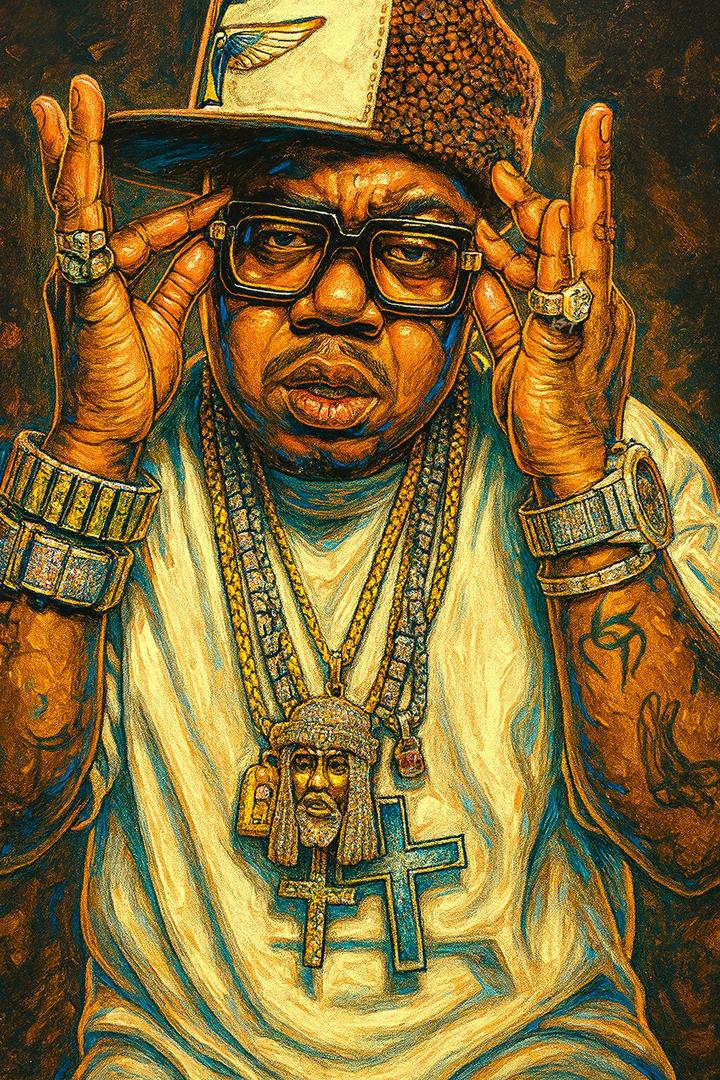
Today we celebrate the birthday of Twista, the Chicago mastermind whose skill wasn’t just fast… it was controlled, intentional, and built from real breath and discipline. Nobody was bending syllables, flipping pockets, and slicing through beats the way he did. He made precision an entire personality. Adrenaline Rush wasn’t just an album… it was a Chicago time capsule. Dark, raw, street-heavy, and ahead of its era. The title track alone had a whole generation rewinding verses just to keep up. And Kamikaze? That album slammed the door open all over again. “Slow Jamz” and “Overnight Celebrity” took him from hometown legend to worldwide force… but the core Twista was still right there, sharp as ever. His flow shaped the Midwest. His influence still sits heavy in hip-hop classrooms, studio sessions, and any conversation about technique. Rappers study him. Fans respect him. And Chicago will always claim him proudly. Here’s to another year of a man who didn’t just rap fast… he rapped with mastery. Happy Birthday to Twista. #OnThisDay #HipHopWasHere #MusicHistory #LataraSpeaksTruth

Twista Celebrates Another Year… Born November 27, 1973
LataraSpeaksTruth

Rosa Parks Attends the Dexter Avenue Meeting, 1955

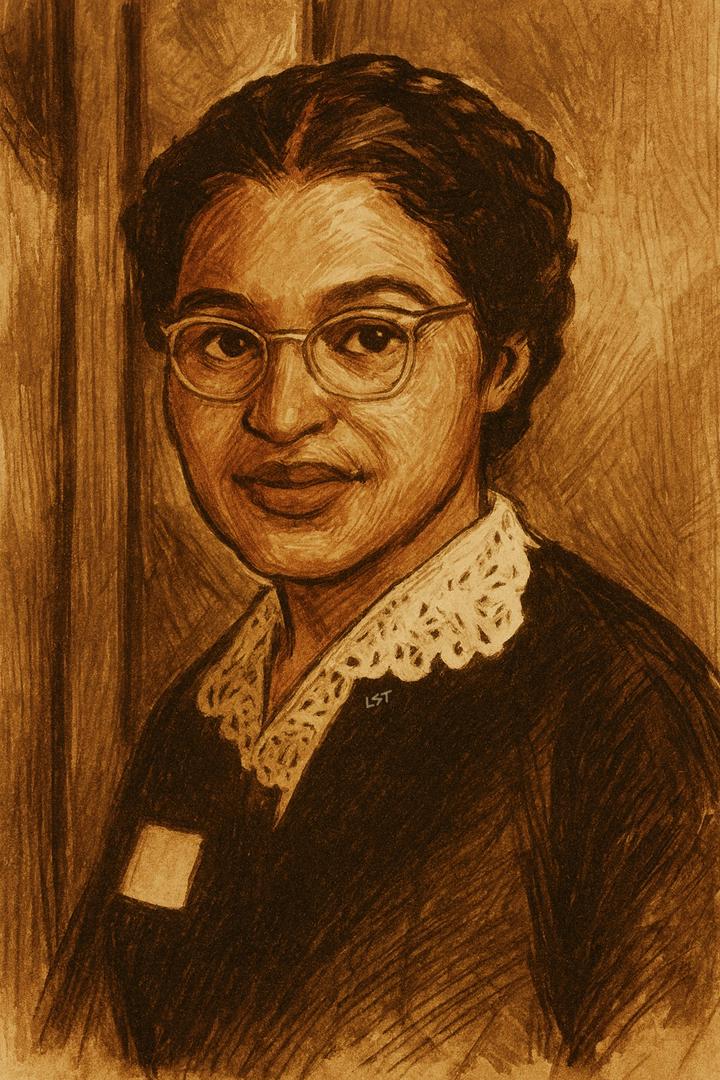
1955… Montgomery was already on edge, but that night at Dexter Avenue Baptist Church, things shifted. Rosa Parks walked into a packed mass meeting to hear a talk about Emmett Till… the 14-year-old boy whose brutal murder had shaken the entire country. The church was filled with tension, grief, anger, and a rising sense that silence was no longer an option. Parks sat and listened as speakers talked plainly about the dangers Black families faced across the South. Emmett Till wasn’t a headline to her… he was a warning, a wound, and a reminder of every injustice people tried to swallow just to survive. The stories that night weren’t meant to scare anyone… they were meant to wake everyone up. And Rosa heard all of it… really heard it. She wasn’t some tired seamstress like people love to repeat. She was seasoned, sharp, and fully aware of how dangerous the world around her was. That meeting settled something inside her spirit. It fed the backbone she already had. So when she refused to give up her seat just a few months later, it wasn’t random, it wasn’t sudden, and it definitely wasn’t because she was “just tired.” She was tired of abuse, tired of the disrespect, tired of a system that stole sons like Emmett Till and told mothers to accept it. That night at Dexter wasn’t a footnote… it was fuel. #OnThisDay #HistoryMatters #LataraSpeaksTruth #RosaParks #EmmettTill #Montgomery

Rosa Parks Attends the Dexter Avenue Meeting, 1955
LataraSpeaksTruth

On This Day: Monroe, North Carolina Draws National Attention in 1960

On November 26, 1960, The New York Times published a front-page report titled “Klan and Negroes March in North Carolina Town,” highlighting rising tensions in Monroe, North Carolina, during a pivotal moment in the early civil rights era. Throughout the 1950s, Monroe’s Black residents reported ongoing instances of unequal treatment and intimidation as they pressed for constitutional rights and improved public safety. Community leaders documented these concerns and increasingly organized local efforts calling for fair protection under the law. During this same period, the Ku Klux Klan expanded its presence in the region, holding public demonstrations and increasing its visibility around the town. These activities generated significant local unease and deepened divisions within the community. The march referenced in the Times article brought national visibility to these conflicting forces. Local Black residents mobilized to advocate for equal treatment and greater security, while members of the Klan held their own demonstration representing an opposing stance. The two groups appearing on the same day underscored how sharply divided the town had become. The decision by The New York Times to place this story on its front page had a major impact. It brought attention to conditions in Monroe that had previously received little national coverage, highlighting that civil rights struggles were taking place not only in major cities but also in smaller towns across the South. The headline did not signal the end of the conflict, but it marked a moment when wider audiences could no longer overlook what local residents had been raising concerns about for years. #OnThisDay #AmericanHistory #NorthCarolinaHistory #CivilRightsEra #1960sHistory

On This Day: Monroe, North Carolina Draws National Attention in 1960
LataraSpeaksTruth

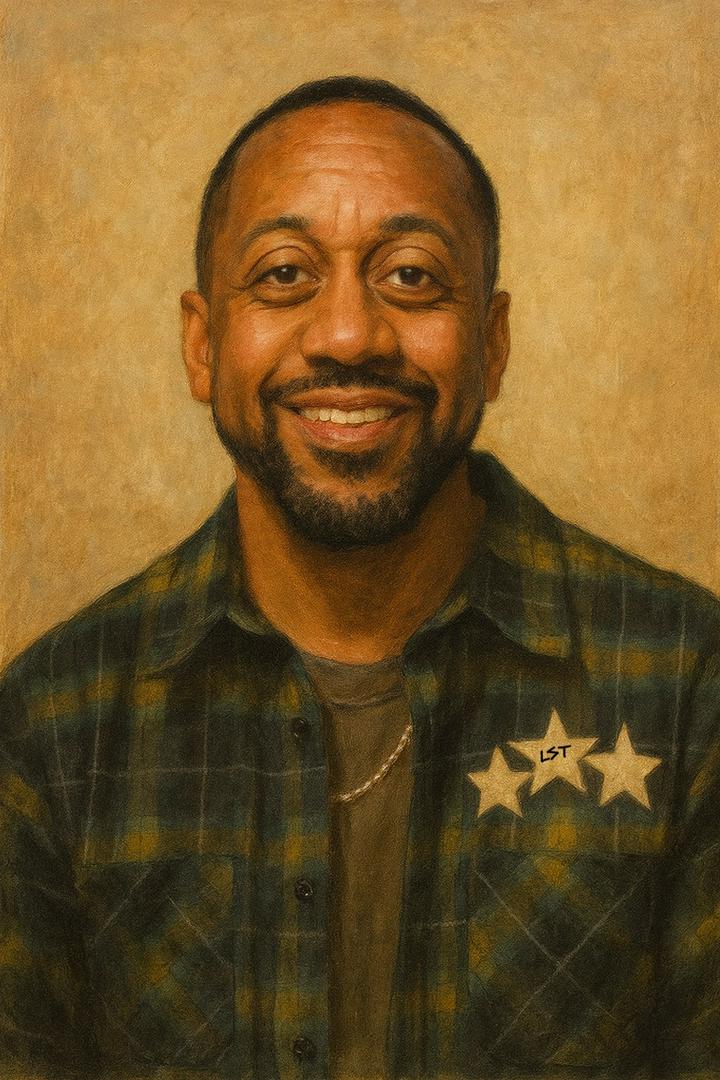
Jaleel White, Born November 27, 1976

Some people come into TV history so loud, so unforgettable, so stamped into the culture that you don’t even need their government name to know exactly who they are. Jaleel White is one of those figures. Born in Pasadena in 1976, he walked into sitcom history as a kid and ended up creating one of the most iconic characters television has ever seen. Steve Urkel wasn’t supposed to be a star. He wasn’t even supposed to be a long-term character. But the moment Jaleel walked onto that Family Matters set with the suspenders, the glasses, and that unshakeable commitment to being delightfully annoying, television changed. He turned a side character into a cultural phenomenon. A whole era. A catchphrase that became part of American speech. And behind all of that was a kid who wasn’t afraid to lean into a role that took over primetime. But what people don’t talk about enough is the longevity. Jaleel grew up in front of the world, navigated fame early, and still kept working, from voice acting to guest roles to producing. He stayed grounded… stayed evolving… stayed respected. And even today, the legacy holds. We still quote him. Still laugh at the scenes. Still recognize his impact on 90s Black sitcom culture. His role wasn’t just entertainment… it was representation, visibility, and a reminder that Black nerds existed long before the world decided it was cool. Happy Birthday to a man whose character became a legend… and whose career still keeps unfolding. #JaleelWhite #OnThisDay #FamilyMatters #TVHistory #LataraSpeaksTruth

Jaleel White, Born November 27, 1976
Tag: OnThisDay - Page 12 | LocalAll