Tag Page OnThisDay

#OnThisDay
LataraSpeaksTruth

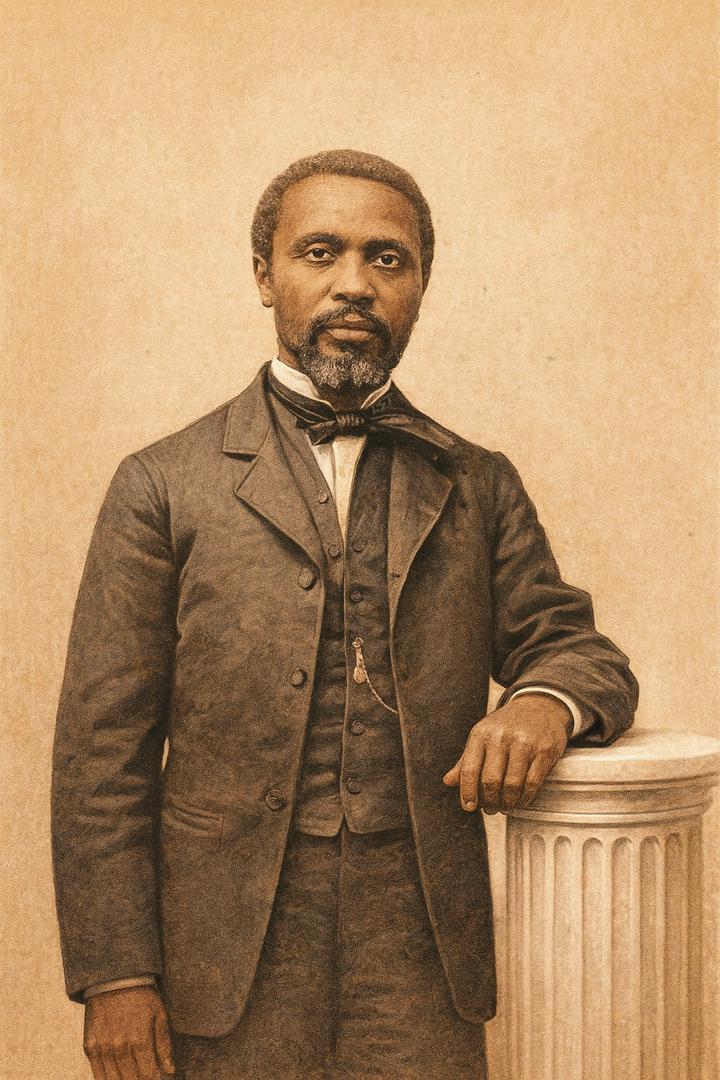
Macon Bolling Allen Admitted to the Massachusetts Bar in 1845

On November 26, 1845, Macon Bolling Allen stepped into a world that liked to pretend it had no room for him and still made space anyway. He became the first Black lawyer admitted to the Massachusetts bar, carrying a calm kind of courage that hits different when you realize the country was still tangled in slavery and hostility. Earlier in 1844 he had already passed the Maine bar exam, proving his skill long before many thought he would even be allowed to take the test. Massachusetts recognized that ability next, and from there he kept pushing forward, eventually serving as one of the first Black judges in the United States. His journey reads like a reminder that discipline and study can be rebellion when the world expects you to shrink. Allen found a way into rooms that were not built for him and left the doors open behind him. Every Black lawyer, judge, advocate, and student walking their own path today moves with echoes of his persistence. #MaconBollingAllen #OnThisDay #HistoryMatters #AmericanHistory #LataraSpeaksTruth

Macon Bolling Allen Admitted to the Massachusetts Bar in 1845
LataraSpeaksTruth

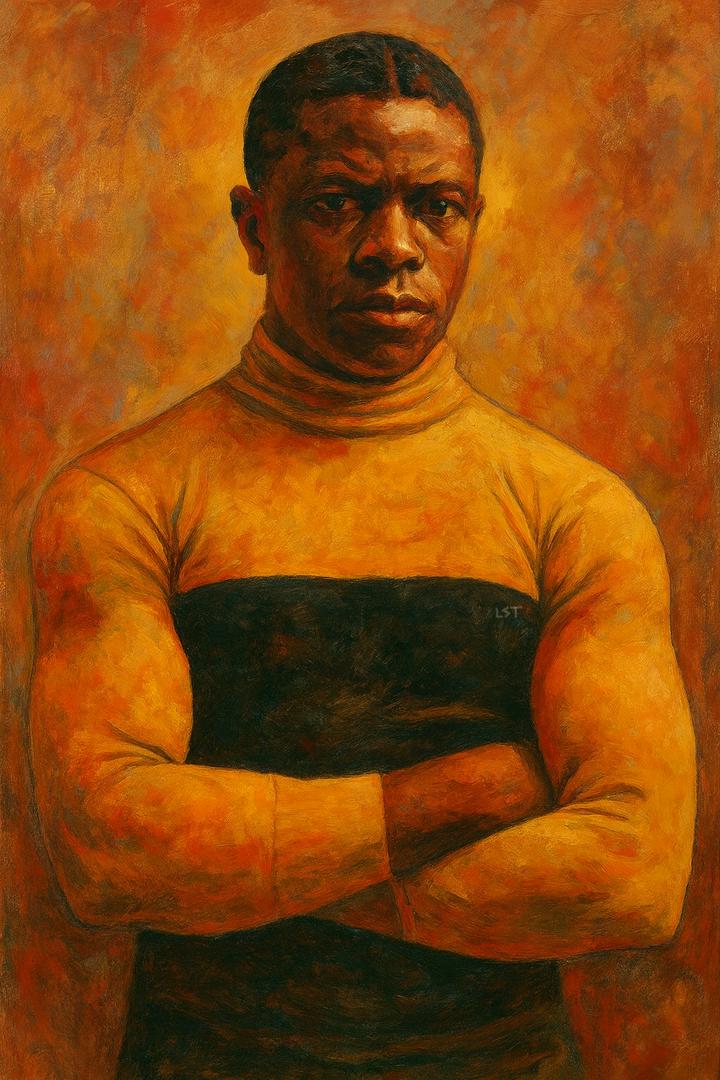
Marshall Major Taylor Born November 26, 1878

Marshall Major Taylor was born on November 26, 1878, in Indianapolis. He would rise to become one of the most accomplished cyclists of the early twentieth century at a time when organized racing was dominated by white athletes and shaped by racial barriers that followed him at every turn. His career showed what discipline and unmatched talent could overcome long before fairness became part of the conversation. Taylor’s speed gained attention when he was still a child performing bicycle tricks outside a local shop. Those early demonstrations led to training opportunities that pushed him toward competitive racing. By his late teens he began entering professional events where he quickly stood out not only for his ability to accelerate but also for the composure he carried during hostile environments. In 1899 he won the world one mile sprint championship, which placed him among the top athletes of his era. His titles and records reached international audiences including races in Europe and Australia where he found greater professional respect. He set multiple world records during his career, showing how far his skills could go even without the full support many of his competitors enjoyed. Taylor’s legacy represents strength, discipline, and achievement under pressure. His accomplishments influenced future generations of athletes who saw proof that excellence could not be denied even in the face of exclusion. His name remains an important part of cycling history and a reminder of what it looks like to keep moving forward with purpose. #OnThisDay #MarshallTaylor #SportsHistory #CyclingLegend #LataraSpeaksTruth

Marshall Major Taylor Born November 26, 1878
LataraSpeaksTruth

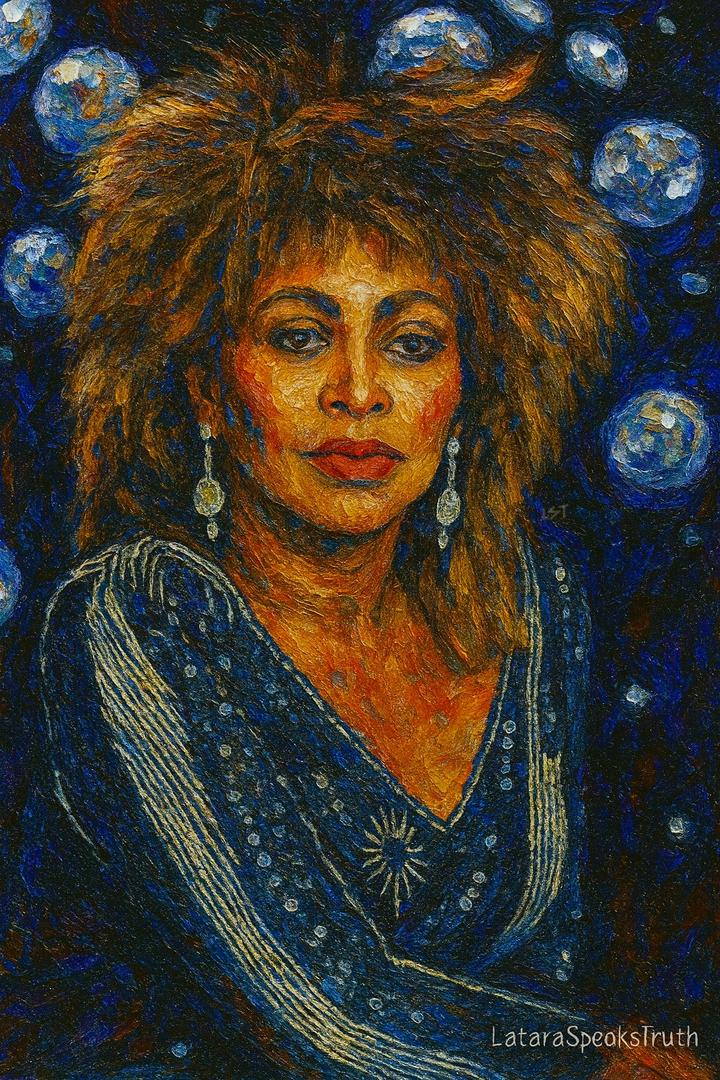
Tina Turner: Born November 26, 1939

Tina Turner was born in Nutbush, Tennessee, in 1939. She grew up in a rural community and stepped into music at a young age, eventually becoming one of the most influential performers of her era. Her early years in the industry placed her in the center of a sound that blended rock, soul, and rhythm, and her presence quickly became known for intensity and precision. Her later solo career reshaped her trajectory. In the 1980s she released songs that reached global audiences and helped establish her as a major figure in popular music. Her concerts, visuals, and voice became central to her image and contributed to her recognition across generations. Her life story is often associated with resilience, personal change, and reinvention. Tina Turner remains a significant figure whose influence can still be traced in music, performance style, and cultural memory. #TinaTurner #BornOnThisDay #MusicHistory #RockAndSoul #AmericanIcons #OnThisDay #LegendaryVoices #CulturalHistory #LataraSpeaksTruth

Tina Turner: Born November 26, 1939
LataraSpeaksTruth

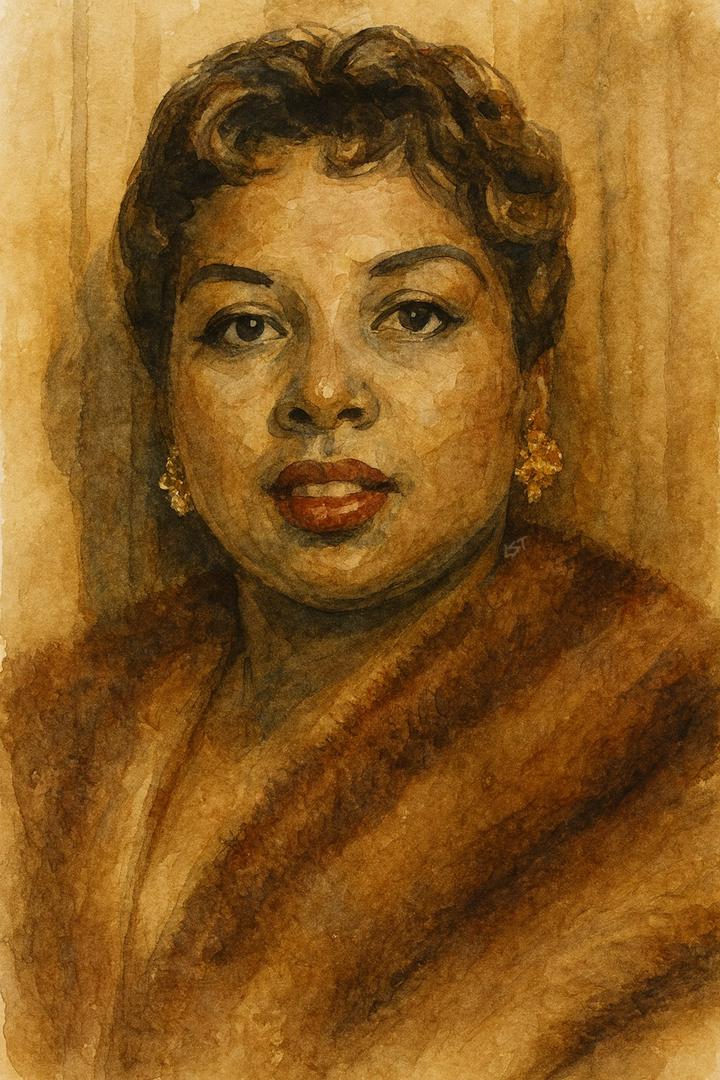
The Birth of Etta Jones, November 25, 1928

Etta Jones was born on this day in Aiken, South Carolina. She later moved to Harlem, where music was the heartbeat of the neighborhood and a young singer could grow into something special. That move shaped her sound and set the stage for the career she would build. Jones became a respected jazz and blues vocalist known for her warm tone and expressive phrasing. She had a style that felt effortless and lived in the middle ground between jazz smoothness and blues honesty. She stepped into recording in the late 1940s and built her voice through steady work, touring, and collaborations that kept her grounded in the traditions she loved. Her breakthrough came with the song Don’t Go to Strangers in 1960. The single reached a national audience and earned her a Grammy nomination. It also introduced new listeners to the depth of her talent and the kind of mature, lived in singing that set her apart. One of the most defining parts of her career was her long partnership with saxophonist Houston Person. They worked together for decades. Their chemistry created a catalog of albums that felt consistent and true to who she was as an artist. Many fans remember them as one of the strongest vocalist instrumentalist duos in modern jazz. Etta Jones continued recording and performing until the end of her life. In a moment that felt almost poetic, she passed away in 2001 on the same day her final album was released. Her legacy lives quietly but powerfully in jazz circles and in the voices of singers who followed her path. #OnThisDay #JazzHistory #EttaJones #LataraSpeaksTruth #AskNewsBreak

The Birth of Etta Jones, November 25, 1928
LataraSpeaksTruth

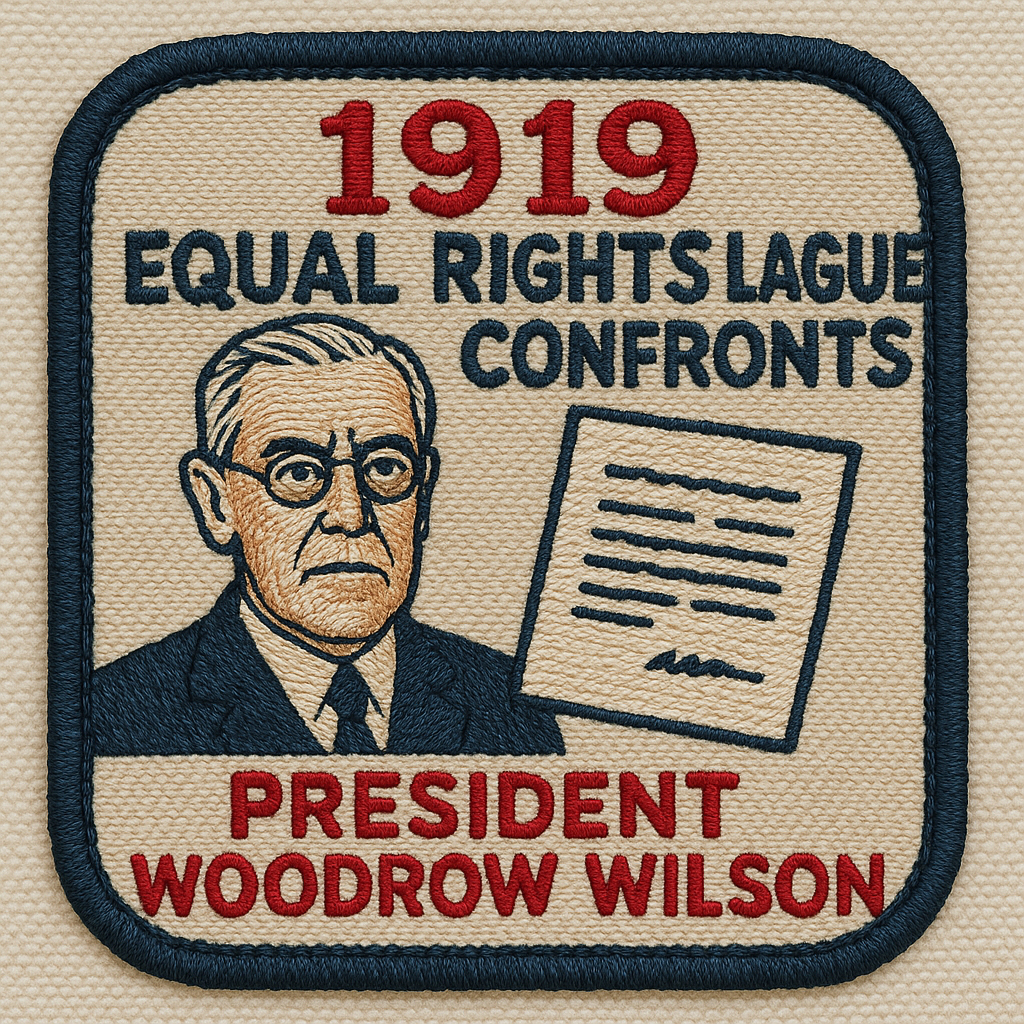
1919: Equal Rights League Challenges Federal Inaction

In November 1919, the country was still shaken from the violence known as the Red Summer. Cities across the nation had experienced unrest, and Black communities were left with little protection as organized mobs carried out attacks. On November 25, the National Equal Rights League sent a direct message to the White House that called attention to this crisis. They addressed President Woodrow Wilson in a formal letter and asked why the federal government had not acted to protect Black citizens from lynching and mob violence. The League stated that the government had the responsibility to step in when people were being harmed in their homes, workplaces, and neighborhoods. They noted that the violence was not limited to one region. It was happening across the country and required leadership from the highest levels of government. Their message also pointed out that a nation calling itself modern could not ignore such conditions. They urged President Wilson to support stronger legal protections and to enforce the laws that already existed but were not being applied evenly. The letter was part of a larger movement of Black advocacy groups pushing for national attention years before the major civil rights campaigns of the 1950s and 1960s. Their challenge to federal inaction showed a growing demand for fairness, safety, and accountability. While no significant changes were made by the administration at the time, the League’s action remains an important example of early national pressure for civil rights. It highlighted the determination of Black leaders who refused to remain silent and who called on the country to live up to its stated values. #OnThisDay #AmericanHistory #EqualRightsLeague #BlackHistoryFacts #LataraSpeaksTruth

1919: Equal Rights League Challenges Federal Inaction
LataraSpeaksTruth

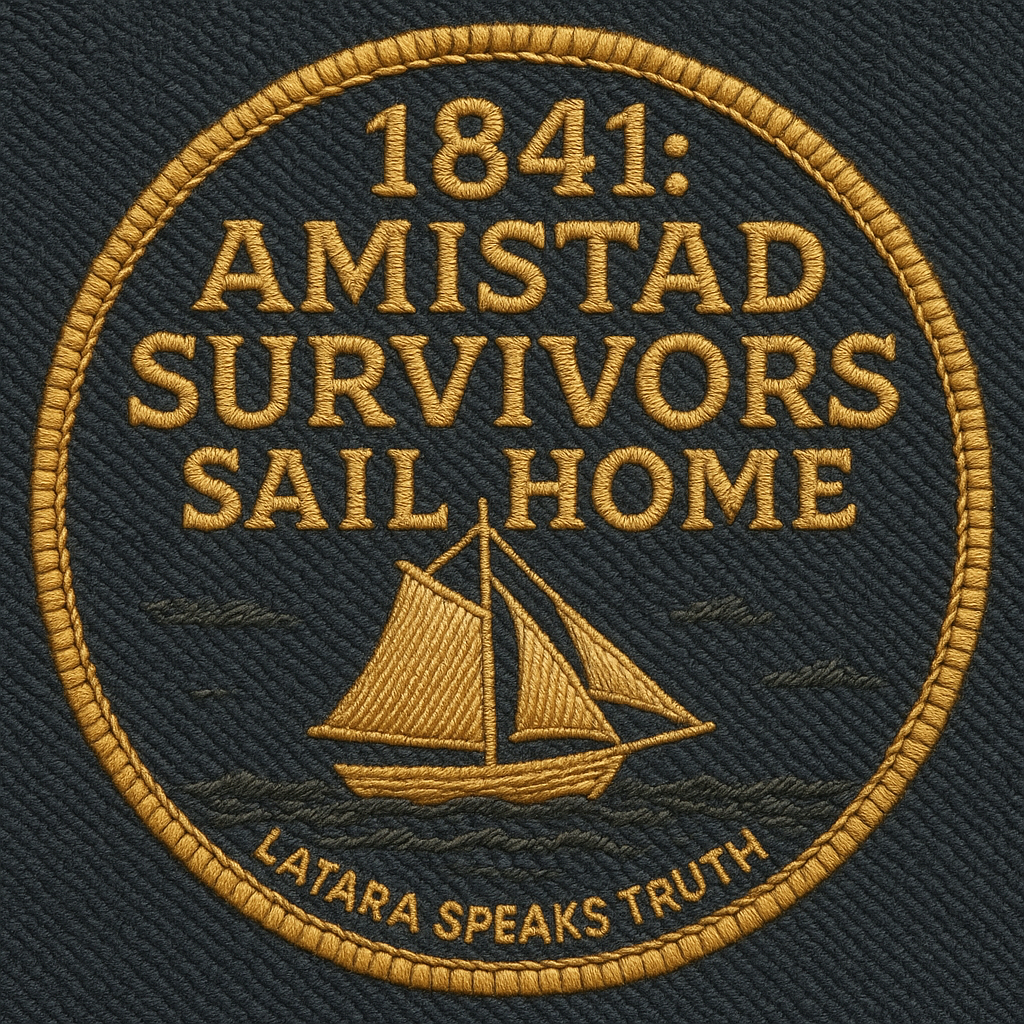
The Return of the Amistad Survivors

1841 marked a turning point that rarely gets the attention it deserves. After a long legal fight in the United States, 35 surviving Africans from the Amistad case finally prepared to leave American shores. Their story began two years earlier, when they were captured in West Africa, forced onto a Spanish ship, and pulled into the transatlantic trafficking system. But they refused to accept that fate, rising up, taking control of the vessel, and eventually ending up in the U.S., where their case climbed all the way to the Supreme Court. The Court ruled in their favor, declaring that they had been illegally taken and had the right to fight for their freedom. After months of delays and uncertainty, the survivors boarded a ship called the Gentleman in New York and set sail for West Africa. When they arrived in Sierra Leone, they stepped into a home that wasn’t the same as the one they were taken from. The people, the land, and the world around them had shifted. But returning still meant everything. It meant reclaiming their names, their futures, and a life stolen from them. It meant going home on their own terms. This moment remains one of the clearest examples of resistance meeting justice at a time when both were nearly impossible to find. #Amistad #BlackHistory #OnThisDay #LataraSpeaksTruth #LearnThePast

The Return of the Amistad Survivors
LataraSpeaksTruth

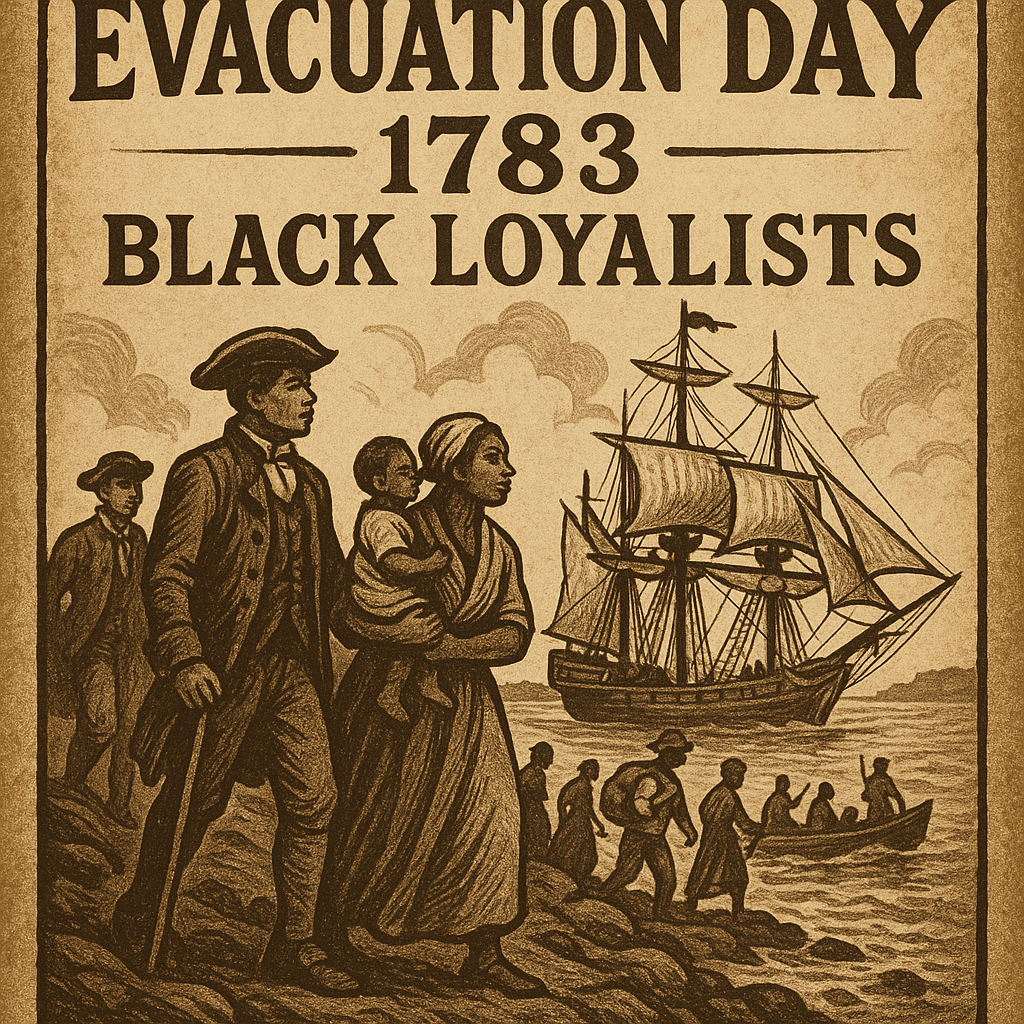
Evacuation Day 1783, Black Loyalists

On November 25, 1783, the British marched out of New York, closing the curtain on the American Revolution. For nearly three thousand Black Loyalists, this day was not an ending. It was a leap into a new beginning. They boarded ships with their names written in the Book of Negroes, often the first time they were recorded as free people. They sailed toward Nova Scotia, the Caribbean, and other British territories, carrying hope like a small flame against a cold wind. Some would later journey to Sierra Leone, still chasing the freedom they had been promised. The good was the chance to claim that freedom. The British had offered it to enslaved people who joined their forces. The bad was the fight over their status. American leaders demanded they be returned as “property.” The British refused, but the argument showed how fragile freedom could be in the new nation. The ugly arrived in Nova Scotia. The winters were brutal, the wages were low, the land grants were broken, and discrimination followed them across the sea. Many families spent years struggling for even a piece of what they had been told they would receive. Yet their departure mattered. Evacuation Day became one of the first large-scale movements of Black Americans choosing their future for themselves. Their courage was recorded. Their journey reshaped the Black diaspora. #BlackHistory #AmericanHistory #OnThisDay #LataraSpeaksTruth #CommunityFeed

Evacuation Day 1783, Black Loyalists
LataraSpeaksTruth

1941… Death of Henrietta Vinton Davis

Henrietta Vinton Davis, a groundbreaking actress, elocutionist, and international advocate, died on November 23, 1941 in Washington, D.C. Her career blended performance and activism during a period when opportunities for Black artists were limited. Davis became widely known through her stage work and later emerged as a prominent figure in the Universal Negro Improvement Association. She traveled, organized, and spoke publicly on issues related to unity, cultural pride, and global awareness among people of African descent. Her passing marked the end of a career that influenced both the performing arts and early twentieth century Black political life. Davis is now recognized as an important figure whose work reached across borders and generations. #BlackHistory #HenriettaVintonDavis #UNIAHistory #CulturalHistory #OnThisDay #PerformingArtsHistory #HistoricFigures #GlobalHistory #AmericanHistory #HistoryMatters

1941… Death of Henrietta Vinton Davis