Tag Page OnThisDay

#OnThisDay
LataraSpeaksTruth

December 10 marks a moment that shook the sports world in 1965. Sugar Ray Robinson, the man many still consider the greatest boxer to ever lace a pair of gloves, officially stepped away from the ring and closed a career that feels almost mythical in hindsight. He retired with world titles in the welterweight and middleweight divisions and more than 100 knockouts across eras where every fight was a battle for legacy. Sugar Ray wasn’t just skilled, he was the blueprint. Footwork light as conversation, timing sharp as intuition, movement that looked like it should have been captured in poetry instead of film. He shifted how fighters trained, strategized, dreamed. Whole generations studied him. Whole styles were born from his rhythm. His retirement on this day was bigger than a personal decision. It marked the end of a chapter in American sports history, a moment where fans knew they were watching the closing of something rare, something unmatched. A career that rewrote expectations. A fighter who redefined excellence. A legend who stood alone. There are champions. There are icons. And then there is Sugar Ray Robinson, a name that still commands respect every single time it’s spoken. His legacy didn’t end with retirement. It expanded, echoing through every fighter who studied the art of footwork, precision, and heart. #BlackHistory #BlackExcellence #OnThisDay #SportsHistory #BoxingHistory #SugarRayRobinson #LataraSpeaksTruth

LataraSpeaksTruth

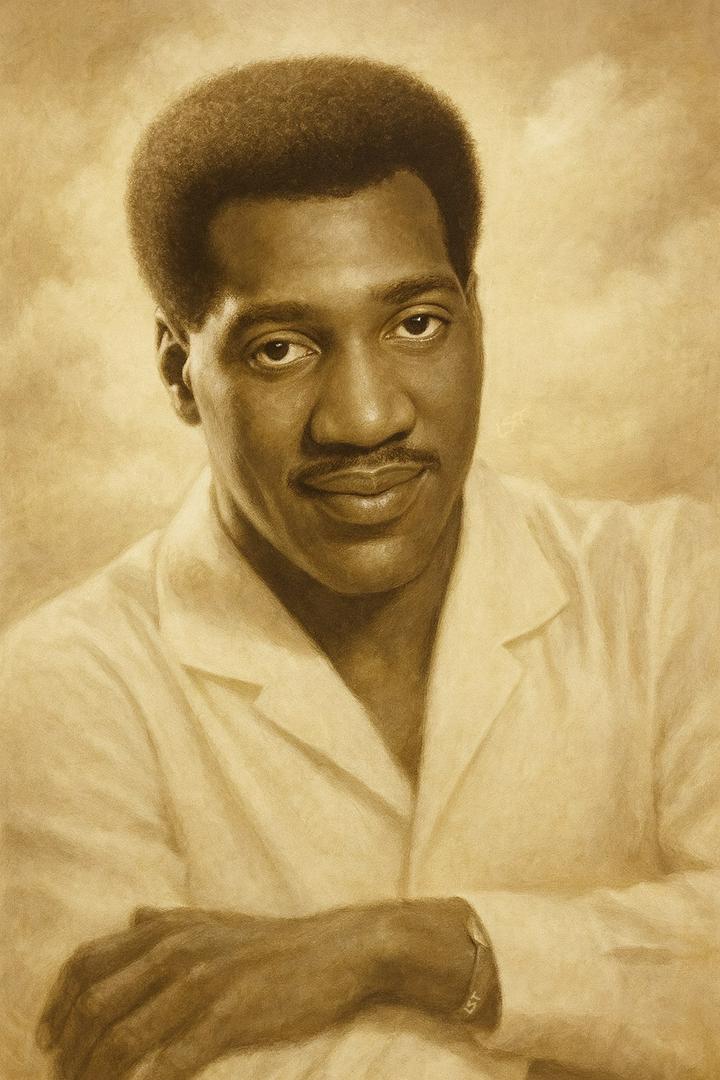
On this day in 1967, the world lost one of the greatest voices to ever touch soul music. Otis Redding was on his way to a performance in Madison, Wisconsin when his plane crashed into Lake Monona. He was only 26, right in the middle of building a legendary career that was already changing the sound of American music. What makes this loss even more powerful is the timing. Just days before the crash, Otis had stepped into the studio and recorded “(Sittin’ On) The Dock of the Bay.” No one knew it would become his final masterpiece. After his death, the song rose to number one and became the first posthumous chart-topping single in U.S. history. A quiet, reflective track that felt like a man looking out at the world became a symbol of everything he never got the chance to finish. Otis was already a force… from the Monterey Pop Festival to stages across the country. His voice carried grit, emotion, and truth. When he performed, he didn’t just sing… he offered a piece of himself. His impact stretched far beyond the charts, shaping the sound of soul music for generations. The news of his death hit hard. Fans mourned. Fellow musicians fell silent. And anyone who had heard him sing knew the world had lost something rare. Even now, decades later, his influence hasn’t faded. His music lives in samples, covers, tributes, and the way artists chase honesty in their sound. Today we honor Otis Redding, a talent gone far too soon, but never forgotten. His voice still echoes through time, reminding us how powerful one song… one moment… one life can be. #BlackHistory #LataraSpeaksTruth #OnThisDay #MusicHistory #OtisRedding #SoulMusic #RememberingLegends #HistoryMatters #TodayInHistory #CommunityPost

LataraSpeaksTruth

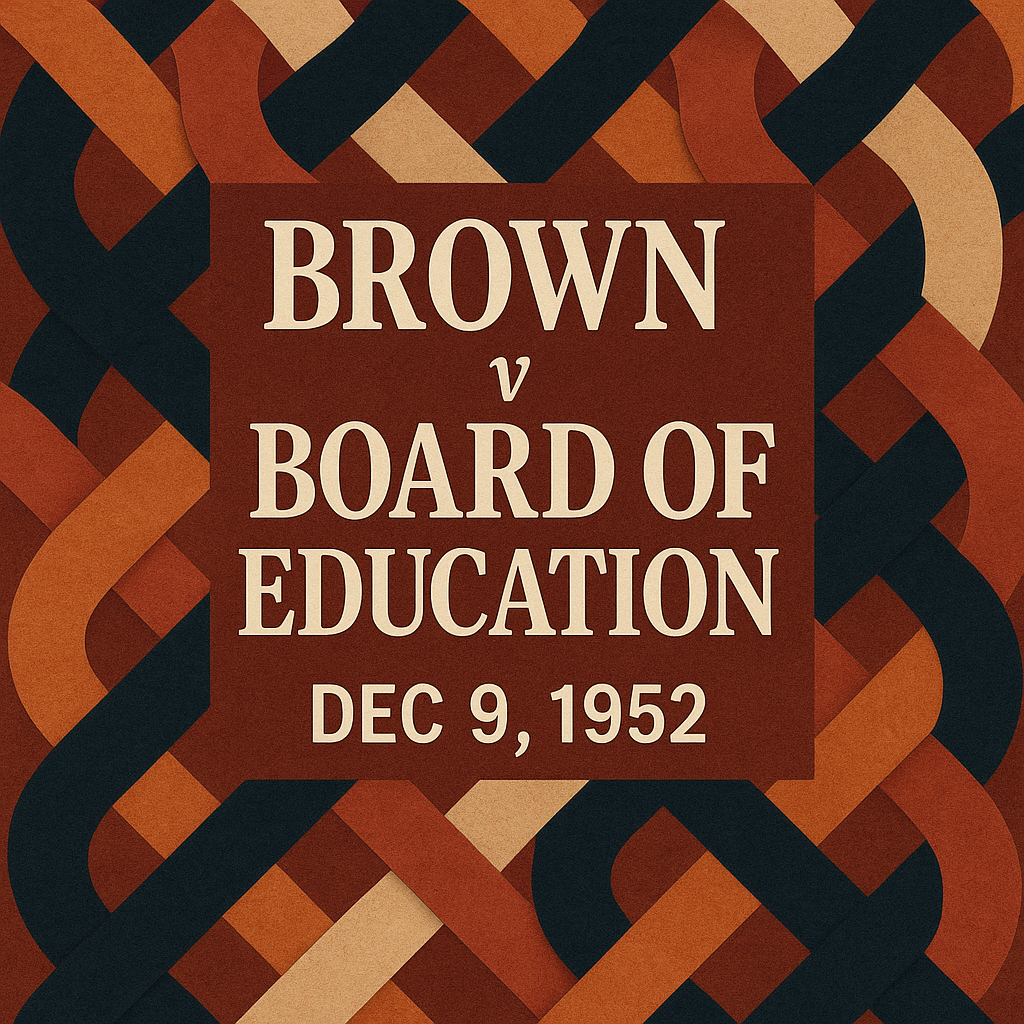
December 9, 1952 marked a turning point in American history, even though most people at the time didn’t realize how much the moment would reshape the nation. On this day, the U.S. Supreme Court began hearing arguments in Brown v. Board of Education and several related cases challenging school segregation. Families from Kansas, South Carolina, Virginia, Delaware, and the District of Columbia all stepped forward, insisting that separate classrooms created unequal futures for their children. Their voices carried a message that had been ignored for decades, and this was the first time the highest court in the country had to confront it head-on. The arguments unfolded over several days, exposing a truth that had long been clear to the families living it. Segregated schools were not just separate, they were deeply unequal in funding, safety, resources, and opportunity. Attorneys including Thurgood Marshall pushed the Court to acknowledge the harm being done to children who were told, by law, that they were worth less. It challenged the very idea of fairness in public education and forced the nation to face its contradictions. Though the Court would not reach a final decision until 1954, December 9 was the spark that set everything in motion. The justices’ willingness to reopen arguments multiple times showed how heavy the moment truly was. They knew the outcome would transform every district, every classroom, and every child’s understanding of what equality should look like in America. The eventual ruling, declaring school segregation unconstitutional, did more than change policy, it changed the nation’s direction. And it all began with the courage of families who refused to let inequality be the last word. #LataraSpeaksTruth #NewsBreak #HistoryMatters #AskLemon8 #BlackHistory #AmericanHistory #BrownvBoard #OnThisDay #CivilRightsHistory


LataraSpeaksTruth

December 8 marked another shift in the nation’s pandemic response as updated vaccine guidance continued moving across the country. Health officials pushed for broader access, especially in communities where misinformation, limited resources, and a long memory of broken trust were already shaping outcomes. The urgency was real… Omicron was gaining speed, and experts warned the impact wouldn’t fall evenly. That’s why December 9 mattered just as much. The NAACP stepped in with a national virtual town hall that brought medical experts, faith leaders, and community advocates together on one screen. They broke down the latest data, explained what was actually known about the new variant, and answered the questions mainstream coverage kept skipping past. They spoke plainly about the unequal weight communities were carrying… frontline exposure, higher rates of chronic illness, limited access to quality care, and the history that shaped hesitation. But the town hall wasn’t doom or panic. It was clarity. It was empowerment. It was everyday people getting real information instead of rumors, noise, or fear. Together, December 8 and 9 showed a moment when national policy and community conversation finally met in the middle. One moved the science forward. The other made the science make sense. And both days underscored a simple truth… information only matters when it reaches the people who need it most. #LataraSpeaksTruth #OnThisDay #HistoricalContext #HealthEquity #PublicHealth

LataraSpeaksTruth

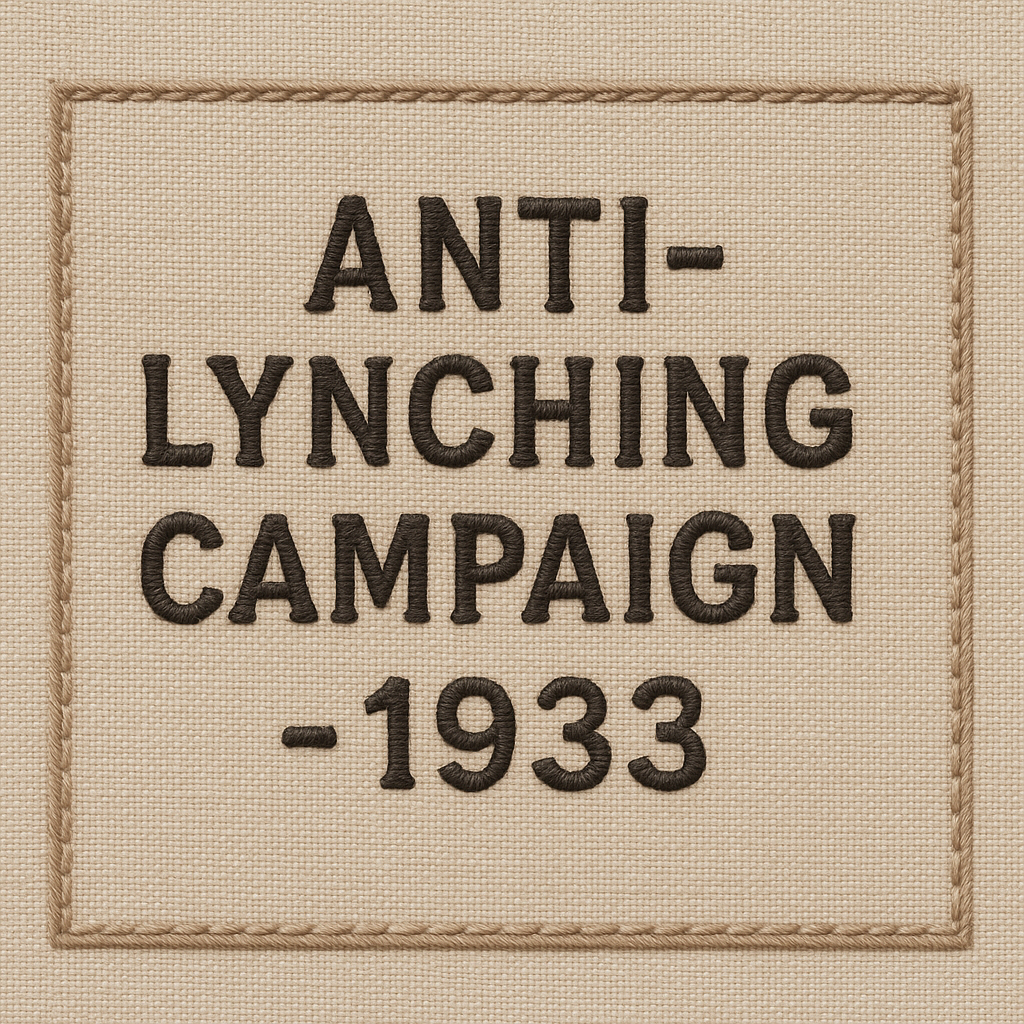
Patience had worn thin when the NAACP finally shifted from quiet appeals to a national demand for protection. On December 8, 1933, after yet another year of racial terror, the organization launched a sweeping anti-lynching campaign calling on Congress to pass federal safeguards that should have never been controversial in the first place. Lawmakers kept blocking it, choosing politics over the families who were burying their loved ones. Even without the bill passing then, that campaign cracked the door open for the legal battles that would follow, shaping future fights for safety, dignity, and accountability. And it exposed something unforgettable… who was willing to face injustice head-on, and who preferred the ease of silence. #LataraSpeaksTruth #HistoryMatters #AmericanHistory #OnThisDay #JusticeInFocus

LataraSpeaksTruth

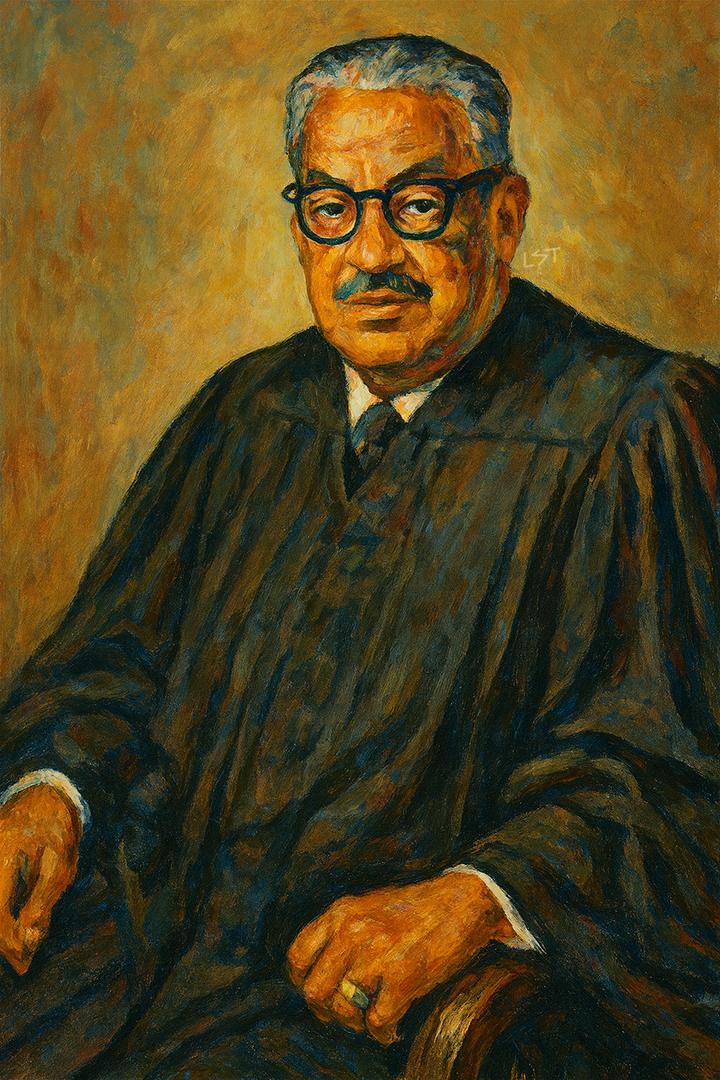
December 8, 1953 was one of those quiet days in American history that ended up shaking the whole system. Thurgood Marshall walked into the Supreme Court for the re-argument of Brown v. Board of Education, carrying the weight of generations who had been sidelined by a school system built on separation. The country had been tiptoeing around the truth for decades, but Marshall didn’t tiptoe. He drew a line. He broke down the cost of segregation with facts, legal precedent, and the lived experiences of Black children who were expected to learn in unequal environments. He challenged the Court to stop hiding behind tradition and to face what equality actually looks like when it’s lived… not just written. His argument forced the nation to ask hard questions. Could a country built on the idea of fairness continue to defend a system that denied fair access to opportunity? Could separate schools ever offer the same future? Marshall pushed the justices to confront the gap between the promise of the Constitution and the reality families faced every day. That re-argument didn’t end segregation in a single afternoon, but it signaled a shift the country could not ignore. It showed that this fight wasn’t going away. It showed that moral clarity, strategic pressure, and undeniable truth would eventually force the system to bend. When we look at education today, December 8 stands as a reminder that progress never arrives neatly. It arrives because someone is bold enough to stand in front of power and say, “This isn’t justice… and we’re not backing down.” #HistoryMatters #AmericanHistory #EducationReform #ThurgoodMarshall #OnThisDay #LataraSpeaksTruth

LataraSpeaksTruth

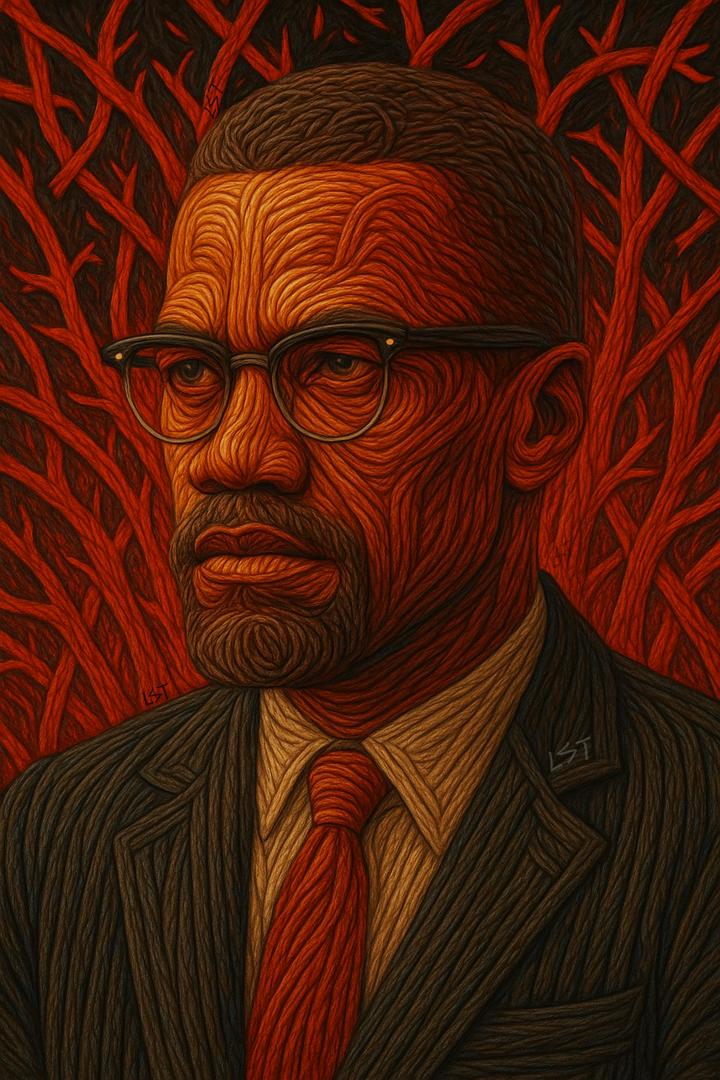
When Malcolm X Spoke On Kennedy’s Death

On December 1, 1963, Malcolm X was asked for his reaction to the assassination of President John F. Kennedy. He was one of the most closely watched public figures in the country at the time, and reporters pressed him for a comment. Malcolm X responded with the words that would echo for decades. He said it was a case of chickens coming home to roost. He framed the event as part of a larger pattern of violence in the United States during that era. He argued that a nation shaped by political bloodshed could not avoid that same violence returning to its doorstep. The remark caused an immediate national uproar. It was interpreted as insensitive and divisive, and it clashed with the public grief that followed the assassination. The Nation of Islam suspended him from speaking publicly after the comments. His relationship with the organization would continue to strain in the months that followed. This moment is often oversimplified, but it marked a turning point. It pushed Malcolm X to reconsider his alliances, rethink his voice, and eventually pursue a broader message about global human rights. What happened on December 1 became one of the first steps toward the transformation that shaped the final years of his life. #MalcolmX #OnThisDay #AmericanHistory #PoliticalHistory #NewsBreakCommunity #HistoricVoices #HistoricMoments #AmericanLegacy

When Malcolm X Spoke On Kennedy’s Death
LataraSpeaksTruth

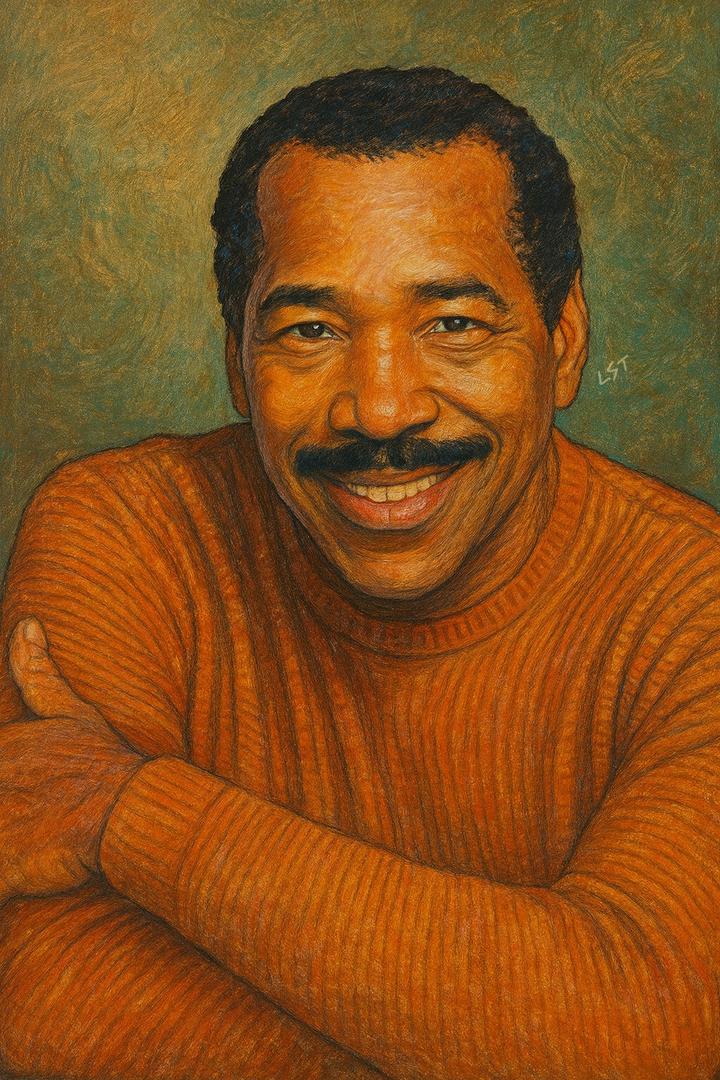
Obba Babatundé Born on This Day in 1951

From Broadway stages to classic films, he built a career defined by range and longevity. On December 1, 1951, Obba Babatundé was born in Queens, New York. His path from a kid with talent to a nationally respected actor shows what happens when discipline and versatility work hand in hand. He began in local performances and quickly stood out as someone who could master any role placed in front of him. Audiences on Broadway watched him rise in the original production of Dreamgirls where he played C. C. White. The role earned him a Tony Award nomination and made it clear that he belonged in the ranks of top stage performers. His work reached well beyond the theater. Babatundé became a recognizable force in film and television, taking on roles that required both emotional depth and sharp comedic timing. One of his most memorable pop culture appearances came in the movie How High where he played Dean Cain, the stressed and uptight administrator shocked by the chaos unfolding around him. It was a small role but the impact was immediate. His delivery, presence, and comedic control added another layer to the film and showed how effortlessly he could shift from drama to humor. Babatundé built a career rooted in dedication, heritage, and range. His birthday marks the rise of a performer who continues to influence stages, screens, and generations of actors who follow after him. #ObbaBabatunde #OnThisDay #BlackHistory #EntertainmentHistory #Dreamgirls #HowHigh #FilmAndStage #ActingLegend #NewsBreakCommunity

Obba Babatundé Born on This Day in 1951
LataraSpeaksTruth

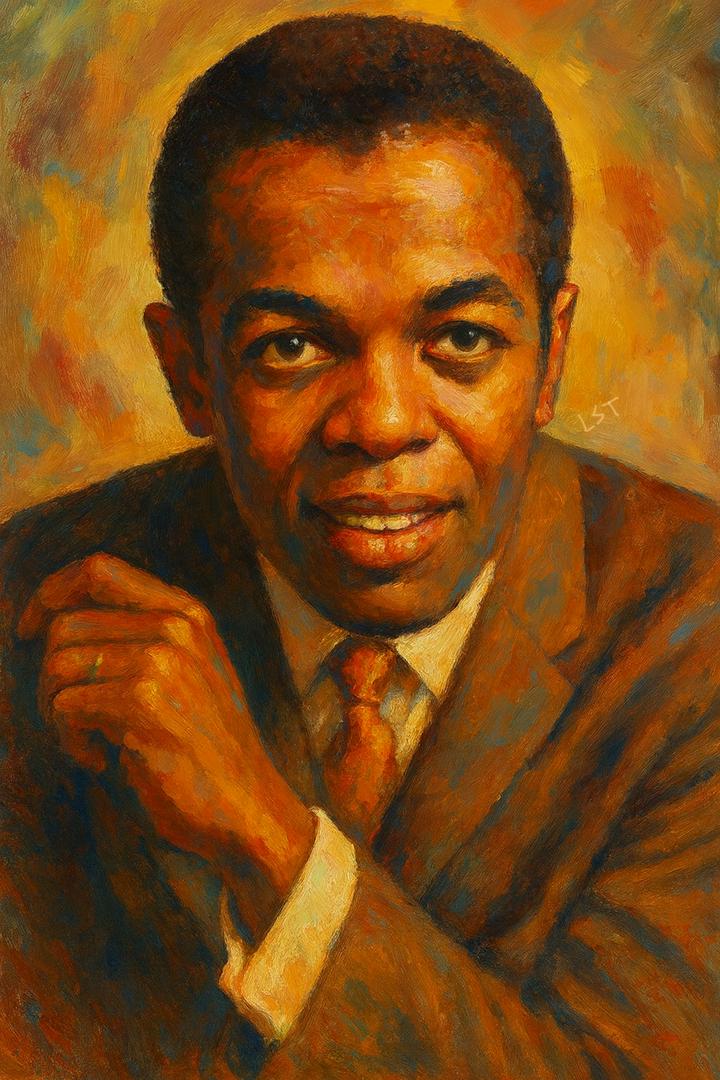
Lou Rawls: A Voice That Lifted Generations

Lou Rawls was born on December 1, 1933 in Chicago, a city known for shaping icons, and he grew into one of the defining voices of soul music. His smooth baritone carried emotion, clarity, and a kind of grounded skill that influenced listeners across multiple generations. He won Grammy recognition throughout his life, but his impact reached far beyond awards. Rawls became a major force for education, raising millions for historically Black colleges and universities through his annual telethons. That work created scholarship opportunities, supported students, and strengthened institutions that often struggled for fair funding. His birthday marks the beginning of a life filled with artistry, service, and generosity. Lou Rawls left behind a legacy built on music, community, and a steady commitment to lifting others. #LouRawls #SoulLegend #ChicagoHistory #MusicHistory #HBCULegacy #BlackMusicCulture #OnThisDay #NewsBreakCommunity

Lou Rawls: A Voice That Lifted Generations
Tag: OnThisDay - Page 11 | LocalAll