Tag Page MusicHistory

#MusicHistory
LataraSpeaksTruth

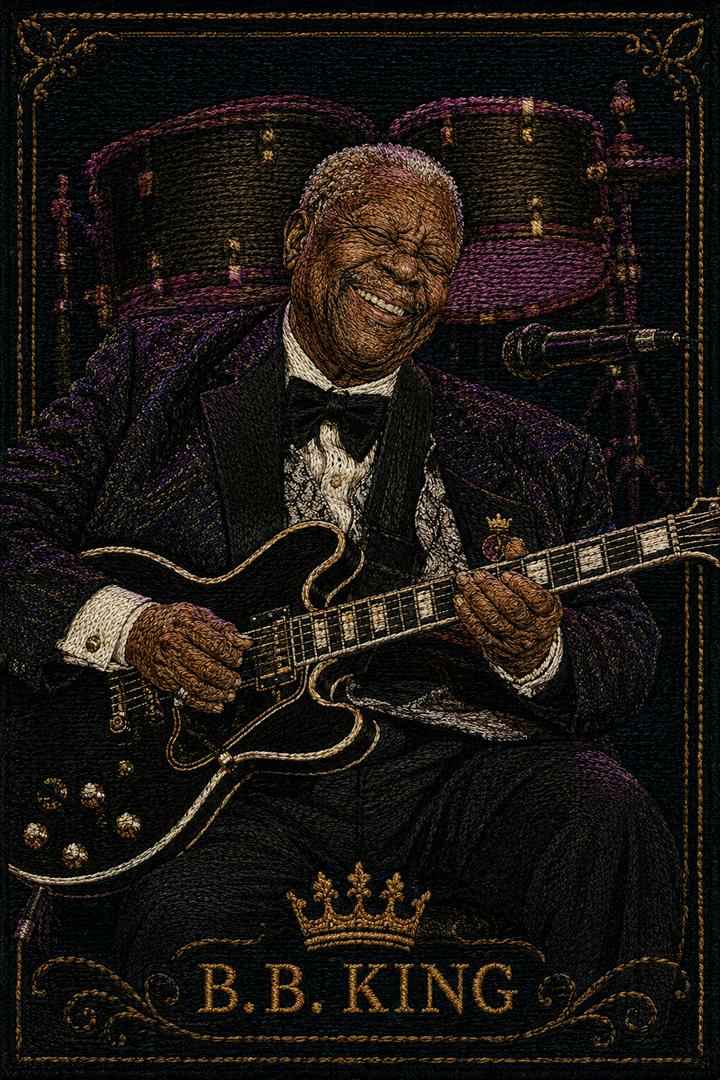
B.B. King died on May 14, 2015, at age 89, but calling that the end of his story would be wrong. His music is still here. His guitar is still speaking. His name still carries weight wherever the blues are respected. Born Riley B. King near Itta Bena, Mississippi, he came from the Delta, where struggle and sound often lived side by side. Before he became known around the world, he worked the land, sang gospel, played street corners, and followed the music that would eventually carry him far beyond Mississippi. In Memphis, his nickname began as Beale Street Blues Boy, later shortened to Blues Boy, then B.B. King. That name became one of the most important in American music. His guitar, Lucille, became almost as famous as he was. Together, they created a sound that did not need to be loud to be powerful. B.B. King could bend one note and make it feel like a whole story. His playing carried pain, love, patience, joy, and memory. Songs like “The Thrill Is Gone,” “Every Day I Have the Blues,” and “Sweet Little Angel” helped define his legacy, but his influence went far beyond one song or one stage. Blues musicians, rock guitarists, soul artists, and generations of performers learned from his tone, his timing, and his restraint. PBS called him the legendary blues guitarist and singer. TIME reported that after his death in Las Vegas, he was laid to rest in Indianola, Mississippi, where fans gathered to honor him. That final journey back to Mississippi mattered. The Delta helped shape B.B. King, and he gave the world a sound that still cannot be copied. On May 14, we remember more than a musician. We remember the King of the Blues…a man who turned life into music and made Lucille cry in a language everybody could understand. #BBKing #KingOfTheBlues #BluesMusic #MusicHistory #BlackMusicHistory #OnThisDay

LataraSpeaksTruth

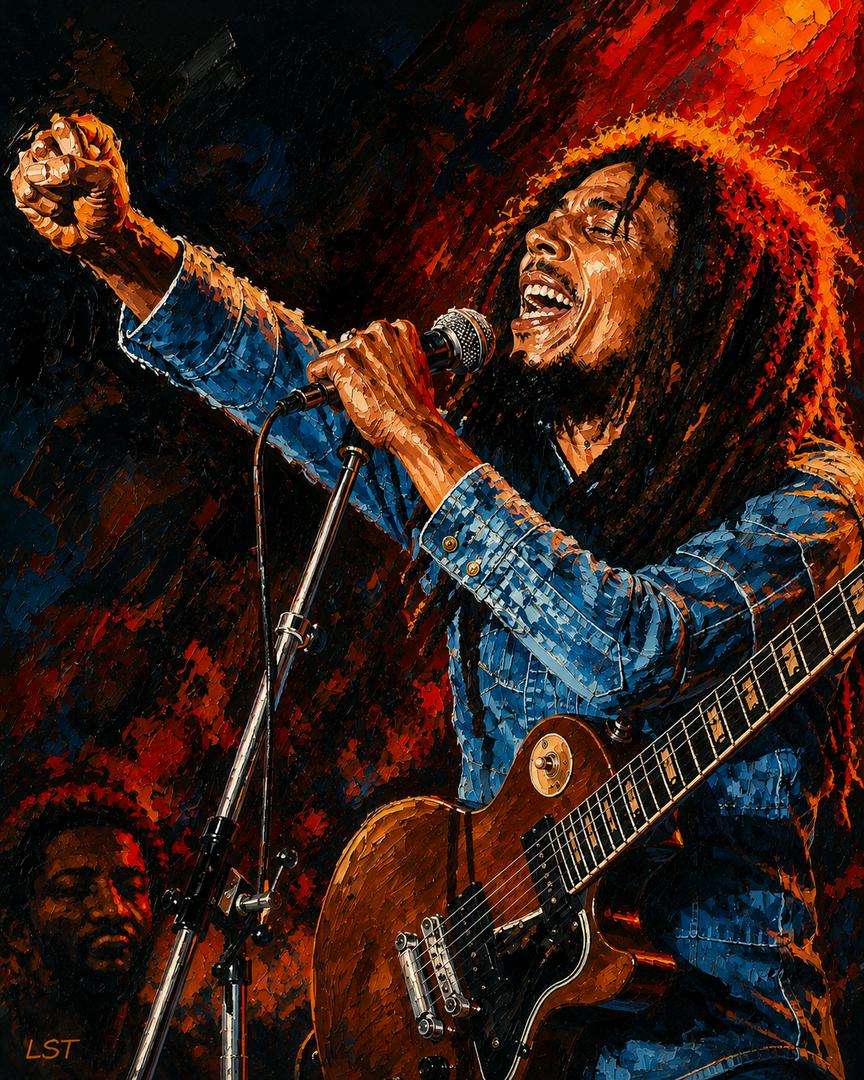
On May 11, 1981, the world lost Bob Marley, one of the most influential musicians in modern history. Marley died in Miami at just 36 years old from acral lentiginous melanoma, a form of skin cancer. His death was not only a loss for Jamaica, but for the entire Black diaspora. By the time he passed, Marley had already carried reggae far beyond the island and turned it into a global language of resistance, spirituality, love, and survival. Born in Nine Mile, Jamaica, Robert Nesta Marley rose from humble beginnings to become the voice behind songs that still move across generations. With The Wailers, and later as the face of Bob Marley and the Wailers, he helped bring reggae to international audiences through music that blended rhythm with message. Songs like “Get Up, Stand Up,” “Redemption Song,” “One Love,” and “No Woman, No Cry” became more than records. They became cultural markers. Marley’s work was deeply tied to Rastafari, Pan-African thought, colonial history, and the struggle for dignity. His music spoke to poor people, working people, displaced people, and anyone trying to hold on to hope while living under pressure. That is why his reach stretched from Kingston to London, Africa, the Caribbean, America, and beyond. His legacy also remains complex. Marley became a peace symbol, but he was not simply a soft figure. His music challenged oppression, warned against division, and called for liberation. He lived in a time when Jamaica faced political tension, violence, and post-colonial struggle, and his voice became part of that larger story. More than four decades after his death, Bob Marley’s image, sound, and message remain alive. He was a reggae pioneer, a cultural messenger, and a global symbol of Black identity, faith, and resistance. May 11 marks the day his body left the world, but his voice never did. #BobMarley #ReggaeHistory #BlackDiasporaHistory #JamaicanHistory #MusicHistory #Rastafari #OneLove
LataraSpeaksTruth

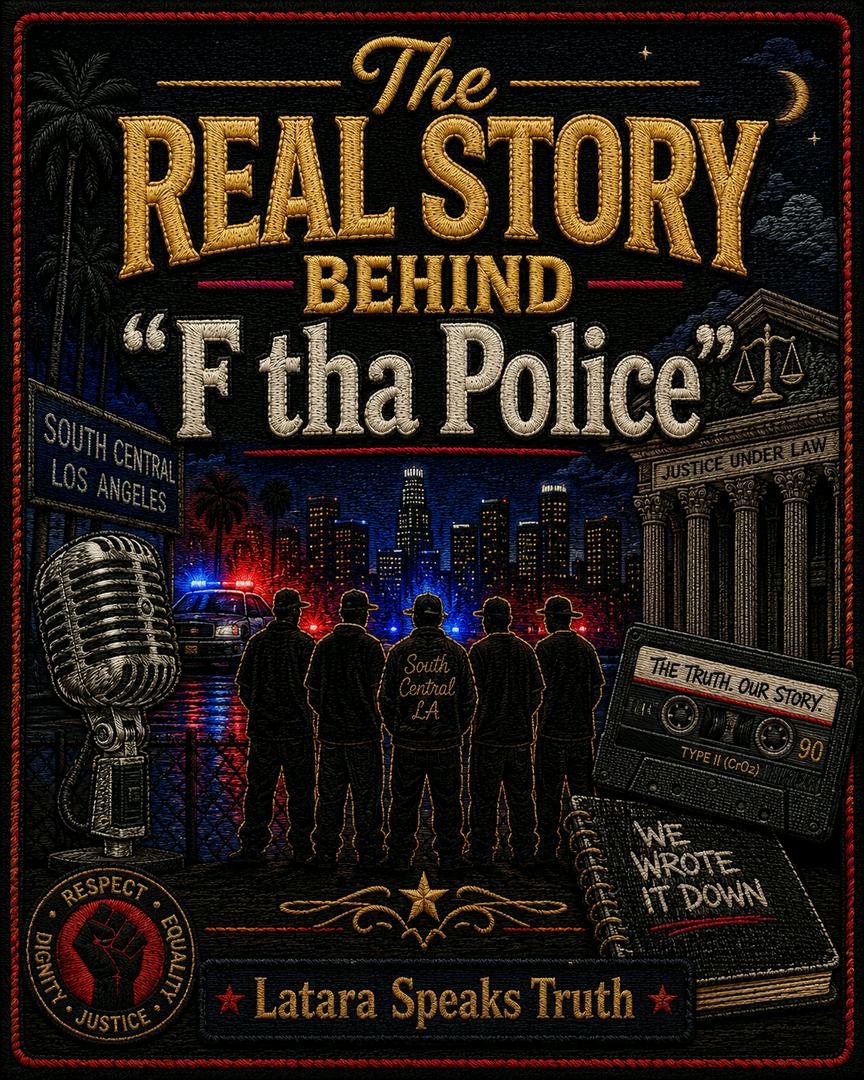
When people talk about N.W.A.’s “F tha Police,” the story usually gets flattened into one word: controversy. But the real story was bigger than a curse word, a hook, or a headline. The song came from a real time and place. In late 1980s Los Angeles, South Central communities were dealing with aggressive policing, racial profiling, poverty, gang enforcement, and years of frustration that did not suddenly appear when a rap group put it on wax. N.W.A. did not package that anger in polite language. They made it raw. Loud. Uncomfortable. That was the point. “F tha Police” was built like a courtroom scene, with young Black men putting law enforcement on trial through music. It was not trying to sound respectable for people who had already decided not to listen. It was trying to sound like what people were saying when no camera or politician was around. The backlash came fast. In 1989, an FBI official sent a letter to Priority Records criticizing the song and saying it encouraged violence and disrespect toward police officers. But instead of burying the record, the letter helped make it more famous. That is the part history loves to flip. A song once treated like a threat later became part of American music history. Straight Outta Compton was added to the National Recording Registry because of its cultural, historical, and artistic significance. That is the real story. A record condemned as dangerous was later preserved as important. You do not have to like every lyric to understand why it mattered. “F tha Police” captured anger many people felt but rarely heard expressed on a national stage. It was not just a rap song. It was a warning flare from a community tired of being watched, stopped, searched, and dismissed. And once history proved those complaints were not imaginary, the song became more than controversy. It became documentation. #NWA #HipHopHistory #MusicHistory #TheRealStoryBehindIt #LataraSpeaksTruth

LataraSpeaksTruth

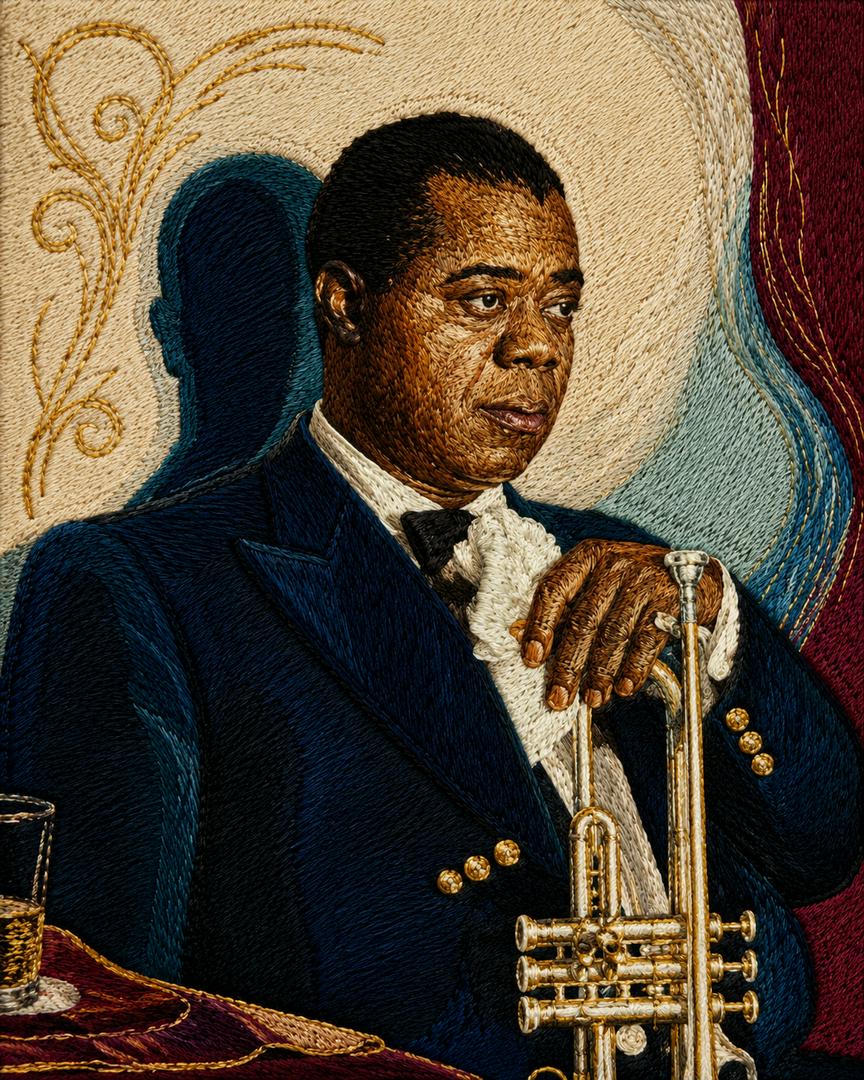
On May 9, 1964, Louis Armstrong reminded America that legends do not always leave quietly. That day, his recording of “Hello, Dolly!” reached No. 1 on the U.S. pop chart, ending The Beatles’ run at the top during the height of Beatlemania. At the time, The Beatles were dominating music and pop culture, but Armstrong, already a giant in jazz, stepped back into the spotlight and made history. Armstrong was in his sixties when “Hello, Dolly!” became a hit. That made the moment even more powerful. Popular music often treats older artists like their time has passed, but Armstrong proved that legacy still had rhythm, timing, and power. His success was not just a fun chart surprise. It was a reminder of how deeply Black musicians shaped American sound long before rock and pop became global industries. Armstrong’s trumpet playing, gravelly voice, stage presence, and musical style helped influence generations of performers. So when “Hello, Dolly!” knocked The Beatles out of the No. 1 spot, it felt bigger than one song. It was the old guard tapping the new era on the shoulder and saying, do not forget where this music came from. The song later earned major Grammy recognition, with Jerry Herman winning Song of the Year for “Hello, Dolly!” as recorded by Armstrong. Louis Armstrong did not need to prove he was important. He already was. But on May 9, 1964, he gave the world one more reminder. Sometimes history does not whisper. Sometimes it smiles, lifts a horn, and takes No. 1. #BlackHistory #LouisArmstrong #MusicHistory #OnThisDay #JazzHistory

LataraSpeaksTruth

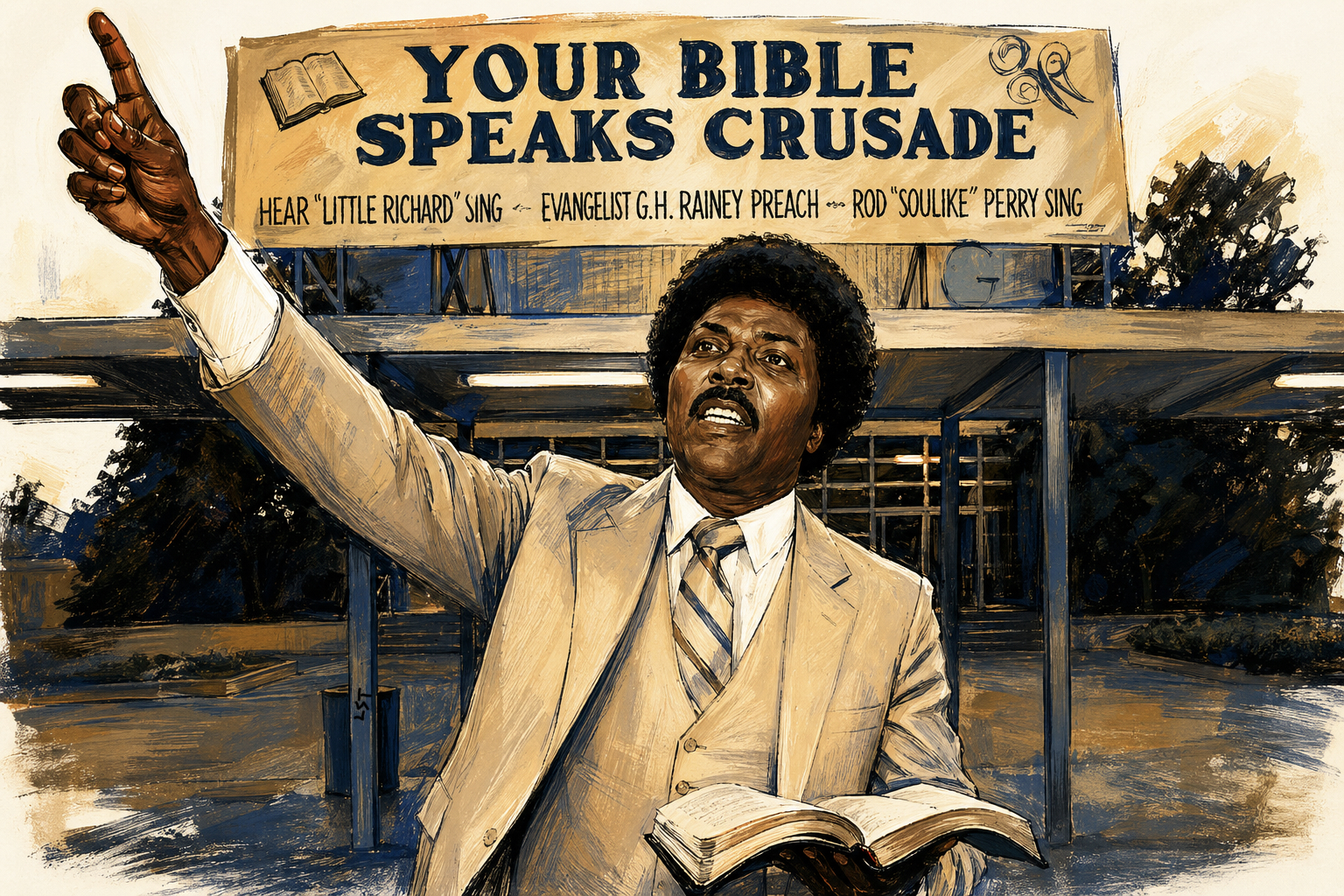
Little Richard did not leave rock and roll because the crowd stopped screaming. He walked away while the crowd was still loud. Born Richard Wayne Penniman in Macon, Georgia, Little Richard became one of the most explosive figures in early rock and roll. With “Tutti Frutti,” “Long Tall Sally,” “Rip It Up,” and “Good Golly, Miss Molly,” he helped shape the sound, look, and spirit of a new musical age. His pounding piano, soaring voice, makeup, towering hair, confidence, and wild stage presence made him impossible to ignore. But behind the glitter was a man pulled between two worlds. Little Richard grew up around church music, preaching, gospel singing, and Pentecostal worship. That never left him. Even as fame rose around him, he wrestled with guilt over the music business, his lifestyle, and whether the spotlight was pulling him away from God. Then, in 1957, at the height of his success, he made a shocking decision. While touring in Australia, Little Richard announced that he was leaving rock and roll to serve God. The moment has often been tied to his sighting of Sputnik, the Soviet satellite, which he interpreted as a warning from heaven. To him, it was not just something in the sky. It was a sign. After returning to the United States, he joined the Seventh-day Adventist world and enrolled at Oakwood College in Huntsville, Alabama, where he studied religion and prepared for ministry. He also turned from rock and roll toward gospel music. That is what makes the story so powerful. Little Richard was not a faded star trying to reinvent himself. He was one of music’s brightest forces, and he stepped away anyway. His life would continue to move between the pulpit and the stage. He returned to secular music, stepped back again, and wrestled with faith, fame, identity, and purpose for decades. Some artists chase the spotlight until it disappears. Little Richard walked away while it was still burning. #LittleRichard #RockAndRollHistory #MusicHistory #History

Shawn Winchester

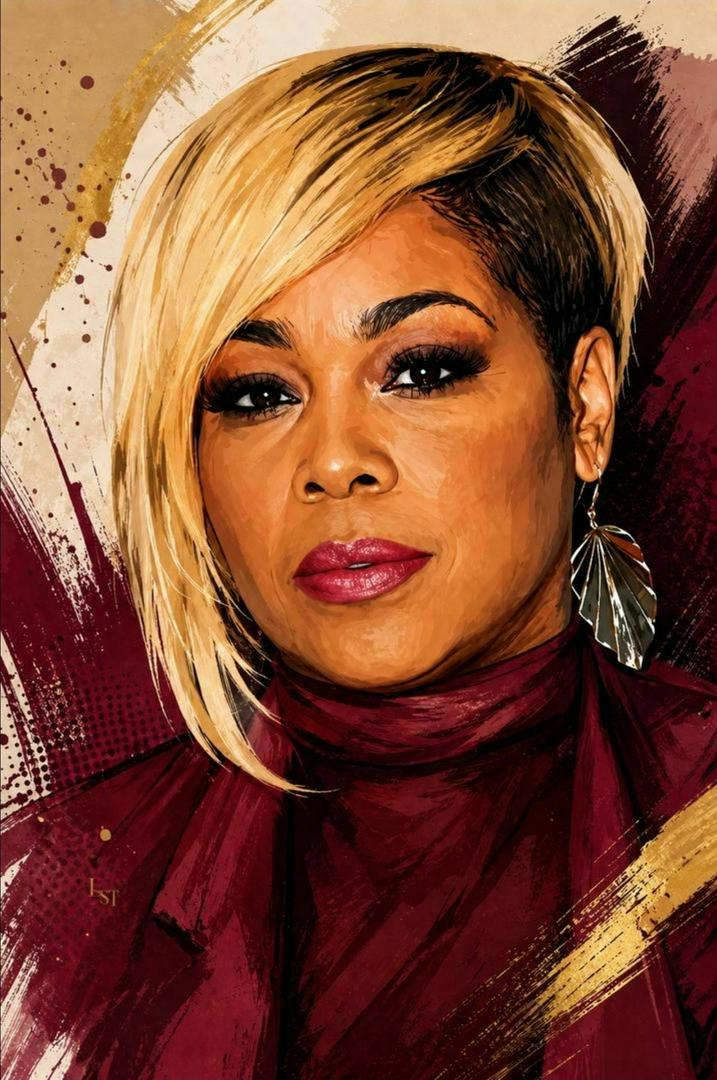
April 26, 1970 - Tionne "T-Boz" Watkins Was Born Tionne Watkins. known to the world as T-Boz. was born in Des Moines, lowa. As one third of TLC, alongside Lisa "Left Eye" Lopes and Rozonda "Chilli'" Thomas, she helped shape one of the most important gir groups of the 1990s T-Boz had a voice people recognized instantly: low, smoky, calm, and cool without trying too hard. She did not sound like everyone else, and that became part of TLC's power. At a time when many female groups were expected to fit a certain mold, TLC brought something different. They plended R&B, pop, hip-hop style, bold fashion, and messages that actually meant something. With songs like "Creep," "Waterfalls," "No Scrubs," and "Unpretty," TLC gave fansmusic they could dance to, cry to, and think about. They spoke on self-worth, health relationships, beauty standards, and the pressure women face, all while making hits that became part of music history April 26 also carries a deeper meaning for ongtime TLC fans. Lisa "Left Eye' Lopes passed away on April 25, 2002, just one day before T-Boz's birthdav. So this date sits between celebration and remembrance, honoring T-Boz's life while also remembering the sisterhood, loss, and egacy connected to TLC T-Boz's iourney is also one of survival. She faced serious health struggles, industry pressure, public grief, and the weight of continuing after losing a group member and friend. Still, her voice and presence remain part of a legacy that has never faded TLC was not just a girl group. They were a cultural moment. And T-Boz was the voice that made that moment unforgettable. #TBoz #TLC #MusicHistory #RnBHistory #History

Brandon_Lee

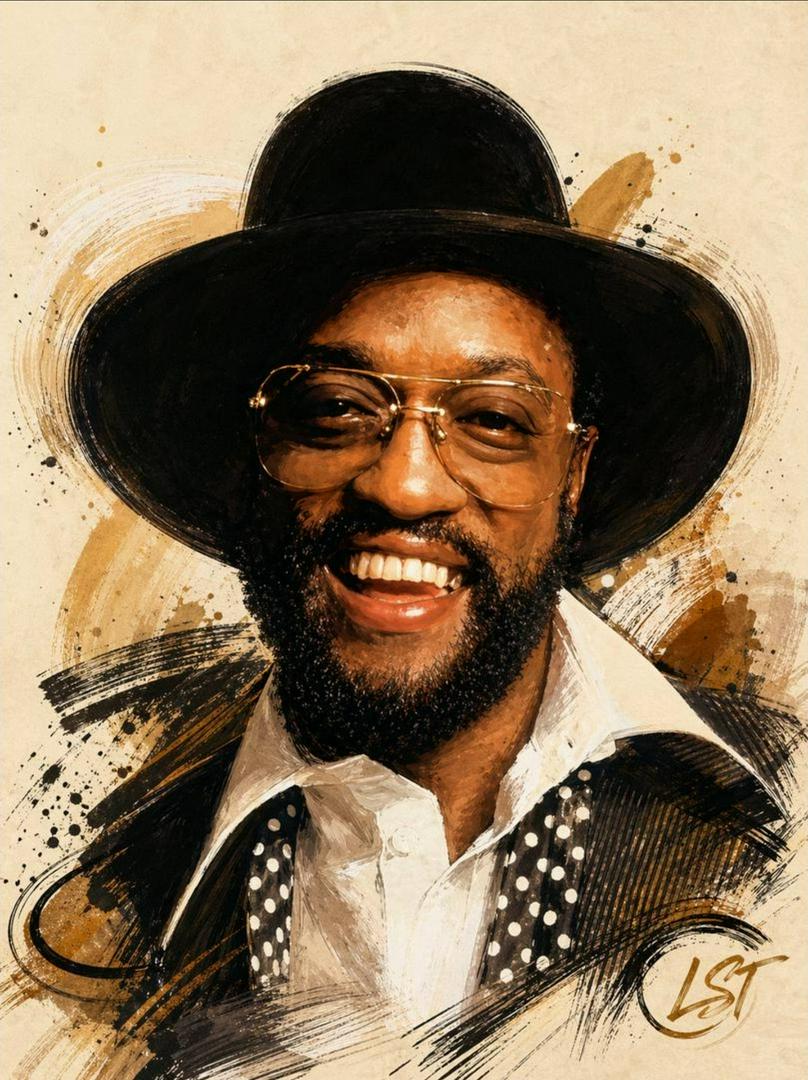
On April 24, 2016, soul music lost Billy Paul the Philadelphia singer best known for the classic "Me and Mrs. Jones." But let's not reduce that man to one song Born Paul Williams in Philadelphia on December 1, 1934, Billy Paul came from a city that did not iust produce music....it produced feeling. His voice carried iazz soul, pain, temptation, and grown-folks storytelling all at once. That is why "Me and Mrs. Jones" worked the way it did. The song was not loud. It dia not have to be. Billv Paul sanq it like a confession whispered in a room where everybody already knew the truth. Smooth, controlled, complicated, and unforgettable Released in 1972, "Me and Mrs. Jones' became a No. 1 hit and earned Billv Paul a Grammy Award for Best Male R&B Vocal Performance. That was not just a music moment. That was Philly soul stepping into the national spotlight with elegance, drama and a whole lot of mood Billy Paul was part of the Philadelphia International Records sound shaped by Kenny Gamble and Leon Huff. That sound gave the 1970s some of its most polished and powerful soul records. It was music with strings, rhythm, storytelling, and class. The kind of music that made you sit down, listen, and feel something before you even realized what the lyrics were doing. Billy Paul passed away at his home in Blackwood, New Jersey, after battling pancreatic cancer. He was 81 His legacy is bigger than a chart position. It ives in that smoky voice, that grown soul sound. and that reminder that some artists do not need a hundred hits to leave apermanent mark. Sometimes one song opens the door. But the voice behind it is the real history. #BillyPaul #SoulMusic #MusicHistory #PhillySoul #LataraSpeaksTruth

LataraSpeaksTruth

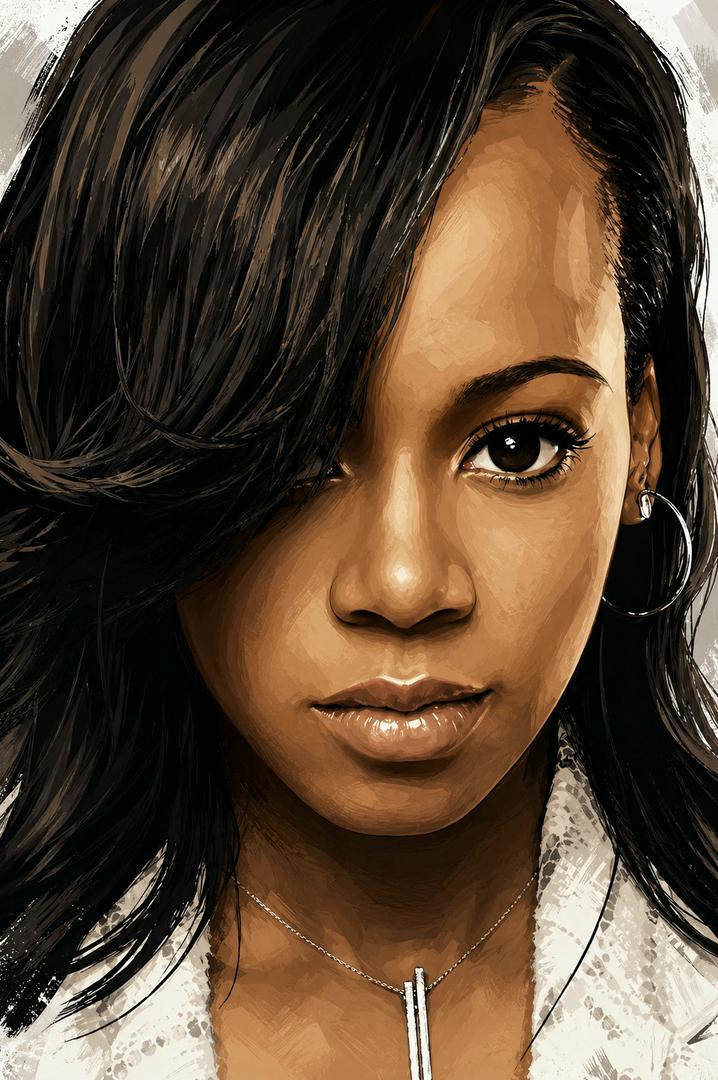
On April 25, 2002, the music world lost Lisa “Left Eye” Lopes, one of the most unforgettable voices and personalities of the 1990s. Lopes, a member of TLC alongside Tionne “T-Boz” Watkins and Rozonda “Chilli” Thomas, died in a car crash in Honduras at the age of 30. She had been there during what has often been described as a spiritual retreat and period of reflection. Her death shocked fans around the world because she was still young, still creating, and still searching for who she wanted to become beyond the fame. Left Eye was not just the rapper in TLC. She was part of the group’s edge, imagination, and identity. Her verses on songs like “Waterfalls” gave TLC a voice that was playful, bold, thoughtful, and impossible to copy. She brought something different to the group, not just sound, but attitude. TLC became one of the most successful girl groups of all time, with major hits like “Creep,” “No Scrubs,” “Unpretty,” and “Waterfalls.” The group won multiple Grammy Awards and helped define an era of R&B and pop music. But Left Eye stood out because she seemed to carry both fire and vulnerability. She was creative, unpredictable, spiritual, complicated, and deeply human. Her life was not without controversy, but reducing her to controversy would miss the bigger picture. Lisa Lopes was an artist who questioned herself, challenged the industry, and kept trying to grow. She wanted meaning. She wanted healing. She wanted freedom. More than two decades later, her impact is still felt. Every time her verse plays, every time TLC is remembered, every time someone talks about women bringing personality and power into music, Left Eye’s name still belongs in that conversation. She was only 30 years old, but her presence never faded. #LisaLeftEyeLopes #TLC #MusicHistory #BlackMusicHistory #GoneButNotForgotten

LataraSpeaksTruth

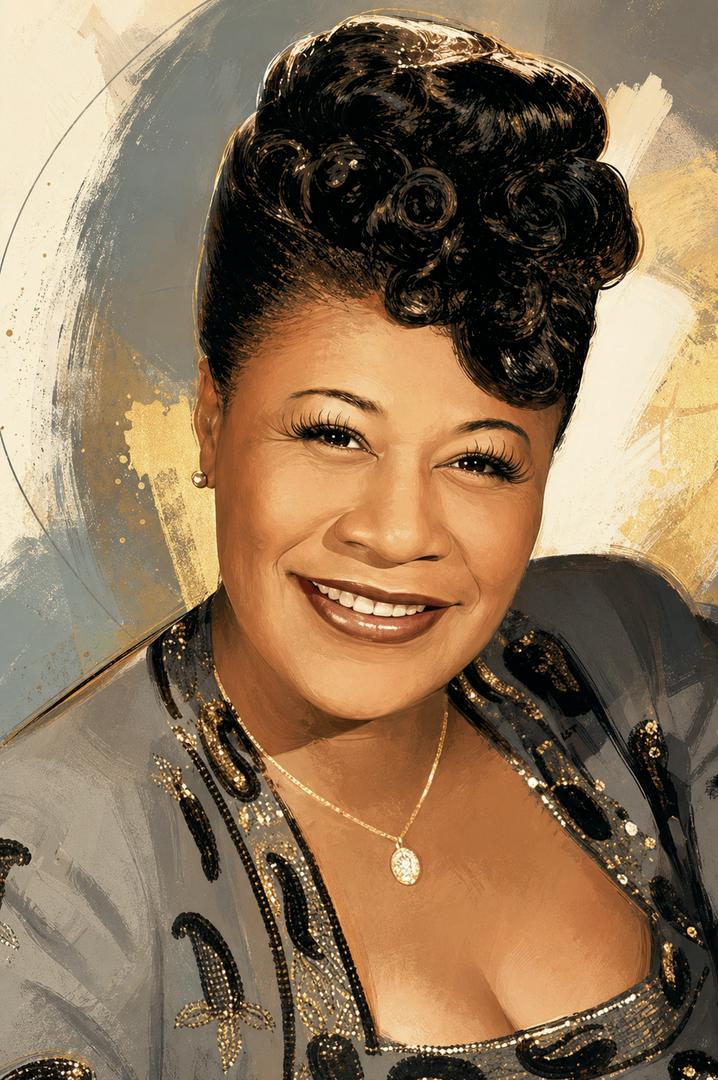
On April 25, 1917, Ella Fitzgerald was born in Newport News, Virginia. Long before the world called her the “First Lady of Song,” she was a young girl whose voice would eventually become one of the most recognizable sounds in American music. Fitzgerald’s rise was not built on image or gimmicks. It was built on talent, discipline, timing, and a voice that could move through jazz, swing, bebop, blues, and popular standards with ease. Her tone was clear. Her phrasing was smooth. Her control was almost unreal. She could take a song and make it feel brand new, even when people thought they already knew every note. She became especially known for scat singing, a vocal style where the singer uses sounds instead of words to improvise like an instrument. Ella did not just sing around the music. She became part of it. Her voice could dance with the band, answer the trumpet, challenge the rhythm, and still land softly enough to feel effortless. Over her career, Fitzgerald performed around the world and helped define what great jazz singing could sound like. Her work with the Great American Songbook introduced generations to classic American music, and her recordings remain a standard for vocal excellence. Ella Fitzgerald died in 1996, but her influence did not fade. Singers still study her. Jazz lovers still return to her recordings. And her name still stands beside the greatest voices this country has ever produced. Born in Virginia, raised through struggle, and remembered across the world, Ella Fitzgerald left behind more than songs. She left behind proof that a voice, when handled with grace and mastery, can become history. #EllaFitzgerald #JazzHistory #MusicHistory #AmericanMusic #OnThisDay

SanPuffy

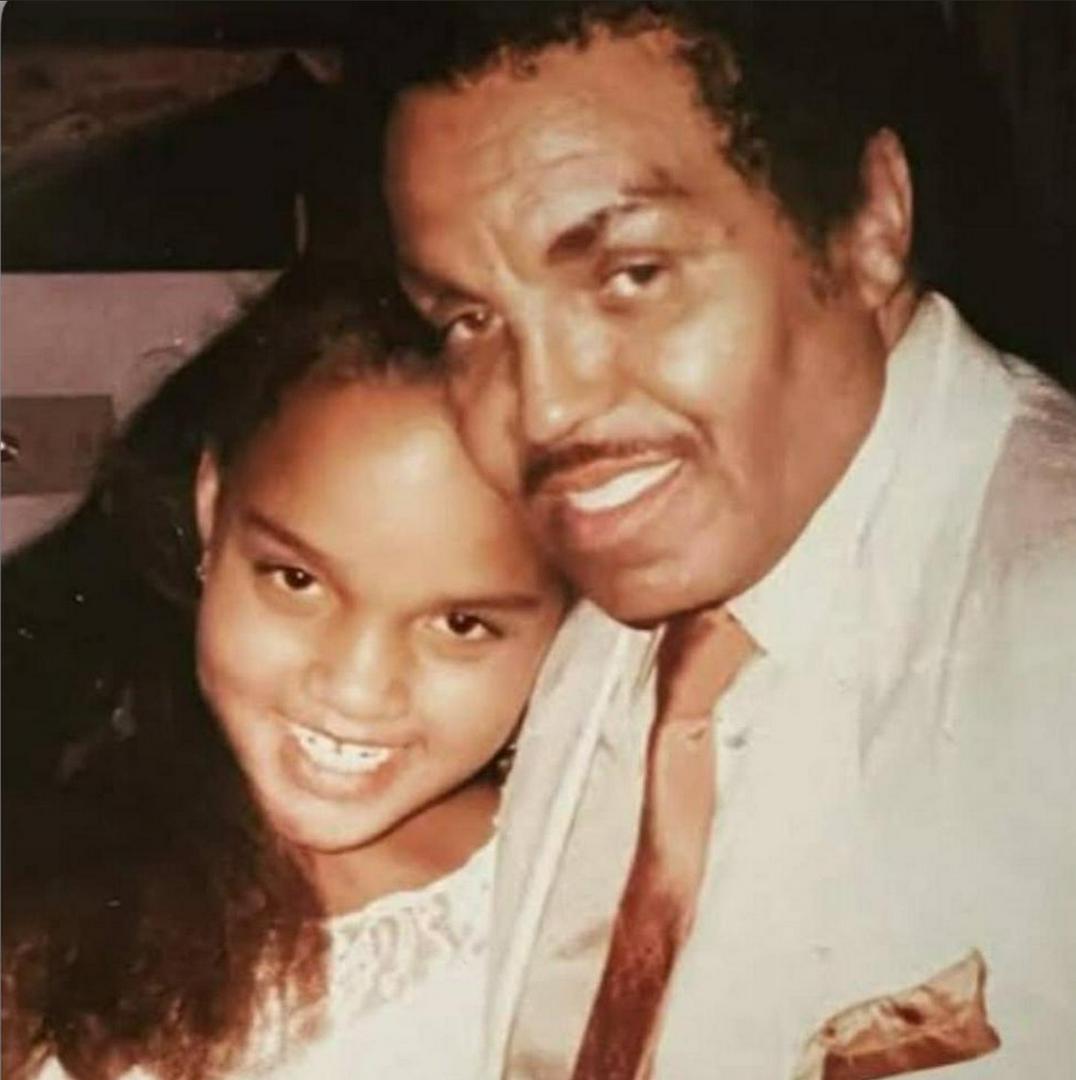
A lot of the newer generation is just now earning about Joh'Vonnie Jackson - Joe Jackson's daughter - and many are surprised her story isn't more widely known. While the Jackson family legacy is one of the most famous in the world. Joh'Vonnie has often spoken about growing up on the outside of that spotlight, navigating life without the same access, recognition, or protection tied to the Jackson name Her story has reopened conversations about family dynamics, acknowledgment and how fame can create different realities even within the same bloodline. Some people feel her experiences deserve more visibility, while others are just now realizing how complex the Jackson family history trulv is bevond what the media showed for decades. t's a reminder that behind legendary last names are real people with stories that didn't make the headlines - until now #JohVonnieJackson #JoeJackson #. lacksonFamilv #I Intold.Stories#JacksonFamily #UntoldStories #CelebrityFamilies #ViralConversation #MusicHistory