Tag Page MusicHistory

#MusicHistory
LataraSpeaksTruth

Tina Turner: Born November 26, 1939

Tina Turner was born in Nutbush, Tennessee, in 1939. She grew up in a rural community and stepped into music at a young age, eventually becoming one of the most influential performers of her era. Her early years in the industry placed her in the center of a sound that blended rock, soul, and rhythm, and her presence quickly became known for intensity and precision. Her later solo career reshaped her trajectory. In the 1980s she released songs that reached global audiences and helped establish her as a major figure in popular music. Her concerts, visuals, and voice became central to her image and contributed to her recognition across generations. Her life story is often associated with resilience, personal change, and reinvention. Tina Turner remains a significant figure whose influence can still be traced in music, performance style, and cultural memory. #TinaTurner #BornOnThisDay #MusicHistory #RockAndSoul #AmericanIcons #OnThisDay #LegendaryVoices #CulturalHistory #LataraSpeaksTruth

Tina Turner: Born November 26, 1939
LataraSpeaksTruth

Marlena Shaw: A Voice That Carried Across Generations

Marlena Shaw was born on September 22, 1942. She became one of the most distinctive voices in jazz and soul, rising through Chicago clubs before signing with Chess Records. Her breakout songs “California Soul” and “Woman of the Ghetto” created a sound that crossed generations. Artists and producers in every era sampled her work, keeping her influence alive far beyond the original recordings. Her tone was warm, bold, and instantly recognizable. Many listeners discovered her years later through remixes, soundtracks, and new collaborations built on her classic vocals. Marlena Shaw’s presence continues to echo through music libraries and playlists around the world. #MarlenaShaw #CaliforniaSoul #SoulMusic #JazzLegend #MusicHistory#LataraSpeaksTruth

Marlena Shaw: A Voice That Carried Across Generations
✅CHAUNCEY HARRIS USA

Did You Know The Eagles’ Don Henley Was Arrested After a 16-Year-Old Overdosed in His Home?

In November 1980, The Eagles co-founder and drummer Don Henley made headlines for one of rock’s most shocking scandals. Police were called to his Los Angeles home after finding a 16-year-old girl suffering from a drug overdose. Reports revealed that she was discovered naked and semi-conscious, surrounded by drug paraphernalia. Henley, who was 33 at the time, was arrested and charged with contributing to the delinquency of a minor and possession of cocaine, quaaludes, and marijuana. He later pleaded no contest, avoiding jail time through a fine and probation. The event came shortly after The Eagles disbanded, adding to the chaos surrounding his career. Despite the seriousness of the charges, Henley’s fame and influence helped him recover quickly. By the mid-1980s, he was topping charts again as a solo artist. The 1980 incident, however, remains a dark reminder of how celebrity privilege once shielded stars from accountability. #DonHenley #TheEagles #HollywoodScandal #MusicHistory #RockControversy #ChaunceyDatGuy

Did You Know The Eagles’ Don Henley Was Arrested After a 16-Year-Old Overdosed in His Home?Did You Know The Eagles’ Don Henley Was Arrested After a 16-Year-Old Overdosed in His Home?Did You Know The Eagles’ Don Henley Was Arrested After a 16-Year-Old Overdosed in His Home?Did You Know The Eagles’ Don Henley Was Arrested After a 16-Year-Old Overdosed in His Home?
justme

Did you know Woodstock 1969 almost didn’t happen — and had to change locations just weeks before history was made? 🎸🔥🌍 The festival was organized by four ambitious young promoters: Michael Lang, Artie Kornfeld, Joel Rosenman, and John P. Roberts. What started as a bold idea for a music and arts fair quickly ran into serious obstacles. The original site in Wallkill, New York fell apart after permit problems and strong local opposition shut the plan down. With the clock ticking and artists already booked, the organizers scrambled for a solution. Just weeks before the scheduled date, they secured a new location — Max Yasgur’s dairy farm in Bethel, New York. It was a last-minute gamble that would change music history forever. No one expected the tidal wave of over 400,000 people that followed. Highways gridlocked. Rain poured. Supplies ran low. Yet against all odds, the music played on. Woodstock wasn’t just destiny. It was risk, resilience, and raw belief coming together at the perfect moment. ✌️✨ #fblifestyle #Woodstock1969 #ClassicRock #MusicHistory #FestivalLegend #PeaceAndLove #HippieMovement #RockRevolution #1969Spirit

LataraSpeaksTruth

Lucille Hegamin was one of the earliest Black women to leave a lasting mark on recorded American music, though her name is rarely mentioned today. Born on November 29, 1894, in Macon, Georgia, as Lucille Nelson, she grew up during a time when opportunities for Black women in entertainment were sharply limited. Her musical foundation was shaped through church choirs and stage performance long before recording studios opened their doors to Black artists. Known professionally as Lucille Hegamin, she earned the nickname “The Georgia Peach,” a reference to both her Southern roots and her polished stage presence. In 1920, during the earliest wave of commercial blues recording, she recorded “Arkansas Blues.” This placed her among the first generation of women to record blues at a time when the genre itself was still taking shape. Hegamin was also known as “The Cameo Girl” due to her extensive work with the Cameo record label. Her recordings blended blues, vaudeville, and popular song traditions, reflecting the musical crossroads of the era. These records were distributed nationally and helped introduce Black female voices to early commercial recording audiences. Despite her success, Hegamin faced the same structural barriers as many early Black performers. Financial control was limited, royalties were minimal, and recognition often faded as recording trends shifted. When the early blues recording boom slowed, she stepped away from the spotlight. Lucille Hegamin died in 1970, but her recordings remain a foundational part of American music history. #ForTheRecord #MusicHistory #EarlyBlues #WomenInMusic #AmericanCulture #RecordedHistory #HiddenFigures

Dashcamgram

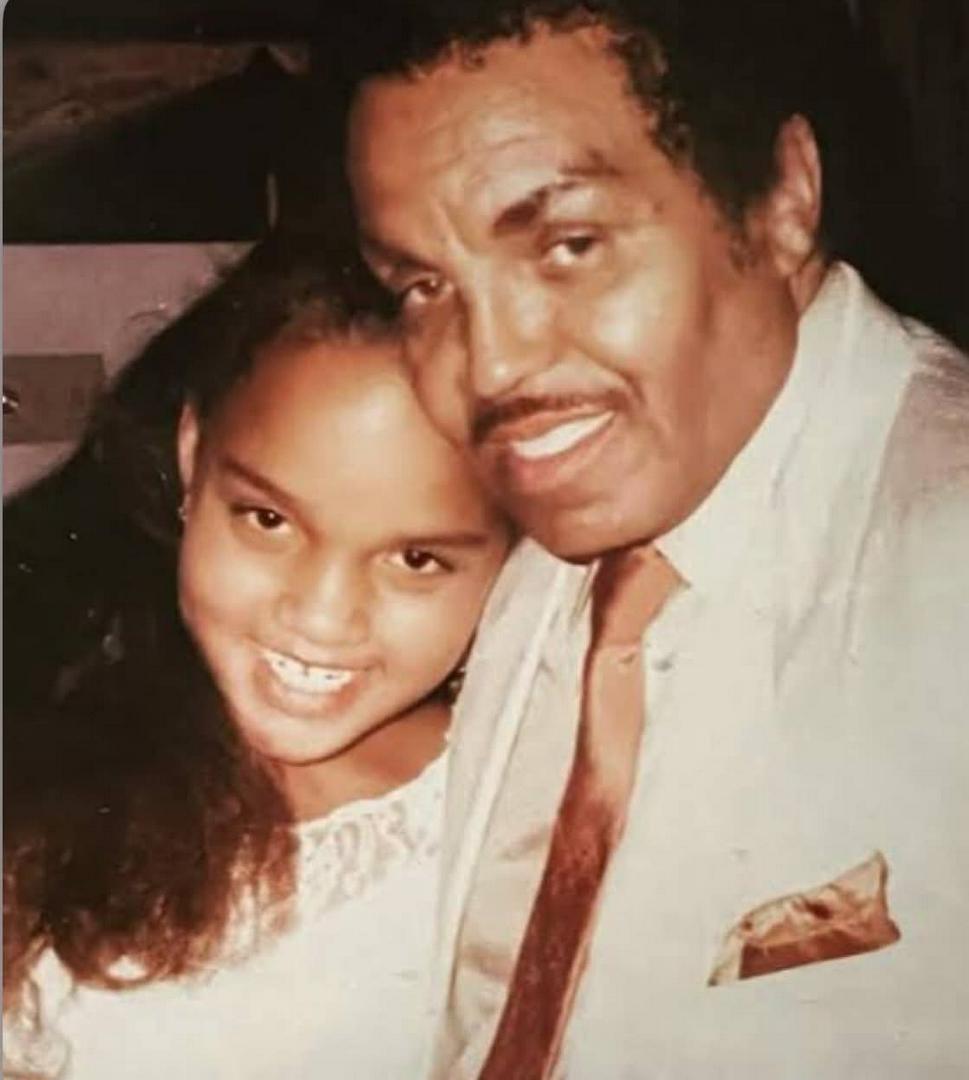
A lot of the newer generation is just now learning about Joh’Vonnie Jackson — Joe Jackson’s daughter — and many are surprised her story isn’t more widely known. While the Jackson family legacy is one of the most famous in the world, Joh’Vonnie has often spoken about growing up on the outside of that spotlight, navigating life without the same access, recognition, or protection tied to the Jackson name. Her story has reopened conversations about family dynamics, acknowledgment, and how fame can create different realities even within the same bloodline. Some people feel her experiences deserve more visibility, while others are just now realizing how complex the Jackson family history truly is beyond what the media showed for decades. It’s a reminder that behind legendary last names are real people with stories that didn’t make the headlines — until now. #JohVonnieJackson #JoeJackson #JacksonFamily #UntoldStories #CelebrityFamilies #ViralConversation #MusicHistory

LataraSpeaksTruth

W.C. Handy, Blues Legend

On November 16, 1873, Florence, Alabama welcomed W. C. Handy… the man who turned the everyday sounds of Black life into the written language of the blues. He didn’t invent the music our people were already creating. He honored it. He organized it. He made sure the world could finally recognize what had been here all along. With songs like “Memphis Blues” and “St. Louis Blues,” Handy opened the door for generations of artists to walk through. His influence shows up in everything from soul to jazz to rock to gospel… the entire family tree. Remembering him today is simple. Give credit to the blueprint behind the music we hear everywhere. Handy made sure those roots didn’t disappear. #WCHandy #OnThisDay #MusicHistory #BluesLegend #AmericanMusic #CulturalRoots #BlackMusicalHeritage #TheBlueprint #HistoryPost #LataraSpeaksTruth

W.C. Handy, Blues Legend
LataraSpeaksTruth

Lou Rawls: A Voice That Lifted Generations

Lou Rawls was born on December 1, 1933 in Chicago, a city known for shaping icons, and he grew into one of the defining voices of soul music. His smooth baritone carried emotion, clarity, and a kind of grounded skill that influenced listeners across multiple generations. He won Grammy recognition throughout his life, but his impact reached far beyond awards. Rawls became a major force for education, raising millions for historically Black colleges and universities through his annual telethons. That work created scholarship opportunities, supported students, and strengthened institutions that often struggled for fair funding. His birthday marks the beginning of a life filled with artistry, service, and generosity. Lou Rawls left behind a legacy built on music, community, and a steady commitment to lifting others. #LouRawls #SoulLegend #ChicagoHistory #MusicHistory #HBCULegacy #BlackMusicCulture #OnThisDay #NewsBreakCommunity

Lou Rawls: A Voice That Lifted Generations
LataraSpeaksTruth

Today we honor the life and legacy of Anita Pointer, born January 23, 1948, a founding member of the legendary The Pointer Sisters and one of the quiet architects behind some of the most influential crossover music of the late 20th century. Long before genre lines blurred into marketing buzzwords, Anita and her sisters were already moving freely between pop, R&B, soul, jazz, funk, and country, making it all sound natural because it was. Anita wasn’t just a voice in harmony, she was a writer and creative force. She co-wrote “Fairytale,” a song that made history when it won a Grammy and crossed into country music territory, proving that storytelling and emotional truth travel farther than labels ever could. That moment alone cracked open doors that had been tightly shut, and it did so without spectacle or apology. As part of the Pointer Sisters, Anita helped shape an era. Songs like “I’m So Excited,” “Jump (For My Love),” “Automatic,” and “Neutron Dance” became cultural fixtures, not just hits. Their sound was polished but bold, joyful but grounded, and unmistakably their own. The group didn’t chase trends. They set them, then outlived them. Anita Pointer’s legacy lives in the artists who followed, the genres that learned to share space, and the timeless records that still move bodies and memories decades later. Her work reminds us that innovation doesn’t always shout. Sometimes it harmonizes, writes, endures, and changes everything quietly. #AnitaPointer #PointerSisters #OnThisDay #MusicHistory #WomenInMusic #Songwriters #RAndBHistory #PopMusic #GrammyWinner #Legacy