Tag Page MusicHistory

#MusicHistory
LataraSpeaksTruth

On this day in 1967, the world lost one of the greatest voices to ever touch soul music. Otis Redding was on his way to a performance in Madison, Wisconsin when his plane crashed into Lake Monona. He was only 26, right in the middle of building a legendary career that was already changing the sound of American music. What makes this loss even more powerful is the timing. Just days before the crash, Otis had stepped into the studio and recorded “(Sittin’ On) The Dock of the Bay.” No one knew it would become his final masterpiece. After his death, the song rose to number one and became the first posthumous chart-topping single in U.S. history. A quiet, reflective track that felt like a man looking out at the world became a symbol of everything he never got the chance to finish. Otis was already a force… from the Monterey Pop Festival to stages across the country. His voice carried grit, emotion, and truth. When he performed, he didn’t just sing… he offered a piece of himself. His impact stretched far beyond the charts, shaping the sound of soul music for generations. The news of his death hit hard. Fans mourned. Fellow musicians fell silent. And anyone who had heard him sing knew the world had lost something rare. Even now, decades later, his influence hasn’t faded. His music lives in samples, covers, tributes, and the way artists chase honesty in their sound. Today we honor Otis Redding, a talent gone far too soon, but never forgotten. His voice still echoes through time, reminding us how powerful one song… one moment… one life can be. #BlackHistory #LataraSpeaksTruth #OnThisDay #MusicHistory #OtisRedding #SoulMusic #RememberingLegends #HistoryMatters #TodayInHistory #CommunityPost

SanPuffy

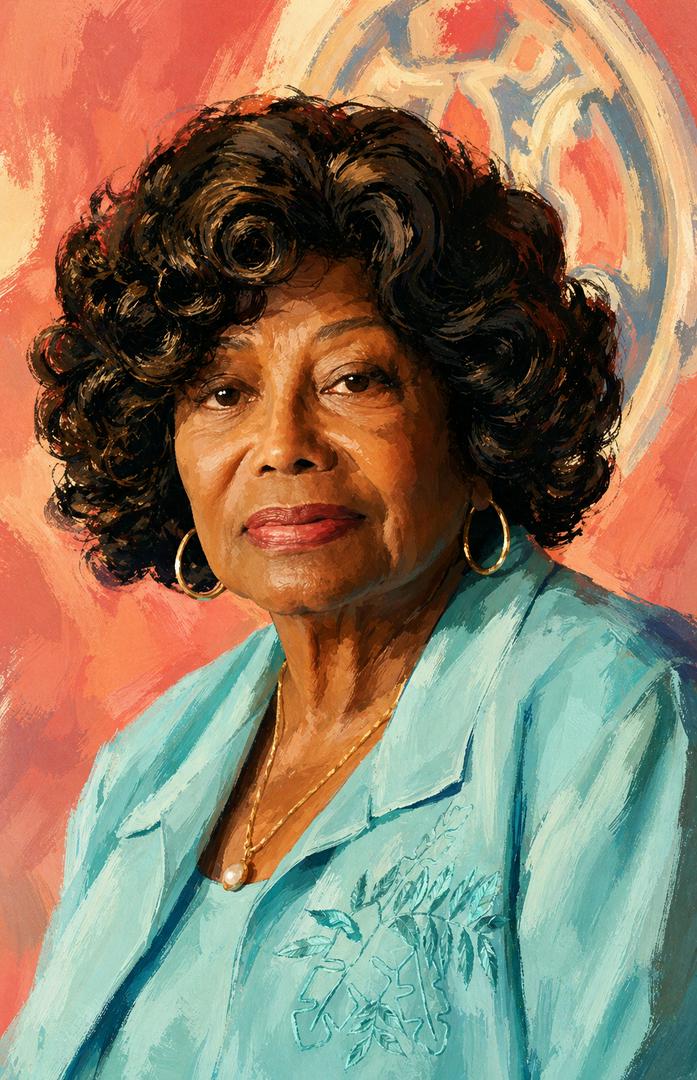
A lot of the newer generation is just now earning about Joh'Vonnie Jackson - Joe Jackson's daughter - and many are surprised her story isn't more widely known. While the Jackson family legacy is one of the most famous in the world. Joh'Vonnie has often spoken about growing up on the outside of that spotlight, navigating life without the same access, recognition, or protection tied to the Jackson name Her story has reopened conversations about family dynamics, acknowledgment and how fame can create different realities even within the same bloodline. Some people feel her experiences deserve more visibility, while others are just now realizing how complex the Jackson family history trulv is bevond what the media showed for decades. t's a reminder that behind legendary last names are real people with stories that didn't make the headlines - until now #JohVonnieJackson #JoeJackson #. lacksonFamilv #I Intold.Stories#JacksonFamily #UntoldStories #CelebrityFamilies #ViralConversation #MusicHistory

LataraSpeaksTruth

DJ Scott La Rock is one of hip hop’s quiet foundations…one of those names you don’t hear daily, but you feel everywhere. He co-founded Boogie Down Productions with KRS-One, and when he died on August 27, 1987, the culture lost more than a DJ. It lost a key piece of the early blueprint. Before the records and the headlines, Scott worked as a social worker at the Franklin Armory Men’s Shelter in the Bronx. That detail matters. BDP didn’t start as a gimmick or a chase for fame. It started like a mission…sound with purpose, beats with direction. By 1987, the momentum was real. Criminal Minded hit like concrete, and Scott’s production gave it that raw Bronx edge…crisp cuts, hard drums, no softness. Boom-bap before people even needed a label for it. Then reality interrupted the music. Scott got caught in a conflict tied to a dispute involving D Nice, a situation he tried to cool down. Later, shots were fired into a vehicle, and Scott was struck in the head. He was taken to Lincoln Hospital and later died. That moment changed the temperature in rap. It forced hip hop to look at what it was becoming…and what it was surrounded by. Talent can be here today, gone tonight. Leaders too. The ones trying to keep peace can end up paying for it. People can argue “first high profile” all day, because the scene was still young and the records were still local in a lot of places. But the impact is not debatable. After Scott, the message sharpened. Grief sat inside the music like a bruise you can’t hide. If you love boom-bap, you’ve heard his fingerprints. If you love lyric-first rap, you’ve benefited from that early foundation. Remember him correctly. Scott La Rock wasn’t just the DJ…he was part of the foundation, the work, and the reason those early records hit the way they did. #HipHopHistory #DJScottLaRock #ScottLaRock #BoogieDownProductions #KRSOne #Bronx #GoldenEraHipHop #RapHistory #MusicHistory #DJCulture #1987 #CriminalMinded

LataraSpeaksTruth

January 27, 1984 is one of those dates that doesn’t get enough weight, but it should. On this day, Michael Jackson was seriously injured while filming a commercial that was meant to celebrate his superstardom, not endanger his life. During a Pepsi commercial shoot, pyrotechnics misfired and ignited his hair, setting his scalp on fire in front of a live audience and crew. What should have been a routine take turned into a medical emergency in seconds. Michael suffered second and third degree burns to his scalp and was rushed to the hospital. The physical injuries were severe, but the aftermath mattered just as much. This incident marked a turning point in his health, introducing chronic pain and medical treatments that would follow him for the rest of his life. It’s often discussed in passing, but rarely examined for what it truly was…a traumatic event that happened at the height of his pressure, fame, and isolation. At the time, Michael was not just an artist. He was the face of global pop culture, carrying expectations that never paused, even after he was burned. The show went on publicly, but privately, this incident cracked something open. Pain management, stress, and relentless scrutiny became part of the story from that point forward. January 27 isn’t about spectacle. It’s about remembering that even icons bleed, burn, and suffer consequences long after the cameras stop rolling. This wasn’t a footnote. It was a moment that altered the trajectory of a life the world felt entitled to consume without limits. History isn’t just what we celebrate…it’s also what we overlook. #OnThisDay #January27 #MichaelJackson #MusicHistory #PopCultureHistory #EntertainmentHistory #UntoldMoments #BehindTheScenes #CulturalHistory #HistoryMatters

LataraSpeaksTruth

Wilson Pickett did not sing quietly. He didn’t ask permission. He arrived loud, sharp, and unapologetic, and soul music was never the same after that. Known as “Wicked” Wilson Pickett, he helped define the raw, gritty sound that turned Southern soul into a force that could not be ignored. Born in Alabama and shaped by church, Pickett carried gospel fire straight into secular music. His voice had grit in it, pain in it, and joy too, often all in the same breath. When he recorded In the Midnight Hour, it became more than a hit…it became a blueprint. The song captured movement, urgency, and desire in a way that felt physical. You didn’t just hear it. You felt it. Then came Mustang Sally, a track that still refuses to age out. Pickett’s delivery turned a simple story into an anthem, powered by his unmistakable shout-singing style. His performances were explosive, driven by emotion rather than polish, and that was the point. Soul music wasn’t meant to be neat. It was meant to be honest. Pickett recorded for Stax and Atlantic during soul music’s most influential years, working with legendary musicians and producers who recognized that his voice didn’t need restraint. It needed room. Across the 1960s and early 1970s, he released a string of records that blended gospel roots, Southern rhythm, and a hard edge that pushed soul forward. When Wilson Pickett passed away on January 19, 2006, at age 64, it marked the loss of a voice that helped shape American music. But his sound didn’t leave. It stayed in the grooves, the shouts, the call-and-response energy that still echoes through modern music. Some voices fade. His still kicks the door open. #WilsonPickett #SoulMusic #MusicHistory #RAndBSoul #AmericanMusic #Legends #OnThisDay #MidnightHour #MustangSally

LataraSpeaksTruth

Melba Moore is one of those voices you recognize before you realize how deep her résumé runs. A singer, actress, and stage powerhouse who moved seamlessly between Broadway, soul, gospel, and pop without ever diluting her craft. She didn’t chase crossover appeal…she was the crossover. On Broadway, she made history with her Tony Award–winning performance in Purlie, setting a standard for vocal precision and emotional control that theater performers still study. In music, her recordings carried discipline. No over-singing. No shortcuts. Just clean phrasing, power where it mattered, and restraint where it counted. That balance is rare. Melba Moore’s influence doesn’t always show up in headlines, but it shows up in voices. In church choirs. In R&B singers who understand dynamics. In performers who learned that technique is not the enemy of feeling. She taught generations how to hold a note, how to release emotion, how to respect the song instead of overpowering it. She is a Grammy Award–winning artist, yes…but more importantly, she is a builder of standards. Her career endured because it was rooted in training, not trends. While the industry shifted, her voice stayed useful, instructive, and timeless. This isn’t nostalgia. It’s acknowledgment. Melba Moore is legacy in motion…and if you know, you know. #MelbaMoore #MusicHistory #BroadwayLegend #SoulMusic #RBLegacy #WomenInMusic #GrammyWinner #TonyAward #LivingLegends

LataraSpeaksTruth

Happy Birthday to John Legend, born December 28, 1978. John Legend has always moved with intention. From the very beginning, his music led with piano, discipline, and emotional clarity. He didn’t arrive chasing trends or volume. He arrived rooted in craft, carrying the influence of gospel, classic soul, and timeless R&B into a modern space that still respects where the sound comes from. His catalog speaks softly but carries weight. Songs like Ordinary People, All of Me, and Glory aren’t built on spectacle. They’re built on feeling, structure, and restraint. Love is explored without rush. Pain is expressed without performance. Reflection takes priority over noise. That approach has allowed his music to live across generations and moments…from weddings and quiet mornings to community gatherings and collective reflection. John Legend represents a lane that values musicianship. Real instrumentation. Thoughtful songwriting. Vocal control. Consistency. He’s proof that progress doesn’t mean abandoning tradition. Sometimes it means honoring it while still moving forward. In an industry that often rewards excess, his steady presence has been the statement. Today is simply about acknowledging the work, the years, and the music that continues to resonate without needing to shout. Happy Birthday, John Legend. #JohnLegend #HappyBirthday #December28 #RNB #SoulMusic #MusicHistory #Songwriter #Piano #ModernSoul #MusicLegacy #BlackMusic

LataraSpeaksTruth

Johnny Ace rose in rhythm and blues not through volume or spectacle, but through restraint. Born John Marshall Alexander Jr. in 1929, he emerged from Memphis with a voice that felt personal, almost private. Soft. Steady. Emotionally direct. While others performed big, Johnny Ace stood still and let the feeling speak. Songs like My Song, Cross My Heart, and The Clock connected deeply because they carried vulnerability. No performance tricks. Just longing, heartbreak, and honesty. By his early twenties, he had multiple hit records and a national audience. He proved quiet could still reach far. On Christmas Day 1954, Johnny Ace died backstage at a concert in Houston, Texas. He was only 25. His death shocked Black communities across the country. Radio stations reportedly paused regular programming as his music filled the airwaves. A day of celebration became one of mourning. Remembering Johnny Ace is not only about loss. It is about honoring a voice that helped shape the emotional foundation of R&B and soul, music that has always held joy and sorrow at the same time. #JohnnyAce #RNBHistory #MusicHistory #OnThisDay #December25 #BlackMusic #CulturalMemory #Remembering

Tag: MusicHistory | LocalAll