Tag Page LataraSpeaksTruth

#LataraSpeaksTruth
LataraSpeaksTruth

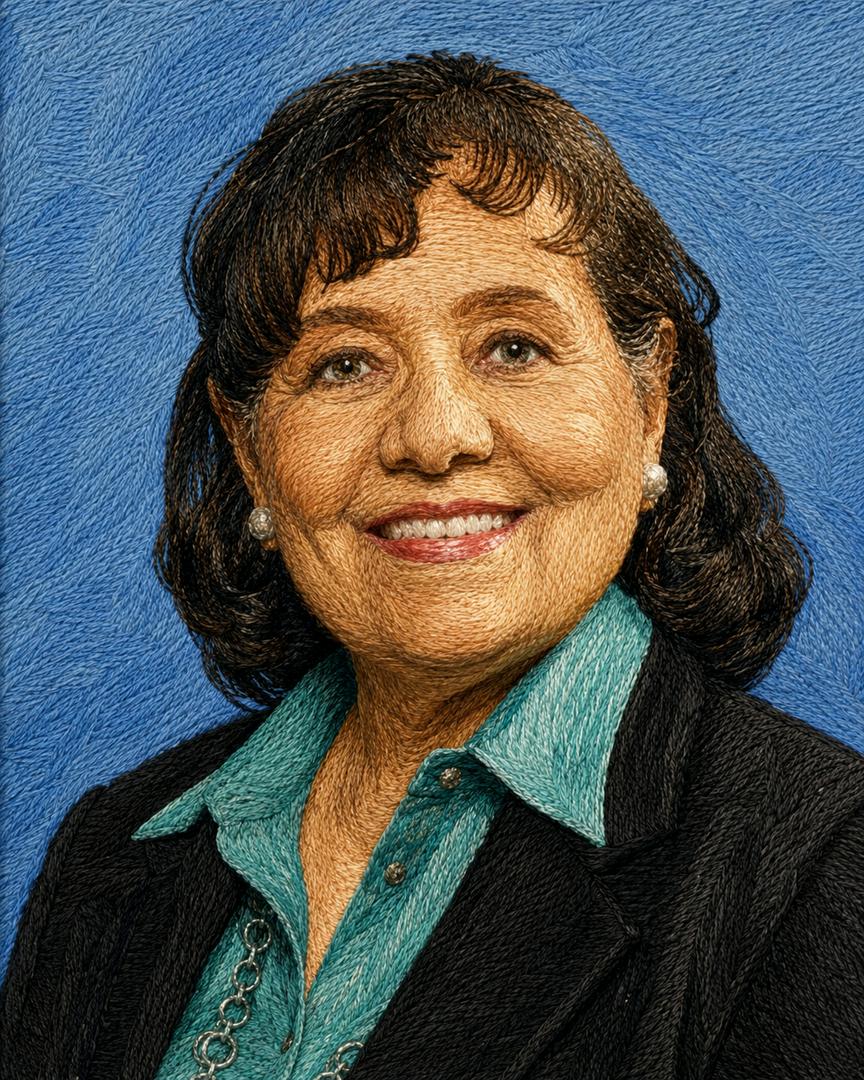
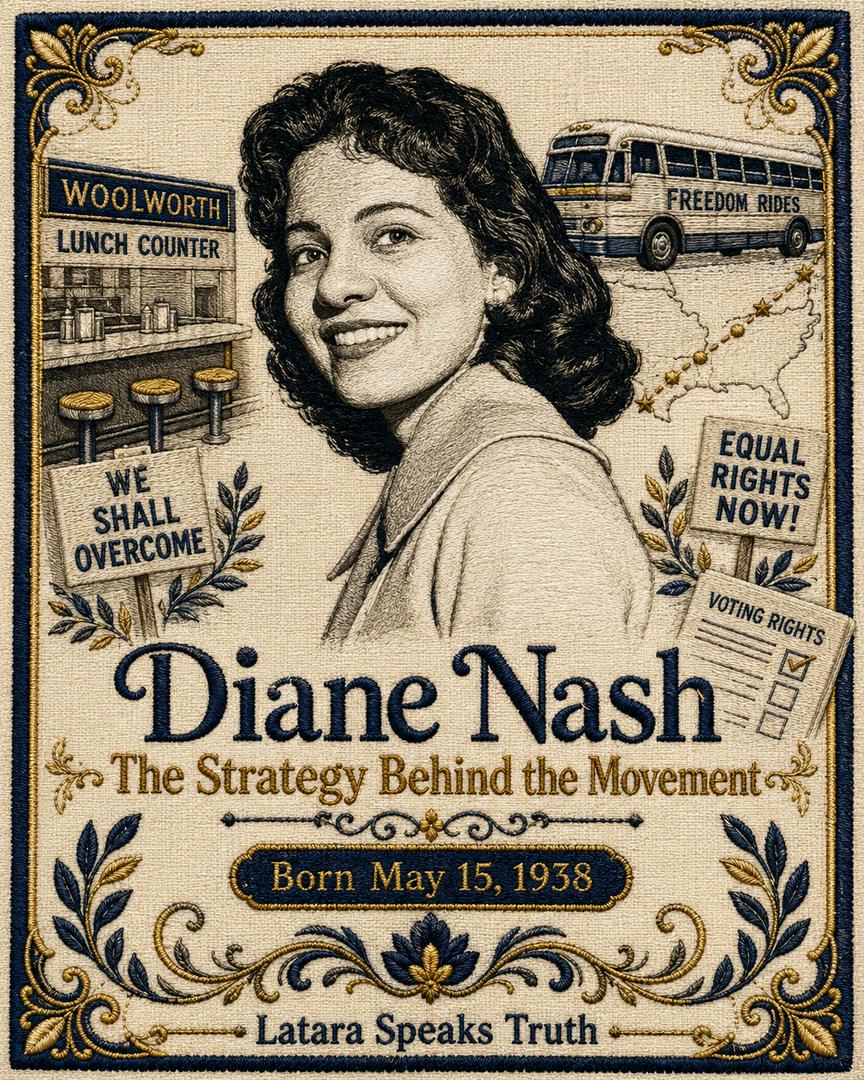
May 15, 1938… Diane Nash was born. Diane Judith Nash was born in Chicago, Illinois, and became one of the sharpest strategists of the Civil Rights Movement. Her name may not always be placed at the front of the story, but her work helped move history. After transferring to Fisk University in Nashville, Nash saw segregation up close. Instead of stepping back, she stepped directly into the fight. She became a leading force in the Nashville sit-ins, where students used disciplined nonviolent protest to challenge segregated lunch counters. Nash was not just present. She organized. She planned. She led. When the Freedom Rides were attacked and many people feared the campaign would end, Nash helped keep it alive. She understood that if violence could stop the movement, then violence would become the rule. Her courage helped push the fight for desegregated interstate travel forward. She also worked with SNCC and played a major role in voting rights organizing, including efforts connected to the Selma movement. Her work helped build pressure that led to some of the most important civil rights victories in American history. Diane Nash reminds us that leadership is not always loud. Sometimes it is calm, strategic, disciplined, and unshakable. She was young, focused, and fearless at a time when standing up could cost everything. Her story deserves to be remembered not as a footnote, but as proof that movements are built by people willing to risk comfort for change. #DianeNash #OnThisDay #CivilRightsHistory #HiddenHistory #LataraSpeaksTruth

LataraSpeaksTruth

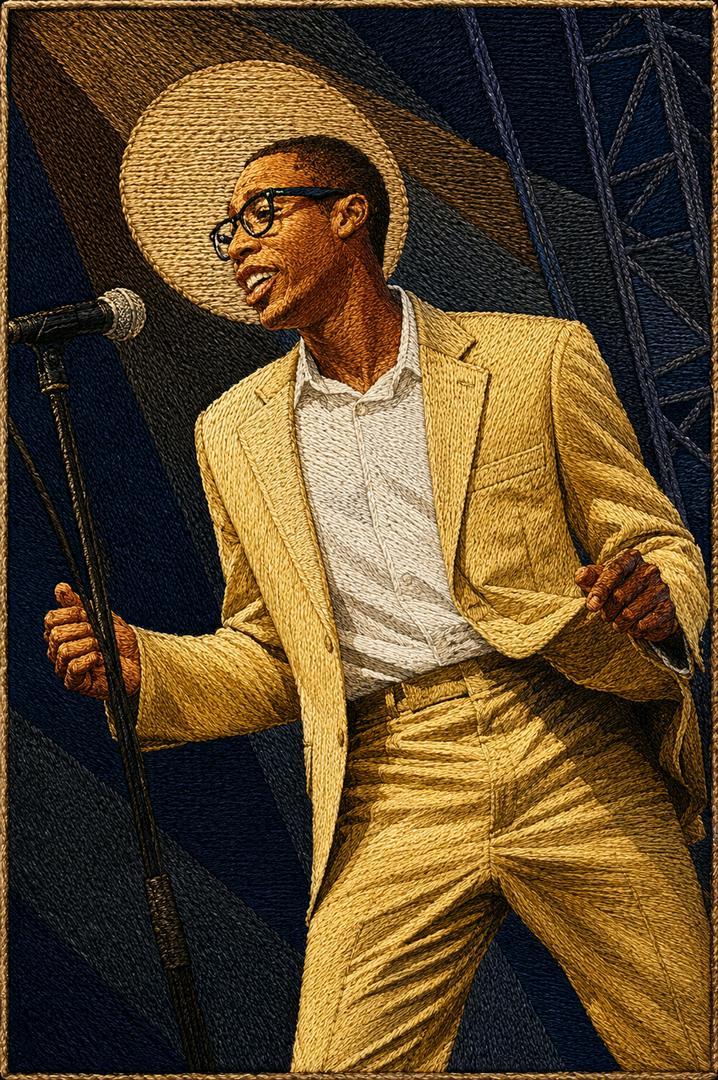
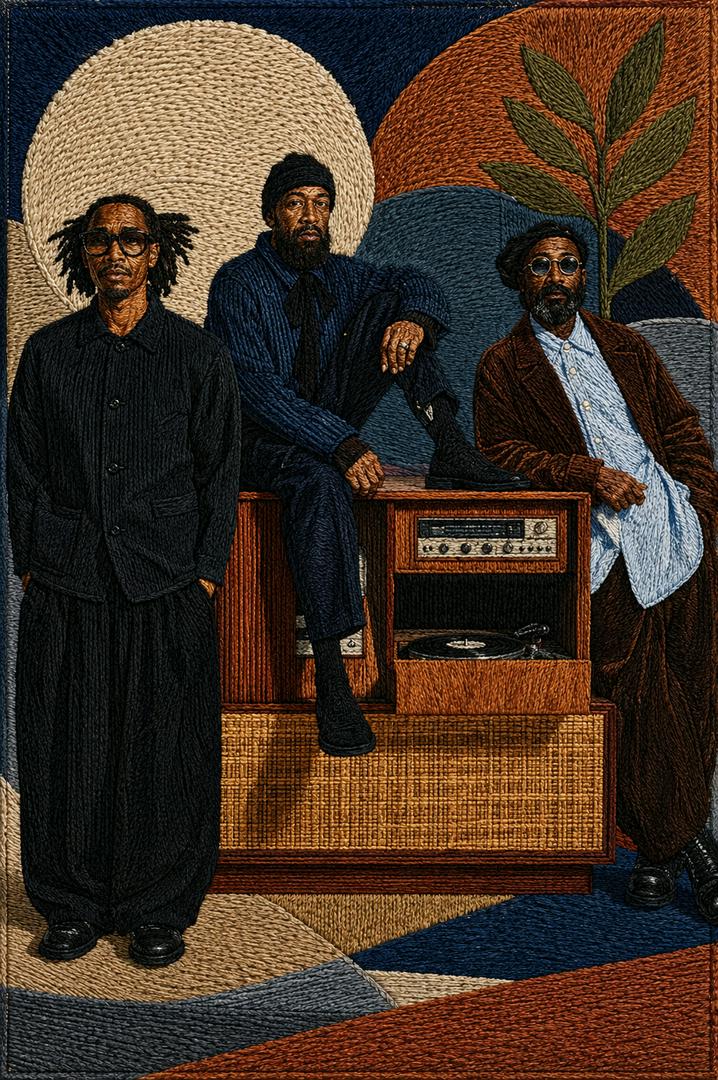
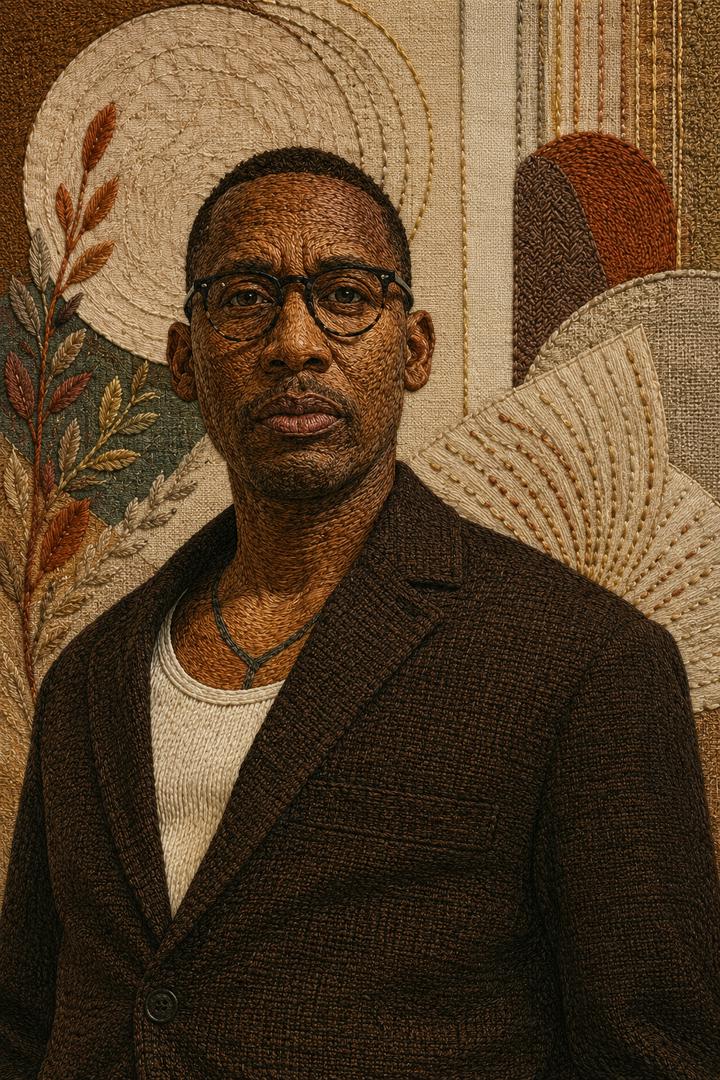
Happy Birthday to Raphael Saadiq, born May 14, 1966, in Oakland, California. Born Charles Ray Wiggins, Saadiq became one of R&B’s most respected musicians, songwriters, producers, and performers. Many fans first came to know him through Tony! Toni! Toné!, the Oakland group that helped define late 80s and 90s R&B with live instrumentation, smooth harmonies, and songs that still feel timeless. Hits like Feels Good, It Never Rains, and Anniversary became part of the soundtrack for a generation. They were the kind of records played at cookouts, weddings, family gatherings, late-night drives, and quiet moments when music said what words could not. But Raphael Saadiq’s story does not stop with the group. He later became part of Lucy Pearl and built a solo career that showed the depth of his artistry. Albums like Instant Vintage, The Way I See It, Stone Rollin’, and Jimmy Lee helped prove that he could honor classic soul while still creating something fresh. Saadiq’s gift is in the details. He is not just a vocalist. He is a bassist, producer, songwriter, and multi-instrumentalist whose sound carries pieces of gospel, funk, soul, and classic R&B. His work has also reached behind the scenes, helping shape projects for major artists while keeping his own musical identity strong. What makes Raphael Saadiq special is his ability to make music feel rooted and modern at the same time. His songs carry the warmth of yesterday without feeling trapped there. Today, we celebrate Raphael Saadiq for the hits, the musicianship, the creativity, and the lasting influence he has poured into music for decades. Happy Birthday to a true R&B legend. #RaphaelSaadiq #HappyBirthdayRaphaelSaadiq #TonyToniTone #LucyPearl #RnBMusic #ClassicRnB #SoulMusic #BlackMusicHistory #OaklandMusic #MusicLegends #LataraSpeaksTruth
LataraSpeaksTruth

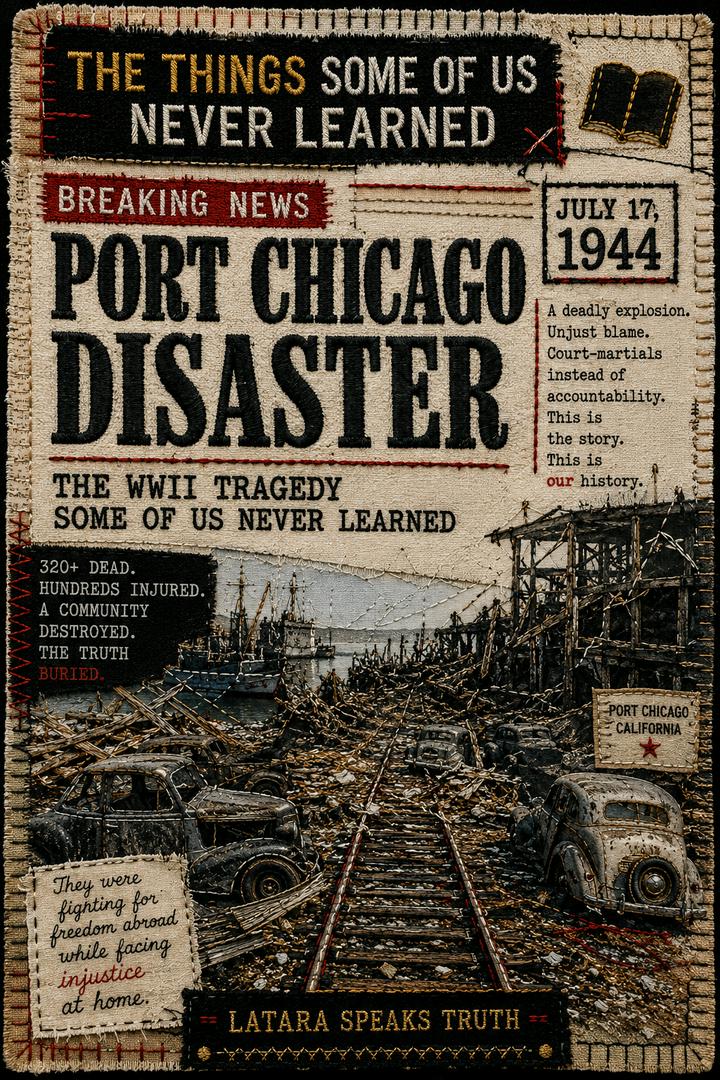
The Port Chicago Disaster The WWII tragedy some of us never learned On July 17, 1944, a massive explosion tore through Port Chicago Naval Magazine in California. Two ships were being loaded with ammunition for the Pacific war effort when the blast hit. The explosion killed 320 sailors and civilians and injured nearly 400 more. It was one of the deadliest home front disasters of World War II. Most of the sailors doing the dangerous loading work were Black men. Many had little proper training for handling explosives, yet they were expected to move massive amounts of ammunition under pressure. After the disaster, the pain did not end. When surviving Black sailors were ordered back to the same dangerous work, many refused. They were not saying they would not serve. They were saying they did not want to die under the same unsafe conditions that had just killed their friends. The Navy treated that refusal as defiance. Hundreds were punished. Fifty men became known as the Port Chicago 50 after they were convicted of mutiny. Their case became one of the clearest examples of how racism, military discipline, and unequal working conditions collided during World War II. Decades later, the story is still important because it shows a side of wartime service that many classrooms skipped over. These men were serving their country, but they were also fighting for basic fairness inside the same country they were asked to defend. The Port Chicago Disaster was not just an explosion. It was a tragedy. It was a warning. And it was a chapter of American history some of us never learned. #BlackHistory #WWIIHistory #PortChicagoDisaster #MilitaryHistory #LataraSpeaksTruth

LataraSpeaksTruth

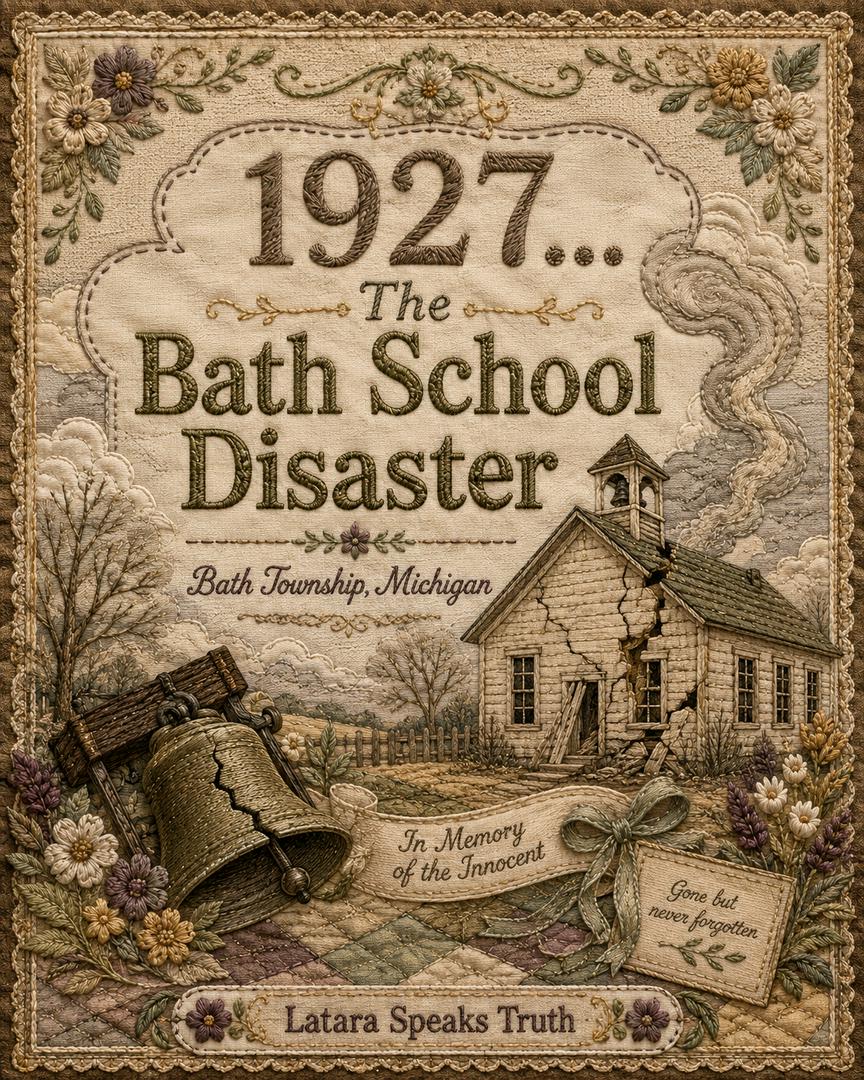
On May 18, 1927, tragedy struck Bath Township, Michigan. The place was Bath Consolidated School, a small community school where children came to learn, teachers came to work, and families expected the day to end like any other. But that morning became one of the darkest moments in American school history. A former school board member named Andrew Kehoe had secretly placed explosives inside the school building. When the explosion went off, part of the school was destroyed. Children and adults were trapped beneath the wreckage as the community rushed to help. The loss was devastating. Thirty-eight schoolchildren and five adults were killed. Kehoe also died after setting off another explosion near the scene. The Bath School disaster remains one of the deadliest school attacks in American history, yet many people have never heard of it. It is often left out of the larger conversation about violence in schools, even though the grief it caused was unimaginable. This was not just a tragedy written in old records. It was children who never came home. It was teachers who never finished the school day. It was families whose lives changed forever. Bath Township carried a wound no community should ever have to carry. And nearly a century later, the victims still deserve to be remembered. Forgotten does not mean unimportant. On May 18, 1927, history left a scar in Bath Township, Michigan. The victims should not be forgotten. #BathSchoolDisaster #OnThisDay #AmericanHistory #ForgottenHistory #LataraSpeaksTruth

LataraSpeaksTruth

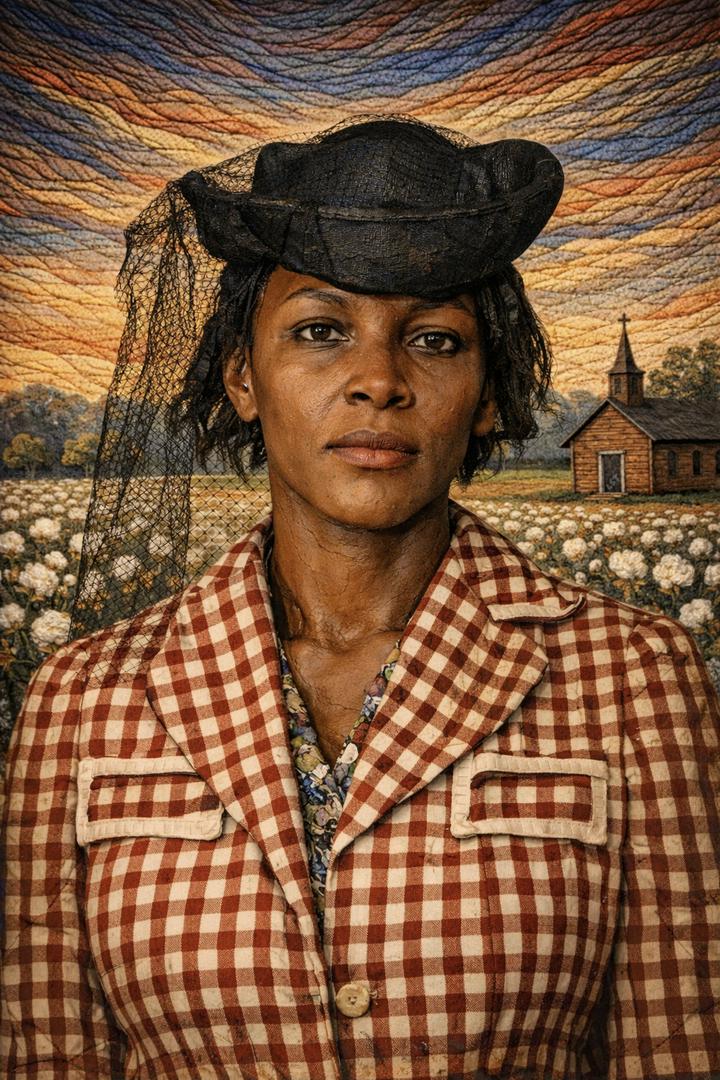
Recy Taylor’s story is not only about what was done to her. It is also about what the legal system refused to do afterward. In 1944, Recy Taylor was a 24 year old Black wife and mother living in Abbeville, Alabama. On her way home from church, she was abducted at gunpoint by a group of white men and assaulted. She reported the crime immediately. One of the men later admitted his role and identified the others involved. That should have been enough. It was not. Instead of justice, Taylor faced the full weight of a system that did not treat her pain, her dignity, or her safety as worth protecting. Two all white grand juries refused to indict her attackers. No one was held accountable. But this story does not end in silence. Her case drew national attention. Rosa Parks investigated it for the NAACP. Supporters organized through the Committee for Equal Justice for Mrs. Recy Taylor. Black newspapers covered the case. People spoke her name, demanded action, and forced the country to confront a truth it often tried to hide. Long before the civil rights movement became a chapter in textbooks, Black women like Recy Taylor were already standing at the center of that fight. Her story exposed more than one crime. It exposed a system that could hear a confession, see a victim come forward, and still choose not to act. That is why Recy Taylor matters. Not just because she survived something horrific, but because her case revealed how deeply the law could fail Black women while claiming to stand for justice. History often celebrates the marches, the speeches, and the victories. But before many of those moments came the women whose suffering was ignored, whose courage was tested, and whose truth refused to disappear. Recy Taylor was one of them. #OurHistory #RecyTaylor #CivilRightsHistory #WomensHistory #BlackHistory #LataraSpeaksTruth

LataraSpeaksTruth

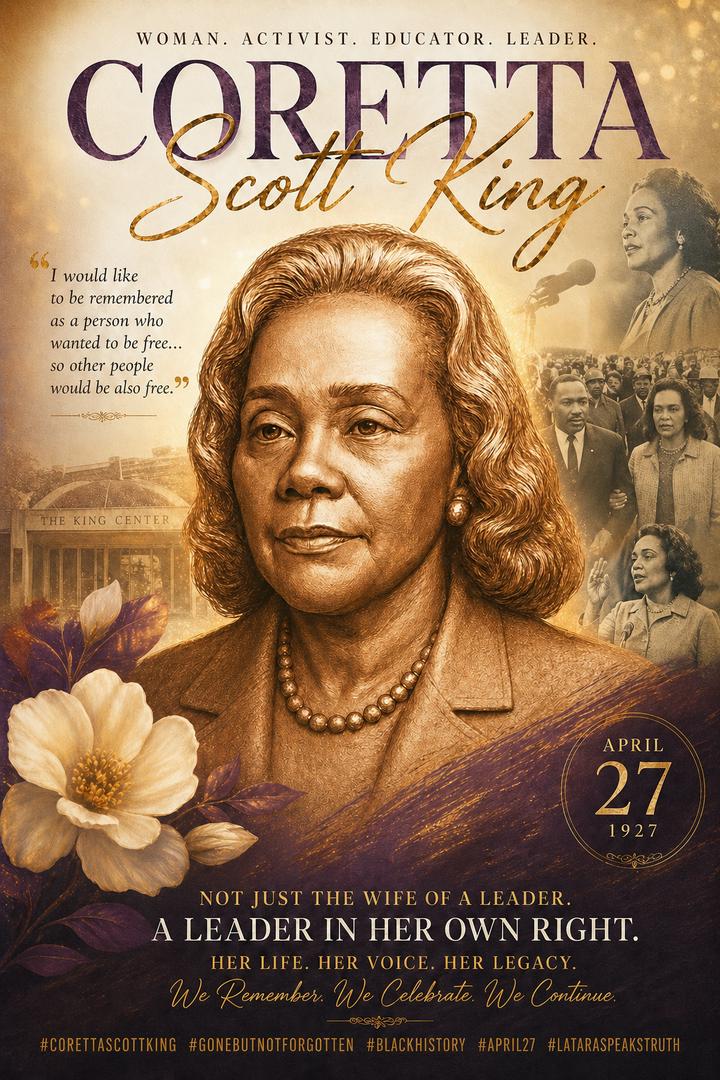
Coretta Scott King is remembered by many as the wife of Dr. Martin Luther King Jr., but that description is far too small for the life she lived. Born on April 27, 1927, in Heiberger, Alabama, Coretta Scott King built her own path through education, music, activism, and public service. She studied at Antioch College and later at the New England Conservatory of Music, where her voice was trained before it became part of a much larger calling. She was a woman of purpose long before history placed the King name beside hers. After Dr. King was assassinated in 1968, Coretta Scott King did not retreat from the work. She carried grief, motherhood, leadership, and public responsibility all at once. She founded The King Center in 1968 and spent years preserving his legacy while continuing to speak on peace, poverty, equality, and human rights. Coretta Scott King passed away on January 30, 2006, but her presence remains deeply woven into the history she helped protect. She was not just standing beside a leader. She was a leader. She was not just preserving a dream. She was helping carry it through some of the hardest years after the cameras moved on. On her birthday, we remember Coretta Scott King with honor. Gone, but not forgotten. And still deserving every flower. #CorettaScottKing #GoneButNotForgotten #BlackHistory #WomenInHistory #LataraSpeaksTruth

LataraSpeaksTruth

When people talk about the Tulsa Race Massacre today, they often have no idea how close this history came to disappearing. For decades, it sat in silence, tucked into unopened archives and memories no one bothered to ask about. The only reason we can name survivors, hear their voices, and understand even a fraction of what happened is because one woman refused to let the truth fade. Eddie Faye Gates spent years sitting with survivors and listening to stories the country had ignored. She treated every recollection as evidence and every voice as a piece of a broken record that needed to be made whole. Her work did not simply document history. It protected it. She helped create an archive that made it impossible for anyone to pretend Tulsa was a rumor or an exaggeration. As a leading member of the Oklahoma Commission to Study the Tulsa Race Riot of 1921, she ensured survivor testimonies were recorded, preserved, and placed where institutions could no longer look away. Her persistence reshaped how the nation understands one of its darkest moments. On December 9, 2021, she passed away, leaving behind a legacy built on truth and courage. Because of her, the story of Tulsa is no longer hidden behind denial or silence. The testimonies she preserved continue to guide educators, researchers, lawmakers, and communities that choose honesty over comfort. Gates never asked for attention. She never put herself at the center. She simply believed survivors deserved to be remembered as real people and not as footnotes in forgotten history. In living out that belief, she compelled institutions to confront realities they ignored for generations. Her legacy reminds us that history can be fragile, yet it can still be reclaimed. And every time the Tulsa Race Massacre is taught or discussed, her presence lingers quietly in the background, proving that one determined historian can change what a nation chooses to remember. #LataraSpeaksTruth #NewsBreak #HistoryMatters #EddieFayeGates

LataraSpeaksTruth

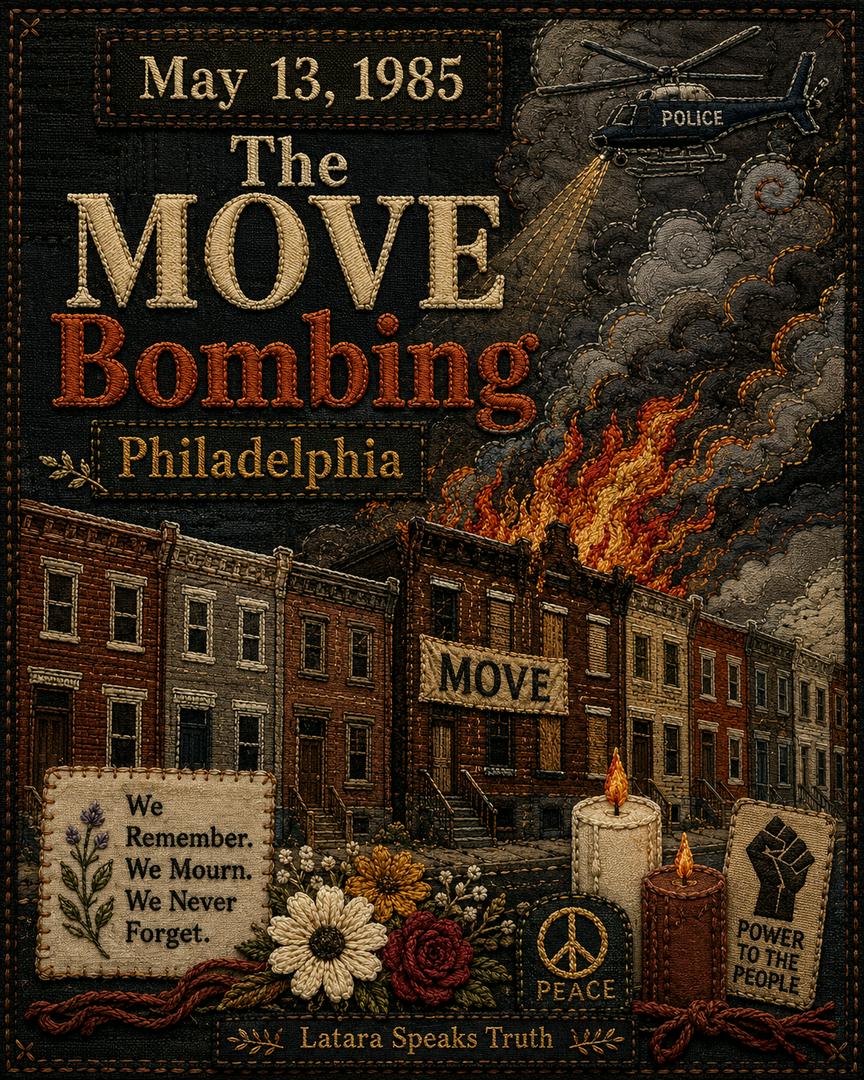
May 13, 1985, remains one of the darkest days in Philadelphia history. That morning, police moved in on the MOVE organization’s rowhouse at 6221 Osage Avenue after years of conflict between the city, neighbors, and the group. What followed was not just a police operation. It became a catastrophe that scarred an entire neighborhood. Police fired thousands of rounds during the confrontation. Later that day, from a helicopter, authorities dropped an explosive device onto the roof of the home. The blast started a fire. Instead of being put out immediately, the fire was allowed to burn. By the time it was over, 11 people were dead, including five children. Dozens of nearby homes were destroyed. Sixty-one houses burned, and about 250 people were left homeless. The names of the children killed should not be pushed to the side of history: Tree Africa, Delisha Africa, Netta Africa, Tomaso Africa, and Little Phil Africa. The MOVE bombing was not something that happened in another country or during some distant war. It happened in an American city, on a residential block, with families living nearby. It showed how quickly force, fear, and failed leadership can turn a neighborhood into ashes. A city commission later called the decision to drop a bomb on an occupied rowhouse “unconscionable.” Yet no city official was criminally charged. That is why May 13 matters. It is not just a date. It is a reminder of what happens when power is used without restraint, when accountability comes too late, and when the people most harmed are expected to carry the memory alone. Philadelphia rebuilt the block, but history does not rebuild that easily. Some stories are painful to tell, but silence does not honor the dead. Remembering does. #MOVEBombing #PhiladelphiaHistory #May131985 #AmericanHistory #LataraSpeaksTruth

LataraSpeaksTruth

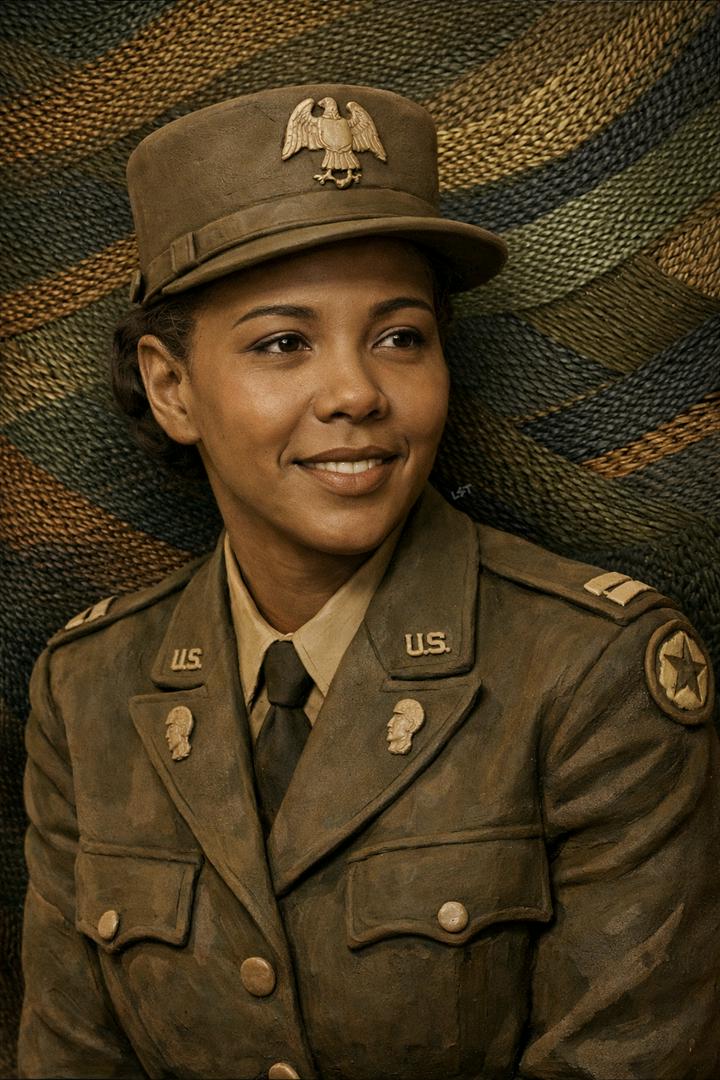
Charity Adams Earley did not quietly step into history. She walked into it wearing a uniform. Born in 1918 in North Carolina and raised in South Carolina, Charity Adams Earley came of age in a country where race and gender were often used to limit what a person could become. She refused to accept those limits. In 1942, she joined the Women’s Army Auxiliary Corps, later known as the Women’s Army Corps, and became part of the first class of Black women officers. During World War II, she rose through the ranks and was selected to lead the 6888th Central Postal Directory Battalion, known as the Six Triple Eight. This was the only all Black women’s Army unit sent overseas during the war. Their mission was urgent and enormous. Millions of letters and packages had piled up in Europe, leaving American troops waiting for word from home. Under Adams Earley’s leadership, the battalion worked in harsh conditions in England and later France. They sorted and redirected mail around the clock with speed, discipline, and precision. The unit cleared the backlog in far less time than expected, helping restore morale for troops fighting far from home. By the end of the war, Charity Adams Earley had become the highest ranking Black woman officer in the U.S. Army during World War II. Her story is not about opinion or internet debate. It is about documented service, proven leadership, and a woman who handled a wartime crisis with excellence. Charity Adams Earley did her job, led her unit, and left a record that still stands. #OurHistory #CharityAdamsEarley #6888th #MilitaryHistory #WWIIHistory #LataraSpeaksTruth

LataraSpeaksTruth

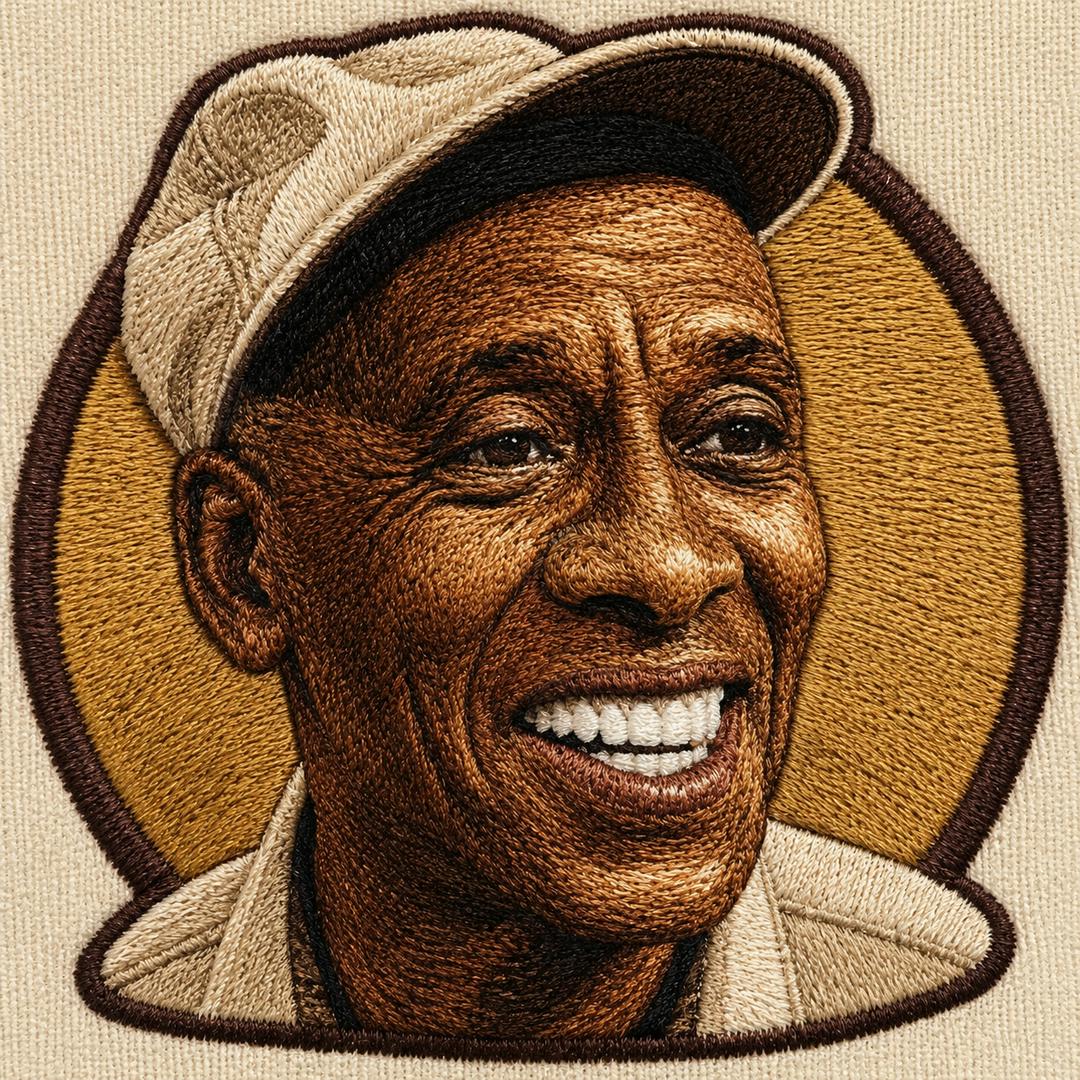
1910…Scatman Crothers was born. Before many people knew his face from film and television, Benjamin Sherman Crothers had already built a life around sound. Born in Terre Haute, Indiana, Crothers became known as a singer, musician, actor, dancer, and voice artist whose career stretched across generations. His nickname “Scatman” came from his scat singing style, a form of vocal improvisation rooted in jazz. To some viewers, he will always be Dick Hallorann from The Shining, the warm and watchful hotel cook whose presence gave the story a human heartbeat. To others, he was the unforgettable voice behind Hong Kong Phooey, the cartoon crime-fighting dog who became a childhood favorite. But Crothers was much more than one role. He appeared in Chico and the Man, The Aristocats, The Transformers, Roots, Sanford and Son, The Twilight Zone Movie, and many more projects. His voice carried charm. His face carried kindness. His performances carried decades of work across music, television, film, and animation. Scatman Crothers had one of those careers that quietly touched everybody’s childhood, movie nights, cartoons, and memories. He was not just a familiar face. He was a familiar feeling. A reminder that some legends do not need to shout to be remembered. Their voice does it for them. #ScatmanCrothers #BlackHistory #HollywoodHistory #ClassicTelevision #LataraSpeaksTruth