Tag Page HowardUniversity

#HowardUniversity
LataraSpeaksTruth

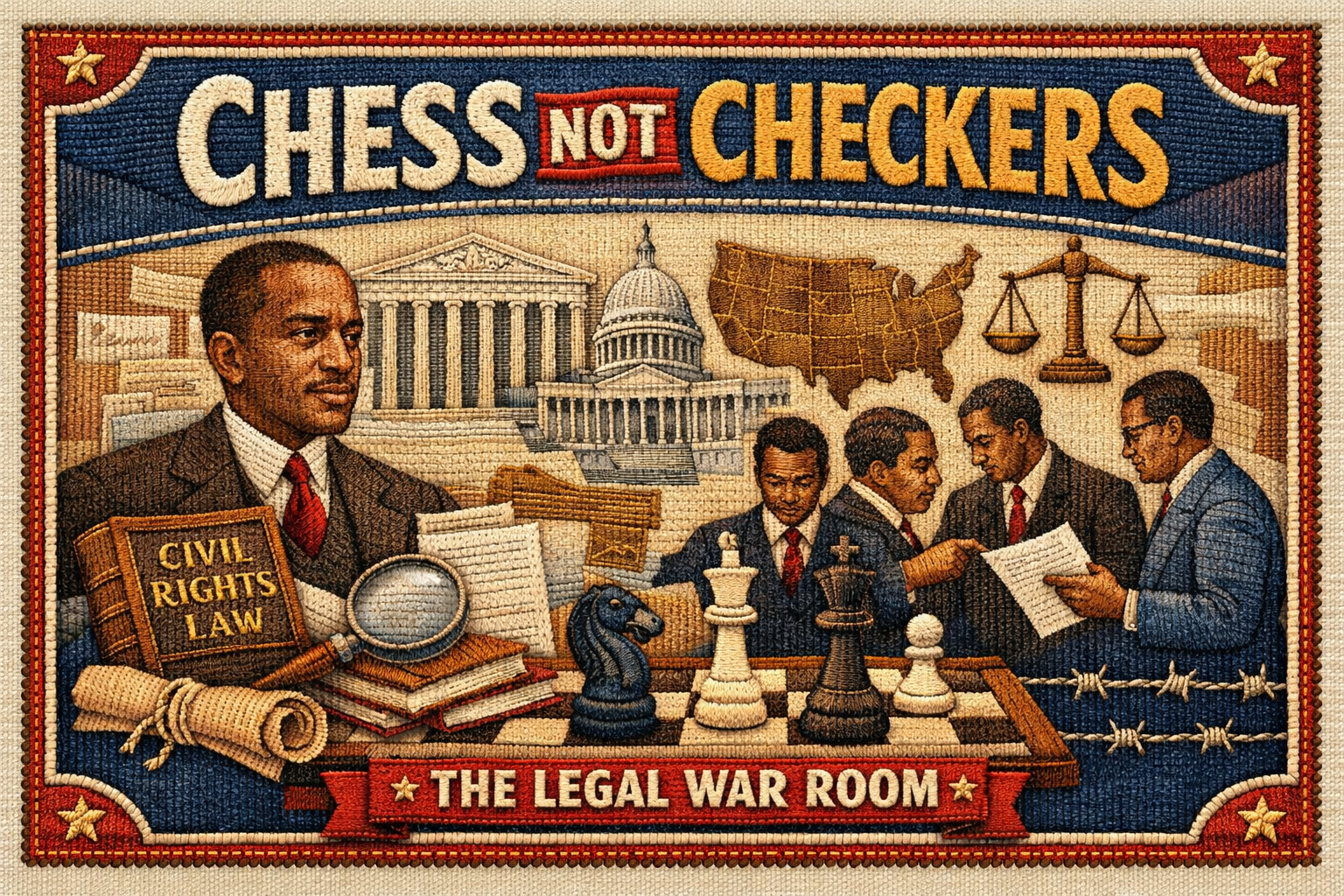
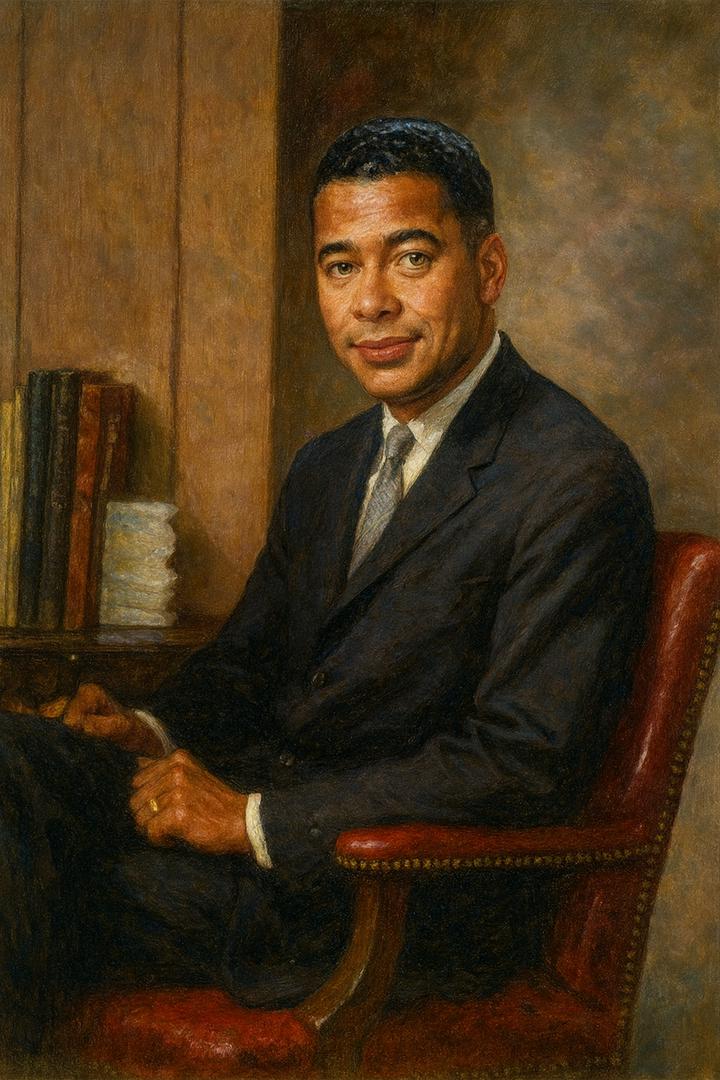
January 1, 1931 marks a quiet but serious turning point in American history. Charles Hamilton Houston becomes vice-dean of Howard University School of Law and almost immediately reshapes it into something more than a classroom. He builds a legal training ground with a single purpose: strategy. Houston understood that segregation would not fall simply because it was unjust. It would fall only if it could be proven unconstitutional. So he trained lawyers to work with discipline and precision, to identify weaknesses in the law, document inequality in detail, and build cases strong enough to force the courts to act. This was not protest law. It was methodical law. Students were sent into the South to gather evidence, photograph conditions, interview communities, and expose how “separate but equal” failed in practice. Houston demanded excellence because he knew the stakes. Courts move slowly and only when the record leaves them no alternative. That strategy later became the legal foundation for cases like Brown v. Board of Education. Lawyers such as Thurgood Marshall did not emerge by chance. They were shaped by years of deliberate training and long-term planning. January 1, 1931 reminds us that some of the most important changes in history do not arrive with noise. They begin quietly, in classrooms, with patience, discipline, and a clear understanding of how power actually works. #January1 #OnThisDay #AmericanHistory #LegalHistory #HowardUniversity #CivilRightsHistory #BlackHistory #LongGame #QuietPower

Dashcamgram

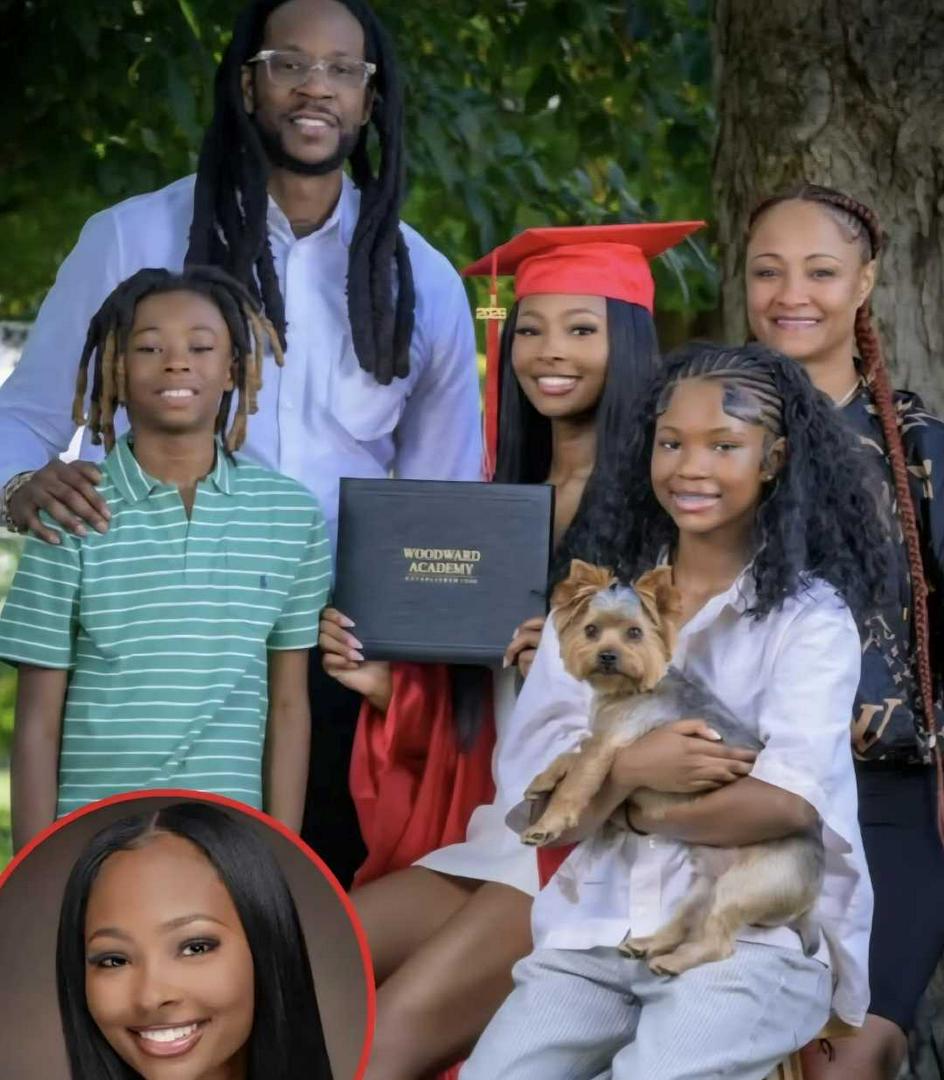
2 Chainz just shared a proud-dad moment — his daughter Heaven has been accepted into Howard University and will be enrolling this fall. This is one of those wins that goes beyond music, charts, or fame. It’s about legacy. Education. And showing that success doesn’t stop with one generation — it’s passed forward. Howard isn’t just any school. It’s a historic HBCU known for shaping leaders, creatives, and changemakers. For Heaven to take that next step says a lot about preparation, support, and vision for the future. Moments like this remind people that behind the spotlight are parents raising kids, setting examples, and celebrating milestones just like everyone else — only louder. Congrats to Heaven and the whole family. This is a major W. 🎓✨ #2Chainz #HowardUniversity #HBCUPride #BlackExcellence #ProudParent #LegacyBuilding #EducationMatters #CollegeBound #GoodNews

LataraSpeaksTruth

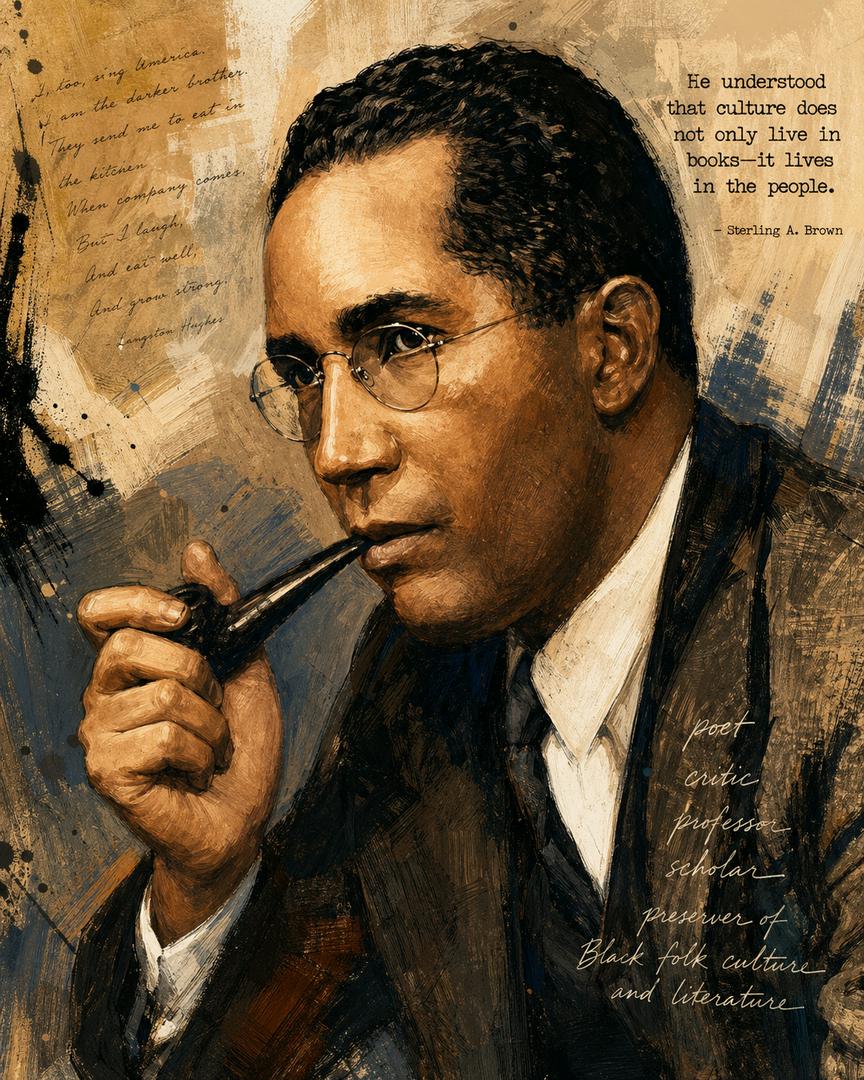
May 1, 1901: Sterling A. Brown was born in Washington, D.C. Brown became one of the most important literary voices connected to Black folk culture, poetry, criticism, and education. He was not just writing about Black life from a distance. He studied its sound, rhythm, humor, pain, wisdom, and everyday language with serious respect. A poet, professor, critic, and folklorist, Brown taught at Howard University for decades and helped shape generations of students and writers. His work pushed against narrow portrayals of Black people in literature. Instead of treating folk speech as something inferior, Brown recognized it as art, history, and cultural memory. His 1932 poetry collection “Southern Road” became one of his best-known works. Through poems rooted in blues, work songs, oral tradition, and Southern Black life, Brown showed that the voices of ordinary people carried depth, intelligence, and beauty. Brown also wrote major critical studies, including “The Negro in American Fiction” and “Negro Poetry and Drama.” His scholarship challenged stereotypes and examined how Black people were represented in American writing. He also helped edit “The Negro Caravan,” an important anthology of African American literature. His legacy matters because he preserved more than poems. He preserved voice. He understood that culture does not only live in formal books, classrooms, or museums. It lives in sayings, songs, stories, jokes, grief, survival, and the way people speak when the world is not listening. Sterling A. Brown helped make sure those voices were heard. #BlackHistory #SterlingABrown #BlackLiterature #PoetryHistory #HowardUniversity
LataraSpeaksTruth

Edward Brooke’s journey didn’t begin with a viral moment or a spotlight. It began at Howard University, where he earned his undergraduate degree in 1941 at a time when Black excellence was expected to survive quietly, not be celebrated. Howard wasn’t just a campus. It was a proving ground for minds forced to understand systems never designed for them. Brooke left with discipline and direction, then stepped into World War II, serving as a U.S. Army officer and returning home with a Bronze Star and a sharper understanding of the country he was expected to serve. After the war, Brooke earned his law degree from Boston University School of Law in 1948. No shortcuts. No favors. Just credentials, patience, and persistence layered over experience. That steady climb carried him somewhere the system never expected him to land. In 1966, Edward Brooke became the first Black U.S. senator elected by popular vote. Not appointed. Not inherited. Voted in. By the people. In Massachusetts. His rise mattered because it wasn’t loud. It was deliberate. He didn’t break the system with spectacle. He forced it to acknowledge him through preparation and endurance. In a country built to block the stairs, he climbed them anyway. Step by step. Howard wasn’t the finish line. It was the foundation. And the rest of the story proves that history doesn’t always announce itself. Sometimes it shows up early, does the work quietly, and waits decades for the room to change. #OnThisDay #December11 #EdwardBrooke #HowardUniversity #BostonUniversityLaw #USHistory #PoliticalHistory #CivilRightsEra #BlackExcellence

You've reached the end!