Tag Page EducationHistory

#EducationHistory
LataraSpeaksTruth

The Little Girl Who Moved a Nation

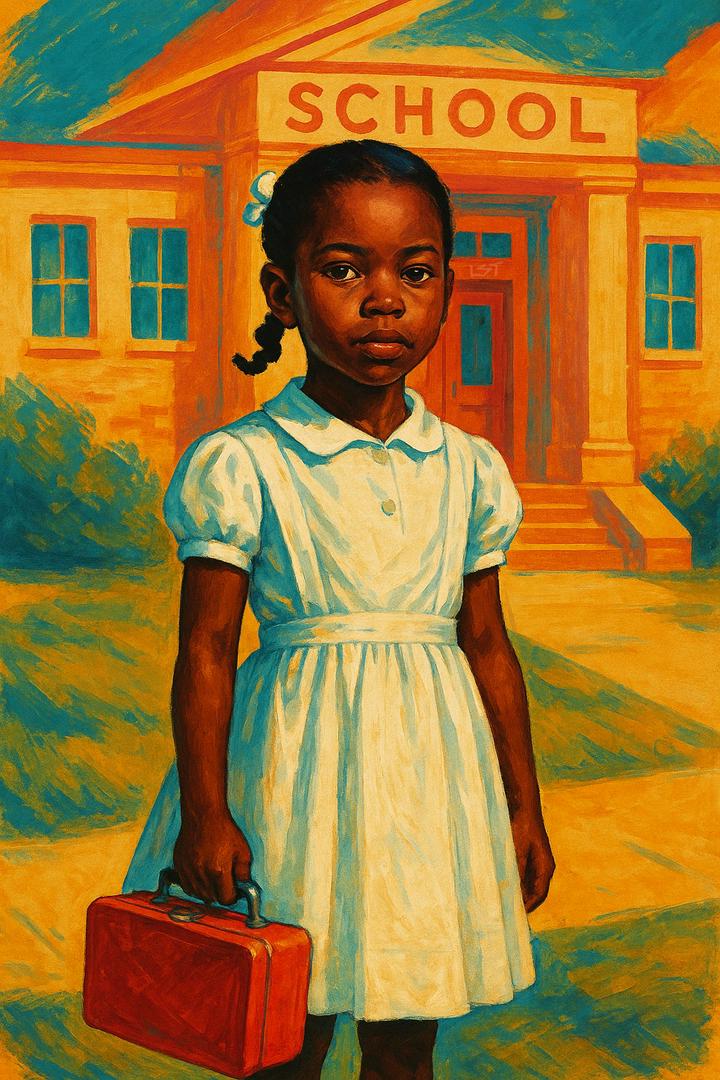
Ruby’s story hits like a drumbeat through history. Picture a tiny first-grader in 1960, rolling up to William Frantz Elementary in New Orleans with U.S. marshals flanking her like she’s the nation’s smallest superhero. Crowds spit hate, but Ruby? She keeps it moving, lunchbox swinging, spirit unbroken. Inside, every classroom is empty because white parents pulled their kids out. Only one teacher, Barbara Henry… has the backbone to teach her. So Ruby learns alone, day after day, in a school built for hundreds. Outside, the noise stays ugly, but Ruby prays for the people yelling at her. Wild level of grace for a six-year-old, honestly. That walk didn’t just open a school door. It cracked open the future. Ruby stood steady so generations of kids could sit together and learn without fear. Her steps still echo. Her courage still teaches. Her story? Still shaking the room. #RubyBridges #BlackHistory #AmericanHistory #CivilRightsEra #EducationHistory #LataraSpeaksTruth

The Little Girl Who Moved a Nation
LataraSpeaksTruth

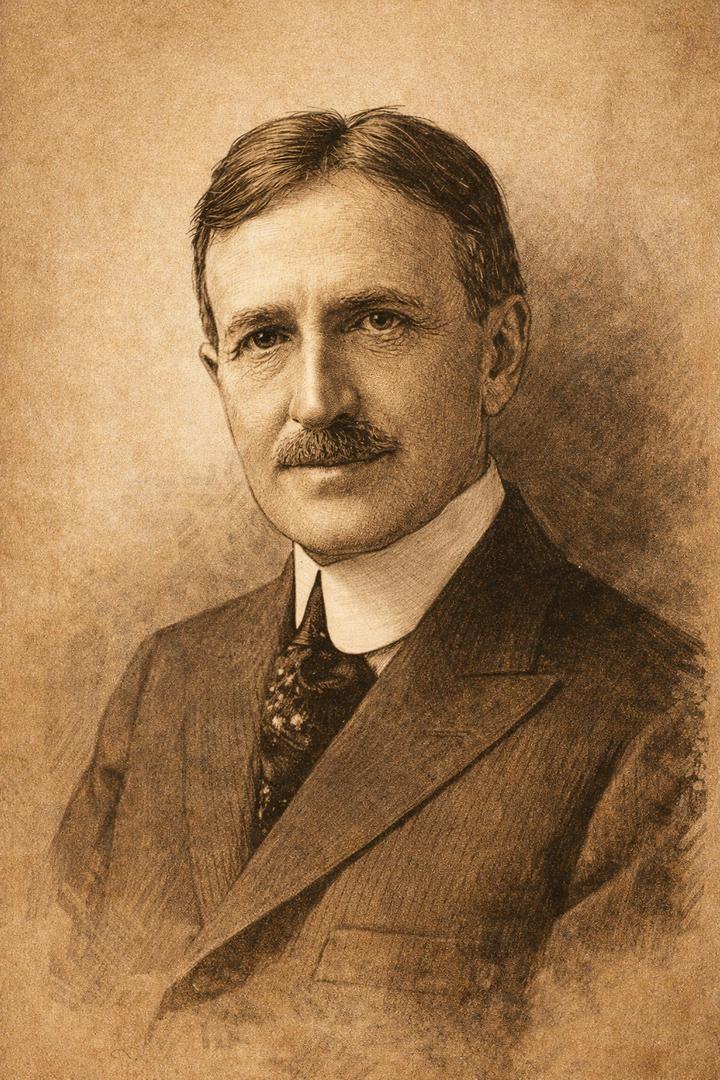
December 20, 1868 marks the birth of Harvey Firestone, an American industrialist best known for founding the Firestone Tire and Rubber Company. Firestone was not a Black American, but his relevance to Black history is tied to the influence he exercised during a critical period of educational development in the early twentieth century. Firestone formed a professional relationship with Booker T. Washington, one of the most influential Black educators of the era. Washington promoted industrial education and economic self reliance as practical strategies for advancement within a segregated society. Firestone supported this philosophy through financial contributions and public advocacy, particularly in support of Tuskegee Institute. At a time when Black educational institutions were consistently underfunded, private donations often determined whether schools could expand programs or continue operating at all. Firestone’s backing helped strengthen Tuskegee’s vocational and industrial training initiatives, which emphasized skilled trades and applied learning. These programs prepared students for economic participation during an era when access to professional opportunities was severely restricted. This relationship reflects a broader historical reality. Progress frequently depended on decisions made behind the scenes by individuals who held financial power and social access. While such support did not challenge segregation directly, it helped build durable educational infrastructure that served generations of Black students. In this context, Firestone’s legacy is not one of leadership but of influence. His role illustrates how quiet financial support helped shape access and opportunity during a formative chapter in American history. #OnThisDay #BlackHistoryContext #EducationHistory #TuskegeeInstitute #AmericanHistory

LataraSpeaksTruth

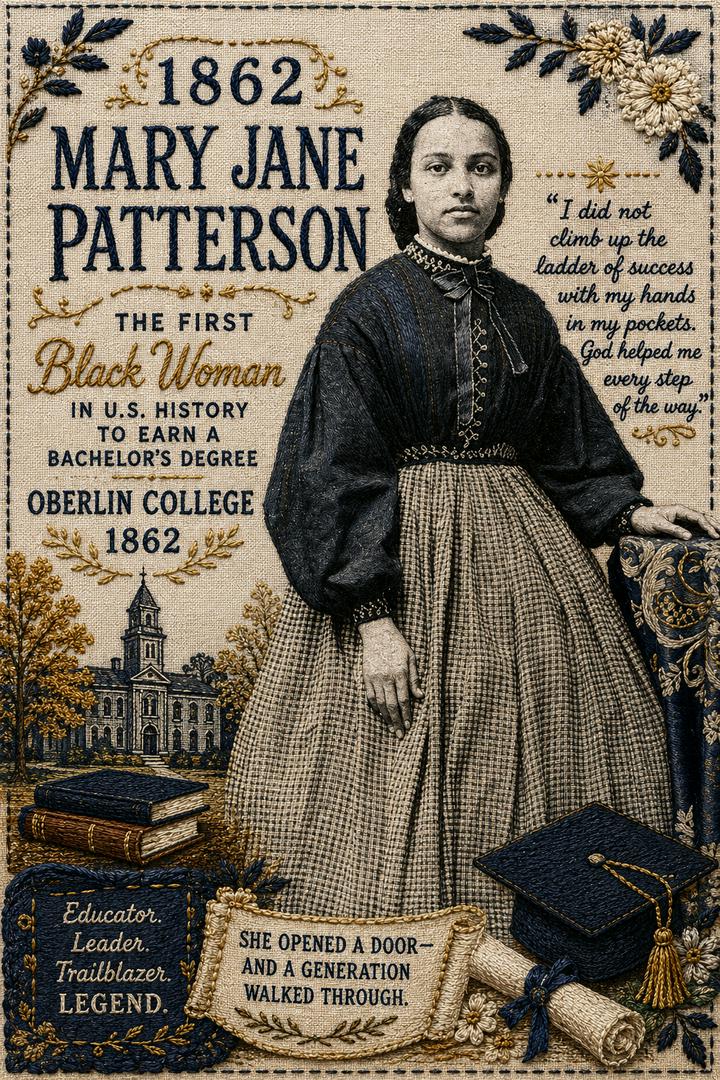
In 1862, Mary Jane Patterson made history when she graduated from Oberlin College, becoming the first Black woman in the United States widely recognized as earning a Bachelor of Arts degree. That achievement was powerful on its own, but the timing makes it even heavier. She graduated during the Civil War, while slavery was still legal in much of the country and most Black Americans were still fighting for freedom, safety, citizenship, and basic human recognition. Patterson did not take the easier path expected of women at the time. At Oberlin, she completed the rigorous classical course, often referred to as the “gentlemen’s course,” which included subjects such as Latin, Greek, and higher mathematics. She graduated with high honors. But Mary Jane Patterson was not just a “first.” She became an educator and leader who helped shape future generations. She taught at the Institute for Colored Youth in Philadelphia and later worked in Washington, D.C., at the Preparatory High School for Colored Youth, which became known as Dunbar High School. She eventually served as principal, helping raise the academic standards of one of the most important Black educational institutions of its era. Her story matters because she stepped into higher education when the country was still debating whether Black people should even be free. She pursued excellence in a world designed to deny her access. Mary Jane Patterson did not just earn a degree. She opened a door. And every Black woman who walked across a college stage after her carried part of that legacy forward. #MaryJanePatterson #BlackHistory #BlackWomenInHistory #OberlinCollege #EducationHistory #HiddenHistory
You've reached the end!
Tag: EducationHistory - Page 2 | LocalAll