Tag Page DidYouKnow

#DidYouKnow
DidYouKnow

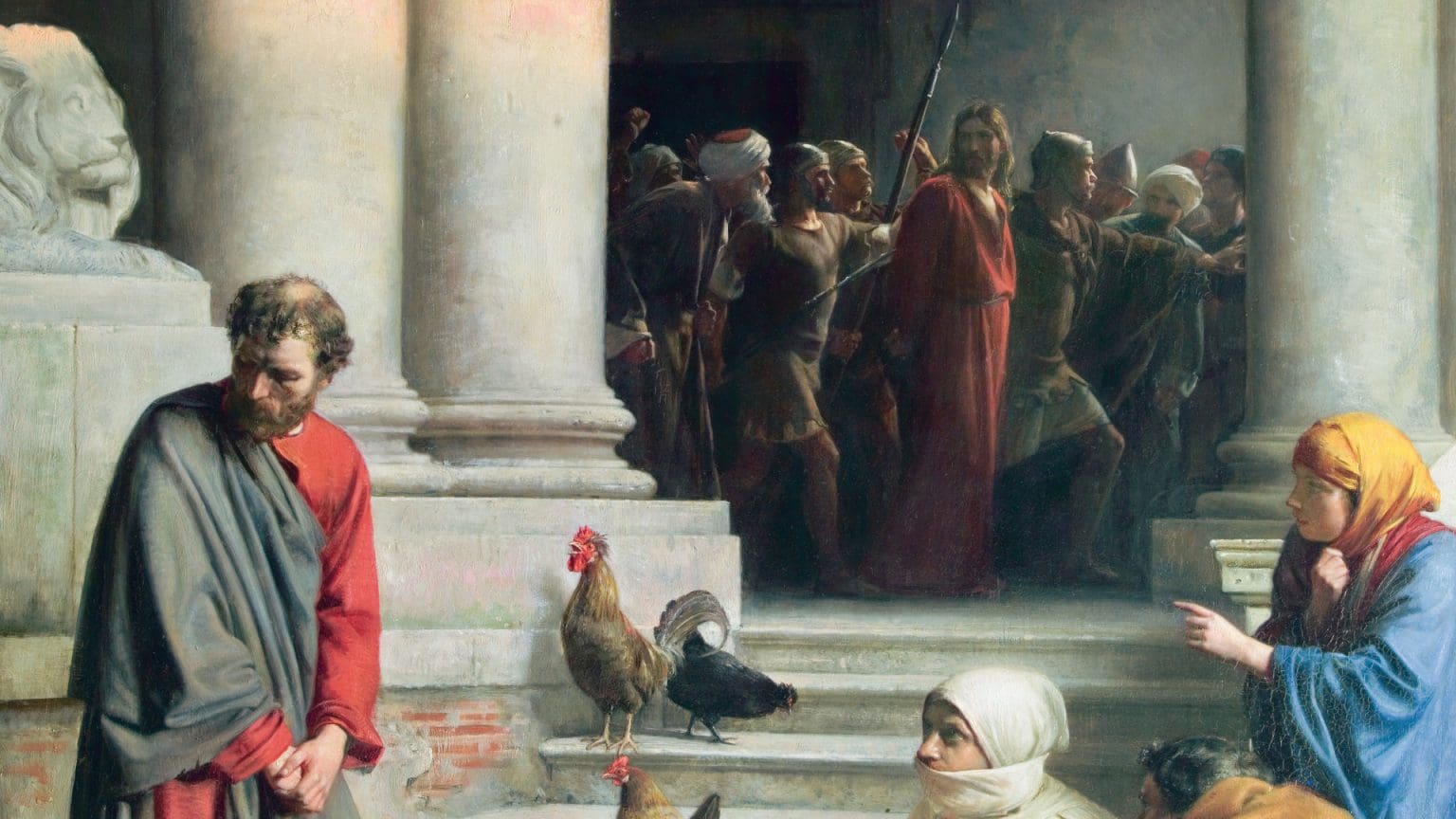
God never called doubt a sin.

Many believers were taught that doubt is dangerous. Ask too many questions, and faith will slip away. But the Bible tells a different story. The Hebrew word often translated as “faith” is emunah. It does not mean certainty. It means steadiness. Staying. Remaining in relationship. Abraham questions God. Moses argues. David complains in public prayer. Thomas doubts—and is not rejected for it. That matters, because long-term believers often feel embarrassed by late-life questions. After decades of belief, they think doubt means something broke. But doubt, in Scripture, is not the opposite of faith. Indifference is. Doubt keeps the conversation open. Silence is what ends it. If you are still asking hard questions after all these years, that is not rebellion. That is endurance. #BibleMisconceptions #FaithAndDoubt #BiblicalHebrew #ChristianReflection #DidYouKnow

God never called doubt a sin.
DidYouKnow

The Bible never promises your strength will be enough.

We love the phrase “God won’t give you more than you can handle.” It sounds empowering. It sounds responsible. But it is not biblical. Paul actually writes the opposite. He says they were burdened beyond their strength, and despaired of life itself. Why would Scripture admit that? Because faith was never meant to prove your toughness. It was meant to expose your limits. That matters, especially for older believers who were taught to endure quietly. You survived wars, losses, illnesses, disappointments—without complaint. And now you feel tired, and ashamed of the tiredness. But the Bible does not honor self-sufficiency. It honors dependence. Grace enters where strength ends. Not before. If life finally feels like more than you can handle, that may not be failure. It may be the first honest place faith was always meant to live. #BibleMisconceptions #GraceOverStrength #ChristianAging #FaithAndWeakness #DidYouKnow

The Bible never promises your strength will be enough.
DidYouKnow

“Blessed” never meant comfortable.

Today, blessing is often measured in ease. Health. Stability. Peaceful routines. But when Jesus says “blessed,” he uses the word makarios. It does not describe comfort. It describes being seen by God. The blessed ones, in the Beatitudes, are grieving. Hungry. Poor. Excluded. That matters, because many older believers quietly feel forgotten. Their bodies slow down. Their roles shrink. The church talks more about growth than about finishing well. But Scripture never ties blessing to usefulness. Only to presence. To be blessed is not to be spared. It is to be known. If your life feels smaller now, not larger, that does not mean blessing has left you. It may mean it has become quieter—and closer. #BibleMisconceptions #BiblicalMeaning #ChristianLife #SpiritualDepth #DidYouKnow

“Blessed” never meant comfortable.
DidYouKnow

God’s silence is not absence.

Many believers fear silence more than suffering. Because silence feels like abandonment. But Scripture is full of silent seasons. Four hundred years pass between Old and New Testament. Many psalms end without answers. Jesus himself cries out and hears nothing in return. That matters, because older believers often whisper a question they are afraid to say out loud: “Why does God feel quieter now than He used to?” The Bible never equates silence with distance. Sometimes silence is restraint. Sometimes it is grief shared, not explained. God’s nearness was never measured by volume. If heaven feels quiet in this season of your life, that does not mean you were left behind. It may mean God is sitting with you, not interrupting your pain with noise. #BibleMisconceptions #GodsSilence #FaithJourney #ChristianReflection #DidYouKnow

God’s silence is not absence.
The Story Behind...

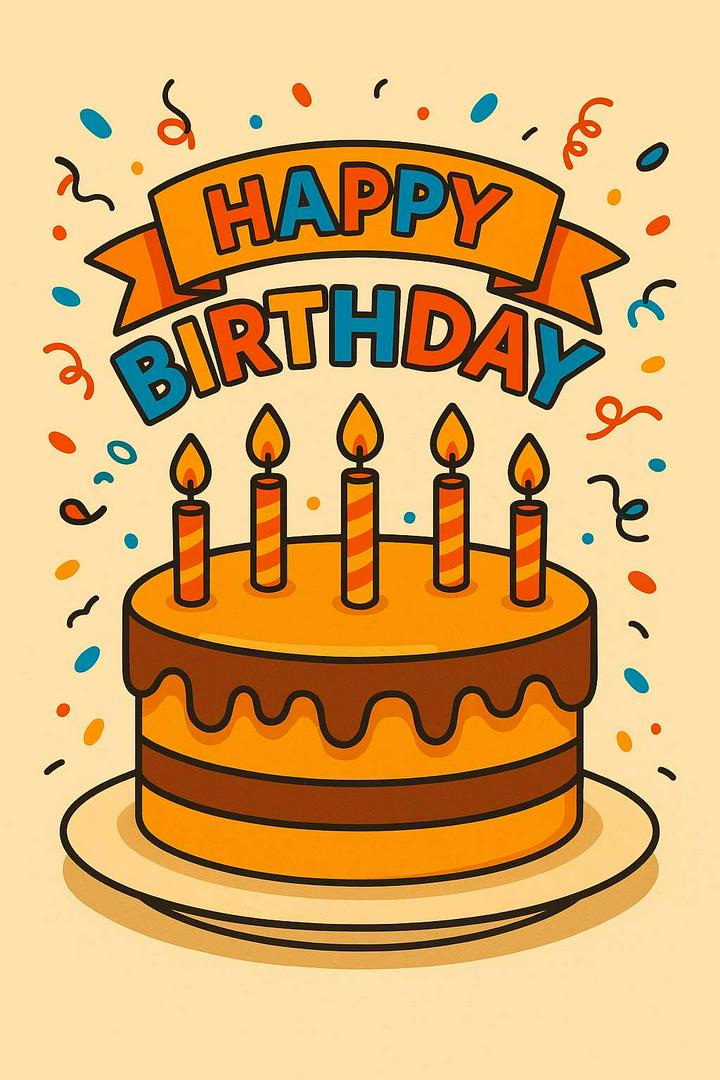
Birthdays didn’t start as candles, cake, and people yelling “make a wish.” The earliest birthday celebrations came from ancient Egypt, but they weren’t celebrating a person’s birth… they were celebrating the moment a Pharaoh was crowned and “became a god.” That’s the first record of marking a life-changing moment and calling it a “birth.” The idea shifted in ancient Greece, where people honored Artemis, the goddess of the moon, with round cakes that symbolized her glowing light. They added candles to make the cake shine… and that became the ancestor of today’s birthday candles. So every candle we blow out today is tied to an old ritual of light, power, and wishes. But birthdays still weren’t for everyday people. In ancient Rome, only men had their birthdays officially celebrated. Women weren’t recognized at all. Romans were also the first to throw public birthday parties and give gifts, especially to leaders or soldiers. Over time, the idea spread into everyday homes. It wasn’t until the 1800s that modern birthdays took shape. Germany introduced the “kinderfest,” a celebration for children with cake, candles, and one special tradition… letting the child make a wish before blowing them out. When the U.S. caught on, businesses jumped in, creating decorations, songs, and party items. That’s how birthdays became a global tradition instead of a ritual for the powerful. Today, birthdays are personal holidays that mark survival, growth, aging, and everything you learned along the way. It’s one of the few traditions that every culture touches, even if they celebrate it differently. Behind the candles and cake is a long history of human beings trying to mark the moment they entered the world and the life they’ve built since. A simple celebration with a very old story behind it. #TheStoryBehind #Birthdays #HistoryFacts #EverydayHistory #Traditions #DidYouKnow #LearnOnNewsBreak

The Story Behind...

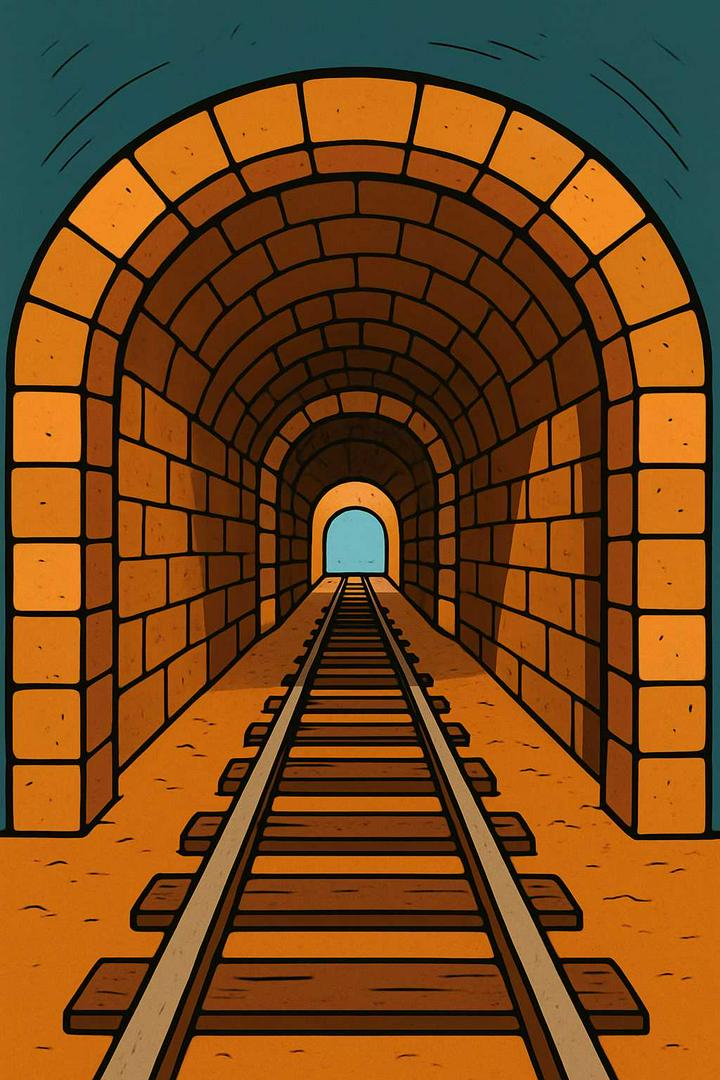
Tunnels are one of the oldest human engineering tricks. Long before trains or highways, ancient people carved tunnels to reach water, hide from enemies, and store food where the temperature stayed cool. The earliest known tunnels go back more than 4,000 years, built by civilizations in the Middle East who used simple tools to dig through rock just so their cities could survive. As time went on, tunnels became a symbol of power and protection. In ancient Rome, underground passages connected temples, homes, and baths. Some were built to move water… others to move soldiers. Medieval Europe used tunnels for escape routes during invasions. Secret pathways ran beneath castles so royalty could disappear before attackers reached the gates. The industrial era changed everything. Stronger tools made it possible to dig longer and deeper, turning tunnels into highways for progress. Railroads carved through mountains. Mines sank deep underground. Cities began building tunnels for sewage, electricity, and eventually, subways. The first underground train system, built in London in the 1860s, shocked the world… people were riding through the earth instead of over it. Today, tunnels are everywhere even when we don’t notice them… beneath freeways, under rivers, beneath entire neighborhoods. Some are massive engineering marvels built with giant machines. Others are small, rough, hand-dug paths used by workers, migrants, rebels, or people trying to survive dangerous conditions. No matter the purpose, tunnels have always represented one thing… the human instinct to push through obstacles instead of going around them. Tunnels changed the way we travel, survive, and build our world. #TheStoryBehind #Tunnels #HistoryFacts #Engineering #UndergroundWorld #DidYouKnow
The Story Behind...

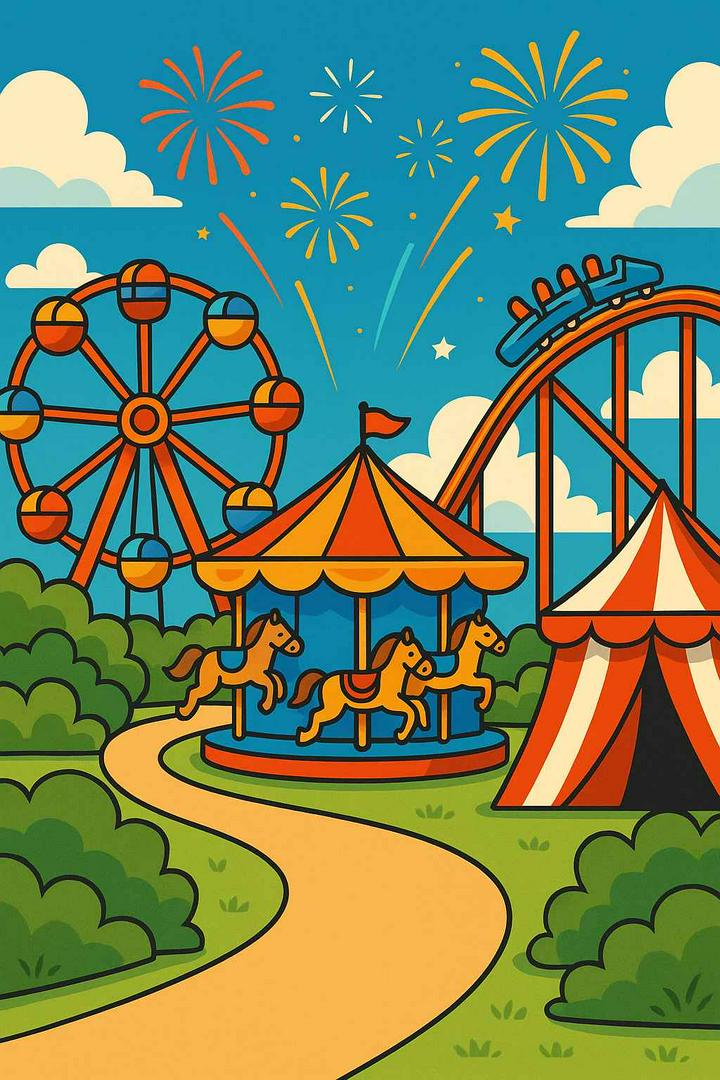
Roller coasters… cotton candy… long lines… and that one uncle who always swears he’s “not getting on that ride.” Theme parks feel modern, but the idea goes way back. The earliest versions appeared in medieval Europe with “pleasure gardens,” places where people listened to music, watched performers, and escaped their everyday lives. One of the most famous was London’s Vauxhall Gardens, which opened in the 1600s and featured shows, art displays, fireworks, and food stalls… the blueprint for everything we call entertainment today. By the late 1800s, America got in on it. Coney Island changed the game with giant rides, electric lights, and attractions people traveled miles to see. Its success inspired cities everywhere to build their own amusement parks. Then in 1955, Disneyland opened and transformed the entire industry. It wasn’t just rides anymore… it was storytelling. Every corner had a theme, a world, a feeling. It set the standard for what a theme park could be. Today they’re bigger, faster, louder, and more immersive, but the purpose hasn’t changed. Theme parks give people a break from reality… a space where adults can be kids again and kids can feel like the world is magic. The story behind them is simple… humans have always needed fun, wonder, and a place that lets the imagination run wild. Fun has a history too. Here’s where theme parks really began. #TheStoryBehind #ThemeParks #HistoryFacts #DidYouKnow #FunFacts #ConeyIsland #Disneyland #AmusementParks #LearnSomethingNew #CommunityPost

The Story Behind...

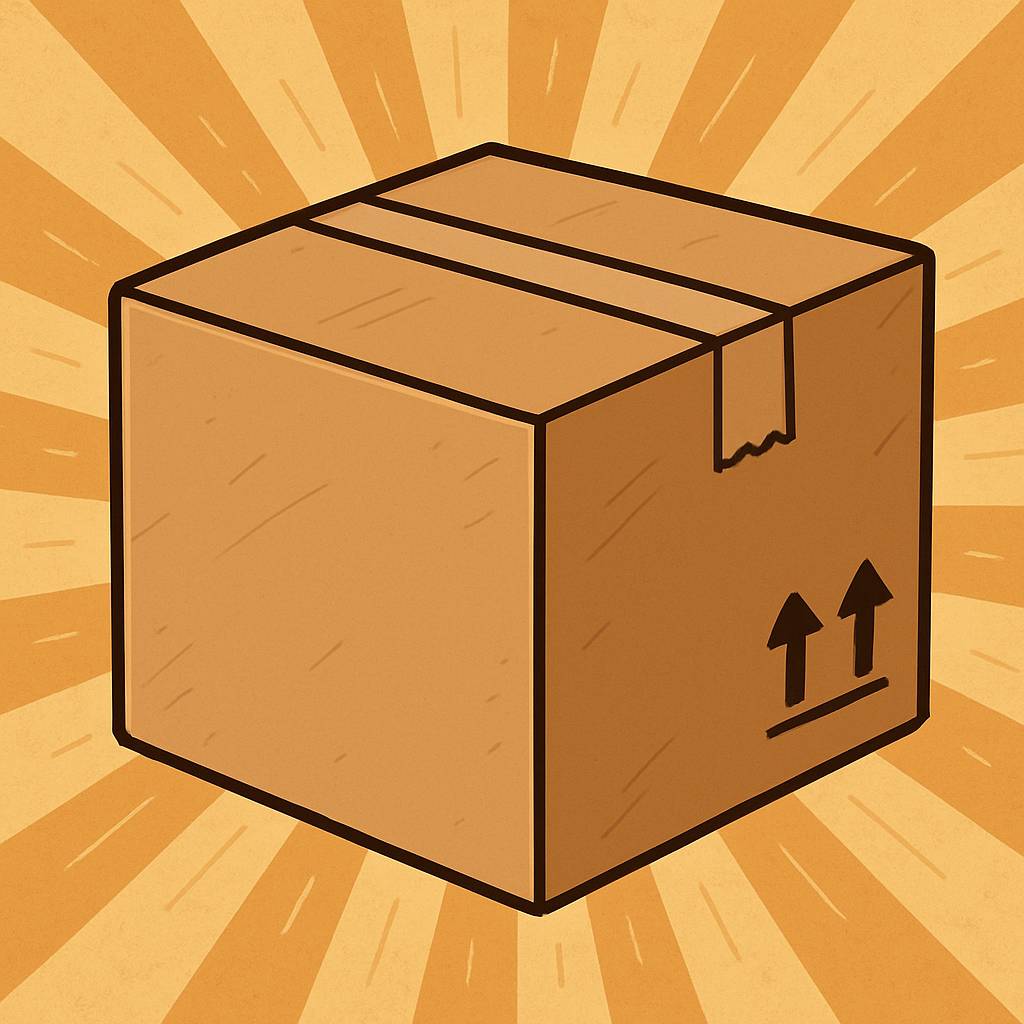
It’s wild to think about it… the thing holding Amazon boxes, cereal, shoe boxes, moving boxes… all that everyday stuff? Cardboard is one of the most important inventions of the modern world, and its story starts long before two-day shipping. The earliest version showed up in China over 1,500 years ago, back when paper itself was still new. People used thick, layered paper to protect goods, kind of like a baby version of cardboard. But the real transformation came in the 1800s. In 1856, two Englishmen patented “corrugated paper,” but it wasn’t for boxes… it was for lining men’s tall hats so the hats wouldn’t collapse. Yep… cardboard started as hat support. In 1871, an American named Albert Jones figured out that this wavy “corrugated” paper was perfect for wrapping delicate items like glass. A few years later, Oliver Long added flat sheets to both sides, creating the sandwich-style corrugated cardboard we use today. That changed everything. Suddenly, goods could be shipped farther, cheaper, and safer than ever before. By the early 1900s, cardboard boxes replaced wooden crates. Companies could ship faster, businesses could expand, and entire industries took off. It’s one of those inventions that hides in plain sight but built the modern world from behind the scenes. Thin… light… recyclable… and tough enough to move a whole house. Cardboard might look boring, but it’s an innovation that literally holds life together. The everyday invention that quietly changed the world. #TheStoryBehind #Cardboard #HistoryFacts #EverydayHistory #FunFacts #Packaging #Innovation #DidYouKnow #LearnOnNewsBreak

Tag: DidYouKnow - Page 7 | LocalAll