Tag Page December24

#December24
LataraSpeaksTruth

December 24, 1989 sits inside a cultural shift that was already gaining momentum. Around this period, Sister Souljah was emerging into national visibility as part of a wave of Black women whose political voices were becoming impossible to ignore in media, hip hop, and public debate. This was not overnight attention. It was the result of sustained organizing, sharp analysis, and a refusal to dilute language for comfort. By the late 1980s, hip hop had become more than music. It was a public forum, and the media was struggling to manage voices that spoke outside approved boundaries. Sister Souljah entered that space fully aware of the consequences. She spoke plainly, challenged dominant narratives, and refused to perform respectability to be heard. What unsettled audiences was not only her message, but her presence as a young Black woman asserting intellectual authority in spaces that were not built for her leadership. December 1989 reflects a threshold moment. Conversations about power, accountability, and representation were becoming more visible and more confrontational. Black women were no longer content to be supporting voices in movements shaped by others. They were naming realities in real time and forcing public engagement. Sister Souljah’s rise during this period signaled that shift clearly. This moment matters because history does not move only through laws or elections. It moves through voices that refuse silence when silence is expected. December 24, 1989 stands inside that awakening, when speaking boldly became an act of record, not rebellion. #OnThisDay #December24 #1989 #CulturalHistory #MediaAndPower #WomenInHistory #PoliticalVoice #HipHopEra #HistoryMatters

LataraSpeaksTruth

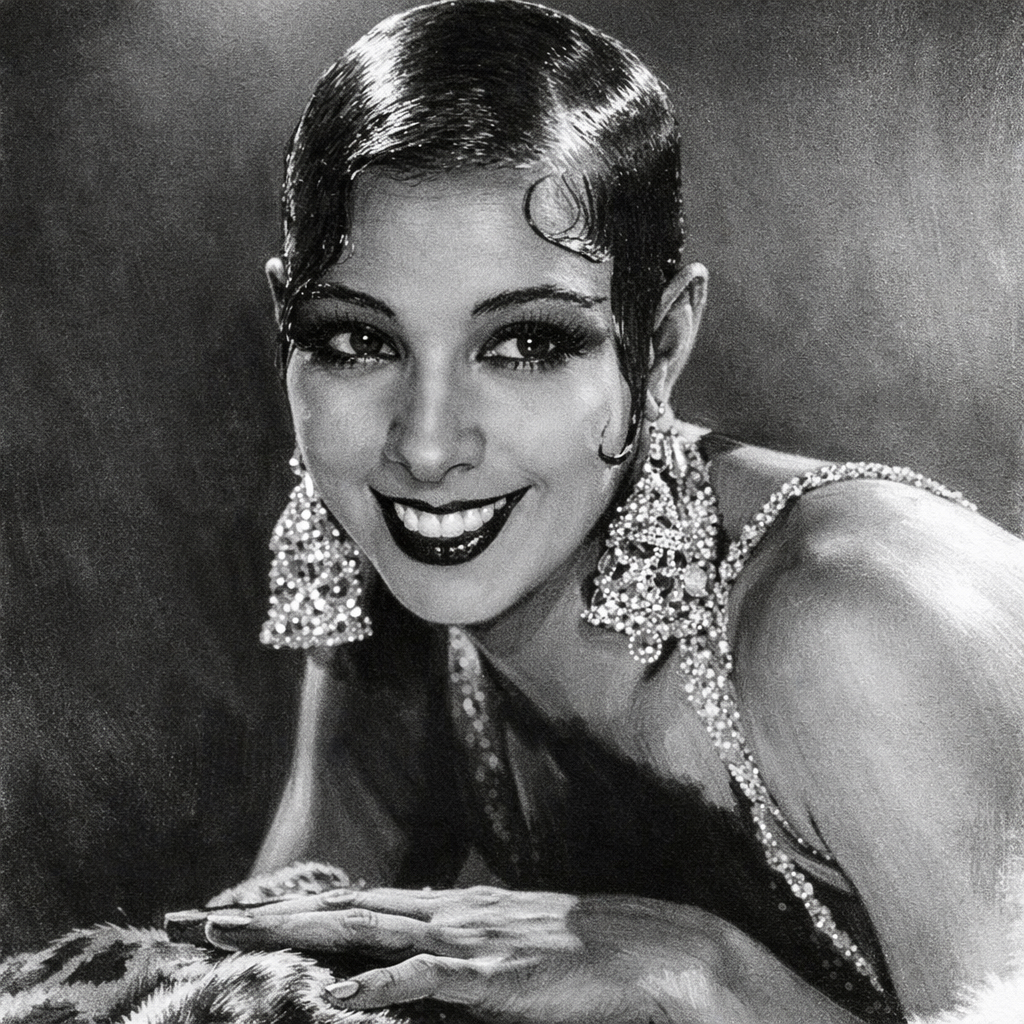
December 24, 1906. On this day, Josephine Baker was born, and history quietly underestimated her. Born into poverty in St. Louis, she came of age in a nation that craved her talent but denied her dignity. America wanted her onstage smiling, dancing, entertaining but not respected, protected, or treated as fully human. So she made a radical choice. She left. In France, Baker found what the United States refused to offer her at the time: freedom alongside fame. She became one of the most recognizable performers in the world, commanding European stages and redefining what it meant to be a Black woman in the spotlight. But sequins were never the whole story. During World War II, Baker served as an agent for the French Resistance, using her celebrity as cover to gather intelligence, conceal messages in sheet music, and transport information across borders. She risked her life fighting fascism. No costume patriotism. Real resistance. What stings is not only what she achieved, but what she had to leave behind to do it. Baker did not abandon America out of spite. She outgrew a country unwilling to grow with her. Even after global success, she confronted racism head on, refused to perform for segregated audiences, and later stood alongside civil rights leaders, including speaking at the March on Washington. December 24 marks more than a birthday. It marks the arrival of a woman who proved that talent does not need permission, dignity is not negotiable, and sometimes the loudest protest is choosing a life that refuses to shrink. She did not just escape limitations. She exposed them. #OnThisDay #December24 #JosephineBaker #HiddenHistory #WorldWarIIHistory #CulturalHistory #Resistance #Legacy #BlackExcellence #AmericanHistory #HistoryThatMatters

LataraSpeaksTruth

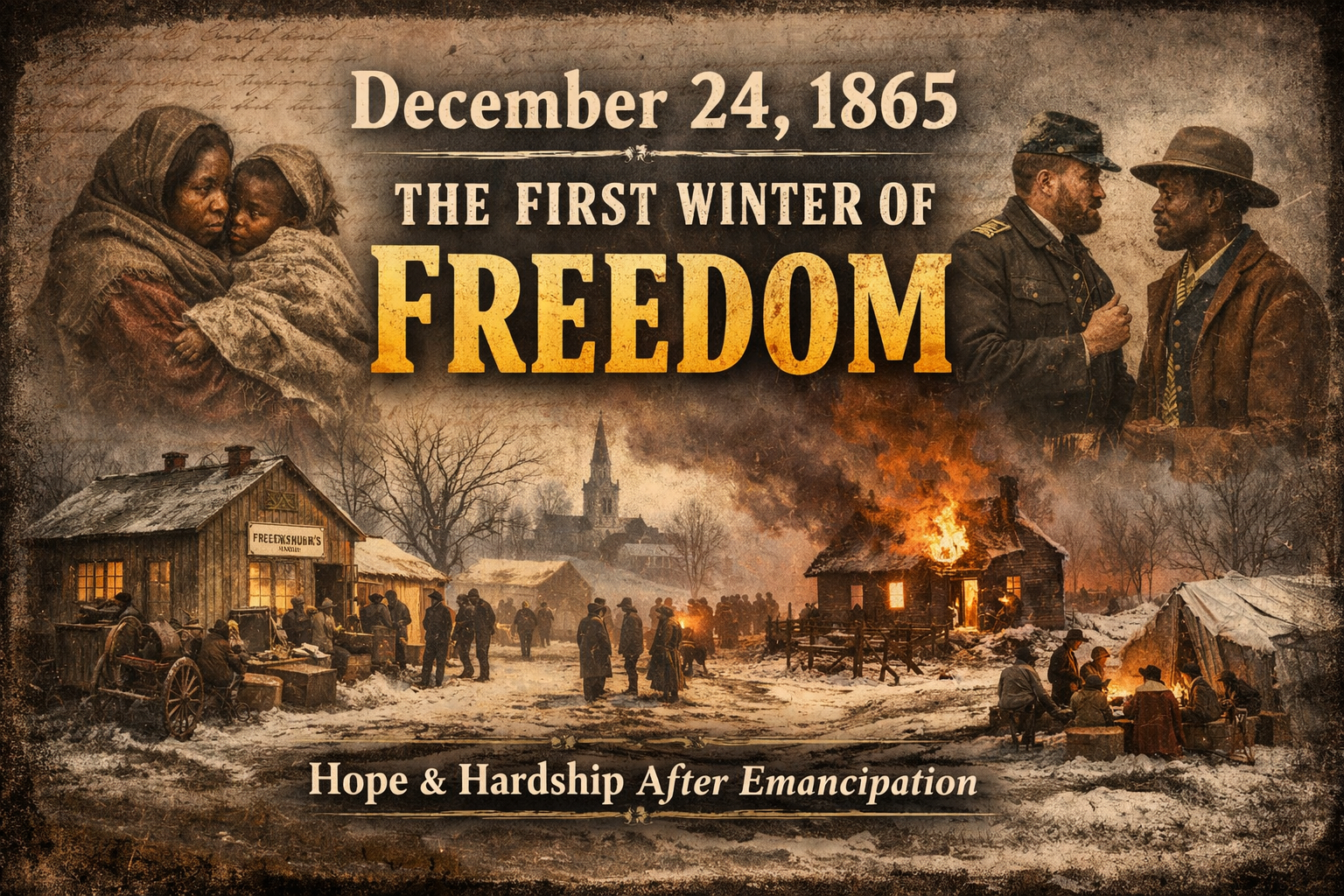
During the first winter of freedom, the Freedmen’s Bureau was actively operating across the South. Food and clothing were being distributed. Families separated by slavery were searching for one another. Schools were being established. Labor contracts were being negotiated. Protection was promised, though rarely guaranteed. Christmas Eve arrived at a moment where freedom existed in law but not in safety. For many formerly enslaved families, December 24 was not about celebration. It was about survival. Parents were learning how to live without ownership hanging over their heads. Children were navigating a world that still treated them as disposable. Communities were trying to understand what freedom meant when violence, intimidation, and economic control remained constant threats. Freedom was real, but fragile. White resistance to Black autonomy was already organizing across the South. Violence and exploitation followed emancipation almost immediately. While the Freedmen’s Bureau worked to stabilize daily life, its authority was limited and often undermined. Protection depended on location, timing, and luck. December 24, 1865 sits inside that uncertainty. It reminds us that emancipation did not come with peace or security. Freedom had to be learned, defended, and negotiated in real time. For many families that Christmas Eve, hope existed quietly, alongside hunger, fear, and unanswered questions. History does not always announce itself loudly. Sometimes it lives in moments of transition, where survival came before celebration and freedom was still being defined. #OnThisDay #December24 #ReconstructionEra #FreedmensBureau #AmericanHistory #HiddenHistory #WinterOfFreedom #HistoricalTruth #LataraSpeaksTruth

You've reached the end!
Tag: December24 | LocalAll