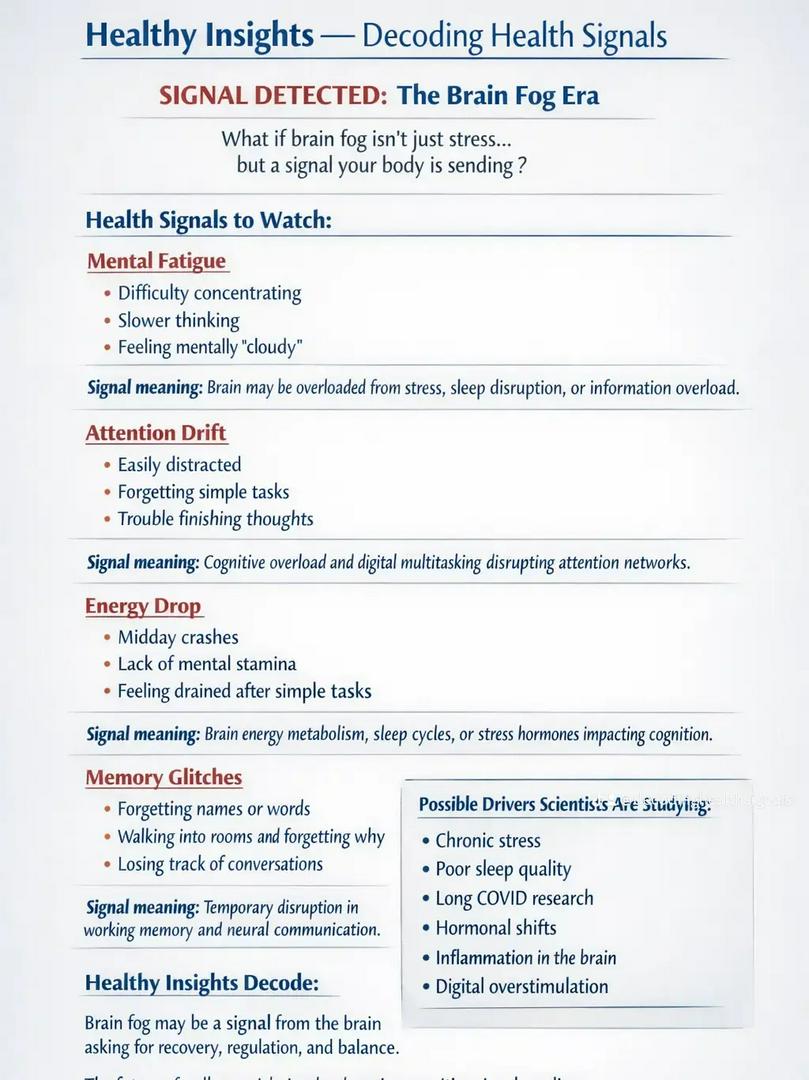
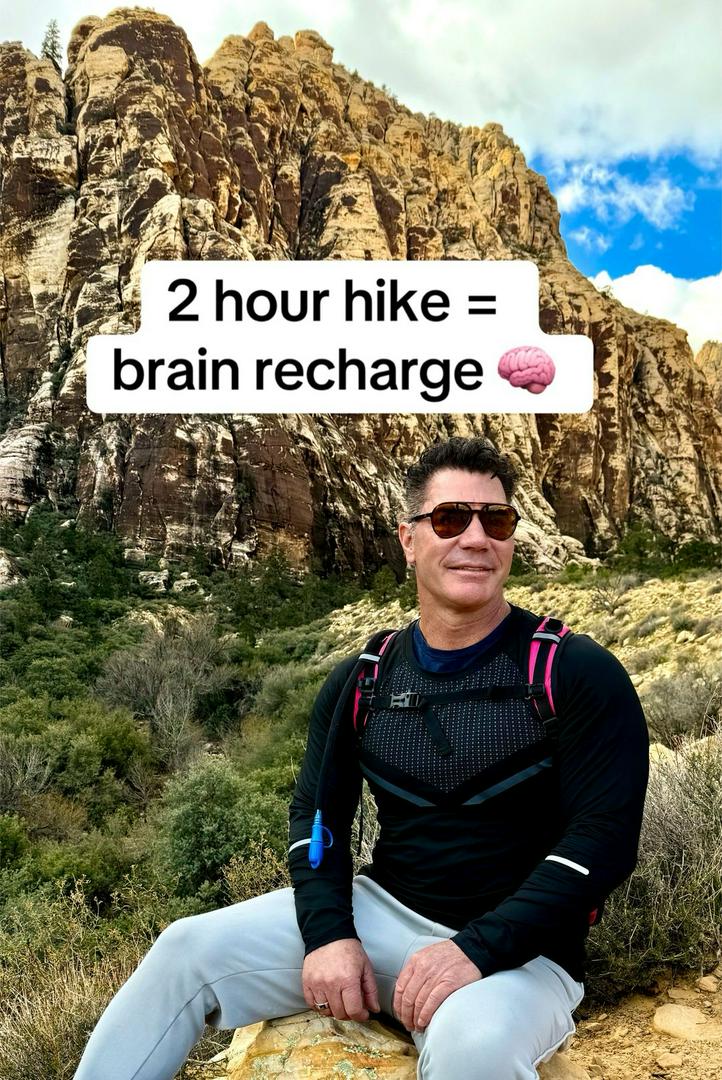
Hey biohackers! Ever feel like your brain’s stuck in the daily grind, foggy and uninspired? Time to break free—grab those hiking boots and hit the trails! It’s not just about building those legs; hiking is your ultimate brain hack for peak performance and unstoppable energy. Let’s pump up the facts with some real motivation.
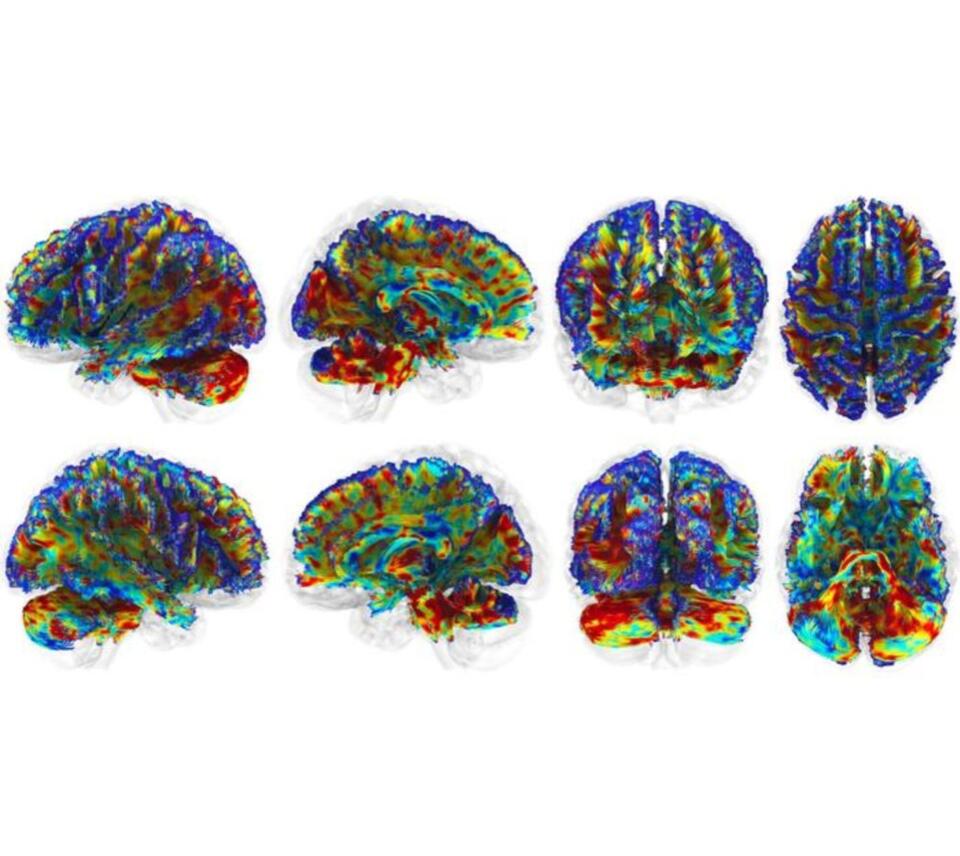
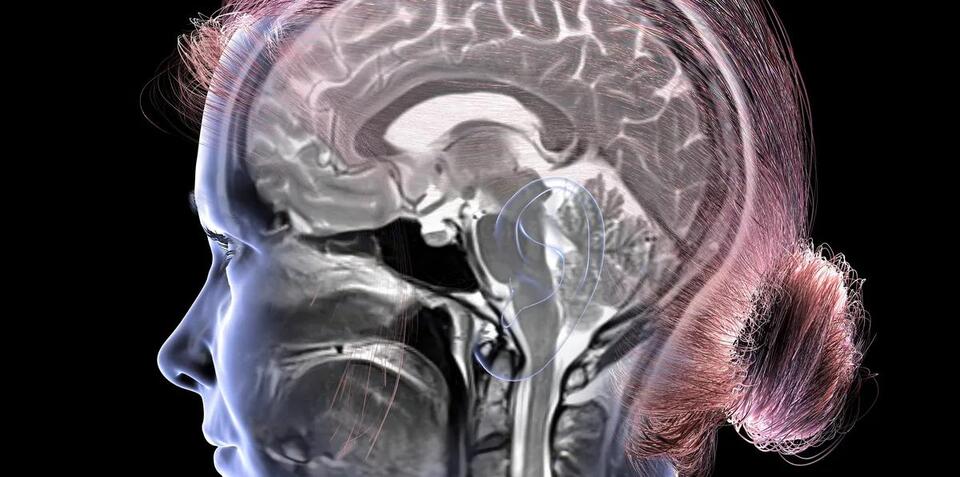
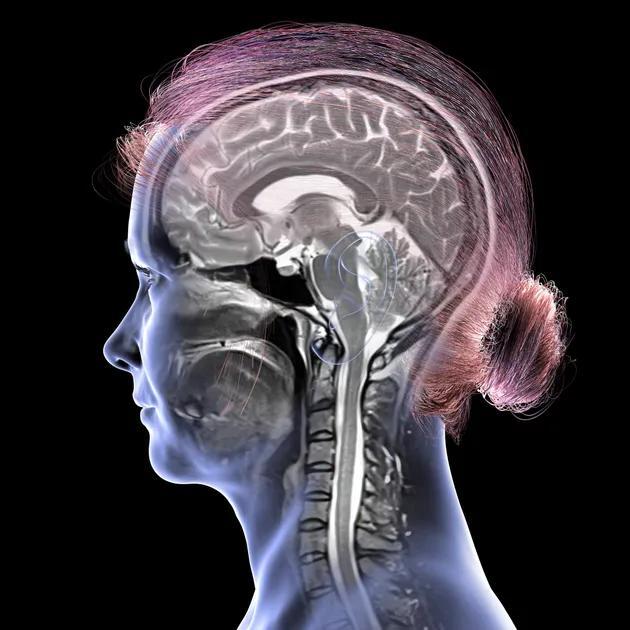
First, hiking supercharges your gray matter. Studies show that just an hour immersed in nature sparks plasticity in the hippocampus—that powerhouse for memory and mood regulation. It’s like upgrading your mental engine naturally, no gadgets needed!
Stressed out from the hustle? Hiking is your secret weapon. Research proves a 30-minute trek can drop cortisol levels by up to 28%, melting away that tension. Add in 15 minutes outdoors, and you’re flooding your system with serotonin, the feel-good hormone that battles blues and boosts your vibe. Stanford research even highlights how nature walks quiet that overactive rumination, slashing depression risks and sharpening your focus.
And let’s talk the hormone party: Hiking unleashes endorphins, dopamine, and extra serotonin, turning every step into a mood-lifting victory lap. Science backs it—reducing anxiety, enhancing attention, and turbocharging executive functions way beyond basic workouts.
Ditch the screens, embrace the green—your brain will reward you with crystal-clear thinking and that invincible smile! Who’s lacing up for adventure today? Share your top trail wins below. Let’s crush those goals together! #HikingForHealth #brainfog #hikingadventures #brainhealth