Tag Page BlackLiterature

#BlackLiterature
LataraSpeaksTruth

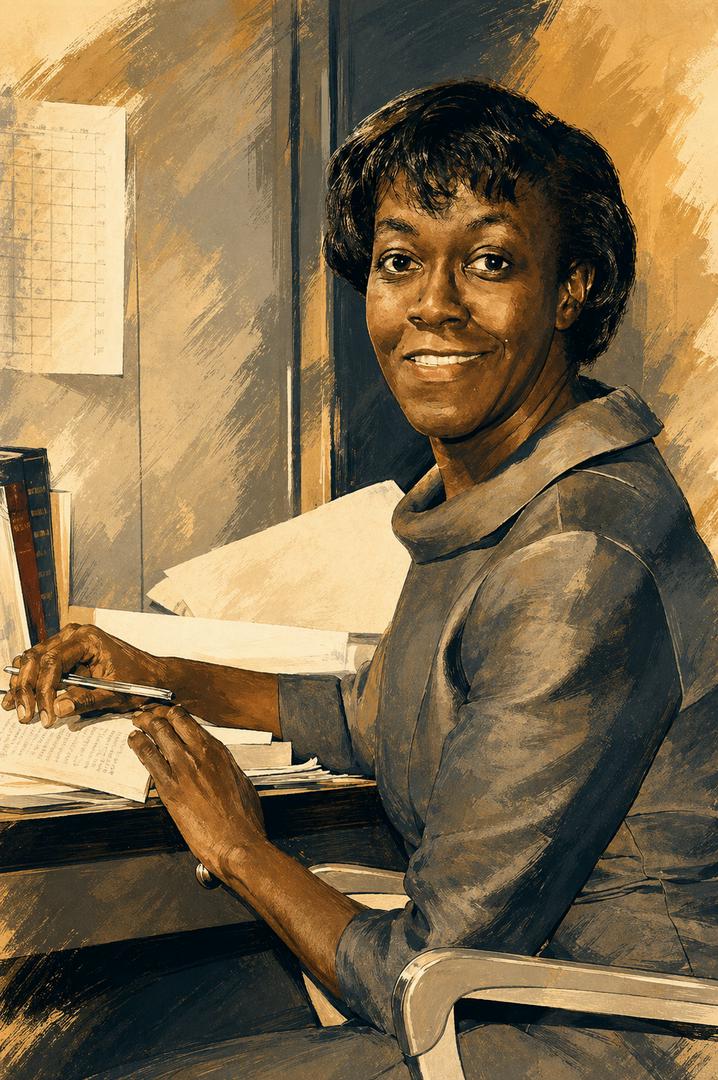
May 1, 1950, marked a major moment in American literary history. On this day, poet Gwendolyn Brooks became the first African American to win a Pulitzer Prize. She received the 1950 Pulitzer Prize for Poetry for her book Annie Allen, published by Harper. Annie Allen was first published in 1949. The collection follows a young Black girl growing into womanhood and explores childhood, love, struggle, loss, and the realities of Black life in America. The work showed Brooks’ command of language, form, and everyday truth. Brooks was born in Topeka, Kansas, in 1917 and raised in Chicago. Her writing often focused on ordinary Black life, especially in Chicago’s South Side communities. Before Annie Allen, she gained national attention for her first poetry collection, A Street in Bronzeville, published in 1945. The University of Illinois digital exhibit notes that the Pulitzer Prize Board announced Brooks’ win on May 1, 1950. The Pulitzer Prize website lists Annie Allen as the winning work for Poetry that year. Brooks’ Pulitzer win was more than a personal honor. It was a breakthrough in a literary world where Black writers had long been overlooked. Her achievement opened a historic door and confirmed that Black life, Black language, and Black art belonged at the center of American letters. Gwendolyn Brooks continued writing, teaching, and supporting younger poets for decades. In 1968, she was named Poet Laureate of Illinois, a role she held until her death in 2000. On May 1, we remember Gwendolyn Brooks, the poet who made Pulitzer history and helped widen the page for those who came after her. #GwendolynBrooks #AnnieAllen #PulitzerPrize #BlackHistory #BlackLiterature #AmericanPoetry #OnThisDay #May1 #LiteraryHistory #ChicagoHistory #BlackExcellence

LataraSpeaksTruth

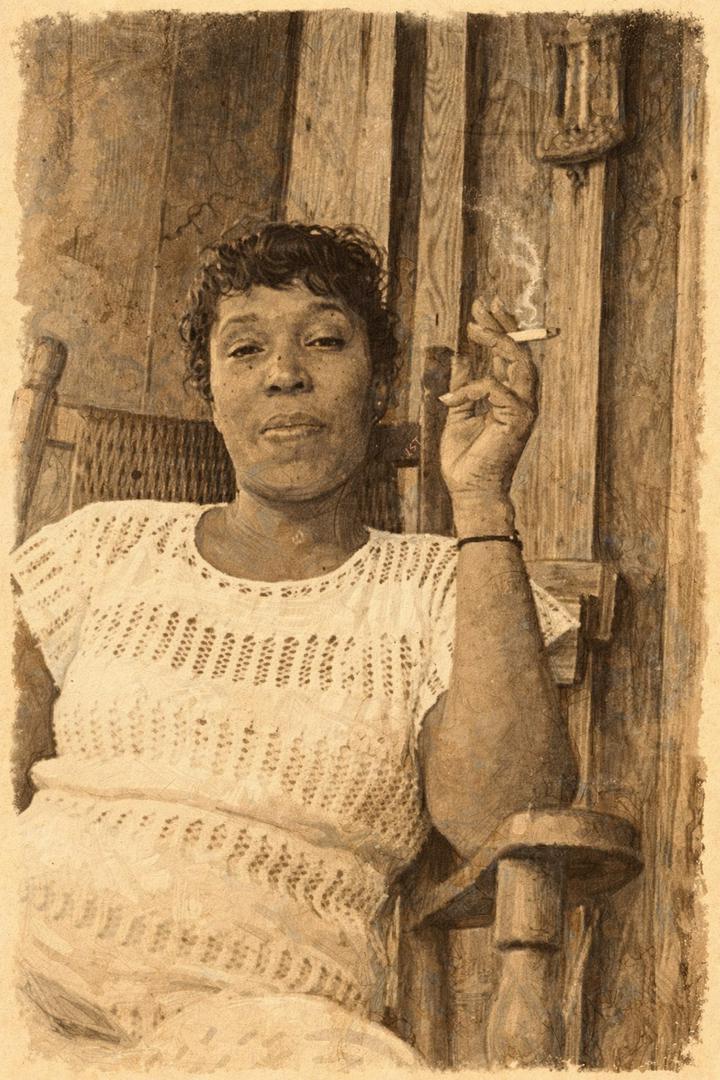
On January 7, 1891, Zora Neale Hurston was born, and from day one she refused to explain herself to anyone. Writer, folklorist, anthropologist, cultural archivist, Hurston did more than tell stories. She preserved Black Southern life at a time when America was determined to clean it up, water it down, or erase it completely. Born in Alabama and raised in Eatonville, one of the first all-Black incorporated towns in the United States, Hurston grew up surrounded by self-rule, language, humor, and folklore. That world shaped everything she wrote. While others debated how Black life should be portrayed, Hurston wrote it as it was. Musical. Messy. Funny. Painful. Proud. During the Harlem Renaissance, she stood apart because she refused to center her work around white comfort. She traveled throughout the South and the Caribbean collecting folktales, songs, and oral histories, treating everyday people as experts of their own lives. She captured speech, rituals, beliefs, and humor that scholars had dismissed for generations and proved they mattered. Her most famous novel, Their Eyes Were Watching God, centered the inner life of a Black woman when few believed that story deserved space. When it was published, it was criticized for being too Southern and not political enough. Time corrected that mistake. Today it stands as a cornerstone of American literature and a reminder that joy, love, and voice are political too. Hurston died in poverty in 1960 and was buried in an unmarked grave. Years later, her work was rediscovered and restored to its rightful place. Her legacy proves that truth does not always shout. Sometimes it survives quietly, waiting for the world to finally listen. #ZoraNealeHurston #January7 #BlackHistory #HarlemRenaissance #LiteraryHistory #AmericanWriters #HiddenHistory #WomensHistory #BlackLiterature #CulturalPreservation

LataraSpeaksTruth

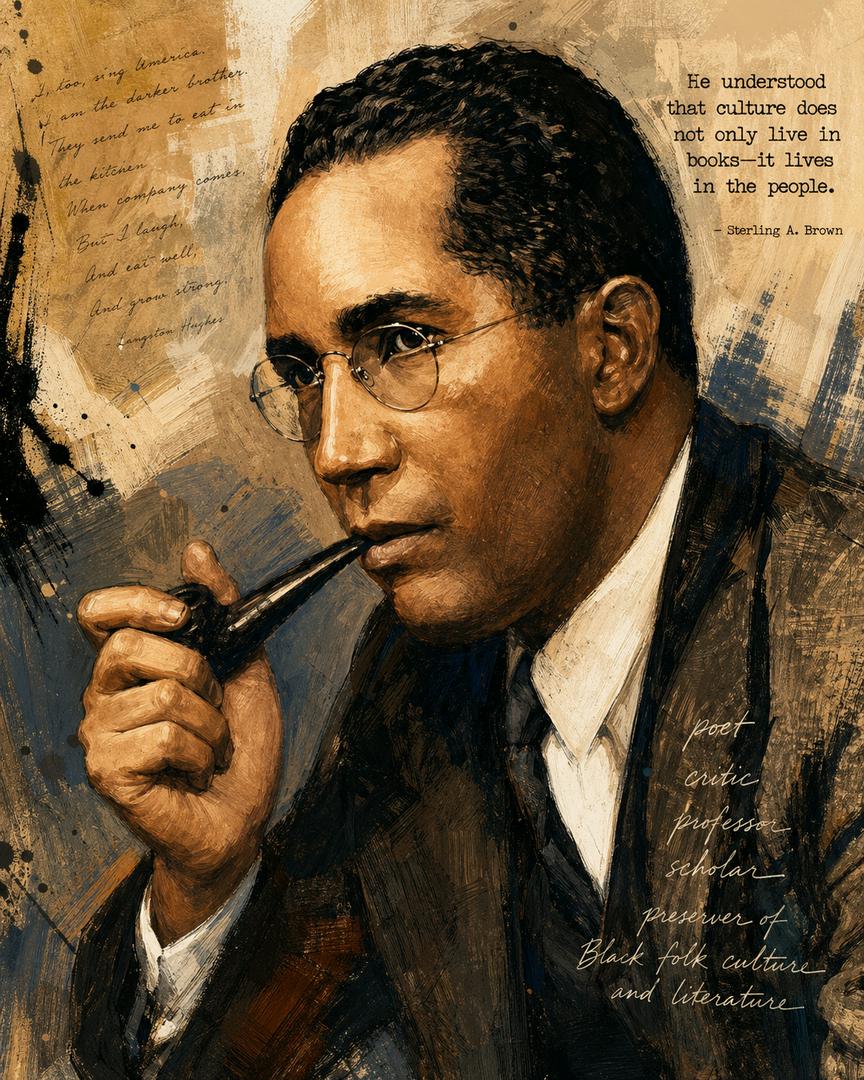
May 1, 1901: Sterling A. Brown was born in Washington, D.C. Brown became one of the most important literary voices connected to Black folk culture, poetry, criticism, and education. He was not just writing about Black life from a distance. He studied its sound, rhythm, humor, pain, wisdom, and everyday language with serious respect. A poet, professor, critic, and folklorist, Brown taught at Howard University for decades and helped shape generations of students and writers. His work pushed against narrow portrayals of Black people in literature. Instead of treating folk speech as something inferior, Brown recognized it as art, history, and cultural memory. His 1932 poetry collection “Southern Road” became one of his best-known works. Through poems rooted in blues, work songs, oral tradition, and Southern Black life, Brown showed that the voices of ordinary people carried depth, intelligence, and beauty. Brown also wrote major critical studies, including “The Negro in American Fiction” and “Negro Poetry and Drama.” His scholarship challenged stereotypes and examined how Black people were represented in American writing. He also helped edit “The Negro Caravan,” an important anthology of African American literature. His legacy matters because he preserved more than poems. He preserved voice. He understood that culture does not only live in formal books, classrooms, or museums. It lives in sayings, songs, stories, jokes, grief, survival, and the way people speak when the world is not listening. Sterling A. Brown helped make sure those voices were heard. #BlackHistory #SterlingABrown #BlackLiterature #PoetryHistory #HowardUniversity
You've reached the end!