Tag Page BlackHistory

#BlackHistory
LataraSpeaksTruth

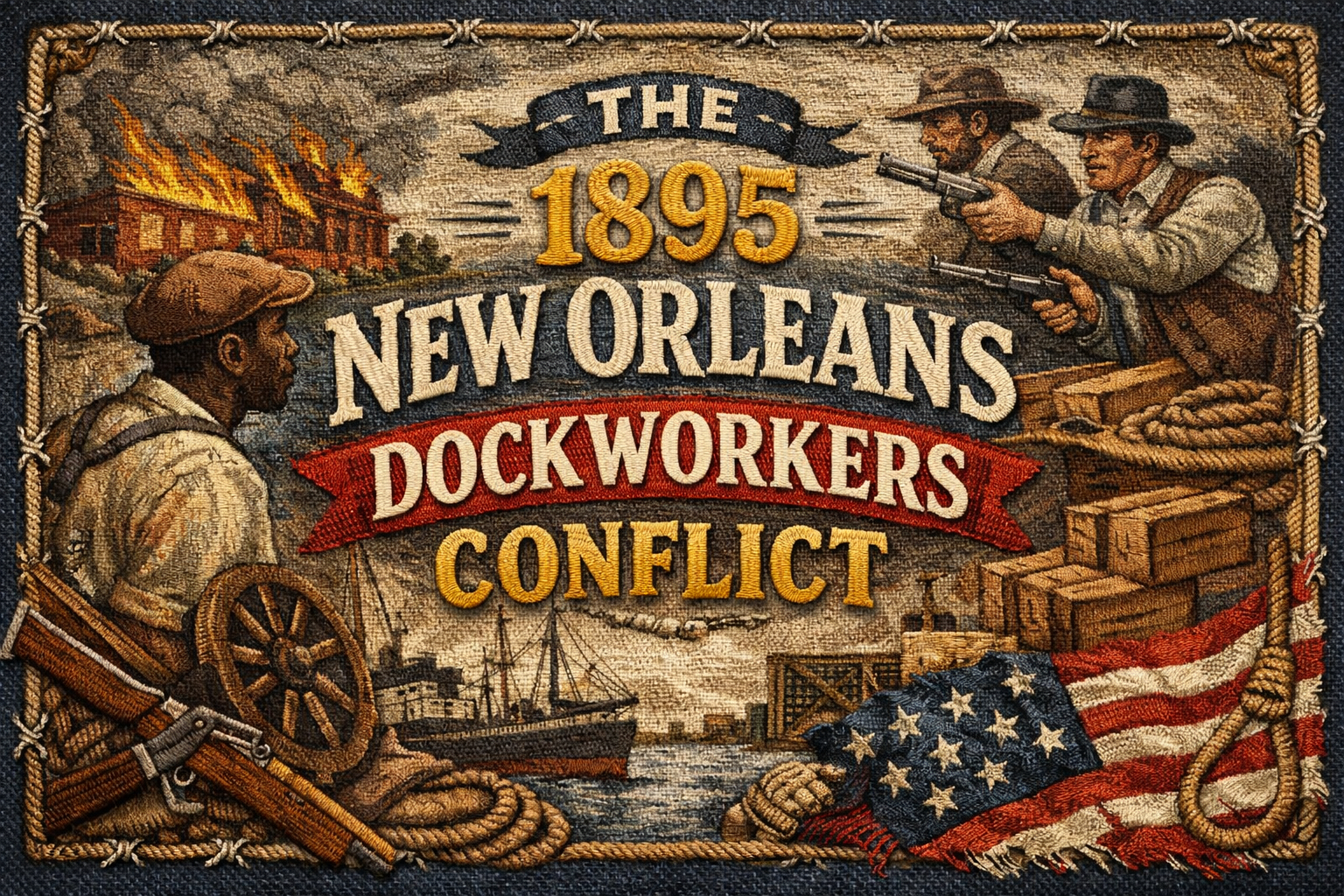
On March 9, 1895, between 300 and 500 armed white men in New Orleans targeted Black dockworkers by attacking the Morris Public Bathhouse, where equipment used by Black laborers was stored. About half of their tools were seized and thrown into the river. This was not random violence. It was organized intimidation meant to punish Black workers for becoming too visible, too independent, and too competitive on the waterfront. Two days later, the violence escalated even further, as white mobs attacked Black dockworkers directly and killed six men on the levee. What happened in New Orleans showed how racial terror could be used to break labor power before it had the chance to grow. After the Panic of 1893, some shipping companies turned to lower-paid Black labor to weaken white unions, and employers benefited from the racial division that followed. Violence did what negotiation would not: it crippled livelihoods, deepened distrust, and helped destroy the fragile possibility of sustained worker unity across racial lines. This history matters because attacks on Black workers were never only about prejudice. They were also about control—control of wages, control of jobs, control of who could rise, and control of who had to remain vulnerable. The dockworkers conflict was not just about the waterfront. It was about crushing Black economic strength before it could take root. #BlackHistory #LaborHistory #NewOrleansHistory #BlackWorkers #Dockworkers #AfricanAmericanHistory #RacialViolence #EconomicJustice #HiddenHistory #AmericanHistory

LataraSpeaksTruth

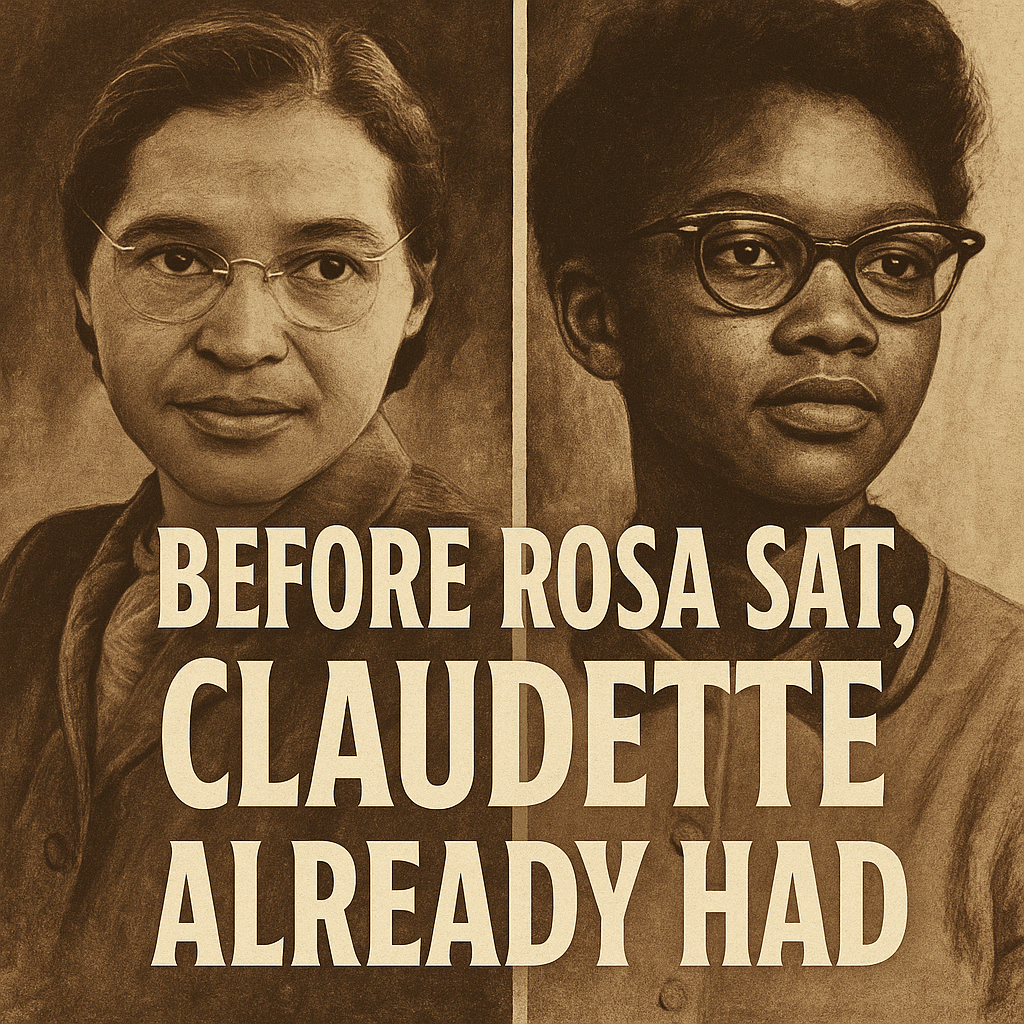
🚌Before Rosa Sat, Claudette Already Had.

Nine months before Rosa Parks made history, a 15-year-old girl named Claudette Colvin refused to give up her seat on a Montgomery bus. She was young, bold, and fearless, but the movement wasn’t ready to rally behind her. They called her “too rebellious,” “too dark,” “too unpolished.” So when Rosa Parks, a seasoned activist and NAACP secretary, made that same choice, the world finally paid attention. Not because the act was new… but because society decided who was allowed to represent it. Rosa knew the risk. She knew the story before hers. And she made her moment count, turning one woman’s refusal into a movement’s awakening. 🕊️ She passed away on this day in 2005, but her courage, and Claudette’s… still ripple through every generation learning that “quiet” does not mean “compliant”. #ClaudetteColvin #RosaParks #BlackHistory #CivilRights #LataraSpeaksTruth #WomenOfCourage #HiddenFigures #KnowYourHistory #BlackExcellence #LegacyAndTruth

🚌Before Rosa Sat, Claudette Already Had.
LataraSpeaksTruth

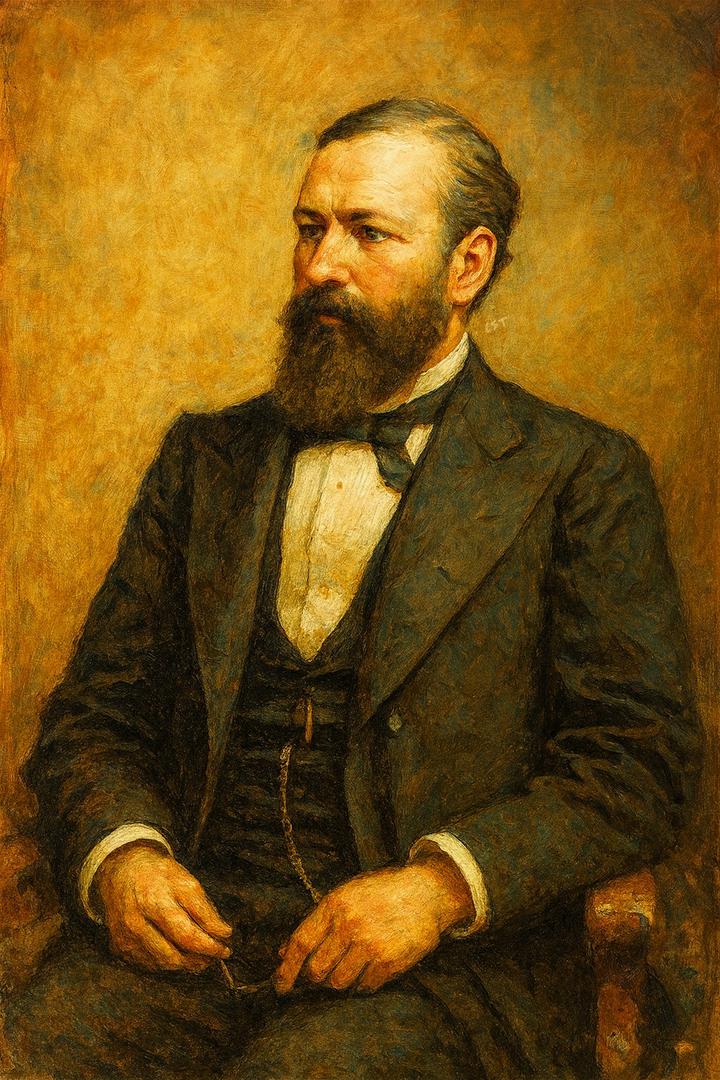
On December 9, 1872, P.B.S. Pinchback stepped into history as acting governor of Louisiana… the first Black governor in the United States. It’s one of those moments the textbooks whisper about, but it deserves a full-volume replay. Pinchback didn’t slide into power on easy mode; he fought through the chaos of Reconstruction, served as lieutenant governor, and rose to the top when the governor was impeached. His time in office was short, but sometimes it only takes a few bold weeks to shake up a century. And before someone pops into the comments with the usual, “Are you sure he was Black? He looks white…” let’s clear the air. A lot of people from that era had lighter complexions because of the grim reality of slavery: white enslavers fathered children with enslaved women, then left those kids to grow up with zero privilege, zero protection, and zero of the benefits their fathers enjoyed. Looking white didn’t grant them a shortcut. Pinchback lived, fought, and served as a Black man…?fully, openly, and without apology. His life is a reminder that history is complicated, messy, and shaped by truths many would rather ignore. Yet through it all, he carved out space where none existed and rewrote what leadership could look like in America. #TodayInHistory #BlackHistory #PBS_Pinchback #Reconstruction #LouisianaHistory #AmericanHistory #HiddenHistory #TruthMatters

LataraSpeaksTruth

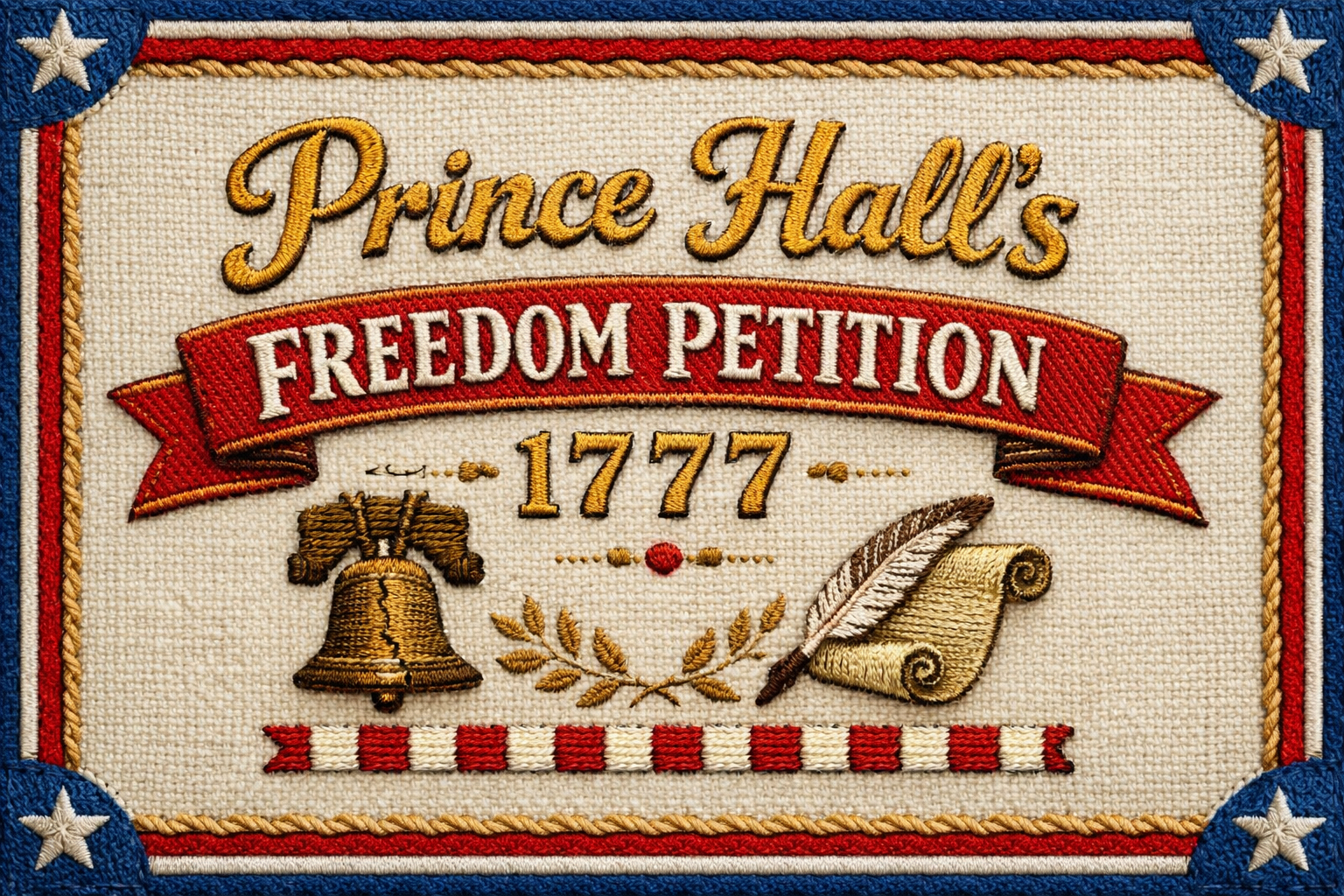
January 13, 1777 did not arrive with celebration or ceremony, but it carried one of the clearest moral confrontations of the Revolutionary era. On this day, Prince Hall and seven other Black men formally petitioned the Massachusetts legislature for freedom on behalf of those held in bondage. Their argument was not emotional pleading. It was political, logical, and devastatingly precise. If the colonies were fighting a war over natural rights and liberty, then slavery stood in direct contradiction to the very ideals being proclaimed. The petitioners pointed to the hypocrisy plainly. They reminded lawmakers that Black men were being taxed, governed, and even conscripted, while denied the freedom those sacrifices were supposedly defending. This was not a request for gradual reform or future consideration. It was a direct challenge to the legitimacy of slavery itself. The men asserted that freedom was not a gift to be granted at convenience but a right already owed. The legislature did not immediately abolish slavery in response. Power rarely moves that fast. But the petition mattered because it created a permanent written record of resistance from within the system. It forced lawmakers to confront the contradiction in ink, preserved in official archives. It also helped lay the groundwork for later legal challenges that would ultimately dismantle slavery in Massachusetts by the early 1780s. Prince Hall would go on to become one of the most influential Black leaders of the eighteenth century, founding Black institutions, advocating education, and organizing community defense. But on January 13, 1777, his legacy was already clear. He understood that freedom is not begged for quietly. It is demanded clearly, publicly, and without apology. History remembers battles and speeches. It should also remember petitions like this one. Because sometimes the most dangerous thing to a system built on contradiction is a document that tells the truth. #OnThisDay #January13 #America

LataraSpeaksTruth

The Little Girl Who Moved a Nation

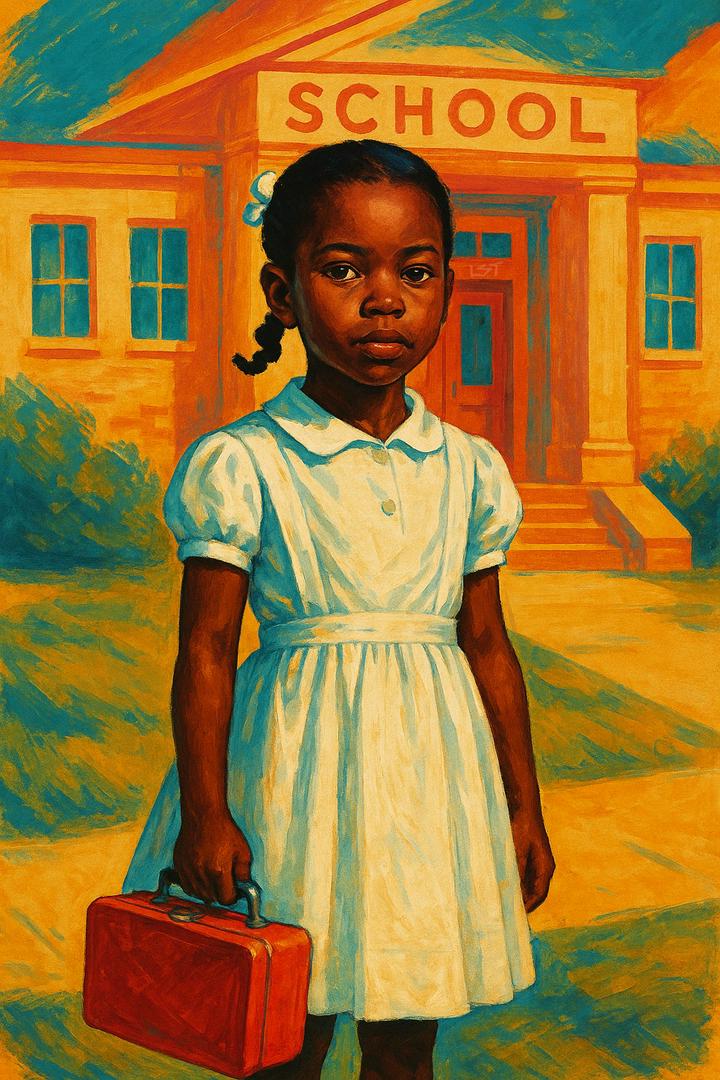
Ruby’s story hits like a drumbeat through history. Picture a tiny first-grader in 1960, rolling up to William Frantz Elementary in New Orleans with U.S. marshals flanking her like she’s the nation’s smallest superhero. Crowds spit hate, but Ruby? She keeps it moving, lunchbox swinging, spirit unbroken. Inside, every classroom is empty because white parents pulled their kids out. Only one teacher, Barbara Henry… has the backbone to teach her. So Ruby learns alone, day after day, in a school built for hundreds. Outside, the noise stays ugly, but Ruby prays for the people yelling at her. Wild level of grace for a six-year-old, honestly. That walk didn’t just open a school door. It cracked open the future. Ruby stood steady so generations of kids could sit together and learn without fear. Her steps still echo. Her courage still teaches. Her story? Still shaking the room. #RubyBridges #BlackHistory #AmericanHistory #CivilRightsEra #EducationHistory #LataraSpeaksTruth

The Little Girl Who Moved a Nation
LataraSpeaksTruth

1897… Andrew J. Beard Receives a Patent for the “Jenny Coupler”

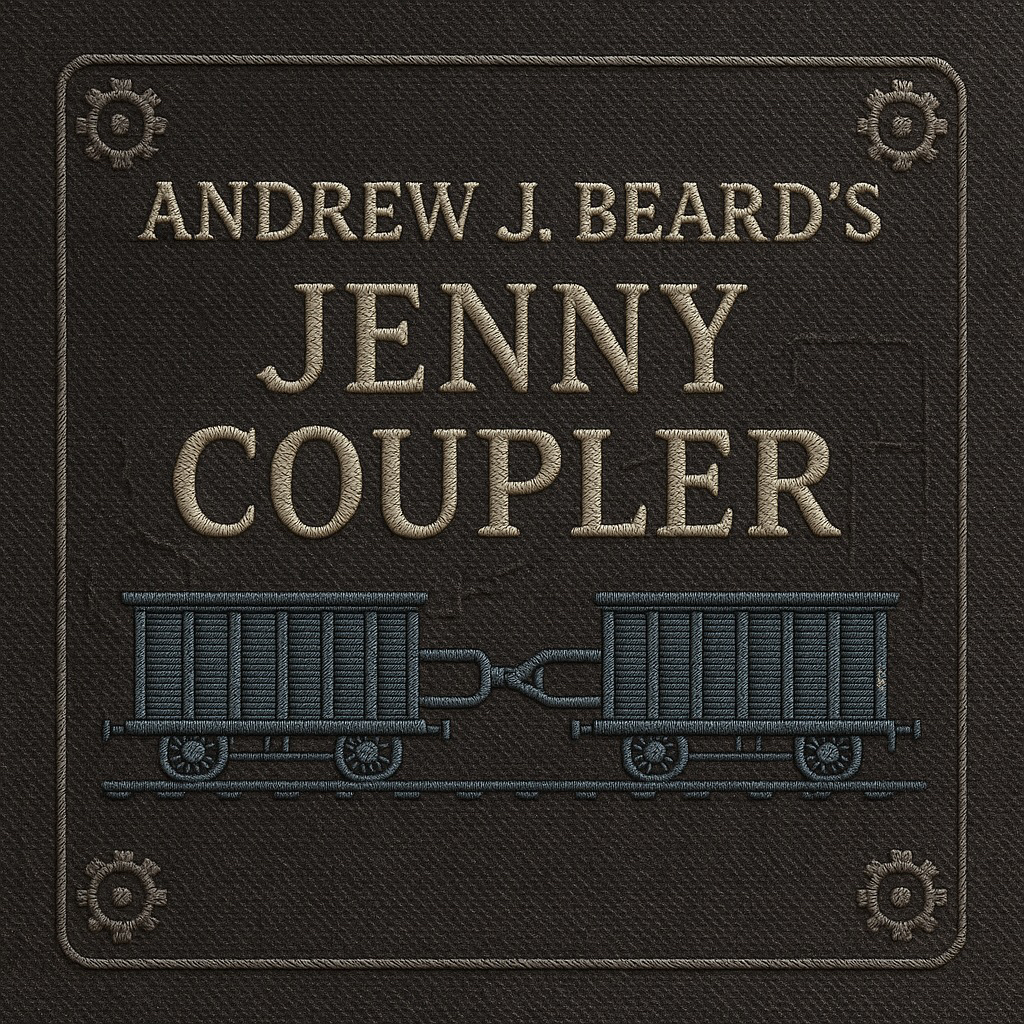
On November 23, 1897, Andrew Jackson Beard, a Black inventor from Alabama, received a U.S. patent for one of the most important railroad safety devices of the late 1800s: the automatic car coupler known as the “Jenny Coupler.” Before Beard’s invention, railroad workers had to stand between moving train cars to manually link them together. It was a dangerous job that resulted in countless crushed limbs and deaths. Beard knew those risks firsthand—he had worked around railroads and had seen the toll the old system took on brakemen. His design changed everything. The Jenny Coupler used a pair of locking jaws that snapped together automatically the moment two cars touched. It replaced a life-threatening task with a simple, safer, almost automatic motion. Beard’s patent became part of a nationwide shift toward better railroad safety. His work influenced federal requirements for automatic couplers and helped protect the workers who kept the rail industry running. Even though his name isn’t widely recognized today, Beard’s contribution had a lasting impact. His 1897 patent remains a clear example of how Black inventors helped shape American industrial technology—often without the credit they deserved. #OnThisDay #BlackHistory #AmericanHistory #Inventors #RailroadHistory #SafetyInnovation #UnsungHeroes #CommunityFeed

1897… Andrew J. Beard Receives a Patent for the “Jenny Coupler”
LataraSpeaksTruth

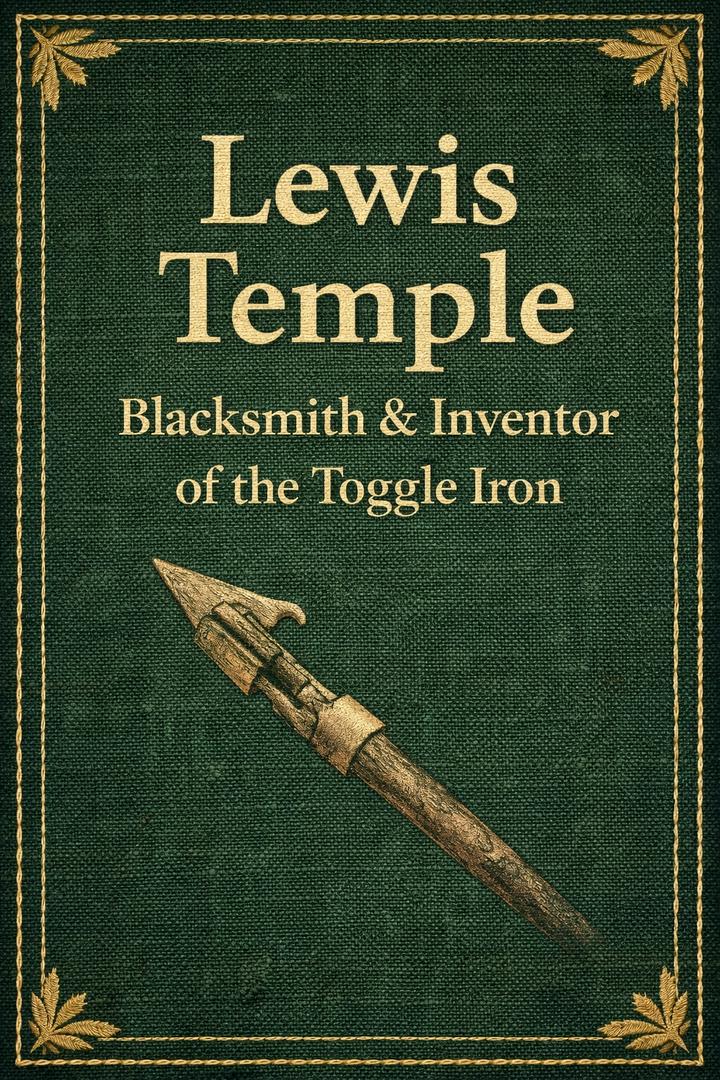
Lewis Temple’s story is not just about invention. It is about how skill, observation, and lived experience can shape an industry, even when the person behind the breakthrough does not receive the full credit he deserves. Born around 1800 in Richmond, Virginia, Lewis Temple later built his life in New Bedford, Massachusetts, where he worked as a blacksmith. By the 1830s, he had established himself along the waterfront, making iron tools and fittings used in the whaling trade. In a city tied closely to the sea, Temple understood the demands of the work and the problems whalers faced. He became best known for improving the whaling harpoon with a design called the toggle iron. Unlike earlier harpoons, Temple’s version was far more effective at staying lodged after striking a whale. That improvement made voyages more successful and more profitable at a time when whaling was a major part of the American economy. But Lewis Temple was more than a man who made a better tool. He was a Black craftsman and inventor whose work reflected precision, intelligence, and practical engineering. He studied the problem, understood the labor, and created a solution with lasting impact. Innovation like that does not happen by accident. It comes from deep knowledge and skill. Temple never patented his invention, so others copied the design and benefited from it financially. Even so, his name remains tied to one of the most important technological improvements in the history of whaling. Lewis Temple deserves to be remembered not as a footnote, but as part of a larger truth. Black history is not only a story of endurance. It is also a story of innovation, engineering, and vision. Black minds helped improve this country and move it forward. That is not a side note in history. That is history. #LewisTemple #BlackHistory #AmericanHistory #HiddenHistory #BlackInventors #Innovation #NewBedford #UntoldStories #HistoricalTruth

LataraSpeaksTruth

Texas Employers Blacklist Black Veterans (1906)

Some stories in American history were never given the full attention they deserved, and the Brownsville Affair is one of them. In 1906, more than 160 Black soldiers from the 25th Infantry were blamed for a shooting they had nothing to do with. Local officials rushed to judgment with no proof, and the nation went along with the accusation. President Theodore Roosevelt discharged the entire group in one order, stripping their service, their honor, and their futures. What many people never hear about is what happened long after the headlines died down. The government eventually admitted the soldiers had been telling the truth from day one. The bullets didn’t match their rifles. The timelines didn’t fit. Witness claims fell apart. But by the time the record was corrected, decades had passed, and many of the men were already gone. Their families lived with the weight of an accusation built on bias, not evidence. Military benefits were never restored in time to help them. Careers were lost. Entire generations grew up under a shadow they did not deserve. The correction came too late to give the soldiers the justice they needed while they were still here. Instead, their names were quietly cleared long after the damage had been done. It’s a reminder that institutions can make decisions in minutes that take lifetimes to repair. These men deserve to be remembered with truth, dignity, and the honor they earned through service. #BrownsvilleAffair #BlackHistory #MilitaryHistory #HistoryUncovered #AmericanHistory #TruthMatters

Texas Employers Blacklist Black Veterans (1906)
LataraSpeaksTruth

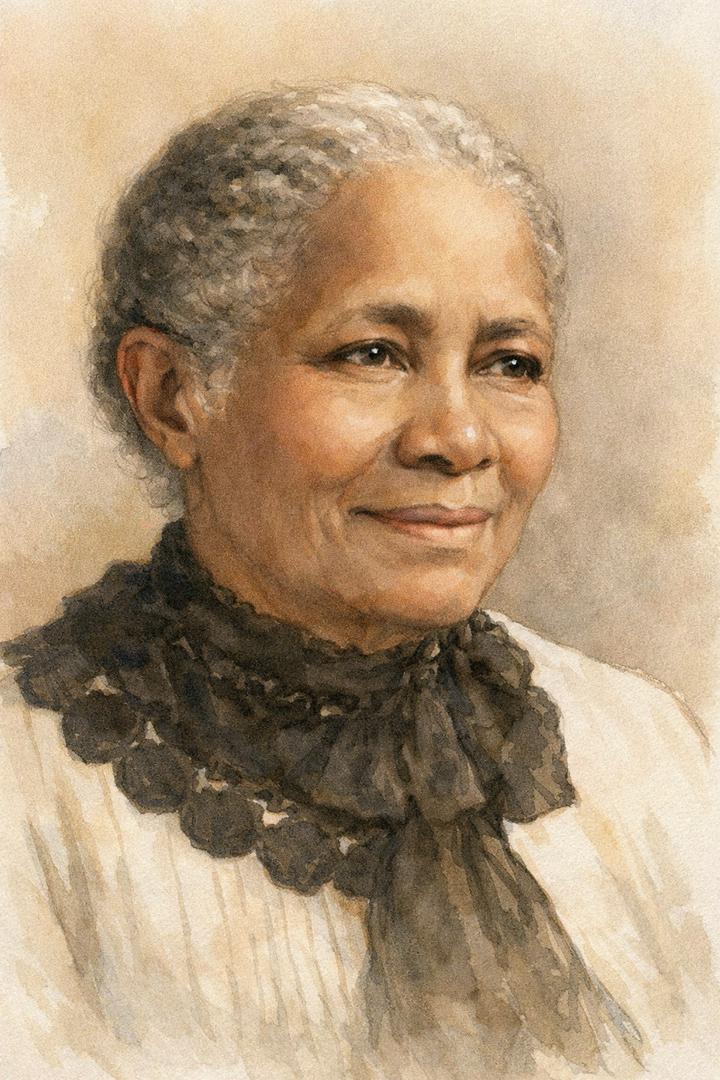
February 22, 1911…In Philadelphia, Frances Ellen Watkins Harper’s earthly voice went quiet, but her words stayed loud. She was an abolitionist, poet, public speaker, and reformer who used language like a torch in a windstorm…steady, bright, and impossible to ignore. Born free in Baltimore in 1825, she still lived under a country that tried to limit what a Black woman could learn, say, and become. She refused that script. She taught, wrote, and stepped onto stages where people expected silence from her and got truth instead. Harper understood freedom was not just a moment, it was a life. If people could not read, could not learn, could not protect their families, then “freedom” was just a fancy word with no weight behind it. So she pushed education, dignity, and real change, even when it was unpopular, unsafe, or both. Her writing carried the same spine. She wrote poems that mourned slavery without softening it, and stories that insisted Black people were fully human, fully worthy, fully meant to rise. Later, she published work that challenged the nation to face what it had done and what it still refused to fix. She also helped build community power, especially among women, when the culture tried to keep them in the background. She believed faith and conscience had to show up in public life, not just in private feelings. Moral courage, to her, was action…not vibes. So today is not just a date. It is a reminder that some people told the truth before it was trendy, and they kept telling it when it cost them. Frances Ellen Watkins Harper did not wait for permission to matter. #FrancesEllenWatkinsHarper #OnThisDay #BlackHistory #WomensHistory #Abolitionist #Poet #Author #HistoryMatters #OurHistory #PhiladelphiaHistory #AmericanHistory #Education #WomensRights #Legacy